Author: Jan

  • Is Puerto Natales Safe in 2026? Torres Base Town

    Is Puerto Natales Safe in 2026? Torres Base Town

    Is Puerto Natales safe for tourists? Walkable center, early nights, Torres as the next day.

    Jan & Valeria. We travel to Chile often and love sharing tips to help you experience this beautiful country.

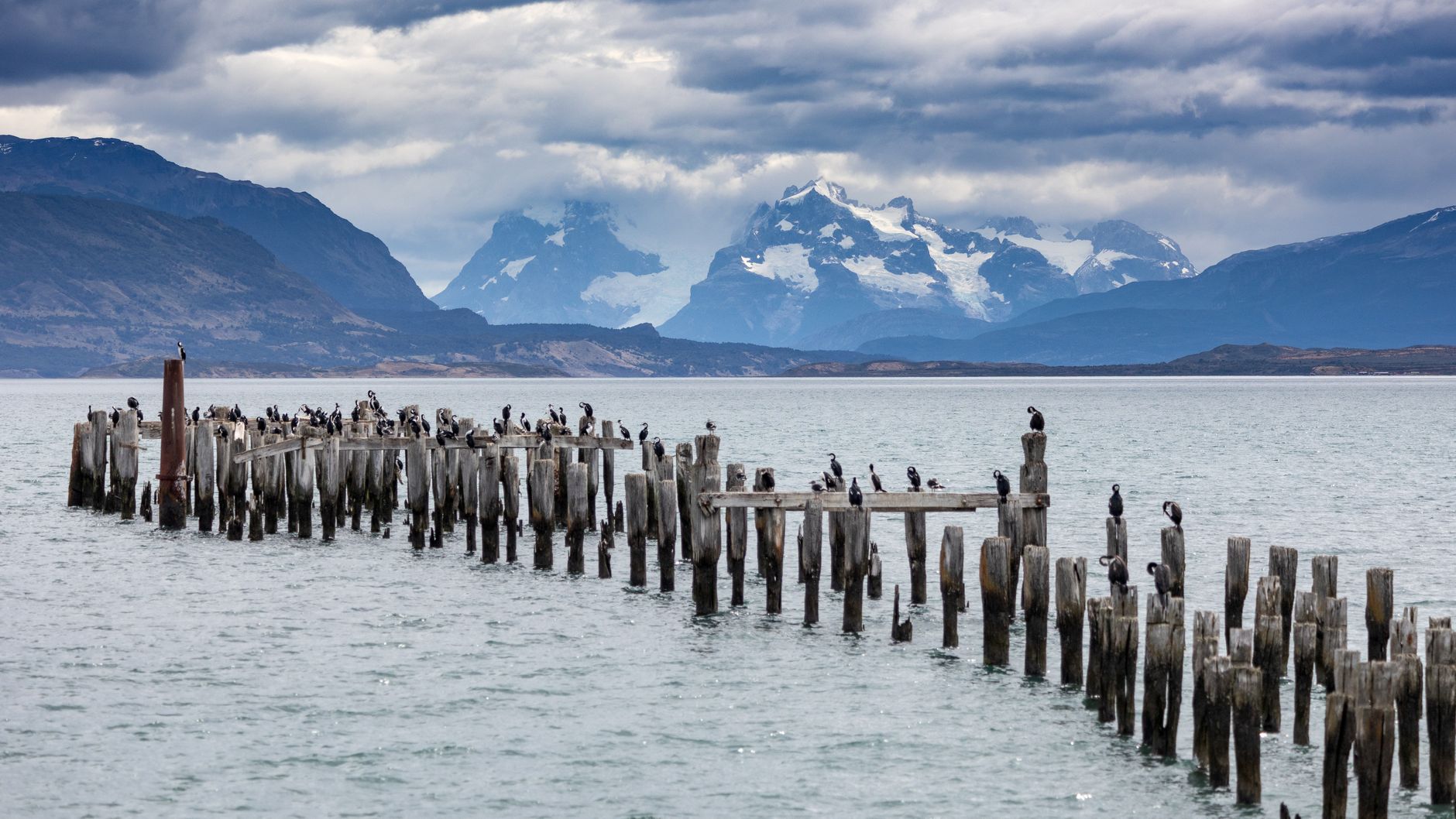
    The first time we mapped Torres del Paine on a kitchen table in Santiago, Puerto Natales was the sentence that made the plan feel human. Sleep in town. Start early. Come back to a hot shower. Valeria’s family talks about the far south as a place you prepare for, not a place you fear. After a Lake District gravel-road day to the termas, we already knew that feeling. The drive is part of the day. The bed at the end is the point if comfort is your style.

    Is Puerto Natales safe? For a first trip based in the walkable center, with park days as hikes or guided transfers, yes. Keep normal awareness around cars and bags. Go home earlier than you would in Santiago. If you already read our Patagonia safety hub and our Chile safety overview, this page is the town you actually live in. Hotels sit in hotels in Puerto Natales.

    The honest short answer
    Is Puerto Natales Safe (2026 Edition)

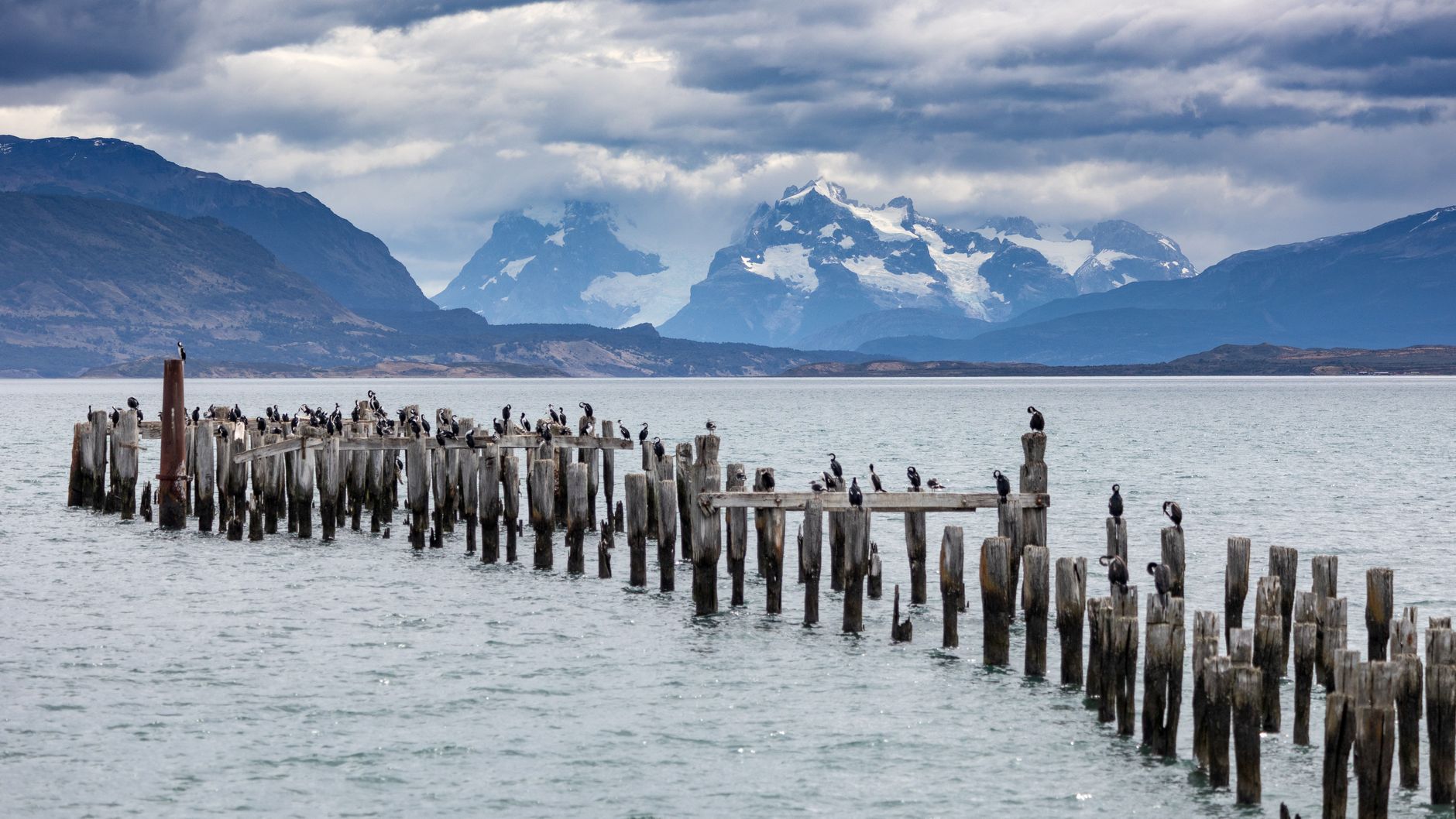
    Puerto Natales is one of the safer-feeling visitor towns in Chile if you stay central, walk busy streets in daylight, and treat parked cars like you would in wine country. Street crime exists the way it exists in any tourist gateway. Phones on cafe tables. Bags left visible in a hatchback at a trailhead or a gas station. That is not the story of Natales, and it is not the thing that ruins a day if you keep normal awareness.

    What can ruin a day is treating the town like a resort that owes you a late night, then starting a park morning already tired. We plan Natales the way we plan Pucón after a thermal day. Early dinner is not a failure. It is how tomorrow stays beautiful. Soft adventure by day. A real bed at night. That is the frame we recommend.

    We would not cancel Torres because someone asked whether the base town is safe. We would pick a hotel we can walk from, keep one weather buffer night, and leave the camping circuit as an optional later chapter. If that is you, start with Patagonia day hikes without camping.

    Wind still reaches town. It is quieter than the park and louder than a Santiago east-side evening. Zip the jacket when you leave the hotel. The first thought should be the forecast, not a fear of the plaza.

    Town safety vs park safety

    Puerto Natales feels like a working southern town with a tourist layer on top. You will see hiking shops, early breakfasts, and people comparing wind forecasts over coffee. We treat the center as walkable in daylight, and we use short, lit streets or a ride after dinner. We do not wander empty waterfront stretches with a phone in our hand at midnight. That is the same rule we use in Santiago’s eastern neighborhoods, just with colder air.

    The park is a different conversation. Torres del Paine is remote, beautiful, and honest about weather. Trails can close. Wind can turn a simple viewpoint into a lean-in walk. Official park rules and current trail status come from CONAF and the park’s own channels. If the mountain is the question, go to is Torres del Paine safe? Natales is the bed. The park is the day.

    Punta Arenas is the other mix-up we see. That city is the airport hinge. Natales is where you actually eat and sleep for park days. Keep is Punta Arenas safe? in a separate folder. Trying to make both towns do the same job is how itineraries get loud.

    What actually makes people nervous
    Is Puerto Natales Safe (2026 Edition)

    Most readers who write us are not afraid of Natales. They are afraid of a small town at the edge of a famous park. The pictures of the waterfront are real. The early-to-bed rhythm is also real. So is the fact that your car, if you have one, is the easiest target you will give anyone.

    Early nights are the culture

    Dinner in Chile still runs later than a US default. Patagonia wind and 5 a.m. park mornings still win. Streets empty sooner than Lastarria on a Friday. That can feel eerie if you arrived expecting a resort boardwalk. It is usually just hikers protecting tomorrow. We like that honesty. We also treat an empty waterfront as a cue to go home, not a cue to keep walking because the photos looked romantic.

    If you want a late wine evening, do it in a restaurant you already chose, then take a short lit route or a ride. Do not invent a night circuit because you feel you have not “used” the town.

    Cars and bags are the ordinary risk

    Do not leave backpacks visible in a parked car at a trailhead, a supermarket, or a gas station on the way to the park. That is the same Chile-wide habit we already use around Santiago and wine country. In town, keep the phone off the edge of the table when a cafe is busy. None of this is unique to Natales. It is just easier to forget when you are staring at mountains over a cappuccino.

    Luggage days are when people get sloppy. Transfer from Punta Arenas, check-in, a quick walk, bags in the room. Confirm the hotel actually has your reservation before you wander. Screenshot the address. An eSIM installed before Santiago keeps that hour boring, which is what you want.

    Distance still sits under the town

    Natales is compact. The park is not. A beautiful evening in town does not shrink tomorrow’s transfer. People get into trouble when they treat a late arrival as a reason to still squeeze a long park day. We would rather land, sleep, and start fresh. Safety here includes not making mountain decisions while you are still wrung out from travel.

    If the route south is still fuzzy, read Santiago to Patagonia before you stack flights and buses on the same calendar square.

    How we would stay safe without getting tense

    We pick a comfort hotel in or near the walkable center, book park tickets and transfers early in high season, and keep hiking days inside official hours. We tell someone the day’s plan. We carry water, layers, and a charged phone, knowing signal can drop on the park road. Coverage thins for the same reason it thins after a forest soak. When you lose it, you still want banking and a way to reach a driver when you have it back.

    We do not treat a full W Trek camping circuit as the default. Plenty of first-timers see the park on day hikes or with a guide and sleep in Natales. If that is you, use the Natales hotel shortlist as the bed, and let the park be the day.

    Guides earn their fee when weather turns or when you do not know which trail is actually open. Hiring one is not a lack of courage. It is how a lot of comfort-first travelers keep the day beautiful instead of stubborn. The town supports that style. Bakeries at dawn. Early boxes if you ask the night before. People who work here do this weather all season.

    Street dogs are a Chilean constant. Give them space. Do not turn a curious pack into a chase scene with food on the waterfront. Bikes and walkers share narrow edges. Daylight makes that easy. Wind and dusk make it less fun.

    Solo travelers, couples, and night walks

    Couples do well here if they accept early nights and early mornings. The town does not need to perform nightlife for the trip to feel complete. A good dinner and a short walk back is a full Natales evening. We would rather protect a park morning than hunt for a scene that is not why we came south.

    Solo travelers should use the same neighborhood logic we use everywhere: busy streets, known restaurant, ride back if the waterfront feels empty. For country-level context, Chile for solo female travelers still applies. Natales does not cancel those habits. It just adds wind and an earlier quiet.

    If you are traveling as a pair and one of you wants a late wander, split the difference inside the lit center, not along an empty costanera. The first thought after dinner should be “is this street still alive,” the same check we use after a Valparaíso hillside lunch when the light starts to go.

    What Valeria’s family actually changes

    What Valeria says: People in Chile do not talk about Puerto Natales as a crime problem. They talk about it as the town you use. Eat a real breakfast. Do not leave bags in the car. If the wind is ugly, stay in town and let the mountain wait. That is the local sentence I wish more packing lists printed.

    Would we tell friends to go?

    Yes. If someone asked us for one southern town after Santiago, this is the one we would protect on the calendar. Not because it is risk-free. Because the feeling people want from Patagonia is still available if you plan like an adult. Wind on the waterfront. A clean bed. Tomorrow’s weather as a conversation, not a panic.

    Would I recommend Natales to friends the way I recommend Pucón? Yes, with a different night rhythm. Pucón can still feel like a small adventure town after dark. Natales is more honest about sleep. Friends who like that honesty have a better Torres week than friends who keep looking for a resort that is not here.

    Check live official sources before you travel: the US State Department Chile advisory and CONAF for park rules that shape your days out of town. Then come back to the practical next step. Book the Natales base, leave one night empty on purpose, and read the hotel shortlist before you lock the park transfers.

    We would start that plan with hotels in Puerto Natales and our Patagonia travel guide. The town is not asking you to be fearless. It is asking you to come home early enough that tomorrow still works.
  • Is Punta Arenas Safe in 2026? Gateway Night Tips

    Is Punta Arenas Safe in 2026? Gateway Night Tips

    Is Punta Arenas safe for tourists? A windy gateway, not a resort week.

    Jan & Valeria. We travel to Chile often and love sharing tips to help you experience this beautiful country.

    The first time we mapped a far-south chapter on a flight into Santiago, Valeria framed Punta Arenas the way her family still does. It is a city that works. You dress for wind. You do not try to turn it into a lakeside week. That sentence stuck harder than any crime headline. After a real Temuco stopover on the way to Pucón, we already knew what a Chilean gateway feels like. Functional. A little gray. Useful if you treat it as a hinge, not the destination.

    Is Punta Arenas safe? For a night or two around the airport and the central blocks, with normal city awareness, yes. It is calm, windy, and practical. It is not a week-long resort. If you already read our Chile safety overview and our Santiago to Patagonia route notes, this page is the Magellan gateway chapter of that same calm mindset.

    The honest short answer

    Is Punta Arenas Safe (2026 Edition)

    Punta Arenas is one of the more straightforward southern cities for a tourist overnight if you stay in the visitor-friendly center, use a ride after a late dinner, and treat the waterfront as weather, not a midnight stroll with a phone out. Street crime exists the way it exists in any Chilean city with an airport and a port. Phones on cafe tables. Bags in unlocked cars. That is not the story of Punta Arenas, and it is not the thing that ruins a day if you keep normal awareness.

    What can ruin a day is stacking the Santiago flight, a late landing, and a same-day transfer to Puerto Natales as if none of that is tiring. We plan Punta Arenas the way we plan Temuco. Land. Sleep. Start fresh. Safety here includes not making transfer decisions while you are wrung out from travel and the wind is already in your jacket.

    We would not cancel a Patagonia trip because Punta Arenas appears on the map. We would also not book five nights here hoping the city will behave like Puerto Varas. Soft adventure belongs in the park later. The city is the hinge. A clean bed. An early breakfast. Then the road or the next flight toward Natales.

    Wind is the sensory fact everyone underpacks. It is not dangerous by default. It is the reason a waterfront walk can feel harder than the distance on a map, and the reason you zip the jacket before you leave the hotel, not after the first corner.

    Gateway city vs holiday town

    Punta Arenas feels like a working southern city with a tourist layer on top. You will see outdoor shops, people comparing wind forecasts over coffee, and travelers killing time before a Torres transfer or a cruise logistics day. We treat the central blocks as walkable in daylight. After dinner we use short, lit streets or a ride. We do not wander empty waterfront stretches with a phone in our hand at midnight. That is the same rule we use in Santiago’s eastern neighborhoods, just colder and louder with wind.

    The park is a different conversation, and it is not this city’s job. Torres del Paine sits hours away. If the mountain is the question, go to is Torres del Paine safe? If the town you will actually live in is Natales, go to is Puerto Natales safe? Punta Arenas is the airport city. Keep those three files in separate mental folders and planning gets calmer.

    We think of this stop the way we think of a good Temuco night. You want a hotel you trust, a meal that does not require a project, and a clear exit in the morning. Trying to “see Punta Arenas properly” on a tight Patagonia calendar often creates stress without adding the feeling people came south for.

    What actually makes people nervous

    Is Punta Arenas Safe (2026 Edition)

    Most readers who write us are not afraid of Punta Arenas. They are afraid of landing far south and not knowing whether the city is “rough.” The honest texture is more ordinary than the map suggests. Gray light. Wind in your ears. A plaza that works. A port that works. People going to their jobs.

    Wind is the main character

    We pack Punta Arenas like we pack a Lake District day that might turn wet the second you step out of a thermal pool. Shell. Warm layer. Something for your hands. The difference is attitude. In Pucón the wind is a guest. Here it lives here. That does not make the sidewalks dangerous. It makes underdressing miserable, and miserable travelers cut corners on bags, phones, and timing.

    Build the city as a rest night, not a sightseeing exam. If the strait is moody, you have not failed the trip. You have used a gateway correctly.

    Distance feels bigger than the map

    Santiago to Punta Arenas is a flight, not a scenic afternoon. Punta Arenas to Puerto Natales is a real transfer. Natales to the park is another. None of this is dangerous by default. It is tiring if you stack it on the same day you want a long walk or a late dinner. We would rather land, sleep, and start fresh. That is the same logic we already use after a late Temuco arrival.

    If your itinerary is still fluid, read Santiago to Patagonia before you romanticize a same-day dash. Safety includes not arriving in Natales already empty.

    Cars, bags, and ordinary city theft

    Do not leave backpacks visible in a parked car at a gas station or a waterfront pull-off. That is the same Chile-wide habit we already use around Santiago and wine country. In town, keep the phone off the edge of the table when a cafe is busy. None of this is unique to Punta Arenas. It is just easier to forget when you are staring at the strait.

    Airport arrivals are when people get sloppy. Luggage, tired brains, a ride you have not confirmed. Screenshot the hotel name. Have data working before you need it. An eSIM installed before Santiago is the boring move that keeps a late landing from becoming a lost-in-translation hour.

    How we would stay safe without getting tense

    We pick a hotel in the central area or a practical airport-adjacent stay if the landing is late, keep the first night simple, and walk the center in daylight if we have energy. We tell someone the next day’s transfer plan. We carry a charged phone and a layer we can put on the second we step outside. We do not treat the waterfront as a night circuit.

    We do not try to make Punta Arenas do the work of Puerto Natales. If the towers are the point, the comfort base is Natales. See hotels in Puerto Natales and the broader Patagonia safety hub. Punta Arenas is the landing. Natales is the living room.

    Guides and pre-booked transfers earn their fee when wind delays a hop or when you do not want to problem-solve a bus station after a long flight. Hiring that help is not a lack of courage. It is how a lot of comfort-first travelers keep the first southern night calm instead of stubborn.

    If you have a spare daylight window, a short central walk and a proper meal is enough. You do not owe the city a checklist. You owe tomorrow’s transfer a rested version of yourself.

    Solo travelers, couples, and night walks

    Couples do well here if they accept an early night. Dinner in Chile can still run late, but Patagonia wind makes people honest about going home. We like that. The city does not need to perform nightlife for the trip to feel complete.

    Solo travelers should use the same neighborhood logic we use everywhere: busy streets, known restaurant, ride back if the walk feels empty. For country-level context, Chile for solo female travelers still applies. Punta Arenas does not cancel those habits. It just adds wind and earlier dark in winter.

    This is also not the chapter we would pick for a first-timer who wants a pretty evening stroll every night of the trip. If that is your style, spend the extra nights in Natales or keep Santiago’s east side as the urban comfort, and let Punta Arenas be the hinge it is.

    What Valeria’s family actually changes

    What Valeria says: People in Chile do not talk about Punta Arenas as a crime problem. They talk about it as the city you land in. Bring the jacket. Eat a real dinner. Sleep. The mountain is not in Punta Arenas. Do not make the gateway do a resort’s job. That is the local sentence I wish more itineraries printed.

    Would we tell friends to go?

    Yes, as a landing. If someone asked us whether they should skip Punta Arenas because it “looks industrial,” we would say no. Skip the fantasy that it is a lakeside week. Keep the night. Use the airport. Move toward the park when you are rested.

    Would I recommend a long stay here to friends the way I recommend Pucón? No. That is not an insult. It is the same honest call we make about Temuco. Gateways are allowed to be gateways. Friends who accept that have a calmer south than friends who try to squeeze a vacation out of a transfer city.

    Check live official sources before you travel: the US State Department Chile advisory and, once the park days start, CONAF. Then come back to the practical next step. Book the flight south, sleep in Punta Arenas if the schedule asks for it, and leave the romance for Natales and the mountains.

    We would start that plan with Santiago to Patagonia, then our Patagonia travel guide. The far south is not asking you to be fearless in a port city. It is asking you to land well and keep going.

  • Is Easter Island Safe in 2026? Hanga Roa + Park Rules

    Is Easter Island Safe in 2026? Hanga Roa + Park Rules

    Is Easter Island safe for tourists? Hanga Roa, isolation, and park rules.

    Jan & Valeria. We travel to Chile often and love sharing tips to help you experience this beautiful country.

    Planning Easter Island from Santiago feels different from planning Pucón. There is no casual next bus if the day goes sideways. Valeria’s family talks about Rapa Nui the way people talk about a place that is still Chile and also its own world. The first thought we have when we map the island on a mainland flight is isolation. Not crime. Distance. A community in the Pacific that you visit as a guest.

    Is Easter Island safe? For a trip based in Hanga Roa, with park tickets handled the official way and normal awareness in town, yes. The risks that actually shape our planning are isolation, park rules, ocean and cliff judgment, and the fact that almost everything depends on the Santiago flight. If you already read our Chile safety overview, this page is the island chapter of that same calm mindset. Logistics live in how to visit Easter Island.

    The honest short answer

    Is Easter Island Safe (2026 Edition)

    Rapa Nui is generally a calm place for visitors who stay in Hanga Roa, book park access through official channels, and treat the coastline with respect. Street crime exists the way it exists in any small tourist town. Phones on cafe tables. Bags left in a scooter basket. That is not the story of the island, and it is not the thing that ruins a day if you keep normal awareness.

    What can ruin a day is arriving without park documentation, standing too close to a cliff for a photo, or discovering that a delayed flight is not a Santiago inconvenience. It is the whole trip. We plan Easter Island the same way we plan a Lake District gravel day that ends far from a pharmacy. The reward is huge. You still pack like someone who cannot casually hop to the next town.

    We would not cancel Easter Island because someone asked “is it safe?” We would buffer mainland nights in Santiago, confirm park and entry rules on live official sources, and keep the overnight base in Hanga Roa. Soft adventure by day. A real bed at night. That is the frame we recommend.

    This is also the expensive chapter of a Chile vacation. Flights, lodging, and tours add up. Budget honesty is part of safety here. A trip you cannot afford becomes a stressed trip, and stressed travelers make worse decisions about weather, ocean, and time.

    Town safety vs island safety

    Hanga Roa is the working town. Restaurants, small shops, dive desks, and lodging sit in a compact coastal grid. We treat the center as walkable in daylight, and we keep night walks on streets that still have people and light. We do not wander empty coastal stretches with a phone in our hand at midnight. That is the same rule we use after dinner in Providencia, just with salt air and fewer taxis.

    The rest of the island is a different conversation. Rapa Nui National Park is a living landscape with sites that have rules for a reason. Trails, platforms, and coastal viewpoints are not city sidewalks. People get into trouble when they ignore signs, climb where they should not, or treat a Moai site like a backdrop they can rearrange. Official park instructions come from CONAF and authorized ticket channels. Check those before you chase the photo, not after a ranger has to stop you.

    If you are still on the “how do we even get there” question, stay with how to visit Easter Island. Day-by-day ideas only work after tickets and flights are real. For lodging once that layer is done, see hotels on Easter Island.

    What actually makes people nervous

    Is Easter Island Safe (2026 Edition)

    Most readers who write us are not afraid of Hanga Roa. They are afraid of being stuck, underprepared, or disrespectful in a place that looks open in photos. The pictures are real. The isolation is also real. So is the ocean.

    Isolation is the main character

    After a bumpy Lake District gravel day, you can still abort and drive back to Pucón. On Rapa Nui, aborting means waiting for the next flight that actually has a seat. Schedules and frequency change by season. We buffer Santiago nights on both ends for that reason, the same way we buffer around a Patagonia hop. Safety here includes not making medical or money decisions while you are wrung out from travel and have no easy mainland backup.

    Bring the medications you actually use. Confirm travel insurance that understands a remote island. Do not assume a mainland pharmacy equivalent is around the corner. We do not invent clinic inventories. We plan as if the island is far, because it is.

    Park rules are not optional manners

    Rapa Nui is a community first and a postcard second. Sites have access rules that shift with conservation needs. Stay on marked paths. Follow guide instructions at sensitive sites. Do not touch or climb what the park says you should not. That is not us being precious. That is how the island stays visitable.

    Travelers who handle tickets and documentation early enjoy the island more. Travelers who book the flight first and read park rules later scramble. We prefer the first group. Screenshot confirmations. Island Wi-Fi can be fine at a hotel and useless at a gate if your only proof lives in an email you cannot open.

    Ocean, cliffs, and small-town theft

    The Pacific here is not a swimming-pool coastline. Currents, rocks, and sudden swell are part of the island’s character. We treat ocean time as a judgment call, not a default. Cliffs and coastal platforms are where people take the photo they later regret. One step back is not cowardice. It is how you still have a trip tomorrow.

    In town, keep the phone off the edge of the table and do not leave a bag on a scooter “for a minute.” None of this is unique to Easter Island. It is just easier to forget when a Moai site has just rearranged your sense of scale. Cars and bikes still get opportunistic theft if you advertise the contents.

    How we would stay safe without getting tense

    We pick a comfort base in Hanga Roa, finish official entry and park steps before we fall in love with a five-night itinerary, and keep hiking and site days inside posted rules. We tell someone the day’s plan. We carry water, sun protection, and a charged phone, knowing signal can thin outside town. An eSIM installed before you leave Santiago matters here for the same reason it matters after a forest soak. When you lose coverage, you still want banking, bookings, and a way to reach your lodging when you have it back.

    We do not treat a rented vehicle as a license to improvise every unmarked track. Plenty of first-timers see the island with a guide and sleep in a real bed. Hiring someone who knows which sites are open that day is not a lack of independence. It is how a lot of comfort-first travelers keep the day beautiful instead of stubborn.

    Sunscreen and water sound obvious until the wind on the coast makes you forget. The sun is strong. Shade is uneven. We pack Easter Island more like a desert day than a Santiago city walk, even though the town itself feels small and friendly.

    If you want the order of operations before you spend money, stay on how to visit Easter Island. Confirm requirements on Chilean government and park sources for your dates. Forms change. This page is the safety mindset. That page is the sequence.

    Solo travelers, couples, and night walks

    Couples do well here if they accept early nights and the fact that the island does not owe them a city nightlife. Dinner can still run late by US standards. The town still feels like a place that sleeps because tomorrow is another site day. We like that. A good meal and a short walk back is a complete evening.

    Solo travelers should use the same logic we use everywhere: busy streets, known restaurant, a ride or a short lit walk if the waterfront feels empty. For country-level context, Chile for solo female travelers still applies. Rapa Nui does not cancel those habits. It just adds isolation on top. Tell someone on the mainland your plan for the day. That is not drama. That is distance.

    Hanga Roa is small enough that you will learn the main streets quickly. That compactness is comforting. It can also make you casual. Casual is how phones walk away from restaurant tables in every country we visit.

    What Valeria’s family actually changes

    What Valeria says: People in Chile do not talk about Easter Island as a place you fear. They talk about it as a place you respect. It is far. It is a community, not an open museum. Do the papers. Stay on the path. If the flight moves, you wait like an adult. That is the local sentence I wish more bucket lists printed.

    Would we tell friends to go?

    Yes, if they have the time and the budget to do it without rushing the mainland. We would not bolt Rapa Nui onto a two-region trip that is already full. Depth still beats a checklist. If someone asked us whether the island is “dangerous,” we would say no in the way they mean it, and then we would talk about cliffs, tickets, and the flight.

    Would I recommend this to friends the way I recommend a Pucón thermal day? Only if they want that isolation on purpose. The first thought should be “are we ready to be far,” not “is the town waiting to go wrong.” Friends who listen to that sentence have a calmer island than friends who treat Mataveri like another domestic hop.

    Check live official sources before you travel: the US State Department Chile advisory, CONAF for Rapa Nui National Park rules, and current airline and entry instructions for your dates. Then come back to the practical next step. Buffer Santiago, pick the Hanga Roa base, and finish the papers before you chase the photos.

    We would start that plan with how to visit Easter Island, then decide nights and site days from there. The island is not asking you to be fearless. It is asking you to be a guest who arrived prepared.

  • Is Atacama Desert Safe in 2026? Altitude & San Pedro

    Is Atacama Desert Safe in 2026? Altitude & San Pedro

    Is the Atacama Desert safe for tourists? Altitude, sun, and San Pedro as the base.

    Jan & Valeria. We travel to Chile often and love sharing tips to help you experience this beautiful country.

    Valeria’s family talks about the far north the way they talk about the far south. You do not argue with it. You prepare for it. The first time we planned an Atacama chapter from a Santiago flight, that was the sentence that stuck. Not a crime headline. Not a scare story. Just respect for thin air, hard sun, and roads that leave town and stay empty for a long time.

    Is the Atacama Desert safe? For a first trip based in San Pedro de Atacama, with tours or a careful self-drive day, yes. The risk that actually shapes our planning is altitude, sun, and remote logistics, not a feeling that the desert is waiting to go wrong. If you already read our Chile safety overview, this page is the northern chapter of that same calm mindset. Pair it with our Atacama Desert travel guide once the safety question is settled.

    The honest short answer

    Is Atacama Desert Safe (2026 Edition)

    The Atacama is one of the safer-feeling parts of a Chile trip if you treat San Pedro as the town base, give your body a slow first day, and treat the desert as weather and distance, not a city park. Street crime exists the way it exists in any tourist town. Phones on cafe tables. Bags in unlocked cars. That is not the story of the region, and it is not the thing that ruins a day if you keep normal awareness.

    What can ruin a day is stacking a high-altitude sunrise tour on the morning you land, underestimating the sun because the air feels cool, or driving a remote road like it is the paved hop from Temuco to Pucón. We plan the Atacama the same way we plan a gravel road to Termas Geométricas. The drive is part of the day. The reward is huge. You are a guest in a landscape that does not care how pretty the photos looked on the plane.

    We would not cancel Atacama because someone asked “is it safe?” We would add a buffer day, drink more water than feels elegant, and keep the overnight base in San Pedro instead of camping if comfort is your style. Soft adventure by day. A real bed at night. That is the frame we recommend.

    San Pedro sits around 2,400 meters, roughly 7,900 feet. Popular tours climb higher. That number is not a dare. It is the reason a gentle first afternoon in town is a safety decision, not a wasted day. The desert will still be there tomorrow.

    Town safety vs desert safety

    San Pedro de Atacama feels like a compact adobe town with a tourist layer on top. You will see tour vans before sunrise, dusty streets, and people comparing geyser mornings over an early coffee. We treat the center as walkable in daylight, and we keep night walks short, lit, and close to dinner. We do not wander the unlit edges with a phone in our hand. That is the same rule we use in Santiago’s eastern neighborhoods, just with colder air and less streetlight.

    The desert is a different conversation. Valleys, salt flats, and high geyser fields are remote, beautiful, and honest about weather and altitude. People get into trouble when they start a hard tour too soon, skip water, or assume a rental car plus a pin on a map is the same as a Lake District day trip. Official reserve and park rules, plus current access notes, come from CONAF and the operators who work those roads all season. Check those before you commit the day, not after you are already on the gravel.

    If you want the town-level version of this, read is San Pedro de Atacama safe? after this hub. If you are still building the whole northern chapter, stay with the Atacama travel guide and the Atacama itinerary for pace.

    What actually makes people nervous

    Is Atacama Desert Safe (2026 Edition)

    Most readers who write us are not afraid of the Atacama. They are afraid of being underprepared in a place that looks friendly in photos. The pictures are real. The altitude is also real. So is the distance between a viewpoint and a pharmacy.

    Altitude is the main character

    We pack Atacama the way we pack a Lake District thermal day that might turn cold the second you step out of the water. Warm layer for night. Something for your hands on a pre-dawn departure. The difference is height. In Pucón you can abort a drive and go back to the hotel. In the Atacama, aborting a high tour still means a long road back to San Pedro, and your body is the one that asked to slow down.

    Headache and shortness of breath on stairs are common on day one. They usually ease. If they worsen, that is not the moment to prove you are tough. It is the moment to stay in town, drink water, eat a real meal, and ask your hotel or tour operator for local advice. We do not invent medical rules here. We plan like adults who just left sea-level Santiago.

    The sun is stronger than the temperature suggests

    Dry air fools people. A morning can feel cool enough for a jacket while the sun is already doing work on your skin and eyes. Hat, sunscreen, sunglasses, and water are not packing-list decoration. They are how you stay well enough to enjoy Valle de la Luna later in the trip. We treat desert sun with the same seriousness we treat a long gravel day in the Lake District, only the shade is harder to find.

    Nights drop fast. That swing is part of why San Pedro hotels matter. A warm room after an early tour is comfort. It is also recovery. Cold nights plus thin air plus a dead phone battery is how a simple evening starts to feel harder than it needs to be.

    Remote roads, not city crime

    If you self-drive, the safety conversation is fuel, daylight, and a car that can handle washboard stretches. Do not leave backpacks visible at a viewpoint pull-off. That is the same Chile-wide habit we already use around Santiago and wine country. In town, keep the phone off the edge of the table when a cafe is busy. None of this is unique to the Atacama. It is just easier to forget when you are staring at salt and volcanoes.

    We do not treat “rent a car and see all of Chile” as the plan. Most travelers fly Santiago to Calama, transfer about 90 minutes to San Pedro, then decide between tours and a few local drives. If you want the driving mindset we already use in the south, start with driving in Chile for tourists. The desert version of that advice is simpler. Daylight. Water. Someone who knows you left town.

    How we would stay safe without getting tense

    We pick a comfort base in San Pedro, book the hardest high tours after a night or two, and keep the first day as a town walk and an early dinner. We tell someone the day’s plan. We carry water, layers, and a charged phone, knowing signal can drop the moment the van leaves the last streetlight. An eSIM installed before you leave Santiago matters here for the same reason it matters after a soak in the forest. When you lose coverage, you still want banking, bookings, and a way to reach a driver when you have it back. For the desert-specific version, read Atacama eSIM coverage.

    We do not treat camping on the salt as the default. Plenty of first-timers see the big landscapes on day tours and sleep in a real bed. If that is you, start with hotels in San Pedro de Atacama and keep Puritama or a lagoon day as recovery, not punishment.

    Guides earn their fee when altitude hits or when you do not know which road is actually a good idea that morning. Hiring one is not a lack of courage. It is how a lot of comfort-first travelers keep the day beautiful instead of stubborn. We would rather pay for a well-run tour than improvise a high pass on arrival day.

    Activate data before you depend on it, ideally at SCL, not halfway through the Calama transfer. Screenshot pickup details. Download offline maps. Cold mornings drain batteries faster than Santiago nights. A power bank in the day bag is boring. It is also how you still have a phone if the van is late.

    Solo travelers, couples, and night walks

    Couples do well here if they accept early nights and earlier mornings. Dinner in Chile still runs late by US standards, but desert cold and dawn tours make people honest about going home. We like that. The town does not need to perform nightlife for the trip to feel complete.

    Solo travelers should use the same neighborhood logic we use everywhere: busy streets, known restaurant, a ride or a short lit walk back if the edge of town feels empty. For country-level context, Chile for solo female travelers still applies. The Atacama does not cancel those habits. It just adds altitude and darkness on top.

    Bikes are part of the San Pedro picture. They are useful in daylight on the compact streets. They are a worse idea after wine, on sand, or on an unlit edge you do not know. Street dogs are a Chilean constant. Give them space. Do not turn a curious pack into a chase scene with food in your hand.

    What Valeria’s family actually changes

    What Valeria says: People in Chile do not talk about the Atacama as a crime problem. They talk about it as a place you respect. Drink the water. Do not chase the hardest tour on the day you fly north. Eat a real lunch. If the altitude is ugly, the valley will still be there tomorrow. That is the local sentence I wish more packing lists printed.

    Would we tell friends to go?

    Yes. If someone asked us for one northern chapter after Santiago, this is the one we would protect on the calendar. Not because it is risk-free. Because the feeling people want from the Atacama is still available if you plan like an adult. Dry air on your face. A clean bed. Tomorrow’s tour as a conversation with your body, not a panic.

    Would I recommend this to friends the way I recommend Termas Geométricas? Yes, with the same honesty. The bumpy road is part of the story. The first thought should be “are we ready for the height and the sun,” not “is someone waiting to grab a bag.” Friends who listen to that sentence have a better trip than friends who treat the desert like a city weekend.

    Check live official sources before you travel: the US State Department Chile advisory and CONAF for reserve and park rules that touch your days. Then come back to the practical next step. Book the flight to Calama, pick the San Pedro base, and leave the first day lighter on purpose.

    We would start that plan with our Atacama travel guide, then decide hotels and tour order from there. Stay connected with the Atacama eSIM notes before you leave Santiago. The desert is not asking you to be fearless. It is asking you to be ready.

  • Is Patagonia Safe in 2026? Wind, Towns & Park Days

    Is Patagonia Safe in 2026? Wind, Towns & Park Days

    Is Patagonia safe for tourists? Wind, weather, and a calm town base.

    Jan & Valeria. We travel to Chile often and love sharing tips to help you experience this beautiful country.

    Valeria’s family talks about the far south the way some people talk about the ocean. You do not argue with it. You dress for it. The first time we planned a Patagonia chapter from Santiago, that was the sentence that stuck. Not a crime headline. Not a scare story. Just respect for wind, distance, and weather that changes its mind while you are still zipping your jacket.

    Is Patagonia safe? For a first trip based in Puerto Natales, with Torres del Paine as day hikes or guided park days, yes. The risk that actually shapes our planning is nature and logistics, not a feeling that the town is waiting to go wrong. If you already read our Chile safety overview and our Santiago to Patagonia route notes, this page is the southern chapter of that same calm mindset.

    The honest short answer

    Is Patagonia Safe (2026 Edition)

    Patagonia is one of the safer-feeling parts of a Chile trip if you stay in the visitor towns, book park access the official way, and treat weather as a real decision-maker. Street crime exists the way it exists in any tourist gateway. Phones on cafe tables. Bags in unlocked cars. That is not the story of the region, and it is not the thing that ruins a day if you keep normal awareness.

    What can ruin a day is underdressing for wind, starting a hike late, or treating Torres del Paine like a city park. We plan Patagonia the same way we plan a gravel road to hot springs in the Lake District. The drive is part of the day. The reward is huge. The people who work there do this weather all season, and you are a guest in it.

    We would not cancel Patagonia because someone asked “is it safe?” We would add a buffer day, download maps, and keep the overnight base in town instead of camping if comfort is your style. Soft adventure by day. A real bed at night. That is the frame we recommend.

    Town safety vs park safety

    Puerto Natales and Punta Arenas feel like working southern towns with a tourist layer on top. You will see hiking shops, early breakfasts, and people comparing wind forecasts over coffee. We treat the centers as walkable in daylight, and we use ride options or short, lit streets after dinner. We do not wander empty waterfront stretches with a phone in our hand at midnight. That is the same rule we use in Santiago’s eastern neighborhoods, just with colder air.

    The park is a different conversation. Torres del Paine is remote, beautiful, and honest about weather. Trails can close. Wind can turn a simple viewpoint into a lean-in walk. People get into trouble when they start late, skip layers, or assume a clear morning will stay clear. Official park rules and current trail status come from CONAF and the park’s own channels. Check those before you commit the day, not after you are already on the gravel.

    If you want the town-level version of this, read is Puerto Natales safe? and is Punta Arenas safe? after this hub. If the mountain is the question, go to is Torres del Paine safe?

    What actually makes people nervous

    Is Patagonia Safe (2026 Edition)

    Most readers who write us are not afraid of Patagonia. They are afraid of being underprepared in a place that looks friendly in photos. The pictures are real. The wind is also real. So is the distance between a trailhead and a hot shower.

    Weather is the main character

    We pack Patagonia like we pack a Lake District thermal day that might turn wet. Warm layer you can put on the second you step out of the water, or off the trail. Rain shell. Something for your hands. The difference is scale. In Pucón you can abort a drive and go back to the hotel. In Torres del Paine, aborting still means a long transfer back to Natales.

    Build one empty day into the plan. If the towers hide in cloud, you have not failed the trip. You have used Patagonia correctly.

    Distance feels bigger than the map

    Santiago to Punta Arenas is a flight, not a scenic afternoon. Punta Arenas to Puerto Natales is a real transfer. Natales to the park is another. None of this is dangerous by default. It is tiring if you stack it on the same day you want a long hike. We would rather land, sleep, and start fresh. Safety here includes not making decisions while you are wrung out from travel.

    Pets, cars, and small-town theft

    Do not leave backpacks visible in a parked car at a trailhead or a gas station. That is the same Chile-wide habit we already use around Santiago and wine country. In town, keep the phone off the edge of the table when a cafe is busy. None of this is unique to Patagonia. It is just easier to forget when you are staring at mountains.

    How we would stay safe without getting tense

    We pick a comfort base in Puerto Natales, book park tickets and transfers early in high season, and keep hiking days inside official hours. We tell someone the day’s plan. We carry water, layers, and a charged phone, knowing signal can drop. An eSIM installed before you leave Santiago matters here for the same reason it matters after a soak in the forest: when you lose coverage, you still want banking, bookings, and a way to reach a driver when you have it back.

    We do not treat a full W Trek camping circuit as the default. Plenty of first-timers see the park on day hikes or with a guide and sleep in a real bed. If that is you, start with Patagonia day hikes without camping and hotels in Puerto Natales.

    Guides earn their fee when weather turns or when you do not know which trail is actually open. Hiring one is not a lack of courage. It is how a lot of comfort-first travelers keep the day beautiful instead of stubborn.

    Solo travelers, couples, and night walks

    Couples do well here if they accept early nights and early mornings. Dinner in Chile still runs late by US standards, but Patagonia wind makes people honest about going home. We like that. The town does not need to perform nightlife for the trip to feel complete.

    Solo travelers should use the same neighborhood logic we use everywhere: busy streets, known restaurant, ride back if the walk feels empty. For country-level context, Chile for solo female travelers still applies. Patagonia does not cancel those habits. It just adds weather on top.

    What Valeria’s family actually changes

    What Valeria says: People in Chile do not talk about Patagonia as a crime problem. They talk about it as a place you prepare for. Bring the jacket. Do not rush the park. Eat a real breakfast. If the wind is ugly, the mountain will still be there tomorrow. That is the local sentence I wish more packing lists printed.

    Would we tell friends to go?

    Yes. If someone asked us for one southern chapter after Santiago, this is the one we would protect on the calendar. Not because it is risk-free. Because the feeling people want from Patagonia is still available if you plan like an adult. Wind on your face. A clean bed. Tomorrow’s weather as a conversation, not a panic.

    Check live official sources before you travel: the US State Department Chile advisory, CONAF for park rules, and current Torres del Paine access information. Then come back to the practical next step. Book the flight south, pick the Natales base, and leave one day empty on purpose.

    We would start that plan with our Patagonia travel guide, then decide hotels and hiking days from there. The south is not asking you to be fearless. It is asking you to be ready.

  • Where to Stay on Easter Island 2026 (Hanga Roa)

    Where to Stay on Easter Island 2026 (Hanga Roa)

    Hotels on Easter Island: Hanga Roa Bases We Would Book.

    Official sources: Chile.travel

    Stay in Hanga Roa for Easter Island. Book early in peak season, prioritize quiet sleep after long flight days, and keep park logistics simple.

    Jan & Valeria. We travel to Chile often and love sharing tips to help you experience this beautiful country.

    Affiliate disclosure: some links below (including Booking.com and Airalo) may earn us a commission at no extra cost to you. We only recommend what we would use ourselves.

    Almost everyone bases in Hanga Roa on Easter Island (Rapa Nui). That is not a compromise. It is where dinners, taxis, and logistics concentrate. The right stay is less about finding a secret beach resort and more about quiet sleep, clear airport transfer help, and a location that keeps arrival night simple after the long flight from Santiago.

    Our short answer: Book a Booking.com 8.0+ hotel or cabaña in or near Hanga Roa soon after you lock flights. Confirm airport pickup, read recent quiet-night reviews, and keep one easy dinner walking distance for day one.

    Read how to visit Easter Island and our Easter Island itinerary before you obsess over room photos. Connectivity help: Easter Island eSIM and a Chile eSIM before you leave the mainland.

    Getting to Hanga Roa: Flights and First-Night Logistics

    Hotels on Easter Island (2026 Edition)

    Easter Island (Rapa Nui) is reached by flights from Santiago to Mataveri Airport (IPC). The flight is long for the distance covered, and schedules are limited compared to mainland routes. That scarcity is why lodging and flights should be planned together, not as separate afterthoughts.

    Hanga Roa is the only real town. Your hotel or cabaña is almost certainly here or a short drive away. On arrival, we want three things sorted before we land: airport pickup confirmed, park entry rules checked on official sources, and a walkable dinner option for night one. After five hours in the air, negotiating transport in the dark is not how we start a once-in-a-lifetime island trip.

    Island taxis and rental cars exist, but many travelers mix guided days with walking in town. A central Hanga Roa base keeps evenings simple. Lodge-style properties slightly outside town can be wonderful if pickup and dinner plans are clear before you book.

    When to Book Easter Island Hotels

    Book lodging soon after flights are confirmed. Inventory on Rapa Nui is limited relative to demand in peak weeks, and the best-scoring properties in our shortlist disappear early. We start with refundable rates when possible, then tighten once our dates and park plans are fixed.

    Shoulder seasons can offer more choice, but Easter Island is never a spontaneous-budget destination. Even when room rates ease, flights remain the main cost driver. If Explora or another all-inclusive is on your radar, treat it as a early-booking item. Those stays bundle guides and meals and sell out before standalone hotels do.

    How to Choose a Hanga Roa Stay

    Hotels on Easter Island (2026 Edition)
    • Book lodging soon after flights (inventory is limited)
    • Confirm airport pickup from Mataveri (IPC)
    • Prioritize quiet rooms for early park days
    • Keep arrival-night dinner walkable
    • Re-check park ticket / guide rules on official sources before you travel

    What to Pack for Island Nights

    Rapa Nui is subtropical, but evenings can feel cooler after ocean wind and long outdoor days. Your room should be comfortable. Your day bag still needs sun protection and a light layer for dinner walks along Hanga Roa’s waterfront streets.

    • Sun gear: high-SPF sunscreen, hat, sunglasses (there is little shade at many moai sites)
    • Footwear: sturdy walking shoes for uneven coastal paths; sandals for town only
    • Sleep: eye mask and earplugs if roosters or early tour traffic wake you easily
    • Rain backup: light shell; brief showers happen even in drier months
    • Cash mindset: cards work in many places, but small purchases and tips are easier with pesos on hand

    Pack a small daypack you are happy to carry for hours. Returning to a quiet hotel room with a hot shower is the reward structure that makes multi-day moai exploring sustainable.

    How Many Nights We Would Plan on Rapa Nui

    Four nights is our practical minimum once travel time is counted: arrival day, three full days, departure morning. Five nights feels better if you want one weather buffer or a slower pace without rushing every archaeological site. Shorter trips are possible, but the flight investment makes us lean toward depth over a blink-and-you-missed-it schedule.

    Your hotel choice should match that pace. A highly rated base you are happy to return to each afternoon beats a cheaper room that makes you dread check-in.

    Hotels We Would Book on Easter Island

    These Booking.com stays score 8.0 or higher. Cards follow the same readable format as best hotels in Santiago.

    Explora en Rapa Nui – All Inclusive

    Easter Island Chile hotel Explora en Rapa Nui - All Inclusive

    Explora en Rapa Nui – All Inclusive is the premium all-inclusive lodge shortlist when the stay and guided exploration are bundled. Located in Rapa Nui / all-inclusive lodge.

    High guest scores and a done-for-you rhythm that reduces logistics stress. Choose it when budget allows and you want the hotel layer handled.

    • All-inclusive lodge format
    • Booking.com score 8.9+
    • Strong for travelers who want guided days organized

    Best for travelers who want a high-touch, low-logistics Easter Island stay.

    👉 Check availability here

    Takarua Lodge

    Easter Island Chile hotel Takarua Lodge

    Takarua Lodge is a high-scoring lodge-style base for travelers who want comfort and strong recent reviews. Located in Hanga Roa area.

    Excellent Booking.com score for sleep and overall stay quality. A strong pick when you want polish without overcomplicating location.

    • Booking.com score 9.6
    • Lodge-style comfort
    • Good multi-night base

    Best for couples who want a highly rated Hanga Roa-area lodge.

    👉 Check availability here

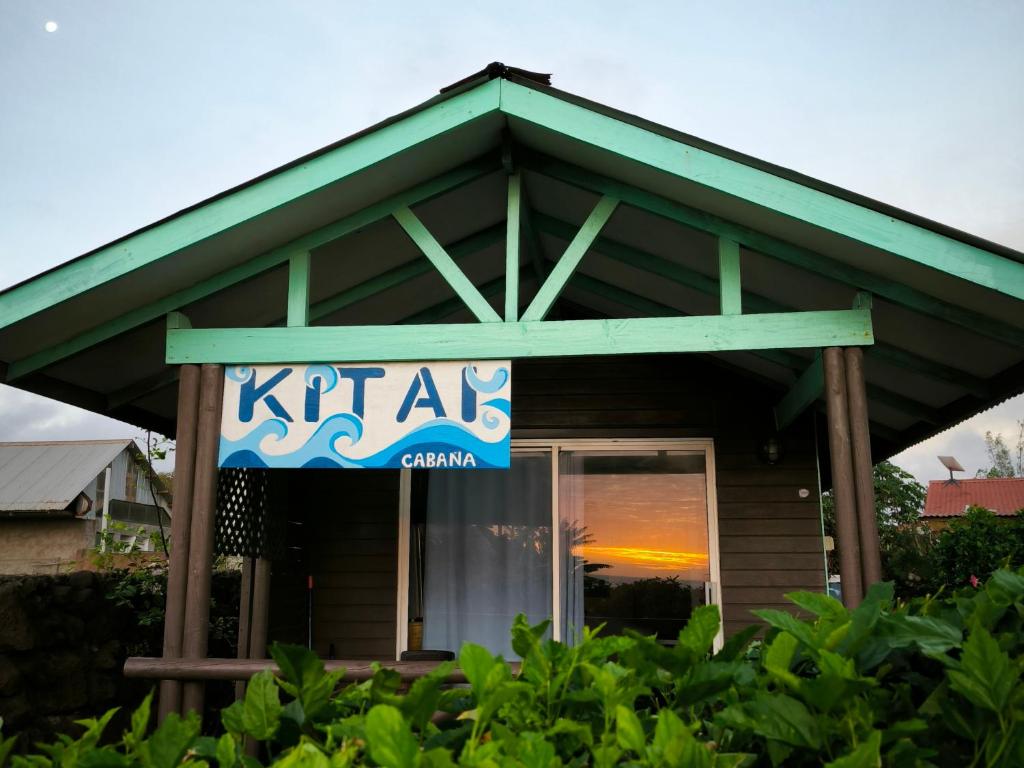
    Cabañas Kitai

    Easter Island Chile hotel Cabañas Kitai

    Cabañas Kitai suits travelers who want cabaña-style space with outstanding guest scores. Located in Hanga Roa area.

    Helpful when you want a quieter, more residential feel than a big hotel floor. Confirm transfer details and kitchen setup if that matters for your trip.

    • Booking.com score 9.6
    • Cabaña-style stay
    • Strong recent guest feedback

    Best for couples and independent travelers who prefer a cabaña base.

    👉 Check availability here

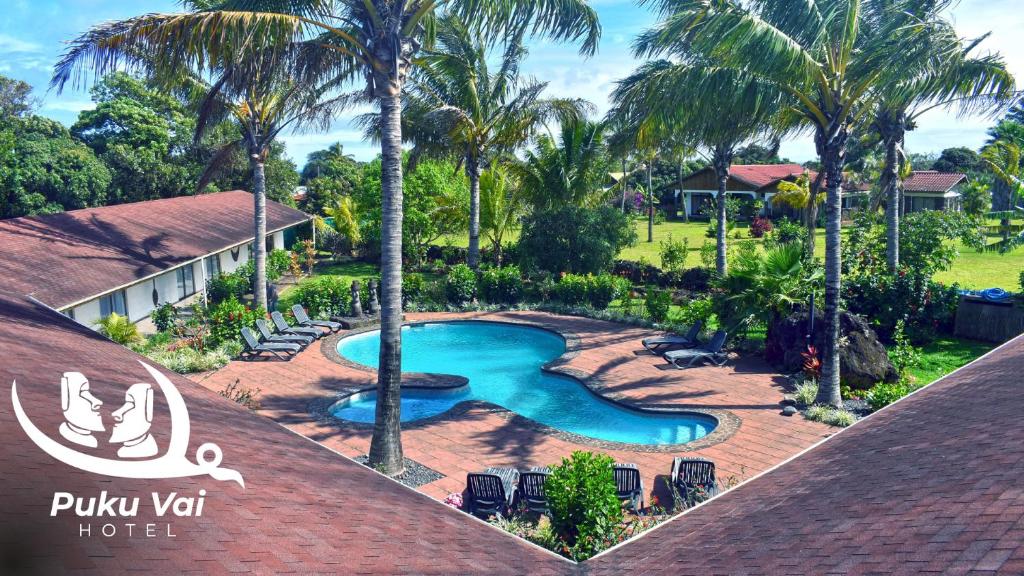
    Hotel Puku Vai

    Easter Island Chile hotel Hotel Puku Vai

    Hotel Puku Vai is a reliable hotel-style option with excellent scores in town. Located in Hanga Roa.

    Practical when you want straightforward hotel logistics and easy evenings. Good default for first visits.

    • Booking.com score 9.5
    • Hotel-style convenience
    • Strong for first-timers

    Best for first-time visitors who want a simple, highly rated hotel base.

    👉 Check availability here

    Inaki Uhi Hotel

    Easter Island Chile hotel Inaki Uhi Hotel

    Inaki Uhi Hotel is a well-reviewed in-town hotel for walkable Hanga Roa evenings. Located in Hanga Roa.

    Useful when dinner access and calm sleep matter after full park days. Re-read recent reviews for noise and breakfast notes.

    • Booking.com score 9.2
    • In-town Hanga Roa location
    • Solid hotel basics

    Best for travelers who want a walkable town hotel.

    👉 Check availability here

    Taha Tai

    Easter Island Chile hotel Taha Tai

    Taha Tai rounds out the shortlist as a high-scoring Hanga Roa stay with a strong overall reputation. Located in Hanga Roa.

    Compare room categories carefully. Island inventory varies, so recent photos and reviews matter as much as the property name.

    • Booking.com score 9.0
    • Hanga Roa convenience
    • Good backup if top picks are sold out

    Best for travelers comparing solid mid-to-upscale Hanga Roa options.

    👉 Check availability here

    Common Mistakes When Booking Rapa Nui Stays

    • Falling in love with a room before flights exist. Dates drive everything on this island.
    • Skipping airport pickup confirmation. Message the property with your flight number and arrival time.
    • Ignoring noise reviews. Hanga Roa is small. Light sleepers should read recent comments carefully.
    • Assuming you can wing park access. Rules change. Verify on official sources before you travel.
    • Underbooking nights to save money. The flight is the expensive part. One extra night often improves the whole trip.

    We have seen travelers treat Easter Island like a mainland city break. It is not. Limited flights, limited inventory, and full outdoor days reward planning.

    Pairing Hanga Roa With Your Island Days

    Structure island time around energy, not a checklist of every moai at once. Day one after arrival: town walk, easy coastal viewpoints, early dinner, sleep. Day two and three: guided or self-drive circuits to Rano Raraku, Orongo, and the eastern coast platforms. Save one flexible half-day for a repeat visit to a favorite site or a horseback ride if that fits your style.

    Our Easter Island itinerary maps that rhythm day by day. Pair it with how to visit Easter Island for flight booking timing and mainland connection advice. Most travelers do Santiago plus Rapa Nui as a dedicated chapter rather than mixing three regions. The island deserves that focus.

    If you are combining Easter Island with another Chile region on the same trip, give yourself a full mainland night between long flights when possible. Jet lag and island humidity are easier to manage when you are not chaining red-eyes.

    Book Flights Before You Fall in Love with a Room

    Santiago–IPC flights and dates drive everything. Once seats are locked, book lodging quickly, then shape the itinerary around park access rules and your energy. Easter Island is not the place to improvise lodging on arrival week in peak season.

    We hope this helps you land a calm Hanga Roa base. Start with the cards above, confirm airport pickup, then build your days with our itinerary. Rapa Nui is one of those places where the right hotel does not steal the show. It simply lets the show happen because you slept, ate, and started each morning without friction.

    Frequently asked questions

    Where should tourists stay on Easter Island?

    Hanga Roa is the practical base for restaurants, tours, and the airport transfer. Book early for peak months.

    Plan Easter Island: How to visit · Hotels · Itinerary · eSIM · Is Chile safe?

  • Easter Island Itinerary 2026 (3–5 Days)

    Easter Island Itinerary 2026 (3–5 Days)

    Easter Island itinerary: days after the rules are handled.

    Official sources: Chile.travel

    Plan 3 to 5 nights on Easter Island from Hanga Roa: one south-coast Moai day, one inland or north day, and a buffer for wind and rest.

    Jan & Valeria. We travel to Chile often and love sharing tips to help you experience this beautiful country.

    Affiliate disclosure: some links below (including Booking.com and Airalo) may earn us a commission at no extra cost to you. We only recommend what we would use ourselves.

    Rapa Nui rewards slow travel. The statues are not going anywhere, but your energy and the island wind might reset your plans by afternoon. Only plan days after you finish how to visit Easter Island. Without park access and entry steps, itinerary ideas are just wish lists.

    This page assumes you have flights, lodging, and park tickets handled. We group sites by coast and theme rather than listing every named Moai. Confirm which areas require guides on your travel dates before you lock a rental car or bike plan.

    We also assume you read how to visit Easter Island for entry forms, park purchase channels, and flight buffers in Santiago. This itinerary is the fun part. It only works if the paperwork part is already done.

    How Many Nights You Need

    Easter Island Itinerary (2026 Edition)

    Three full days on island is a common minimum after arrival. That gives you two solid site days plus a buffer for weather or flight quirks. Four or five nights feels better if you want slower sunsets, fewer rushed hops, and time for coastal rest.

    Remember travel days eat time. A “five-day Easter Island trip” often means three on-island exploring days once you count Santiago buffers and flight times. Plan nights in Hanga Roa accordingly. Framework: Easter Island hotels.

    Jet lag from North America or Europe compounds the long Pacific hop. Give yourself permission to nap on arrival day. The statues are not racing you.

    3-Night Starter

    Day 0 (arrival): Fly SCL to IPC. Transfer to Hanga Roa. Check in, short coastal walk if energy allows, easy dinner near your hotel. Do not plan a major site loop on arrival day. Pace: easy.

    Day 1: South-coast Moai cluster day. This is the iconic shoreline archaeology many travelers picture first. Go with a guide if required for your sites, or a planned route you confirmed against current park rules. Start early before wind and sun peak. Carry park proof and water. Pace: moderate.

    Day 2: Inland and quarry context. Rano Raraku and broader park interior sites explain how the statues were carved and moved. This day is culture and landscape, not just photo stops. Pace: moderate.

    Day 3: Flexible buffer. Repeat a missed viewpoint if weather blocked day 1, visit a north-coast site, or take a half-day coastal rest. Sunset viewpoint if skies cooperate. Pace: easy to moderate.

    On any site day, start with water, sunscreen, and park ticket proof in an easy-to-reach pocket. Guides will check. Wind on the south coast can feel relentless by afternoon. A light shell jacket lives in our daypack even when Hanga Roa mornings look tropical.

    Day 4 (departure): Morning flight to Santiago or onward. Leave margin for airport transfer and check-in on a small island airport day.

    Ticket coverage note: your park pass may span multiple days. Read the validity window before you schedule sites. You do not need to see every platform in 72 hours. Spread major clusters across separate mornings when possible.

    4-Night Version

    Easter Island Itinerary (2026 Edition)

    Add one full day so you are not stacking every major site into 48 hours.

    Day 0: Arrive, settle in Hanga Roa, easy evening.

    Day 1: Easy Hanga Roa orientation. Town walk, museum if open, early night.

    Day 2: South-coast Moai day with guide or verified self-route.

    Day 3: Inland / quarry context day.

    Day 4: North coast or lesser-visited sites, or snorkeling / coastal rest if conditions allow. Wind can cancel water plans. Have a land backup.

    Day 5: Depart IPC.

    This is our default recommendation for first-time visitors who can spare the nights. You see the major arcs without treating every afternoon like a checklist sprint.

    Dinner in Hanga Roa is part of the experience. Fresh fish, island ingredients, and slow service when tours return en masse. Reserve if your hotel recommends it on busy nights. We keep one favorite spot and one backup within walking distance.

    Morning markets and small grocery shops stock fruit, snacks, and water for day trips. Prices are higher than mainland Chile because everything arrives by plane. Budget accordingly and pack a reusable bottle you can refill at your hotel when possible.

    5-Night Version

    Five nights lets Rapa Nui breathe. Insert one of these without crowding:

    • A dedicated rest half-day in Hanga Roa with no driving
    • A second attempt at a sunset viewpoint after a cloudy first try
    • A guided cultural experience (food, history, or craft)
    • Snorkeling or boat time if weather cooperates
    • Photography morning when light is soft and sites are quieter

    Follow the 4-night skeleton and add your extra day after the inland quarry visit. Bodies and cameras both need downtime on a small windy island.

    Museum and cultural stops in Hanga Roa add context that makes the Moai sites more meaningful. We would rather understand quarry history than collect fifteen similar statue photos from different angles.

    Shopping for local crafts supports the community more than mass-produced souvenirs. Quality varies. Buy from artisans when you can and ask about materials. Wood and stone carvings are common gifts to bring home if customs rules allow.

    Getting Around the Island

    Guided tours simplify park rules, guide requirements, and timing. For a first visit, guides are often worth the cost even if you usually self-drive elsewhere in Chile.

    Rental car or ATV adds flexibility if you are comfortable on rural roads and have confirmed which sites allow unguided access on your dates. Fuel and parking are simple compared with mainland cities. Rules are not. Re-read how to visit Easter Island before you commit.

    Bicycle or e-bike works for nearby coastal stretches for fit riders. Wind changes the math quickly. We treat bikes as a fair-weather option, not the whole itinerary.

    Fuel stations and road signage are simpler than mainland Chile, but cultural sensitivity is not. Do not climb on platforms, do not touch Moai, and do not enter closed areas for a photo. Fines and community harm are both real.

    Connectivity and Pace

    Install a Chile eSIM before SCL. Hanga Roa coverage is workable for bookings and messages. Remote sites are not. See Easter Island eSIM for what to expect.

    Rapa Nui is better slow. Fewer sites per day beats a map covered in pins and a sunburned evening. Respect closed areas and community requests. The island is home first, destination second.

    Sunrise and sunset viewpoints compete for the same golden hour. Pick one obsession per day. Wind can make standing on coastal lookouts uncomfortable for long stretches. Dress in layers and bring something to sit on if your guide suggests a long wait for light.

    Frequently Asked Questions

    How many days do you need on Easter Island? Three full days is a common minimum. Four or five feels better if you want slower sunsets and fewer rushed site hops.

    Can you see the main Moai in three days? Yes, with early starts and a buffer day. Weather and guide rules still dictate the final shape.

    Should you book tours in advance? Peak season, yes. Compare operators with recent reviews and clear park-ticket guidance.

    Do you need Santiago nights around the island flights? We recommend at least one buffer night on the mainland each way. See where to stay in Santiago.

    What about tipping guides? Cash in Chilean pesos is appreciated for good guides. Confirm expectations when you book.

    Is Easter Island safe? With normal precautions, yes. The island is small and community-oriented. Secure valuables, respect property, and follow park rules. See is Chile safe? for mainland context.

    What language do you need? Spanish helps. Many tour operators speak English in the tourist core, but basic Spanish phrases smooth daily interactions in Hanga Roa.

    How do Santiago nights fit around IPC flights? We book at least one buffer night in Santiago before flying to the island and often one after return. LATAM schedules and international connections make tight same-day turnarounds risky. Santiago neighborhoods are easier to navigate jet-lagged than a same-evening domestic connection south.

    Stay: Easter Island hotels. Rules: how to visit Easter Island. Connectivity: eSIM guide. Safety context: is Chile safe?

    We would choose fewer statues seen well over every site ticked once. Handle the rules first, then give Rapa Nui the slow days it deserves.

    Before you fly home, re-read how to visit Easter Island for park ticket validity and any exit steps that apply on your dates. Closing logistics are simpler than arrival, but missed forms still create airport stress you do not need on the last morning.

    Frequently asked questions

    How many days do you need on Easter Island?

    Three full days is a common minimum. Four or five feels better if you want slower sunsets and fewer rushed site hops.

    Plan Easter Island: How to visit · Hotels · Itinerary · eSIM · Is Chile safe?

  • How to Visit Easter Island 2026: Rules + First Steps

    How to Visit Easter Island 2026: Rules + First Steps

    How to visit Easter Island: rules first, photos second.

    Official sources: Chile.travel

    To visit Easter Island, fly from Santiago to Hanga Roa, complete current entry and park requirements, and plan Rapa Nui National Park access before you chase Moai photos.

    Jan & Valeria. We travel to Chile often and love sharing tips to help you experience this beautiful country.

    Affiliate disclosure: some links below (including Booking.com and Airalo) may earn us a commission at no extra cost to you. We only recommend what we would use ourselves.

    Easter Island (Rapa Nui) sits at the top of many Chile bucket lists. It also sits behind more entry steps than Santiago or San Pedro. Flights are limited, park rules matter, and forms change. We treat this page as the official-logistics layer: what to confirm, in what order, before you chase Moai photos.

    Confirm every requirement on Chilean government and Rapa Nui park sources before you buy nonrefundable add-ons. Entry and ticket flows change. This guide gives you the sequence we use when planning. It is not a substitute for live official instructions.

    Rules First, Photos Second

    How to Visit Easter Island (2026 Edition)

    Rapa Nui is a living community, not an open-air museum you wander without context. Park sites require tickets. Some areas have access rules that shift with conservation needs. Respect signs, stay on marked paths, and follow guide instructions at sensitive sites.

    Travelers who handle logistics early enjoy the island more. Travelers who book flights first and read park rules later often scramble for tickets or discover documentation gaps days before departure. We prefer the first group.

    Rapa Nui is expensive relative to mainland Chile. Flights, lodging, and tours add up quickly on a short stay. Budget honestly before you fall in love with five-night itineraries you cannot afford. The island is worth it for many travelers. It is not a budget side trip.

    Official Sources to Check Before You Book

    • Chile.travel for national tourism context and links to updated requirements
    • Current Rapa Nui / CONAF park ticket instructions and authorized sellers
    • Airline rules for SCL to IPC baggage, schedules, and change policies
    • Any entry registration or documentation required for your nationality on your travel dates

    Screenshot or save confirmation PDFs. Island Wi-Fi works for many hotels, but you do not want your only park proof living in an email thread you cannot open at a gate.

    Flights from Santiago

    How to Visit Easter Island (2026 Edition)

    Commercial flights connect Santiago (SCL) to Mataveri Airport (IPC) on Easter Island. There is no casual ferry alternative for visitors. LATAM operates the route; schedules and frequency vary by season. Book SCL to IPC and return as early as your dates allow. Seats are capacity-limited compared with mainland routes.

    We buffer mainland nights in Santiago on both ends. A missed connection on a once-daily island route is stressful in ways a Patagonia delay is not. See where to stay in Santiago for our neighborhood framework around those nights.

    Baggage rules for the long Pacific hop can differ from domestic mainland legs. Read your ticket fine print before you pack camera gear and dive weights.

    Flight timing affects your Santiago hotel needs. Early departures to IPC and late returns from the island mean you may need an extra mainland night you did not plan. Build that into your Santiago stay budget before you lock island lodging.

    Entry Requirements

    Chile entry rules depend on your passport and current policy. Rapa Nui may add registration steps beyond standard Chile immigration. Check Chile.travel and official Rapa Nui sources for your nationality and travel month.

    Complete any required forms before you fly. Keep printed or offline copies. Airlines may ask for proof at check-in. Immigration on the island may ask again. Redundancy beats optimism.

    For broader safety and travel mindset in Chile, see is Chile safe? Rapa Nui feels small and community-oriented. Normal respect and property rules go a long way.

    Rapa Nui National Park Tickets

    Yes, you need park access for Rapa Nui National Park sites. Buy through official channels listed on CONAF or park authorities for your travel dates. Carry proof as required at site entrances. Ticket duration and included sites can change. Read what your pass actually covers before you plan seven site hops in one afternoon.

    Some sensitive areas require a certified local guide regardless of ticket. Rules evolve. Verify guide requirements when you buy tickets, not from a three-year-old blog post.

    Photography rules also shift. Drones are restricted in many areas. Respect signs and guide instructions even when you see someone else breaking rules for a selfie. Conservation and community standards matter more than your Instagram grid.

    Where to Stay in Hanga Roa

    Almost everyone bases in Hanga Roa, the main town near the airport. Restaurants, small shops, and lodging cluster here. Book early in peak months. After flights, lodging is the next item that sells out.

    We are building a stayed-and-verified shortlist on Easter Island hotels. Until those cards are live, filter Booking.com for recent high scores, quiet-night reviews, and clear airport transfer help from Mataveri.

    Keep one easy dinner within walking distance for arrival night. You may land tired, and island rhythm is slower than Santiago.

    Properties range from simple guesthouses to higher-end lodges. We prioritize quiet sleep, hot water reliability, and helpful staff who explain park rules without upselling sketchy tours. Laundry service matters on a five-night stay with wind and dust.

    First Steps in Order

    This is the sequence we recommend:

    • Confirm you can enter Chile and Rapa Nui with current documentation for your passport
    • Book SCL to IPC flights with buffer days in Santiago
    • Complete any required Rapa Nui entry registration on official sites
    • Buy park access through official channels
    • Reserve Hanga Roa lodging early in peak months
    • Install a Chile eSIM before you leave the mainland (Easter Island eSIM notes)
    • Plan day shape only after the above is locked (Easter Island itinerary)

    Connectivity matters for bookings and banking, not for bragging about signal at remote statues. An eSIM activated in Santiago keeps you reachable in Hanga Roa. Some coastal sites still feel offline. Download maps and tickets locally.

    Frequently Asked Questions

    Do I need a park ticket for Easter Island? Yes for Rapa Nui National Park sites. Buy through official channels and carry proof as required on the island.

    How do you get to Easter Island from Santiago? Commercial flights from Santiago (SCL) to Mataveri (IPC). There is no casual ferry alternative for visitors.

    How many days do you need? Three full days on island is a common minimum after flights. Four or five feels better for slower pacing. See our itinerary page after logistics are done.

    Is Easter Island worth the cost? For travelers who respect rules and want Polynesian culture plus iconic archaeology, yes. It is expensive and remote. Treat it as its own chapter, not a cheap add-on from Santiago.

    Can you do Easter Island and Patagonia in one trip? Only on a long vacation with many flights. We prefer two regions max per trip. Choose the one that matters more this year.

    Do you need a guide? Depends on site and current rules. Some areas require certified guides. Verify when you buy park tickets, not at the gate.

    Related: Easter Island itinerary · Easter Island hotels · Easter Island eSIM · Is Chile safe? · Where to stay in Santiago.

    We love Rapa Nui when the paperwork is done before the excitement takes over. Handle flights, entry, and park access first. Then open the itinerary and choose your Moai days with calm confidence.

    Frequently asked questions

    Do I need a park ticket for Easter Island?

    Yes for Rapa Nui National Park sites. Buy through official channels and carry proof as required on the island.

    How do you get to Easter Island from Santiago?

    Commercial flights from Santiago (SCL) to Mataveri (IPC). There is no casual ferry alternative for visitors.

    Plan Easter Island: How to visit · Hotels · Itinerary · eSIM · Is Chile safe?

  • Puritama Hot Springs 2026: Atacama Soak Guide

    Puritama Hot Springs 2026: Atacama Soak Guide

    Puritama hot springs: the Atacama soak day.

    Official sources: Chile.travel

    Puritama hot springs are canyon thermal pools near San Pedro de Atacama. Book a timed visit, respect altitude, and pair the soak with a lighter Atacama day.

    Jan & Valeria. We travel to Chile often and love sharing tips to help you experience this beautiful country.

    Affiliate disclosure: some links below (including Booking.com and Airalo) may earn us a commission at no extra cost to you. We only recommend what we would use ourselves.

    After a string of dusty desert tours, a soak in canyon thermal pools feels like switching gears. Puritama sits north of San Pedro de Atacama: a series of natural hot springs threaded through a gorge, with boardwalks linking pools at different temperatures. It is one of the softer highlights in an otherwise intense landscape.

    Treat this as a logistics and fit guide. Entry systems, hours, and prices change. Verify on the official Puritama channel before you drive out. Pair it with our hot springs in Chile hub and Atacama travel guide.

    What Puritama Is

    Puritama Hot Springs Guide (2026 Edition)

    Puritama is a commercialized but still striking hot-springs site in the Atacama high desert. Thermal water flows through rock pools along a canyon floor. Walkways connect the pools so you can choose warmer or cooler spots. The setting is the draw: red rock walls, desert sky above, and water that steams in the cool morning air.

    It is a soak experience, not a substitute for Valle de la Luna or high-altitude tours. Think of it as recovery gear in your itinerary, especially after a hard sunrise day or before a long flight home.

    The water is geothermal, not a heated swimming pool. Temperature varies by pool and season. Move between pools until you find one that feels right. Morning visits often feel quieter than midday when tour groups arrive in waves.

    Who It Is For

    Puritama fits travelers who want a gentler day after altitude tours, couples who want a memorable soak, and anyone building a Chile hot-springs shortlist beyond the Lake District. Families with kids should confirm current age rules and pool access on official sources before booking.

    Skip it if you only have two full days in the Atacama and have not done the core landscape tours yet. Prioritize valley viewpoints and acclimatization first. Add Puritama when you have breathing room in a 4- or 5-day Atacama itinerary.

    It is also a strong couples day. Pools are social but not rowdy if you pick a quieter entry window. We would not call it a party hot spring. It is closer to a scenic soak with desert views than a spa with cucumber water and loud music.

    How to Get There from San Pedro

    Puritama Hot Springs Guide (2026 Edition)

    Puritama lies roughly 30 to 40 minutes north of San Pedro de Atacama by car, depending on stops and road conditions. Most visitors go by rental car, hotel-arranged transfer, or tour combo that includes transport. The road is not a casual city taxi hop. Plan round-trip timing with your hotel or operator.

    We treat the drive as part of the day: sun exposure on the approach, limited services nearby, and weaker phone signal than in town. Download confirmations and maps in San Pedro before you leave Wi-Fi.

    Booking and Entry

    Puritama uses timed entry and capacity limits. Book or reserve according to current official rules. Do not assume walk-up access in peak season. Carry ID and your confirmation the way the operator requests on your travel dates.

    Hours and maintenance closures happen. Check the official channel again 24 to 48 hours before your visit. If you are combining Puritama with another tour, build slack between them rather than a tight chain.

    Peak weeks in San Pedro mean peak weeks at Puritama too. Timed entry spreads crowds, but popular slots still disappear. Book when you lock your hotel, not the night before while you are tired from geysers.

    What to Bring

    • Swimsuit and sandals with grip (wet boardwalks)
    • Towel (confirm whether rentals are available on your dates)
    • Water and sun protection for the approach and waiting areas
    • Warm layer for after the soak. Desert air cools quickly
    • Small cash or card per current on-site payment rules
    • Waterproof phone pouch if you want photos without dropping your device

    Do not stack Puritama with your hardest high-altitude morning the same day. Soaking after geysers at 4 a.m. sounds romantic until altitude and fatigue catch up. We schedule Puritama as a standalone moderate day.

    Changing rooms and lockers vary by season and renovation schedules. Pack a small dry bag for clothes and electronics. Flip-flops with grip matter on wet wood. If you wear glasses, bring a strap or leave them in the locker if you are swimming without them.

    How Puritama Fits Your Atacama Days

    Our preferred slot: day 3 or 4 of a 4- to 5-day stay, after Valle de la Luna and one high-altitude tour, before departure. Morning soaks mean fewer crowds and softer light in the canyon. Afternoon visits work if your entry window fits and you are not driving back in dark on unfamiliar roads.

    Base in town each night. San Pedro hotels keep tour logistics simple. Install a Chile eSIM in Santiago for town connectivity. Expect weaker signal at Puritama than on the main street. Atacama eSIM covers the broader pattern.

    Pair Puritama with a light breakfast and no late-night drinking the evening before. Alcohol and altitude are a bad mix before a soak day. Hydrate on the drive out. The canyon floor is warmer than the wind at the parking area, but transitions between pools can feel cool.

    If Puritama is closed or fully booked, ask your hotel about other gentler half-day options near San Pedro. Flexibility is part of desert travel. The soak is worth planning for, but not worth derailing an entire itinerary if dates shift.

    Frequently Asked Questions

    How far is Puritama from San Pedro de Atacama? Roughly 30 to 40 minutes by car north of San Pedro, depending on stops and road conditions. Confirm current access and tickets before you go.

    Are Puritama hot springs worth it? Yes if you want a softer Atacama day between high-intensity tours. It is a soak experience, not a substitute for Valle de la Luna.

    How does Puritama compare to Termas Geométricas? Different regions entirely. Puritama is desert canyon pools near San Pedro. Termas Geométricas is a forested soak near Pucón in the Lake District. Both belong on a Chile hot springs list if you are doing a longer trip.

    Can you visit without a car? Ask your hotel about transfers or bundled tours. Options change by season.

    How long should you stay? Plan two to three hours on site plus driving. Rushing the pools defeats the purpose.

    Is it kid-friendly? Confirm age rules and pool depths on official sources before booking with children.

    More hot springs: Termas Geométricas · near Santiago · near Pucón · Atacama travel guide · Atacama itinerary.

    We like Puritama best when it is planned as rest, not as another box to check. Book the slot, soak slowly, and let the canyon do what desert recovery should feel like.

    Compared with Termas Geométricas in the Lake District, Puritama is drier, smaller in scope, and easier to pair with a desert week. Both belong on a longer Chile hot-springs route if you are combining Atacama with central Chile or the south. Plan flights accordingly; these are not day-trip distance from each other.

    Frequently asked questions

    How far is Puritama from San Pedro de Atacama?

    Roughly a 30 to 40 minute drive north of San Pedro, depending on stops and road conditions. Confirm current access and tickets before you go.

    Are Puritama hot springs worth it?

    Yes if you want a softer Atacama day between high-intensity tours. It is a soak experience, not a substitute for Valle de la Luna.

  • Where to Stay in San Pedro de Atacama 2026

    Where to Stay in San Pedro de Atacama 2026

    Hotels in San Pedro De Atacama: Comfort at Altitude.

    Official sources: Chile.travel

    Stay in San Pedro de Atacama for Atacama tours. Choose a quiet property with heat for cold nights, book early in peak season, and keep tour pickup logistics simple.

    Jan & Valeria. We travel to Chile often and love sharing tips to help you experience this beautiful country.

    Affiliate disclosure: some links below (including Booking.com and Airalo) may earn us a commission at no extra cost to you. We only recommend what we would use ourselves.

    San Pedro de Atacama is dusty, charming, and colder at night than first-timers expect. The right hotel is not about Instagram adobe walls alone. It is about heat that works, a quiet room after early tour vans, and a base close enough to dinner that you are not negotiating taxis every evening while altitude settles in.

    Our short answer: Book a Booking.com 8.0+ stay with recent mentions of heating, hot water, and sleep quality. Give yourself a light first day. San Pedro rewards travelers who protect recovery as carefully as they protect sunrise slots.

    Use this with our Atacama travel guide, Atacama itinerary, and Puritama hot springs page. Connectivity: Atacama eSIM coverage and a Chile eSIM before you fly north.

    Getting to San Pedro: Logistics First

    Hotels in San Pedro de Atacama (2026 Edition)

    Nearly everyone flies Santiago to Calama (CJC), then transfers roughly 90 minutes to San Pedro de Atacama. Pre-booked transfers, shared vans, and private drivers are all common. Your hotel may offer pickup or can recommend a trusted operator. We confirm transfer timing when we book lodging, especially on arrival day when altitude and fatigue hit together.

    San Pedro sits around 2,400 meters (roughly 7,900 feet). That is high enough to feel different on day one if you flew up from sea-level Santiago. Your hotel choice should support a gentle first night: warm room, easy dinner walk or reliable taxi, and no pressure to stack the hardest tour immediately. Altitude is not a reason to panic. It is a reason to plan sleep as carefully as sunrise tours.

    The town itself is compact and walkable in the core. Most shortlist hotels sit within a few blocks of the main plaza, restaurants, and tour agency rows. That matters because you will leave early for El Tatio, Valle de la Luna, and laguna days. Coming back to a hotel where check-in is simple and hot water is reliable beats saving money on a remote property that adds friction every evening.

    When to Book San Pedro Hotels

    Atacama high season (June through August for northern winter stargazing, plus December through February for many international travelers) fills well-rated rooms early. We book refundable San Pedro hotels right after Calama flights are locked, then align tours once we know how many full days we have. Shoulder weeks often bring better rates and easier restaurant reservations, but cold desert nights still require the same heating checks.

    Luxury lodges like Tierra Atacama have smaller inventories than downtown hotels. If that splurge is central to your trip, move it up the booking queue. For town hotels, compare recent reviews from travelers who visited in your month. A property that feels perfect in spring can read differently when winter nights drop below freezing and heating becomes the whole story.

    What Matters in a San Pedro Hotel

    Hotels in San Pedro de Atacama (2026 Edition)
    • Heat and hot water (desert nights drop hard)
    • Noise control (tour vans leave early)
    • Walk to dinner vs needing a taxi every night
    • Altitude-aware first day (do not stack the hardest tour on arrival)
    • Flexible cancellation when weather or energy forces a slower day

    What to Pack for Desert Nights

    Days are bright, dry, and often windy. Nights get cold fast. Your hotel should provide real blankets and working heat. You still want layers for walking to dinner and for stargazing tours that run late. We pack a warm mid-layer, a beanie, and sunscreen in the same day bag without apology.

    • Altitude comfort: reusable water bottle, lip balm, mild headache relief (ask your doctor what is safe for you)
    • Sleep: eye mask for early tour departures, earplugs if your room faces a busy street
    • Dust management: closed shoes for town walks, sunglasses, a light scarf or buff for windy afternoons
    • Evening warmth: packable down jacket; restaurant patios cool down quickly after sunset

    Leave room in your bag for slow mornings. The best San Pedro days often start with coffee near the plaza, not a rushed scramble for a taxi.

    How Many Nights We Would Plan

    Three nights is our minimum for a first Atacama visit: arrival evening, two full tour days, departure morning. Four nights adds breathing room for altitude adjustment and a weather backup. Five nights lets you mix intense tours (El Tatio dawn, Valle de la Luna sunset) with a slower day like Puritama hot springs without stacking exhaustion.

    Your hotel is the recharge point between high-impact days. Book accordingly.

    Hotels We Would Book in San Pedro De Atacama

    Every property below scores 8.0 or higher on Booking.com. Layout matches our Santiago hotel cards: Booking photo, two paragraphs, bullets, best-for, CTA.

    Tierra Atacama

    San Pedro de Atacama Chile hotel Tierra Atacama

    Tierra Atacama is the luxury desert lodge we shortlist when the stay itself is a highlight. Located in San Pedro de Atacama.

    Top guest scores and a polished recovery environment after high-altitude days. Book it when comfort and guided-experience quality lead the decision.

    • Exceptional Booking.com score
    • Luxury lodge atmosphere
    • Strong for celebratory Atacama trips

    Best for couples and travelers who want a high-end Atacama base.

    👉 Check availability here

    Ckuri Atacama

    San Pedro de Atacama Chile hotel Ckuri Atacama

    Ckuri Atacama stands out for outstanding recent guest scores in town. Located in San Pedro de Atacama.

    A comfort pick when you want excellent reviews without defaulting to the most famous lodge name. Re-check heating and quiet-room comments before you confirm.

    • Very high Booking.com score (9.8)
    • Strong recent guest feedback
    • Practical San Pedro base

    Best for travelers who want a highly rated town stay.

    👉 Check availability here

    Rincon del Inca

    San Pedro de Atacama Chile hotel Rincon del Inca

    Rincon del Inca is a high-scoring in-town option for walkable evenings. Located in San Pedro de Atacama.

    Useful when dinner access and sleep quality matter more than a remote lodge setting. Good for itineraries that mix tours with town time.

    • Booking.com score 9.5
    • In-town convenience
    • Strong for multi-night stays

    Best for couples who want an easy San Pedro evening rhythm.

    👉 Check availability here

    Hotel La Casa de Don Tomás

    San Pedro de Atacama Chile hotel Hotel La Casa de Don Tomás

    Hotel La Casa de Don Tomás is a classic San Pedro hotel name with strong guest scores. Located in San Pedro de Atacama.

    Familiar full-hotel logistics for first-timers flying in from Calama. Confirm transfer options and heating notes in recent reviews.

    • Booking.com score 9.1
    • Established hotel-style stay
    • Good first-timer logistics

    Best for first-time Atacama visitors who want a straightforward hotel.

    👉 Check availability here

    Lascar 31

    San Pedro de Atacama Chile hotel Lascar 31

    Lascar 31 fits travelers who want a highly rated smaller stay close to the town rhythm. Located in San Pedro de Atacama.

    Strong scores for guests who value rest after early starts. Ideal when you want character without a huge resort footprint.

    • Booking.com score 9.3
    • Smaller-scale property
    • Good for quiet recovery nights

    Best for couples and independent travelers who want a compact, well-rated base.

    👉 Check availability here

    Hotel-Camping Takha Takha

    San Pedro de Atacama Chile hotel Hotel-Camping Takha Takha

    Hotel-Camping Takha Takha is a flexible mid-range option that mixes hotel rooms with a more casual desert-town feel. Located in San Pedro de Atacama.

    Read the latest reviews for room type differences before you book. Useful when you want solid scores without the top luxury rate.

    • Booking.com score 8.8
    • Flexible property style
    • Value-minded comfort shortlist

    Best for travelers balancing comfort and budget in San Pedro.

    👉 Check availability here

    Common Mistakes When Booking San Pedro Hotels

    • Picking on photos alone. Adobe walls look magical online. Recent reviews about heat, hot water, and noise matter more.
    • Stacking El Tatio on arrival day. Give your body one lighter day before the 4 a.m. departures.
    • Ignoring walkability. A cheaper room far from dinner sounds fine until you are tired and every meal needs a ride.
    • Booking non-refundable too soon. Altitude and weather can force a slower day. Flexibility has value here.
    • Assuming all “boutique” rooms are equal. Properties like Takha Takha mix room types. Read the specific category reviews.

    We treat the first night as a test lap. If the hotel gets that right, the rest of the trip feels calmer.

    Pairing San Pedro With Nearby Days

    San Pedro is usually one region in a longer Chile arc, not a quick add-on. A classic pattern: Santiago (1 to 2 nights), Calama transfer, San Pedro (3 to 4 nights), fly back to Santiago or continue south if you have two full weeks. We do not recommend pairing Atacama with Patagonia on a rushed 10-day trip. Both deserve recovery time and early starts.

    Inside the Atacama hub, build days by intensity. After arrival, a late-afternoon Valle de la Luna visit or a gentle town walk beats a pre-dawn geyser run. Mid-trip, schedule El Tatio when you are sleeping well. Add Puritama or a salt-lagoon day when you want beauty without another 4 a.m. alarm. Our Atacama itinerary lays out that rhythm in more detail.

    If you are combining Atacama with wine country or the Lake District, book San Pedro hotels before adding optional side trips. Fixed high-season dates sell out while you are still debating an extra night in Casablanca.

    Arrival Night Advice

    Fly into Calama, transfer to San Pedro, hydrate, and keep day one light. A hard Valle de la Luna sunset tour can wait until you know how altitude treats you. Your hotel should make that first night boring in the best way: warm shower, dark room, early sleep.

    How This Fits a Wider Chile Trip

    Many readers do Santiago, then Atacama, then Lake District or Patagonia. Book San Pedro nights after flights are locked. Keep one buffer day for weather or energy. For the wider desert plan, return to the Atacama hub.

    We hope this helps you choose a San Pedro base you will actually sleep well in. Start with heating, walkability, and flexible cancellation, then compare the cards above on Booking.com before you click confirm. When the room is right, the desert stops feeling like a logistics puzzle and starts feeling like the trip you planned.

    Frequently asked questions

    Where should I stay in the Atacama Desert?

    San Pedro de Atacama is the standard tourist base. Pick a calm property close enough for tour pickups without needing a car every hour.