
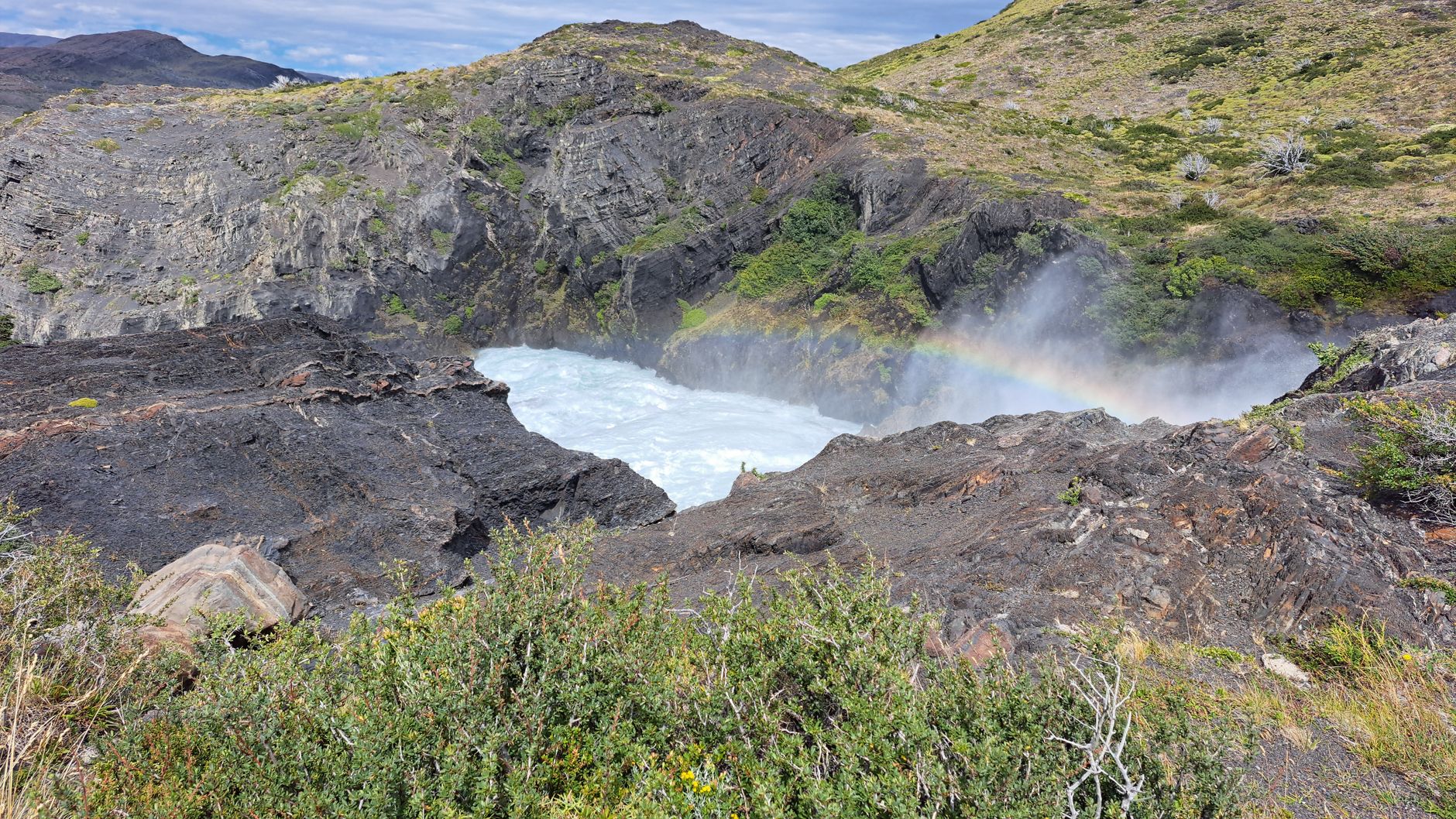
Patagonia
Patagonia Chile Travel Guide 2026: Soft Adventure Without Camping
Patagonia Chile travel guide: how we plan a soft-adventure first trip south of Santiago.
Official sources: Chile.travel
For most first trips to Chilean Patagonia, fly Santiago to Punta Arenas or Puerto Natales, base in Puerto Natales, and do Torres del Paine as day hikes or guided days rather than a full camping circuit.
Jan & Valeria. We travel to Chile often and love sharing tips to help you experience this beautiful country.
Affiliate disclosure: some links below (including Booking.com and Airalo) may earn us a commission at no extra cost to you. We only recommend what we would use ourselves.
The first time we talked about Patagonia on a long flight into Santiago, Valeria framed it the way her family still does: you do not try to see all of southern Chile in one rush. You pick a base, you respect the wind, and you let the mountains set the pace. That mindset is the spine of this guide.
Patagonia is the chapter most readers ask about after Santiago. Our practical hub starts with logistics we already cover on the Santiago to Patagonia route, then expands into where to base, how to hike without camping, and what to book early. Where we have not yet published a stayed-and-verified hotel shortlist, we say so and keep the advice at neighborhood and booking-order level.
Our short answer: fly south from Santiago, base in Puerto Natales, and plan Torres del Paine as day hikes or guided park days rather than a full camping circuit. That is the comfort-first frame we recommend for most first trips.
Who This Patagonia Trip Is For
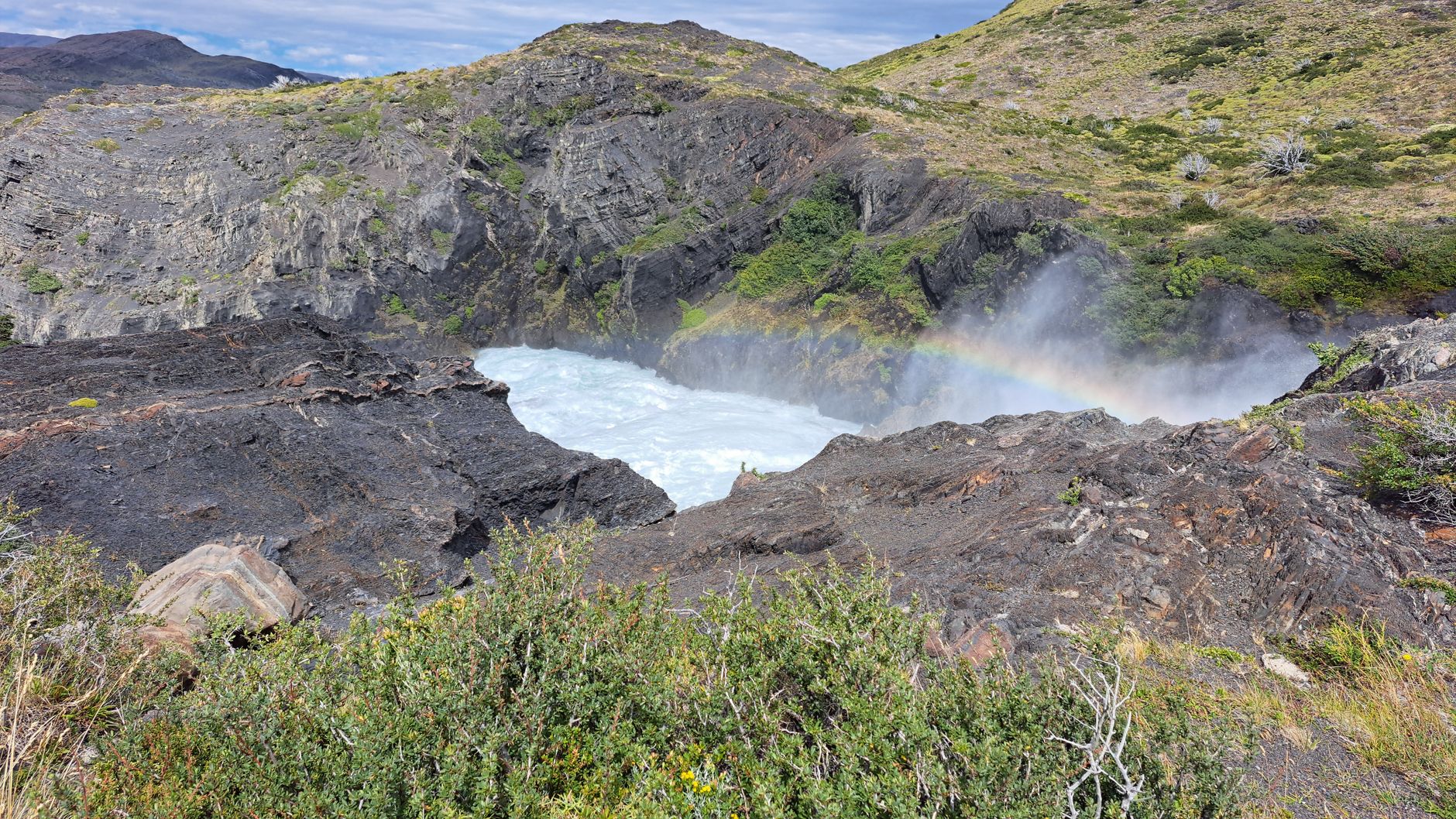
This guide is for travelers who want Torres del Paine views without carrying a tent. Soft adventure by day, a real bed at night. If you are training for a multi-day W or O circuit with refugio nights and pack weight, use CONAF and official park booking systems for that layer. Our pages are the city-base and comfort planning around that decision.
We also write for people pairing Patagonia with one other Chile region, not three. A Santiago stopover plus Patagonia is a full trip. Adding Atacama or Easter Island in the same vacation usually means rushing both. Depth beats checklist tourism here.
You do not need to be an expert hiker. You do need honest fitness self-assessment, layers for wind, and at least one weather buffer day in town. Patagonia rewards calm preparation more than gear obsession.
We also meet readers who feel guilty about skipping the W Trek. Do not. Chile is long. Patagonia is demanding. Choosing day hikes from Natales is a valid, common, and often more comfortable way to see Torres del Paine. The park does not hand out medals for sleeping in refugios.
Get There from Santiago
For most visitors, Patagonia starts with a flight, not a road trip. Santiago to Punta Arenas (PUQ) is the standard gateway. From there you connect by bus or transfer to Puerto Natales. Some seasons offer flights closer to Natales; check current schedules when you book. The overland drive from Santiago is possible, but it is a multi-day project with long distances and variable road conditions. Read Santiago to Patagonia before you romanticize the highway.
- Fly: Santiago (SCL) to Punta Arenas (PUQ) or seasonal options toward Puerto Natales. This is the default for most visitors.
- Drive the whole way: Possible, but not a casual weekend. See Santiago to Patagonia and driving in Patagonia before committing.
- Connect: Install a Chile eSIM before you leave SCL. Expect dead zones on park roads. Details: Patagonia eSIM.
We buffer at least one night in Santiago on each end of a Patagonia leg. Flight delays, luggage issues, and jet lag are easier to absorb in the capital than on a tight connection south. If you need a neighborhood framework for those nights, start with where to stay in Santiago.
From PUQ, the bus or transfer to Puerto Natales takes a few hours. Treat that as a travel day, not a hike day. We arrive in Natales, walk the waterfront, buy snacks for tomorrow, and sleep. Starting a park mission the same evening you landed in Punta Arenas is how people arrive exhausted before the real trip begins.
Where to Base in Chilean Patagonia
Puerto Natales is the comfort-first base for Torres del Paine day trips. You get real restaurants, grocery runs, laundry, and a warm night after windy trails. Book a proper hotel or apartment in town, then day-hike or join a guided park day. Mountain lodges inside or beside the park cost more and sell out earlier. We are building a dedicated Puerto Natales hotels shortlist as we verify stays.
Punta Arenas makes sense if your itinerary includes the city itself, a Strait of Magellan context day, or a flight schedule that lands late. For pure Torres del Paine access, most comfort-first travelers still prefer Natales as the sleep base.
Park lodges win when trail time is the whole point and your budget allows. You trade town convenience for proximity. Either way, reserve lodging before peak-season flights fill. Natales hotels in January and February can sell out while you are still debating trail routes.
When we filter hotels in Natales before our verified cards go live, we look for walkable dinner, reliable heat, blackout curtains for early starts, and cancellation flexibility in shoulder season. Central Natales keeps taxi math simple on tired hike nights. Details and booking framework: Puerto Natales hotels.
Day Hikes Without Camping
You can see Torres del Paine without a backpacking circuit. The winning pattern: sleep in Puerto Natales, start early, hike a day route that matches your fitness, return to a hot shower. Wind, distance, and sudden weather still decide the day. Day hiking is not the easy option. It is the comfort option.
Start with our dedicated Patagonia day hikes without camping guide for route framing, packing, and booking order. Trail status and park rules change. Always confirm with official Torres del Paine and CONAF sources before you go.
If you want the classic Mirador bases and valley viewpoints, plan fitness honestly and keep a spare weather day in town. Patagonia wind is not a metaphor. It can turn a moderate trail into a hard day. We would rather shorten a hike and enjoy dinner in Natales than push through and limp back after dark.
When to Visit Patagonia
Chilean summer (roughly December through February) brings the longest days and the busiest trails. Shoulder months (October to November, March to April) can offer fewer crowds and still-reasonable weather, with more unpredictability. Winter is quieter and colder. Some services scale back.
We plan around daylight and wind more than postcard temperatures. A cool, clear morning beats a warm afternoon with gusts that close viewpoints. Build flexibility into your Natales nights so you can swap hike days when the forecast shifts.
Pack for four seasons in one day. Even in summer, mornings can feel cold, afternoons windy, and rain showers appear without drama. Quick-dry layers beat cotton. Sturdy shoes with grip matter more than fashion. Sunscreen reflects off water and ice fields. This is soft adventure, not a resort stroll.
What to Book First (and in What Order)
Booking order matters more in Patagonia than in Santiago. This is the sequence we follow:
- Flights SCL to south (lock dates before everything else depends on them)
- Puerto Natales nights (peak season sells out)
- Park entry and guided days via official channels
- Transport between PUQ and Natales if you are not renting
- eSIM plus offline maps downloaded before the park day
- Weather buffer day in Natales (non-negotiable in our planning)
We do not recommend renting a car for all of Patagonia. Most travelers fly between regions. Inside the Natales and park zone, many comfort-first visitors use guided day transport or careful self-drive on gravel. If you do drive, read driving in Patagonia for wind, gravel, and distance context.
Patagonia Safety and Pace
Chile overall feels manageable with normal city precautions. Patagonia adds weather and terrain variables. Tell someone your route, carry layers and water, and respect park closures. We never felt unsafe in Natales or on organized park days. We have felt humbled by wind and distance. That is the distinction worth making.
Phone signal fades on park roads. Losing connectivity also means losing maps, banking, and two-factor codes if you rely on SMS. An eSIM installed before SCL keeps you reachable in town; offline maps cover the park gap. See Patagonia eSIM and is Chile safe? for the broader safety frame we use on every trip.
Wildlife like guanacos is part of the scenery. Keep distance, do not feed animals, and follow park staff instructions. Trails can be muddy or rocky. Trekking poles help some hikers; they are not required for every day route. Tell your hotel if you are leaving early so breakfast timing is not a surprise.
Food in Natales is hearty and tourist-friendly without feeling generic. Lamb, seafood, and comfort carbs after long windy days. We eat well in town and pack snacks for the park. Restaurant reservations are rarely mandatory, but peak-week dinners fill up. Walk the main strip on arrival night and pick two backup spots.
Frequently Asked Questions
How do you get to Patagonia from Santiago? Fly. The overland drive is a multi-day project. See our Santiago to Patagonia guide for flight vs drive options.
Can you visit Torres del Paine without camping? Yes. Many travelers base in Puerto Natales or park lodges and do day hikes or guided day tours instead of the W or O circuits. Our day hikes guide covers the comfort pattern.
How many days do you need? A practical minimum is four to five nights in the region: travel days plus at least two park attempts and one weather buffer. Rushing Patagonia into two hike days is how people fly home with only cloud photos.
Is Patagonia worth it? For travelers who want dramatic landscapes and are willing to respect weather, yes. It is not a casual add-on. Plan it as a chapter, not a side trip squeezed between other countries.
Related Chile Guides
- Santiago to Patagonia
- Patagonia day hikes without camping
- Where to stay in Puerto Natales
- Driving in Patagonia
- Patagonia eSIM
- Is Chile safe?
We hope this helps you plan Patagonia with calm confidence. Fly south, sleep well in Natales, and let the mountains do the drama. When your dates are set, move to the day hikes guide and Puerto Natales hotels page for the next booking steps.
Frequently asked questions
How do you get to Patagonia from Santiago?
Fly. The overland drive is a multi-day project. See our Santiago to Patagonia guide for flight vs drive options.
Can you visit Torres del Paine without camping?
Yes. Many travelers base in Puerto Natales or park lodges and do day hikes or guided day tours instead of the W or O circuits.