
Chile eSIM Guides
Atacama eSIM Guide (2026 Edition)
eSIM coverage in San Pedro de Atacama: what worked for us.
Atacama eSIM Guide.
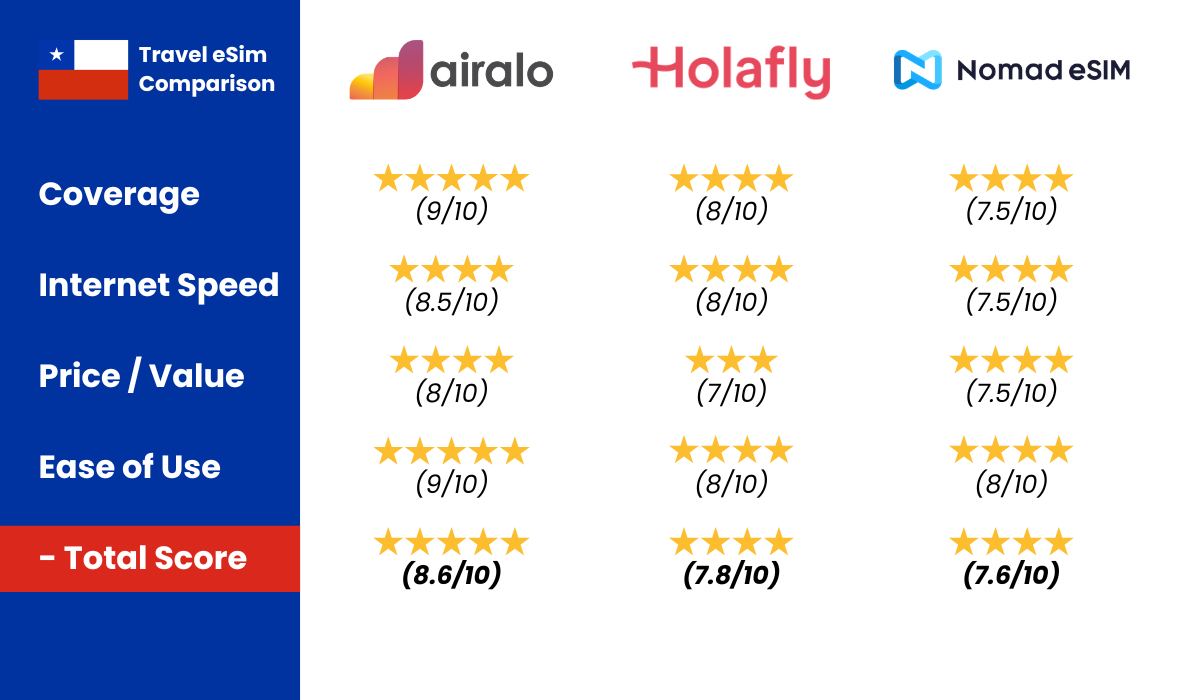 We’ve compared Airalo, Holafly, and Nomad side by side. Click here for our full Chile eSIM comparison.
Jan & Valeria. We travel to Chile often and love sharing tips to help you experience this beautiful country.
Affiliate disclosure: some links below (including Airalo) may earn us a commission at no extra cost to you. We only recommend what we would use ourselves.
San Pedro de Atacama is where people discover that “Chile coverage” is not the same as perfect altiplano signal. We loved the desert light, the adobe streets, and the tours that start before sunrise. We did not love assuming our phones would behave like they do in Santiago on every gravel road toward El Tatio or Valle de la Luna. Plan for town connectivity and offline maps outside it. That mindset saved us annoyance, not adventure.
What works in San Pedro town
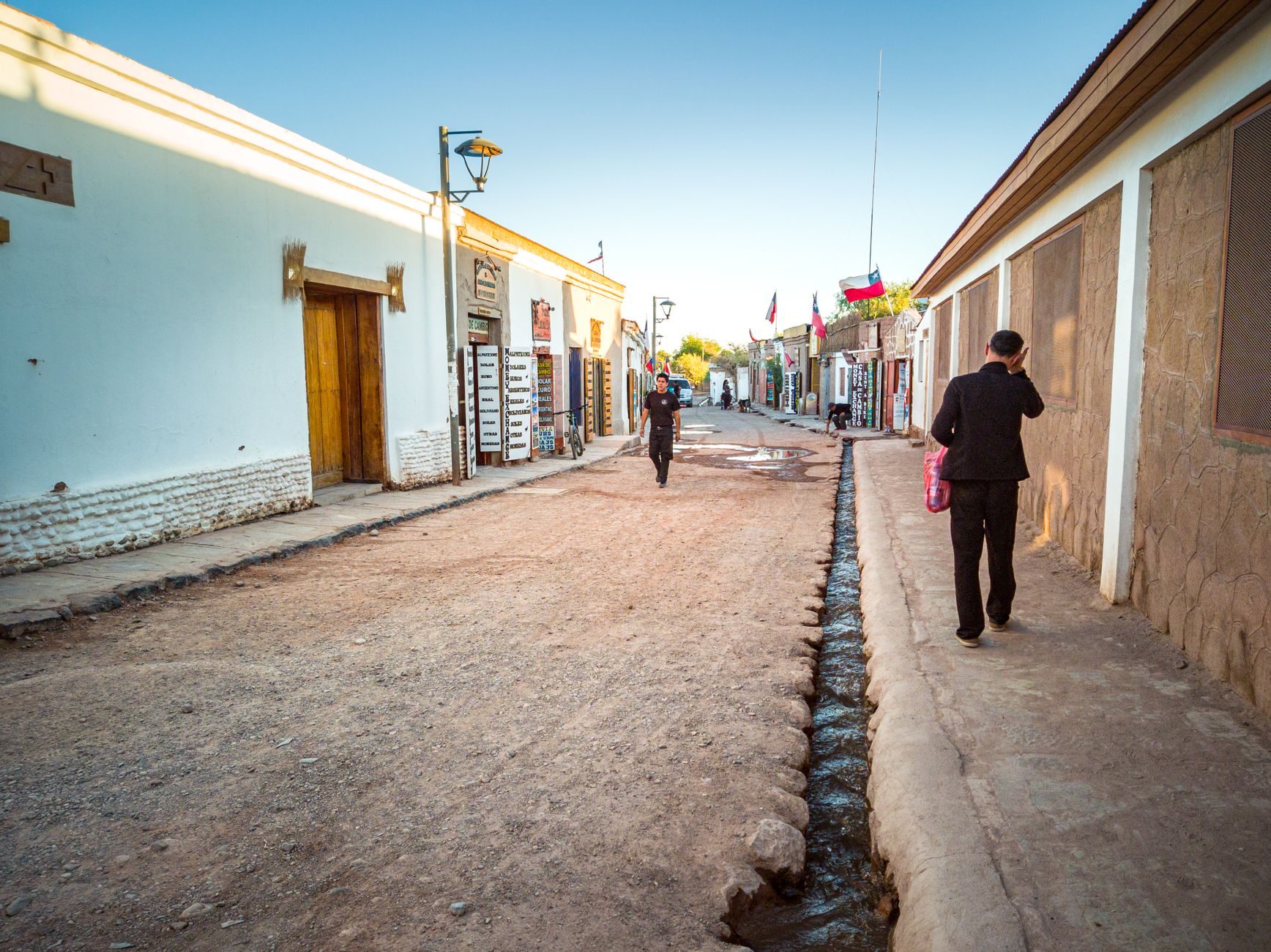
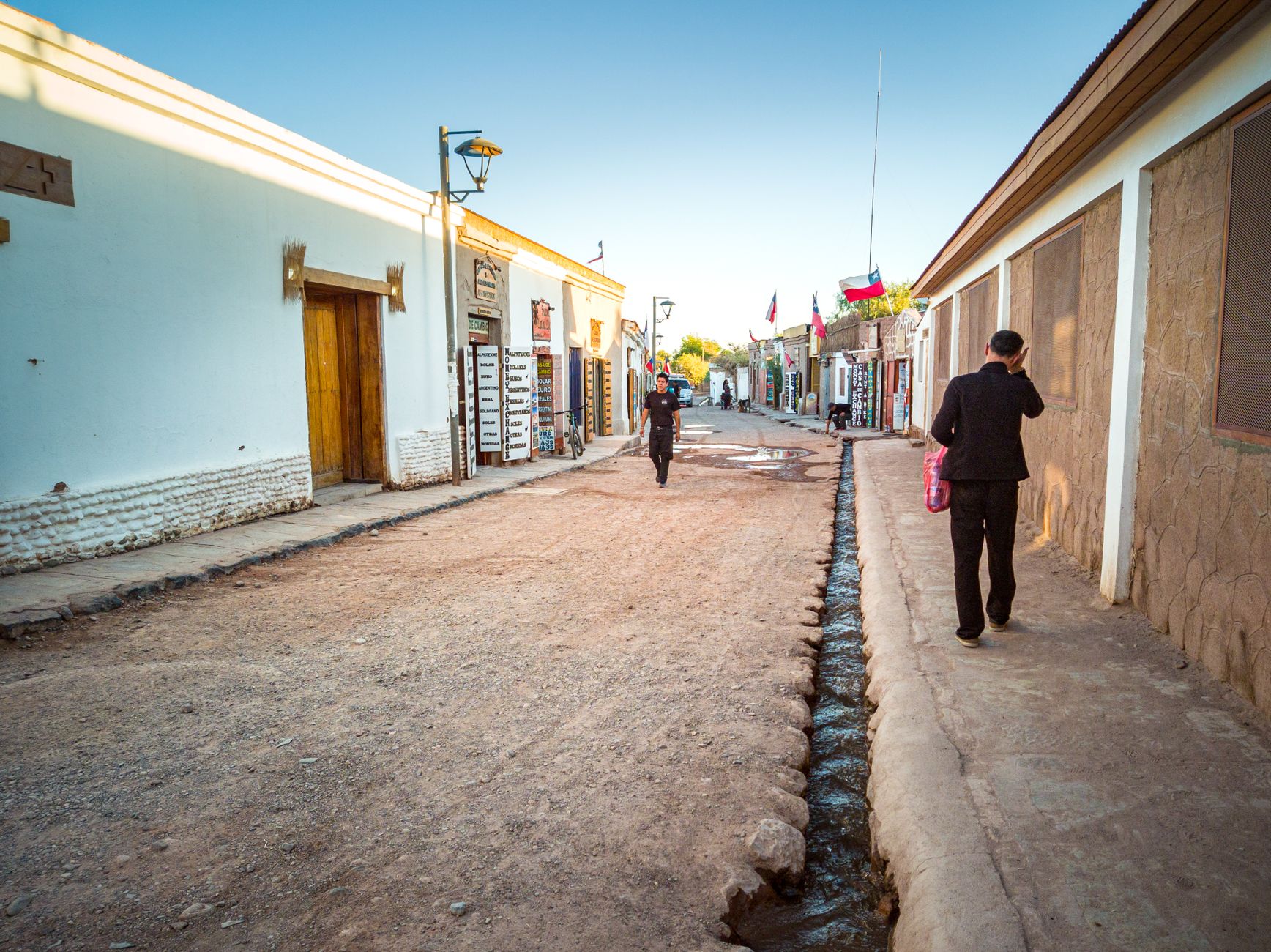
In San Pedro itself, our eSIM generally behaved the way we needed for hotels, restaurants, tour confirmations, and evening planning. Streets are small. Wi-Fi at lodgings is common backup. This is the easy part.
We still bought data ahead via Airalo and activated on landing in Chile, not on the Calama transfer. By the time we reached San Pedro, maps and messages already worked. See also Atacama desert eSIM and the main Chile eSIM comparison for provider context.
What gets unreliable outside town
Day trips toward geysers, high passes, and remote viewpoints are where signal thins. Geography and altitude win over marketing maps. Tours know this. Good guides communicate timing without assuming you can Google everything from the van.
We download offline maps for San Pedro and the main tour corridors before we leave Santiago or Calama. We screenshot tour pickup details. We tell family we may be unreachable for hours, not minutes, on certain mornings.
Calama airport and the transfer
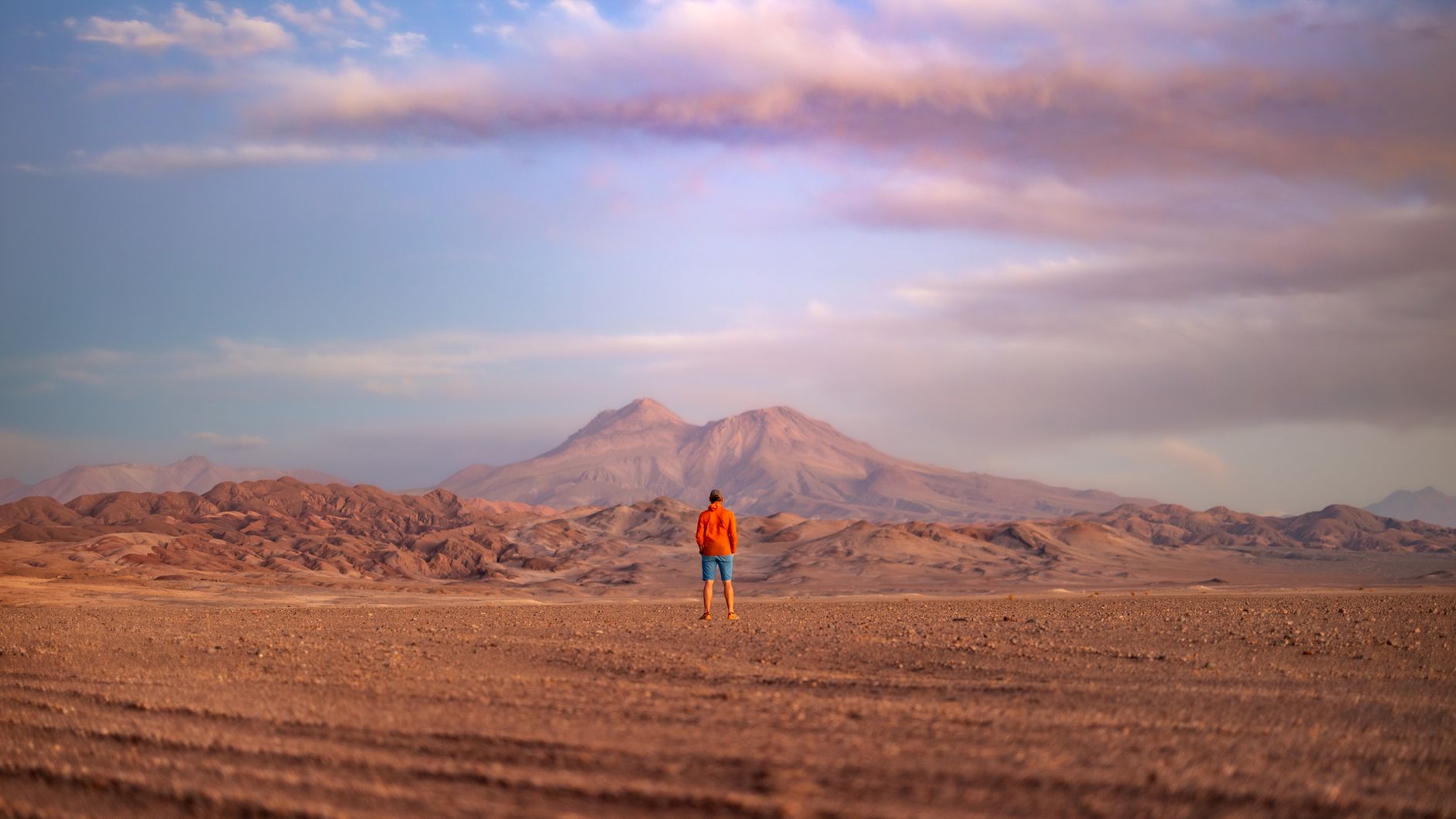
Most visitors fly to Calama and transfer to San Pedro. Coverage on that road can flicker. Having data active before you exit the terminal matters more here than in Santiago, where airport Wi-Fi can babysit you longer. Activate the eSIM at SCL or CJC before you depend on it.
Ride and transfer confirmations should live offline. Hotel name in Spanish, phone number saved, screenshot of prepaid voucher if a tour company supplied one.
Early-start tours and cold mornings
El Tatio and similar departures leave when it is dark and cold. Batteries drain faster in low temperatures. We charge phones fully overnight and carry a power bank in the day bag. Connectivity is useless on a dead phone at a geyser field with no outlet in sight.
Photos are the other battery thief. We shoot, then pocket the phone. Warm layers help humans; power banks help phones.
What Valeria says: San Pedro feels remote even when the town is busy. Tell your bank you are in Chile, but do not expect to resolve a card issue from Laguna Cejar without patience. Have cash for small purchases when data sputters.
Airalo in practice for Atacama
We use Airalo for the same reasons we use it nationwide: install before departure, familiar top-up flow, adequate city data. We do not treat it as satellite coverage in the desert. If rural performance matters more than convenience for your specific route, read the comparison page before buying, not after a frustrating van ride.
Avoid inventing exact megabyte prices here. Plans change. Buy enough data for maps, messaging, and hotel logistics, then monitor the first two days.
Offline tools we actually use
- Offline Google Maps for San Pedro and tour return routes.
- Screenshot folder: hotel, tours, flight, travel insurance.
- Downloaded PDF confirmations in Files or email offline cache.
- WhatsApp messages queued until signal returns (they send automatically).
Starlink at a fancy lodge is not your plan B unless you booked that lodge. Assume offline competence instead.
Safety angle (why we still care about signal)
Desert tourism is structured. You are rarely truly alone on popular routes. Still, a working phone helps with tour delays, ride coordination back to town, and banking codes when a hotel charge flags fraud protection. Connectivity supports calm, not daredevil behavior. Altitude and sun remain the bigger risks. Hydrate. Slow down. Trust the guide’s timing on geysers.
When to buy local instead
Long stays, repeated monthly travel, or phones without eSIM support may push you toward a local SIM in Santiago or Calama. For a typical one-week Atacama block inside a two-region Chile trip, pre-purchased eSIM wins on time. Do not spend a vacation morning in a kiosk line unless you must.
Pairing Atacama with the rest of Chile
Many itineraries pair Santiago nights with Atacama days. One eSIM plan often covers both if you size data for the whole trip. Top up before you fly north if Santiago maps and photos burned through the first bucket. Read stay connected guide for the nationwide install routine.
Starlink, lodge Wi-Fi, and realistic expectations
Some newer lodges advertise better Wi-Fi than town cafes. That helps uploads, not van rides through empty desert. Treat lodge Wi-Fi as a bonus for evening planning, not proof that your geyser tour will stream live. We still download maps and confirmations before leaving town each morning.
Laguna Cejar and phone-in-pocket moments
Salt lagoons and glittering water invite photos. They also invite dropped phones if you wade carelessly. We use zip pouches or leave phones locked in the van when swimming is the point. A connected trip still needs a dry phone at the end of the day.
Altitude and app performance
High altitude does not break eSIMs, but cold mornings and weak signal together make apps feel sluggish. Retry once, then switch to offline maps instead of rage-tapping ride requests that never confirm. Your guide or hotel desk can call a taxi the old-fashioned way when needed.
Valle de la Luna sunset crowds
Sunset tours pack phones and cameras at the same viewpoints. Signal can slow when hundreds of devices compete on a ridge. Send any “I am fine” texts before you leave town or after you return. Do not depend on live location sharing during the golden hour rush.
Returning to Santiago before your next flight
Many Atacama itineraries end with a Calama flight back to SCL and one last Santiago night. Data you bought for the whole trip still matters for checkout texts, ride apps, and seat-change notifications. Top up in Airalo if desert photo uploads burned through your bucket faster than expected.
Stargazing tours and phone lights
Astronomy nights near San Pedro often ask guests to dim screens. Night mode helps, but the point is darkness, not posting in real time. Tell family you may go quiet for a few hours. Your photos can wait until you are back on hotel Wi-Fi with a stable connection.
Our honest summary
San Pedro de Atacama eSIM coverage is good enough for town life and tour logistics if you prepare. It is not a promise of bars on every altiplano horizon. Buy Airalo early, activate before you need it, offline-map the desert days, and enjoy the landscapes without live-streaming them.
We hope this helps you plan a calmer Chile trip. If you are still choosing a base, start with safety and neighborhood fit, then book the hotel you will actually sleep well in.
Quick pick: For most travelers, Airalo is the easiest Chile eSIM to set up before you fly. Compare all providers in our full eSIM comparison, see cheapest Chile eSIM plans, or read region-specific guides for Patagonia, Atacama, or Easter Island.
Frequently asked questions
What should travelers know about Atacama eSIM Guide?
Atacama eSIM Guide.