
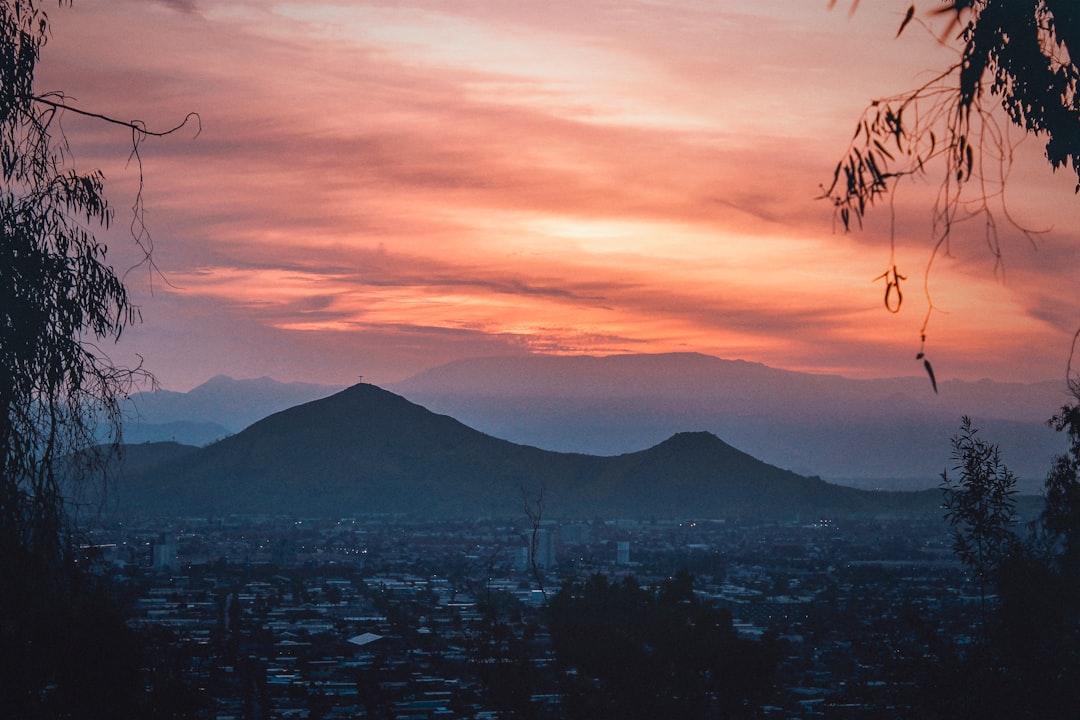
Santiago
1 Week in Santiago (2026 Guide)
A week in Santiago is a genuinely great amount of time. Not because you’ll run out of things to do in the city itself, but because seven days gives you the chance to do something that shorter visits rarely allow: you can actually slow down, explore beyond the obvious, and make a few day trips into the surrounding region without feeling like you’re rushing everything.
- Santiago neighborhood guides (from personal experience):
- Las Condes
- Providencia
- Vitacura
- Lastarria
- Barrio Italia
Plan activities: museums in Santiago · hiking · walking tours · private tours. Worth the trip? Is Santiago worth visiting?
Shorter trip? Try our 2-day itinerary. Longer stay? See 2 weeks in Santiago. Base: where to stay in Santiago · best hotels.
Official sources: Chile.travel
One week in Santiago lets you explore the city slowly plus take two or three day trips to wine country, Valparaiso, or the Andes.
Stay connected: Compare Chile eSIM providers (Airalo vs Holafly vs Nomad) before you fly — it takes five minutes and saves airport hassle.
I want to be upfront about something before we get into the days. This itinerary treats Santiago as a base rather than splitting your nights between multiple places. That’s a deliberate choice. It keeps logistics simple, you don’t have to pack and unpack every couple of days, and the city has more than enough depth to justify coming back to it each evening. If you want to spend a night in Valparaíso, that’s completely valid and I’ll mention it, but the plan below keeps you in one place and works outward from there.
Here’s how I’d spend seven days.
Day 1: Arrive and get your bearings
Don’t try to do too much on your first day. Flights into Santiago often arrive tired, and the city is big enough that diving straight into sightseeing without any sense of orientation tends to feel overwhelming rather than exciting.
Check into your accommodation and head out for a walk. If you’re staying in Lastarria, Providencia, or the historic center, you’re already in a good position. Walk around the immediate neighborhood, figure out where things are, and find somewhere for a long, unhurried lunch. The menú del día is your friend here: a fixed-price lunch of starter, main, and sometimes a drink, eaten slowly the way Chileans do it. It’s usually between 4,000 and 7,000 Chilean pesos and almost always excellent value.
In the afternoon, if you have the energy, walk up Cerro Santa Lucía, a small hill right in the center of the city. It takes maybe 20 minutes to reach the top, the views are good, and it gives you a useful spatial overview of how the city is laid out. It’s a low-effort introduction that pays off later when you’re navigating between neighborhoods.
In the evening, have a pisco sour somewhere in Lastarria or Bellavista and call it an early night. The week ahead will need you at full capacity.
Day 2: The historic center and Bellavista
This is your classic Santiago day, and there’s a reason every itinerary starts here. The historic center is where the city’s bones are, and understanding it makes everything else make more sense.
Start at Palacio de La Moneda, Chile’s presidential palace. If you time it right, the Changing of the Guard takes place every other day at 10am on the Plaza de la Constitución, running for about half an hour. Go underneath the palace to the Centro Cultural La Moneda, which has rotating exhibitions and one of the better craft and design shops in the city.
From there, wander through the Paris-Londres neighborhood, a quiet, cobblestoned pocket that looks like it was lifted from a European city and dropped into the middle of Santiago. Then continue to Plaza de Armas, the historic heart of the city, always full of life regardless of the time of day. The Museo Histórico Nacional on the square is worth an hour if Chilean history interests you at all.
Have lunch in Barrio Lastarria, then cross the Mapocho River into Bellavista in the afternoon. This is the neighborhood for street art, independent galleries, and La Chascona, Pablo Neruda’s Santiago home. The guided tours of La Chascona are genuinely enjoyable and not very long. Book ahead if you’re going on a weekend.
End the day by heading up to Cerro San Cristóbal by funicular. The views at the top are spectacular, particularly in the late afternoon when the light hits the Andes to the east. Come back down via the cable car on the other side if you want a different descent. Dinner back in Bellavista.
Day 3: Markets, Barrio Italia, and a slower pace
Day three is about getting under the skin of the city rather than ticking sights.
Start at Mercado Central by the Mapocho River in the morning. The 19th-century cast-iron structure is beautiful and the seafood on display is extraordinary. Then cross the river to La Vega Central, the wholesale produce market that is bigger, grittier, and far more local. La Vega is where Santiago actually feeds itself, piled floor to ceiling with fruit, vegetables, dried goods, and everything in between. The contrast between the two markets tells you a lot about the city.
From the markets, take the metro to Barrio Italia for the rest of the morning. This neighborhood has transformed over the past decade into one of the most interesting creative districts in Santiago, full of vintage shops, specialty coffee roasters, independent bookshops, and design stores. It’s a good place to pick up original souvenirs and to spend an hour in a genuinely good café.
Lunch in Barrio Italia or nearby Providencia, then spend the afternoon at the Museo de la Memoria y los Derechos Humanos in Barrio Yungay. This museum documents the human rights abuses of the Pinochet dictatorship with unflinching honesty and considerable architectural ambition. It is not an easy visit emotionally, but it is an essential one for understanding the Chile of today. Many visitors say it’s the most important place they went in Santiago. I agree with that.
Evening in Providencia, which has some of the best restaurant options in the city without the tourist crowd of the more central neighborhoods.
Day 4: Day trip to Valparaíso and Viña del Mar
Today you leave the city. Valparaíso is about 90 minutes from Santiago by bus or car and is, in my honest opinion, one of the most visually arresting cities in South America.
It’s built on a series of steep hills tumbling down toward the Pacific, the streets are covered in murals and street art, and the whole place has a slightly anarchic, salt-bleached energy that is completely different from Santiago’s polished neighborhoods. The UNESCO-listed historic quarter sits in the hills around Cerro Alegre and Cerro Concepción, and these are the neighborhoods to focus your time on: funiculars (called ascensores) carry you up between levels, the views from the top are excellent, and the wandering is the point more than any specific sight.
If Neruda interests you, his Valparaíso home La Sebastiana is open as a museum, and like La Chascona, it’s eccentric and worth the time.
After Valparaíso, head 15 minutes up the coast to Viña del Mar. The contrast with its neighbor is stark: where Valparaíso is raw and bohemian, Viña del Mar is polished, beach-fronted, and considerably more resort-like. The famous flower clock is touristy but charming, the seafront promenade is pleasant for a walk, and the overall vibe is relaxed in a way that makes it a good place to decompress after Valparaíso’s sensory intensity.
The travel writers at Hey Traveler make the smart point that if you want to combine both cities, a hired driver or organized tour makes far more logistical sense than navigating public transport between three places in a single day. It’s worth the cost.
If you want to stay overnight in Valparaíso rather than returning to Santiago, the Cerro Alegre neighborhood has good accommodation options and the city has a completely different character after dark. But for this itinerary we’re coming back to Santiago for dinner.
Day 5: Wine country, Maipo Valley or Casablanca Valley
Two wine valleys sit within easy reach of Santiago, and they produce very different things.
Maipo Valley is the closer of the two, less than an hour from the city center, and it is one of Chile’s most important red wine regions. Cabernet Sauvignon from Maipo is what put Chilean wine on the international map, and producers like Concha y Toro, Cousiño Macul, and Santa Rita have been doing it here for well over a century. A morning or full day in Maipo combines well with a winery tour and lunch. Concha y Toro is the largest and most visited, with theatrical cellar tours and a famous story about the devil guarding the wine to deter thieves. It’s a good time regardless of whether you take the legend seriously.
Casablanca Valley is further out, roughly an hour and a half toward the coast, and it specializes in whites and lighter reds: Sauvignon Blanc, Chardonnay, and Pinot Noir grown in a cooler coastal climate. If you’re planning to visit Valparaíso anyway, stopping in Casablanca on the way there or back makes obvious geographic sense. The writers at LiAnn and Theo Travel describe their Casablanca day as one of the highlights of their entire Santiago trip, and based on the wineries they visited, I understand why.
My personal preference, if I’m choosing one, is Maipo for the history and the Cabernet. My wife’s family has been drinking Maipo wines for generations, and spending a day out there with that context made it feel like more than just a tasting. But if you love whites or are combining with a Valparaíso visit, Casablanca is the obvious call.
Either way, book transport in advance. You don’t want to be navigating winery-to-winery logistics while also trying to actually enjoy the wine.
Day 6: Cajón del Maipo
This one is for the mountains, and it’s the day I’d be most excited about in any week-long Santiago visit.
Cajón del Maipo is a narrow Andean canyon that cuts southeast from Santiago into the Andes proper. The drive in is dramatic from the first few kilometers: the valley walls close in, the Maipo River runs turquoise and fast alongside the road, and the mountains get bigger and bigger as you go. The main town in the canyon is San José de Maipo, which is small and pleasant, but most people push further in toward El Morado Natural Monument or all the way to Embalse El Yeso, a glacial reservoir at high altitude surrounded by snow-capped peaks whose color is almost unnaturally vivid.
The road into the deeper canyon can be rough and the altitude at El Yeso is significant, around 2,500 meters, so take it easy if you’re not acclimatized. But the landscape out there is genuinely extraordinary, the kind of Andean scenery that makes you understand why Chileans are so matter-of-fact about living next to mountains of this scale.
There are also hot springs (termas) in the canyon, and a soak in natural thermal pools with mountain views is an extremely good way to end a day in the Andes. Planet Patrick has a solid overview of the best day trips from Santiago including Cajón del Maipo if you want more detail on logistics before booking.
A rental car is the most flexible option for Cajón del Maipo, but organized tours with transport are widely available from Santiago and remove the stress of driving unfamiliar roads in the mountains.
Day 7: A final day in the city
Save your last day for the parts of Santiago you haven’t got to yet, or for going back to the places you liked most.
If you missed the Museo Chileno de Arte Precolombino earlier in the week, today is the day. It’s one of the finest collections of pre-Columbian art and artifacts in South America, sitting just off Plaza de Armas, and it’s the kind of museum that rewards slow attention rather than a quick walkthrough.
Costanera Center is worth adding if you haven’t done it: the Sky Costanera observation deck at the top of South America’s tallest building gives you a completely different perspective on the city than Cerro San Cristóbal, and on a clear day the views are exceptional.
Beyond that, spend your final day the way I think Santiago rewards most: walk, eat slowly, find a neighborhood café, go back to a restaurant you liked and order something different. The Parque Bicentenario in Vitacura is beautiful for a slow morning, with flamingo ponds and well-kept lawns. Barrio Italia always has something new if you wander beyond the main streets.
For a final dinner, go somewhere that requires a reservation. Santiago’s better restaurants reward planning, and ending the week with a proper meal rather than whatever happens to be nearby is a fitting close to a city that takes food seriously.
Practical notes for a week in Santiago
Where to stay: Lastarria and Providencia are the two neighborhoods I’d always recommend as a base. Both are safe, well-connected by metro, and walkable to a lot of what matters. Barrio Italia is excellent if you want a more local feel, though hotel options are more limited.
Getting around: The metro is clean, frequent, and covers most of the city efficiently. Get a Bip! card on arrival. For day trips, either rent a car for the days you’re heading out of the city or book organized tours with transport included. Uber works well within Santiago for the gaps.
Budget: Santiago is not an expensive city by European standards. A good restaurant lunch costs very little, museum entry is often minimal or free, and the metro is cheap. Day trips and wine tours are where costs add up, but even those are reasonable compared to similar experiences in Europe or North America.
Best time of year: Spring (September to November) and autumn (March to May) give the best combination of clear skies, comfortable temperatures, and good mountain visibility. Summer is hot and often smoggy. Winter is cold but can offer the sharpest Andes views of all.
A note on days off: Don’t feel obligated to fill every hour of every day. Santiago is a city that opens up when you slow down, and a week is long enough to allow for at least one genuinely unplanned afternoon with nowhere to be. Those tend to be the days you remember most.
Already know you’re going? Check out my detailed 2-day Santiago itinerary for a deep dive on the city itself, and the how many days in Santiago guide for help deciding how long to stay.
Frequently asked questions
What should travelers know about 1 Week in Santiago?
One week in Santiago lets you explore the city slowly plus take two or three day trips to wine country, Valparaiso, or the Andes.
Book next: Where to stay in Santiago · Best hotels in Santiago · Best Chile eSIM · Things to do · Is Santiago safe?