Category: Santiago

  • Uber in Santiago Chile (2026 Edition)

    Uber in Santiago Chile (2026 Edition)

    Uber in Santiago, Chile: how we actually ride on the east side.

    Jan & Valeria. We travel to Chile often and love sharing tips to help you experience this beautiful country.

    The last time we landed at SCL after a long haul, Valeria did not look for a curbside bargain. She opened the app, sent her cousin the hotel pin, and we walked to the official ride-app pickup like we have dozens of times. Santiago is a city we know from family life, not from a first-timer’s adrenaline. The question friends still text us is simple: “Do you use Uber there?” Yes. We also use Cabify. We do not treat a random street hail outside a club as the plan.

    This is a lived city page. We sleep in Providencia, Las Condes, and Vitacura. We visit Centro for museums and lunch. We ride more at night than we walk empty blocks with a phone in our hand. Safety here is a calm mindset: we are careful so we can relax into dinner at 9 p.m. and a Metro day that does not require a lecture.

    If you still need the arrival route, start with SCL airport to city center. Neighborhoods: safest neighborhoods in Santiago and where to stay in Santiago.

    The honest short answer
    Uber in Santiago Chile (2026 Edition)

    Uber works in Santiago. Cabify works too. We keep both apps on our phones because surge, driver supply, and a flaky connection can make one look better than the other on a given night. Ride apps are our default after dinner when we are tired, when we are carrying cameras, and when we land at SCL with luggage. Official taxi ranks are the backup if the phone dies. Unmarked cars that approach you are not a backup. They are a skip.

    This is the same rule Valeria’s cousins tease tourists for ignoring. We skip the negotiation outside a club. We skip the “I know a cheaper guy” offer at the terminal. We watch the map, confirm the plate, and get in when the app and the car match. Boring. Effective. We have never felt unsafe doing it this way in the eastern neighborhoods we recommend.

    East side is where we actually use it

    Providencia is our walk-and-ride mix. Tree-lined streets, cafes, Metro Line 1, dinners we can stroll to when the block is lit and busy. When the meal runs late or we are carrying shopping, we call Uber or Cabify rather than saving a few dollars on a walk we do not love. Hotel staff will tell you which streets they use after 10 p.m. Ask. Locals answer honestly. More on that base: hotels in Providencia.

    Las Condes is more spread out. A short ride to a reservation in Providencia or Vitacura is normal, not a failure to “do the city on foot.” We like Las Condes when we want Santiago to feel orderly on night one: wider avenues, quicker app pickups, a polished hotel zone. Hotels in Las Condes is that shortlist.

    Vitacura is quieter and more taxi-or-app by design. Leafy streets, upscale dinners, fewer “I’ll just walk it” evenings. We use rides here without apology. The point of Vitacura is calm, not a step count.

    Night rides vs Centro walks

    Daytime Centro and Lastarria are for museums, lunch, and architecture. We have walked from Lastarria toward Bellas Artes Metro at night when the streets still had foot traffic. If a block feels empty, we do not push it. A five-minute ride beats an anxious ten-minute walk. Phone snatching is the risk we respect most in the older core, not a dramatic movie scene. Keep the phone pocketed on crowded sidewalks. Call the app if you are tired or loaded with bags. Lastarria-specific notes: is Lastarria safe?

    We do not make Centro our default place to sleep. That decision does half the night-ride work for you. Sleep east. Sightsee downtown. Ride home when the energy drops. Country-level frame: is Chile safe? and is Chile safe for American tourists?

    Chilean dinners start late. An 8:30 or 9 p.m. table is normal. We walk when the route is busy and lit. We ride when it is not, or when we have wine and a long day behind us. Comfort over rough includes not turning the last ten minutes into a stubbornness contest.

    Uber, Cabify, and official taxis
    Uber in Santiago Chile (2026 Edition)

    Uber is the app most of our US and European friends already have. Cabify is widely used in Chile and we treat it as a peer, not a footnote. On a busy Friday in Las Condes we have opened both, compared the fare and the wait, and taken whichever looked saner. Price upfront is why we prefer apps when we are tired. You see the route. You are not negotiating Spanish numbers on a curb with luggage at your feet.

    Official taxi ranks at malls, hotels, and the airport are legitimate. We use them when apps are acting up. Confirm whether the fare is metered or a fixed rate before bags go in. We use taxis less than apps because the transparency is worse, not because licensed ranks are a scam.

    Do not accept drivers who approach you inside SCL or outside a venue. Follow airport signs to the official ride-app pickup. Match the plate. If someone says your name without the car matching the app, you wait for the car that does.

    Airport nights vs a city dinner hop

    SCL sits west of the city. Providencia is often thirty to sixty minutes depending on traffic. Morning and late-afternoon weekdays stretch that. Late-night arrivals often move quickly. Customs can add its own line. Your ride plan should assume you might stand thirty minutes after landing, not five.

    On most arrival nights, Uber or Cabify is our default after we connect data. Official airport taxis are the backup. A pre-booked private transfer is what we use when we are wrecked, traveling with older relatives, or moving four suitcases. Shared airport buses work in daylight if you are traveling light. We are cautious recommending them after dark with heavy luggage. Not because they are unsafe. Because a door-to-door ride is worth it when you are jet-lagged. Full menu: SCL to city center.

    A city dinner hop is a different ride. Shorter. No luggage chess. Still pin the hotel for the way back. Still do not flash the phone on the sidewalk while you wait. Stand in a well-lit spot the app can describe. Hotel lobby pickup is a gift. Use it.

    What Valeria says: My cousins still send visitors the hotel pin on WhatsApp before the plane lands. Not a neighborhood name. The pin. Santiago drivers are fine. “Near the park” is not an address. Send the pin, watch the map, and you will feel in control on minute one.

    Phone habits that keep the ride calm

    Pin the trip. Share it with whoever you are traveling with. Confirm the plate and the color before you touch the door. Sit with bags where you can see them. We keep phones in pockets on the sidewalk and take them out in the car or in the lobby. We do not stand at a busy corner scrolling maps with the screen lit like a beacon. That is the same habit we use in New York or Barcelona. Santiago is a big capital. Treat the phone like a wallet.

    Battery is part of safety. A dead phone is how you lose the app, the hotel address, and the two-factor code your bank wants at dinner. We carry a small power bank. We keep the hotel address offline. We message the front desk if we land after 10 p.m. We do not count cash on the street. We do not leave bags visible if we ever park a rental, which we usually do not in the city. Metro plus apps is the Santiago stay. Driving is for wine country or the Lake District.

    eSIM so the app works when you need it

    Ride apps are only calm if data works. We install a Chile eSIM before we fly so SCL is not a hunt for airport Wi-Fi like it is 2012. Enable the line after customs. If the network hesitates, toggle airplane mode once. Then request the ride. Losing the phone, or losing signal, is how you lose maps, bookings, and banking. That is why connectivity is a safety tool on this site, not a gadget flex. Compare plans in our Chile eSIM comparison and the stay connected checklist.

    Santiago coverage is the easy part of a Chile eSIM. The desert and some coastal sites are not. For a city week, the app should just work. Still download the hotel pin offline. Still screenshot the confirmation. Dual-SIM phones can keep a home number for bank texts if your bank still lives in 2014.

    Would we tell friends to rely on Uber here?

    Yes, as the default night tool on the east side, with Cabify as the twin app and official ranks as the backup. We would also tell them to sleep in Providencia, Las Condes, or Vitacura so most rides are short and most walks are the pleasant kind. The adventure in Chile is volcanoes, valleys, and wine. The ride home should be dull.

    Is Uber legal / available? We use it as residents-in-practice every trip. Availability is normal in the visitor east side. Check the app for the fare in front of you. That is the live number. We are not printing a fake peso average.

    Do you need cash? Apps are card-first. Small cash helps elsewhere in Chile. Do not flash a stack at the curb.

    What about the Metro? We use it in daylight and rush hour with bags in front. At night we often ride instead. Both can be part of a smart week. Hotel shortlists: best hotels in Santiago.

    Related: airport transfer · airport hotels · Santiago hotels for couples · best Chile eSIM.

    We go east, we pin the trip, and we keep the phone off the sidewalk. That is the whole Santiago ride habit. Land knowing which app you will open, charge the battery, and save your attention for tomorrow’s coffee in Providencia.
  • Valparaíso Day Trip Guide (2026 Edition)

    Valparaíso Day Trip Guide (2026 Edition)

    Valparaíso day trip from Santiago: timing, safety, and logistics.

    Valparaíso Day Trip Guide.

    Jan & Valeria. We travel to Chile often and love sharing tips to help you experience this beautiful country.

    Affiliate disclosure: some links below (including Booking.com) may earn us a commission at no extra cost to you. We only recommend what we would use ourselves.

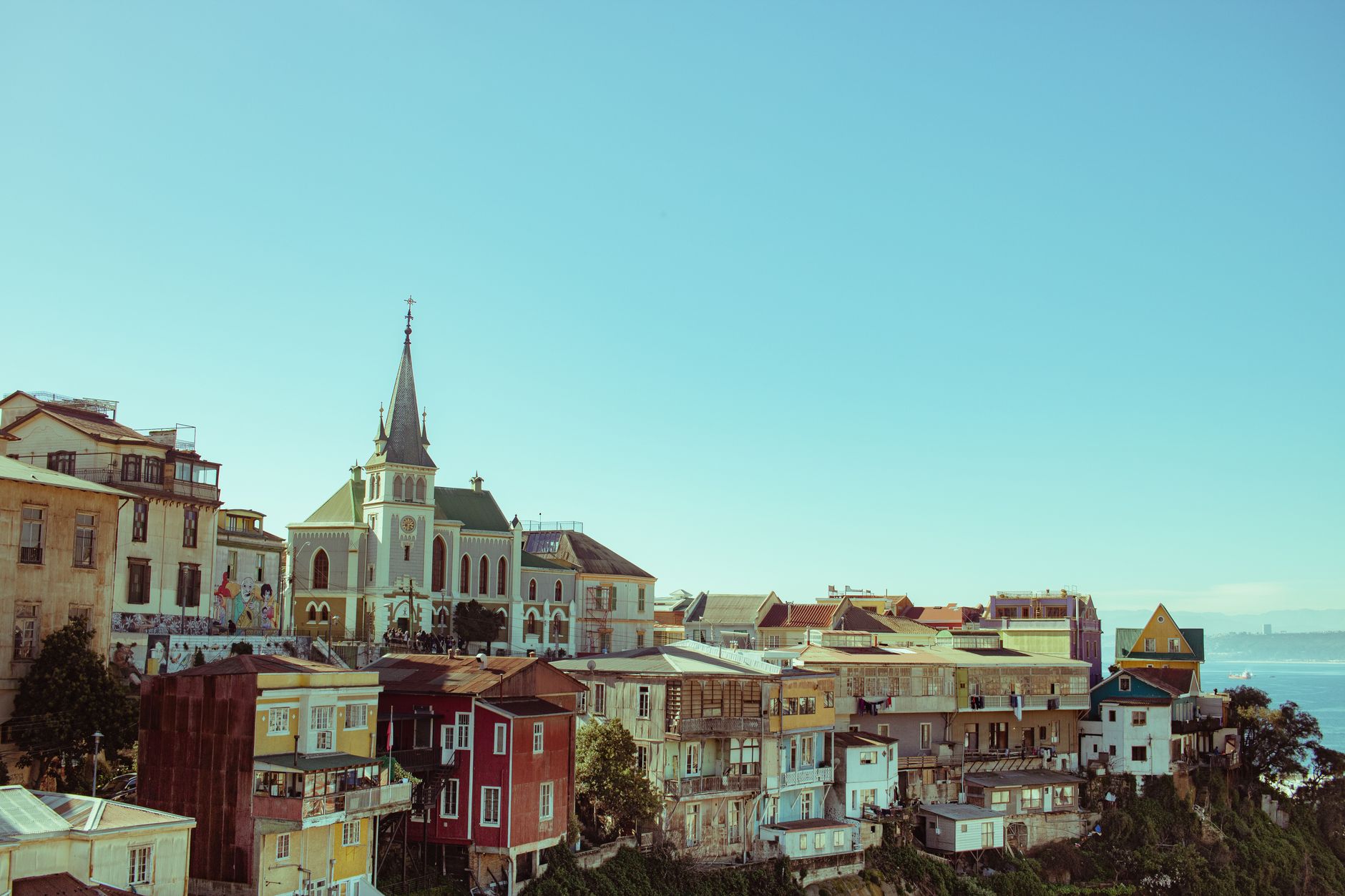
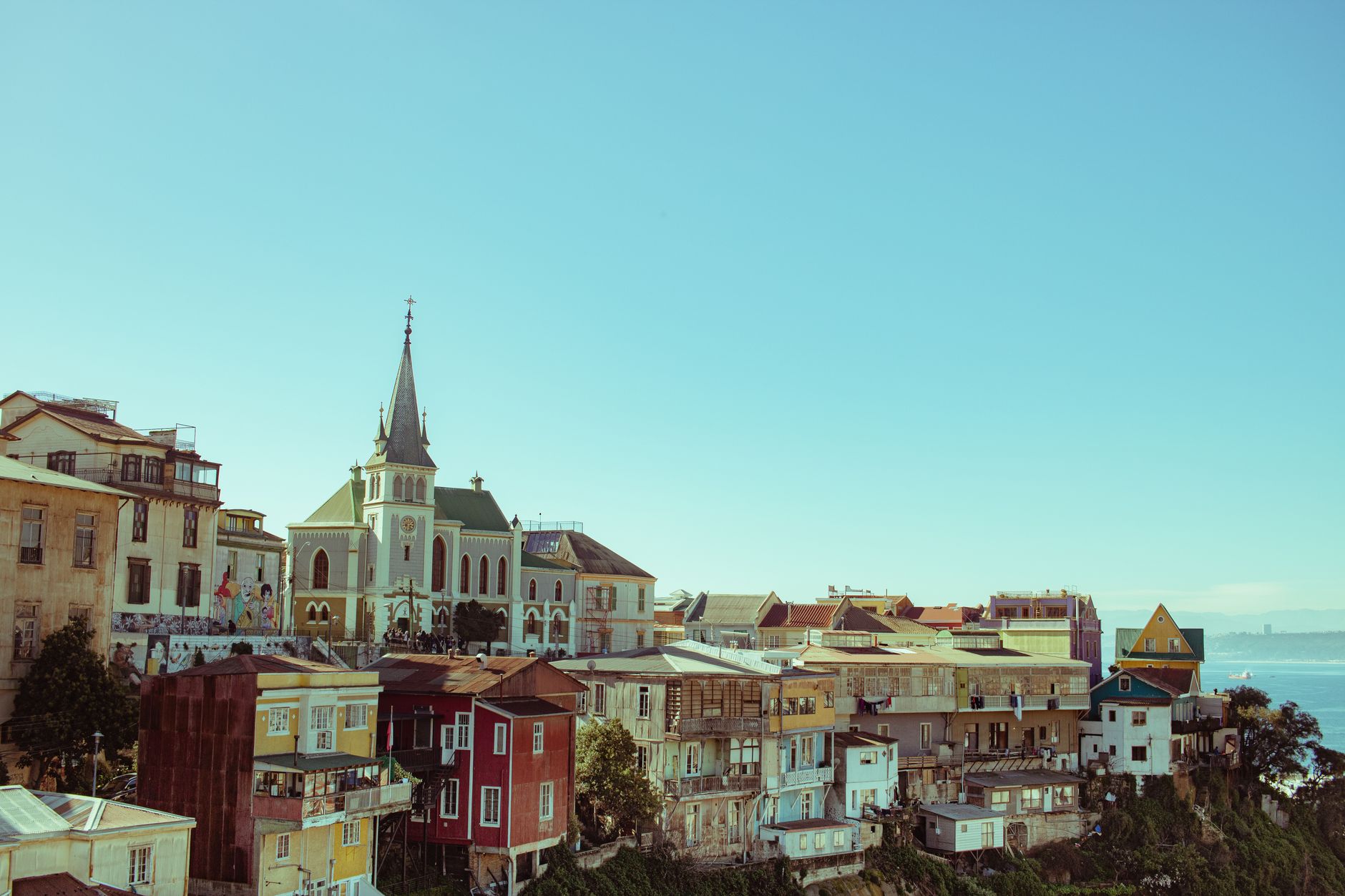
    The first time we stepped off the bus in Valparaíso, Santiago’s grid still felt fresh in our minds. Twenty minutes later we were climbing a cerro staircase between murals, smelling salt air, and watching a port city behave nothing like the capital. Valparaíso is the day trip that earns its reputation: color, hills, and a rough-edged charm that photographs well and feels even better in person.

    We treat it as a day visit from Santiago with clear safety habits and a simple schedule. Not because Valparaíso is off-limits. Because the hills, the tourist pockets, and the port energy reward travelers who plan one good day instead of improvising at dusk with a dead phone battery.

    Read is Valparaíso safe? before you go. Broader options live in day trips from Santiago. Sleep back in Santiago: hotels in Santiago in Providencia or Las Condes keep your base simple.

    Why Valparaíso works as a day trip

    Valparaíso day trip from Santiago: timing, safety, and logistics

    Santiago and Valparaíso are different animals. Santiago is orderly eastern neighborhoods, Metro lines, and Andes views on clear days. Valparaíso is staircases, funiculars, street art, and a working harbor. You do not need a week here to get the point. One full day is enough to ride a funicular, walk Cerro Alegre or Cerro Concepción, eat lunch with a view, and ride the bus back before you are too tired to enjoy dinner in Santiago.

    We rarely overnight in Valparaíso on a first Chile trip. Santiago is the better hub for flights, restaurants we trust at night, and the east-side sleep rhythm we recommend everywhere on this site. Valparaíso is the color injection in the middle of a Santiago stay.

    How to get from Santiago to Valparaíso

    The straightforward option is the bus. Multiple companies run frequent service between Santiago and Valparaíso. Travel time is typically around ninety minutes to two hours depending on traffic and departure point. Buses are comfortable, inexpensive compared with private transfers, and how we usually go when we are not already in a rental car for wine country.

    Santiago bus terminals can feel busy if you are new to Chile. Buy tickets from reputable companies, keep bags in sight during boarding, and aim for a morning departure if you want the full day. Afternoon buses back to Santiago fill up on weekends and holidays. Book your return when you buy the outbound if the schedule is tight.

    Private tours and guided day trips are the low-planning option. You pay more for someone else’s timetable. We consider them when friends want a guide for the hills and do not want to think about bus stations. They are not required for a good day if you are comfortable with basic Spanish or a maps app.

    Rental cars are possible but not our favorite for Valparaíso alone. Parking on the hills is awkward, traffic can be slow, and you add driving stress for a city best explored on foot. If you already have a car for Casablanca or Colchagua wine valleys, you might combine coast and wine on a longer itinerary. For a pure Valparaíso day, the bus wins.

    A sensible one-day rhythm

    Valparaíso day trip from Santiago: timing, safety, and logistics

    This is the schedule we roughly follow. Adjust for season and energy.

    • Morning: Early bus from Santiago. Coffee near the terminal or first funicular stop once you orient.
    • Mid-morning: Funicular up to Cerro Alegre or Concepción. Walk the mural streets before crowds peak.
    • Lunch: Sit-down meal on a hill with a view. Do not rush this part. It is half the pleasure.
    • Afternoon: Wander viewpoints, small shops, and the port overlook. Keep an eye on daylight.
    • Late afternoon: Bus back to Santiago while you still have margin. Dinner in Providencia beats a midnight Metro ride.

    We do not try to see every cerro in one pass. Two hills well walked beat four hills rushed. Valparaíso rewards slow legs and good shoes.

    What to actually do (without a checklist frenzy)

    Funiculars are part of the experience, not just transport. They are also tourist magnets. Go earlier if you hate lines. Carry small bills for fares and tips where appropriate.

    Street art and viewpoints are the main event. Look up, look down the staircases, and take photos where you are not blocking residents going about their day. This is a living city, not an open-air museum with no locals.

    The port is worth seeing from above and from the flat waterfront. The energy is industrial and real. Keep valuables secure in busier pockets.

    Viña del Mar is nearby and polished by comparison. Some travelers combine both in one day. We usually do not. Valparaíso alone fills our hours. If you want beaches and a resort feel, Viña del Mar is its own decision.

    Safety: calm confidence, not fear

    Valparaíso has a grittier reputation than Las Condes. That is fair. It also has thousands of visitors every week who have a wonderful day with normal city awareness. Our habits are the same as Santiago, slightly tightened on the hills:

    • Phones in pockets on staircases and crowded viewpoints.
    • Day bag in front on buses and in funicular queues.
    • Avoid empty stairways at night. This is a day trip for us partly because of that.
    • Ride apps or official taxis if you are out later than planned. Do not wander downhill in the dark trying to save money.
    • Stay in the busy cerro streets during the day. If a shortcut looks deserted, skip it.

    For neighborhood-specific nuance and updated context, read is Valparaíso safe? We wrote that page for the questions readers actually ask.

    What Valeria says: Valparaíso is the city I take friends to when they think Chile is only mountains and wine. I also watch the time. We leave while the light is still friendly and we eat dinner back in Santiago. That rhythm has never steered us wrong.

    What to wear and carry

    Wear shoes with grip. Cobblestones and steep stairs punish fashion sneakers. Layers help: coastal wind can cool a sunny afternoon quickly. Sunscreen and water matter even when Santiago felt mild that morning.

    Bring a charged phone, offline maps if you can, and a small amount of cash. Cards work in many restaurants, but funiculars and small vendors may prefer cash. We keep passports in the hotel safe in Santiago and carry copies or digital IDs for the day trip unless a specific activity requires otherwise.

    Who should skip the day trip

    If walking hills is physically difficult without frequent rests, Valparaíso as a DIY day trip will frustrate you. Consider a guided tour with vehicle support or spend the day in flatter parts of the coast. If you only have one day in Chile total, Valparaíso is not the priority. Santiago plus one region beyond the capital usually beats a rushed coastal detour.

    If you love the vibe and want two nights of harbor sunsets, overnighting can make sense on a longer trip. That is a different article. This guide stays focused on the classic Santiago-base day visit.

    Food and coffee on the hills

    Lunch in Valparaíso is part of the reward. Cerro restaurants with terrace views fill up on sunny weekends. We book a table when we can, or we arrive before 12:30 and accept that waiting is part of the scene. Seafood makes sense here. So does a long lunch with a view and no afternoon agenda beyond more walking.

    Coffee stops on the flat streets near the port are good for a mid-morning reset before you climb again. We keep snacks light. Heavy meals plus steep stairs are a combination we have learned to respect.

    Common mistakes we see

    Trying to combine Valparaíso, Viña del Mar, and a winery in one day is the classic overload. Pick one coastal focus. Leaving your return bus to chance on a Sunday without a ticket is another. Underestimating stair fatigue by 4 p.m. is the third. We have made version two of that mistake so you do not have to.

    Finally, do not treat Valparaíso like a theme park. Residents live on these hills year-round. Keep voices down in narrow alleys, ask before photographing someone at their front door, and tip service staff the way you would at home.

    Pairing Valparaíso with the rest of your Santiago stay

    We like Valparaíso on day two or three of a Santiago block, not arrival day. You want your legs and your jet-lag rhythm settled first. Follow it with a slower Santiago morning or a wine valley day later in the week, not a dawn flight to Patagonia the next morning.

    More day-trip ideas, including wine and mountains, are in day trips from Santiago Chile and the hub at day trips from Santiago.

    Putting it together

    Valparaíso from Santiago is a bus ride, a hill walk, and a return ticket before dark. Plan morning out, afternoon back, keep valuables tight, and sleep in the east-side hotel you already trust.

    We hope this helps you plan a calmer Chile trip. Take the day trip for color and salt air. Save your late night for a good meal in Providencia and the next chapter of the country beyond the capital.

    Frequently asked questions

    What should travelers know about Valparaíso Day Trip Guide?

    Valparaíso Day Trip Guide.

  • SCL to City Center Guide (2026 Edition)

    SCL to City Center Guide (2026 Edition)

    SCL airport to Santiago city center: transfers and what we do.

    SCL to City Center Guide.

    Jan & Valeria. We travel to Chile often and love sharing tips to help you experience this beautiful country.

    Affiliate disclosure: some links below (including Booking.com) may earn us a commission at no extra cost to you. We only recommend what we would use ourselves.

    Landing at SCL is the moment trip anxiety spikes. Customs, ATM lines, a new language, and a city you have only seen on a map. The fix is boring and effective: know your transfer before wheels down, know your neighborhood, and do not improvise with luggage in Centro at midnight.

    We have done this ride dozens of times. The route from Arturo Merino Benítez International Airport to central Santiago is not complicated. What trips people up is trying to be heroic on arrival night instead of following a simple plan. This guide is that plan.

    Where we go (and where we do not)

    SCL airport to Santiago city center: transfers and what we do

    When people say “city center,” they often picture Plaza de Armas and the historic core. That is Santiago’s daytime heart, not where we book hotels. Our default is east: Providencia or Las Condes. Wider avenues, better night rhythm, Metro Line 1 access, and the neighborhoods Valeria’s family still recommends to visitors.

    We visit Centro for museums, lunch, and architecture. We sleep east. If you already chose a hotel in Providencia or Las Condes, your transfer goal is simple: get to the east side without overthinking a scenic detour through downtown traffic.

    The only exception is a brutal flight schedule. If you land late and fly out early, an airport hotel beats crossing the city twice in one night. Everyone else should plan a straight shot to a neighborhood they will enjoy for three or four nights.

    Transfer options from SCL

    Santiago’s airport sits west of the city, roughly a thirty- to sixty-minute ride to Providencia depending on traffic and time of day. These are the options we actually use or recommend to friends.

    Ride apps (Uber, Cabify)

    This is our default on most arrival nights. After customs, we connect to airport Wi-Fi or use an eSIM, open Uber or Cabify, and request a ride to our hotel address. Fares vary with traffic and surge pricing. Check the app before you commit. We like seeing the route and price upfront when we are tired.

    Follow airport signs to the official ride-app pickup area. Do not accept random drivers who approach you inside the terminal. That rule is standard in big airports everywhere, and SCL is no different.

    Official airport taxis

    Licensed taxis at SCL are a solid backup if your phone dies or apps are acting up. Use the official ranks inside the terminal, not curbside hustlers. Confirm whether the fare is metered or a fixed airport rate before you load bags. We use taxis less than apps because price transparency is worse, but they are legitimate when you need them.

    Airport buses (Centropuerto and similar)

    Shared airport buses run between SCL and key points in the city, including connections toward the east side and Metro hubs. They are the budget option and they work fine if you are traveling light and arriving during daytime. We are cautious recommending buses after dark with heavy luggage. Not because they are unsafe, but because a door-to-door ride is worth the cost when you are jet-lagged.

    If you choose the bus, know which stop is closest to your hotel and whether you will need a short Metro hop or a second taxi at the end. That last mile matters when you are carrying two checked bags up escalators.

    Pre-booked private transfer

    When we arrive exhausted, traveling with older relatives, or landing in a group with four suitcases, we pre-book a private transfer. A driver with a sign, a fixed price agreed in advance, and no app troubleshooting at midnight. Many Santiago hotels can arrange this if you email ahead. It is not the cheapest option. It is the lowest-friction one.

    Rental car on arrival

    Picking up a car at SCL makes sense when your next days leave the city immediately: wine valleys, the coast, or a road trip south. It is a poor default if you are staying three nights in Santiago and planning Metro days. City driving, parking, and navigation on arrival night add stress you do not need. If you do rent, handle pickup at the airport before you fight downtown traffic. Our dedicated guide covers that decision in more detail.

    What we actually do

    SCL airport to Santiago city center: transfers and what we do

    Our arrival checklist is short on purpose:

    • Go east to Providencia or Las Condes, not a random Centro hotel.
    • Prefer a pre-booked transfer or ride app when we are exhausted.
    • Have the hotel address offline in case signal is slow.
    • Message the hotel if we land after 10 p.m. so check-in is smooth.
    • Withdraw pesos at the airport ATM if we need cash for tips or snacks, using the same card precautions we use at home.

    We do not try to sightsee from the taxi. We do not assume every driver knows our hotel by nickname. We show the full address on our phone and confirm the neighborhood: Providencia, Las Condes, Vitacura.

    What Valeria says: My cousins still send visitors the hotel pin on WhatsApp before the plane lands. Not a neighborhood name, the actual pin. Santiago drivers are fine, but “near the park” is not an address. Send the pin, watch the map, and you will feel in control on minute one.

    Timing and traffic reality

    Rush hours in Santiago can stretch a thirty-minute drive into an hour. Morning and late-afternoon weekdays are the worst. Late-night arrivals often move quickly. We build buffer into dinner plans on arrival day, not because Santiago is impossible, but because tired travelers should not start with a schedule.

    International arrivals also mean customs variability. Summer holidays and Sunday evenings can queue longer. Your transfer choice should assume you might be standing in line thirty minutes after landing, not five.

    Safety on arrival night

    SCL itself is well lit and busy. The ride to the east side is a normal city highway trip. We keep bags in the trunk, phones in pockets, and valuables in carry-ons until we are inside the hotel. We do not flash large cash at the curb.

    Choosing Providencia or Las Condes is partly a safety decision. Not because other areas are automatically dangerous, but because we want our first night to feel calm. That mindset matters more than any single street statistic.

    Where to book once you know your transfer

    Transfer solved, hotel choice is next. Our shortlists live in best hotels in Santiago. Couples and comfort travelers usually land in Providencia or Las Condes. Budget travelers should still consider Providencia hostels rather than saving money in Centro.

    Only book near the airport if your flight schedule forces it. Our hotels near Santiago airport guide covers that narrow case.

    Putting it together

    The airport-to-city question is not a test. Pick a trusted neighborhood, pick a transfer that matches your energy level and luggage, and execute the plan you wrote at home.

    We go east, we use apps or pre-booked rides on arrival night, and we keep the hotel address offline. That is the whole secret. Everything else in Chile gets easier when night one is boring in the best way.

    We hope this helps you plan a calmer Chile trip. Land at SCL knowing where you are going, book the hotel you will sleep well in, and save the adventure for tomorrow’s coffee in Providencia.
    Frequently asked questions

    What should travelers know about SCL to City Center Guide?

    SCL to City Center Guide.

  • Best Day Trips from Santiago Chile 2026

    Best Day Trips from Santiago Chile 2026

    Best day trips from Santiago Chile (Valparaíso, wine, Cajón del Maipo).

    The best day trips from Santiago Chile are Valparaíso/Viña, Cajón del Maipo, and nearby wine valleys. Pick one full day based on weather and how much walking you want.

    Jan & Valeria. We travel to Chile often and love sharing tips to help you experience this beautiful country.

    Affiliate disclosure: some links below (including Booking.com, DiscoverCars) may earn us a commission at no extra cost to you. We only recommend what we would use ourselves.

    Santiago is a great hub until it becomes a trap. You stack museum mornings, long lunches, and Metro rides until suddenly you have spent four days in the basin without seeing the coast, the vines, or the Andes filling up the eastern sky. The best day trips from Santiago Chile fix that without wrecking tomorrow: out early, back for a normal dinner, sleep in the same Providencia hotel you already like.

    We are not trying to list every possible excursion within two hours of the capital. Chile is too big for that mindset. These are the four day trips we actually recommend when friends have three or four Santiago nights and want depth, not a checklist.

    How we choose day trips from Santiago

    Best day trips from Santiago Chile (Valparaíso, wine, Cajón del Maipo)

    Our filter is simple:

    • Return the same day unless the trip clearly deserves an overnight somewhere else.
    • Do not break the next morning. No 2 a.m. drives on gravel if you are flying south two days later.
    • Match transport to the trip. Bus for Valparaíso, rental car for wine valleys, early start for Cajón del Maipo.
    • Keep safety boring. Normal city habits, daylight on hills, no visible bags in parked cars at trailheads.

    We also cap ambition. One big day trip every two or three Santiago days is plenty. Sandwich a slow cafe morning between adventures. Chile rewards pacing.

    Valparaíso: color, hills, and the coast

    Valparaíso is the classic Santiago escape. Street art, funiculars, harbor views, and a completely different energy from the eastern grid. We go by bus, walk two cerros well, eat lunch with a view, and ride back before we are too tired to enjoy dinner.

    Safety matters here more than in Las Condes. Read is Valparaíso safe? before you go, then follow our full logistics in the Valparaíso day trip from Santiago guide. That page covers timing, what to wear on the stairs, and why we usually sleep back in Santiago.

    Best for: first-timers who want a coastal culture hit without changing hotels.
    Transport: bus from Santiago (our default).
    Skip if: steep hills are a hard no without a guided tour.

    Wine valleys: Casablanca and Colchagua from a Santiago base

    Best day trips from Santiago Chile (Valparaíso, wine, Cajón del Maipo)

    Wine country is our favorite soft-adventure day trip from the capital. Casablanca sits closer for a tasting-focused day with coastal influence. Colchagua is farther but deeper if you want a fuller valley feel and you are comfortable with more driving. We usually rent a car for this rather than relying on tours, because wineries reward a flexible schedule and a designated driver plan.

    Compare rental options on DiscoverCars Santiago when you are ready to book. Pick up after you have settled in Santiago, not on jet-lagged arrival night unless your itinerary demands it. Read driving in Chile for tourists for road habits that matter, including the tire-puncture distraction scam on pullouts. Keep bags out of sight in the back seat when you stop for photos.

    We do not drink and drive. Ever. Either spit at tastings, buy bottles for later, or split driving duties clearly before you leave Providencia. Ride apps do not rescue you from a rural vineyard road at closing time.

    Best for: couples who want scenery, lunch, and a few careful tastings.
    Transport: rental car (our pick) or a booked tour if you refuse to drive.
    Pair with: our wine country itinerary for couples if you upgrade to an overnight.

    What Valeria says: My uncle still asks which winery we want before he asks what time we are leaving. Chileans treat the drive as part of the meal. Leave early, eat lunch without rushing, and do not plan a fancy Santiago dinner the same night you taste everything on the menu.

    Cajón del Maipo: Andes at the city’s back door

    When we want mountains without flying south, we point the car east toward Cajón del Maipo. The Maipo River canyon rises toward the Andes with dramatic walls, roadside empanada stops, and trailheads that make Santiago feel far away. It is not Patagonia. It is a honest half-day or full-day dose of altitude and granite.

    This trip works best with an early start and realistic weather checks. Conditions change with season. Some higher trails and sites have entry rules or seasonal closures. We check locally before we commit to a specific glacier viewpoint or hot spring at the upper canyon. Flexibility beats a rigid checklist.

    Driving is straightforward compared with remote Patagonia, but mountain roads still demand attention. Fill the tank before you leave the city, carry water, and dress warmer than Santiago’s morning temperature suggests.

    Best for: travelers who want Andes drama without a domestic flight.
    Transport: rental car or organized tour from Santiago.
    Skip if: you are acclimating to altitude elsewhere the same week. Pace yourself.

    Hot springs near Santiago

    Some Santiago days call for thermal water instead of museums. Several hot spring areas lie within day-trip range of the capital, from canyon soak spots to more polished resort baths farther afield. We treat these as recovery days: slow morning, long soak, early dinner back in the city.

    Our dedicated guide covers tickets, timing, and which baths fit a couple versus a quick soak: hot springs near Santiago. Book ahead on weekends when Chileans travel. Shoulder season midweek is calmer.

    Best for: the day after a long flight or before a big hike elsewhere.
    Transport: car or tour depending on the bath.
    Tip: bring flip-flops and a zip bag for wet swimsuits in the rental trunk.

    Sample four-day Santiago block with day trips

    This is how we might structure a short capital stay without feeling rushed:

    • Day 1: Arrive, transfer east, walk Providencia, early dinner.
    • Day 2: Santiago museums and Plaza de Armas on Metro. Quiet evening.
    • Day 3: Valparaíso day trip.
    • Day 4: Wine valleys with a rental car from Santiago, or Cajón del Maipo if wine is not your thing.

    Swap hot springs in if your body needs a soak more than another hill walk. The point is alternating city and escape, not doing everything in forty-eight hours.

    What we skip as “day trips” from Santiago

    Some famous Chile experiences are not honest same-day returns from the capital. Ski resorts can work seasonally but depend on snow and road conditions. Farther south toward Concepción-level distances are flights, not Tuesday afternoon whims. The Atacama and Patagonia are regions, not Santiago side quests.

    We would rather you fly to one extra region and do it properly than burn three Santiago days on brutal drives. Chile itineraries work best at two regions deep, not five regions wide.

    Season and weather notes

    Santiago’s basin can look hazy in winter, especially when pollution builds. Coastal Valparaíso often feels clearer by afternoon, but wind picks up. Summer days are long and hot inland; start wine valley drives early and carry water in the car. Cajón del Maipo roads can change character after rain. We check conditions the night before, not from the hotel lobby at 5 a.m. with no backup plan.

    Shoulder seasons are our favorite for day trips: fewer domestic crowds, easier parking at wineries, and hotel rates in Providencia that do not require a lecture about “value.”

    Packing a small day bag

    Regardless of which trip you pick, our day bag looks similar: sunscreen, a light layer, a water bottle, a charged phone, a little cash, and copies of IDs if the hotel is keeping passports. For wine days, add a sweater for cellar tastings. For Valparaíso, grippy shoes win over everything else. For hot springs, flip-flops and a dry shirt for the ride home.

    We leave jewelry and extra cards in the Santiago hotel safe. Day trips are easier when you are not carrying your entire wallet’s worth of attention magnets.

    Where to sleep between day trips

    Keep one Santiago base for the whole block. Providencia or Las Condes makes every return simple: same hotel, same Metro stop, same bakery for tomorrow’s coffee. Book nights with Santiago hotels before you obsess over day-trip minutiae.

    Also see the existing hub day trips from Santiago for updates and cross-links as we add more routes.

    Putting it together

    The best day trips from Santiago Chile are the ones that fit your legs, your driver plan, and the morning after. Valparaíso for culture and coast. Wine valleys with a sober driver and a DiscoverCars booking when you are ready. Cajón del Maipo for Andes scale. Hot springs when you need to float instead of hike.

    If you are building a two-region Chile itinerary, treat these day trips as seasoning, not the main course. Santiago earns two or three nights. The Lake District, Atacama, or Patagonia earn the flights. Done right, you leave the capital feeling like you saw more than a skyline.

    We hope this helps you plan a calmer Chile trip. Use Santiago as a hub, not a cage. Get out once or twice, then come back east for the dinner you earned.

    Frequently asked questions

    What are the best day trips from Santiago Chile?

    Valparaíso for colorful hills and ocean air, Cajón del Maipo for mountains and hot springs, and Casablanca or Maipo wine valleys for vineyard days.

    Can you do Valparaíso as a day trip from Santiago?

    Yes. It is the classic Santiago day trip. Start early, keep valuables simple, and plan a daytime-focused visit.

  • Chilean Food Restaurants Santiago (2026 Guide)

    Chilean Food Restaurants Santiago (2026 Guide)

    Chilean food doesn’t always get the credit it deserves. It’s not as internationally celebrated as Peruvian cuisine, not as theatrically confident as Argentine food, and most visitors arrive knowing very little about what they’re going to eat. That’s actually part of what makes discovering it so good. Cazuela, pastel de choclo, machas a la parmesana, caldillo de congrio, lomo a lo pobre: these are dishes that take some people completely by surprise, and once they click, they stick.

    Before dinner plans, check Santiago safety tips for the barrios we recommend.

    The challenge in Santiago is knowing where to find real Chilean cooking. The city has excellent restaurants of every international variety, but genuinely good, honest Chilean food, the kind Chileans themselves eat and care about, requires a bit more navigation. This list cuts through that.

    It covers the spectrum: traditional dives that have been operating the same way for over a century, neighborhood bistros where the cooking is modern but the ingredients are deeply Chilean, and one ancestral indigenous restaurant that will make you rethink what Chilean food even means. Different budgets, different neighborhoods, different experiences, all worth your time.

    Peumayén Ancestral Food

    If you’re going to eat at one Chilean restaurant in Santiago, make it this one. Peumayén is unlike anything else in the city. The kitchen is built around the culinary heritage of Chile’s indigenous peoples: Aymara, Mapuche, Rapa Nui, and others, with dishes using ingredients and techniques that predate the Spanish arrival by centuries.

    Link to Google Maps location

    Araucaria nuts, wild Patagonian mushrooms, alpaca, horse meat, crispy seaweed, and native corn varieties appear on the two tasting menus, a land version and a sea version, each running to around six courses. The service is warm and detailed, with each dish explained in terms of its cultural origin and the community it comes from. It is a genuinely educational dinner as well as a delicious one.

    What makes Peumayén essential is the perspective it gives you. Eating here shifts how you understand Chile as a country, not just the food, but the landscape, the history, and the people who were here long before wine valleys and Santiago bistros. Reserve at least a week ahead. Located in Bellavista.

    Bar Liguria

    Bar Liguria is Santiago’s most beloved traditional bistro, a Providencia institution since 1990 that has served as the benchmark for classic Chilean cooking across multiple generations of the city. The kind of place that hosts birthday dinners, long lunches, political arguments, and everything in between without breaking its rhythm.

    Link to Google Maps location

    The menu is a reliable tour of Chilean favorites: barros luco (a hot sandwich of thinly sliced beef and melted cheese named after a former Chilean president who supposedly ate one every day), chacarero (beef with green beans, tomato, and chili on a soft bun), carne mechada (slow-braised beef), lamb shank with mashed potato and gravy, and the house pitcher of borgoña, a cold red wine punch with strawberries that is one of the more pleasant ways to spend a Santiago afternoon.

    There are multiple locations in Providencia and Lastarria. Don’t bother with reservations, they don’t take them. Arrive early, expect to wait for a table at peak lunch, and order the borgoña immediately while you study the menu.

    Galindo

    Galindo sits in an old adobe house in Bellavista and has been serving traditional Chilean food to locals, artists, and anyone smart enough to find it for over four decades. It’s the kind of restaurant that started life feeding local workers and never strayed from that mission despite the neighborhood around it becoming considerably more fashionable.

    Link to Google Maps location

    The pastel de choclo is the dish to order: a deep clay bowl layered with pino filling (spiced minced beef with onion, olives, and hard-boiled egg), chicken pieces, and a thick sweet corn crust that caramelizes in the oven and creates that characteristic burnt-sugar top. It’s one of Chile’s most iconic dishes and Galindo’s version is consistently praised as one of the best in the city.

    Other reliable orders are cazuela, the clear golden broth with a full piece of meat, corn on the cob, squash, and potato; lomo a lo pobre, the Chilean steak topped with caramelized onions and a fried egg over fries; and empanadas de pino straight from the oven. Terrace seating fills quickly. Open Tuesday through Sunday. Priced accessibly.

    El Hoyo

    El Hoyo opened in 1912 and has been cooking pork the same way ever since. Anthony Bourdain included it in his Santiago episode of No Reservations, which brought it to international attention, but the regulars were here long before that and have kept coming regardless.

    Link to Google Maps location

    The specialty is pernil: a massive slow-cooked pork leg served bone-in with boiled potatoes and whatever condiments you want to pile on. The meat falls apart without any effort, it’s fatty in the right places and deeply flavored from hours of low cooking, and the portion size is frankly absurd. Also worth trying is arrollada, cured pork rolled and wrapped in pork skin, and morcilla, blood sausage that is better than it sounds.

    El Hoyo is now located in Barrio Italia after a move from its original San Vicente address. It opens only for lunch, closes when the food runs out, and does not open on Sundays. Go with an empty stomach and a group willing to share. Order a terremoto while you wait for the food.

    Salvador Cocina y Café

    Salvador Cocina y Café is the weekday lunch spot every Santiago professional knows and most tourists miss. It sits in the historic center near the Bellas Artes metro, run by chef Rolando Ortega, and offers a daily changing three-course menú del día for around 9,000 to 10,000 pesos that uses proper Chilean ingredients with a light modern hand.

    Link to Google Maps location

    The food here is not traditional in the rustic sense: Ortega brings genuine technique to everything, so a dish of white beans arrives beautifully seasoned rather than simply boiled, and a smoked longaniza sausage on mashed potato is finished with merkén in a way that makes you reconsider the spice entirely. But the ingredients are deeply Chilean and the sensibility is local.

    Closed on weekends. Gets busy fast. Arrive by noon to guarantee a seat. One of the best-value lunches in the city at any level of expectation.

    Bar Liguria’s neighbor: Chipe Libre

    Just around the corner from Bar Liguria in Lastarria, Chipe Libre occupies its own distinct territory: the self-proclaimed independent republic of pisco, with one of the best pisco cocktail menus in the city and a food menu that takes Chilean cooking seriously without being stuffy about it.

    Link to Google Maps location

    The menu runs from reinvented Chilean street food classics to more substantial plates using good Chilean proteins and produce. The chorrillana, the iconic sharing plate of fries loaded with caramelized onions, sliced beef, and fried eggs, is excellent here and the right thing to order alongside a pisco sour or three. The borgoña is also well-made.

    What makes Chipe Libre worth a separate entry from the other places on this list is the cocktail program. If you want to understand pisco properly, drinking several different varieties here in different preparations will teach you more than any article can. The atmosphere is young and lively, the food is honest, and it stays open late. Located in Lastarria.

    Pulpería Santa Elvira

    Pulpería Santa Elvira is the restaurant on this list that feels most like a discovery. Set inside a restored 1920s house in the Matta Sur neighborhood south of the center, it’s run by chef Javier Avilés Lira with a chalkboard menu that changes regularly and a philosophy of hyper-seasonal, locally sourced Chilean ingredients served in a dining room that looks like a very well-curated grandmother’s house: antique photos, dried flowers, mismatched furniture, and enough warmth to make you want to stay for hours.

    Link to Google Maps location

    The cooking is personal and unpretentious, the kind that reflects what’s good right now rather than what’s been on the menu for years. On any given visit you might find a beautifully made cazuela, handmade pasta with Chilean shellfish, or a slow-cooked cut of meat from a small producer with vegetables from the market that morning. The wine list skews toward natural Chilean producers.

    It’s not the most convenient location for tourists staying in Providencia or Lastarria, but it’s worth the 15-minute taxi ride for anyone who wants to eat somewhere genuinely off the tourist map. Reservations recommended.

    Confitería Torres

    Confitería Torres has been on the Alameda since 1879, which makes it the oldest restaurant still operating in Santiago and one of the oldest in Chile. Eating here is a history lesson as much as a meal: the building, the service style, and the menu all belong to a version of Santiago that barely exists anymore.

    Link to Google Maps location

    The food is traditional Chilean and old-school European bistro, the kind of overlap that defined elite Santiago dining in the 19th and early 20th centuries. French onion soup, boeuf bourguignon, barros jarpa (the classic ham and melted cheese sandwich), grilled meats, and long wine lists of Chilean classics appear alongside the kind of white tablecloth service that takes itself seriously without being uncomfortable.

    It is not the cheapest meal on this list, but the experience of eating lunch in a room that has been doing this since before Chilean independence is worth something that goes beyond the food. Order the lamb shank and a bottle of something from Colchagua and take your time. A Chilean friend of my wife’s family once called Torres “the restaurant that remembers Santiago before it forgot itself,” and I’ve never heard it described better.

    Eladio

    Eladio is the place to go for asado, the Chilean interpretation of the South American art of grilling, which shares its passion for red meat with the Argentine tradition but has its own distinct character in terms of the cuts chosen and the way they’re served.

    Link to Google Maps location

    Located in Providencia, Eladio is a proper sit-down steakhouse with bow-tied servers, a serious grill, and a menu focused on Chilean beef cuts prepared simply and well. The entraña (skirt steak) is excellent: lightly salted, quickly grilled, genuinely tender, and served properly rested. The bife chorizo (sirloin strip) is another reliable choice. Ask for your meat a punto (medium rare) or medio (medium). Ordering well done will earn you a politely puzzled look.

    Order a side of porotos granados if they have it, the bean and corn stew that is one of Chile’s underrated seasonal classics. The wine list covers the main Chilean valleys at fair prices. Closed weekends.

    Practical notes for eating Chilean food in Santiago

    One thing worth knowing before you go: Chilean food is generally mild. Chili heat is not a feature of the cuisine in the way it is further north in Latin America. What you’ll find instead is depth from slow cooking, fat from good pork and beef, and subtle seasoning from ingredients like merkén (smoked pepper), ají de color (paprika), and fresh herbs. If you’re expecting spice, you may need to adjust your expectations. If you’re expecting honest, filling, well-made food built on excellent local ingredients, you’ll find exactly that.

    Lunch is the main meal of the day in Chile. Most of the restaurants on this list are at their best between 1pm and 3pm, when the kitchens are running full pace and the dining rooms are full of locals rather than tourists. Dinner is later and slightly quieter. Either works, but if you can only do one, make it lunch.

    For more on the Chilean food scene across different price points, the guides to budget restaurants and luxury restaurants in Santiago elsewhere on this site cover the full range.

    Planning your time in Santiago? The 2-day and 1-week itineraries on this site include the best neighborhoods for eating alongside the rest of the city’s highlights.

  • Luxury Restaurants Santiago (2026 Guide)

    Luxury Restaurants Santiago (2026 Guide)

    Santiago’s fine dining scene gets far less international attention than it deserves. The city has no Michelin Guide, which means none of its restaurants carry those stars, but that’s a guide coverage problem rather than a quality problem. Several Santiago restaurants rank among the best in Latin America and the world by every other serious measure, the food is technically ambitious and deeply rooted in Chilean identity, and the cost of a special dinner here is considerably lower than it would be at an equivalent restaurant in Paris, New York, or Tokyo.

    If you’re going to spend a significant amount on a meal in Santiago, spend it knowingly. This list covers the ten restaurants I’d recommend, from the genuinely world-class to the quietly excellent, with honest notes on what each one delivers and what to expect when you arrive.

    A quick note on reservations: at the top end of this list, booking weeks or even months in advance is not an exaggeration. Santiago’s best restaurants fill up, and turning up without a reservation at Boragó or Peumayén is not a viable strategy.

    1. Boragó

    There is no more important restaurant in Chile, and arguably none more interesting in Latin America. Boragó has ranked in the World’s 50 Best Restaurants list, placing at number 23 in 2025, and consistently sits in the top 10 of Latin America’s 50 Best, reaching number 6 in the 2025 rankings. Chef Rodolfo Guzmán received the Icon Award at that same ceremony, recognition for a career spent doing something genuinely singular.

    Google maps link

    What Guzmán has built at Boragó since 2006 is unlike anything else in the region. The tasting menu, called Endémica, runs between 12 and 18 courses and changes constantly based on what arrives from over 200 small producers, foragers, and fishermen across Chile, from the Atacama in the north to the waters of Patagonia in the south. Many of the ingredients are ones you will not have encountered before: picorocos (barnacles), endemic Andean plants, Mapuche-sourced produce, algae harvested from the rocks at Isla Negra. The restaurant also operates its own biodynamic farm.

    The experience is theatrical in the best sense. Courses arrive with explanations of where each ingredient came from and why it matters. Presentations are sometimes visually arresting, sometimes playfully strange. The whole thing takes three hours or more and leaves most people slightly changed in how they think about Chilean food and landscape.

    Expect to pay around 150,000 to 200,000 pesos per person for the tasting menu, more with wine pairing. Located in Vitacura. Book well in advance, sometimes months out for weekend dates.

    2. Peumayén Ancestral Food

    Peumayén is the restaurant I’d send first-time visitors to Santiago who want a luxury dinner that is also an education in Chilean culture. The name translates loosely to “dream place” in Mapudungún, the language of the Mapuche people, and the kitchen is built around the culinary heritage of Chile’s indigenous populations: Aymara, Mapuche, Rapa Nui, and others.

    Google maps link

    Dishes here use ingredients that predate the Spanish arrival by centuries: araucaria nuts, wild mushrooms from Patagonia, alpaca, horse meat prepared in traditional methods, crispy seaweed, and corn varieties you won’t find in any supermarket. The tasting menus (there are land and sea versions) run to around six courses with impeccable service and detailed explanations of each dish’s cultural context.

    It is not the most technically refined restaurant on this list, but it is possibly the most meaningful. Sitting here and eating Chilean food at this level changes how you see the country. Several visitors have called it the single best meal of their Santiago trip, and I understand why.

    Located in Barrio Italia. Reserve at least a week in advance. The pisco flight pairing is worth adding.

    3. Demo Magnolia

    Demo Magnolia opened in October 2024 inside the historic Hotel Magnolia in the Bellas Artes neighborhood, and in under a year had placed at number 31 on Latin America’s 50 Best Restaurants 2025. That is a remarkable trajectory for a 15-seat restaurant with a single tasting menu, and it reflects both the quality of what chef Pedro Chavarría is doing and how seriously Santiago’s dining scene has matured.

    Google maps link

    Chavarría trained at Boragó and at Quintonil in Mexico City, two of the most important restaurants in Latin America, and that pedigree shows in the precision of the cooking at Demo Magnolia. But the concept here is distinctly his own: the tasting menu is built as an edible map of Santiago itself, drawing on the city’s diverse food culture rather than Chilean landscapes in the abstract. Dishes reference La Vega market, the meat culture of Barrio Franklin, the Asian culinary influences that have shaped the city for generations. A langoustine croquette with salsa roja, tofu with noodles and vegetable broth, duck breast with salsa oriental, a seaweed and cheesecake tart: the menu moves through the city’s neighborhoods as much as its seasons.

    The room is intimate almost to an extreme, 15 seats around an open kitchen, with low lighting and an industrial warmth that suits the cooking well. With only 15 covers per service, this fills faster than anywhere else on this list. Book well in advance and consider the non-alcoholic pairing, which several diners rate as highly as the wine flight. Average spend around 87 USD per person. Open Tuesday to Saturday for dinner.

    4. Karai by Mitsuharu

    Located inside the W Santiago Hotel in Las Condes, Karai debuted on Latin America’s 50 Best list in 2025 at number 45. The restaurant channels the Nikkei tradition, Japanese-Peruvian fusion, through the lens of Chilean ingredients. Chef Sebastián Jara runs the kitchen under the creative direction of Mitsuharu Tsumura, the Lima chef behind the legendary Maido.

    Google maps link

    The menu covers sushi, sashimi, nigiri, ceviches, and tiraditos, with Chilean seafood as the primary ingredient and Japanese technique as the framework. The loco (abalone) preparations in particular draw on a shellfish that is deeply embedded in Chilean coastal culture and treated here with the precision it deserves. The sushi bar seating gives you a direct view of the kitchen, which is worth requesting.

    The room is sleek, the service is polished, and the wine list includes serious Chilean options alongside sake and Japanese whisky. For a luxury dinner that doesn’t require three hours and a tasting menu format, this is one of the best choices in the city.

    5. Ambrosía

    Chef Carolina Bazán’s restaurant in Las Condes is one of the most consistently celebrated places to eat in Santiago, and has been for years. The cooking is market-driven and changes frequently, built around what’s seasonal and what Bazán finds interesting that week: fresh seafood crudos, handmade pastas, grilled proteins from small Chilean producers, and a Chilean wine list that leans toward smaller and natural producers.

    Google maps link

    What Ambrosía does exceptionally well is make a high-quality ingredient-focused dinner feel genuinely warm rather than formal. The room is intimate, the service attentive without being stiff, and the food tastes like it was cooked by someone who cares deeply about what they’re doing rather than trying to impress a food critic.

    The Ambrosía Bistro in Providencia is a more casual and affordable sister operation worth knowing about if you want a taste of Bazán’s cooking without the full commitment.

    6. Yum Cha

    Yum Cha is an intimate 20-seat restaurant that debuted on Latin America’s 50 Best list in 2025 at number 28, a significant entrance for a place this small and this specific in its vision. Chef Nicolás Tapia runs a tasting menu built around Cantonese technique, Chilean ingredients, and an unusual guiding principle: tea as a co-star to the food rather than an afterthought.

    Google maps link

    Each course is designed with a specific tea pairing in mind, and the teas are taken seriously as a flavour complement rather than a palate cleanser. The result is a dinner that is unlike anything else in Santiago, quiet and concentrated in a way that demands attention, and rewards it.

    Reserve early. The 20-seat capacity means this fills faster than any other restaurant on this list.

    7. Casa Las Cujas

    The newest entry on this list, and the one that made the biggest splash in 2025. Casa Las Cujas debuted on the Latin America’s 50 Best list at number 14, winning the Highest New Entry Award for the year. Little more detail than that is publicly known at the time of writing, but a number 14 debut on Latin America’s most authoritative restaurant list is a statement that demands attention.

    Google maps link

    Worth researching and booking before your trip if you’re visiting in 2025 or 2026. Santiago’s fine dining scene moves fast, and this is currently its most exciting new arrival.

    8. Bocanáriz

    Bocanáriz is not purely a luxury restaurant in the tasting menu sense, but it belongs on this list because it is the finest wine experience in Santiago and the quality of what you eat alongside the wine is consistently high.

    Google maps link

    Located in Barrio Lastarria, Bocanáriz opened in 2012 and built its reputation around one of the most serious Chilean wine selections in the country, including rare labels, small producers, and lesser-known valleys that don’t appear on tourist-facing lists. If you want to understand Chilean wine without renting a car and driving to a valley, dinner here covers an enormous amount of ground.

    The food, modern Chilean small plates, is better than a wine bar typically needs to be, which makes the whole experience more worthwhile. Order widely, drink slowly, and let the sommelier guide you. The restaurant operates on a walk-in basis for most of its capacity, though the wait at peak times can run 20 to 30 minutes.

    9. The Singular Santiago

    The Singular is the restaurant inside the boutique hotel of the same name in Barrio Lastarria, and it represents a different kind of luxury from the tasting-menu restaurants above: generous, French-Chilean cooking in a beautifully restored building, with a wine list that takes Chilean production seriously and a menu that includes genuinely unusual proteins like guanaco (a Patagonian relative of the llama) alongside more conventional choices.

    Google maps link

    The room is handsome, the service expert, and the overall experience feels like dining in a Santiago that understood how to be elegant before the tasting menu era arrived. It is a good choice for a celebration dinner where you want something special but not three hours of avant-garde courses.

    A colleague whose family has eaten Chilean food for generations once told me that The Singular is one of the few fine dining restaurants in the city where she genuinely feels at home, where the food is ambitious but still recognizably Chilean. That is a useful distinction.

    10. Demencia

    Demencia is where Santiago’s fine dining scene loosens its collar. Chef Benjamín Nast runs a kitchen that brings playful creativity to local ingredients without losing technical discipline: dumplings of loco (abalone) in lemongrass-coconut broth, brioche topped with picorocos (barnacles) and caviar, and a general approach that treats dinner as something that should be fun as well as impressive.

    Google maps link

    The name, which translates as “madness,” signals the intent. Dishes are unexpected and sometimes deliberately strange, but they are also genuinely delicious rather than merely provocative. It’s a good choice if you want a luxury dinner that doesn’t take itself too seriously, and the price point is somewhat lower than the top-tier tasting menus on this list.

    Practical notes for fine dining in Santiago

    Chile has no Michelin Guide, which means none of these restaurants carry stars. That is a structural gap in the guide’s coverage rather than any reflection on the quality here. Boragó and Olam would be serious contenders for stars if Michelin were present, and several others would follow.

    Dinner in Santiago starts late by European standards. Most fine dining restaurants don’t fill up until 8:30 or 9pm, and a tasting menu dinner routinely runs until midnight. Plan your evening accordingly and don’t book anything early the next morning.

    Most of the restaurants on this list have English-speaking staff, particularly at the higher end. Boragó, Olam, and Karai are all accustomed to international diners and handle non-Spanish speakers smoothly.

    For the absolute top restaurants, Boragó in particular, booking by email or through the restaurant’s own website several weeks ahead is the most reliable approach. Third-party booking platforms sometimes show availability that doesn’t reflect reality.

    For a broader look at Santiago’s dining scene across all price points, the team at Worldly Adventurer have a well-rounded guide covering everything from fine dining to neighborhood bistros.

    Eating on a tighter budget? Check out the best budget restaurants in Santiago for how to eat brilliantly without spending much. And for everything else to do in the city, the 2-day and 1-week Santiago itineraries cover the full picture.

  • Budget Restaurants Santiago (2026 Guide)

    Budget Restaurants Santiago (2026 Guide)

    Santiago has a reputation among some travelers for being expensive. I’d push back on that, at least when it comes to food. If you know where to eat and what to order, you can have some of the best meals of your trip for almost nothing. The problem is that tourists tend to drift toward the obvious places, which are often the most expensive and rarely the most interesting.

    Eating out safely? Read is Santiago Chile safe? for neighborhood context. Hub: Santiago travel guide.

    This guide is built around how Chileans actually eat day to day: the set lunch system, the sandwich counters, the market kitchens, and the neighborhood spots that don’t appear in any glossy travel magazine but are packed with locals every single day. Follow this and you’ll eat well, spend little, and come away with a much more honest sense of Santiago’s food culture than you’d get from the tourist circuit.

    First, understand the menú del día

    Before any specific restaurant, you need to understand this system because it is the single best way to eat cheaply and well in Santiago, and most tourists walk straight past it.

    Almost every local restaurant in the city offers a menú del día at lunchtime, typically between 12:30pm and 3pm. For a fixed price that usually sits between 4,000 and 8,000 pesos (roughly 4 to 8 euros), you get a full meal: a starter, a main course, sometimes a drink, and occasionally dessert or coffee. The menu changes every day based on what’s fresh, and the cooking is almost always proper, honest, home-style Chilean food rather than anything designed for tourists.

    This is how Chilean office workers, market traders, and professionals eat at midday. It is the backbone of daily eating life in the city, and it is genuinely outstanding value. You could eat a full three-course lunch for less than the price of a cappuccino in Amsterdam.

    The key is finding the right places. Look for small, busy restaurants in non-touristy parts of the city where the signage is hand-written and the menu is on a chalkboard near the door. If the place is full of local workers at 1pm, you’re in the right spot. If it’s empty or catering mostly to tourists, move on.

    Salvador Cocina y Café

    This is the menú del día done with more intention than most. Located in the historic center near the Bellas Artes metro station, Salvador Cocina y Café is run by chef Rolando Ortega and offers a daily changing three-course set lunch at around 9,000 to 10,000 pesos. By any measure that is extraordinary value for the quality.

    See the location on Google Maps

    The cooking here uses proper Chilean ingredients with a light modern touch: local beans, smoked merkén spice, fresh fish, handmade sausages, and whatever is good at the market that week. Dishes are unpretentious but clearly thought through, the kind of food that makes you realize Chilean cuisine is considerably more interesting than its international reputation suggests.

    It gets busy fast. Go early, around noon, or be prepared to wait. Closed on weekends. Located near the historic center, which makes it easy to combine with a morning at the museums or Plaza de Armas.

    Fuente Alemana

    This place has been serving Santiago since 1954 and it is, without question, the best sandwich in the city. Fuente Alemana is a counter-style diner that operates on the simple premise of doing one thing perfectly: the lomito, a massive sandwich of thinly sliced roasted pork loin on a fresh bun, piled with toppings.

    See the location on Google Maps

    Order the Lomito Italiano, which comes with mashed avocado, tomato, and a quantity of Chilean mayonnaise that will either delight or alarm you depending on your relationship with mayo. Add chucrut (sauerkraut) to get the full German-Chilean fusion experience that defines this place. The sandwich is absurdly large and always served with a knife and fork, not because it’s formal, but because there is no physical way to eat it by hand.

    Sit at the counter, order a schop (draft beer), and watch the kitchen work. The cooks move with the efficiency of people who have made this exact sandwich several thousand times, which they have.

    There are five locations across the city. The ones near the Baquedano and Pedro de Valdivia metro stations in Providencia are consistently good. Budget around 6,000 to 8,000 pesos for a sandwich and a beer.

    Emporio Zunino

    Founded in 1930 by Italian immigrants, Emporio Zunino is the oldest empanadería in Santiago and the best argument for the empanada as a complete meal. The shop sits near Mercado Central in the historic center and sells empanadas baked on-site, fresh, for under 2,000 pesos each.

    See the location on Google Maps

    The empanada de pino is the one to start with: a large baked pastry filled with seasoned minced beef, onion, a wedge of hard-boiled egg, a black olive, and sometimes a raisin. This is Chile’s national hand pie and Zunino’s version is one of the best in the city. Also excellent are the cheese empanadas and the shrimp-and-cheese variety if you want something from the sea.

    Go outside peak lunchtime if you can. The queue between 1pm and 3pm can be long and moves slowly, not because the service is bad but because everyone in the neighborhood has the same idea.

    La Piojera

    La Piojera is not technically a restaurant. It’s a bar that also happens to serve food, has been doing so since around 1896, and is one of the most vivid and chaotic dining experiences in Santiago.

    See the location on Google Maps

    Located near the Puente Cal y Canto metro station close to Mercado Central, La Piojera is famous for two things: the terremoto (literally “earthquake”), a lethal mix of fermented white wine, pineapple ice cream, and grenadine served in enormous plastic cups, and the chorrillana, a sharing plate of fries piled high with caramelized onions, sliced beef, and fried eggs that is exactly as good as it sounds after one of those drinks.

    The atmosphere is impossible to replicate. Sticky floors, loud conversations, murals covering every wall, folk music from somewhere, and a crowd that mixes locals with adventurous tourists who’ve found their way to one of the few genuinely unreconstructed bars left in the city. Order a beer, split a chorrillana, try one terremoto if you’re curious, and understand that this is Santiago at its most unpretentious.

    Food is cheap. The chorrillana for two comes to around 10,000 to 12,000 pesos. The terremoto is around 3,000 pesos. Come hungry and with no particular schedule for the rest of the afternoon.

    La Vega Central market kitchens

    La Vega Central is the large wholesale produce market across the Mapocho River from Mercado Central, and buried inside it are some of the cheapest and most authentic lunch spots in the city. These are not restaurants in any formal sense: small counters, plastic chairs, handwritten menus, and cooks who have been making the same cazuela or fried fish for decades.

    See the location on Google Maps

    The food here is pure Chilean comfort cooking. Expect cazuela, the slow-cooked broth with a full piece of chicken or beef, corn on the cob, squash, and potato, all in one bowl. Expect fresh empanadas made that morning. Expect porotos granados, a hearty bean and corn stew that is essentially Chile’s answer to minestrone and deeply underrated. Lunch here runs between 3,000 and 5,000 pesos for a full meal.

    My wife’s aunts used to come to La Vega every Saturday morning specifically to eat at one of the market kitchens before buying their produce for the week. The concept of combining the freshest possible ingredients with the people who cook them daily is not complicated, but it produces results that are hard to argue with.

    Arrive before 12:30pm to beat the queue. Bring small bills. Don’t overthink it: point at what looks good and sit down.

    Dominó

    Dominó is Chile’s institution for the completo, the Chilean hot dog that is both simpler and more serious than that description implies. The Completo Italiano is the classic: a proper sausage in a soft bun, topped with chopped tomato, mashed avocado, and a generous amount of mayo in the colors of the Italian flag, hence the name.

    See the location on Google Maps (multiple locations)

    Dominó has multiple locations across central Santiago and Providencia, operates on a counter-seating model, and is fast, cheap, and local in the best possible way. A completo costs around 2,500 to 3,500 pesos. You eat standing at the counter or on a stool, you do not linger, and you leave understanding why Chileans have a national day dedicated to the completo.

    It is not a meal in the European sense. It is a brilliant quick lunch or late-night snack that costs almost nothing and tastes considerably better than it has any right to.

    Mercado Central: what to know before you go

    Mercado Central gets a mention in every Santiago food guide, and for good reason: the 19th-century cast-iron building is beautiful and the seafood inside is genuinely excellent. But for budget eating, you need to know where to sit.

    See the location on Google Maps

    The restaurants at the center of the market, the ones that aggressively tout for business as you walk past, are significantly more expensive than the stalls around the perimeter. Skip those. The outer stalls and smaller counters toward the edges of the building serve the same fresh seafood for considerably less money. A bowl of paila marina, the rich mixed seafood broth that is one of Chile’s great dishes, can be had for around 6,000 to 8,000 pesos at the right stall. The caldillo de congrio, a classic Chilean fish soup immortalized by Pablo Neruda in a poem, is another one to look for.

    If you want to eat seafood in Santiago without paying tourist prices, this is where to do it, as long as you walk past the first row of tables and find the quieter ones at the back.

    Barrio Italia for coffee and breakfast

    Budget eating in Santiago isn’t only about lunch. Barrio Italia has become the city’s best neighborhood for specialty coffee and affordable breakfast, with a cluster of small roasters and cafés along Avenida Italia and the surrounding streets that charge honest prices for genuinely good coffee.

    See the location on Google Maps

    For a morning coffee and a pastry before a day of sightseeing, this neighborhood consistently delivers better quality and lower prices than the tourist-facing cafés around Lastarria or the historic center. A flat white and a medialuna (the Chilean croissant, slightly sweet and soft) runs around 3,000 to 4,000 pesos at most places in the area.

    A few general rules for eating cheaply in Santiago

    Lunch is always better value than dinner. The menú del día system means midday is when the city’s restaurants are working hardest and charging least. Dinner at the same restaurant will cost considerably more for less food.

    Avoid eating directly on or immediately around Plaza de Armas. The restaurants within sight of the main tourist drag charge tourist prices. Walk two blocks in any direction and things improve immediately.

    Draft beer (schop) is almost always cheaper than bottled beer, and Chilean table wine sold by the glass in local restaurants is often 1,500 to 2,500 pesos for something perfectly drinkable. Wine at these prices in Santiago is not an afterthought.

    The travel writers at Trans-Americas Journey make the smart point that you could write a whole book on Chilean sandwiches alone, and they’re right. If you eat nothing else on a budget in Santiago, eat the sandwiches. Fuente Alemana for the lomito, Dominó for the completo, and any local bakery you pass for an empanada on the go. You will not go hungry and you will not spend much.

    For where to eat on a bigger budget or what else to do while you’re eating your way through the city, check out the 2-day Santiago itinerary and the full 1-week guide on the site.

  • Museums in Santiago (2026 Guide)

    Museums in Santiago (2026 Guide)

    Santiago has a surprisingly rich museum scene, and most tourists walk straight past the best of it. The city’s museums range from world-class collections of pre-Columbian artifacts to a wrenching memorial to victims of the Pinochet dictatorship, from colonial religious art housed in the oldest building still standing in the city to contemporary Chilean painting and sculpture. There’s genuine depth here, and it rewards the time you give it.

    Exploring museums? See is Santiago Chile safe? for day vs night guidance.

    Official sources: Museo de la Memoria

    That said, not every museum in Santiago is worth your afternoon. This guide covers the ones I’d actually recommend, in the order I’d visit them if I were doing a museum-focused few days in the city, with honest notes on what each one delivers and what to keep in mind before you go.

    Museo Chileno de Arte Precolombino

    This is the one museum in Santiago I’d call unmissable for any visitor, regardless of how interested in history or art you think you are. The collection covers over 5,000 artifacts from indigenous cultures across the Americas, from Mexico to southern Chile, and the curation is genuinely exceptional. Rather than organizing everything chronologically or geographically, the curators have grouped objects by theme: shamanism, death and burial, music, textiles, and more. The effect is something closer to an art installation than a typical history museum, and it works remarkably well.

    Google maps link here

    The standouts are the Chinchorro mummies, among the oldest artificially preserved human remains on Earth, predating Egyptian mummification by around 2,000 years. The textile room is another highlight, with ancient fabrics in colors and patterns that would look contemporary on a gallery wall today. The basement level has a room called “Chile before Chile” tracing the indigenous peoples of the region before Spanish colonization, and most visitors who’ve been recommend starting there before working upward through the collection.

    The building itself is beautiful, a colonial structure dating to 1805 that once served as the Royal Customs House, and it sits one block from Plaza de Armas in the heart of the historic center. The café inside is good and the bookshop is the kind you can spend half an hour in without noticing.

    Entry for foreign visitors costs around 8,000 pesos. Open Tuesday to Sunday, 10am to 6pm. English descriptions are available throughout, though some are less detailed than the Spanish equivalents and the font in the basement can be small in the lower lighting. Allow at least two hours. Book tickets in advance on weekends.

    Museo de la Memoria y los Derechos Humanos

    This is the most emotionally demanding museum in Santiago and possibly the most important. It documents the human rights abuses committed during the military dictatorship of Augusto Pinochet, which lasted from 1973 to 1990 and left thousands dead, tortured, or disappeared. The museum does not soften any of it.

    Google maps link here

    The building is architecturally striking, a glass and concrete structure in Barrio Yungay designed specifically for this purpose, and the exhibitions inside use personal testimonies, photographs, documents, and audiovisual material to bring individual stories out of the statistics. It is a place that silences you, and that is the point.

    Many visitors say this is the most significant thing they did in Santiago. I’d agree with that framing. You cannot understand contemporary Chile without grappling with what happened between 1973 and 1990, and this museum is the most honest and rigorous place to do that. It also contextualizes a lot of what you see elsewhere in the city, from the political murals in Bellavista to the memorials around Plaza de Armas.

    Entry is free. Open Tuesday to Sunday, 10am to 6pm. Budget at least two hours, more if you want to engage fully with the audiovisual content. Not recommended for young children.

    Museo Histórico Nacional

    Sitting directly on Plaza de Armas in a handsome colonial building, the National History Museum traces Chile from pre-Columbian times through the Spanish conquest, independence, and into the 20th century. The collection is large and the scope is ambitious, covering everything from indigenous artifacts and colonial-era religious objects to military uniforms, political documents, and photographs of modern Chilean history.

    Google maps link here

    It is not as visually dramatic as the Pre-Columbian Museum, and some of the display methods feel dated in places. But as an overview of Chilean history for someone who arrives knowing relatively little, it serves its purpose well. It’s also free to enter, which makes it easy to spend an hour here on the way between other stops in the historic center.

    Open Tuesday to Sunday. Free entry.

    Centro Cultural La Moneda

    Technically a cultural center rather than a museum, but it deserves a place on this list because the exhibitions here are consistently worth seeing and the building itself is extraordinary. It sits directly underground beneath the presidential palace of La Moneda, accessed via a sunken courtyard on the south side of the palace, and the contrast between the neoclassical architecture above and the modern exhibition spaces below is striking.

    Google maps link here

    The permanent collection focuses on Chilean craft and design and includes one of the best artisan shops in the city, operated by the Artesanías de Chile foundation and selling work from across the country. The rotating exhibitions cover everything from photography to contemporary art to design retrospectives, and entry to the cultural center itself is free, with some individual exhibitions charging a small fee.

    It’s an excellent stop on any day that includes La Moneda, and the underground passage makes it particularly atmospheric. A Chilean friend described it once as the kind of place that makes you proud of the country’s creative culture, and I’ve thought about that phrasing ever since because it’s exactly right.

    Open daily. Free entry to the cultural center, separate ticketing for some exhibitions.

    Museo Nacional de Bellas Artes

    Chile’s National Museum of Fine Arts sits in Parque Forestal, in one of the most beautiful Beaux-Arts buildings in the city, and houses the country’s most significant collection of Chilean and international painting and sculpture. Founded in 1880, it is one of the oldest fine arts museums in Latin America.

    Google maps link here

    The permanent collection covers Chilean art from the colonial era through to the 20th century, with works by painters like Pedro Lira, Juan Francisco González, and Roberto Matta, whose surrealist canvases are among the most striking things in the building. The temporary exhibitions are worth checking in advance and tend to be well-curated.

    The museum is also directly across from the Museo de Artes Visuales (MAVI) in Lastarria, which focuses on contemporary Chilean art and is worth a quick look if you’re in the area. Together they give you a reasonable overview of Chilean visual art across different periods.

    Free entry. Open Tuesday to Sunday.

    La Chascona (Casa Museo Pablo Neruda)

    This is not a conventional museum. It is Pablo Neruda’s Santiago home, now preserved and open as a guided tour, and it tells you more about the poet and his extraordinary personality than any biography could.

    Google maps link here

    Neruda built La Chascona in the early 1950s for his partner Matilde Urrutia, naming it after her wild, tangled hair. The house is designed like a ship, with narrow corridors, unexpected staircases, rooms at odd angles, and collections of objects from everywhere: figureheads, glassware, maps, telescopes, and art. Every room feels like it’s been curated by someone with strong opinions and a completely individual sense of beauty, which is exactly what happened.

    The guided tours are available in multiple languages, run for about an hour, and bring the spaces to life in ways that a self-guided walk wouldn’t. The house is tucked into a side street in Bellavista, not far from the base of Cerro San Cristóbal, which makes it easy to combine with an afternoon in the neighborhood.

    Entry costs around 9,000 pesos for foreign visitors. Open Tuesday to Sunday. Book in advance for weekend visits, particularly in high season. The Neruda Foundation, which runs La Chascona and Neruda’s other two homes in Chile, has detailed visitor information on their website.

    Palacio Cousiño

    A different kind of cultural experience, the Cousiño Palace is an opulent 19th-century mansion that gives you an unfiltered look at the extraordinary wealth of Santiago’s ruling families during the mining and agricultural boom years of the late 1800s. The Cousiño-Goyenechea family was among the richest in Chile, and they built this palace to show it.

    Google maps link here

    The interiors are genuinely jaw-dropping in places: French furniture, Bohemian crystal chandeliers, Flemish tapestries, hand-painted ceilings, and parquet floors that were shipped piece by piece from Europe. It’s kitsch in the way that very serious wealth often is, but it’s also a fascinating historical document of how Santiago’s elite lived, and the contrast with the colonial poverty visible in the same era makes it thought-provoking.

    Guided tours only. Entry fee applies. Located in the historic center, within walking distance of La Moneda.

    Museo Arqueológico de Santiago (MAS)

    A smaller and less well-known museum in Lastarria, MAS focuses specifically on the archaeological heritage of the Santiago region, which most visitors know little about. The collection covers the pre-Hispanic peoples who lived in the central valley before Spanish colonization, and the objects here complement what you see at the Pre-Columbian Museum with a more geographically focused lens.

    It sits in the charming Mulato Gil de Castro square in Lastarria, right next to the Museo de Artes Visuales, and the plaza itself is worth a visit regardless. Entry is free and the museum is small enough that an hour covers it thoroughly.

    Practical notes for museum visits in Santiago

    Most of Santiago’s museums are clustered in two areas: the historic center around Plaza de Armas and the Lastarria neighborhood. This makes it easy to combine two or three in a single day without losing time to transportation.

    Several of the best museums are free or nearly free. The Pre-Columbian Museum is the main exception, charging around 8,000 pesos for foreign visitors, which is still reasonable for the quality of what’s inside.

    Most museums are closed on Mondays. Tuesday through Sunday is when you’ll have the widest access. Some get busy on weekends, particularly the Pre-Columbian Museum and La Chascona, so arriving early or booking ahead for those two is worthwhile.

    If you’re trying to fit museums into a broader itinerary, the most efficient pairing is the Museo Histórico Nacional and the Museo Chileno de Arte Precolombino together in the morning, both are near Plaza de Armas, followed by Centro Cultural La Moneda just before lunch. That covers the best of the historic center without rushing any of it.

    For a full museum day, add the Museo de la Memoria in the afternoon. It takes you further from the center into Barrio Yungay, but it’s a 20-minute metro ride and the combination of the historical museum in the morning and the memory museum in the afternoon gives you one of the most complete days of cultural immersion available in Santiago. The team at Culture Trip have also written about the Santiago museum landscape if you want a second perspective alongside this one.

    Whatever you visit, give yourself time to stop in the cafés and bookshops that several of these museums have inside. The Pre-Columbian Museum’s bookshop in particular is excellent, the kind of place that sends you home with three books you didn’t plan to buy and absolutely do not regret.

    Planning the rest of your Santiago trip? Check out the 2-day itinerary for a day-by-day breakdown of the city, or the 1-week Santiago guide if you have more time to work with.

  • 2-Week Santiago Itinerary (2026 Guide)

    2-Week Santiago Itinerary (2026 Guide)

    Let me be straight with you about something before we get into the days. Two weeks in Santiago, meaning 14 full days in the city itself without leaving, is not something I’d recommend. Not because Santiago isn’t worth your time, but because at that point you’re staying too long in one place when some of the most astonishing landscapes on the planet are a short flight away.

    Start with our is Chile safe for tourists? guide for country-level context before your 2-week trip.

    Stay connected: Compare Chile eSIM providers (Airalo vs Holafly vs Nomad) before you fly — it takes five minutes and saves airport hassle.

    What I would recommend, and what this itinerary is built around, is using Santiago as your base and your anchor. You’ll come back to it. You’ll leave from it. You’ll use its airport as the gateway to other parts of Chile. And between those flights, you’ll genuinely explore the city, the coast, the wine valleys, and the Andes rather than rushing through them.

    That’s what two weeks in Santiago actually looks like in practice, and it’s a brilliant way to spend a fortnight.

    Here’s exactly how I’d plan it.

    The structure: why Santiago as a base makes sense

    Chile is a strange country geographically. It’s nearly 4,300 kilometers long, roughly the same as the distance from London to the middle of Russia, but in many places just a few hundred kilometers wide. Everything is connected through Santiago’s airport, which means that even when you’re flying to Patagonia in the far south or the Atacama Desert in the north, you’ll almost certainly be routing through the capital.

    Rather than fighting that, this itinerary leans into it. Santiago becomes your home for two weeks. You leave your main luggage at your hotel, pack a smaller bag for multi-night excursions, and come back each time with a completely different landscape still fresh in your mind.

    It also means you get the unusual pleasure of actually knowing a city well by the end of your trip. Most travelers rush through Santiago in two or three days and barely scratch the surface. By the time you leave after two weeks, you’ll know which café makes the best coffee in Barrio Italia, which restaurant in Lastarria is worth the wait, and which viewpoint of the Andes you prefer at different times of day. That kind of familiarity with a place is rare on a two-week trip, and it’s something to appreciate.

    Days 1 to 4: getting to know Santiago properly

    Spend your first four days exploring the city at a pace that actually lets things sink in.

    Day one is for settling in. Land, check in, walk around your neighborhood, find somewhere for a long lunch with a menú del día, and get your bearings without pressure. If you have the energy late afternoon, Cerro Santa Lucía in the center gives you a quick visual map of how the city is laid out without much effort.

    Day two is the historic core. Start at Palacio de La Moneda and the underground Centro Cultural La Moneda, wander through the Paris-Londres neighborhood, reach Plaza de Armas by mid-morning, and spend time at the Museo Histórico Nacional if Chilean history interests you. After lunch in Barrio Lastarria, cross the Mapocho River into Bellavista for the afternoon and head up Cerro San Cristóbal by funicular before dinner.

    Day three is markets and neighborhoods. Begin at Mercado Central and La Vega Central in the morning, the two very different faces of how Santiago feeds itself, and then take the metro to Barrio Italia for coffee, browsing, and a slow mid-morning before lunch in Providencia. The afternoon belongs to the Museo de la Memoria y los Derechos Humanos, the most important museum in the city for understanding what Chile went through under the Pinochet dictatorship. It demands your full attention and some emotional preparation, but it’s essential.

    Day four is for what you missed. Every visitor has a gap by day four: a neighborhood they didn’t get to, a museum that ran out of time, a market they only walked through without stopping. Use today to fill those gaps and to eat properly. Try a restaurant you’ve walked past twice and been curious about. Have a long dinner in Bellavista with wine from the Colchagua Valley. Go to bed knowing the city.

    Days 5 and 6: Valparaíso and the Casablanca Valley

    On day five, leave Santiago early for the coast. The drive to Valparaíso takes around 90 minutes and goes directly through the Casablanca Valley, one of Chile’s most important white wine regions. Stop at a winery on the way, something worth building into the logistics rather than treating as an afterthought. The Casablanca Valley produces outstanding Sauvignon Blanc and Chardonnay in a cool coastal climate, and it would be mildly criminal to drive through without stopping.

    Spend the afternoon and evening in Valparaíso itself. This city deserves more than a quick look. The neighborhoods of Cerro Alegre and Cerro Concepción are where the famous murals, funiculars, and sweeping Pacific views are concentrated, and the best way to experience them is slowly, on foot, with no particular plan. Pablo Neruda’s Valparaíso home, La Sebastiana, is worth visiting as a museum if you have the time.

    Stay overnight in Valparaíso rather than rushing back to Santiago. Cerro Alegre has some excellent small hotels and the city has a very different atmosphere after dark, more relaxed, more creative, with good restaurants tucked into side streets that you’d never find on a day trip.

    On day six, spend the morning exploring the parts of Valparaíso you didn’t reach the day before, then head 15 minutes up the coast to Viña del Mar for the afternoon. Where Valparaíso is raw and bohemian, Viña del Mar is polished and beach-fronted. It’s a good contrast, pleasant for a seaside lunch and a walk along the promenade before driving back to Santiago in the evening.

    Days 7 to 10: fly to the Atacama Desert

    This is the section of the trip that people talk about for years afterward. Book flights from Santiago to Calama airport, which is the gateway to San Pedro de Atacama, the desert town that serves as the base for exploring one of the most extraordinary landscapes on the planet.

    The Atacama is the driest non-polar desert on Earth. In parts of it, no rainfall has ever been recorded. The landscape is so alien that NASA has used it for Mars rover research and testing. It sits at high altitude, the air is thin and clean, and at night the sky is darker than almost anywhere else in the world.

    Day seven is the travel day and arrival. Settle into San Pedro de Atacama, walk the quiet adobe streets of the town, have dinner somewhere local, and go to bed early because the next few days start before sunrise.

    Day eight: the Tatio Geysers. This is one of the highest geyser fields in the world, at around 4,300 meters above sea level, and the tour there departs in the dark to catch the geysers at their most active as the cold night air meets the rising steam at dawn. It is genuinely spectacular and nothing like anything you’ve seen before. Pack layers, bring coca leaf tea if you can get it, and take the altitude seriously.

    Day nine: Valle de la Luna and the salt flats. The Valley of the Moon is a landscape of eroded salt and clay formations that looks exactly like what its name suggests. Visit in the late afternoon and stay for sunset, when the light turns the entire valley to copper and gold. The Salar de Atacama, the enormous salt flat nearby, is home to large colonies of flamingos feeding in the brackish lagoons, including the striking Laguna Chaxa. The combination of salt, flamingos, and volcano backdrops is the kind of scene that feels almost too dramatic to be real.

    Day ten: a slower morning in San Pedro, some time for the town itself, which has good small restaurants and craft markets, and an afternoon flight back to Santiago.

    One practical note: the altitude in the Atacama catches many people off guard. San Pedro sits at around 2,400 meters and many excursions go significantly higher. Drink plenty of water, take it slow on the first day, and don’t push yourself if you feel the effects. The headaches and fatigue that come with altitude are real, and they pass faster if you respect them rather than ignore them.

    Days 11 to 13: Cajón del Maipo and wine country

    Back in Santiago with a few days remaining, these are the ones I’d use for the mountain canyon and the wine valleys.

    Day eleven belongs to Cajón del Maipo, the narrow Andean canyon that cuts southeast from Santiago and becomes more dramatic the further in you go. The destination most worth reaching is Embalse El Yeso, a glacial reservoir at altitude with a color so vivid, a deep turquoise against white peaks, that it looks like someone turned the saturation up. The canyon also has natural hot springs, and a soak in thermal pools with the Andes directly above you is an experience worth organizing around. Rent a car for this day or book a tour that goes all the way into the upper canyon.

    Day twelve is for Maipo Valley wine country. The valley begins almost immediately outside Santiago and produces some of Chile’s most celebrated red wines, particularly Cabernet Sauvignon that has been grown here long enough to develop a genuine regional character. My wife grew up hearing the major Maipo producers mentioned the way Europeans name classic châteaux, and spending a day out there with that context made the wines taste different. In a good way. Concha y Toro is the most famous winery in the valley and does well-organized tours with good tastings. Cousiño Macul and Santa Rita offer more intimate alternatives if you want something smaller.

    Day thirteen: use this as a flexible day. Either a second day in Maipo or Casablanca wine country, a return visit to a neighborhood in Santiago you want to spend more time in, or the Sky Costanera observation deck if you haven’t done it yet. The views from the top of South America’s tallest building are exceptional on a clear day and give you a completely different perspective on the city than any of the hill viewpoints.

    Day 14: a proper final day

    Don’t waste your last day on logistics. If your flight is in the evening, you have a full day left.

    Go back to the neighborhood you liked most. Eat lunch slowly. Walk through Parque Bicentenario in Vitacura if the weather is good, a large, well-kept urban park with flamingo ponds and the kind of unhurried Saturday afternoon atmosphere that makes you want to live somewhere. If you haven’t been to the Museo Chileno de Arte Precolombinoyet, this is the morning for it. One of the finest pre-Columbian collections in South America, just off Plaza de Armas, and the kind of museum that repays the time you give it.

    For your last dinner in Santiago, go somewhere that deserves a proper evening. The restaurant scene in Lastarria and Barrio Italia has matured considerably in recent years, with chefs using Chilean ingredients in genuinely creative ways. Book a table. Order the wine. End the fortnight well.

    What this itinerary covers

    To summarize what two weeks looks like with this approach: four days exploring Santiago itself, two days on the coast in Valparaíso and Viña del Mar, four days in the Atacama Desert, and four days split between Cajón del Maipo, the wine valleys, and a relaxed final day in the city.

    It’s a genuinely varied two weeks. You’ll have walked the streets of a UNESCO world heritage port city, watched dawn break over the world’s highest geyser field, swum in Andean hot springs, tasted some of the best red wines in South America, and still had enough time to get to know Santiago the way few short-term visitors do.

    That’s the case for two weeks with Chile’s capital at the center of everything.

    Practical notes for a two-week trip

    Flights: Book your Santiago to Calama flights as early as possible. LATAM is the main domestic carrier and connects Santiago to most Chilean cities. Fares go up quickly during high season and the flight fills out, so sorting this before you sort the rest of your trip is a smart move.

    Packing strategy: If you’re doing the Atacama, pack accordingly. The desert days are hot and dry, the mornings before sunrise are very cold, and the altitude means sunscreen and hydration matter more than usual. The rest of the trip is mild enough for standard warm-weather travel clothes.

    Getting around Santiago: A Bip! metro card covers almost everything within the city. For day trips, Uber and rental cars both work well. Organized tours with transport included are worth considering for Cajón del Maipo and the wine valleys if you’d rather not drive unfamiliar mountain roads.

    Where to stay: Lastarria or Providencia are the neighborhoods I’d choose as a base. Both are safe, central, walkable to a great deal, and well-connected by metro to everything else. Barrio Italia is worth considering if you want a more local, less tourist-facing experience.

    Budget: Two weeks in Chile is not cheap once you factor in the domestic flights, accommodation, and organized excursions. The Atacama tours in particular add up. That said, daily costs within Santiago itself are very reasonable by European or North American standards. Food is inexpensive, the metro is cheap, and museums are often free or close to it. The budget gets stretched by the experiences outside the city, not by the city itself.

    For a deeper look at any individual part of this itinerary, check out the dedicated guides elsewhere on the site: the 2-day Santiago itinerary for the city in detail, the 1-week Santiago guide for the regional day trips, and the how-many-days-in-Santiago post for help deciding on the right duration for your own trip. The team at Worldly Adventurer also have a solid two-week Chile framework worth reading alongside this one.

    Two weeks in Chile, done this way, is one of the best trips you can take. I say that from experience, and I’d go back tomorrow if I could.

  • 1 Week in Santiago (2026 Guide)

    1 Week in Santiago (2026 Guide)

    A week in Santiago is a genuinely great amount of time. Not because you’ll run out of things to do in the city itself, but because seven days gives you the chance to do something that shorter visits rarely allow: you can actually slow down, explore beyond the obvious, and make a few day trips into the surrounding region without feeling like you’re rushing everything.

    Official sources: Chile.travel

    One week in Santiago lets you explore the city slowly plus take two or three day trips to wine country, Valparaiso, or the Andes.

    Stay connected: Compare Chile eSIM providers (Airalo vs Holafly vs Nomad) before you fly — it takes five minutes and saves airport hassle.

    I want to be upfront about something before we get into the days. This itinerary treats Santiago as a base rather than splitting your nights between multiple places. That’s a deliberate choice. It keeps logistics simple, you don’t have to pack and unpack every couple of days, and the city has more than enough depth to justify coming back to it each evening. If you want to spend a night in Valparaíso, that’s completely valid and I’ll mention it, but the plan below keeps you in one place and works outward from there.

    Here’s how I’d spend seven days.

    Day 1: Arrive and get your bearings

    Don’t try to do too much on your first day. Flights into Santiago often arrive tired, and the city is big enough that diving straight into sightseeing without any sense of orientation tends to feel overwhelming rather than exciting.

    Check into your accommodation and head out for a walk. If you’re staying in Lastarria, Providencia, or the historic center, you’re already in a good position. Walk around the immediate neighborhood, figure out where things are, and find somewhere for a long, unhurried lunch. The menú del día is your friend here: a fixed-price lunch of starter, main, and sometimes a drink, eaten slowly the way Chileans do it. It’s usually between 4,000 and 7,000 Chilean pesos and almost always excellent value.

    In the afternoon, if you have the energy, walk up Cerro Santa Lucía, a small hill right in the center of the city. It takes maybe 20 minutes to reach the top, the views are good, and it gives you a useful spatial overview of how the city is laid out. It’s a low-effort introduction that pays off later when you’re navigating between neighborhoods.

    In the evening, have a pisco sour somewhere in Lastarria or Bellavista and call it an early night. The week ahead will need you at full capacity.

    Day 2: The historic center and Bellavista

    This is your classic Santiago day, and there’s a reason every itinerary starts here. The historic center is where the city’s bones are, and understanding it makes everything else make more sense.

    Start at Palacio de La Moneda, Chile’s presidential palace. If you time it right, the Changing of the Guard takes place every other day at 10am on the Plaza de la Constitución, running for about half an hour. Go underneath the palace to the Centro Cultural La Moneda, which has rotating exhibitions and one of the better craft and design shops in the city.

    From there, wander through the Paris-Londres neighborhood, a quiet, cobblestoned pocket that looks like it was lifted from a European city and dropped into the middle of Santiago. Then continue to Plaza de Armas, the historic heart of the city, always full of life regardless of the time of day. The Museo Histórico Nacional on the square is worth an hour if Chilean history interests you at all.

    Have lunch in Barrio Lastarria, then cross the Mapocho River into Bellavista in the afternoon. This is the neighborhood for street art, independent galleries, and La Chascona, Pablo Neruda’s Santiago home. The guided tours of La Chascona are genuinely enjoyable and not very long. Book ahead if you’re going on a weekend.

    End the day by heading up to Cerro San Cristóbal by funicular. The views at the top are spectacular, particularly in the late afternoon when the light hits the Andes to the east. Come back down via the cable car on the other side if you want a different descent. Dinner back in Bellavista.

    Day 3: Markets, Barrio Italia, and a slower pace

    Day three is about getting under the skin of the city rather than ticking sights.

    Start at Mercado Central by the Mapocho River in the morning. The 19th-century cast-iron structure is beautiful and the seafood on display is extraordinary. Then cross the river to La Vega Central, the wholesale produce market that is bigger, grittier, and far more local. La Vega is where Santiago actually feeds itself, piled floor to ceiling with fruit, vegetables, dried goods, and everything in between. The contrast between the two markets tells you a lot about the city.

    From the markets, take the metro to Barrio Italia for the rest of the morning. This neighborhood has transformed over the past decade into one of the most interesting creative districts in Santiago, full of vintage shops, specialty coffee roasters, independent bookshops, and design stores. It’s a good place to pick up original souvenirs and to spend an hour in a genuinely good café.

    Lunch in Barrio Italia or nearby Providencia, then spend the afternoon at the Museo de la Memoria y los Derechos Humanos in Barrio Yungay. This museum documents the human rights abuses of the Pinochet dictatorship with unflinching honesty and considerable architectural ambition. It is not an easy visit emotionally, but it is an essential one for understanding the Chile of today. Many visitors say it’s the most important place they went in Santiago. I agree with that.

    Evening in Providencia, which has some of the best restaurant options in the city without the tourist crowd of the more central neighborhoods.

    Day 4: Day trip to Valparaíso and Viña del Mar

    Today you leave the city. Valparaíso is about 90 minutes from Santiago by bus or car and is, in my honest opinion, one of the most visually arresting cities in South America.

    It’s built on a series of steep hills tumbling down toward the Pacific, the streets are covered in murals and street art, and the whole place has a slightly anarchic, salt-bleached energy that is completely different from Santiago’s polished neighborhoods. The UNESCO-listed historic quarter sits in the hills around Cerro Alegre and Cerro Concepción, and these are the neighborhoods to focus your time on: funiculars (called ascensores) carry you up between levels, the views from the top are excellent, and the wandering is the point more than any specific sight.

    If Neruda interests you, his Valparaíso home La Sebastiana is open as a museum, and like La Chascona, it’s eccentric and worth the time.

    After Valparaíso, head 15 minutes up the coast to Viña del Mar. The contrast with its neighbor is stark: where Valparaíso is raw and bohemian, Viña del Mar is polished, beach-fronted, and considerably more resort-like. The famous flower clock is touristy but charming, the seafront promenade is pleasant for a walk, and the overall vibe is relaxed in a way that makes it a good place to decompress after Valparaíso’s sensory intensity.

    The travel writers at Hey Traveler make the smart point that if you want to combine both cities, a hired driver or organized tour makes far more logistical sense than navigating public transport between three places in a single day. It’s worth the cost.

    If you want to stay overnight in Valparaíso rather than returning to Santiago, the Cerro Alegre neighborhood has good accommodation options and the city has a completely different character after dark. But for this itinerary we’re coming back to Santiago for dinner.

    Day 5: Wine country, Maipo Valley or Casablanca Valley

    Two wine valleys sit within easy reach of Santiago, and they produce very different things.

    Maipo Valley is the closer of the two, less than an hour from the city center, and it is one of Chile’s most important red wine regions. Cabernet Sauvignon from Maipo is what put Chilean wine on the international map, and producers like Concha y Toro, Cousiño Macul, and Santa Rita have been doing it here for well over a century. A morning or full day in Maipo combines well with a winery tour and lunch. Concha y Toro is the largest and most visited, with theatrical cellar tours and a famous story about the devil guarding the wine to deter thieves. It’s a good time regardless of whether you take the legend seriously.

    Casablanca Valley is further out, roughly an hour and a half toward the coast, and it specializes in whites and lighter reds: Sauvignon Blanc, Chardonnay, and Pinot Noir grown in a cooler coastal climate. If you’re planning to visit Valparaíso anyway, stopping in Casablanca on the way there or back makes obvious geographic sense. The writers at LiAnn and Theo Travel describe their Casablanca day as one of the highlights of their entire Santiago trip, and based on the wineries they visited, I understand why.

    My personal preference, if I’m choosing one, is Maipo for the history and the Cabernet. My wife’s family has been drinking Maipo wines for generations, and spending a day out there with that context made it feel like more than just a tasting. But if you love whites or are combining with a Valparaíso visit, Casablanca is the obvious call.

    Either way, book transport in advance. You don’t want to be navigating winery-to-winery logistics while also trying to actually enjoy the wine.

    Day 6: Cajón del Maipo

    This one is for the mountains, and it’s the day I’d be most excited about in any week-long Santiago visit.

    Cajón del Maipo is a narrow Andean canyon that cuts southeast from Santiago into the Andes proper. The drive in is dramatic from the first few kilometers: the valley walls close in, the Maipo River runs turquoise and fast alongside the road, and the mountains get bigger and bigger as you go. The main town in the canyon is San José de Maipo, which is small and pleasant, but most people push further in toward El Morado Natural Monument or all the way to Embalse El Yeso, a glacial reservoir at high altitude surrounded by snow-capped peaks whose color is almost unnaturally vivid.

    The road into the deeper canyon can be rough and the altitude at El Yeso is significant, around 2,500 meters, so take it easy if you’re not acclimatized. But the landscape out there is genuinely extraordinary, the kind of Andean scenery that makes you understand why Chileans are so matter-of-fact about living next to mountains of this scale.

    There are also hot springs (termas) in the canyon, and a soak in natural thermal pools with mountain views is an extremely good way to end a day in the Andes. Planet Patrick has a solid overview of the best day trips from Santiago including Cajón del Maipo if you want more detail on logistics before booking.

    A rental car is the most flexible option for Cajón del Maipo, but organized tours with transport are widely available from Santiago and remove the stress of driving unfamiliar roads in the mountains.

    Day 7: A final day in the city

    Save your last day for the parts of Santiago you haven’t got to yet, or for going back to the places you liked most.

    If you missed the Museo Chileno de Arte Precolombino earlier in the week, today is the day. It’s one of the finest collections of pre-Columbian art and artifacts in South America, sitting just off Plaza de Armas, and it’s the kind of museum that rewards slow attention rather than a quick walkthrough.

    Costanera Center is worth adding if you haven’t done it: the Sky Costanera observation deck at the top of South America’s tallest building gives you a completely different perspective on the city than Cerro San Cristóbal, and on a clear day the views are exceptional.

    Beyond that, spend your final day the way I think Santiago rewards most: walk, eat slowly, find a neighborhood café, go back to a restaurant you liked and order something different. The Parque Bicentenario in Vitacura is beautiful for a slow morning, with flamingo ponds and well-kept lawns. Barrio Italia always has something new if you wander beyond the main streets.

    For a final dinner, go somewhere that requires a reservation. Santiago’s better restaurants reward planning, and ending the week with a proper meal rather than whatever happens to be nearby is a fitting close to a city that takes food seriously.

    Practical notes for a week in Santiago

    Where to stay: Lastarria and Providencia are the two neighborhoods I’d always recommend as a base. Both are safe, well-connected by metro, and walkable to a lot of what matters. Barrio Italia is excellent if you want a more local feel, though hotel options are more limited.

    Getting around: The metro is clean, frequent, and covers most of the city efficiently. Get a Bip! card on arrival. For day trips, either rent a car for the days you’re heading out of the city or book organized tours with transport included. Uber works well within Santiago for the gaps.

    Budget: Santiago is not an expensive city by European standards. A good restaurant lunch costs very little, museum entry is often minimal or free, and the metro is cheap. Day trips and wine tours are where costs add up, but even those are reasonable compared to similar experiences in Europe or North America.

    Best time of year: Spring (September to November) and autumn (March to May) give the best combination of clear skies, comfortable temperatures, and good mountain visibility. Summer is hot and often smoggy. Winter is cold but can offer the sharpest Andes views of all.

    A note on days off: Don’t feel obligated to fill every hour of every day. Santiago is a city that opens up when you slow down, and a week is long enough to allow for at least one genuinely unplanned afternoon with nowhere to be. Those tend to be the days you remember most.

    Already know you’re going? Check out my detailed 2-day Santiago itinerary for a deep dive on the city itself, and the how many days in Santiago guide for help deciding how long to stay.

    Frequently asked questions

    What should travelers know about 1 Week in Santiago?

    One week in Santiago lets you explore the city slowly plus take two or three day trips to wine country, Valparaiso, or the Andes.