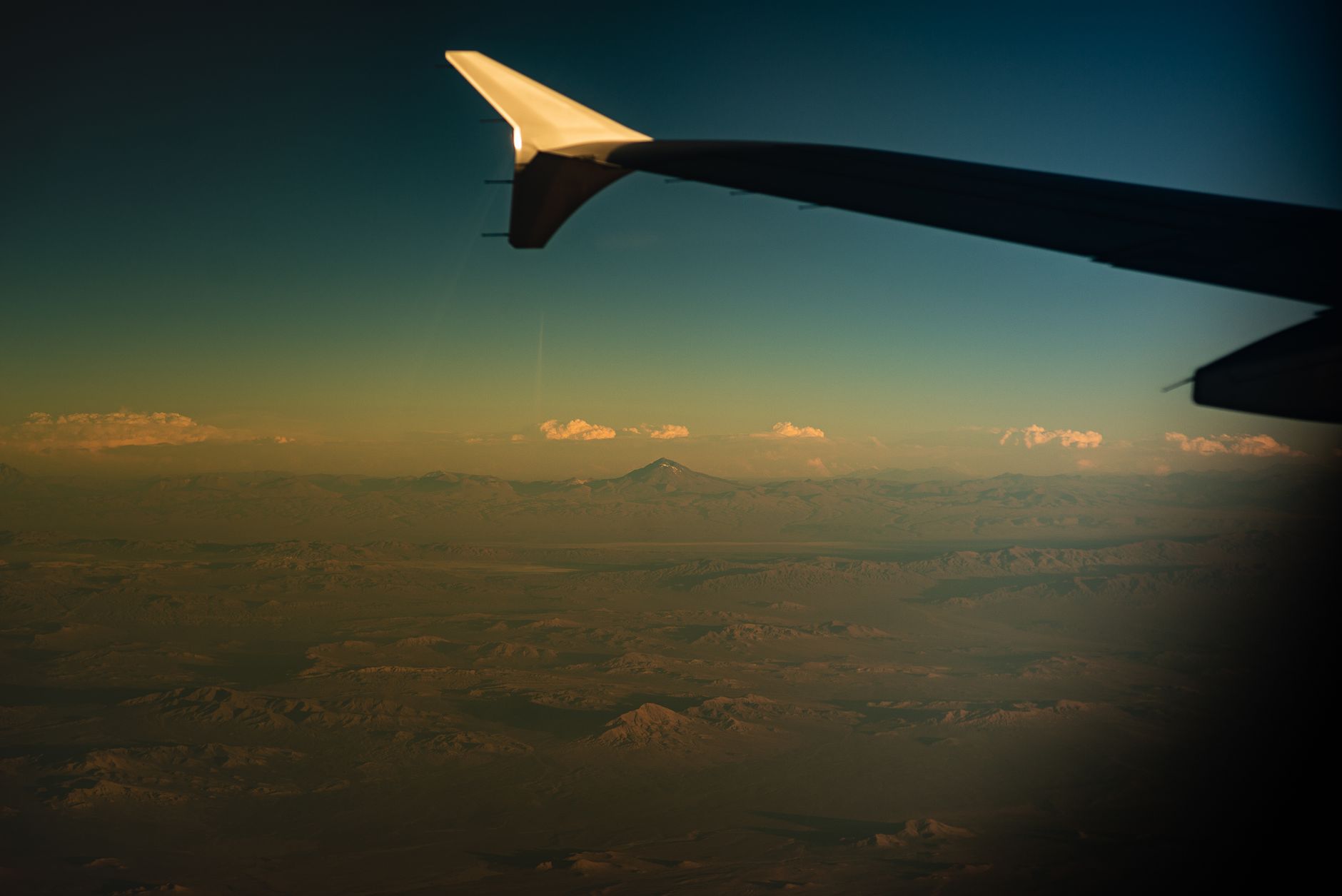
The flight to Chile is long, and that is the first thing we tell anyone planning a trip. It is not the kind of destination you reach after a short hop, so how you plan the first and last days matters as much as the flight itself.
The short answer: flight time to Santiago depends on where you start. From the southern United States it is roughly eight to nine hours, from the US East Coast roughly ten to eleven hours, from the West Coast or Canada often with a connection and longer total travel time, and from Europe roughly thirteen to fifteen hours or more with a stop. Always check the airline schedule, since routes and times change.
Flight times from common starting points
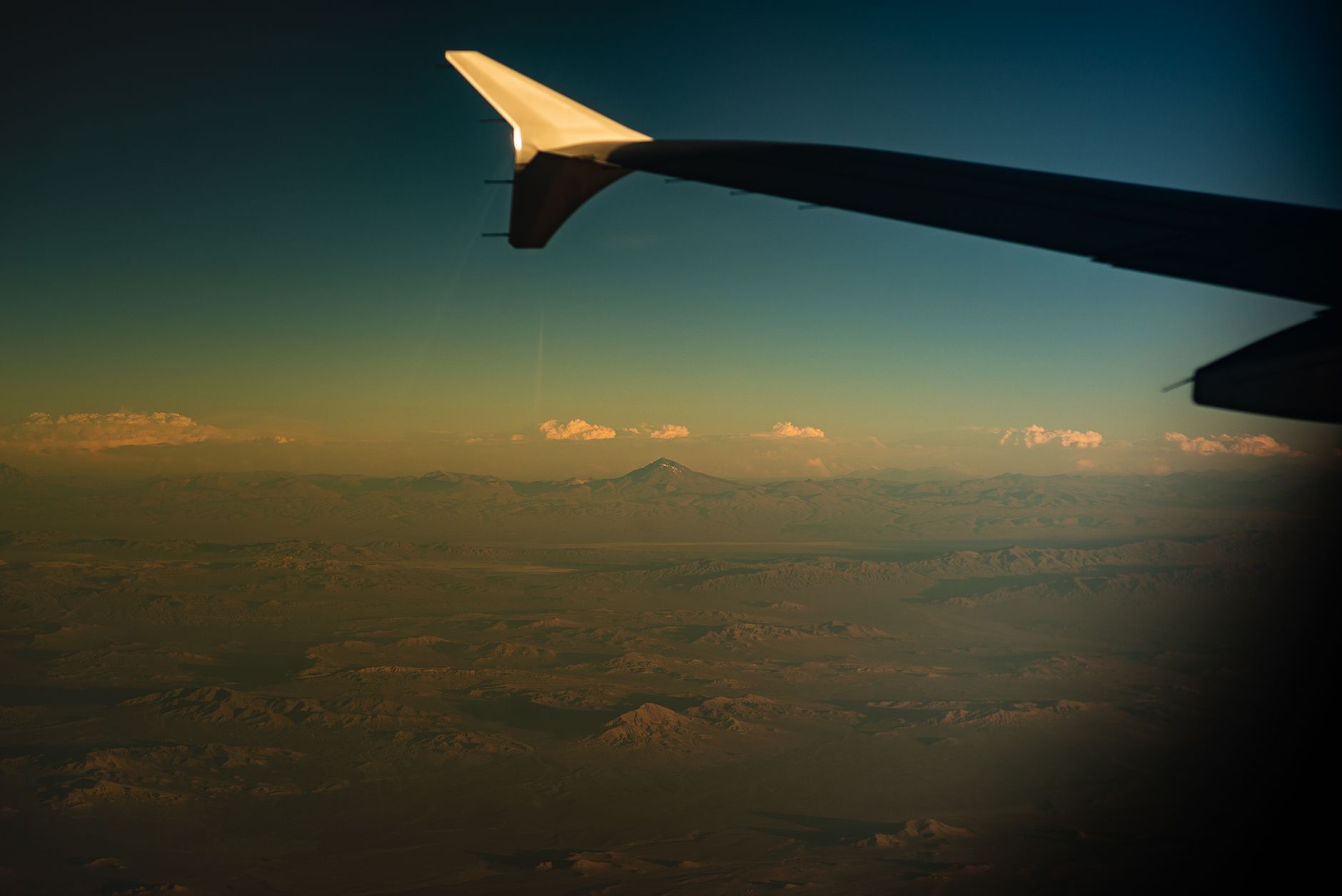
These are rough guides to the flying time, not including connections or airport waits. Actual schedules vary by airline and season, so check your own itinerary.
- Miami, Florida: Roughly eight to nine hours, one of the shortest routes from the US.
- New York and the East Coast: Roughly ten to eleven hours, nonstop on some routes.
- Dallas, Atlanta, and other US hubs: Roughly nine to eleven hours, depending on the route.
- US West Coast and Canada: Typically with a connection, with total travel time of around fifteen hours or more.
- Europe (for example Madrid, Amsterdam, London, Paris): Around thirteen to fifteen hours in the air, and longer with a connection.
The airport code for Santiago is SCL (Arturo Merino Benítez International Airport).
Time zones and jet lag
From the US East Coast, Chile is within a few hours’ difference, and Chile observes daylight saving time on a different schedule from the Northern Hemisphere, so the gap shifts during the year. From Europe, the difference is larger. Check the current time difference before you fly, and set your phone’s world clock.
Many flights from North America arrive early in the morning. That is convenient for the first day, and tiring if you have not slept. Our plan is simple: arrive, get settled, take a walk, and stay awake until a normal local bedtime.
How to make the flight easier
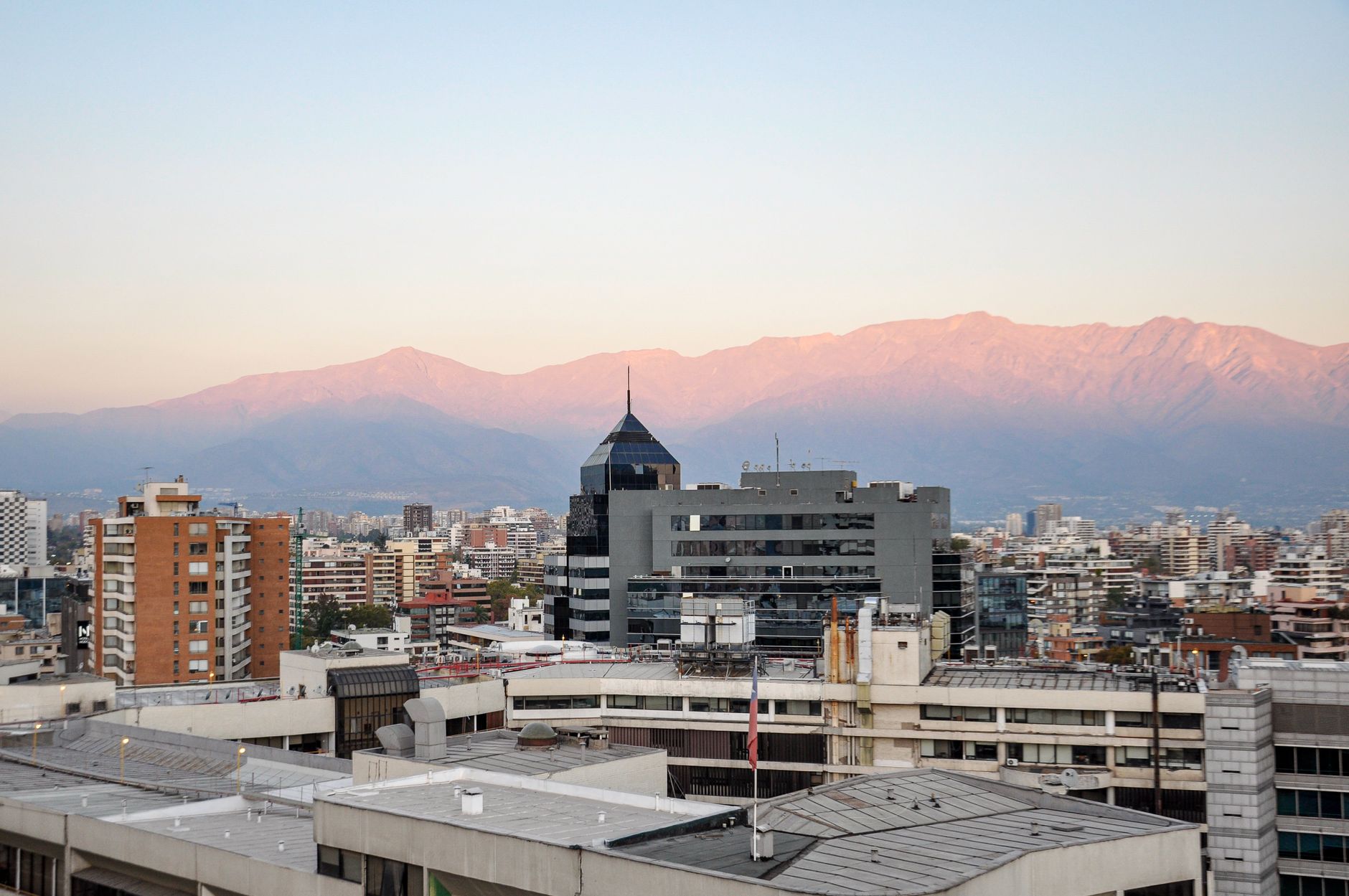
- Choose an overnight flight and try to sleep. Bring an eye mask and earplugs.
- Stay hydrated and limit alcohol.
- Move around every couple of hours.
- Pack a change of clothes in your carry-on in case luggage is delayed.
- Keep a toiletry kit to freshen up before landing.
Plan a soft landing
We never schedule a big day right after a long-haul flight. A calm first evening makes the whole trip better.
- Book a hotel in a calm neighborhood. See Providencia, Las Condes, or Vitacura.
- Ask for early check-in, or book the night before so a room is ready.
- Walk and get sunlight to reset your body clock.
- Have an early dinner and go to bed on local time.
Our Santiago hotel guide lists places with strong guest scores, and where to stay in Santiago compares neighborhoods.
From the airport to your hotel
Use an official transfer, a pre-booked driver, or a rideshare. Do not accept offers from people approaching you in the arrivals hall. Our guide to getting from the airport to the city center explains the options. If you are staying near the airport for an early flight, see hotels near Santiago airport.
Connecting flights within Chile
Domestic flights are the way to cover Chile’s long distances, and they are usually short compared with the international leg. Santiago to Punta Arenas is about three and a half hours. See flights from Santiago to Patagonia and flights to Temuco from Santiago. Leave a generous connection time when you combine an international arrival with a domestic flight, and consider a night in Santiago in between.
The trip home
Never schedule a tight connection on the day you leave a remote region. Weather can delay domestic flights. Always add a buffer night in Santiago before your international flight home. Our Chile travel mistakes post covers other planning slips to avoid.
Before you fly: the checklist
- Check passport validity and entry requirements on official government sources.
- Confirm your baggage allowance, especially for domestic legs.
- Book your first hotel and airport transfer.
- Set up mobile data before you land. We use an Airalo eSIM, so we can order a ride from the arrivals hall. Our Airalo Chile eSIM review shows how.
- Check your packing list and money plan.
Common questions
What is the best way to beat jet lag going to Chile?
Get sunlight soon after you land, stay awake until a normal local bedtime, and avoid heavy meals and alcohol on the plane. Short walks help.
Is a stopover in Santiago before heading south a good idea?
Yes. A night or two in Santiago breaks the journey and gives a buffer for delayed luggage and flights.
Should I book the flight home for the same day I return from Patagonia?
No. Leave a buffer night in Santiago. Weather in the south can delay flights.
Can I sleep on the plane?
Most overnight flights make it possible. An eye mask, earplugs, and a neck pillow help.
A first-day plan that works
After a long flight, we keep the first day gentle. Drop the bags, take a shower, and go out for a walk in the sun. Eat an early dinner and go to bed on local time. Resist the urge to nap in the afternoon, since that can postpone the adjustment by a day. If you have a late arrival, order something light and go straight to bed. The next morning, you will feel far better than you expect, and you will have used the first day to settle in.
Airport arrival basics
On arrival at Santiago airport, you will go through immigration and customs. Keep your passport, onward ticket details, and hotel address handy. Chile has rules about bringing in fresh food, plants, and animal products, so declare anything you are unsure about and read the current rules on the official customs site before you pack snacks. Once through, use an official transfer or rideshare to reach your hotel. Having mobile data set up before landing makes this step far smoother.
The bottom line
The flight to Chile is long, but it is manageable with a little planning. Choose a smart route, protect your first and last days, and give yourself a calm landing. We would love to hear where you are flying from.