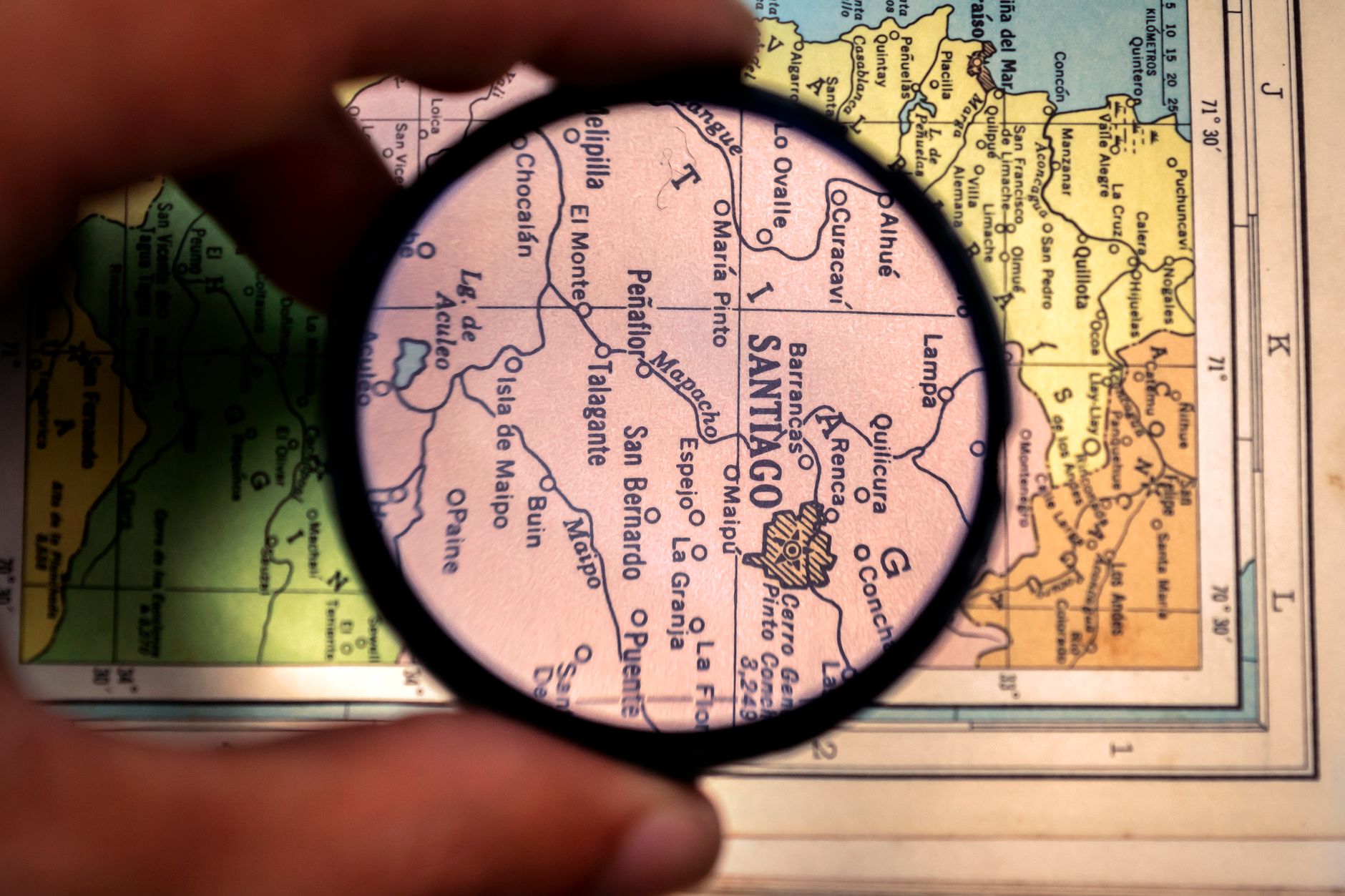
The worst moment to work out your phone plan is at the arrivals gate in Santiago, tired after an overnight flight, with a taxi driver waiting and no data. That is why we sort out our connection at home, before we fly.
The short answer: Airalo is the eSIM we recommend for most visitors to Chile. You install it before you leave, switch it on when you land, and keep your normal number for calls and texts. Here is how it works, who it suits, and where it falls short, so you can decide in five minutes.
What an eSIM is, in plain words
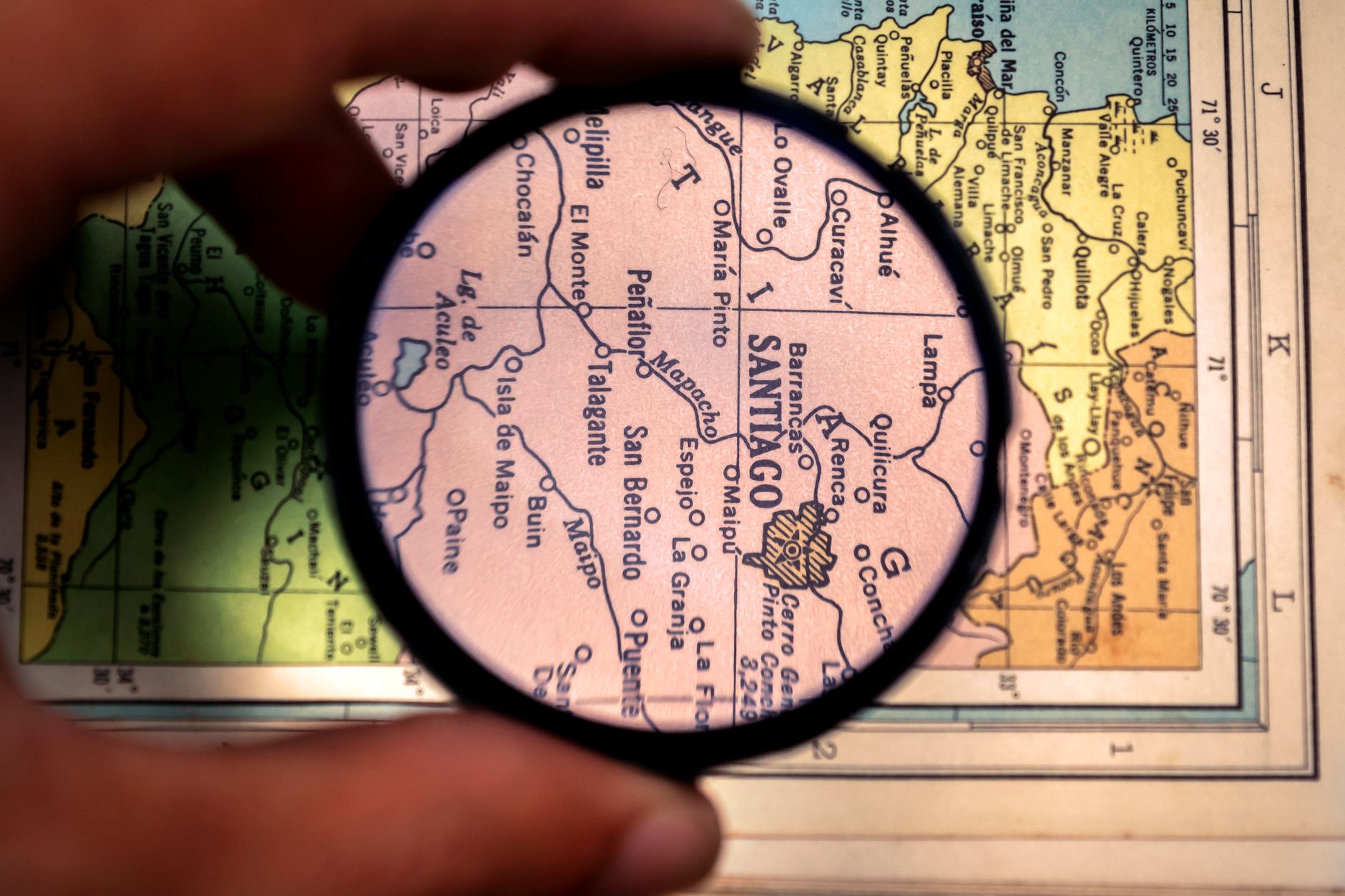
An eSIM is a digital SIM card built into your phone. Instead of a plastic card, you scan a QR code or tap an install link, and your phone adds a second mobile line. Airalo sells data-only eSIMs for many countries, including Chile. You keep your home SIM active for calls and codes, and you use the Chile eSIM for mobile data.
Your phone must support eSIM and be unlocked by your carrier. Most phones from the last several years do. Check your settings under mobile data or cellular for an option to add an eSIM, or ask your carrier. If you are unsure, test before you travel, not at the airport.
Why we use an eSIM in Chile at all
Data is not a luxury on a Chile trip. It is how you call a rideshare after dinner, check a bus, pay with a banking app, show a booking, and receive login codes. For us it is also a safety tool: if you have data, you always have a map and a way to reach someone. That matters most in the places where the road runs out, like the Lake District or the long drives toward Patagonia.
It also saves a chore. Buying a local SIM means finding a shop, showing your passport, and sorting out registration. With an eSIM you skip all of that and land connected.
How to set it up the right way

- Choose your plan. Open the Airalo Chile eSIM page and pick a data amount that fits your trip length. If you are unsure how much to pick, read our guide to how much data you need in Chile.
- Install on Wi-Fi at home. Follow the in-app steps. This takes a few minutes, and you do it while you have a stable connection.
- Do not activate yet. Leave the eSIM installed but switched off until you land. Plans usually start counting from the first connection or a set time after install, so check the terms on your plan page.
- On arrival, turn on the Chile eSIM, enable data roaming for that line, and set it as your mobile data line. Keep your home SIM on for calls, but turn off its data to avoid roaming charges.
- Test it. Open a map and load a page before you walk out of the terminal.
Where Airalo works well
- Setup speed. It is a quick install, with no store visit and no ID check.
- Flexibility. Plans come in several data sizes, so you can match a short Santiago stopover or a longer multi-region trip.
- Keeps your number. Your home SIM stays active for calls, texts, and two-factor codes from your bank.
- Works across the country in principle. It uses local partner networks, so it covers Santiago and most towns on the usual tourist routes.
Where you should be realistic
An eSIM is only as good as the local network behind it. In the Santiago and Valparaíso area you should have no trouble. Out in remote stretches of the Lake District, the Atacama, and Patagonia, coverage depends on the towers, and any traveler’s phone can drop to weak or no signal on a mountain road or inside a national park. Download offline maps before you leave a town. Our notes on eSIM in Patagonia and in the Atacama go into this in detail.
Also be aware that data-only eSIMs do not give you a Chilean phone number. If you need to receive local calls, for a tour operator or an owner of a vacation rental, WhatsApp is the tool most Chileans use. It works over data, and we use it constantly to coordinate transfers and tours.
Common mistakes to avoid
- Buying a plan that is too small, then running out in your first week. Video calls and offline map downloads eat data fast.
- Leaving data roaming on for your home SIM, which can create a surprise bill.
- Installing the eSIM in the airport with a weak connection. Do it at home.
- Forgetting to remove a QR code from a screenshot folder. Most eSIM QR codes install once, so keep the email until you are sure it works.
eSIM versus a local SIM card
A local SIM can be cheaper for a long stay, and it gives you a Chilean number. For a normal vacation of one to three weeks, the convenience of landing connected usually wins. If you want the full trade-off, our Chile SIM card versus eSIM guide compares them step by step, and our eSIM comparison shows the main providers side by side.
Who should pick Airalo
It suits travelers who want a straightforward install, a data plan sized to the trip, and no hunt for a shop on day one. It is a good fit if you are visiting Santiago and one other region, which is how we recommend most people travel. If you plan to spend weeks in remote areas, treat any mobile data as a bonus and pack offline maps.
If you are still weighing options, our guide to the best Chile eSIM for travel lays out what to look for. When you are ready, set it up at home, and you will arrive in Santiago connected and calm.
Common questions
Do I need to be connected the moment I land?
We think so. The first things you do after landing are usually the ones that need data: confirm your ride, message your hotel, and open a map. Walking out of the terminal already connected removes the one moment when you are most tired and most likely to accept a bad offer from a stranger.
Can I use the eSIM and my home SIM at the same time?
On most eSIM phones, yes. Your home SIM stays on for calls, texts, and the security codes your bank sends, while the Chile eSIM handles mobile data. Just make sure the data line is set to the eSIM and that data roaming is off on the home SIM, so you are not charged roaming fees by accident.
What if my phone is not compatible?
Then a local SIM card is the practical alternative. Check your phone model and carrier lock status well before you travel, because carrier unlocking can take a few days to arrange.
Will it work if I also visit Argentina?
A Chile plan covers Chile. For a trip that crosses the border, read our guide to eSIM for Chile and Argentina before you buy.
Safe travels, and tell us how your first hour in Chile goes.