Crossing from Chile into Argentina, or the other way, is one of the classic South American combinations, and it raises a practical question: do you need one eSIM or two? The answer depends on how you travel, and on one detail many people miss.
The short answer: you have two options. A regional eSIM that covers both Chile and Argentina keeps things simple, and separate country eSIMs give you more choice of data size and price. Either way, check that the plan really lists both countries, and install it before you leave home.
Option 1: one regional eSIM for both countries
Some providers sell plans that cover several South American countries. The advantage is simplicity: one install, one plan, no switching at the border. The trade-off is that regional plans can cost more per gigabyte than a single-country plan, and the data amount is shared across the trip. They suit travelers who cross the border more than once or who are not sure of their route.
Option 2: two country eSIMs
You can buy a Chile eSIM and an Argentina eSIM separately and switch lines when you cross. This gives you more control over how much data you buy for each country, and it can be good value if you spend much longer in one place. The cost is a little more admin: you install both before you leave, and you switch the active data line at the border.
We use our Airalo Chile eSIM link for Chile. For the full setup steps, see our Airalo Chile eSIM review.
Which is better for you?

- One border crossing, moderate use: Two country plans often work well, with a sensible data amount for each.
- Several crossings or a flexible route: A regional plan saves hassle.
- Mostly Chile, a short Argentina visit: Buy a larger Chile plan and a small Argentina one.
- Heavy data use: Compare plan sizes closely, since regional plans may cap data.
Prices and plan terms change often, so check current details on the provider’s page.
Check these details before you buy
- Coverage list: Confirm both Chile and Argentina appear in the plan’s countries.
- Validity: Check how many days the plan lasts and when the clock starts.
- Hotspot rules: If you need to tether a laptop, confirm it is allowed.
- Phone compatibility: Your phone must support eSIM and be carrier-unlocked.
- Speed and network: Plans use local partner networks, so speeds and coverage depend on the area.
How to switch at the border
- Install all eSIMs at home on Wi-Fi.
- Name each line clearly in your phone settings, for example “Chile” and “Argentina.”
- When you cross, change the active mobile data line to the new country’s eSIM.
- Enable data roaming for that line, and keep your home SIM’s data off.
- Test with a map before you set off.
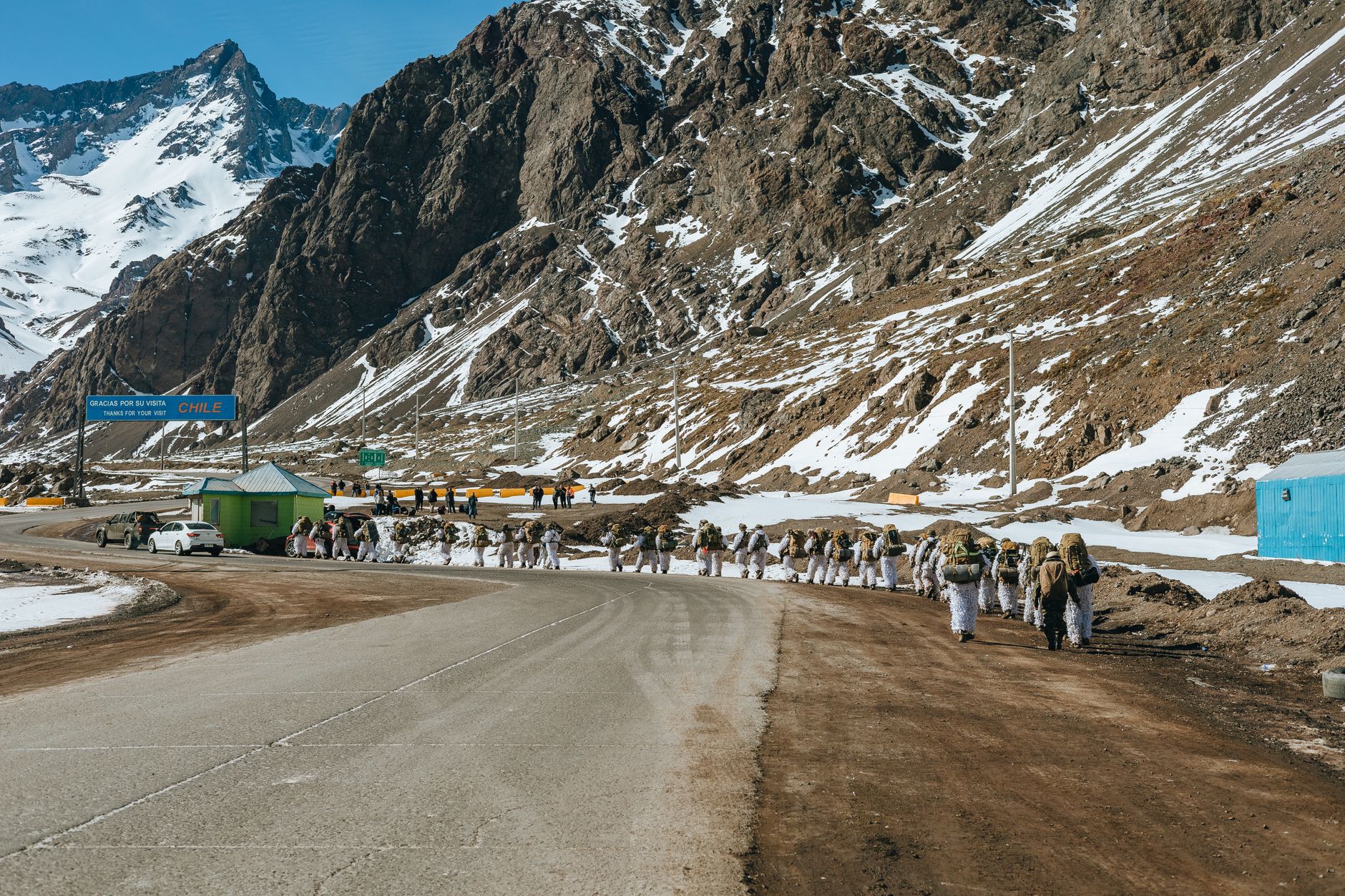
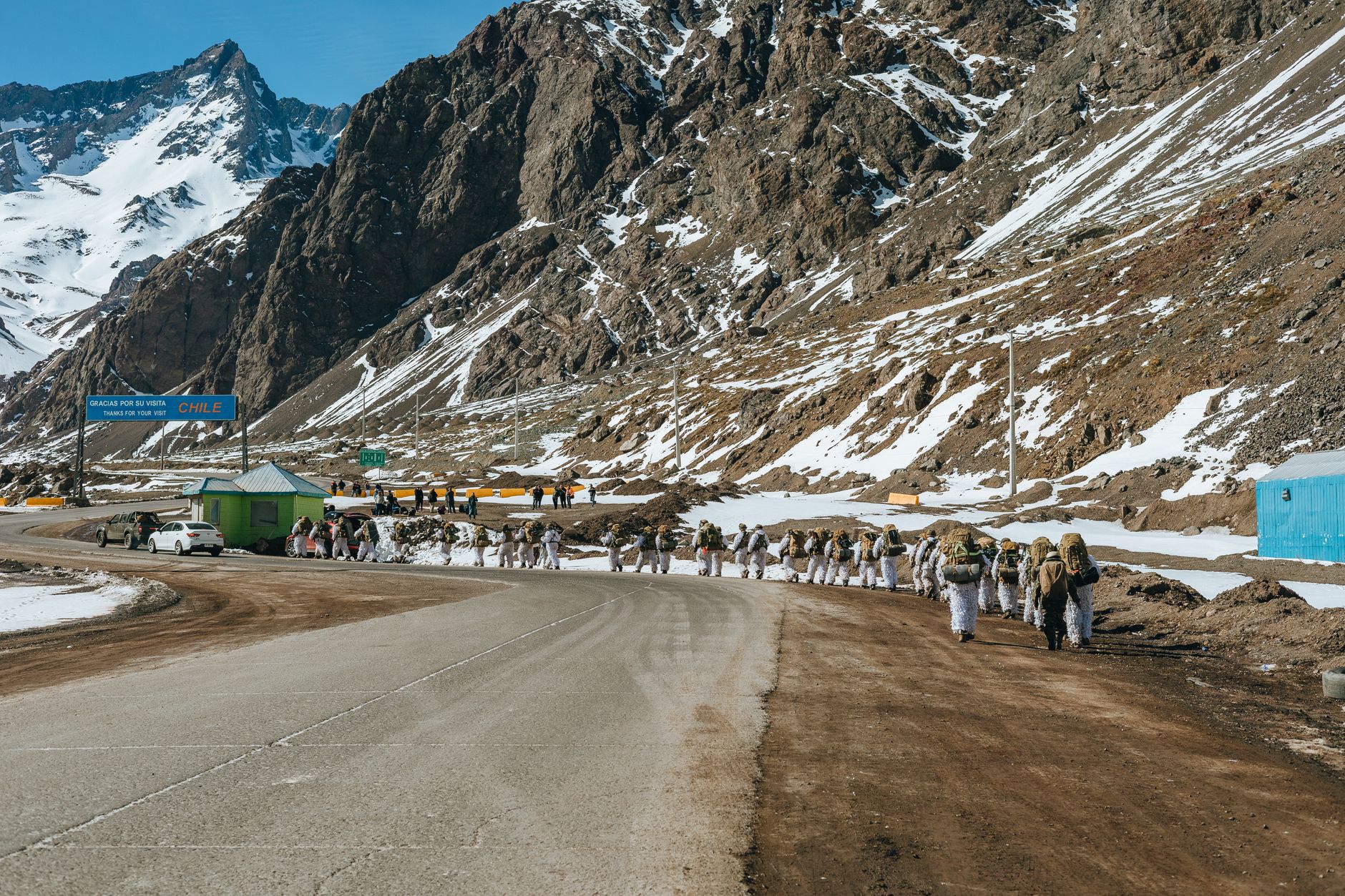
Border posts and mountain passes often have weak signal, so download offline maps and keep your documents handy. If you are crossing by road, check the pass’s status before you set off. Mountain crossings can close because of snow or wind.
Where coverage is weakest
Both countries have remote areas with limited signal, especially in Patagonia and high mountain passes. That is true for every provider. Our guide to eSIM in Patagonia explains what to expect. If your trip covers the Patagonian region of both countries, plan on offline maps and a flexible mindset.
Why we always set up data before landing
Data is how you call a ride, show a booking, and use a banking app. It also keeps you safe: if your phone is lost, you want to reach your bank right away. That is why we set up an eSIM before every trip. Our best Chile eSIM for travel guide covers what to look for, and the eSIM comparison shows the main providers side by side. If you are choosing between brands, see Holafly versus Airalo.
Local SIM instead?
A local SIM in each country can be cheaper for long stays, but it requires buying in person, and registration rules may apply. For a normal vacation, an eSIM is simpler. Our guide to Chile SIM card versus eSIM compares them.
A simple setup checklist
- Confirm your phone supports eSIM and is unlocked.
- Decide: regional plan or two country plans.
- Install everything at home on Wi-Fi, but do not activate yet.
- Download offline maps for both countries.
- Keep your home SIM on for calls and codes, with its data off.
Common questions
Can I use my Chile eSIM in Argentina?
Only if the plan lists Argentina as a covered country. Many Chile plans cover Chile only, so check the plan details.
Do I need to buy before I cross?
We install before leaving home, because buying at the border or in a remote area depends on having signal. Buy and install everything while you have Wi-Fi.
Will my signal work in the mountains between the two countries?
Not reliably. High passes and remote stretches often have no coverage, for any provider. Download offline maps and save your documents offline.
Do I need a separate plan for each country if I cross once?
Often it is simplest and cheapest to buy one plan per country, sized to the days you spend in each. A regional plan makes more sense if you cross repeatedly.
Border crossing tips that matter
Border procedures take time, and they are easier when your phone works. Keep your passport, entry papers, and any vehicle documents together in a folder, and photograph them. If you are driving a rental car across, check the rental company rules well in advance, because many require special permission for cross-border travel. Carry some local currency for both countries, and expect queues at busy times.
For the broader Chile planning, our guides to driving in Chile and Santiago to Patagonia are good next reads.
Payments and cash when you cross
Money works differently on each side of the border, so plan for both. Carry a little cash in each currency, and check how cards are accepted in the places you will visit. Our guide to Chile currency and money tips covers the Chilean side. For Argentina, check current guidance from official sources, since exchange practices can be different from what you expect.
With a little setup, you can cross the Andes without losing your connection. We would love to hear which route you take.