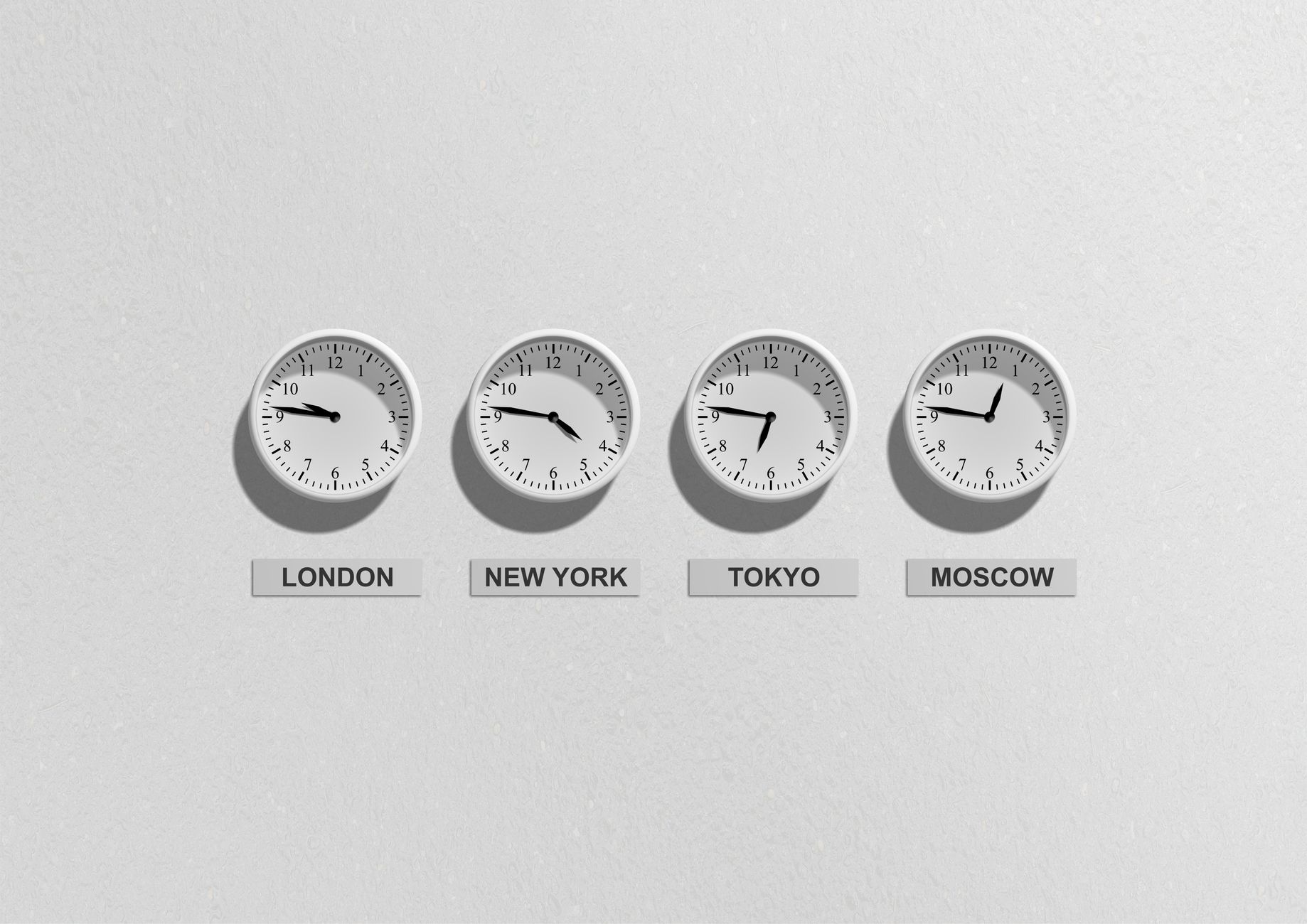
Chile is long and thin, so most people assume the whole country shares one clock. It almost does. But when we plan trips that include Easter Island or the far south, we always double-check flight and tour times, because two parts of the country run on a different schedule from Santiago. Chile’s time zones are simple once you know the pattern, and confusing if you do not.
The short answer: Chile uses three different times. Most of the country, including Santiago, Valparaíso, the Atacama and the Lake District, runs on mainland Chile time. Easter Island is always two hours behind the mainland. The far south, the Magallanes region (Punta Arenas, Puerto Natales and Torres del Paine) and the Aysén region, stays on summer time all year, so it matches Santiago in the southern summer and is one hour ahead of Santiago in the southern winter.
Chile’s Time Zones at a Glance
| Region | Southern summer (about September to April) | Southern winter (about April to September) |
|---|---|---|
| Mainland Chile (Santiago, Atacama, Lake District) | UTC-3 | UTC-4 |
| Magallanes and Aysén (Punta Arenas, Torres del Paine, Coyhaique) | UTC-3 | UTC-3 |
| Easter Island (Rapa Nui) | UTC-5 | UTC-6 |
Daylight saving dates can change by government decision, so confirm the current rules close to your trip. Your phone will usually update automatically when it connects to a local network, but always double-check booked times.
What Time Is It in Santiago?
Santiago and almost all of mainland Chile observe daylight saving time. In recent years, clocks have gone back one hour in early April and forward one hour in early September. That means:
- From about September to April (the southern spring and summer), Santiago is on UTC-3.
- From about April to September (the southern fall and winter), Santiago is on UTC-4.
Because the Northern and Southern Hemispheres change clocks in opposite directions, the time difference between Chile and North America or Europe shifts during the year. During the northern winter, for example, Santiago is usually two hours ahead of New York. In the northern summer, the difference is often zero or one hour. Check a world clock for your exact dates.
The Atacama Desert, Valparaíso, the wine valleys and the Lake District all use the same time as Santiago. If you fly from Santiago to Calama or Puerto Montt, your watch does not change.
Easter Island Time
Easter Island is about 3,700 kilometers west of the mainland, in the middle of the Pacific, and it runs on its own time zone. It follows the same daylight saving changes as the mainland, so it is always two hours behind Santiago.
- Southern summer: UTC-5 (Santiago is UTC-3).
- Southern winter: UTC-6 (Santiago is UTC-4).
Flights from Santiago take about five hours, but because of the time difference, you land only about three hours “later” on the clock than when you left. On the way back, you lose those two hours again. Keep that in mind when you plan connections in Santiago.
This is where travelers get caught out most often. If your tour operator or hotel sends a pickup time, confirm it is in island time. Read how to visit Easter Island and our Hanga Roa guide for more planning tips.
Patagonia Time: Magallanes and Aysén
The two southernmost regions of Chile do not change their clocks. The Magallanes region, which includes Punta Arenas, Puerto Natales and Torres del Paine, has stayed on UTC-3 all year since 2016 and 2017. The Aysén region, home to Coyhaique and much of the Carretera Austral, joined it in 2025.
For travelers, the practical effect is:
- In the southern summer (the main Patagonia season), Punta Arenas and Santiago show the same time. Nothing changes when you fly south.
- In the southern winter, Punta Arenas is one hour ahead of Santiago. A flight that leaves Santiago at 10:00 lands on a clock that is an hour further along than you might expect.
The extra hour of evening light is part of why locals chose permanent summer time, and in Patagonia it means very late sunsets in December and January. If you are planning a trip south, our guides to Punta Arenas to Torres del Paine and the best time to visit Patagonia are a good next step.
How Time Zones Affect Your Trip
Flights and Connections
Airline tickets always show local times. A domestic flight from Santiago to Easter Island or Punta Arenas can look shorter or longer than it really is because of the time difference. Count the actual flight time, not the clock difference, when you plan a connection. Our flight time to Chile guide covers long-haul routes.
The Daylight Saving Weekend
If you are traveling on the weekend the clocks change in April or September, confirm your flight and tour times the day before. Most phones adjust automatically, but hotel alarm clocks and some booking confirmations do not.
Jet Lag and Late Dinners
Chile runs late. Lunch is often the main meal and can start around 1:30 or 2:00 in the afternoon, and dinner in Santiago rarely starts before 8:30 or 9:00 at night. If you arrive from Europe, this helps with jet lag. If you arrive from North America, the difference is small for most of the year, and adapting is mostly about eating later.
Sunrise, Sunset and Daylight
Time zones also shape how your days feel. Because most of Chile uses summer time during the southern summer, evenings are long and light.
- Santiago in December and January: sunset comes late in the evening, often after 8:30 p.m., which is perfect for a long outdoor dinner.
- Patagonia in December and January: because it is so far south and stays on summer time, daylight lasts very late into the evening. That gives hikers long days on the trail.
- Patagonia in June and July: days are short, and with permanent summer time, sunrise comes late in the morning. Plan winter activities around limited daylight.
- Atacama: closer to the tropics, so day length changes less through the year. Stargazing tours start after dark, which is later in summer.
If you are booking tours, check the exact sunrise and sunset time for your dates and location. Sunset tours at Valle de la Luna or Tahai on Easter Island depend on it.
Keep Your Phone Clock Right
The easiest way to stay on the correct local time is to keep your phone connected. Your phone sets its clock from the local network, which is one reason we install an eSIM before we fly. That way we have data and the correct time the moment we land in Santiago, Punta Arenas or Hanga Roa. You can get one from Airalo, and our Chile eSIM guide compares the options. On Easter Island, see the Easter Island eSIM guide.
Quick Answers
- Does Chile have more than one time zone? Yes, three: mainland Chile, Magallanes and Aysén, and Easter Island.
- Is the Atacama Desert on a different time? No. It uses the same time as Santiago.
- Is Patagonia on a different time? The Chilean regions of Magallanes and Aysén stay on UTC-3 all year. In the southern summer that matches Santiago.
- How far behind is Easter Island? Two hours behind mainland Chile, all year.
- Does Chile change its clocks? The mainland and Easter Island do, usually in early April and early September. Magallanes and Aysén do not.
Time zones are not the most exciting part of planning a Chile trip, but getting them right means no missed pickups and no rushed connections. Set your phone up before you fly, double-check island times, and enjoy those long southern evenings. We will see you on the road.