Category: Chile Trip Planning

Chile trip planning — packing lists, best time to visit, travel mistakes to avoid, and practical pre-trip guides.

  • Is Valparaíso Safe for Tourists? Opinion from a Frequent Traveler

    I’ll be honest with you. Valparaíso is one of my favourite cities in Chile, and also one that requires the most honest conversation about safety. It’s chaotic, colourful, raw, and absolutely unlike anywhere else in the country. My wife grew up hearing stories about Valparaíso, and she has family friends who’ve lived there for decades. So when people ask me whether it’s safe, I don’t give a generic answer. I give them the real one.

    Stay connected: Compare Chile eSIM providers (Airalo vs Holafly vs Nomad) before you fly — it takes five minutes and saves airport hassle.

    The short answer: yes, Valparaíso is safe for tourists, but it comes with more caveats than most cities in Chile, and you need to go in with your eyes open.

    What Makes Valparaíso Different From Other Chilean Cities

    Valparaíso isn’t Santiago. It doesn’t have the polished business districts or the bubble of Providencia and Las Condes. It’s a port city: gritty, artistic, proud, and economically struggling in a way that most of Chile simply isn’t. That contrast between the stunning street art on every wall and the genuine poverty in some of the surrounding areas is part of what makes it so fascinating. It’s also what shapes the safety reality on the ground.

    Valparaíso was declared a UNESCO World Heritage Site in 2003 for its historic quarter and urban architecture, which tells you something about its cultural significance. But heritage status doesn’t come with a safety guarantee, and the city has struggled economically for decades since the opening of the Panama Canal redirected much of the shipping traffic that once made it one of the most important ports on the Pacific coast.

    The tourist areas, especially Cerro Alegre and Cerro Concepción, are genuinely beautiful and, during the day, feel relaxed and welcoming. Boutique hotels, excellent restaurants, sweeping views over the bay. You’ll love it. But step outside those zones, or stay out after dark without a plan, and the picture changes.

    Is Valparaíso Safe During the Day?

    During daylight hours, the main tourist areas of Valparaíso are safe and very enjoyable to explore. The cerros (hills), the funiculars (ascensores), the street art, the seafront. All of this is accessible and fun. I’ve walked around Cerro Alegre and Cerro Concepción many times and never felt in danger.

    That said, petty theft is a genuine issue even during the day. Pickpocketing happens near the port, around Plaza Sotomayor, and at the funicular stations where crowds gather. Keep your phone in your pocket, not in your hand, and wear your bag across your chest. These are simple habits that make a real difference.

    One thing my wife always reminds me: don’t look like you’re lost. Walk with purpose, even if you’re consulting the map. Thieves are opportunistic, and a confused tourist standing still staring at their phone is an easy target.

    Is Valparaíso Safe at Night?

    This is where I have to be direct with you: Valparaíso at night requires genuine caution.

    The Canadian government travel advisory for Chile specifically warns travellers to avoid walking after dark around Cerro Alegre and the other cerros in Valparaíso. Armed assaults and robberies have increased in recent years, and tourists have been targeted even during daylight hours, which tells you something about the nighttime situation.

    This doesn’t mean you can’t go out in the evening. It means you should not be walking unfamiliar streets alone after dark. Use Uber or Cabify to move between places. Stick to the well-lit, busy restaurant areas. Travel with others if you can.

    The nightlife in Valparaíso has a reputation, and there are some genuinely great bars and restaurants worth visiting in the evening. Just get there and back with an app rather than on foot.

    Areas to Avoid in Valparaíso

    The tourist zones are relatively contained. As soon as you move away from the Cerro Alegre and Cerro Concepción area and head toward the lower parts of the city, the risk increases. The port area and surrounding streets, especially after dark, are not places to wander without purpose.

    Some of the outer cerros, away from the tourist circuit, have higher crime rates and are best avoided entirely, especially if you don’t know the city well. My wife’s honest advice, and I’ll pass it on to you: if a hill doesn’t appear on your tourist map, don’t just wander up it to see what’s there.

    In short, stay on the beaten path in Valparaíso. That’s not usually advice I give for travelling Chile, but here it applies.

    Common Scams in Valparaíso

    A few scams pop up regularly in Valparaíso that you should know about:

    Fake tour guides: strangers offering to show you around, often leading you to overpriced shops or, worse, unsafe areas. If you want a guided tour, book one through your accommodation or a reputable agency.

    Overpriced taxis: always agree on a price before getting in, or better yet, use Uber or Cabify where the price is fixed. Tourists are frequently overcharged by unofficial drivers, particularly around the port and bus terminal.

    Pickpocketing at the funiculars: the ascensores of Valparaíso are crowded, slow, and a classic spot for thieves. Keep your bag in front of you and your phone out of sight while waiting in the queue.

    The flat tyre scam: if you’re driving a rental car, be aware that thieves have been known to puncture tyres and then rob tourists while they deal with the damage. If you get a flat in a quiet area, drive slowly to somewhere busy before stopping. This scam is well-documented and happens in both Valparaíso and Santiago.

    The distraction trick: someone bumps into you, spills something on you, or creates a commotion nearby. While you’re distracted, an accomplice goes for your bag or pocket. My wife warned me about this before my first visit, and I’ve since heard it from other travellers too. The solution is simple: if anything unexpected happens physically near you, your first instinct should be to secure your belongings, not to look at what caused the distraction.

    Valparaíso vs Santiago: Which Is Safer?

    This is a question I get often, and the honest answer is that Santiago is generally safer for tourists, mainly because the tourist zones there. Las Condes, Providencia and Vitacura are well-resourced, well-policed, and geographically separated from the higher-risk areas.

    In Valparaíso, the tourist areas and the rougher parts of the city are much closer together, and the boundaries are less obvious. That proximity means you can walk from a beautiful viewpoint into a sketchy street within a couple of minutes without realising it.

    That said, Valparaíso is absolutely worth visiting. I wouldn’t trade my time there for anything. You just need to approach it with a little more awareness than you would Santiago’s upmarket neighbourhoods.

    Is Valparaíso Safe for Solo Travellers?

    Solo travel in Valparaíso is doable, but it demands more awareness than in most other Chilean cities. The backpacker scene is real. There are good hostels on the tourist cerros and plenty of other travellers around during the day. But the advice about not walking alone at night applies especially strongly if you’re on your own.

    If you’re a solo female traveller, I’d encourage you to read some firsthand accounts before you go. Lonely Planet’s Valparaíso guide and travel forums like TripAdvisor have recent reports from solo women that give a very honest picture of the experience. The consensus is pretty consistent: the tourist cerros during the day are fine, but nighttime solo walking is not advisable regardless of gender.

    The best approach for solo travellers is to base yourself on Cerro Alegre or Cerro Concepción, connect with people at your hostel, and explore as a group when possible. It’s not hard to find travel companions in Valparaíso. It’s that kind of city.

    What It Actually Feels Like to Walk Around Valparaíso

    I want to give you something the safety statistics can’t: the actual feeling of being there.

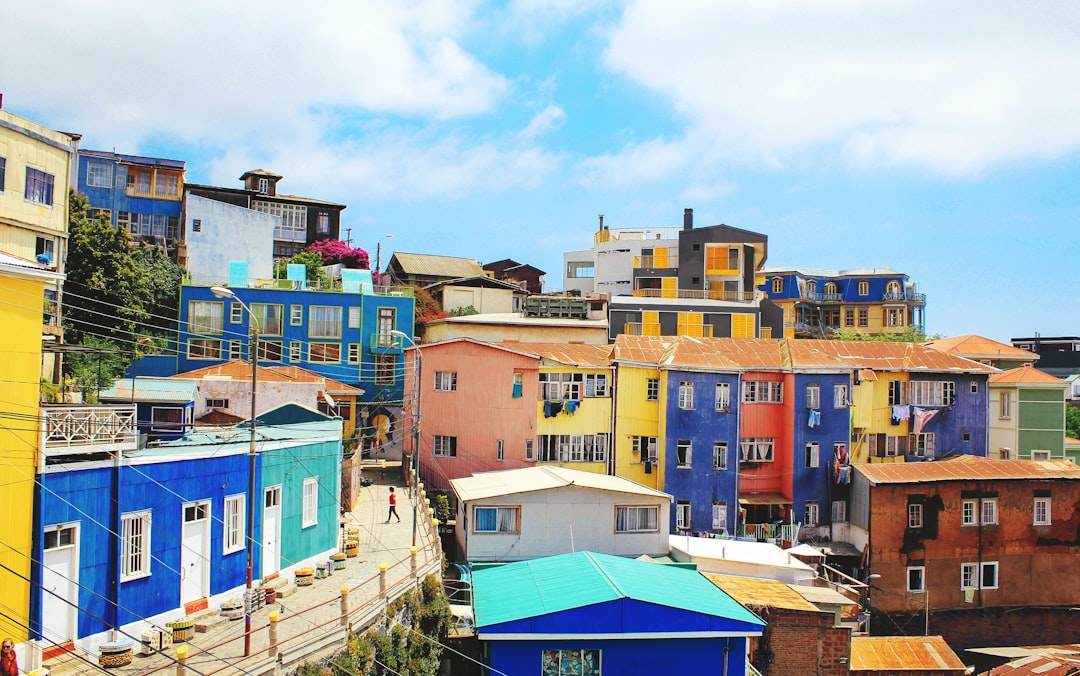
    Valparaíso has an energy that’s completely its own. The streets climb steeply, the buildings are layered on top of each other in every colour imaginable, and around every corner there’s another mural that stops you in your tracks. Street dogs wander freely (a Chilean constant), music drifts out of open doorways, and the smell of the ocean is always somewhere behind it all.

    In the tourist areas during the day, it feels bohemian and alive. You’ll see other travellers, local artists, café owners setting out chairs, and elderly residents making their way up the hills. There’s a warmth to the neighbourhood that’s genuine. My wife describes it as a city that wears its soul on its sleeve. Nothing is hidden, nothing is polished, and that rawness is exactly the point.

    Where the feeling shifts is when the light starts to go. The streets empty faster than you’d expect. The warmth pulls back indoors. That’s your cue to do the same, or at minimum to stop wandering and get an app-based ride to wherever you’re going next.

    It’s not a threatening feeling, exactly. It’s more like the city gently reminding you that it has another side, and you’d be smart not to push it.

    Safety Tips Specifically for Valparaíso

    During the day:

    • Stick to Cerro Alegre, Cerro Concepción, and the main tourist waterfront
    • Keep your phone in your pocket at funicular stations and in crowded areas
    • Don’t carry your passport. Leave it at the hotel and carry a photocopy
    • Book tours through reputable operators, not strangers on the street

    At night:

    • Use Uber or Cabify to get around. Don’t walk between locations in the dark
    • Stay in well-lit, busy restaurant and bar areas
    • Go with company rather than alone
    • Trust your gut. If something feels off, leave

    In general:

    • Don’t flash cameras, jewellery, or expensive phones
    • Keep bag zips facing forward and bags worn across the chest
    • Split your cash across different pockets so you’re never flashing a full wallet
    • Travel insurance is not optional – get it before you fly

    Is Valparaíso Worth Visiting Despite the Safety Concerns?

    Absolutely, yes. This is the part where I want to be clear: I am not telling you to skip Valparaíso. I’m telling you to visit it intelligently.

    The city is extraordinary. The street art alone is worth the trip. It’s not graffiti. It’s a genuinely world-class open-air gallery that covers entire hillsides. The food is excellent, the views over the Pacific are breathtaking, and there’s an energy to the place that you won’t find anywhere else in Chile. My wife lights up every time we talk about going back.

    Go during the day. Explore the cerros. Take the funiculars. Eat seafood by the water. Then get an Uber back to your hotel or head to nearby Viña del Mar for the evening if you want a more relaxed base. That combination gives you the best of Valparaíso without the unnecessary risks.

    Practical Information for Valparaíso

    Getting there from Santiago: The bus is easy, comfortable, and affordable. Companies like Turbus and Pullman Bus run regular services and the journey takes about an hour and a half from the Alameda terminal. It’s genuinely one of the easier intercity trips in Chile.

    Emergency numbers in Chile:

    • Police (Carabineros): 133
    • Ambulance: 131
    • Fire: 132

    The Carabineros de Chile are the national police force and are generally accessible and responsive in tourist areas. If you have an incident, report it, for insurance purposes if nothing else.

    Final Thoughts

    Valparaíso has a reputation, and some of it is deserved. Crime has risen over the past few years, and it’s not a city where you can switch off completely. But it’s also one of the most visually stunning and culturally rich places in South America, and I’d hate for safety concerns to stop people from experiencing it.

    Go informed. Go prepared. And go with the right mindset: aware but not anxious. That’s the sweet spot for Valparaíso, and if you hit it, you’ll leave absolutely in love with the place.

    Just like I did.

    Practical next steps for your Chile trip

  • Most Common Scams in Chile you MUST Know in 2026

    Let me be real with you: Chile is one of the safest countries in South America. My wife is Chilean, I’ve spent a lot of time there, and I genuinely love the place. But that doesn’t mean you should walk around like a tourist straight off the plane with your camera swinging around your neck and your wallet in your back pocket.

    The scams in Chile are mostly low-tech and very avoidable — once you know what to look for. This guide is exactly that: what to watch out for, where, and how to outsmart the people who’d love to ruin your trip.

    Is Chile Safe for Tourists in 2026?

    Yes, absolutely — but with your eyes open. Chile consistently ranks among the top 2–3 safest countries in Latin America, and violent crime against tourists remains rare. That said, petty theft and tourist-targeted scams have been on the rise since 2019, especially in Santiago and Valparaíso.

    Santiago is definitely the worst of all of Chile, going north or towards the Lake District? It’ll get better and better.

    My wife grew up in Chile and still has family there. When we visit, she always gives me the same reminders before we step out: “Don’t look like you don’t know where you’re going. Don’t flash your phone. And don’t trust anyone who approaches you out of nowhere.” Good advice — and I’m going to share the specifics of exactly why.

    The Most Common Scams in Chile (and How to Avoid Them)

    1. The “Bird Poo” Distraction Scam

    This is probably the most well-known scam in Chile and it’s so simple it’s almost impressive.

    Someone — or something — suddenly splatters a liquid on your shirt, jacket, or bag. Could be fake bird poo, mustard, ketchup, you name it. A “helpful” stranger immediately rushes over to help you clean up. Very kind, right?

    Not really. While you’re distracted, their accomplice goes for your bag, wallet, or phone. By the time you realize what happened, they’re gone.

    Where it happens: Tourist-heavy areas, especially around Plaza de Armas in Santiago Centro and busy markets.

    My wife’s tip: If something suddenly lands on you, do NOT stop. Hold your bag tight, ignore the “help,” and walk into the nearest shop or café. Clean up there.

    2. Fake or Unofficial Taxis

    This one catches so many tourists — and honestly, it’s easy to see why. You land at the airport, you’re tired, someone offers you a taxi and it looks official enough. But unofficial taxi drivers are known to charge outrageously inflated fares, and in worse cases, they’ve been involved in robberies.

    Even “official-looking” taxis on the street can have rigged or fake meters.

    The fix is simple: Use ride-sharing apps. In Chile, Uber, Cabify, and DiDi are all widely used, safe, and have GPS tracking with driver identification. My personal preference is Cabify — my wife swears by it.

    At Santiago’s international airport (Aeropuerto Internacional Arturo Merino Benítez), book a taxi only from the official prepaid booths inside the terminal, right after customs. Do not follow anyone who approaches you in the arrivals hall offering a taxi.

    3. The Rental Car Tire Scam

    If you’re planning to rent a car in Chile — and it’s a great way to explore the country — you need to know about this one.

    Thieves quietly slash or puncture your rental car tire while you’re parked or stopped at a light. When you pull over to deal with the flat, they appear to “help you” and rob you in the process. Sometimes an accomplice follows you from the airport.

    What to do if it happens:

    • Do NOT accept help from strangers who appear out of nowhere
    • Keep your doors locked
    • Drive slowly to a safe, well-lit, public area (a gas station, a busy shop) before stopping
    • Call your rental company immediately

    4. The “Dropped Coins” Trick

    An elderly-looking person drops some coins near you. You, being a decent human being, bend down to help pick them up. In that moment, a thief grabs your bag from behind or off your shoulder.

    Simple. Effective. Very common.

    The rule: If something drops near you and you didn’t drop it, keep walking. It sounds harsh, but it’s the smart move in busy tourist areas.

    5. Pickpocketing on the Santiago Metro

    The Santiago Metro is genuinely excellent — clean, modern, and well-connected. But during rush hour, it gets packed, and that’s exactly when pickpockets go to work.

    Phones disappear from pockets in seconds. Bags get unzipped quietly. All while you’re staring at your phone or looking at the metro map.

    Tips:

    • Wear your bag in front of you, not on your back
    • Keep your phone out of sight when not in use
    • If it’s rush hour, put your valuables in a zipped inner pocket
    • Avoid using your phone openly on the platform

    6. Drink Spiking in Santiago’s Nightlife Areas

    This one is more serious. There have been increasing reports of drinks being spiked — particularly in the Bellavistaand Suecia nightlife neighborhoods in Santiago. Victims become unconscious and wake up without their belongings, or worse.

    My wife has friends who have experienced this, and it’s not something to take lightly.

    Non-negotiable rules:

    • Never accept a drink from someone you just met
    • Never leave your drink unattended — not even for a minute
    • Watch your drink being poured or opened
    • Go out with people you trust and look out for each other

    7. Telephone and Text Message Scams

    These target both locals and tourists. Someone calls or texts claiming to be from a bank, a government agency, or even pretending to know you. They try to extract personal information, financial details, or convince you to transfer money.

    The Canadian government’s travel advisory specifically warns about this: never provide personal or financial information over the phone to an unknown caller, and never click links in texts from unfamiliar numbers.

    If in doubt, hang up. Call your bank directly using the number on the back of your card.

    8. Being Followed from the Airport

    This is a less-talked-about scam but worth knowing. Thieves sometimes identify tourists at the airport — you look like a visitor, you have luggage, you’re distracted — and follow you to your hotel. Once there, they wait for an opportunity: luggage left in a lobby, a moment of distraction, or they follow you into an elevator.

    Tips:

    • Don’t announce your hotel name loudly in the arrivals hall
    • Use the official prepaid taxi booths, not random drivers
    • Be aware of who’s around you when you check in

    9. ATM Skimming and Card Fraud

    Card skimming does happen in Chile, particularly at standalone ATMs in tourist-heavy areas or poorly lit machines.

    Best practices:

    • Use ATMs inside banks or inside shopping malls (like Costanera Center)
    • Cover the keypad with your hand when entering your PIN
    • Check for anything that looks loose or out of place on the machine before using it
    • Notify your bank before traveling and set transaction alerts on your card

    10. Express Kidnapping

    I want to mention this one not to scare you, but because it’s real and you should be aware. Express kidnappings — where someone is taken briefly and forced to withdraw cash from an ATM — do occur occasionally in Chile, especially in larger cities.

    The risk for tourists is low, but it goes up when you:

    • Take unofficial taxis
    • Walk alone at night in unfamiliar neighborhoods
    • Look visibly disoriented or lost

    Stick to the well-traveled areas, use apps for transport, and trust your gut. If something feels wrong, it probably is.

    Scam Hotspots in Chile: Where to Be Extra Careful

    Not all of Chile carries the same risk. Here’s a quick breakdown:

    Santiago:

    • Santiago Centro / Plaza de Armas — high risk for distraction scams and pickpocketing
    • Estación Central (bus terminal) — theft is common, especially at night
    • Bellavista at night — drink spiking, bag snatching
    • Las Condes, Providencia, Vitacura — much safer, but not completely risk-free

    Valparaíso:

    • Crime has risen in recent years. Stick to the tourist areas like Cerro Concepción and Cerro Alegre during the day. Avoid the hills at night.

    Atacama / Patagonia:

    • These regions are significantly safer. The main risks here are more about outdoor safety than scams.

    Quick Tips to Stay Safe in Chile

    • Use Uber, Cabify, or DiDi — never hail a random taxi
    • Keep your phone in your pocket or bag, not in your hand
    • Be connected to the best 4G/5G in Chile, compare Chile eSIM providers.
    • Use a crossbody bag worn in front in busy areas
    • Don’t carry your passport — leave it in the hotel safe and carry a photocopy
    • Split your cash and cards — don’t keep everything in one place
    • Use ATMs inside banks during business hours
    • Don’t accept food, drinks, gum, or cigarettes from strangers (these can contain drugs)
    • Trust your gut — if something feels off, walk away

    Final Thoughts

    My wife always says Chileans are warm, proud, and incredibly hospitable people — and she’s right. The vast majority of people you’ll meet in Chile are genuinely kind and want you to have a great time in their country.

    But like any destination, there are people who see tourists as an easy target. Now you know what they’re doing and how to stop them.

    Go enjoy Chile. Explore the Atacama, hike in Patagonia, drink wine in the Colchagua Valley, and eat your weight in empanadas. Just do it smart.

    Practical next steps for your Chile trip

  • Chile Packing List from a Frequent Chile Traveler (Updated)

    Updated 2026. Here’s your up to date chile packing list you need. Per current date, I suggest printing this page, or copy to a Word document to print out. We’re currently working on making a downloadable version.

    Stay connected: Add an eSIM to your packing list — compare Chile eSIM providers and install one before departure.

    Packing Advice

    Chile is one of those destinations where you can experience multiple climates in a single trip. From desert dryness to icy winds, being prepared makes or breaks your experience. Keep it light, but make every item count.

    • Pack light, layer smart
    • Prioritize versatile, quick-dry clothing
    • Avoid valuables and unnecessary jewelry
    • Internal flights often have strict baggage limits
    • Weather varies drastically between regions
    • Always prepare for wind in Chile
    • Reusable items > single-use plastic

    General Chile Packing List

    No matter where you’re going in Chile, these are your essentials. Think versatile pieces you can mix, match, and layer easily across different climates.

    Clothing

    • T-shirts (breathable, quick-dry)
    • Long-sleeve shirts (sun + layering)
    • Lightweight sweater
    • Warm jacket (for evenings)
    • Rain jacket / poncho
    • Jeans / long pants
    • Shorts
    • Undergarments
    • Sleepwear
    • Swimsuit
    • Comfortable outfit for dinners

    Footwear

    • Comfortable walking shoes
    • Lightweight sneakers
    • Sandals / flip flops
    • Socks (breathable + warm pairs)

    Accessories

    • Sunglasses
    • Sun hat / cap
    • Scarf or buff
    • Reusable water bottle
    • Daypack

    Electronics

    • Phone + charger
    • Power bank
    • Universal adapter (Chile uses type C & L)
    • Headphones
    • Camera + SD cards

    Toiletries

    • Toothbrush + toothpaste
    • Shampoo / conditioner
    • Deodorant
    • Sunscreen (high SPF)
    • Lip balm with SPF
    • Basic skincare
    • Hand sanitizer

    Documents

    • Passport (valid 6+ months)
    • Immigration slip (PDI)
    • Travel insurance
    • Flight tickets
    • Copies of important documents

    Santiago Packing List

    Santiago is modern, stylish, and surprisingly seasonal. You’ll want to balance comfort for exploring with a few elevated pieces for restaurants, rooftops, and wine bars.

    Clothing

    • Stylish outfit (restaurants, wine bars)
    • Light layers (temperature changes)
    • Jacket (especially May–August)
    • Dresses / casual outfits
    • Smart casual shoes

    Footwear

    • Comfortable city walking shoes
    • Dress shoes / sandals

    Accessories

    • Sunglasses
    • Crossbody bag / anti-theft bag
    • Light scarf

    Extras

    • Portable charger
    • Compact umbrella (winter months)
    • Reusable shopping bag

    Patagonia Packing List

    Patagonia is wild, remote, and completely unpredictable. Weather changes fast, and layering is absolutely key to staying warm, dry, and comfortable while exploring.

    Here’s a list of real pros on how they pack for Patagonia W Trek:

    Clothing (Layering is EVERYTHING)

    • Thermal base layers (top + bottom)
    • Fleece jacket
    • Down jacket
    • Waterproof shell jacket
    • Waterproof pants
    • Hiking pants
    • Warm hat / beanie
    • Gloves (waterproof if possible)
    • Neck gaiter / buff

    Footwear

    • Waterproof hiking boots
    • Thick hiking socks
    • Camp shoes / sandals

    Gear

    • Trekking poles
    • Dry bags / waterproof packing cubes
    • Backpack with rain cover

    Accessories

    • Sunglasses (strong UV + wind)
    • Sunscreen (yes, even in cold)
    • Lip balm
    • Reusable water bottle

    Essentials

    • Snacks / energy bars
    • Headlamp / flashlight
    • First aid kit
    • Blister care

    Easter Island Packing List

    Easter Island is all about sun, ocean, and laid-back island life. Pack light, breathable clothing and be ready for strong sun and tropical conditions.

    Clothing

    • Lightweight t-shirts
    • Tank tops
    • Shorts
    • Summer dresses
    • Light rain jacket
    • Swimsuit
    • Flip flops

    Footwear

    • Sandals
    • Comfortable walking shoes (for exploring sites)

    Accessories

    • Sun hat (essential)
    • Sunglasses
    • Reef-safe sunscreen
    • Beach bag

    Extras

    • Snorkel gear (optional)
    • Dry bag
    • Insect repellent

    Baggage & Organization

    Staying organized while traveling through Chile is essential, especially with multiple flights and changing climates. Smart packing systems will save you time and stress.

    Bags

    • Carry-on suitcase / backpack
    • Daypack
    • Packing cubes
    • Laundry bag

    Security

    • Money belt / hidden pouch
    • Luggage locks
    • Airtags

    Health & First Aid

    Access to pharmacies can be limited in remote areas, especially in Patagonia and on Easter Island. Bring the basics so you’re covered no matter where you are.

    Essentials

    • Prescription medication
    • Painkillers
    • Band-aids / blister patches
    • Antiseptic cream
    • Motion sickness pills
    • Electrolytes

    Flight Essentials

    Long-haul flights to Chile can be tiring, so having the right items in your carry-on will make your journey far more comfortable.

    Carry-On

    • Passport + documents
    • Phone + charger
    • Headphones
    • Snacks
    • Reusable water bottle
    • Neck pillow
    • Eye mask
    • Compression socks

  • Is Chile Safe For Tourists? Opinion from a Frequent Traveler

    Chile has built a strong reputation as one of the safest and most stable countries in South America, but like anywhere, it comes with its own nuances. From modern cities like Santiago to remote regions like Patagonia, safety can vary depending on where you go and how you travel. In this guide, you’ll get a clear, experience-based answer to the question “is Chile safe,” along with practical tips to help you travel confidently.

    Stay connected: Compare Chile eSIM providers (Airalo vs Holafly vs Nomad) before you fly — it takes five minutes and saves airport hassle.

    Crime and safety overview

    Chile is widely considered one of the safest countries in South America, especially for tourists. Violent crime rates are relatively low compared to many neighboring countries, and most visits are trouble-free. That said, petty crime such as pickpocketing and bag snatching does occur, particularly in busy urban areas like Santiago, Valparaíso, and popular tourist hotspots.

    As a frequent traveler, the overall feeling in Chile is one of stability and order. Police presence is visible, infrastructure is reliable, and locals are generally helpful. However, like in any country, staying aware of your surroundings is key. Crimes tend to be opportunistic rather than targeted, meaning simple precautions like keeping valuables out of sight and avoiding quiet areas at night go a long way.

    In short, Chile is safe for tourists who travel smart. It’s not a risk-free destination, but compared to much of the region, it stands out as a secure and well-organized place to explore.

    Read the Security Report from OSAC for a professional opinion.

    Safest places to visit

    Chile has many destinations where travelers can feel especially safe, even by global standards. Areas like Santiago’s neighborhoods of Las Condes, Vitacura, and Providencia are known for being clean, well-policed, and tourist-friendly. These districts are where most hotels, restaurants, and business travelers are concentrated.

    Outside the capital, places like San Pedro de Atacama, Puerto Varas, and much of Patagonia are extremely safe. These regions rely heavily on tourism, and crime is very low. You’ll often find a relaxed atmosphere where walking around, even in the evening, feels comfortable.

    Read our blog about the safest places in Santiago here

    Smaller towns and rural areas across Chile are generally very safe as well. The biggest “risk” in these places is usually related to nature rather than crime. Overall, if you stick to well-known destinations and established neighborhoods, Chile offers a very secure travel experience.

    Areas to avoid

    Most of Chile is safe, but there are a few areas where extra caution is needed. In Santiago, neighborhoods like parts of Estación Central, La Pintana, and some outskirts of the city have higher crime rates and are not ideal for tourists. In Valparaíso, certain hills (cerros) can become unsafe after dark.

    A few quick rules:

    • Avoid quiet or poorly lit areas at night
    • Be cautious around bus terminals and crowded transport hubs

    Common scams to watch for

    Scams in Chile are not as widespread as in many countries, but they do happen. The most common ones target distracted tourists in busy areas.

    Watch out for:

    • Distraction techniques (someone spilling something on you while another steals your belongings)
    • Fake taxis or drivers overcharging at airports

    Transport safety tips

    Transport in Chile is generally safe and reliable. Buses are modern, flights are efficient, and ride apps work well in major cities.

    Stick to:

    • Uber, Cabify, or registered taxis
    • Reputable long-distance bus companies

    Avoid hailing random taxis late at night if possible.

    Night safety tips

    Chile is relatively safe at night in the right areas, but caution is still important.

    • Stay in well-lit, busy neighborhoods
    • Avoid walking alone in unfamiliar areas after dark

    In cities like Santiago, nightlife districts are lively but require basic awareness.

    Natural hazards and risks

    Chile’s biggest risks are often natural rather than crime-related. The country is prone to earthquakes, and certain regions have extreme climates.

    Be aware of:

    • Earthquakes (buildings are well-prepared, but it can be unsettling)
    • Harsh conditions in Patagonia and the Atacama Desert

    Political stability and protests

    Chile is politically stable overall, but protests do happen, especially in Santiago. These are usually peaceful but can occasionally turn disruptive.

    If you encounter a protest:

    • Avoid the area entirely
    • Follow local news or ask hotel staff for updates

    Emergency numbers and help

    Chile has a reliable emergency system, and help is generally accessible.

    • Police: 133
    • Ambulance: 131
    • Fire: 132

    Safety tips for first-time visitors

    For first-time travelers, Chile is one of the easiest countries in South America to navigate safely.

    • Don’t flash valuables like phones or jewelry
    • Keep copies of important documents

    A little awareness goes a long way here.

    Cultural norms and local behavior

    Chileans are generally polite, reserved, and helpful. Respectful behavior is appreciated and contributes to a safer experience.

    • Greet people with a simple “hola”
    • Avoid loud or confrontational behavior

    Blending in reduces unwanted attention.

    Is Chile safe compared to other countries

    Compared to most South American countries, Chile ranks as one of the safest. It generally has lower violent crime rates and better infrastructure.

    It’s often considered safer than countries like Brazil, Colombia, and Peru, especially for first-time travelers.

    vs Argentina and other South American countries

    Chile and Argentina are quite similar in safety, though Chile often feels slightly more stable and organized.

    Safer or comparable to:

    • Argentina
    • Uruguay

    Generally safer than:

    • Brazil
    • Colombia
    • Venezuela

    Murder rate and crime vs USA

    Chile’s homicide rate is significantly lower than that of the United States. While petty crime is more visible in tourist areas, violent crime is less common.

    Murder rate and crime vs Canada

    Chile’s crime levels are higher than Canada’s overall, especially for petty theft. However, violent crime remains relatively low and manageable.

    Murder rate and crime vs UK

    Compared to the UK, Chile has slightly higher petty crime rates but similar or lower levels of violent crime in many areas.

    Best time to visit for safety

    Chile is safe year-round, but some seasons are easier for travel.

    • Summer (December to February) offers better conditions and more activity
    • Winter travel is safe but can bring weather-related challenges

    Safety in Santiago vs other regions

    Santiago is safe in many areas but requires the most awareness due to its size. Petty crime is more common here than elsewhere.

    Other regions like Patagonia, the Atacama Desert, and southern Chile are generally safer and more relaxed.

    Is Chile safe for you?

    Chile is a great choice if you want a safe and structured introduction to South America. It offers a balance of adventure and comfort that suits a wide range of travelers.

    If you use common sense and stay aware, you’re unlikely to run into serious problems.

    Is Chile safe for…:

    Solo travelers

    Chile is one of the best countries in South America for solo travel. It’s easy to get around, and you’ll find plenty of other travelers.

    Solo female travelers

    Generally safe, especially in well-known areas. Standard precautions apply, particularly at night.

    Families

    Chile is family-friendly, with good infrastructure, healthcare, and safe destinations.

    Americans

    Americans are common visitors and generally face no specific risks beyond standard tourist precautions.

    Europeans

    European travelers will find Chile comfortable, familiar, and easy to navigate safely.

    LGBTQ+ travelers

    Chile is one of the more progressive countries in South America. Major cities are welcoming, though discretion is still advised in rural areas.

    Digital nomads

    Safe and well-connected, especially in Santiago. Reliable internet and modern amenities make it a strong option.

    Backpackers

    A popular and safe backpacking destination with good hostels and transport.

    Senior travelers

    Chile is safe and accessible, though some regions may require more planning due to terrain.

    Students and exchange travelers

    A safe environment with good public services and a welcoming atmosphere.

    Families with young children

    Safe, clean, and easy to manage, especially in urban and tourist-friendly areas.

    Luxury travelers

    High-end areas and services are very safe, particularly in Santiago and wine regions.

    Adventure travelers

    Safe overall, but risks come more from nature than crime.

    Road trippers

    Road conditions are excellent, and driving is generally safe across the country.

    Expats and long-term stays

    Chile is one of the safest and most stable countries in South America for long-term living.

    Practical next steps for your Chile trip


  • Is Santiago Chile Safe? (Safe Area Map)

    I’ve been to a lot of places in Santiago, from the polished neighborhoods in the northeast to areas where the vibe changes instantly the moment you turn the wrong corner. And if there’s one thing I can tell you, it’s this: you really need to know where you are going here.

    This isn’t one of those cities where you can just wander around freely and expect everything to be fine. Some parts feel modern, calm, and completely safe… while others are the exact opposite, sometimes just a few blocks away.

    To keep it simple, there are two zones you can feel relatively comfortable in. The area around the airport in the west, and especially the northeast side of the city. That’s where most travelers stay, and for good reason. I’ll show you exactly what I mean on the map below.

    Planning to stay in Santiago? Check out our blog of the best hotels in Santiago.

    Outside of those areas, I would honestly not recommend exploring. I’ve heard way too many stories from other travelers about people getting robbed, threatened, or worse. And not just once or twice, it comes up again and again.

    When you travel to Chile, safety should always come first. And in this city, knowing where not to go is just as important as knowing where you should stay.

    Need mobile internet for your upcoming trip to Chile? Check out our compare Chile eSIM providers blog.

    Is Santiago safe for tourists in 2026?

    Short answer: yes, but only if you stay in the right areas. Santiago isn’t a place where you can just explore freely without thinking about safety. It’s very location-dependent, and that’s what catches a lot of people off guard.

    In the safer parts of the city, you’ll feel totally fine. Cafés are busy, streets are clean, and it honestly feels like any modern city. But step outside those zones, and things can change quickly. That contrast is what makes Santiago tricky for first-time visitors.

    If you plan your stay properly and stay aware, you can absolutely have a great time here. Just don’t treat it like a carefree destination.

    Safe areas (map explained)

    The safest part of Santiago is clearly the northeast side of the city. This includes neighborhoods like Las Condes, Vitacura, and Providencia. This is where most expats, business travelers, and tourists stay.

    You’ll notice the difference immediately. Better infrastructure, more police presence, and an overall calmer atmosphere. It’s also where most hotels, restaurants, and shopping areas are located.

    Then there’s the area around the airport in the west. It’s not somewhere you’ll hang out, but it’s generally fine for short stays or transitions.

    • Northeast districts are your main base
    • Airport area is fine for arrival/departure
    • Stick to these zones as much as possible

    Areas to avoid

    This is where you really need to pay attention. Large parts of Santiago are simply not safe for tourists, especially if you don’t know exactly where you’re going.

    Neighborhoods in the south and west of the city are known for higher crime rates. Even some central areas that look okay during the day can become risky, especially after dark.

    The biggest mistake people make is wandering too far out of the “safe bubble” without realizing it.

    • Avoid unfamiliar areas outside the northeast
    • Be cautious in the city center, especially at night
    • Don’t explore “just out of curiosity”

    My experience and warnings

    Personally, I felt completely fine when I stayed in the right areas. Walking around during the day, grabbing food, working from cafés, no issues at all. But I was always aware of where I was.

    The moment you start pushing beyond those areas, the atmosphere changes. Less people, fewer tourists, and just a different energy. It’s hard to explain until you see it yourself, but you feel it.

    And the stories I’ve heard from other travelers are not rare. Getting phones snatched, being followed, or worse. That’s why I’m very clear about this: don’t take unnecessary risks here.

    Quick safety tips

    If you follow a few simple rules, you’ll avoid most problems in Santiago. Nothing complicated, just basic awareness and discipline.

    A lot of issues happen because people get too comfortable too quickly. This is not the place for that.

    • Keep your phone out of sight in public
    • Use Uber or trusted transport, especially at night
    • Stay in the northeast areas only

    Current crime rates and statistics

    Santiago has seen an increase in crime in recent years, especially petty theft and robberies targeting tourists. This is something locals will also tell you if you ask.

    This website keeps track of the crime numbers in Chile.

    Most incidents involve things like phone snatching, pickpocketing, or opportunistic theft. Violent crime exists, but tourists are more commonly affected by smaller, quick crimes.

    The key thing to understand is that crime is very location-based. In safe areas, you might not notice anything. Outside of them, it’s a different story.

    Common scams to watch out for

    Like many big cities, Santiago has its share of scams, and tourists are an easy target if they’re not paying attention.

    The most common one is distraction-based theft. Someone asks you something, spills something on you, or creates a situation, while someone else takes your belongings.

    Another one is unofficial taxis or drivers trying to overcharge or take advantage.

    • Distraction scams in busy areas
    • Unofficial taxis charging extra
    • People offering “help” out of nowhere

    Public transport safety

    Public transport in Santiago is decent, but it’s also one of the main places where theft happens.

    The metro system is modern and widely used, but it gets crowded. And crowded places are exactly where pickpockets operate.

    If you use public transport, just be extra aware of your belongings at all times.

    • Keep bags zipped and in front of you
    • Avoid rush hours if possible
    • Stay alert when entering and exiting stations

    Safety at night

    At night, things change quickly in Santiago. Even areas that feel okay during the day can become much less comfortable after dark.

    In the safe neighborhoods, you can still go out for dinner or drinks, but you shouldn’t wander too far or walk long distances alone.

    Outside of those areas, it’s better to just not be there at all.

    • Use Uber instead of walking at night
    • Stay in well-lit, busy areas
    • Avoid empty streets completely

    How it compares to other cities in Chile

    Compared to other cities in Chile, Santiago is generally considered less safe, especially because it’s larger and more complex.

    Places like Valparaíso or smaller towns can feel more relaxed, although they also have their own risks. The difference is that Santiago has more contrast between safe and unsafe areas.

    That’s why it requires a bit more planning and awareness than other destinations in the country.

    Final verdict

    Santiago can be a great place to visit, but it’s not a destination where you can switch off completely.

    If you stay in the right areas, follow basic precautions, and don’t take unnecessary risks, you’ll likely have a smooth experience.

    But ignore those rules, and things can go wrong quickly. So keep it simple: stay in safe zones, stay alert, and don’t push your luck.

    Practical next steps for your Chile trip

  • Santiago to Patagonia: Best and Cheapest Ways to Travel in 2026

    Traveling down south from Santiago was something I had been looking forward to for a long time. Patagonia always felt remote and almost unreal, and finally heading there made the whole trip feel like an adventure from the start.

    The first time, I flew with LATAM Airlines, going from city life to wild landscapes in just a few hours. On another trip, I tried part of the journey overland, and that was a completely different experience. Driving in Chile is very different than I’m used to, with long distances and remote roads, but that’s also what makes it so memorable. Read our driving in Patagonia guide for more info.

    In this guide, I’ll show you the best and cheapest ways to travel from Santiago to Patagonia in 2026 so you can pick what fits your trip best.

    Quick reading tip:
    reliable eSIM for Patagonia’s remote areas
    Things to do in Patagonia

    Where is Patagonia located

    Patagonia is a vast and remote region located at the southern end of South America, shared by both Chile and Argentina. It stretches from roughly the Colorado River in Argentina all the way down to the southernmost tip of the continent, including the famous Tierra del Fuego.

    Check out Ryan Shirley’s YouTube video above, he’s an amazing video travel blogger.

    On the Chilean side, Patagonia is known for its dramatic fjords, glaciers, and national parks like Torres del Paine. On the Argentine side, it features wide-open plains, rugged mountains, and iconic spots like El Calafate and Mount Fitz Roy.

    Because Patagonia covers such a large area, it’s not a single destination but a region made up of multiple towns and entry points. The most common gateways travelers use are:

    • Puerto Natales (for Torres del Paine)
    • Punta Arenas (southern Chilean Patagonia)
    • Balmaceda (for the Carretera Austral)
    • El Calafate (Argentine Patagonia)

    This size and diversity are exactly what make Patagonia so special, but also why planning your trip from Santiago requires some thought.

    How far is Patagonia from Santiago

    The distance between Santiago and Patagonia depends on where exactly you’re heading, since Patagonia spans a huge part of southern Chile and Argentina.

    On average, you’re looking at anywhere between 1,500 km to over 3,000 km (930 to 1,860 miles). For example:

    • Santiago to Puerto Natales: about 2,400 km
    • Santiago to Punta Arenas: about 3,000 km
    • Santiago to Balmaceda: about 1,600 km

    Travel time varies just as much. A direct flight takes around 3 to 4 hours, while overland travel can take multiple days depending on your route and stops.

    Because of these distances, choosing the right transport option is key to balancing time, budget, and experience.

    Best ways

    There’s no single “best” way to travel from Santiago to Patagonia. It really depends on what kind of trip you want.

    If you’re short on time, flying is the obvious choice. If you’re traveling on a tight budget, buses can save you money. And if you want the journey to be part of the adventure, a road trip or ferry route can be unforgettable.

    Most travelers choose between these four main options:

    • Flying for speed and convenience
    • Taking the bus for the lowest cost
    • Driving for flexibility and scenery
    • Combining ferries for a unique route through fjords

    Each option comes with trade-offs, so it’s worth understanding them before deciding.

    Flying (fastest option)

    Flying is by far the quickest and easiest way to get from Santiago to Patagonia.

    You can fly directly to key southern airports like Punta Arenas, Puerto Natales (seasonal), or Balmaceda. Flight times are typically between 3 and 4 hours, making this the best option if you’re limited on time.

    Prices vary depending on the season, but if you book in advance, you can often find one-way tickets starting around €40 to €100. During peak months, prices can increase significantly.

    Why choose flying:

    • Saves days of travel time
    • Often surprisingly affordable
    • Multiple daily departures

    The downside is that you’ll miss out on the landscapes along the way, but for most travelers, the time saved is worth it.

    Taking the bus (cheapest option)

    If you’re looking to save money, taking the bus is usually the cheapest way to reach Patagonia.

    However, this is a long journey. There are no simple direct routes all the way to southern Patagonia, so expect a combination of long-distance buses and transfers. Travel time can easily exceed 30 to 40 hours depending on your destination.

    That said, buses in Chile are generally comfortable, with reclining seats and overnight options that help cut accommodation costs.

    Why choose the bus:

    • Lowest upfront cost
    • Decent comfort on long routes
    • Good option for slow travelers

    The main drawback is the time investment. For many people, the extra days spent traveling outweigh the savings.

    Road trip (most scenic option)

    A road trip from Santiago to Patagonia is one of the most rewarding ways to experience Chile.

    Driving gives you the freedom to explore at your own pace, stop in smaller towns, and take detours to lesser-known spots. One of the highlights is the famous Carretera Austral, a remote highway known for its incredible scenery.

    This option does require planning. Renting a car, fuel costs, and accommodation along the way can add up. You’ll also need to be comfortable driving long distances, sometimes on gravel roads.

    Why choose a road trip:

    • Maximum flexibility
    • Access to off-the-beaten-path locations
    • Some of the best landscapes in South America

    This is ideal if you have at least 2 to 3 weeks and want the journey itself to be a major part of your trip.

    Ferry routes (unique but slow option)

    Taking a ferry through Patagonia is one of the most unique ways to travel, but it’s definitely not the fastest.

    Ferries connect parts of southern Chile, navigating through fjords, islands, and remote coastal areas that are otherwise hard to reach. Some routes take several days and feel more like an expedition than simple transport.

    This option is less about efficiency and more about the experience.

    Why choose ferry travel:

    • Incredible views of fjords and glaciers
    • A quieter, less touristy route
    • A memorable travel experience

    Keep in mind that schedules are limited, prices can be higher than expected, and weather conditions can affect departures.

    Cheapest way

    The cheapest way to travel from Santiago to Patagonia in 2026 is usually a combination of budget flights or long-distance buses.

    In many cases, booking a low-cost flight early can actually be cheaper than taking multiple buses, especially when you factor in the time saved. Prices can drop surprisingly low if you’re flexible with dates.

    If you’re trying to spend as little as possible:

    • Book flights well in advance
    • Travel outside peak season
    • Compare bus and flight prices before deciding

    For ultra-budget travelers with more time than money, buses still win. But for most people, flying offers the best balance between cost and convenience.

    Best time to travel

    The best time to travel from Santiago to Patagonia depends on what you want to experience.

    The most popular months are from November to March, which is summer in the Southern Hemisphere. During this period, you’ll have longer daylight hours, milder temperatures, and better conditions for hiking.

    However, this is also peak season, meaning higher prices and more crowds.

    If you want fewer tourists and lower costs, consider traveling in the shoulder seasons:

    • October to early November
    • March to April

    Winter travel is possible but comes with challenges like colder weather, limited services, and restricted access to some areas.

    Travel tips

    Planning a trip to Patagonia requires a bit more preparation than other destinations in Chile.

    Here are a few key tips to keep in mind:

    • Book transport early during peak season
    • Pack for unpredictable weather, even in summer
    • Allow buffer time for delays, especially with buses or ferries
    • Check airport locations carefully, as distances between towns can be large
    • Bring layers, as conditions can change quickly

    Being flexible and well-prepared will make your journey much smoother.

    Final Thoughts

    Traveling from Santiago to Patagonia is a journey that can look very different depending on how you choose to do it.

    If you want speed and simplicity, flying is the clear winner. If you’re on a tight budget, buses can get you there for less. And if you’re after adventure and scenery, a road trip or ferry route can turn the journey into a highlight of your trip.

    There’s no single right answer. The best option is the one that fits your time, budget, and travel style.

  • Chile Travel Mistakes you MUST Avoid in 2026

    Traveling through Chile can easily become one of the best trips of your life. From the dramatic landscapes of Patagonia and the vibrant streets of Santiago to the once-in-a-lifetime experience of Easter Island, Chile offers incredible diversity.

    However, many travelers make simple mistakes that can cost time, money, and even ruin parts of their trip. Knowing what to avoid before you go will help you travel smarter, safer, and get the most out of your experience.

    Here are the most common Chile travel mistakes and how to avoid them.

    1. Getting Sunburned (Especially in Patagonia & Atacama)

    You don’t expect to get burned in cold wind or a desert that doesn’t feel “hot” but Chile will prove you wrong fast. The sun here is intense, and I’m talking burn-in-an-hour intense. I’ve seen people ruin entire hiking days because they skipped sunscreen once. Bring strong SPF, reapply constantly, and don’t trust the weather.

    Get the Eucerin sunscreen on Amazon.

    2. Underestimating Safety in Certain Areas

    Santiago feels modern and safe at first, and mostly it is, but that’s exactly when people let their guard down. Petty theft happens quickly and quietly, especially in busy areas. Keep your phone out of sight, stay aware of your surroundings, and don’t assume every neighborhood is equally safe.

    3. Forgetting a Chilean Plug Adapter

    This one sounds small until your phone dies and you realize nothing fits the outlets. Chile uses different plug types, and not every accommodation has spares. After a long travel day, the last thing you want is hunting for an adapter instead of relaxing.

    Get it the adapter for a great price on Amazon – Amazon link

    4. Not Carrying Cash (Cards Aren’t Accepted Everywhere)

    Chile is modern, but cash is still king in many situations. Small restaurants, buses, markets, and even some tours won’t take cards. You don’t need loads of cash, but not having any will definitely put you in awkward situations.

    5. Ignoring Chile’s Extreme Distances

    Chile looks manageable on a map until you realize it stretches insanely far from north to south. Getting from one region to another often means flights, not buses. What looks like a short hop can turn into a full travel day if you don’t plan properly.

    6. Trying to Rush the Entire Country in One Trip

    Patagonia, Atacama, Santiago, Easter Island… it’s tempting to do it all. But trying to squeeze everything into one trip just turns your experience into constant travel. You’ll spend more time in airports than actually enjoying Chile.

    7. Not Booking Patagonia Accommodation in Advance

    Patagonia isn’t the kind of place where you can just “figure it out when you get there.” Accommodation is limited and fills up quickly, especially in peak season. If you don’t book ahead, you might end up paying way more or not finding anything at all.

    8. Underpacking for Changing Weather

    You can experience sun, wind, rain, and cold all in the same day, especially in Patagonia. If you pack for just one type of weather, you’ll be uncomfortable most of the time. Layers are everything here.

    9. Not Learning Basic Spanish Phrases

    Outside of major tourist spots, English isn’t guaranteed. Even simple things like ordering food or asking for directions can become frustrating. Knowing a few basic phrases makes everything smoother and people appreciate the effort.

    Order the ‘Easy Spanish Phrase Book’ on through this link on Amazon.com

    10. Skipping Travel Insurance

    It’s one of those things people skip to save money, until something goes wrong. Whether it’s a missed flight, lost luggage, or a medical issue in a remote area, costs can escalate quickly. It’s not worth the risk.

    11. Drinking Tap Water in Remote Areas Without Checking

    In cities like Santiago, tap water is generally safe, but that’s not always the case in remote regions. It’s always better to double-check or stick to bottled water when you’re unsure.

    12. Not Checking Altitude Effects in Atacama

    The Atacama Desert sits at high altitude, and it hits some people harder than expected. Headaches, dizziness, and fatigue can sneak up quickly if you don’t acclimatize properly. Take it slow your first couple of days.

    13. Assuming Public Transport Runs Everywhere

    Chile has great transport in cities, but once you head into remote areas, options become limited or nonexistent. If you don’t plan ahead, you might find yourself stuck or forced into expensive last-minute alternatives.

    14. Not Validating Your Bus/Metro Ticket Properly

    Public transport in Santiago is efficient, but you need to use it correctly. If you don’t validate your ticket or card, you can get fined. It’s a simple step, but easy to overlook when you’re new.

    15. Taking Unofficial Taxis at the Airport

    After a long flight, it’s tempting to jump into the first taxi you see. That’s exactly when scams happen. Always use official taxis or apps to avoid overpaying or uncomfortable situations.

    16. Bring a Powerbank for your Phone

    This is one of those things you don’t think about until it’s too late. Between navigating, taking photos, checking bookings, and long travel days, your battery drains fast, especially in remote areas where you’ll use your phone even more. Add cold weather in places like Patagonia and your battery dies even quicker. Having a power bank can literally save your day when you need directions, tickets, or emergency access and your phone is at 1%.

    Order the Powerbank on Amazon here

    17. Not Planning for Limited Internet in Remote Regions

    Once you leave major cities, signal can disappear quickly. Don’t rely on being connected all the time. Download maps, bookings, and important info in advance.

    My personal expience with great coverage was with Airalo, I could install the eSim quickly and the speed was good. Check out our compare Chile eSIM providers.

    18. Visiting Easter Island Without Booking Ahead

    Easter Island isn’t a spontaneous destination. Flights, accommodations, and park access are limited and often booked out well in advance. Waiting too long can completely derail your plans.

    19. Not Checking Seasonal Closures (Especially in Patagonia)

    Patagonia isn’t a year-round free-for-all. Many trails, tours, and even accommodations close during certain seasons, especially winter. Showing up without checking can mean missing out entirely.

    20. Packing the Wrong Type of Clothing (Too Heavy or Too Light)

    Chile isn’t one climate, it’s multiple. You can go from desert heat to mountain cold in a single trip. Packing smart, versatile clothing makes a huge difference in comfort and flexibility.

    21. Ignoring Local Tipping Culture

    Tipping in Chile is expected, especially in restaurants where around 10% is standard. It’s usually added to the bill, but it’s still your responsibility to confirm and pay it.

  • Santiago to Puerto Montt: Best and Cheapest Ways to Travel

    Planning your trip from Santiago to Puerto Montt and looking for the best and cheapest options? It is a long journey, about 1.020 km, so your decision really affects comfort, time, and budget.

    Before you go: install a reliable eSIM for Patagonia’s remote areas so you have maps and messaging when cell signal drops.

    I have done the Santiago to Puerto Montt route multiple times, and this guide breaks down the options in a simple, practical way so you can choose what fits your trip.

    I personally flew with LATAM Airlines between Santiago to Temuco, and then driving to Puerto Montt, but flying is not the only option worth considering.

    Overview of Santiago to Puerto Montt

    Traveling from Santiago to Puerto Montt means crossing a large part of central and southern Chile. The distance is roughly 1.020 km, so this is not a short transfer. Planning ahead makes a real difference.

    Here is what you should expect on this route:

    • Travel times range from 1 hour 40 minutes by plane to 12 to 14 hours by bus or around 10 to 11 hours by car
    • Most travelers choose flying or overnight buses
    • Highways are generally in good condition, but the drive is long
    • Prices vary significantly depending on season and how early you book

    This route is popular with both locals and international travelers heading into the Lake District, especially during summer and holidays.

    Choosing the right transport depends on how much time you have, how much luggage you carry, and how flexible your budget is.

    Travel methods

    Personal experience taught me that there are comfortable ways to travel from Santiago to Puerto Montt, and some that feel very long very quickly.

    Your choice depends mainly on:

    • Budget
    • Time available
    • Comfort expectations
    • How much luggage you travel with

    Below are the main travel methods, with what you realistically need to know.

    By plane

    Flying is the fastest and often the most convenient way to travel from Santiago to Puerto Montt.

    What to expect when flying:

    • Airlines mainly include LATAM Airlines and Sky Airline
    • Flight time is about 1 hour 40 minutes

    Flights leave from Arturo Merino Benítez International Airport and land at El Tepual Airport, around 20 minutes from the city center

    Things to watch out for:

    • Basic fares often include no checked luggage
    • Seat selection and bags cost extra
    • Prices rise quickly close to departure dates

    I flew this route and the experience was smooth, but baggage rules can easily increase the total price if you are not careful.

    By bus

    Buses are a common option for budget travelers and locals.

    Here is how bus travel looks on this route:

    • Several companies operate daily, including Tur Bus and Pullman
    • Comfort ranges from semi cama to full cama seats
    • Travel time is usually 12 to 14 hours

    Key differences to consider:

    • Night buses save on accommodation and are often quieter
    • Day buses let you see the landscape but feel longer
    • Comfort depends heavily on seat type, not just the company

    Bus terminals:

    • Santiago departures usually leave from Terminal Sur
    • Buses arrive at Puerto Montt Bus Terminal, close to the city center

    If budget matters more than speed, this is often the best value option.

    By car

    Driving gives you flexibility, but it is not always the easiest choice.

    Important points about driving:

    • Distance is about 1.020 km
    • Driving time is 10 to 11 hours without long stops
    • Roads are generally in good condition, mainly along Ruta 5 Sur

    When renting a car makes sense:

    • You plan to stop in Pucón or Valdivia
    • You travel with multiple people
    • You want flexibility after arrival

    Downsides to consider:

    • Fuel and toll costs add up
    • It is a long day behind the wheel
    • One way rentals can be expensive

    If you want full control of your route, driving works. If Puerto Montt is your final stop, flying or buses are usually easier. You could also rent a car after arriving in Puerto Montt.

    Comparing costs and time

    Costs and travel time from Santiago to Puerto Montt can differ a lot depending on how you travel, how early you book, and the season.

    Flying can be cheap and fast if you book early and travel light, but prices increase quickly close to departure.
    Buses are slower, but prices are more stable throughout the year.

    Driving offers flexibility, but fuel, tolls, and rental costs can increase the total significantly.

    The comparison below reflects realistic traveler experiences rather than best case promotional prices.
    It should help you decide quickly which option fits your schedule and budget.

    Travel method Travel time One way cost Best for
    Plane 1h 40m flight plus airport time USD 30 to 100 Speed and comfort
    Bus night 12 to 14 hours USD 20 to 45 Budget travelers
    Bus day 12 to 14 hours USD 20 to 45 Scenic travel
    Car rental 10 to 11 hours USD 130 to 220 plus fuel Flexibility

    A few things to keep in mind:

    • Flights are often cheapest if booked early and with light luggage
    • Night buses usually offer the best value for money
    • Driving makes most sense if you need a car in the Lake District anyway

    If time is limited, flying clearly wins. If budget matters most, overnight buses are hard to beat. This comparison usually makes the decision easier before you book.

    Continue into the Lake District

    For most travelers, Puerto Montt is not the final destination. It is the gateway to southern Chile. From here, you are well placed to explore the Lake District, one of the most scenic regions in the country.

    Popular places to continue your trip include:

    Pucón for volcano views and outdoor activities

    Valdivia for rivers and seafood

    Puerto Varas for lakes and mountain scenery

    Chiloé Island for wooden churches and coastal landscapes

    If you want ideas, routes, and realistic travel times, check the Lake District guide to see what fits your itinerary best.

    From Puerto Montt, going further south is straightforward, whether by bus, rental car, or short domestic flights.

    Plan your Lake District trip: Temuco to Pucón route · Hotels in Pucón · Patagonia eSIM · Is Chile safe?

  • Best Time to Visit Santiago (Per Month)

    Planning a trip to Chile almost always means flying into Santiago first – the city is the main international hub and the gateway to the rest of the country. But here’s the thing: should you actually spend a few days here, and if so, when’s the best time to visit Santiago?

    From my experience – and after digging deep into local travel patterns and climate data – there’s no single “perfect” month. It really depends on whether you want to ski, sip wine during harvest season, or explore the city without the crowds. That’s why I’ve broken Santiago down season by season, and then month by month, so you can match your trip to the experience you actually want.

    Quick Overview: Santiago’s Seasons Explained

    Summer in Santiago (Dec–Feb)

    Summer in Santiago means hot, dry days often above 30°C (86°F) and almost zero rain. January is lively with rooftop bars and busy parks, while in February many locals leave for vacation, making the city quieter but with some restaurants closed.

    It’s also the best time for day trips: vineyards are sunny, and the Andes look stunning in the mornings before the haze sets in. If you don’t mind the heat (and a bit of smog), summer gives you long days and plenty of sunshine.

    Autumn in Santiago (Mar–May)

    Autumn is Santiago at its most comfortable. Days are sunny but not too hot, nights are cool, and the city’s parks turn golden. Crowds thin out after summer, so it’s easier (and often cheaper) to get around.

    March and April are also wine harvest season — vineyards buzz with festivals and tastings just outside the city. If you want mild weather, fewer tourists, and a glass of fresh vino, autumn is hard to beat.

    Winter in Santiago (Jun–Aug)

    Winter in Santiago is cool and damp, with daytime temps around 10-15°C (50–59°F). Expect some rain and the occasional smoggy day, but also snow-capped Andes right on your doorstep.

    This is ski season – Valle Nevado, La Parva, and Portillo are just an hour or two away. Hotels and flights are usually cheaper than in summer, making winter a solid choice if you’re into skiing or city exploring without the crowds.

    Spring in Santiago (Sep–Nov)

    Spring is when Santiago wakes up again – clear skies, blooming parks, and mild temps that make walking the city a joy. By September, Fiestas Patrias (Chile’s Independence celebrations) take over with barbecues, music, and plenty of wine.

    October and November are perfect for vineyard visits and sightseeing without the summer heat. If you want lively festivals, comfortable weather, and fewer tourists, spring is one of the best times to be in Santiago.

    Best Time of Year to Visit Santiago (By Season)

    Summer: Who it’s for / What to expect

    Summer is for travelers who love long sunny days, rooftop drinks, and easy day trips to vineyards or the coast. Expect hot, dry weather, busy parks in January, and a quieter vibe in February when many locals head out of town. It’s great for sunshine seekers, but less ideal if you hate heat or want top restaurant options (some close in Feb).

    Autumn: Who it’s for / What to expect

    Autumn is perfect for travelers who want mild weather, fewer crowds, and a more local vibe. The city cools down, parks turn golden, and prices drop after summer. Wine lovers will especially enjoy March and April, when vineyards around Santiago celebrate harvest season with tastings and festivals.

    Winter: Who it’s for / What to expect

    Winter is ideal for skiers and budget travelers. The Andes ski resorts are in full swing, just a short drive from the city, while hotels and flights in Santiago are usually cheaper than in summer. Expect cool, damp days, some smog, and fewer tourists – great if you prefer a quieter city break.

    Spring: Who it’s for / What to expect

    Spring is for travelers who want the best balance – sunny but not scorching days, lively festivals, and vineyards turning green again. It’s great for sightseeing, outdoor walks, and timing your trip with Fiestas Patrias in September. Expect a cheerful atmosphere, comfortable temps, and fewer crowds than in peak summer.

    Best Time to Visit Santiago (By Traveler Type)

    Best time for wine lovers

    The best time for wine lovers to visit Santiago is March and April, during the vendimia (harvest season). Vineyards in the Maipo and Casablanca valleys buzz with grape-picking festivals, tastings, and live music. It’s when the region feels most alive, and you’ll get to try wines fresh from the harvest. Spring (October–November) is a close second, with lush green vineyards and fewer crowds.

    Best time for budget travelers

    Budget travelers will find the best deals in May or August. These shoulder months mean lower hotel rates, cheaper flights, and far fewer tourists. The weather is cooler, and you might get some rain, but the city feels more local and relaxed. If saving money matters more than sunshine, this is the time to go.

    Best time for skiing & outdoor adventures

    If skiing is on your list, July is prime time. The Andes resorts like Valle Nevado and Portillo have their best snow, though expect more crowds due to Chilean school holidays. For a quieter slope experience, late June or August works too. For hikers and outdoor explorers, spring (October-November) is ideal – clear skies, mild temps, and nearby trails without the summer heat.

    Best time for festivals & events

    The standout time for festivals in Santiago is September, when Fiestas Patrias fills the city with barbecues, traditional dancing, and endless wine. Music fans should aim for March or April, when Lollapalooza Chile takes over Parque O’Higgins. And if you’re into local culture with a foodie twist, the March-April wine harvest season is packed with vineyard festivals just outside the city.

    Month by Month Guide to Santiago in 2025

    January

    Hot, sunny, and busy. Expect temps over 30°C (86°F), buzzing parks, and lively nightlife. Great for rooftop bars and day trips, though smog can make afternoons hazy.

    February

    Still hot, but quieter. Many locals leave for vacation, so the city feels calmer with less traffic. Some restaurants and shops close, but it’s easier to explore tourist spots without crowds.

    March

    A sweet spot. Comfortable weather, fewer tourists, and the start of wine harvest season in nearby valleys. Perfect for vineyard tours and cultural festivals.

    April

    Crisp, clear days and autumn colors in the city’s parks. Vineyards are still celebrating harvest. Hotels are less busy, making this one of the best months to visit.

    May

    Cooler, with a relaxed local vibe. Fewer tourists, lower prices, and quieter streets. A great month for budget travelers who don’t mind chilly evenings.

    June

    Winter sets in. Cool, damp days in the city, but ski resorts in the Andes open up. Hotels in Santiago drop prices, making it easy to combine city life with skiing.

    July

    Peak ski season. The mountains are busy, especially during Chilean school holidays, so book early if you want the slopes. Santiago itself stays cool and quieter than summer.

    August

    Still winter, but slopes are less crowded as holidays end. The city is calm, prices are low, and clear days offer great views of the snow-covered Andes.

    September

    Spring begins and Fiestas Patrias takes over. Expect lively festivals, barbecues, and music everywhere around September 18–19. Book early – it’s one of the most exciting times to be in Santiago.

    October

    Sunny, mild, and green. Perfect weather for sightseeing and wine tours. Tourist numbers rise a little, but it’s not yet summer-busy.

    November

    Warm but not scorching. Parks are lush, vineyards are vibrant, and the city feels alive without overwhelming crowds. Another great “shoulder month.”

    December

    Summer kicks in. Long, hot days and busy streets in the lead-up to Christmas and New Year. Santiago stays active, while nearby Valparaíso gears up for its famous fireworks.

    Festivals and Events in Santiago Worth Timing Your Trip Around

    Fiestas Patrias (September)

    Chile’s Independence Day celebrations on September 18–19 turn Santiago into one big party. Parks fill with food stalls, barbecues (asados), traditional cueca dancing, and plenty of wine and pisco. Locals flock to fondas (festival grounds) that pop up around the city, especially in Parque O’Higgins. It’s one of the most authentic cultural experiences you can have in Santiago, but expect higher prices and book accommodation early.

    Vendimia / Wine Harvest (March–April)

    March and April are harvest season in Chile’s wine valleys, and Santiago is the perfect base to experience it. Vineyards in Maipo, Colchagua, and Casablanca host vendimia festivals with grape stomping, live music, and endless tastings. It’s the best time to see the wine culture in full swing – and yes, the fresh wines taste even better when you’re standing right in the vineyard.

    Lollapalooza Chile (March/April)

    Every March or April, Santiago hosts Lollapalooza Chile in Parque O’Higgins – a massive music festival that brings international headliners and local artists to the city. Expect multiple stages, food trucks, and thousands of fans. If you’re into big concerts and high energy, timing your trip around Lolla adds a whole different vibe to your Santiago visit.

    Other local events & holidays

    Beyond the big ones, Santiago has plenty of smaller events worth noting. New Year’s Eve brings fireworks and street parties, though the most famous show is in nearby Valparaíso. Christmas is family-focused, with the city quieter than usual. In January, the Santiago a Mil theater festival fills the city with live performances, parades, and art installations. Holy Week (Semana Santa) in March or April can mean closures, but it’s also a time to see local traditions. These smaller events give Santiago its rhythm throughout the year, so it’s worth checking the calendar before you go.

  • Car Rental Santiago: All You Need to Know Before You Book

    I’m used to the straight, flat Dutch roads where cows outnumber the cars, so stepping into Santiago’s traffic for the first time was a whole new experience. Wide highways cutting through the city, sudden mountain curves just 30 minutes away, and taxi drivers who seem to know secret shortcuts you’ll never find on Google Maps. That’s when I realized: Car Rental Santiago isn’t just about getting from A to B, it’s about being prepared for Chile’s unique driving culture.

    In this article I’ll walk you through everything you need to know – from picking up your rental at Santiago Airport (SCL) to choosing the right car type if you’re planning to drive into the Andes. Whether you want a small car just to cruise around the city, a 4×4 for a Patagonian road trip, or simply the cheapest option available, this overview will save you time, stress, and money.

    Let’s start with the basics: why renting a car in Santiago might be the best decision for your trip.

    Why Rent a Car in Santiago?

    Flexibility to Explore Chile

    One of the first things I noticed after landing in Santiago is how quickly the scenery changes. Within half an hour you can be in the middle of the Andes, sipping coffee in a mountain village, or driving through endless vineyards in the Maipo Valley. With renting a car in Santiago, you’re not tied to bus schedules or waiting for an Uber that never shows up outside the city center.

    You set your own pace: stop for empanadas in a roadside stand, take that random detour into the mountains, or keep driving until you find a small town that doesn’t even show up on Tripadvisor. That freedom is priceless.

    When a Rental Car is Worth It vs. Public Transport

    From my personal experience, Santiago itself has a decent metro system. If you’re just staying in the city for a couple of days, you might not need a car at all. But the moment you plan a day trip – Cajón del Maipo, Valparaíso, ski slopes in winter – public transport suddenly gets complicated and time-consuming.

    I remember trying to figure out buses to Cajón del Maipo and realizing I’d lose half the day just waiting. With a rental, you leave when you want, come back when you want, and don’t have to carry your luggage through a crowded metro station. In short: if you want to truly explore beyond the city limits, car rental Santiago is the smarter choice.

    Car Rental at Santiago Airport (SCL)

    How the Rental Process Works at Santiago International Airport

    Arriving in Santiago can feel a little overwhelming: new country, new language, long flight. Luckily, renting a car at the Santiago airport is pretty straightforward. Most major companies have their counters right inside the arrivals hall of Terminal 1. You just walk out of baggage claim and there they are – Avis, Hertz, Sixt, Europcar, Budget.

    The actual cars are parked in a rental lot just outside the terminal, about a 5-10 minute walk or a quick shuttle. Hand over your documents, sign the contract (don’t forget to check what’s included in the insurance), and you’re on the road in less than half an hour.

    Best Car Rental Companies at Santiago Airport

    If you’re like me, you probably check Google Reviews before choosing a rental company. At Santiago International Airport, the biggest names are all present:

    • Avis & Budget – good if you’re loyal to international brands.
    • Hertz – often has solid business options and frequent flyer deals.
    • Sixt – popular with Europeans, usually offering newer cars.
    • Europcar – solid mid-range option with plenty of availability.

    There are also several Chilean companies (like Econorent or Chilean Rent a Car) that sometimes offer cheaper daily rates, but with mixed reviews. If you value peace of mind, stick to one of the global players; if price is your top priority, local brands might be worth a look.

    Tips for Booking in Advance vs. On Arrival

    Here’s my personal lesson: don’t wait until you’re standing in Santiago Airport to book a car. Once, I thought I’d save time by walking up to the counter, only to find the car category I wanted was completely booked. Booking in advance online not only secures your car type (compact, SUV, 4×4), but also usually gets you a better price.

    That said, if you’re traveling off-season, you might score last-minute deals on arrival. Still, for peace of mind – especially if you’re heading straight from the airport to the mountains – booking your car rental at the Santiago airport ahead of time is the way to go.

    Car Types – What’s Best for Your Trip?

    Small Cars for Santiago City Driving

    If you’re planning to stay mostly inside Santiago, a small or compact car is your best friend. The city can get busy, parking spaces are often tight, and fuel prices aren’t exactly cheap. A tiny Kia Morning for example, is perfect for zipping around the city, sliding into narrow parking spots, and not stressing when traffic gets chaotic. For short distances and city trips, you don’t need a big SUV – a smaller rental will save you both money and nerves.

    SUVs and 4×4 for the Andes and Road Trips

    The moment you leave Santiago, the landscape changes dramatically. Heading to Cajón del Maipo? Planning a ski trip in the Andes? Driving the rougher stretches of the Carretera Austral? That’s when an SUV or even a 4×4 becomes more than just comfort – it’s almost a necessity. I still remember driving up to the mountains and being very glad I had a rental with some power behind it; the steep climbs and gravel roads are no joke. If your Chile itinerary includes nature, mountains, or long road trips, this is where you don’t want to go cheap.

    Luxury and Exotic Rentals in Santiago

    Of course, not every traveler is after practicality. In Santiago you’ll also find options for luxury sedans, convertibles, and even high-end brands. It’s not the cheapest way to get around, but if you’re in town for a special occasion, a business trip, or just want to enjoy cruising through the city in style, it’s available. Several international companies at the airport, as well as boutique rental agencies in the city, offer premium cars. It’s a fun way to make your trip unforgettable – even if you’ll spend half the time stuck in traffic on Avenida Apoquindo.

    Costs and Cheap Car Rentals in Santiago

    Average Prices for Car Rentals in Chile

    Prices for rental cars in Santiago can vary a lot depending on the season and the car type. On average, you’ll pay around $30–40 USD per day for a compact car, and between $50–80 USD for an SUV or 4×4. During high season (summer or ski season) those prices can easily go up. I remember renting in January and prices were almost double compared to September. If your dates are flexible, it really pays to book outside the peak weeks.

    Hidden Fees (Insurance, Tolls, Extra Drivers)

    This is where many travelers get caught off guard. The base price looks cheap online, but once you’re at the counter, suddenly there’s talk of insurance upgrades, airport surcharges, or extra driver fees. Chile also has a tag system for toll roads (the “TAG”), which is usually added as a daily fee to your rental. And don’t forget fuel: some companies charge you for a full tank whether you use it or not. My advice? Always double-check what’s included in your quote and take photos of the car before you leave the lot.

    How to Find Budget Car Rentals

    If you’re after the cheapest deal, a few tricks help:

    • Book online in advance – comparison sites often give better rates than walk-ins.
    • Check local companies – Econorent, Chilean Rent a Car, and LYS sometimes undercut the big brands.
    • Consider pickup location – rentals from the airport are often more expensive than those booked in the city center.
    • Look for long-term discounts – if you’re staying a few weeks, rates usually get cheaper per day.

    When searching for cheap car rentals in Santiago, balance is key. Saving $10 a day is great, but not if it means dealing with unreliable service or hidden charges. Sometimes peace of mind is worth the extra few pesos.

    Driving in Santiago and Chile – What You Need to Know

    Required Documents and Insurance

    Before hitting the road, make sure your paperwork is in order. You’ll need a valid driver’s license (your national license is usually fine for short-term rentals, but some companies ask for an International Driving Permit, like I had to get at ANWB – the Dutch Tourist Association). A credit card in the driver’s name is usually also required for the deposit. Insurance is another key point: most rentals include basic coverage, but many travelers add supplemental insurance for peace of mind – especially if you’re heading into the mountains or rural areas where road conditions can be rougher.

    Toll Roads (Tag System) and Gas Stations

    Chile uses an electronic toll system in Santiago called TAG. Instead of paying cash at a booth, your rental car has a device that records every toll you pass. The company then charges you a daily fee for using it, on top of the toll costs. It’s convenient but adds to your budget, so ask the rental desk how much per day they charge. Gas stations are widely available in Santiago and along major highways, but once you venture into remote areas, fill up whenever you can – I’ve learned the hard way that “next station in 50 km” can actually mean 100 km if you miss the turn.

    Safety and Local Driving Rules

    Driving in Santiago itself can feel chaotic (compared to the Dutch roads). People cut you off without hesitation, motorbikes weave between cars, and in rush hour, it sometimes feels like traffic rules are more of a suggestion than law.

    One thing that surprised me at night: many cars and buses have tail lights positioned higher than I was used to, which means headlights from oncoming traffic can shine directly into your eyes – making night driving more tiring and, honestly, a bit blinding.

    Outside the city, the pace is calmer, but watch for animals crossing the road and sudden changes in road conditions. Always drive defensively and give yourself extra time; it’s the safest way to enjoy the ride.

    Alternatives to Renting a Car in Santiago

    When Uber, Metro, or Tours Are Easier

    Santiago actually has one of the better metro systems in Latin America. If you’re only staying in the city, hopping on the metro is usually faster (and cheaper) than dealing with traffic and parking. Uber also works well here, especially for short rides or airport transfers, though technically it’s a gray area in Chile – drivers often ask you to sit in the front so it looks like you’re just friends. And then there are tours: for places like Valparaíso or wine country, a guided day trip might be less hassle if you don’t want to worry about navigating or driving after a glass (or two) of Carménère.

    Combining Rental with Domestic Flights

    Chile is long. Really long. Driving from Santiago to the Atacama Desert would take you nearly a week — and that’s if you don’t stop. For big distances, domestic flights are the smarter choice: fly to Calama for Atacama, Puerto Montt for the Lake District, or Punta Arenas for Patagonia. From there, renting a car locally gives you flexibility without losing days behind the wheel.

    That said, “distance” is very relative in Chile. I once drove from Temuco to Termas Geométricas – about 2.5 to 3 hours one way. Locals told me, “Oh, that’s not far at all!” But coming from the Netherlands, that felt like driving all the way from north down to all the way in the south in a single stretch. It made me realize how Chileans see long drives as normal, while for me it was a proper road trip.

    Final Tips for Renting a Car in Santiago, Chile

    • Plan ahead – Popular cars (like SUVs and 4x4s) sell out fast, especially in ski season or during summer holidays. Book before you land in Chile to avoid surprises and to lock in better rates.
    • Compare prices – Check both global brands (Avis, Hertz, Sixt, Europcar) and local companies (Econorent, Chilean Rent a Car). The cheapest option isn’t always the best, but knowing the range helps you choose smart.
    • Take your time – At the counter, don’t rush through the paperwork. Double-check what’s included in the insurance, ask about toll fees, and inspect the car carefully before driving off.
    • Read the fine print – Hidden fees can sneak up on you. Extra driver costs, young driver surcharges, fuel policies — it’s all in the details. Better to ask twice than to pay later.
    • Read the reviews (especially the bad ones) – A company with five-star ratings only can look great, but the negative reviews usually tell you the real story: long waits, poor customer service, or unexpected charges. Take them seriously before choosing your rental.

    In short: renting a car in Santiago isn’t complicated, but being prepared makes the difference between a smooth trip and a stressful one. With the right car, Chile’s highways, mountains, and coastlines are yours to explore.