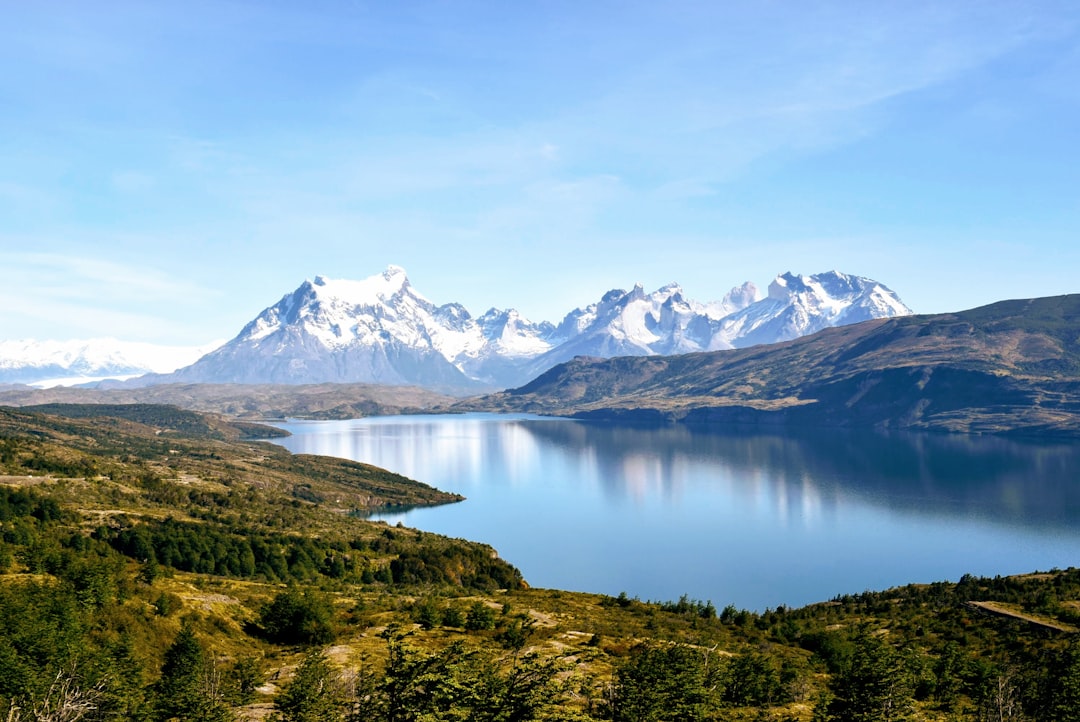
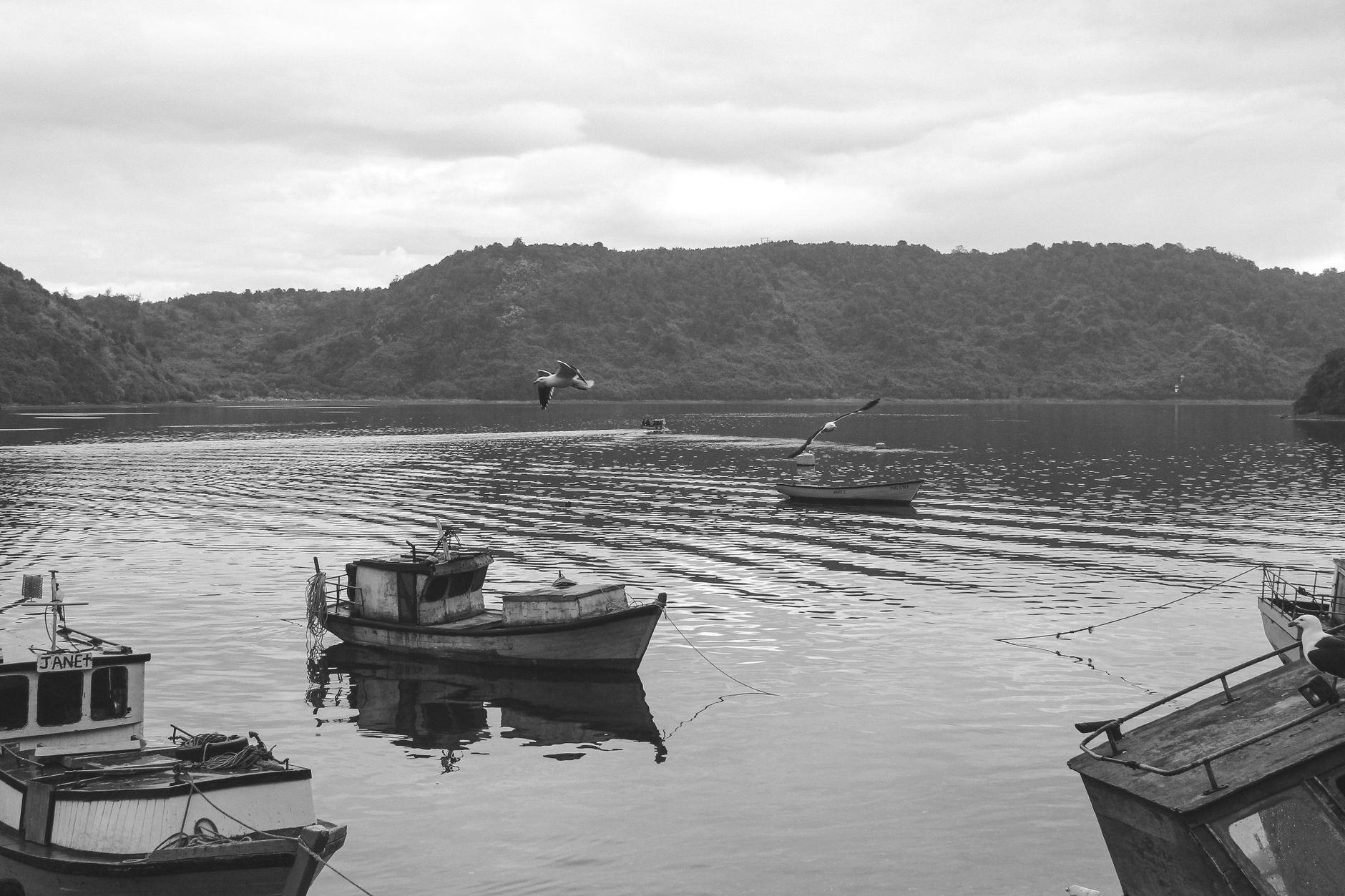
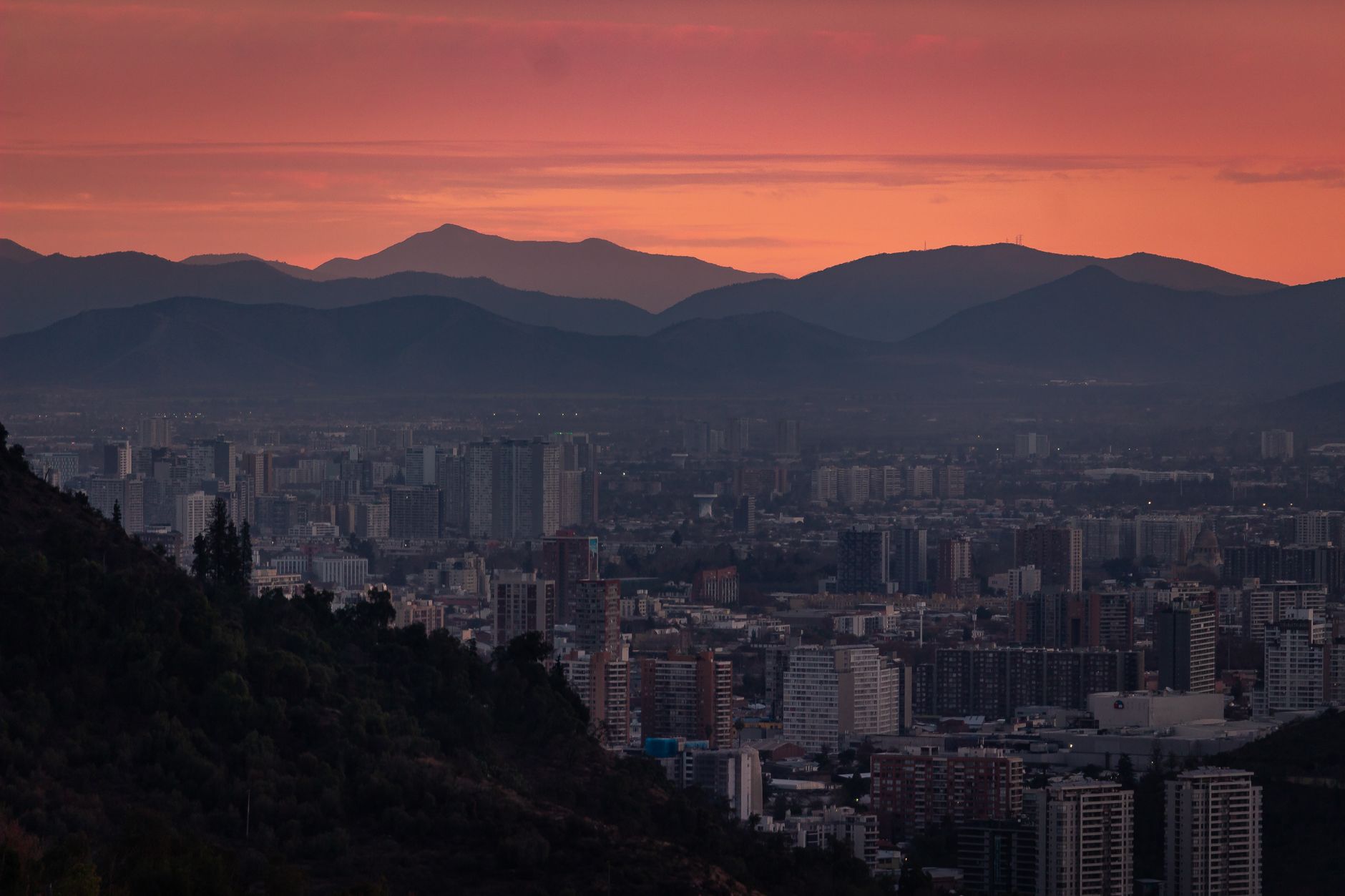
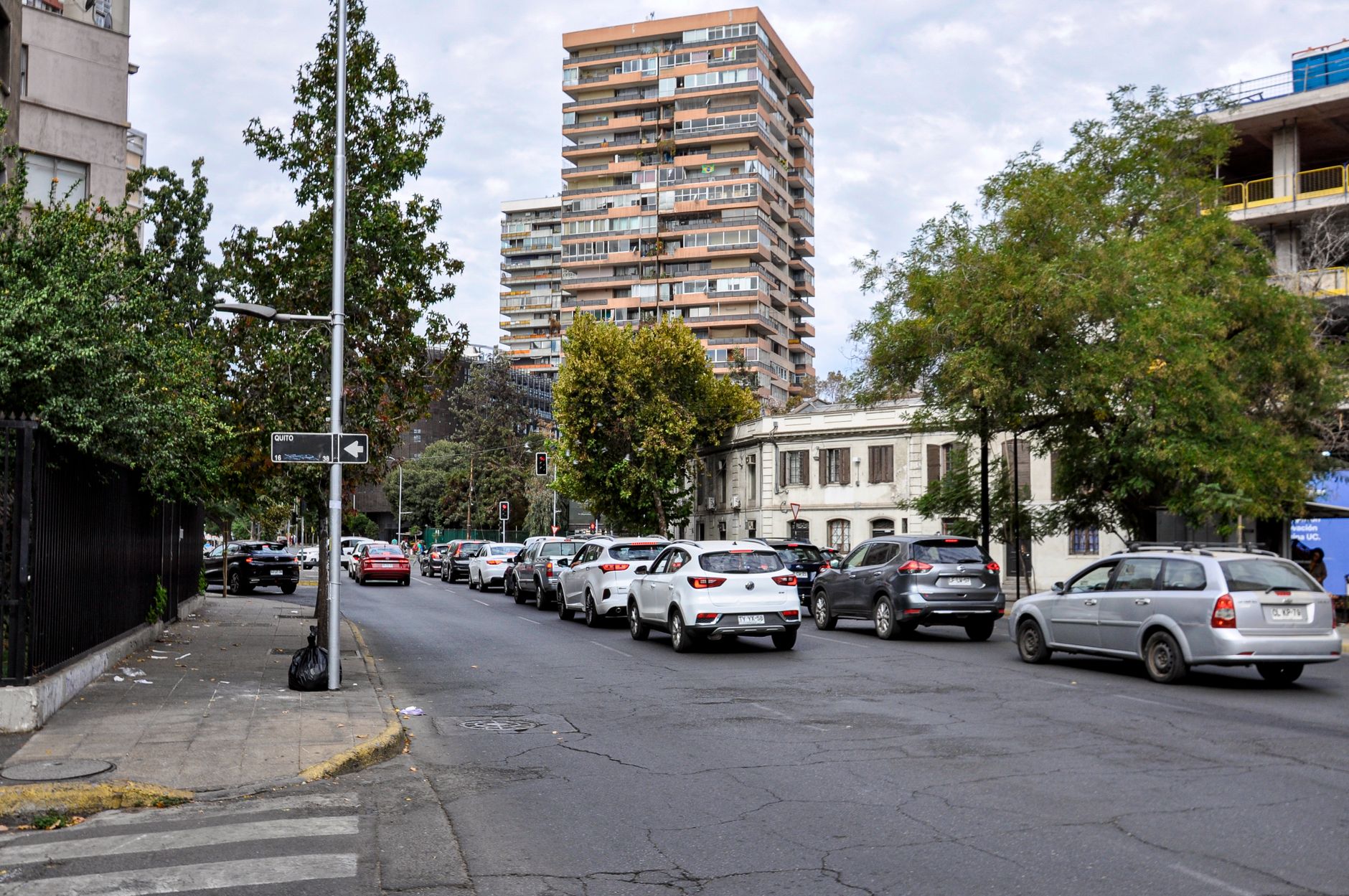
Traveling through Chile can easily become one of the best trips of your life. From the dramatic landscapes of Patagonia and the vibrant streets of Santiago to the once-in-a-lifetime experience of Easter Island, Chile offers incredible diversity.
However, many travelers make simple mistakes that can cost time, money, and even ruin parts of their trip. Knowing what to avoid before you go will help you travel smarter, safer, and get the most out of your experience.
Here are the most common Chile travel mistakes and how to avoid them.
1. Getting Sunburned (Especially in Patagonia & Atacama)
You don’t expect to get burned in cold wind or a desert that doesn’t feel “hot” but Chile will prove you wrong fast. The sun here is intense, and I’m talking burn-in-an-hour intense. I’ve seen people ruin entire hiking days because they skipped sunscreen once. Bring strong SPF, reapply constantly, and don’t trust the weather.
Santiago feels modern and safe at first, and mostly it is, but that’s exactly when people let their guard down. Petty theft happens quickly and quietly, especially in busy areas. Keep your phone out of sight, stay aware of your surroundings, and don’t assume every neighborhood is equally safe.
3. Forgetting a Chilean Plug Adapter
This one sounds small until your phone dies and you realize nothing fits the outlets. Chile uses different plug types, and not every accommodation has spares. After a long travel day, the last thing you want is hunting for an adapter instead of relaxing.
Get it the adapter for a great price on Amazon – Amazon link
4. Not Carrying Cash (Cards Aren’t Accepted Everywhere)
Chile is modern, but cash is still king in many situations. Small restaurants, buses, markets, and even some tours won’t take cards. You don’t need loads of cash, but not having any will definitely put you in awkward situations.
5. Ignoring Chile’s Extreme Distances
Chile looks manageable on a map until you realize it stretches insanely far from north to south. Getting from one region to another often means flights, not buses. What looks like a short hop can turn into a full travel day if you don’t plan properly.
6. Trying to Rush the Entire Country in One Trip
Patagonia, Atacama, Santiago, Easter Island… it’s tempting to do it all. But trying to squeeze everything into one trip just turns your experience into constant travel. You’ll spend more time in airports than actually enjoying Chile.
7. Not Booking Patagonia Accommodation in Advance
Patagonia isn’t the kind of place where you can just “figure it out when you get there.” Accommodation is limited and fills up quickly, especially in peak season. If you don’t book ahead, you might end up paying way more or not finding anything at all.
8. Underpacking for Changing Weather
You can experience sun, wind, rain, and cold all in the same day, especially in Patagonia. If you pack for just one type of weather, you’ll be uncomfortable most of the time. Layers are everything here.
9. Not Learning Basic Spanish Phrases
Outside of major tourist spots, English isn’t guaranteed. Even simple things like ordering food or asking for directions can become frustrating. Knowing a few basic phrases makes everything smoother and people appreciate the effort.
It’s one of those things people skip to save money, until something goes wrong. Whether it’s a missed flight, lost luggage, or a medical issue in a remote area, costs can escalate quickly. It’s not worth the risk.
11. Drinking Tap Water in Remote Areas Without Checking
In cities like Santiago, tap water is generally safe, but that’s not always the case in remote regions. It’s always better to double-check or stick to bottled water when you’re unsure.
12. Not Checking Altitude Effects in Atacama
The Atacama Desert sits at high altitude, and it hits some people harder than expected. Headaches, dizziness, and fatigue can sneak up quickly if you don’t acclimatize properly. Take it slow your first couple of days.
13. Assuming Public Transport Runs Everywhere
Chile has great transport in cities, but once you head into remote areas, options become limited or nonexistent. If you don’t plan ahead, you might find yourself stuck or forced into expensive last-minute alternatives.
14. Not Validating Your Bus/Metro Ticket Properly
Public transport in Santiago is efficient, but you need to use it correctly. If you don’t validate your ticket or card, you can get fined. It’s a simple step, but easy to overlook when you’re new.
15. Taking Unofficial Taxis at the Airport
After a long flight, it’s tempting to jump into the first taxi you see. That’s exactly when scams happen. Always use official taxis or apps to avoid overpaying or uncomfortable situations.
16. Bring a Powerbank for your Phone
This is one of those things you don’t think about until it’s too late. Between navigating, taking photos, checking bookings, and long travel days, your battery drains fast, especially in remote areas where you’ll use your phone even more. Add cold weather in places like Patagonia and your battery dies even quicker. Having a power bank can literally save your day when you need directions, tickets, or emergency access and your phone is at 1%.
17. Not Planning for Limited Internet in Remote Regions
Once you leave major cities, signal can disappear quickly. Don’t rely on being connected all the time. Download maps, bookings, and important info in advance.
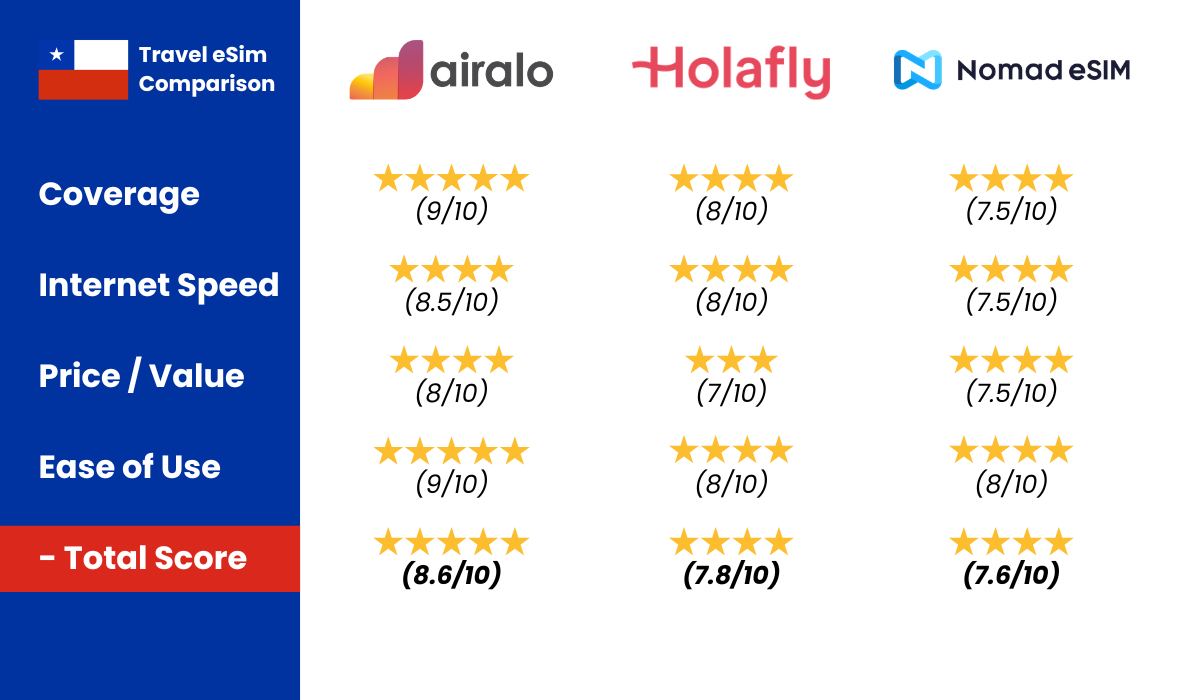
My personal expience with great coverage was with Airalo, I could install the eSim quickly and the speed was good. Check out our compare Chile eSIM providers.
18. Visiting Easter Island Without Booking Ahead
Easter Island isn’t a spontaneous destination. Flights, accommodations, and park access are limited and often booked out well in advance. Waiting too long can completely derail your plans.
19. Not Checking Seasonal Closures (Especially in Patagonia)
Patagonia isn’t a year-round free-for-all. Many trails, tours, and even accommodations close during certain seasons, especially winter. Showing up without checking can mean missing out entirely.
20. Packing the Wrong Type of Clothing (Too Heavy or Too Light)
Chile isn’t one climate, it’s multiple. You can go from desert heat to mountain cold in a single trip. Packing smart, versatile clothing makes a huge difference in comfort and flexibility.
21. Ignoring Local Tipping Culture
Tipping in Chile is expected, especially in restaurants where around 10% is standard. It’s usually added to the bill, but it’s still your responsibility to confirm and pay it.
Planning your trip from Santiago to Puerto Montt and looking for the best and cheapest options? It is a long journey, about 1.020 km, so your decision really affects comfort, time, and budget.
I have done the Santiago to Puerto Montt route multiple times, and this guide breaks down the options in a simple, practical way so you can choose what fits your trip.
I personally flew with LATAM Airlines between Santiago to Temuco, and then driving to Puerto Montt, but flying is not the only option worth considering.
Overview of Santiago to Puerto Montt
Traveling from Santiago to Puerto Montt means crossing a large part of central and southern Chile. The distance is roughly 1.020 km, so this is not a short transfer. Planning ahead makes a real difference.
Here is what you should expect on this route:
Travel times range from 1 hour 40 minutes by plane to 12 to 14 hours by bus or around 10 to 11 hours by car
Most travelers choose flying or overnight buses
Highways are generally in good condition, but the drive is long
Prices vary significantly depending on season and how early you book
This route is popular with both locals and international travelers heading into the Lake District, especially during summer and holidays.
Choosing the right transport depends on how much time you have, how much luggage you carry, and how flexible your budget is.
Travel methods
Personal experience taught me that there are comfortable ways to travel from Santiago to Puerto Montt, and some that feel very long very quickly.
Your choice depends mainly on:
Budget
Time available
Comfort expectations
How much luggage you travel with
Below are the main travel methods, with what you realistically need to know.
By plane
Flying is the fastest and often the most convenient way to travel from Santiago to Puerto Montt.
What to expect when flying:
Airlines mainly include LATAM Airlines and Sky Airline
Flight time is about 1 hour 40 minutes
Flights leave from Arturo Merino Benítez International Airport and land at El Tepual Airport, around 20 minutes from the city center
Things to watch out for:
Basic fares often include no checked luggage
Seat selection and bags cost extra
Prices rise quickly close to departure dates
I flew this route and the experience was smooth, but baggage rules can easily increase the total price if you are not careful.
By bus
Buses are a common option for budget travelers and locals.
Here is how bus travel looks on this route:
Several companies operate daily, including Tur Bus and Pullman
Comfort ranges from semi cama to full cama seats
Travel time is usually 12 to 14 hours
Key differences to consider:
Night buses save on accommodation and are often quieter
Day buses let you see the landscape but feel longer
Comfort depends heavily on seat type, not just the company
Bus terminals:
Santiago departures usually leave from Terminal Sur
Buses arrive at Puerto Montt Bus Terminal, close to the city center
If budget matters more than speed, this is often the best value option.
By car
Driving gives you flexibility, but it is not always the easiest choice.
Important points about driving:
Distance is about 1.020 km
Driving time is 10 to 11 hours without long stops
Roads are generally in good condition, mainly along Ruta 5 Sur
If you want full control of your route, driving works. If Puerto Montt is your final stop, flying or buses are usually easier. You could also rent a car after arriving in Puerto Montt.
Comparing costs and time
Costs and travel time from Santiago to Puerto Montt can differ a lot depending on how you travel, how early you book, and the season.
Flying can be cheap and fast if you book early and travel light, but prices increase quickly close to departure. Buses are slower, but prices are more stable throughout the year.
Driving offers flexibility, but fuel, tolls, and rental costs can increase the total significantly.
The comparison below reflects realistic traveler experiences rather than best case promotional prices. It should help you decide quickly which option fits your schedule and budget.
Travel method
Travel time
One way cost
Best for
Plane
1h 40m flight plus airport time
USD 30 to 100
Speed and comfort
Bus night
12 to 14 hours
USD 20 to 45
Budget travelers
Bus day
12 to 14 hours
USD 20 to 45
Scenic travel
Car rental
10 to 11 hours
USD 130 to 220 plus fuel
Flexibility
A few things to keep in mind:
Flights are often cheapest if booked early and with light luggage
Night buses usually offer the best value for money
Driving makes most sense if you need a car in the Lake District anyway
If time is limited, flying clearly wins. If budget matters most, overnight buses are hard to beat. This comparison usually makes the decision easier before you book.
Continue into the Lake District
For most travelers, Puerto Montt is not the final destination. It is the gateway to southern Chile. From here, you are well placed to explore the Lake District, one of the most scenic regions in the country.
Popular places to continue your trip include:
Pucón for volcano views and outdoor activities
Valdivia for rivers and seafood
Puerto Varas for lakes and mountain scenery
Chiloé Island for wooden churches and coastal landscapes
If you want ideas, routes, and realistic travel times, check the Lake District guide to see what fits your itinerary best.
From Puerto Montt, going further south is straightforward, whether by bus, rental car, or short domestic flights.
Planning a trip to Chile almost always means flying into Santiago first – the city is the main international hub and the gateway to the rest of the country. But here’s the thing: should you actually spend a few days here, and if so, when’s the best time to visit Santiago?
The best time to visit Santiago is spring (September to November) or fall (March to May) for mild weather and clear Andes views.
From my experience – and after digging deep into local travel patterns and climate data – there’s no single “perfect” month. It really depends on whether you want to ski, sip wine during harvest season, or explore the city without the crowds. That’s why I’ve broken Santiago down season by season, and then month by month, so you can match your trip to the experience you actually want.
Quick Overview: Santiago’s Seasons Explained
Summer in Santiago (Dec–Feb)
Summer in Santiago means hot, dry days often above 30°C (86°F) and almost zero rain. January is lively with rooftop bars and busy parks, while in February many locals leave for vacation, making the city quieter but with some restaurants closed.
It’s also the best time for day trips: vineyards are sunny, and the Andes look stunning in the mornings before the haze sets in. If you don’t mind the heat (and a bit of smog), summer gives you long days and plenty of sunshine.
Autumn in Santiago (Mar–May)
Autumn is Santiago at its most comfortable. Days are sunny but not too hot, nights are cool, and the city’s parks turn golden. Crowds thin out after summer, so it’s easier (and often cheaper) to get around.
March and April are also wine harvest season — vineyards buzz with festivals and tastings just outside the city. If you want mild weather, fewer tourists, and a glass of fresh vino, autumn is hard to beat.
Winter in Santiago (Jun–Aug)
Winter in Santiago is cool and damp, with daytime temps around 10-15°C (50–59°F). Expect some rain and the occasional smoggy day, but also snow-capped Andes right on your doorstep.
This is ski season – Valle Nevado, La Parva, and Portillo are just an hour or two away. Hotels and flights are usually cheaper than in summer, making winter a solid choice if you’re into skiing or city exploring without the crowds.
Spring in Santiago (Sep–Nov)
Spring is when Santiago wakes up again – clear skies, blooming parks, and mild temps that make walking the city a joy. By September, Fiestas Patrias (Chile’s Independence celebrations) take over with barbecues, music, and plenty of wine.
October and November are perfect for vineyard visits and sightseeing without the summer heat. If you want lively festivals, comfortable weather, and fewer tourists, spring is one of the best times to be in Santiago.
Best Time of Year to Visit Santiago (By Season)
Summer: Who it’s for / What to expect
Summer is for travelers who love long sunny days, rooftop drinks, and easy day trips to vineyards or the coast. Expect hot, dry weather, busy parks in January, and a quieter vibe in February when many locals head out of town. It’s great for sunshine seekers, but less ideal if you hate heat or want top restaurant options (some close in Feb).
Autumn: Who it’s for / What to expect
Autumn is perfect for travelers who want mild weather, fewer crowds, and a more local vibe. The city cools down, parks turn golden, and prices drop after summer. Wine lovers will especially enjoy March and April, when vineyards around Santiago celebrate harvest season with tastings and festivals.
Winter: Who it’s for / What to expect
Winter is ideal for skiers and budget travelers. The Andes ski resorts are in full swing, just a short drive from the city, while hotels and flights in Santiago are usually cheaper than in summer. Expect cool, damp days, some smog, and fewer tourists – great if you prefer a quieter city break.
Spring: Who it’s for / What to expect
Spring is for travelers who want the best balance – sunny but not scorching days, lively festivals, and vineyards turning green again. It’s great for sightseeing, outdoor walks, and timing your trip with Fiestas Patrias in September. Expect a cheerful atmosphere, comfortable temps, and fewer crowds than in peak summer.
Best Time to Visit Santiago (By Traveler Type)
Best time for wine lovers
The best time for wine lovers to visit Santiago is March and April, during the vendimia (harvest season). Vineyards in the Maipo and Casablanca valleys buzz with grape-picking festivals, tastings, and live music. It’s when the region feels most alive, and you’ll get to try wines fresh from the harvest. Spring (October–November) is a close second, with lush green vineyards and fewer crowds.
Best time for budget travelers
Budget travelers will find the best deals in May or August. These shoulder months mean lower hotel rates, cheaper flights, and far fewer tourists. The weather is cooler, and you might get some rain, but the city feels more local and relaxed. If saving money matters more than sunshine, this is the time to go.
Best time for skiing & outdoor adventures
If skiing is on your list, July is prime time. The Andes resorts like Valle Nevado and Portillo have their best snow, though expect more crowds due to Chilean school holidays. For a quieter slope experience, late June or August works too. For hikers and outdoor explorers, spring (October-November) is ideal – clear skies, mild temps, and nearby trails without the summer heat.
Best time for festivals & events
The standout time for festivals in Santiago is September, when Fiestas Patrias fills the city with barbecues, traditional dancing, and endless wine. Music fans should aim for March or April, when Lollapalooza Chile takes over Parque O’Higgins. And if you’re into local culture with a foodie twist, the March-April wine harvest season is packed with vineyard festivals just outside the city.
Month by Month Guide to Santiago in 2025
January
Hot, sunny, and busy. Expect temps over 30°C (86°F), buzzing parks, and lively nightlife. Great for rooftop bars and day trips, though smog can make afternoons hazy.
February
Still hot, but quieter. Many locals leave for vacation, so the city feels calmer with less traffic. Some restaurants and shops close, but it’s easier to explore tourist spots without crowds.
March
A sweet spot. Comfortable weather, fewer tourists, and the start of wine harvest season in nearby valleys. Perfect for vineyard tours and cultural festivals.
April
Crisp, clear days and autumn colors in the city’s parks. Vineyards are still celebrating harvest. Hotels are less busy, making this one of the best months to visit.
May
Cooler, with a relaxed local vibe. Fewer tourists, lower prices, and quieter streets. A great month for budget travelers who don’t mind chilly evenings.
June
Winter sets in. Cool, damp days in the city, but ski resorts in the Andes open up. Hotels in Santiago drop prices, making it easy to combine city life with skiing.
July
Peak ski season. The mountains are busy, especially during Chilean school holidays, so book early if you want the slopes. Santiago itself stays cool and quieter than summer.
August
Still winter, but slopes are less crowded as holidays end. The city is calm, prices are low, and clear days offer great views of the snow-covered Andes.
September
Spring begins and Fiestas Patrias takes over. Expect lively festivals, barbecues, and music everywhere around September 18–19. Book early – it’s one of the most exciting times to be in Santiago.
October
Sunny, mild, and green. Perfect weather for sightseeing and wine tours. Tourist numbers rise a little, but it’s not yet summer-busy.
November
Warm but not scorching. Parks are lush, vineyards are vibrant, and the city feels alive without overwhelming crowds. Another great “shoulder month.”
December
Summer kicks in. Long, hot days and busy streets in the lead-up to Christmas and New Year. Santiago stays active, while nearby Valparaíso gears up for its famous fireworks.
Festivals and Events in Santiago Worth Timing Your Trip Around
Fiestas Patrias (September)
Chile’s Independence Day celebrations on September 18–19 turn Santiago into one big party. Parks fill with food stalls, barbecues (asados), traditional cueca dancing, and plenty of wine and pisco. Locals flock to fondas (festival grounds) that pop up around the city, especially in Parque O’Higgins. It’s one of the most authentic cultural experiences you can have in Santiago, but expect higher prices and book accommodation early.
Vendimia / Wine Harvest (March–April)
March and April are harvest season in Chile’s wine valleys, and Santiago is the perfect base to experience it. Vineyards in Maipo, Colchagua, and Casablanca host vendimia festivals with grape stomping, live music, and endless tastings. It’s the best time to see the wine culture in full swing – and yes, the fresh wines taste even better when you’re standing right in the vineyard.
Lollapalooza Chile (March/April)
Every March or April, Santiago hosts Lollapalooza Chile in Parque O’Higgins – a massive music festival that brings international headliners and local artists to the city. Expect multiple stages, food trucks, and thousands of fans. If you’re into big concerts and high energy, timing your trip around Lolla adds a whole different vibe to your Santiago visit.
Other local events & holidays
Beyond the big ones, Santiago has plenty of smaller events worth noting. New Year’s Eve brings fireworks and street parties, though the most famous show is in nearby Valparaíso. Christmas is family-focused, with the city quieter than usual. In January, the Santiago a Mil theater festival fills the city with live performances, parades, and art installations. Holy Week (Semana Santa) in March or April can mean closures, but it’s also a time to see local traditions. These smaller events give Santiago its rhythm throughout the year, so it’s worth checking the calendar before you go.
Frequently asked questions
What should travelers know about Best Time to Visit Santiago?
The best time to visit Santiago is spring (September to November) or fall (March to May) for mild weather and clear Andes views.
I’m used to the straight, flat Dutch roads where cows outnumber the cars, so stepping into Santiago’s traffic for the first time was a whole new experience. Wide highways cutting through the city, sudden mountain curves just 30 minutes away, and taxi drivers who seem to know secret shortcuts you’ll never find on Google Maps. That’s when I realized: Car Rental Santiago isn’t just about getting from A to B, it’s about being prepared for Chile’s unique driving culture.
Rent a car in Santiago for wine valleys or the Lake District, not for a pure city stay. Book ahead for SCL pickup and keep bags out of sight.
In this article I’ll walk you through everything you need to know – from picking up your rental at Santiago Airport (SCL) to choosing the right car type if you’re planning to drive into the Andes. Whether you want a small car just to cruise around the city, a 4×4 for a Patagonian road trip, or simply the cheapest option available, this overview will save you time, stress, and money.
Let’s start with the basics: why renting a car in Santiago might be the best decision for your trip.
Why Rent a Car in Santiago?
Flexibility to Explore Chile
One of the first things I noticed after landing in Santiago is how quickly the scenery changes. Within half an hour you can be in the middle of the Andes, sipping coffee in a mountain village, or driving through endless vineyards in the Maipo Valley. With renting a car in Santiago, you’re not tied to bus schedules or waiting for an Uber that never shows up outside the city center.
You set your own pace: stop for empanadas in a roadside stand, take that random detour into the mountains, or keep driving until you find a small town that doesn’t even show up on Tripadvisor. That freedom is priceless.
When a Rental Car is Worth It vs. Public Transport
From my personal experience, Santiago itself has a decent metro system. If you’re just staying in the city for a couple of days, you might not need a car at all. But the moment you plan a day trip – Cajón del Maipo, Valparaíso, ski slopes in winter – public transport suddenly gets complicated and time-consuming.
I remember trying to figure out buses to Cajón del Maipo and realizing I’d lose half the day just waiting. With a rental, you leave when you want, come back when you want, and don’t have to carry your luggage through a crowded metro station. In short: if you want to truly explore beyond the city limits, car rental Santiago is the smarter choice.
Car Rental at Santiago Airport (SCL)
How the Rental Process Works at Santiago International Airport
Arriving in Santiago can feel a little overwhelming: new country, new language, long flight. Luckily, renting a car at the Santiago airport is pretty straightforward. Most major companies have their counters right inside the arrivals hall of Terminal 1. You just walk out of baggage claim and there they are – Avis, Hertz, Sixt, Europcar, Budget.
The actual cars are parked in a rental lot just outside the terminal, about a 5-10 minute walk or a quick shuttle. Hand over your documents, sign the contract (don’t forget to check what’s included in the insurance), and you’re on the road in less than half an hour.
Best Car Rental Companies at Santiago Airport
If you’re like me, you probably check Google Reviews before choosing a rental company. At Santiago International Airport, the biggest names are all present:
Avis & Budget – good if you’re loyal to international brands.
Hertz – often has solid business options and frequent flyer deals.
Sixt – popular with Europeans, usually offering newer cars.
Europcar – solid mid-range option with plenty of availability.
There are also several Chilean companies (like Econorent or Chilean Rent a Car) that sometimes offer cheaper daily rates, but with mixed reviews. If you value peace of mind, stick to one of the global players; if price is your top priority, local brands might be worth a look.
Tips for Booking in Advance vs. On Arrival
Here’s my personal lesson: don’t wait until you’re standing in Santiago Airport to book a car. Once, I thought I’d save time by walking up to the counter, only to find the car category I wanted was completely booked. Booking in advance online not only secures your car type (compact, SUV, 4×4), but also usually gets you a better price.
That said, if you’re traveling off-season, you might score last-minute deals on arrival. Still, for peace of mind – especially if you’re heading straight from the airport to the mountains – booking your car rental at the Santiago airport ahead of time is the way to go.
Car Types – What’s Best for Your Trip?
Small Cars for Santiago City Driving
If you’re planning to stay mostly inside Santiago, a small or compact car is your best friend. The city can get busy, parking spaces are often tight, and fuel prices aren’t exactly cheap. A tiny Kia Morning for example, is perfect for zipping around the city, sliding into narrow parking spots, and not stressing when traffic gets chaotic. For short distances and city trips, you don’t need a big SUV – a smaller rental will save you both money and nerves.
SUVs and 4×4 for the Andes and Road Trips
The moment you leave Santiago, the landscape changes dramatically. Heading to Cajón del Maipo? Planning a ski trip in the Andes? Driving the rougher stretches of the Carretera Austral? That’s when an SUV or even a 4×4 becomes more than just comfort – it’s almost a necessity. I still remember driving up to the mountains and being very glad I had a rental with some power behind it; the steep climbs and gravel roads are no joke. If your Chile itinerary includes nature, mountains, or long road trips, this is where you don’t want to go cheap.
Luxury and Exotic Rentals in Santiago
Of course, not every traveler is after practicality. In Santiago you’ll also find options for luxury sedans, convertibles, and even high-end brands. It’s not the cheapest way to get around, but if you’re in town for a special occasion, a business trip, or just want to enjoy cruising through the city in style, it’s available. Several international companies at the airport, as well as boutique rental agencies in the city, offer premium cars. It’s a fun way to make your trip unforgettable – even if you’ll spend half the time stuck in traffic on Avenida Apoquindo.
Costs and Cheap Car Rentals in Santiago
Average Prices for Car Rentals in Chile
Prices for rental cars in Santiago can vary a lot depending on the season and the car type. On average, you’ll pay around $30–40 USD per day for a compact car, and between $50–80 USD for an SUV or 4×4. During high season (summer or ski season) those prices can easily go up. I remember renting in January and prices were almost double compared to September. If your dates are flexible, it really pays to book outside the peak weeks.
Hidden Fees (Insurance, Tolls, Extra Drivers)
This is where many travelers get caught off guard. The base price looks cheap online, but once you’re at the counter, suddenly there’s talk of insurance upgrades, airport surcharges, or extra driver fees. Chile also has a tag system for toll roads (the “TAG”), which is usually added as a daily fee to your rental. And don’t forget fuel: some companies charge you for a full tank whether you use it or not. My advice? Always double-check what’s included in your quote and take photos of the car before you leave the lot.
How to Find Budget Car Rentals
If you’re after the cheapest deal, a few tricks help:
Book online in advance – comparison sites often give better rates than walk-ins.
Check local companies – Econorent, Chilean Rent a Car, and LYS sometimes undercut the big brands.
Consider pickup location – rentals from the airport are often more expensive than those booked in the city center.
Look for long-term discounts – if you’re staying a few weeks, rates usually get cheaper per day.
When searching for cheap car rentals in Santiago, balance is key. Saving $10 a day is great, but not if it means dealing with unreliable service or hidden charges. Sometimes peace of mind is worth the extra few pesos.
Driving in Santiago and Chile – What You Need to Know
Required Documents and Insurance
Before hitting the road, make sure your paperwork is in order. You’ll need a valid driver’s license (your national license is usually fine for short-term rentals, but some companies ask for an International Driving Permit, like I had to get at ANWB – the Dutch Tourist Association). A credit card in the driver’s name is usually also required for the deposit. Insurance is another key point: most rentals include basic coverage, but many travelers add supplemental insurance for peace of mind – especially if you’re heading into the mountains or rural areas where road conditions can be rougher.
Toll Roads (Tag System) and Gas Stations
Chile uses an electronic toll system in Santiago called TAG. Instead of paying cash at a booth, your rental car has a device that records every toll you pass. The company then charges you a daily fee for using it, on top of the toll costs. It’s convenient but adds to your budget, so ask the rental desk how much per day they charge. Gas stations are widely available in Santiago and along major highways, but once you venture into remote areas, fill up whenever you can – I’ve learned the hard way that “next station in 50 km” can actually mean 100 km if you miss the turn.
Safety and Local Driving Rules
Driving in Santiago itself can feel chaotic (compared to the Dutch roads). People cut you off without hesitation, motorbikes weave between cars, and in rush hour, it sometimes feels like traffic rules are more of a suggestion than law.
One thing that surprised me at night: many cars and buses have tail lights positioned higher than I was used to, which means headlights from oncoming traffic can shine directly into your eyes – making night driving more tiring and, honestly, a bit blinding.
Outside the city, the pace is calmer, but watch for animals crossing the road and sudden changes in road conditions. Always drive defensively and give yourself extra time; it’s the safest way to enjoy the ride.
Alternatives to Renting a Car in Santiago
When Uber, Metro, or Tours Are Easier
Santiago actually has one of the better metro systems in Latin America. If you’re only staying in the city, hopping on the metro is usually faster (and cheaper) than dealing with traffic and parking. Uber also works well here, especially for short rides or airport transfers, though technically it’s a gray area in Chile – drivers often ask you to sit in the front so it looks like you’re just friends. And then there are tours: for places like Valparaíso or wine country, a guided day trip might be less hassle if you don’t want to worry about navigating or driving after a glass (or two) of Carménère.
Combining Rental with Domestic Flights
Chile is long. Really long. Driving from Santiago to the Atacama Desert would take you nearly a week — and that’s if you don’t stop. For big distances, domestic flights are the smarter choice: fly to Calama for Atacama, Puerto Montt for the Lake District, or Punta Arenas for Patagonia. From there, renting a car locally gives you flexibility without losing days behind the wheel.
That said, “distance” is very relative in Chile. I once drove from Temuco to Termas Geométricas – about 2.5 to 3 hours one way. Locals told me, “Oh, that’s not far at all!” But coming from the Netherlands, that felt like driving all the way from north down to all the way in the south in a single stretch. It made me realize how Chileans see long drives as normal, while for me it was a proper road trip.
Final Tips for Renting a Car in Santiago, Chile
Plan ahead – Popular cars (like SUVs and 4x4s) sell out fast, especially in ski season or during summer holidays. Book before you land in Chile to avoid surprises and to lock in better rates.
Compare prices – Check both global brands (Avis, Hertz, Sixt, Europcar) and local companies (Econorent, Chilean Rent a Car). The cheapest option isn’t always the best, but knowing the range helps you choose smart.
Take your time – At the counter, don’t rush through the paperwork. Double-check what’s included in the insurance, ask about toll fees, and inspect the car carefully before driving off.
Read the fine print – Hidden fees can sneak up on you. Extra driver costs, young driver surcharges, fuel policies — it’s all in the details. Better to ask twice than to pay later.
Read the reviews (especially the bad ones) – A company with five-star ratings only can look great, but the negative reviews usually tell you the real story: long waits, poor customer service, or unexpected charges. Take them seriously before choosing your rental.
In short: renting a car in Santiago isn’t complicated, but being prepared makes the difference between a smooth trip and a stressful one. With the right car, Chile’s highways, mountains, and coastlines are yours to explore.
Frequently asked questions
What should travelers know about Car Rental Santiago 2026?
Rent a car in Santiago for wine valleys or the Lake District, not for a pure city stay. Book ahead for SCL pickup and keep bags out of sight.
So, you’re trying to figure out the best time to visit Chile – wohoo! Traveling is exciting. But now comes the tricky question: when should you go? Chile is basically one giant geography flex – deserts, mountains, wine valleys, beaches, glaciers… and every season brings a totally different adventure.
Do you want long sunny days in Patagonia? Or skiing in the Andes while your friends back home are sweating through summer? Maybe you just want to sip wine in the Central Valley without melting or freezing.
The truth is, there’s no single “perfect” time – it depends on what you want to see and do. That’s why I’ve broken it down month by month, so you know exactly what to expect in 2025.
Quick Overview: Chile’s Seasons Explained
Summer in Chile (Dec–Feb)
If you’re visiting Chile between December and February, get ready for peak summer vibes. While Europe and North America are wrapped in scarves and drinking hot chocolate, Chile is all about beaches, barbecues, and long sunny days. Christmas is big here too, but forget the snow-it’s more about fireworks, family gatherings, and eating outside in the warm evening air.
This is also the main holiday season for Chileans, so expect busy beaches, higher prices, and packed buses. Patagonia is at its absolute best (and most crowded), the Atacama is reliably sunny, and wine country is perfect for a glass (or two). If you want the full Chilean summer experience, this is it.
Autumn in Chile (Mar–May)
When March rolls around, Chilean kids head back to school and adults back to work – which means fewer crowds and better deals for you. Tourist hotspots like Patagonia and the Lake District suddenly feel calmer, and you can actually find a seat on that bus without elbowing someone.
Weather-wise, it’s a sweet spot. In the north (Atacama), it’s still warm and dry. Central Chile (Santiago, Valparaíso, wine valleys) enjoys sunny days and cooler nights, perfect for strolling, sipping, and not melting. Down south, autumn paints Patagonia and the Lake District in fiery reds and golds – it’s seriously underrated if you like hiking without the summer madness.
Bonus: March and April are wine harvest season. Expect grape-picking festivals, local celebrations, and plenty of excuses to drink straight from the source. Check out the best wine tasting day trips here.
Winter in Chile (Jun–Aug)
Winter in Chile doesn’t mean the whole country freezes – it really depends on where you are.
In the north, the Atacama Desert keeps doing its thing: dry, sunny, and otherworldly. You’ll barely notice it’s “winter” here, except maybe for some cooler nights. Central Chile, around Santiago and the wine valleys, cools down and the Andes become the main attraction. Yes – Chileans actually go skiing! Resorts like Valle Nevado, La Parva, and Portillo fill up with locals escaping the city for a weekend on the slopes. July is also the main winter holiday month for schools, so expect busy ski resorts then. Down south, Patagonia and Torres del Paine are cold, windy, and much of the park infrastructure shuts down. Only hardcore adventurers go this time of year, while the Lake District stays cozy with wood-burning stoves, hot springs, and cabins tucked away in the rain.
Winter is not high season for international travelers, which means cheaper flights and hotel deals if you don’t mind layering up.
Spring in Chile (Sep–Nov)
Spring in Chile feels like the country stretching after a long nap – flowers, festivals, and the first real taste of summer.
In the north, the Atacama Desert sometimes surprises with carpets of wildflowers in special “super bloom” years, though even without it you’ll get clear skies and perfect stargazing conditions. Central Chile, from Santiago to Valparaíso and the wine valleys, shakes off the winter chill. Temperatures rise, vineyards turn lush again, and September means Fiestas Patrias – Chile’s massive independence celebrations with barbecues, empanadas, and plenty of cueca dancing. Down south, Patagonia and the Lake District slowly reopen. Trails turn green, waterfalls are roaring, and by November many of the big hikes are back on the menu without the full summer crowds.
Spring is the sweet spot: mild weather, colorful landscapes, lower prices, and the country waking up – a perfect balance before the high season rush.
Best Time of Year to Visit Chile (By Region)
Best Time to Visit Patagonia Chile (Including Torres del Paine & Puerto Natales)
The main season in Patagonia is October to April. Trails are open, buses are frequent, and the weather is (somewhat) stable. January and February bring the longest days and best chances for clear skies, but also the biggest crowds and highest prices. November and March are ideal shoulder months with fewer people and still good weather, while April adds stunning autumn colors.
From May to September, much of Torres del Paine and the southern routes shut down due to snow, wind, and limited services. Only experienced adventurers tend to visit in winter.
For most travelers, the sweet spot is November or March – fewer crowds, manageable prices, and conditions that make the landscapes just as jaw-dropping.
Best Time to Visit the Atacama Desert (San Pedro de Atacama)
The Atacama Desert is a year-round destination thanks to its dry climate and reliable sunshine. Days are usually warm, nights can be cold, and rain is almost nonexistent.
The busiest months are December to February, when both international visitors and Chileans on summer vacation fill San Pedro de Atacama. If you want quieter streets and lower prices, aim for the shoulder months (March-May or September-November). These still bring clear skies for stargazing and comfortable temperatures for visiting the salt flats, geysers, and valleys.
Winter (June-August) is also a good option: expect cooler days, very cold nights, and far fewer crowds.
In short: you can go any time, but spring and autumn are the best balance of weather, crowds, and cost.
Best Time to Visit Easter Island (Rapa Nui)
Easter Island is also a year-round destination, but your experience changes with the seasons.
The warmest and busiest period is January and February, when Chileans flock here during summer holidays. This is also when the Tapati Festival takes place (usually early February), a cultural highlight with music, dance, and traditional competitions. Expect higher prices and more competition for flights and hotels.
The shoulder months (March-May and September-November) are often the best choice: pleasant temperatures, fewer crowds, and good conditions for hiking, biking, and exploring the moai sites.
June-August is the quietest period, with cooler temperatures, more rain, and shorter days – but you’ll practically have the island to yourself.
For most travelers, the sweet spot is spring or autumn for a balanced mix of weather, culture, and space to explore.
Best Time to Visit Santiago Chile (and Central Valley)
Santiago and the Central Valley are best enjoyed in spring (September-November) and autumn (March-May). Temperatures are mild, skies are usually clear, and you can explore the city or wine valleys without extreme heat.
Summer (December-February) can be very hot, with Santiago often above 30°C (86°F). The city also empties out in February when many locals go on holiday, so while it’s quieter, some restaurants and shops close.
Winter (June-August) brings cooler weather, occasional smog in Santiago, and rain in the valleys. But it’s also ski season, with the Andes resorts just an hour or two away.
If your trip includes both city life and wine country, aim for March-April (harvest season) or October-November for the best mix of weather, festivals, and vineyard visits.
Best Time to Visit Chile’s Wine Country (Colchagua, Maipo, Casablanca)
The best months to visit Chile’s wine valleys are March and April, during the harvest season (vendimia). Vineyards buzz with grape-picking festivals, wine tastings, and local celebrations – it’s the most atmospheric time to be here.
Spring (September-November) is another excellent option, with green vines, mild weather, and fewer tourists. It’s perfect for wine tours combined with city visits to Santiago or Valparaíso.
Summer (December-February) brings hot days, especially in the Maipo Valley, though evenings cool down nicely. Expect more visitors since it overlaps with Chilean holidays.
Winter (June-August) is the quietest season. Some vineyards reduce their tour schedules, but you’ll still find tastings, and prices tend to be lower.
For the full experience, harvest season in March-April is hard to beat.
Best Time to Visit Chile’s Lake District & Valparaíso
The Lake District is best from December to March, when long summer days make hiking, kayaking, and volcano-climbing possible. Lakes are warmer, trails are open, and small towns like Pucón and Puerto Varas are full of life and the Termas Geometricas are wonderful during this time. March-April is also beautiful, with autumn colors and fewer crowds. Winter brings more rain, but cozy cabins and hot springs keep it appealing if you don’t mind the weather.
Valparaíso, just 1.5 hours from Santiago, is a year-round city, but it shines in summer (December-February) with street festivals and sunny days for exploring its hills and murals. Spring and autumn are also great for wandering without the summer crowds. Winter is cooler and wetter, but the city’s café and nightlife culture carries on regardless.
If you want a balance of good weather and fewer tourists, aim for spring (October-November) or early autumn (March-April) in both regions.
Month by Month Guide to Chile in 2025
January
Top pick: Patagonia is in full swing – long days, open trails, and perfect weather for the W Trek.
Watch out for: Peak holiday season. Expect higher prices and fully booked buses, flights, and hotels.
North: Atacama is hot but dry, ideal for stargazing and desert tours. Central: Santiago can be scorching; many locals leave for vacation. Wine valleys are sunny and lively. South: Patagonia has the best conditions of the year, while the Lake District is buzzing with summer travelers.
February
Top pick: Easter Island during the Tapati Festival – a unique mix of traditional dance, music, and competitions.
Watch out for: Still peak holiday season in Chile. Beaches, Patagonia, and Easter Island are crowded and more expensive.
North: Atacama stays hot and sunny, though tours and hotels book up fast. Central: Santiago empties out as locals head to the coast; Valparaíso and Viña del Mar are packed with summer crowds. South: Patagonia is still excellent for trekking, while the Lake District is at its busiest with Chilean vacationers.
March
Top pick: Wine harvest season kicks off – perfect time for vineyard tours and vendimia festivals.
Watch out for: Summer crowds fade, but prices can still be higher early in the month.
North: Atacama cools slightly but stays dry and sunny. Central: Santiago and Valparaíso settle into comfortable weather; vineyards are alive with harvest activities. South: Patagonia enters shoulder season – fewer people, slightly cooler, but still great for trekking. The Lake District shows the first hints of autumn colors.
April
Top pick: Autumn colors in Patagonia and the Lake District – fiery reds and golds everywhere.
Watch out for: Shorter days and cooler evenings, especially down south.
North: Atacama remains dry and sunny, with cooler nights. Central: Santiago and the wine valleys enjoy crisp, clear days – harvest festivals are still happening. South: Patagonia is quieter but still open; autumn scenery is stunning. The Lake District is calm, with great hiking and fewer crowds.
May
Top pick: Bargain season – cheaper flights and hotels almost everywhere.
Watch out for: Cooler weather sets in, especially in the south, and some Patagonia services begin closing for winter.
North: Atacama is still sunny and dry, great for year-round travel. Central: Santiago has mild days and chilly nights; vineyards are quieter after harvest. South: Patagonia winds down with limited access, but the Lake District shines with autumn colors before the rains arrive.
June
Top pick: Ski season kicks off in the Andes near Santiago.
Watch out for: Short days and chilly weather – especially in the south where many services close.
North: Atacama stays sunny with cold nights, great for stargazing. Central: Santiago cools down; ski resorts like Valle Nevado and Portillo open for the season. South: Patagonia is mostly shut down, while the Lake District turns rainy but cozy with cabins and hot springs.
July
Top pick: Skiing in the Andes – the slopes are at their best this month.
Watch out for: Chilean school holidays make ski resorts busy and prices higher.
North: Atacama is crisp and clear with very cold nights, but crowds are minimal. Central: Santiago is chilly and sometimes smoggy; ski resorts are packed with local families. South: Patagonia remains closed for most travelers. The Lake District is rainy but charming with firesides and hot springs.
August
Top pick: Quiet ski slopes in the Andes as the season winds down.
Watch out for: Still cold and rainy in much of the country, especially in the south.
North: Atacama stays sunny and dry with chilly nights – great time for photography and stargazing. Central: Santiago is cool; ski resorts are less crowded after the school holidays. South: Patagonia remains closed, while the Lake District is damp but atmospheric with hot springs and fireplaces.
September
Top pick:Fiestas Patrias (Chile’s Independence celebrations) – cue barbecues, dancing, and lots of wine.
Watch out for: Prices and demand spike around the holiday week (Sept 18–19), so book early.
North: Atacama is dry and sunny, with slightly warmer nights. Central: Santiago and Valparaíso warm up; vineyards turn green again, and festivals take over the cities. South: Patagonia starts reopening with early-season treks possible by late September; the Lake District blooms with spring colors.
October
Top pick: Patagonia’s trekking season officially begins – trails reopen and crowds are still light.
Watch out for: Weather can be unpredictable in the south, so pack layers.
North: Atacama has warm, dry days and clear nights, perfect for stargazing. Central: Santiago and the wine valleys enjoy spring sunshine; vineyards look lush and inviting. South: Patagonia reopens with longer days and fewer tourists, while the Lake District bursts with spring flowers.
November
Top pick: Patagonia’s shoulder season – long days, good trekking weather, and smaller crowds than summer.
Watch out for: Prices start to climb as high season approaches, so book early if you can.
North: Atacama stays sunny and dry, with comfortable temperatures for full-day tours. Central: Santiago and Valparaíso are warm but not yet scorching; wine valleys are ideal for tours. South: Patagonia is in great shape for hiking; the Lake District is green, mild, and lively.
December
Top pick: Patagonia is fully open with long summer days – ideal for big treks like the W or O Circuit.
Watch out for: Prices and demand rise fast over Christmas and New Year, so plan ahead.
North: Atacama is hot and dry, with clear skies for stargazing. Central: Santiago heats up; vineyards are sunny and festive. Valparaíso prepares for its legendary New Year’s Eve fireworks. South: Patagonia is in prime season, while the Lake District enjoys warm weather and busy lakeside towns.
Your Best Month to Go to Chile
There’s no single “perfect” month – it depends on your plan and budget. Go October-April for Patagonia, March-April or October-November for wine and cities, February for Easter Island’s Tapati Festival, or July if skiing is your goal. The Atacama works almost anytime.
In short: choose the region first, then the season – and Chile will deliver.
Short and sweet: the best Chile eSIM for travel in 2026 is Airalo. I’ve used it myself and it worked perfectly. If you want the details (prices, setup, coverage), keep reading – I’ll explain why Airalo beats the other options.
Best overall:Airalo. Easy install, flexible packs, and the one we actually use for Chile arrivals.
Best for heavy data / hotspot: Holafly unlimited-day plans, if you accept paying more for not watching a GB meter.
Best for short Santiago stopovers: Airalo small pack. Maps, WhatsApp, Uber for a few days without overbuying.
Best for Patagonia / Atacama reality check: Still start with Airalo in cities, but expect weak or no signal on remote roads and parks. Download offline maps. See our Patagonia, Atacama, and Easter Island eSIM notes.
Best budget hunt: Compare Airalo and Nomad the week you buy. Holafly rarely wins on pure price.
Updated July 2026. Plan prices move often. Use the table for structure, then confirm the live Chile offer in the provider app before you buy.
The best Chile eSIM for most travelers in 2026 is Airalo, installed before you land at SCL. Holafly wins only if you want unlimited daily data and will pay more for it.
Here my quick rating: Coverage: 9/10 ⭐⭐⭐⭐⭐ Speed: 8.5/10 ⭐⭐⭐⭐ Price/value: 8/10 ⭐⭐⭐⭐ Ease of installation: 9/10 ⭐⭐⭐⭐⭐
New to Airalo? Get $3 off this week with code KJ2068. Download the Airalo App now.
Why use an eSim in Chile for travel?
When I was 24, the idea of living even one day without internet felt impossible. In Chile I didn’t want to stress about finding a SIM card shop, waiting in line, or getting lost because Google Maps wouldn’t load. I wanted something I could install in minutes, use right away, and trust the same thing millions of other travelers rely on. That’s why I started looking at eSIMs and why I chose Airalo.
Airalo for you eSim in Chile
So my experience using it has been great. fast internet, super easy to install, and really solid coverage throughout Chile. I never worried about reliability, and whenever I needed more data, topping up in the app only took a minute. The price felt fair compared to local SIMs, and it worked perfectly on my iPhone without any issues.
Let’s dive deeper into Chile’s eSim Airalo option.
Airalo’s internet coverage in Chile
Overall 9/10. In the cities and towns, I had great coverage everywhere. Only when I was deep into the mountains, or at the Thermen Geometricas for example, I had no coverage.
eSim Chile internet speed
Did you know that back in 2022 Chile was ranked as having the fastest internet in the world? That gave me high hopes before I even landed. With Airalo, the speed didn’t disappoint. In Santiago and other big cities, I had no problem streaming YouTube, making video calls, or loading Google Maps instantly. Even in smaller towns, the speed was more than enough for WhatsApp and Instagram.
Of course, when I went into remote areas (again, like Termas Geométricas), the speed dropped or disappeared – but that’s normal anywhere in Chile. Overall, I’d rate the Airalo speed experience a solid 9/10.
Airalo eSim Chile cost in 2026
One of the things I liked about Airalo is the flexibility. There are plenty of data bundles to choose from, depending on how much you use your phone. As of writing this article, the prices range from about €4.50 for 1 GB up to €42.50 for 20 GB. I personally started with the smaller pack of 10GB and then topped up when I needed more.
Since prices can change, you can always check the most up-to-date offers directly on the Airalo Chile page.
New to Airalo? Get $3 off this week with code KJ2068. Download the Airalo App now.
How to install the Airalo eSIM on your phone?
It’s honestly super simple. The Airalo app walks you through the process step by step, so you don’t have to worry about messing it up.
That’s it – just a few clicks and you’re connected. I was online in less than 3 minutes after buying my package.
How do you add more data to your bundle?
It’s very easy. When I was about to run out of data in Chile, the Airalo app sent me a notification. That was super helpful because I didn’t have to keep checking my data balance. I just opened the app, clicked on my Chile eSIM, and chose how much data I wanted to add to my bundle. The payment went through instantly, and within a minute the new data was added to my account.
Tip: turn off mobile data for apps you don’t really use while traveling. That way you’ll save data and avoid unnecessary costs.
Is Airalo compatible with iPhone and Android?
Short answer: yes. Most new phones already support multiple eSIMs, which means you can add Airalo even if you already have another eSIM installed.
I used it on my iPhone without any problem. In general, eSIM works on iPhone SE (2020 & 2022), iPhone XR, and anything newer than iPhone 11. On Android, most recent Samsung Galaxy, Google Pixel, and Huawei models also support it.
I bought my Airalo bundle about three days before departure. That gave me plenty of time to install it on my phone at home, without any stress. As soon as I landed in Chile, I just turned on mobile data and I was online immediately. No hiccups, no hunting for SIM card shops at the airport – just instant internet.
Is Airalo the Best Chile eSIM in 2026?
In my opinion, yes. Have I tried every single other eSIM out there? No. But Airalo gives me everything I actually care about: good coverage, fast internet, easy installation, fair pricing, and solid reliability. For me, that’s more than enough.
New to Airalo? Get $3 off this week with code KJ2068. Download the Airalo App now.
If you’re traveling to Chile in 2026 and want a simple, stress-free way to stay connected, I’d recommend giving Airalo a try.
How to set up a Chile eSIM before you fly
Step 1. Buy a Chile eSIM plan from a provider that works on your phone (we usually start with Airalo).
Step 2. Install the eSIM over WiFi before you leave home, following the provider QR or app steps.
Step 3. Keep the eSIM off or set to data-only until you land, so you do not burn days early.
Step 4. After landing at SCL, turn on the eSIM data line and confirm maps, WhatsApp, and ride apps work before you leave the airport.
Frequently asked questions
What is the best eSIM for Chile travel in 2026?
For most travelers, Airalo is the best Chile eSIM in 2026 thanks to easy setup, reliable coverage in cities, and flexible data bundles.
Do I need an eSIM before flying to Chile?
Yes. Installing an eSIM before departure means you have data the moment you land for maps, Uber, and WhatsApp.
Does Airalo work in Patagonia and the Atacama?
Coverage is strongest in cities and weaker in remote areas. Use our region-specific eSIM guides for Patagonia, Atacama, and Easter Island.