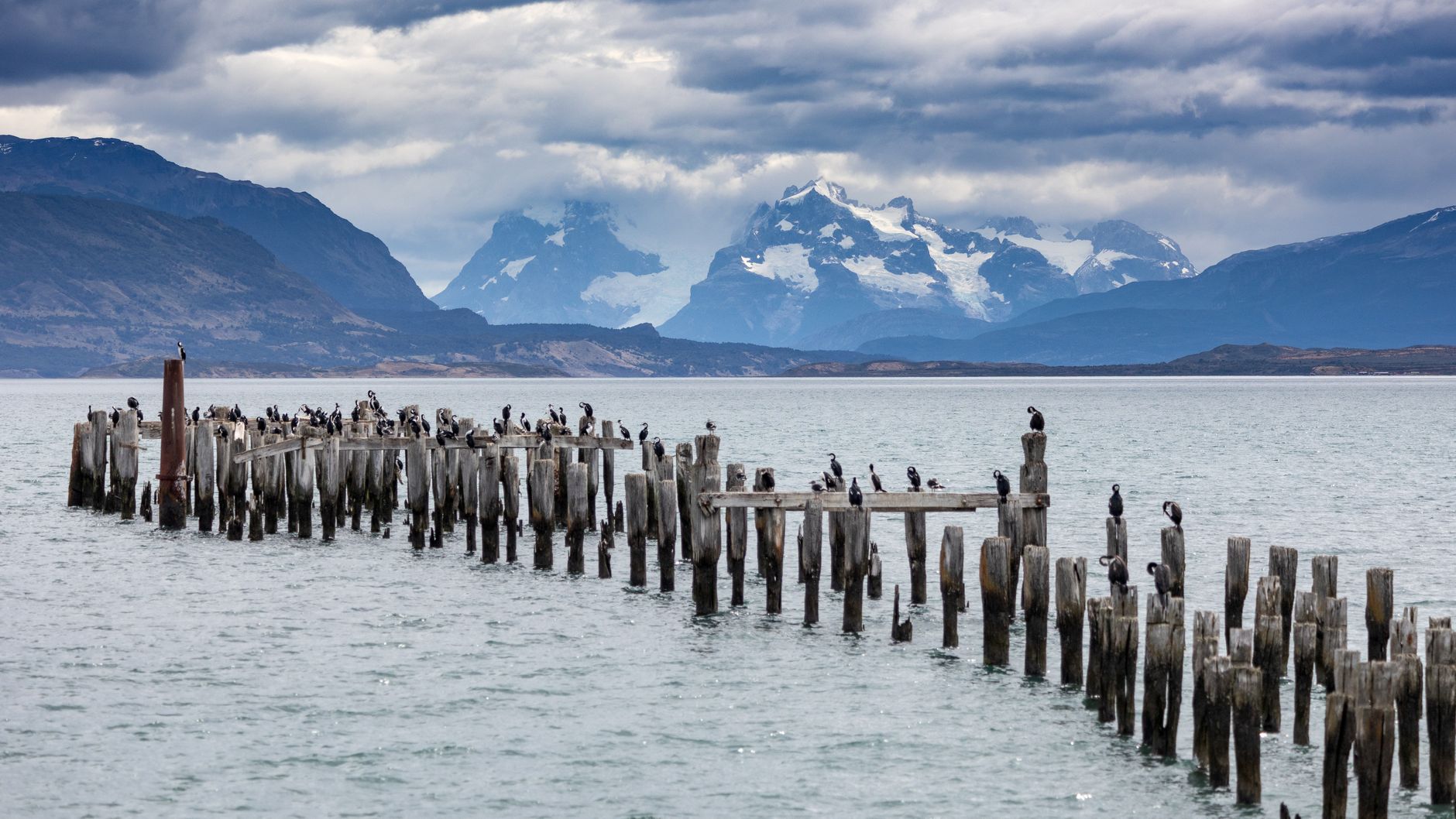
When people write to us about Patagonia, the question under the question is almost always the same: “Santiago to Puerto Natales looks close on the map, so how hard can it be?” It is not hard, but it is far, and the plan you pick changes how your trip feels.
The short answer: there is no road you would sensibly drive from Santiago, and no direct train. Almost everyone flies from Santiago to Punta Arenas, then travels about three hours by road to Puerto Natales, the gateway to Torres del Paine. In the busy season there may also be flights straight to Puerto Natales, so check what is running for your dates.
Why the map lies
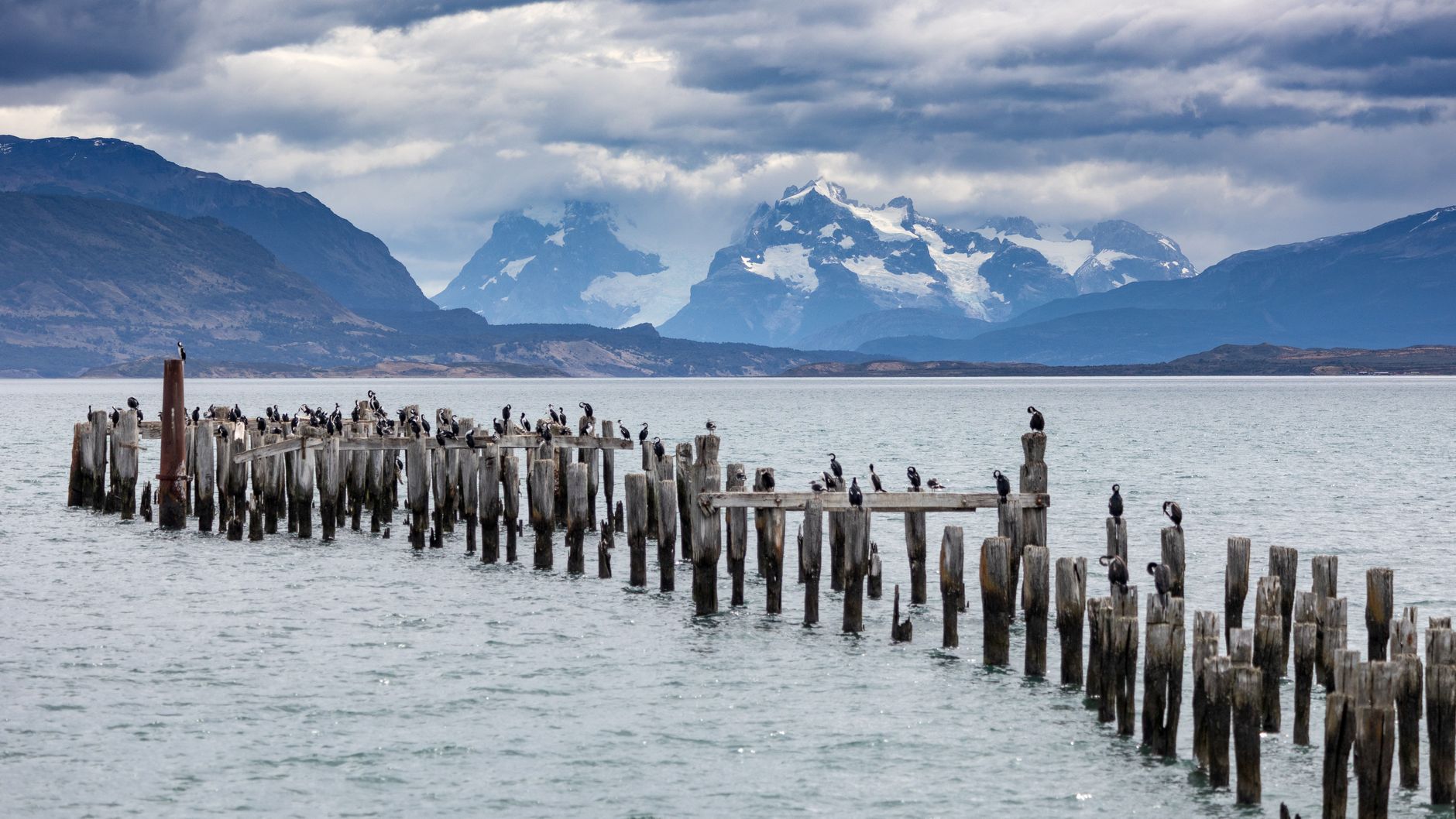
Chile is a very long country. Puerto Natales sits deep in the south, and the land route from Santiago crosses long stretches that are not worth the time for a vacation. Our guide to the Santiago to Patagonia trip explains the distance question in more detail. For this trip, think of Patagonia as a separate destination you fly to, not a long drive.
Option 1: fly to Punta Arenas, then go by road
This is the route we recommend. Several airlines connect Santiago (SCL) and Punta Arenas (PUQ). The flight takes roughly three and a half hours. From the airport you can reach Puerto Natales by bus, shared transfer, or rental car. The trip by road is about three hours.
- Bus: The cheapest option and a perfectly comfortable one. Buses run between the Punta Arenas airport area or bus terminal and Puerto Natales. Book ahead in summer, because seats fill.
- Private or shared transfer: Easier with luggage, and the simplest if your flight lands late. Ask your hotel in Puerto Natales to arrange it.
- Rental car: Only if you want to roam freely. The road is straightforward, but Patagonian wind and gravel roads inside the park are a different matter. We cover this in our driving in Patagonia guide.
Option 2: a direct flight to Puerto Natales
Puerto Natales has a small airport. Flights there have been limited and seasonal in the past, so do not plan around one without checking. If your dates line up with a direct flight, you save the long road transfer. If not, Punta Arenas is the dependable hub. Look at the airline schedules for your travel month before you pay for anything else.
For help choosing flights and airports, see our guide to flights from Santiago to Patagonia.
Option 3: the overland route (not for most trips)
Overland buses exist between Santiago and Patagonia, but they cross Argentina or take multiple long days. This suits long-haul adventurers with weeks to spare, not a one- or two-week vacation. If you are tempted, our driving in Chile guide shows how big the distances are.
A simple plan for a first trip
We advise picking no more than two regions for a trip, and Patagonia is a perfect partner for Santiago. Here is a shape that works:
- Two or three nights in Santiago to recover from the long-haul flight and enjoy the city.
- Fly to Punta Arenas in the morning, transfer to Puerto Natales the same day.
- Three to five nights around Puerto Natales and Torres del Paine, with a buffer day for weather.
- Fly back via Punta Arenas to Santiago, with a cushion night before your international flight home.
The buffer matters. Patagonian weather can delay flights and close park trails, so we never put a tight connection on the day we leave Patagonia. Our how many days in Patagonia guide helps you set the right length.
Where to stay in Puerto Natales
Puerto Natales is a small waterfront town with plenty of guesthouses and hotels, and it is your base for supplies, tours, and a decent meal after a day outdoors. Choose a place with good reviews and a helpful front desk. They can arrange transfers, park tickets, and weather-day plans. Our hotels in Puerto Natales guide has a shortlist with strong guest scores. Inside the park, lodging is limited and books early, so reserve ahead. Our hotels near Torres del Paine post covers the options.
What to book first
- Flights. Book early for summer, since seats on the Santiago to Punta Arenas route can sell out.
- Lodging in or near the park. It is the scarcest thing on the trip.
- Park entry and any trail reservations. Rules and fees change, so confirm them on the official park sources.
- Your connection. A data plan helps a lot with maps and bookings. We set up an Airalo eSIM before we fly, then download offline maps, because coverage in the park is patchy.
Safety and comfort on the way
Patagonia is a calm destination for visitors, and the main risks are weather, wind, and trail conditions, not crime. Pack layers and a proper rain jacket, keep your phone and a power bank charged, and tell your hotel your plan for the day. If you want a broader safety read, see is Patagonia safe and is Puerto Natales safe.
What it feels like on the ground
The Punta Arenas to Puerto Natales road is one of the easiest long transfers in Chilean Patagonia. The landscape is wide and open, with big skies, grassland, and often strong wind, and the journey is more scenic than most airport transfers. Whether you take a bus or a car, bring a jacket, water, and something to eat, because services between the two towns are limited.
If you travel by bus, keep your luggage close and your phone charged. If you travel by car, fill the tank before you leave Punta Arenas, since gas stations are not frequent in the open country. We also give ourselves daylight for the drive. In the summer months that is easy, because the days are very long.
Common questions
Can I do it in one day?
Yes. A morning flight from Santiago to Punta Arenas and a transfer to Puerto Natales can fit into one day, and many travelers do exactly that. The risk is a delayed flight, which can push you onto the road late. If you can, build in a night in Punta Arenas the first time.
Is a direct flight worth waiting for?
Only if it matches your dates. If it does, you save hours. If it does not, do not shape the whole trip around it, because the Punta Arenas route is the dependable one.
The bottom line
Fly to Punta Arenas, go by road to Puerto Natales, and leave yourself a weather buffer. That is the whole route, and it turns a long distance into an easy two-leg journey. Start with flights and park-adjacent lodging, then fill in the rest.
We would love to hear which part of Patagonia you are heading to.