Category: Patagonia Chile Travel

Patagonia Chile travel guides. Puerto Natales hotels, day hikes without camping, and the Santiago to Patagonia route.

  • Santiago to Punta Arenas (2026 Edition)

    Santiago to Punta Arenas (2026 Edition)

    Santiago to Punta Arenas: fly south. Do not drive this as the default.

    Jan & Valeria. We travel to Chile often and love sharing tips to help you experience this beautiful country.

    Chile looks continuous on a wall map. In a body it does not. The first time we sat with a Santiago to Patagonia plan, the honest sentence was already the local one. You fly. You do not treat the Carretera Austral as a scenic afternoon between breakfast in Providencia and dinner in Magallanes. Distance here is a fact, the way wind is a fact. Respect it and the rest of the trip stays kind.

    Santiago (SCL) to Punta Arenas (PUQ) is the standard gateway flight for a first comfort trip to Torres del Paine. From PUQ you continue by bus or transfer to Puerto Natales. That is the default we recommend. Confirm live schedules and fares when you book. For the wider southern chapter, use our Patagonia travel guide.

    The honest short answer
    Santiago to Punta Arenas (2026 Edition)

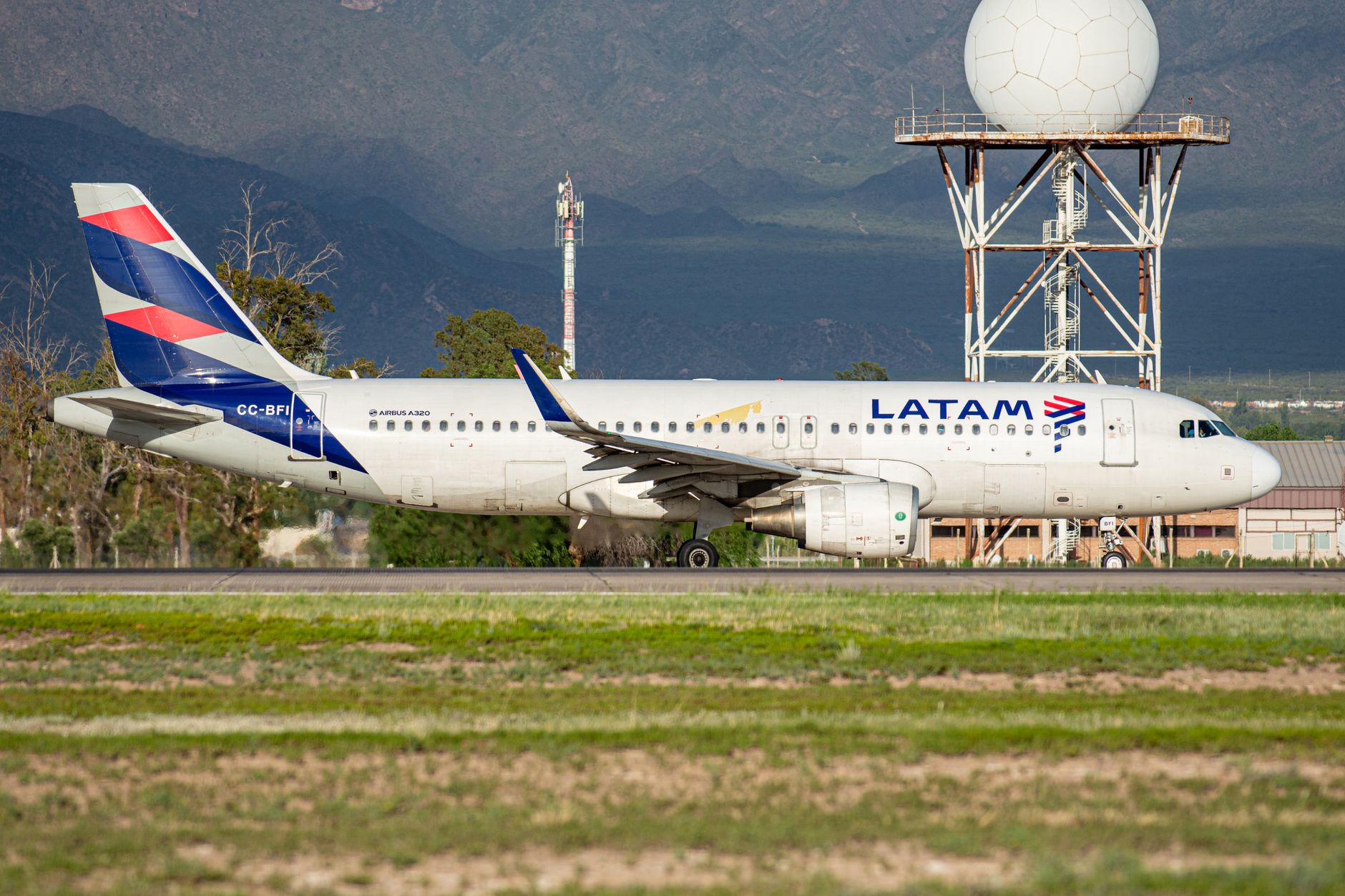
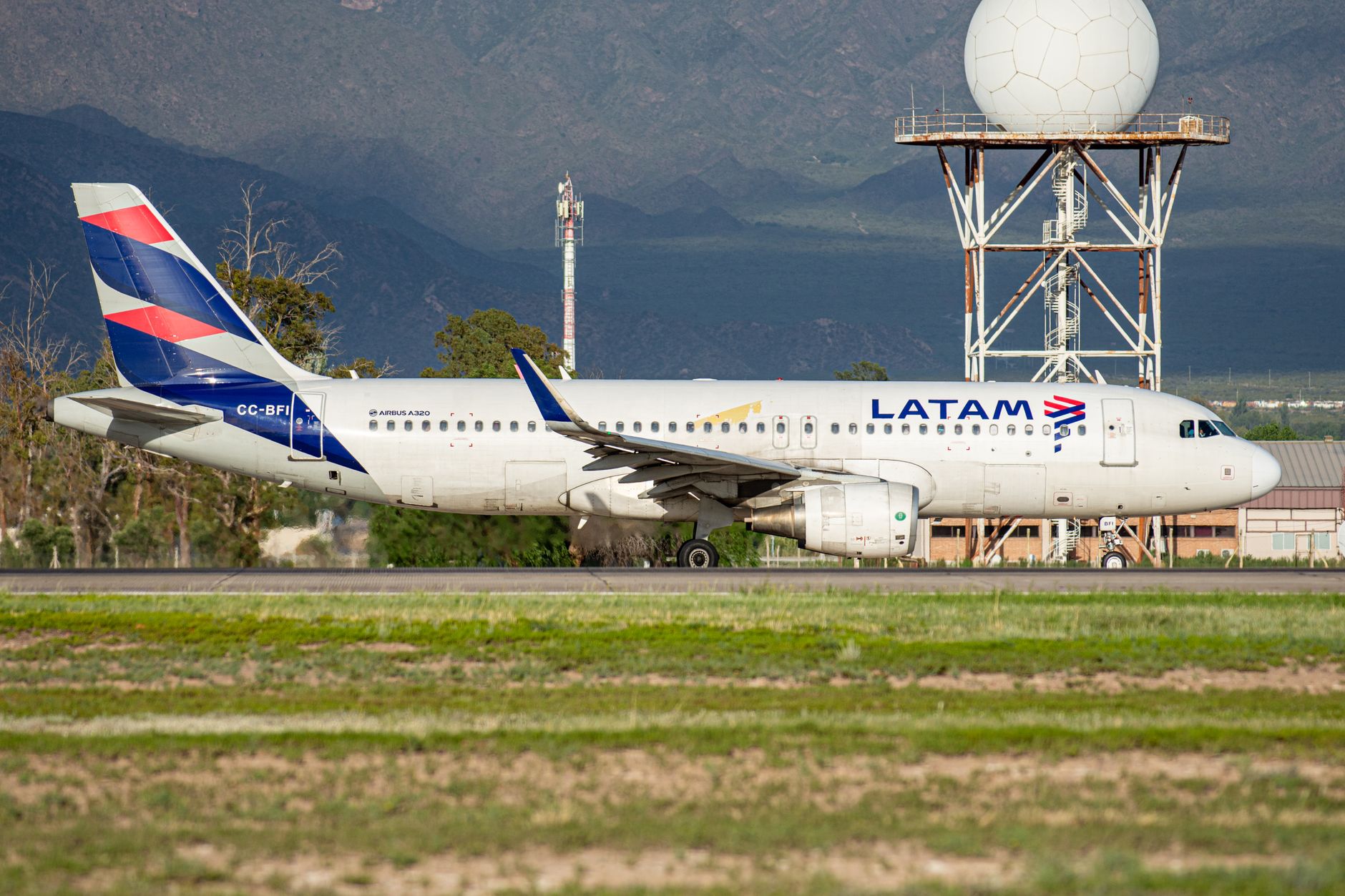
    Fly. LATAM is the carrier most visitors will see on this route, with other domestic options in some seasons. Flight time is typically in the three-and-a-half-hour range. It is a real domestic hop, not a puddle jump. Eat something. Wear the layer you will want in the PUQ wind. Do not schedule a park hike on the same day you land unless the arrival is early and you already know you will ignore that advice later.

    Driving the whole way from Santiago is possible in the sense that Chile has roads. It is not the plan we would give a couple on a two-week vacation who want Torres del Paine and a real bed. Multi-day distance, variable conditions, and fatigue are a different trip. If you want that story, it is a road chapter, not a hidden shortcut. Read Santiago to Patagonia and driving in Patagonia before you romanticize the highway.

    Why flying is the default

    Patagonia is not the Lake District. In the lakes we like a rental car because the rewards sit a few hours apart: Pucón, a gravel road to springs, Puerto Varas, a quiet Frutillar afternoon. From Santiago to Punta Arenas you are crossing a country. The flight is how comfort-first travelers keep the adventure for the park, not for the windshield.

    Flying also protects the nights that matter. Every day you spend grinding south is a night you do not spend in Natales waiting for a weather window. We would rather you land tired in PUQ and sleep than arrive heroic and already behind.

    There are seasons with flights closer to Puerto Natales. Check current schedules when you book. If a useful Natales arrival exists for your dates, take it. If it does not, PUQ plus the transfer is still the standard, well-worn path. Details: Punta Arenas to Puerto Natales.

    SCL to PUQ in practice
    Santiago to Punta Arenas (2026 Edition)

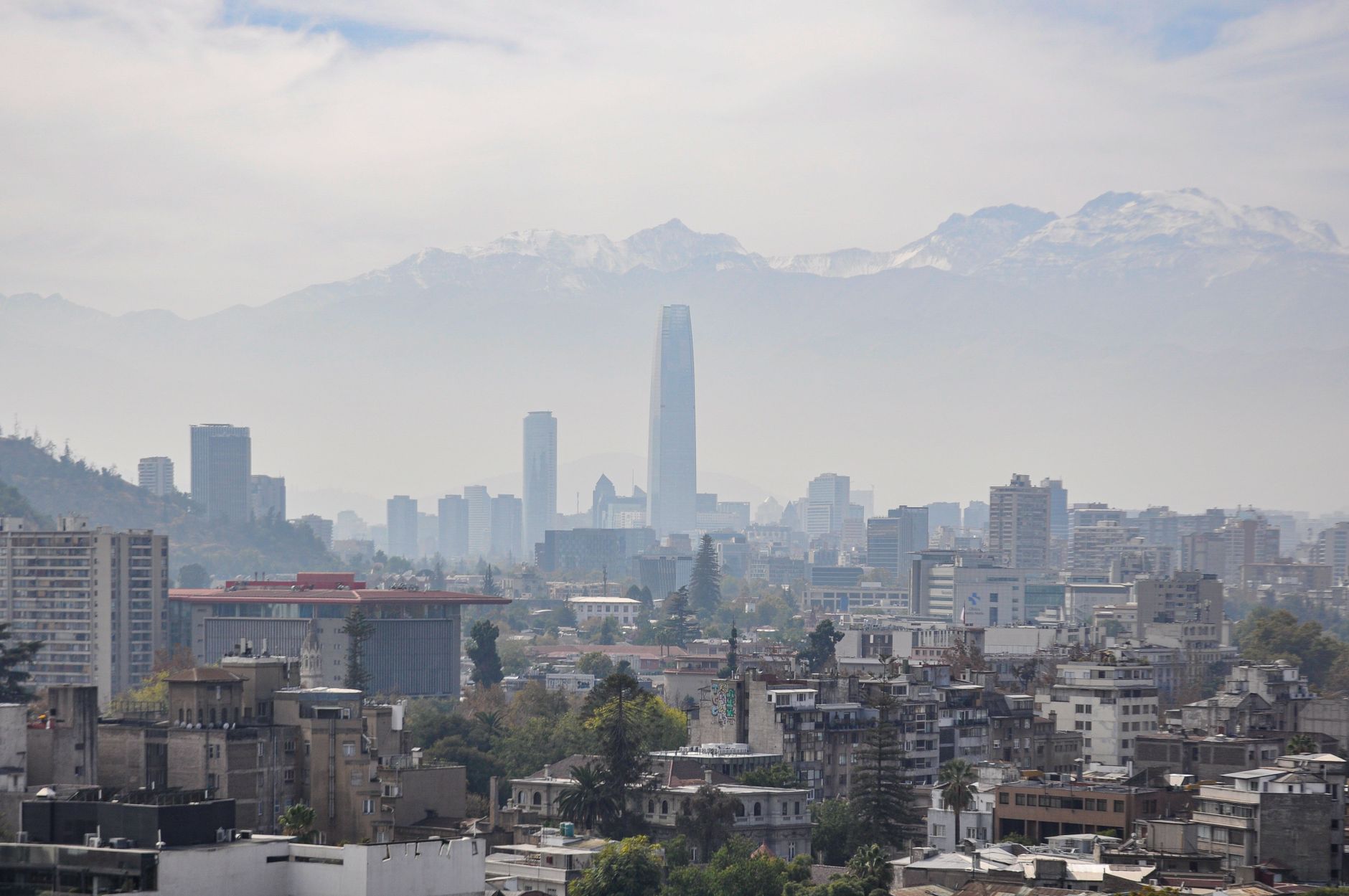
    Santiago’s airport is its own mini-trip if you have just landed from overseas. Give SCL the dignity of a plan. Know your terminal flow. Know whether you have bags to reclaim and recheck. Know how long a connection actually feels when the international queue is in a mood. We do not invent connection minima here because airlines and airport process change. Build more buffer than the booking engine implies, especially if your international flight already used its luck.

    If you are already in Santiago, treat the PUQ departure like a real travel morning. Leave the hotel earlier than your city self wants to. SCL traffic and check-in lines are a Santiago story, not a Patagonia story, and they still decide whether you make the plane. Our Santiago airport to city center notes help the city legs. Where to stay in Santiago helps the buffer nights.

    On board, assume PUQ will be colder and windier than the Santiago morning you left. Keep a shell and a warm layer in the cabin bag. Southern arrivals are a bad time to have your only jacket in a checked suitcase that decided to stay in SCL.

    Confirm live schedules and fares on the airline site when you are ready to pay. We do not print ticket prices. They move, and a made-up number helps no one plan.

    Connections and buffer nights

    We buffer at least one night in Santiago on each end of a Patagonia leg when we are coming from overseas. Flight delays, luggage issues, and jet lag are easier to absorb in the capital than on a tight connection south. A same-day international-to-PUQ sprint can work when everything is kind. We would not build a once-in-a-lifetime week on kindness.

    If you miss the southbound flight, you want a hotel you already understand and a phone that works. That is a safety issue as much as a logistics issue. Banking, rebooking, and two-factor codes all sit on that phone. Install a Chile eSIM before you leave home Wi-Fi, and keep the comparison notes in our Chile eSIM guide and Patagonia eSIM page.

    On the way home, the same buffer saves you from a Patagonia wind delay becoming a missed intercontinental departure. One extra Santiago night is cheaper than a desperate airport story.

    After you land in Punta Arenas

    PUQ feels like a southern airport. Smaller than SCL. Wind in the doorway. People already talking about Natales and the park. Have the next move booked before you land: a bus, a private transfer, or a Punta Arenas hotel if you arrived late. Standing in arrivals with full luggage and a vague hope is how a simple day gets sharp.

    If the landing is early enough and the transfer is confirmed, continue to Puerto Natales the same day and treat the rest as a travel evening. If the landing is late, sleep in Punta Arenas. That overnight is a gateway night, not a failure to reach the mountains. Town context: is Punta Arenas safe?

    Do not stack a Torres del Paine day on the same calendar square as SCL to PUQ plus the road to Natales. We repeat that because it is the mistake that looks efficient and feels terrible. Give the park a full morning. Give the flight the dignity of being a flight.

    Stay connected before you board

    A working phone is how SCL, PUQ, and the transfer stay boring. Gate changes. A driver at the wrong door. A hotel asking for an arrival time. We activate the eSIM before we fly so the first southern hour is not a hunt for airport Wi-Fi. Download offline maps for Santiago airport, Punta Arenas, and Puerto Natales while you still have strong data.

    Signal thins on park roads later. That is fine if you planned it. It is not fine if you also cannot reach the transfer company in town. Connectivity is part of how we stay calm in Chile. Losing the phone means losing more than Instagram. It means losing the trip’s nervous system.

    What we would book first

    • SCL to PUQ flights on dates that leave room on both sides.
    • Santiago buffer nights if you are arriving from another country.
    • Puerto Natales hotel nights, 4 to 6 for a first comfort trip. See how many days in Patagonia.
    • The PUQ to Natales transfer, confirmed live.
    • Park access and any guided day through official channels.
    • eSIM, offline maps, and a cabin-bag layer for the PUQ doorway.

    Check live airline information when you book, and check CONAF plus current Torres del Paine access before you spend the park days. Then come back to the human order. Fly south. Sleep. Let the mountains be tomorrow.

    We hope this keeps the Santiago to Punta Arenas leg honest. The flight is not the boring part you should compress. It is the part that makes the rest of Patagonia possible. Book it like you mean the trip, then go walk a Natales waterfront with a jacket on and a full night ahead of you.
  • 6 Best Hotels Near Torres del Paine (2026 edition)

    6 Best Hotels Near Torres del Paine (2026 edition)

    6 Best Hotels Near Torres del Paine (2026 edition)

    Jan & Valeria. We travel to Chile often and love sharing tips to help you experience this beautiful country.

    The hotel question near Torres del Paine is not “which lodge sits on the trail.” It is “where can we wake up, eat a real breakfast, and be in a transfer before the wind decides the day.” We plan park days from Puerto Natales and Puerto Bories, not from a tent. Soft adventure by day. A bed you trust at night.

    Our short answer: Sleep in or just outside Natales, book a hotel that understands 6 a.m. departures, and treat the 1.5 to 2 hour ride to the park as part of the hike. Inside-park camping is a different trip.

    This page is the wake-up-and-go shortlist. For the wider town-base conversation, use hotels in Puerto Natales. For the day itself, read day hikes without camping and is Torres del Paine safe? Keep a Chile eSIM on your phone. Signal thins on park roads.

    Natales is the park-day base, not a compromise

    6 Best Hotels Near Torres del Paine (2026 edition)

    Torres del Paine sits roughly 70 km from Puerto Natales. That distance sounds far until you compare it with packing a tent, booking refugios months ahead, and hoping a generator stays kind at 10 p.m. We would rather start earlier from town and come back to restaurant choice, laundry, and heat that does not depend on a park lodge schedule.

    The first time we mapped this on a kitchen table in Santiago, the decision was the same one we make for Termas Geométricas: the drive is part of the day. You do not sleep in the ravine. You sleep where the shower works and tomorrow’s weather is a conversation, not a panic.

    Puerto Bories, just outside town on the fjord, adds a quieter lodge option if you have transfers sorted. Downtown Natales wins when you want to walk to dinner after a blown-out viewpoint. Both beat camping for the traveler we write for.

    What a park-day hotel actually has to do

    • Early breakfast or a packed lunch you can take in the van
    • Clear pickup point for guides and private transfers
    • Heat, blackout curtains, and quiet rooms after wind and gravel
    • Same-day laundry or a sink if you stacked two park attempts
    • Recent Booking.com score 8.0+

    We shortlist the six properties below from our registry, not from a camping map. We would book them for logistics we trust: location, guest scores, and a recovery night that lets you try the park again if clouds win day one.

    How many nights before the first trailhead

    Arrive the afternoon before your first park day whenever you can. A same-day flight-plus-hike stack is how people start late, skip layers, and turn a viewpoint into a lean-in walk. Two nights is the minimum for one full park attempt. Three nights is the sweet spot: arrival evening, two weather windows, one buffer. Four nights if you add a boat day or you know you get stubborn about a clear tower shot.

    Do not count hotel nights as park days. The transfer eats the morning. That is why the room has to reset you, not entertain you.

    Hotels we would book for park mornings

    These Booking.com properties score 8.0 or higher and sit in Natales or Puerto Bories. Each card is built for a 5:30 alarm, not a hostel common room.

    The Singular Patagonia Hotel

    Puerto Natales Chile hotel The Singular Patagonia Hotel

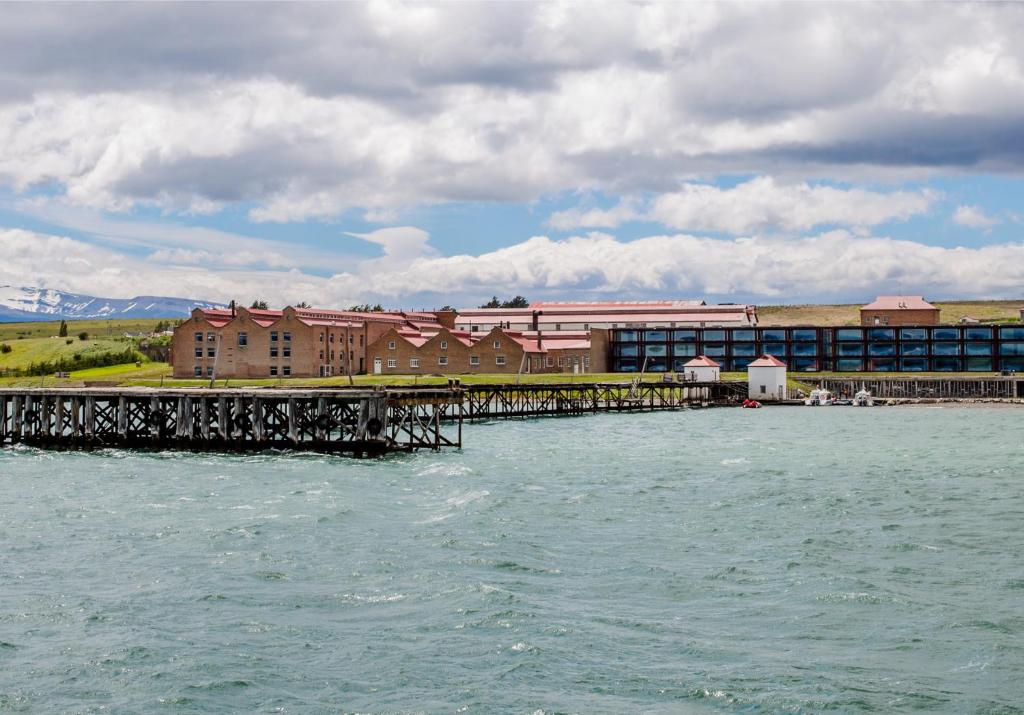
    The Singular Patagonia Hotel is the Puerto Bories splurge we would book when the wake-up should feel like part of the trip. Located in Puerto Bories / fjord edge, a short drive from downtown Natales and on the same early-transfer rhythm as town hotels.

    Exceptional guest scores (9.6) and a lodge that understands expedition mornings. Choose it when you want service depth, a quiet night, and a driver who is not hunting a street address in the dark. Plan dinner on property or a booked transfer back to town. This is not a walk-to-pizza location, and that is the point after a windy park day.

    • Booking.com score 9.6
    • Puerto Bories base with serious recovery space
    • Best when transfers are already in the itinerary

    Best for couples and celebration trips that still start at dawn for the park.

    👉 Check availability here

    Hotel Simple Patagonia

    Puerto Natales Chile hotel Hotel Simple Patagonia

    Hotel Simple Patagonia is the in-town default we would book for most first park itineraries. Located in Puerto Natales, close enough to dinner that you can eat, pack layers, and still sleep. Recent Booking.com score: 9.6.

    The easiest 5:30 a.m. pickup in town without giving up polish. We shortlist it when the hotel’s job is logistics: breakfast timing, a known address for guides, and a room that resets you for a second attempt if day one is cloud. Confirm packed-lunch options when you book. That detail matters more than a lobby photo.

    • Excellent Booking.com score (9.6)
    • In-town pickup and dinner walk
    • Strong multi-night day-hike base

    Best for most soft-adventure travelers who want to wake up and go.

    👉 Check availability here

    Hotel Vendaval

    Puerto Natales Chile hotel Hotel Vendaval

    Hotel Vendaval is the modern town hotel we would book when sleep quality is the whole filter. Located in Puerto Natales. Recent Booking.com score: 9.1.

    A calmer evening pace so the park morning is not a negotiation. Useful when one of you wants a hotel that feels current and the other wants to be in the van on time. Read recent reviews for blackout curtains and street noise. Park days fail in the room the night before more often than on the trail.

    • High guest score (9.1)
    • Modern rooms for early nights
    • Easy dinner-and-sleep rhythm in town

    Best for couples who want a straightforward Natales hotel with a serious score.

    👉 Check availability here

    El Sendero

    Puerto Natales Chile hotel El Sendero

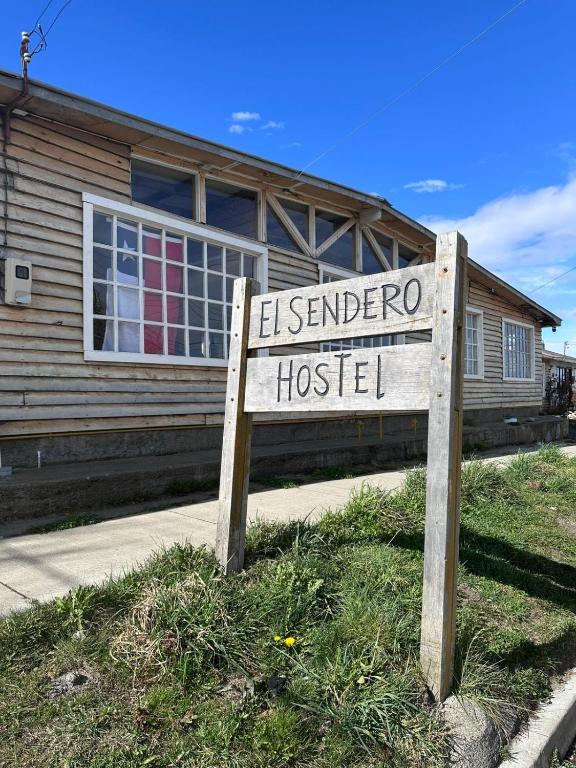
    El Sendero is the smaller-scale stay we would book when we want character and still need a 6 a.m. exit. Located in Puerto Natales. Registry Booking.com score: 9.1.

    Intimate rooms with a rest-first feel after gravel roads. Check recent reviews for heat and quiet before you lock a park-heavy itinerary. Smaller properties can be wonderful for two or three nights if the desk understands early breakfast. Message them about transfer pickup so the van is not circling.

    • Strong Booking.com score (9.1)
    • Smaller-scale, rest-first stay
    • Practical for one to three park-focused nights

    Best for travelers who want a more intimate Natales base with an early start.

    👉 Check availability here

    Hotel Costa Australis

    Puerto Natales Chile hotel Hotel Costa Australis

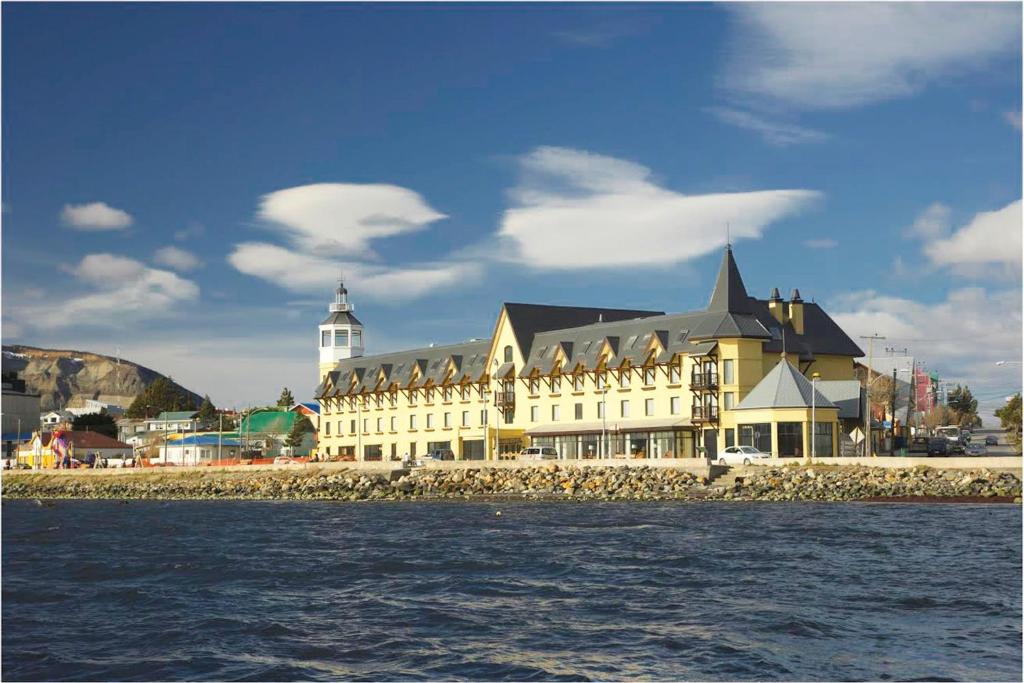
    Hotel Costa Australis is the waterfront landmark we would book when we want a known meeting point for guides. Located in the Puerto Natales waterfront area. Recent Booking.com score: 8.3.

    Convenient for morning departures and a dinner walk that does not need a taxi plan. Confirm your exact room type and recent renovation notes. A classic hotel can vary floor to floor. For park logistics, the address is the asset: drivers find it, you find dinner, you sleep.

    • Booking.com score 8.3+
    • Waterfront pickup that guides already know
    • Full-hotel amenities after a long day

    Best for travelers who want a traditional hotel as the park-day meeting point.

    👉 Check availability here

    Remota Patagonia Lodge

    Puerto Natales Chile hotel Remota Patagonia Lodge

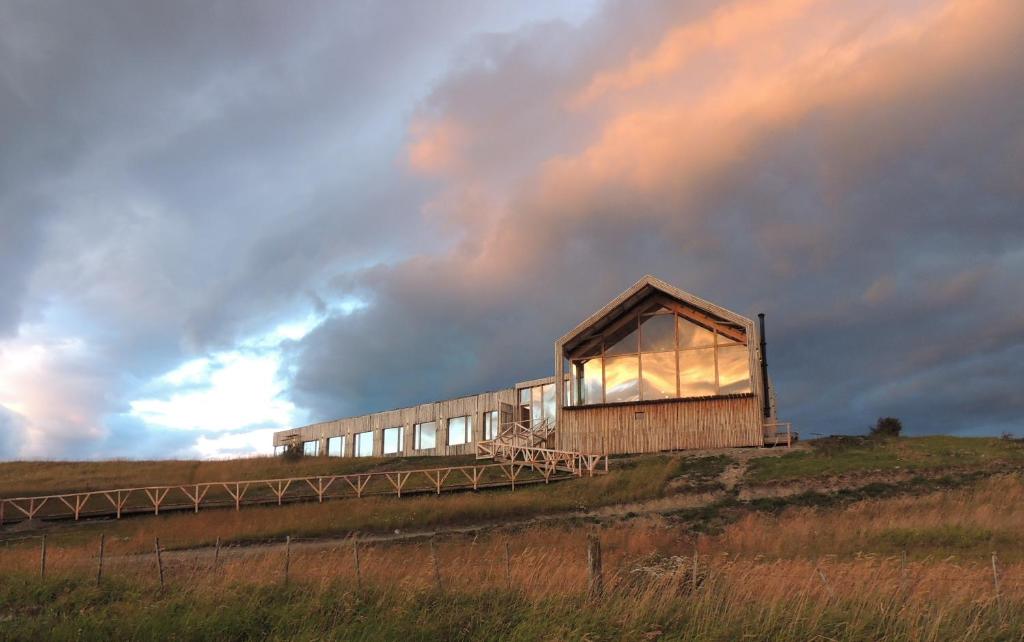
    Remota Patagonia Lodge is the design-lodge we would book when the building itself is part of why you came south. Located in a lodge setting outside the downtown grid. Recent Booking.com score: 8.5.

    Landscape and architecture first. Plan the 6 a.m. logistics on purpose. This works when you have a car or a transfer that includes the lodge. It is a weaker pick if every dinner and every park pickup has to be improvised from the sidewalk. We would eat on property the night before a tower day so the morning is only layers and coffee.

    • Booking.com score 8.5+
    • Distinctive lodge design outside town
    • Needs transfers sorted before the first park alarm

    Best for design-minded travelers who accept a lodge location in exchange for the setting.

    👉 Check availability here

    Town hotel vs park lodge vs camping

    6 Best Hotels Near Torres del Paine (2026 edition)

    Choose Natales or Puerto Bories when you want restaurant choice, a weather buffer, and a shower that does not depend on a campsite. Choose an inside-park lodge only if trailhead minutes are the whole point and you booked early enough. We do not treat a full W-Trek camping circuit as the default. Plenty of first-timers see the park on day hikes or with a guide and sleep in a real bed.

    What Valeria says: People in Chile do not talk about Patagonia as a place you camp because you have to. They talk about it as a place you prepare for. Bring the jacket. Eat a real breakfast. If the wind is ugly, the mountain will still be there tomorrow. That sentence is why we book the hotel around the park, not the other way around.

    The morning we would actually run

    Layers by the door. Breakfast or a bag from the hotel. Phone charged, maps downloaded, park tickets confirmed on official CONAF and Torres del Paine channels. Tell the front desk your return window. If the towers hide, you have not failed the trip. You have used Patagonia correctly, and you still have a bed that lets you try again.

    We hope this helps you book the night that makes the park day possible. Start with Simple Patagonia or Vendaval if you want town logistics. Start with The Singular if the stay is part of the memory. Then leave one day empty on purpose.

  • Best Time to Visit Patagonia Chile (2026 Edition)

    Best Time to Visit Patagonia Chile (2026 Edition)

    Best time to visit Patagonia Chile: shoulder light vs peak crowds, and wind in every month.

    Jan & Valeria. We travel to Chile often and love sharing tips to help you experience this beautiful country.

    People ask us for the best month in Patagonia as if the south keeps a polite calendar. It does not. The light changes. The crowds change. The wind stays in the conversation. When we plan a first comfort trip from Santiago, we choose dates the way we choose a thermal day in the Lake District. We pick a window that can still move, then we pack the jacket anyway.

    The planning answer: Chilean summer (roughly December through February) has the longest days and the fullest trails. Shoulder months (October to November, March to April) are the window we often prefer for a first Natales-based trip, with more unpredictability and fewer tour-van piles. Winter is quieter and colder, and it is not our default for a first comfort visit. Confirm current park rules, daylight, and services for your exact dates. Start with our Patagonia travel guide once the month is honest.

    The honest short answer

    Best Time to Visit Patagonia Chile (2026 Edition)

    There is no month when Patagonia becomes gentle on command. There are months when you get more light, more company, and more booked rooms, and months when you get more silence and a shorter day. We plan around daylight and wind more than postcard temperatures. A cool, clear morning beats a warm afternoon with gusts that close a viewpoint.

    If you need a single recommendation for a comfort-first couple who wants Torres del Paine as day hikes from Puerto Natales, we lean shoulder season when flights and hotel inventory still work. If school holidays lock you into January, go anyway and book earlier. Do not wait for a mythical windless week. Build a buffer night instead.

    This is planning knowledge, not a diary of a specific June we are going to invent for you. Conditions change. Official channels win when a blog and a forecast disagree.

    Peak summer: light, crowds, wind

    December through February is when the south looks most like the photos people carry in their heads. Long evenings. Open services. Full boats of energy in Natales. You can start early and still have light on the way home. That is a real gift on a park day.

    It is also when Puerto Natales hotels and park access get competitive. Rooms that felt optional in October become the thing you should have booked first. Trails feel more social. The wind does not take the summer off. People are surprised by that. They packed for “warm” and met a sideways afternoon that made the jacket the most important item in the bag.

    We like peak summer when you can accept crowds as the price of light. We like it less when someone tries to add a same-day transfer from Punta Arenas and a long hike because “there are so many hours.” Light is not stamina. Eat. Sleep. Keep the day human. Our how many days in Patagonia notes still apply in January. The extra daylight does not replace the extra night.

    Shoulder season: our planning preference

    Best Time to Visit Patagonia Chile (2026 Edition)

    October to November and March to April are the months we talk about most for a first comfort trip. You can still get strong days. Town feels less like a queue. Some services are opening or thinning, which is why you confirm live schedules instead of assuming January’s grid. The light is still generous enough for day hiking if you start on time.

    Shoulder season asks for humility. A beautiful morning can be a closed afternoon. A quiet trail can still be a hard trail. We treat that the way we treat a Lake District forecast before a gravel road. Go if the window is good. Turn around if it is not. The hotel in Natales is the reward either way.

    If you are flexible by a week, we would rather slide into shoulder than force a peak week you will spend refreshing cancellations. If you are not flexible, pick the dates you can actually take off work and buy the buffer night. Season is a preference. The empty calendar square is the strategy.

    Winter: quieter, not a first-trip default

    Winter in Chilean Patagonia is a different product. Shorter days. Colder mornings. Some trails and services scale back. The photographs can be stark and beautiful. The logistics get more honest. We would not make winter the default for a couple whose first question was “is this doable without camping?”

    If you already know you like cold, short days, and empty streets, winter can be a specialist chapter. Confirm what is actually open. Confirm transport frequency. Confirm park access. Do not copy a summer day-hike list onto a June calendar and hope. That is the kind of planning we refuse to dress up as insider confidence.

    For most readers of this site, winter is the season to admire from a distance unless you have a specific reason and a flexible ticket. Comfort-first still means a real bed. In winter it also means being willing to let the town be the whole day.

    What wind actually does to a day

    Wind is the main character in every season. It can turn a simple viewpoint into a lean-in walk. It can close a trail. It can make a transfer day feel longer than the clock. It can also clear a sky so fast you forgive it by dinner. We pack Patagonia like we pack a mountain soak that might turn wet. Warm layer. Rain shell. Something for your hands. The difference is scale. In Pucón you can abort a drive and go back to the hotel. In Torres del Paine, aborting still means a long transfer back to Natales.

    That is why season talk without buffer talk is incomplete. The best month still needs a spare night. The worst month can still give you one perfect morning if you have room to wait. When friends ask us for a guarantee, we give them a jacket list and an extra night instead.

    Safety context for that weather-first mindset lives in is Patagonia safe? and is Torres del Paine safe? Street crime is not the story. Being underdressed and late is the story.

    How to confirm current conditions

    Do the official work the week you travel, not the week you daydream. Check CONAF and current Torres del Paine access information for trail status, entry rules, and closures. Check your airline for SCL to PUQ changes. Check the bus or transfer company for the Punta Arenas to Natales grid. Check your hotel for seasonal breakfast times if you need an early box.

    We do not treat a three-year-old photo dump as a forecast. We also do not treat a single Instagram sunrise as proof that your week will be kind. Live sources, then a human plan. If a trail is closed, the trip did not fail. You used Patagonia correctly.

    Country-level travel context, when you want it, sits on the US State Department Chile advisory. Then come back to the practical layer. Book the nights. Pack the layers. Leave one day empty.

    Packing for four seasons in one day

    Even in summer, mornings can feel cold, afternoons windy, and rain can arrive without a speech. Quick-dry layers beat cotton. Shoes with grip matter more than a cute boot that has never seen gravel. Sunscreen still matters. Light bounces off water and pale ground. A hat that stays on in wind is worth more than a second souvenir layer you will not wear.

    We pack the same “step out of the water” instinct we learned on thermal days. The second you stop moving, the air takes the heat. In Patagonia that moment is the viewpoint, the bus step, the Natales waterfront after dinner. Keep the warm layer at the top of the bag, not the bottom.

    Install a Chile eSIM before you leave Santiago so forecasts, hotel messages, and transfer updates still work in town. Coverage thins on park roads. Offline maps cover the gap. Details: Patagonia eSIM.

    How we would choose dates

    If we were placing a first comfort trip on a blank calendar, we would look at shoulder weeks first, then check flights into PUQ and rooms in Natales before we fell in love with a date. If those two were already tight, we would take a peak week and book it earlier, not a winter week we were not prepared to inhabit. We would still buy 4 to 6 nights. Season does not replace nights.

    What Valeria says: People in Chile do not talk about a perfect Patagonia month. They talk about the jacket and the extra day. If you only remember one local sentence, remember that one.

    We hope this helps you pick a window without waiting for a guarantee the south will not give. Choose light you can live with, book the buffer, and let the wind be weather instead of a verdict. When the dates are on the calendar, go back to the Patagonia travel guide and Puerto Natales hotels and make the next booking.

  • How Many Days in Patagonia (2026 Edition)

    How Many Days in Patagonia (2026 Edition)

    How many days in Patagonia? Enough nights in Natales that weather can still be kind.

    Jan & Valeria. We travel to Chile often and love sharing tips to help you experience this beautiful country.

    The first time we mapped a Patagonia chapter on a kitchen table, the temptation was to treat Torres del Paine like a weekend add-on after Santiago. Valeria’s family talk about the far south made that plan sound thin. You do not argue with wind. You give it room. That is still the sentence we use when readers ask how many days they need.

    For a first comfort trip based in Puerto Natales, we plan 4 to 6 nights in town, plus the travel days that get you there. That window holds two park attempts and a buffer when a forecast turns rude. It is not a W Trek. It is not a checklist of every southern highlight. It is the shape that still feels like a trip of a lifetime when you want a real bed at night. The planning hub is our Patagonia Chile travel guide.

    The honest short answer

    How Many Days in Patagonia (2026 Edition)

    Four nights in Puerto Natales is the floor we would defend for a first comfort trip. That usually means one arrival afternoon, two days you can point at the park, and one day that can absorb wind, a delayed transfer, or a simple town rest. Five or six nights is the version we prefer when flights and budget allow. You stop gambling the whole chapter on a single clear morning.

    Two nights is how people fly home with cloud photos and a story about the bus. Three nights can work in a lucky weather window. We would not design a first trip around luck. Patagonia rewards the empty square on the calendar more than it rewards another booked tour.

    If you are adding Punta Arenas nights for the flight, count those separately. A late PUQ arrival is a gateway night, not a park day. Same logic we use for Temuco before Pucón.

    Why four nights is the floor

    Patagonia is distance before it is a viewpoint. Santiago to Punta Arenas is a flight. Punta Arenas to Puerto Natales is a transfer. Natales to the park is another. None of that is optional atmosphere. It eats clock. If you only give the region three sleeps, one delayed domestic flight can erase a hike day you thought was guaranteed.

    Weather is the other reason. A clear morning can turn. Trails can close. Wind can make a “moderate” day feel like work. The people who enjoy the park most are not the ones who packed the most ambitions into 48 hours. They are the ones who could say, tomorrow then, and still mean it.

    Four nights also protects dinner and sleep. Soft adventure by day only works if the bed is real and the evening is not a logistics meeting. We want you walking the Natales waterfront with a layer on, not refreshing flight apps while you should be eating.

    A comfort-first 5 to 6 night shape

    How Many Days in Patagonia (2026 Edition)

    This is a template, not a script. Adjust to live flight times.

    • Night 1: Arrive Natales after the PUQ transfer. Short waterfront walk if daylight. Early dinner. Sleep. Do not hike.
    • Night 2: First park day or guided day if weather and tickets agree. Return to the hotel. Hot shower. Real food.
    • Night 3: Town day, second park attempt, or a lighter viewpoint day. This is the swap square if yesterday hid the mountains.
    • Night 4: Buffer, rest, or a second full park day if you still have legs and a forecast.
    • Nights 5–6: The luxury of not rushing the exit. Another weather window, a slow café morning, or a calmer transfer back to PUQ.

    That shape matches how we already write the region. Sleep in town. Day hike or join a guided park day. Come home to heat. Details live in Patagonia day hikes without camping and hotels in Puerto Natales.

    If you want a park lodge instead of town, you still need the same number of nights. Proximity buys trail time. It does not buy weather. Book the lodge only when the dates and budget are honest, and still leave a spare day in the region.

    What happens if you try to rush

    The rushed version looks efficient on a spreadsheet. Land PUQ in the morning. Bus to Natales. Afternoon “light hike.” Full park day. Bus back. Fly out. In practice, that plan has no air. One late LATAM connection, one closed trail, one night of wind that keeps you awake, and the trip becomes a story about almost.

    Rushing also makes people stubborn. They start a long day late because the transfer ran long. They skip layers because they are already behind. They drive or ride tired. We have watched that pattern in other Chilean chapters, on gravel roads to springs and on volcano mornings. The landscape is generous. The clock is not.

    If your total Chile vacation is ten days, Patagonia plus Santiago is already a full trip. Adding the Atacama or Easter Island in the same vacation usually means rushing both. Depth beats checklist tourism here. Two regions. Not four.

    Park days vs town days

    A park day is a workday in beautiful clothes. Early start. Layers. Water. Official access. A return before you are making decisions in the dark. It is not a casual lakeside stroll, even if you are not camping. Plan fitness honestly. Confirm current trail status with CONAF and official Torres del Paine channels before you commit the day.

    A town day is not a consolation prize. Natales is where you eat well, dry shoes, buy the snack you forgot, and watch the forecast like a local. Couples who enjoy the region are the ones who let a town day be complete. Coffee. A waterfront loop. An early night. The mountain is still there.

    We would rather two excellent park days and one unhurried town day than three frantic attempts. That is the same instinct we use around Pucón. One thermal day. One adventure day. One morning that can move. Patagonia just writes it in a larger hand.

    Pairing Patagonia with one other region

    Most readers who write us are choosing between Santiago plus Patagonia, or Santiago plus the Lake District. Both work. The mistake is shrinking Patagonia to make room for a third chapter you will only skim.

    A practical two-week Chile shape for a comfort-first couple is a few Santiago nights, then 4 to 6 nights in Natales, then a buffer night back in Santiago if the international flight is unforgiving. If the Lake District is the other love, give that region its own trip or a longer vacation. Do not steal Natales nights to squeeze in a single Pucón hotel.

    For the flight south, use Santiago to Punta Arenas. For the road between the airport city and the base, use Punta Arenas to Puerto Natales. Those two pages protect the days more than another trail name will.

    Booking order that protects the days

    Nights only work if you book them in the right order. This is the sequence we follow.

    • Lock SCL to PUQ flights first, with a Santiago buffer if you are coming from overseas.
    • Book 4 to 6 Puerto Natales nights before peak-season rooms disappear.
    • Book park entry and any guided days through official channels.
    • Book the PUQ to Natales bus or transfer. Confirm live schedules and fares.
    • Install a Chile eSIM and download offline maps before SCL. See Patagonia eSIM.

    Connectivity is part of how many days you “have.” A dead phone on a delayed transfer day turns a buffer night into stress. Losing a phone also means losing banking, bookings, and two-factor codes. Install before you fly so the extra night you paid for stays calm.

    Would we add more nights?

    Yes, if you already know you melt in landscapes like this. A week in Natales is not excessive for a couple who wants two serious park days, one weather gift, and time to eat well. More than that starts to be a different trip: lodge hopping, a longer circuit, or a crossing toward El Calafate that we would plan as its own chapter, not a squeeze.

    What Valeria says: Do not go to Patagonia to say you went. Go long enough that one ugly wind day does not become the whole memory. Eat a real breakfast. If the towers hide, they hide. The south is still there tomorrow.

    Check live official sources before you lock the outdoors days: CONAF and current Torres del Paine access information. Then come back to the human math. Four to six nights in Natales. Travel days on either side. One empty square on purpose.

    We hope this helps you stop shrinking the south to fit a spreadsheet. Fly, sleep in Natales, and give the mountains enough mornings that they can still surprise you. When the nights are booked, return to the Patagonia travel guide and decide the hike days from there.

  • Punta Arenas to Puerto Natales (2026 Edition)

    Punta Arenas to Puerto Natales (2026 Edition)

    Punta Arenas to Puerto Natales: treat the transfer as its own southern day.

    Jan & Valeria. We travel to Chile often and love sharing tips to help you experience this beautiful country.

    The map makes Punta Arenas and Puerto Natales look like neighbors. They are not. The transfer is a real southern travel day: open steppe, a wind that finds the gap in your jacket even through a bus window, and a few hours of sitting still while the landscape goes wide and pale. We plan it the way we plan a gravel road to hot springs in the Lake District. The moving is part of the day. The reward waits at the other end. Do not stack it on the same morning you want a long park hike.

    If you flew into Punta Arenas after Santiago, this is the next hinge. Read it with our Santiago to Punta Arenas notes and the wider Patagonia travel guide. The honest short version: take the bus or a booked transfer, confirm live schedules and fares, arrive in Natales, walk the waterfront, sleep. Torres del Paine starts tomorrow.

    The honest short answer

    Punta Arenas to Puerto Natales (2026 Edition)

    Punta Arenas (PUQ) to Puerto Natales is a straightforward overland transfer on the main southern highway, usually in the three-hour range depending on stops, weather, and who is driving. Buses are the default for most visitors. Private transfers exist if you land late, travel as a couple who want the door-to-door version, or dislike depot logistics after a flight. Confirm current departures the week you travel. Do not lock a hike day to a timetable you copied from a blog last year.

    This corridor is not the dangerous part of Patagonia. Weather and fatigue are the parts that sneak up on people. Wind across the steppe can slow a vehicle. A delayed domestic flight can push you onto a later bus. Arriving in Natales hungry, cold, and already thinking about a 5 a.m. park pickup is how a comfort trip starts to feel brittle.

    We would rather lose a scenic afternoon than lose the first good weather window in the park. Build the transfer as its own calendar block.

    What the transfer actually is

    You are moving between two working southern towns. Punta Arenas is the larger gateway, the airport city, the Strait-of-Magellan end of many tickets. Puerto Natales is the comfort-first base for Torres del Paine day hikes. The road between them is the practical spine of a first Chilean Patagonia trip.

    Expect a highway day, not a mountain pass epic. The landscape is the story: low light, long views, fences, the occasional guanaco in the distance, a sky that looks bigger than the map suggested. It can feel empty in a beautiful way. It can also feel like a lot of sitting if you just spent a night on a plane. Pack a layer in the cabin bag. Southern bus air conditioning and southern wind do not negotiate.

    Terminals and pickup points change with the operator. Confirm the live meeting place with your ticket or hotel. We do not treat “someone will be there” as a plan. We treat a written pickup time and a charged phone as a plan.

    Bus vs private transfer

    Punta Arenas to Puerto Natales (2026 Edition)

    Buses are how most travelers do this. Several companies run the corridor through the day in high season, with a thinner grid in quieter months. Buy from official company channels or a desk that can show you the ticket. Confirm live schedules and fares the week you fly. We do not print a price here because it moves, and invented numbers help no one.

    The bus wins when you land with time, travel light enough to handle your own bags, and want the simple public option. Sit on the side that feels brighter if you care about photos through glass. Keep valuables on you, not in an open overhead with a jacket thrown over them. That is Chile-wide habit, not a Patagonia panic rule.

    A private transfer wins when your PUQ landing is late, when you are two people who would rather go hotel to hotel, or when you do not want to solve a depot in the wind with jet lag. It costs more. Confirm the live quote. For a comfort-first couple, that money often buys a calmer first night in Natales, which is the night that sets the hike days.

    We do not recommend turning this into a self-drive project on day one unless you already know southern gravel, wind, and rental desks at PUQ. Most first trips do not need a car for this hop. If you later want park driving context, read driving in Patagonia before you romanticize the highway. Transfers are still the default we recommend.

    What the road feels like

    Think steppe more than forest. The ground looks scoured. The light goes sideways. Wind is not a metaphor here. You can watch grass lean and understand why Valeria’s family talks about the far south the way some people talk about the ocean. You do not argue with it. You dress for it and you do not rush the next decision.

    On a clear day the emptiness is the pleasure. On a dirty-weather day the same road is just a corridor you want to finish. Either way, this is not a scenic loop with café stops every twenty minutes. Use the bathroom before you leave. Carry water and a snack. Assume the bus will not feel like a Santiago commuter coach.

    If you are hoping for mountain drama through the window, save that hunger for the park. This stretch is the wide preface. It tells you that Patagonia is distance before it is a viewpoint.

    Do not stack this with a hike day

    This is the sentence we would print on the boarding pass. A Punta Arenas landing plus a Natales transfer plus a Torres del Paine day is how people arrive at a trailhead already spent. Wind and weather then get to decide the rest. We would rather land, move, sleep, and start fresh.

    A practical shape looks like this. Fly SCL to PUQ. Transfer to Natales the same day only if the landing time is honest and the bus or driver is already booked. Check into a real bed. Walk the waterfront. Buy snacks. Sleep. Give the park the next full day, or the day after if you want a weather buffer on both sides. That is the comfort pattern in our day hikes without camping guide.

    If your flight lands late, spend the night in Punta Arenas and move in the morning. That is not wasted Patagonia. That is how you keep the first park day beautiful instead of stubborn. Town safety context lives on is Punta Arenas safe? and is Puerto Natales safe?

    Arriving in Puerto Natales

    Natales should feel like a relief. Smaller scale. Hiking shops. Early breakfasts. People comparing wind forecasts over coffee. The waterfront walk is the right first ritual if you still have daylight. Keep it short if you are cold. The town will still be there in the morning.

    Have the hotel address ready before you leave the bus. Use a short ride if the walk with luggage is into weather. Do not start a grocery mission and a gear shop crawl and a late dinner if you already feel hollow. Soft adventure starts after a night of heat in the room.

    For where to sleep, use our Puerto Natales hotels shortlist. Book the nights before the transfer, not after you arrive and start refreshing apps in the wind. Peak weeks sell out while people are still debating trail names.

    Stay connected on a thin corridor

    Signal can thin on the steppe even when town coverage is fine. Install a Chile eSIM before you leave Santiago so PUQ arrivals, bus messages, and hotel check-in are not a hunt for airport Wi-Fi. We use Airalo on most trips and keep the planning notes in our Patagonia eSIM guide.

    Download an offline map of both towns and the highway corridor anyway. Losing coverage also means losing the ability to tell a driver you are at the wrong door. A charged battery pack is part of the transfer kit, the same way a dry layer is part of a thermal day.

    For the wider safety frame, is Patagonia safe? is the hub. Weather and logistics are the main characters. This road is one of those logistics. Treat it with respect and it stays ordinary.

    What we would book, in order

    • SCL to PUQ flights, with a Santiago buffer if you are coming from overseas.
    • Puerto Natales hotel nights, including the arrival night and a weather buffer.
    • The PUQ to Natales bus or private transfer, confirmed live, not copied from memory.
    • Park access and any guided day, through official channels.
    • eSIM and offline maps before you leave SCL.

    We hope this helps you give the transfer the dignity of a real day. Sit with the steppe. Let the wind be the soundtrack. Sleep in Natales. Let the mountains wait until you have a full morning to give them.

  • 6 Best Hotels in Punta Arenas (2026 edition)

    6 Best Hotels in Punta Arenas (2026 edition)

    6 Best Hotels in Punta Arenas (2026 edition)

    Jan & Valeria. We travel to Chile often and love sharing tips to help you experience this beautiful country.

    Punta Arenas is the night you land, not the chapter you came to Chile for. The flight from Santiago is long. The wind off the Strait of Magellan does not care that your body still thinks it is in Providencia. We treat this city as a gateway: a real bed, heat that works, an early breakfast, and a transfer north to Puerto Natales the next morning.

    Our short answer: Book one comfort hotel near the plaza or the waterfront, filter Booking.com for a recent score of 8.0 or higher, and do not turn the arrival night into a sightseeing marathon. Sleep. Then go to Natales.

    Pair this shortlist with our Patagonia travel guide, Santiago to Patagonia logistics, and is Punta Arenas safe? Install a Chile eSIM before you leave SCL. Coverage is fine in town and thinner once you leave it.

    Why Punta Arenas is a gateway night

    6 Best Hotels in Punta Arenas (2026 edition)

    Most first Patagonia trips fly Santiago to Presidente Carlos Ibáñez del Campo Airport (PUQ). From there, Puerto Natales is still about three hours by bus or pre-booked transfer. If you land mid-afternoon, you can reach Natales the same day. If you land later, or you simply do not want to stack a domestic flight and a long road in one stretch, you sleep here.

    We would rather lose one evening in Punta Arenas than arrive in Natales exhausted and start a park day on fumes. That is the same logic we use after a late Temuco landing before Pucón: the hotel is recovery infrastructure. The mountain can wait until you have slept.

    The city itself is a working southern port with a tourist layer. Plaza Muñoz Gamero, a cemetery walk if you have a buffer morning, a seafood dinner, then early lights-out. We do not plan Punta Arenas as a multi-night destination on a first comfort trip. We plan it as the night that makes Torres del Paine possible.

    What we filter for on a one-night stay

    • Recent Booking.com score 8.0+ (we only keep places at that floor; check the live score before you book)
    • Heat and hot water mentioned in recent reviews
    • Easy airport transfer or taxi after a long SCL flight
    • Early breakfast or a packed option before the Natales bus
    • Flexible cancellation until the domestic flight is locked

    We shortlist well-known properties we would book from reviews, location, and that 8.0 floor. We have not invented a night in a specific room here. Patagonia hotel advice on this site stays logistics-first: the town you sleep in, the transfer you take, the bed that lets you start the park chapter calm.

    When to book the gateway hotel

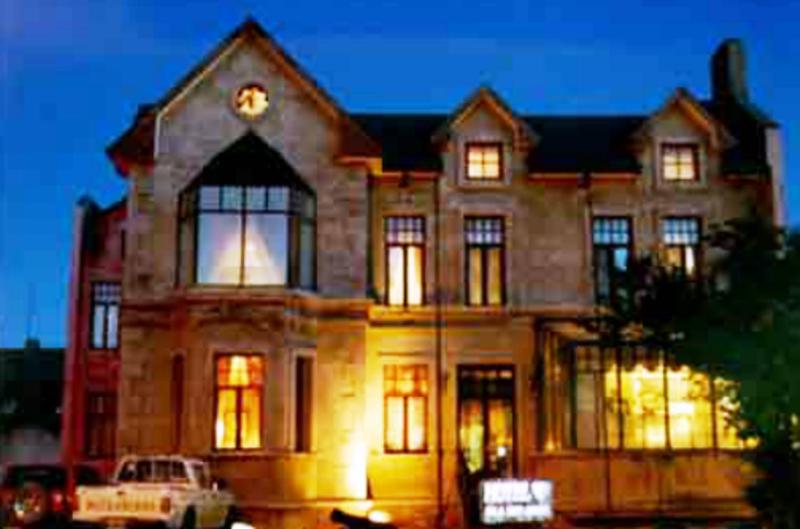
    Punta Arenas Chile hotel Hotel Ilaia

    December through February and Easter week fill earlier than first-timers expect, even for a single night. We would book a refundable room as soon as the PUQ flight is on the calendar, then keep the Natales hotel and park day as the main reservation. Shoulder months (October, November, March, April) often have more space, but the wind does not take a holiday. Heat still matters.

    If your outbound to Natales is a morning bus, message the hotel about late check-in and early breakfast. Punta Arenas dinners run late by US standards, the way they do in Santiago. That does not mean you should stay out. Gateway nights reward people who eat and sleep.

    Hotels we would book in Punta Arenas

    These six are comfort hotels, not hostels. Scores below were current on Booking.com when we built this shortlist. Check the live Booking.com score before you book. We only keep places at 8.0 or above. Dreams del Estrecho is a well-known strait-side name whose listing can move. If you want that casino-hotel vibe, verify the live score the same way.

    Hotel Ilaia

    Punta Arenas Chile hotel Hotel Isla Rey Jorge

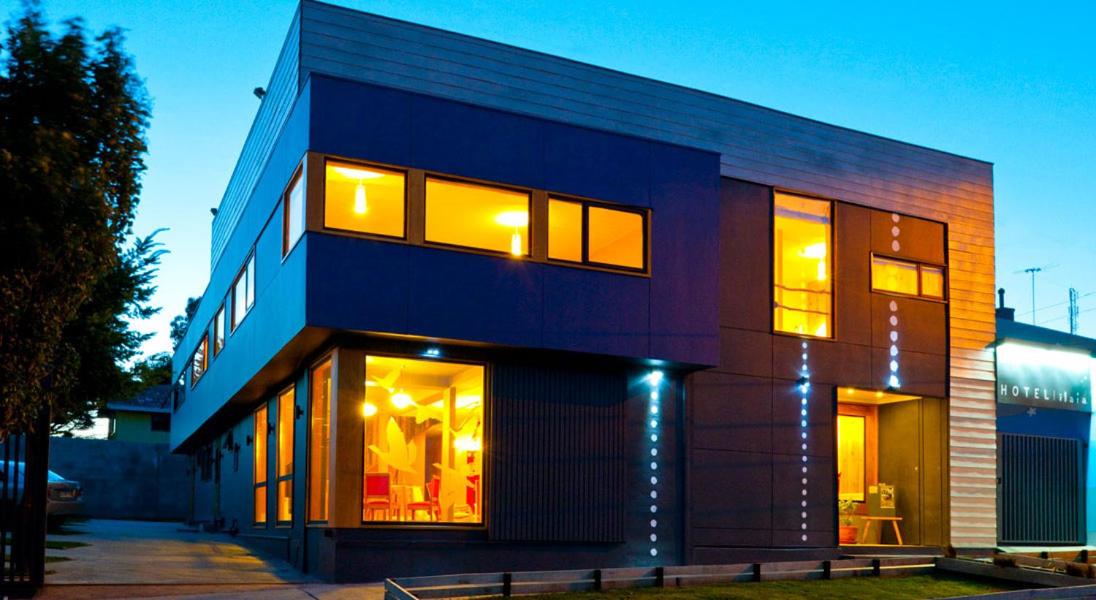
    Hotel Ilaia is the boutique we would shortlist first for a one-night gateway. Recent Booking.com scores sit around 9.3 to 9.4, with guests calling out breakfast, staff, and a calmer house scale than the big plaza hotels. Located in central Punta Arenas, a short ride from the airport and a walkable evening from dinner.

    Small, highly rated, and built for sleep after the SCL flight. We would book it when we want heat, a quiet room, and a staff desk that understands early Natales departures. Confirm late arrival and breakfast time when you reserve.

    • Wonderful recent Booking.com score (about 9.4)
    • Boutique scale, not a casino footprint
    • Paid airport shuttle listed on Booking.com

    Best for couples and first-timers who want the arrival night to feel looked after.

    👉 Check availability here

    Hotel Isla Rey Jorge

    Punta Arenas Chile hotel Hotel Cabo de Hornos

    Hotel Isla Rey Jorge is a traditional in-town hotel we would book when we want a restaurant downstairs and a known address near the plaza. Recent Booking.com scores sit around 8.3. Located in central Punta Arenas, close to the cathedral and the walk most people take after dinner.

    Practical full-hotel energy for a tired arrival. Useful when you want dinner on site if the wind is ugly, then a straightforward taxi to the bus terminal in the morning. Read recent reviews for heat and street-facing rooms if you are a light sleeper.

    • Booking.com score 8.3+
    • On-site restaurant for a no-walk dinner
    • Central location for a short stay

    Best for travelers who want a classic hotel, not a boutique house.

    👉 Check availability here

    Hotel Cabo de Hornos

    Punta Arenas Chile hotel Hotel José Nogueira

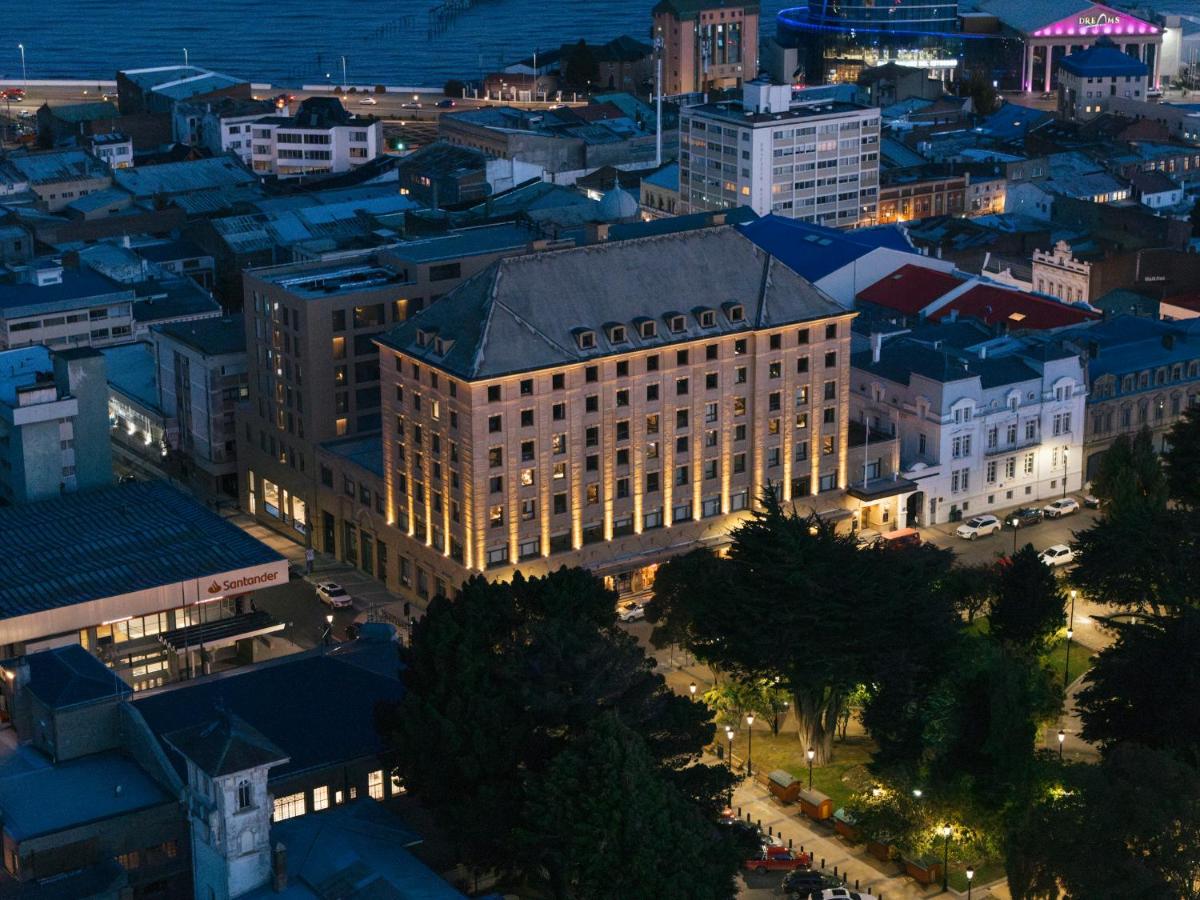
    Hotel Cabo de Hornos sits on the main square and is the landmark stay we shortlist when location does the work. Recent Booking.com scores sit around 9.0 from a large review base. Located on Plaza Muñoz Gamero, which makes the evening walk simple and the morning taxi easy.

    The plaza hotel when you want to know exactly where you are. We would book it for a late landing: drop bags, eat nearby, sleep, leave. Confirm your room category in recent reviews if you care about views versus quiet.

    • Wonderful Booking.com score (about 9.0)
    • Plaza location for dinner and orientation
    • Airport shuttle listed as an extra

    Best for first-timers who want a central, well-reviewed full hotel.

    👉 Check availability here

    Hotel José Nogueira

    Punta Arenas Chile hotel Hotel Rey Don Felipe

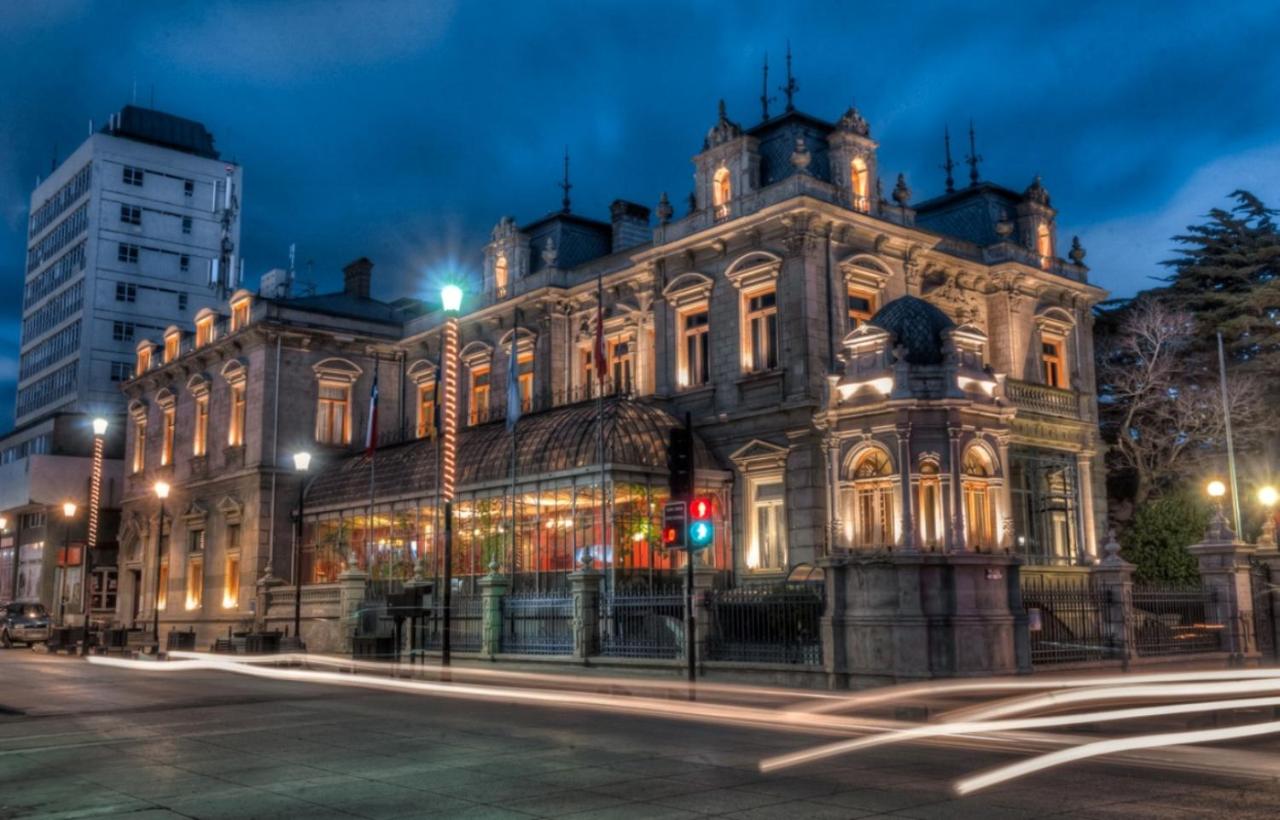
    Hotel José Nogueira is the heritage mansion we would shortlist when the gateway night should still feel like a place, not a hallway. Recent Booking.com scores sit around 8.5 to 8.6, with a very strong location score near the square. Located on Bories, by the plaza and museum cluster.

    Historic rooms with a central walk to dinner. Choose it when you want character and still need an early exit to Natales. Ask about heating and room size in recent reviews. Older buildings in the far south reward that extra check.

    • Excellent Booking.com score (about 8.6)
    • Heritage building beside the plaza
    • Strong couple location score on Booking.com

    Best for travelers who want a memorable one-night stay without leaving the center.

    👉 Check availability here

    Hotel Rey Don Felipe (Almasur Punta Arenas)

    Punta Arenas Chile hotel Hotel Diego de Almagro Punta Arenas

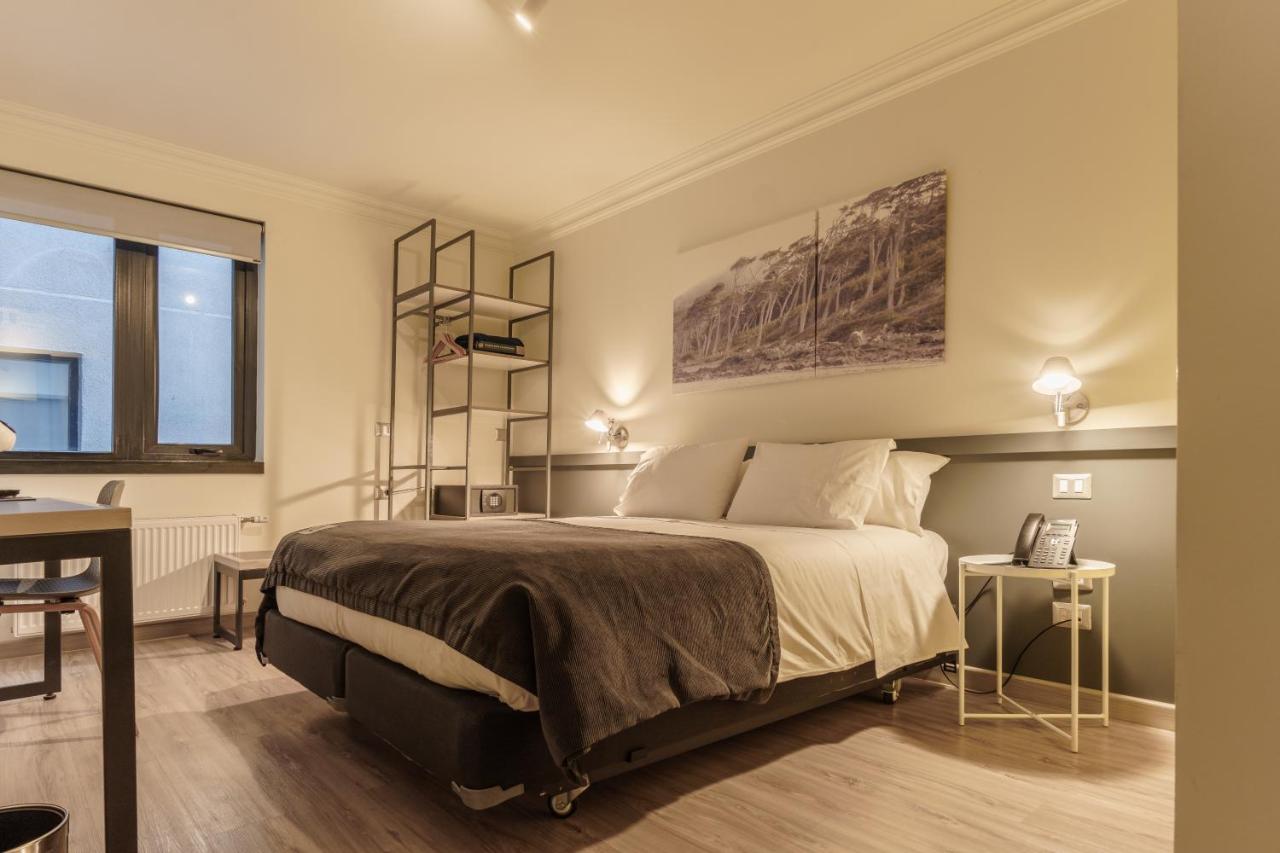
    Hotel Rey Don Felipe now appears on Booking.com as Almasur Punta Arenas. Recent scores sit around 8.4 to 8.6 depending on the listing you open. Located a short walk from the beach and a few blocks from the square, with the kind of full-hotel amenities that help after a long flight.

    A known name with gym, restaurant, and parking when you want predictability. We would book it when Ilaia is full and we still want an 8.0-plus score plus on-site dinner. Search the Booking.com page under either name so you do not double-book the same building.

    • Booking.com score 8.4+
    • Restaurant and fitness listed on the property page
    • Walkable to dinner without a long waterfront hike

    Best for travelers who want a larger hotel and a familiar brand feel.

    👉 Check availability here

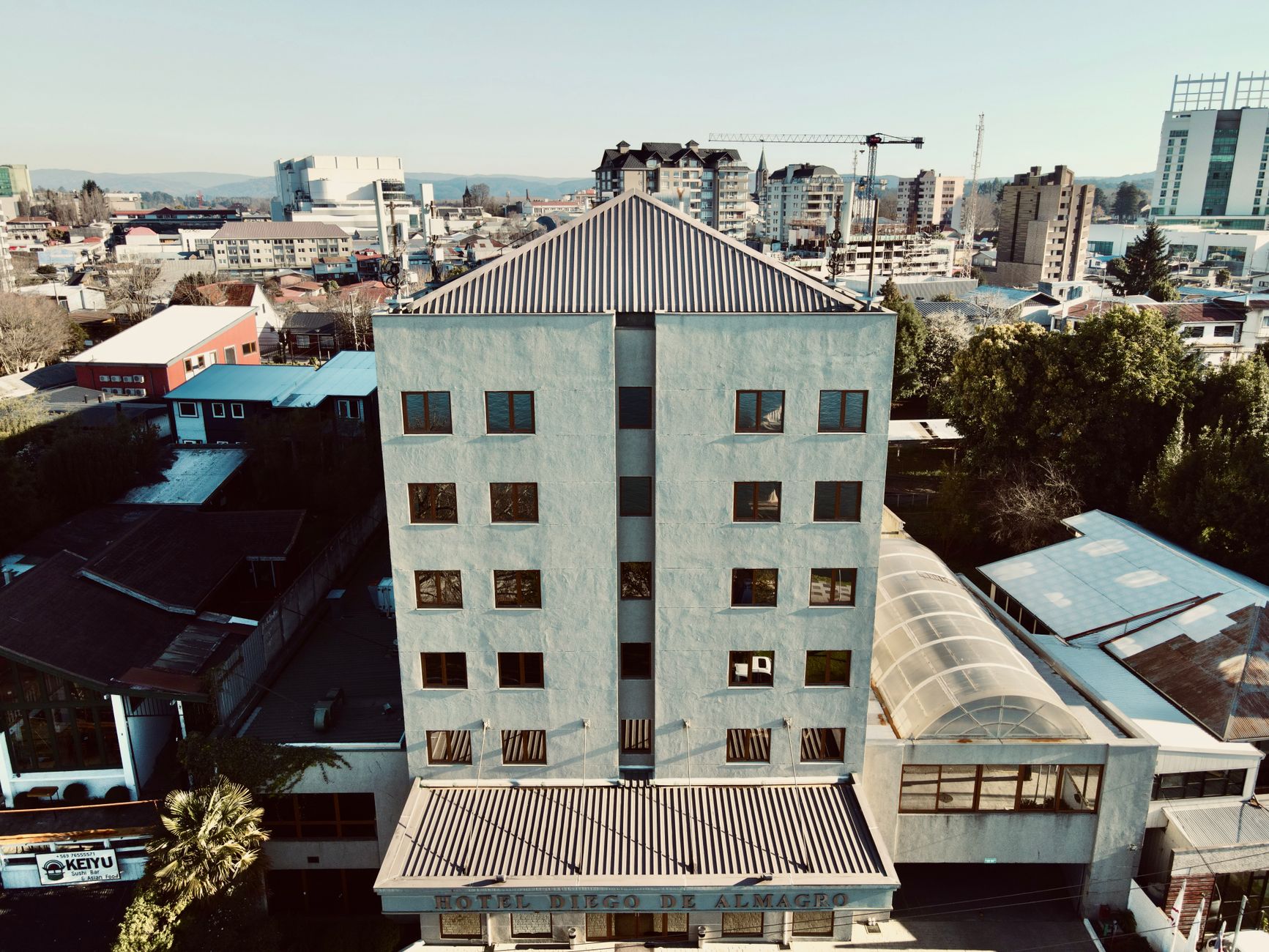
    Hotel Diego de Almagro Punta Arenas

    Hotel Diego de Almagro Punta Arenas is the strait-side chain hotel we would book when we want a pool, a restaurant with late hours, and a waterfront address after the flight. Recent Booking.com scores sit around 8.3. Located on Avenida Colón, on the Magellan Strait.

    The practical waterfront alternative when you want amenities more than boutique charm. Guests mention English-speaking staff, breakfast, and the indoor pool. We would pick it over a casino-hotel listing we cannot keep at a stable 8.0. If you specifically want Dreams del Estrecho, check that live Booking.com score the same day you pay.

    • Booking.com score 8.3+
    • Indoor pool and on-site restaurant
    • Strait location with easy taxi access

    Best for families and tired arrivals who want chain-hotel reliability on the water.

    👉 Check availability here

    How we would spend the one night

    6 Best Hotels in Punta Arenas (2026 edition)

    Land, take a pre-booked transfer or official taxi, check in, and eat a real dinner. Walk the plaza if daylight and energy allow. Do not wander empty waterfront stretches with a phone in your hand at midnight. That is the same evening rule we use in Santiago’s eastern neighborhoods, just colder.

    Confirm tomorrow’s bus or private transfer before you go to sleep. Keep layers in the carry-on, not the checked bag you might not see until Natales. A charged phone and an eSIM already installed matter if the airport Wi-Fi drops and you need to reach a driver.

    Punta Arenas vs going straight to Natales

    Skip this hotel night if you land early, the transfer is booked, and you still have daylight for the drive. Keep it if you land late, you are traveling with someone who hates stacked travel days, or you want a buffer before park tickets. We have watched paper itineraries that look efficient until a delayed SCL connection turns them into a midnight arrival on a gravel-adjacent highway. That is not how we start a comfort Patagonia chapter.

    Once you reach Natales, switch to the park-base conversation. Our hotels in Puerto Natales shortlist is the next booking, not a second night here.

    Booking order that reduces stress

    • Lock Santiago → Punta Arenas flights first
    • Book this gateway hotel refundable if the arrival time is still moving
    • Book the Natales hotel and the park day as the main stay
    • Reserve the PUQ → Natales transfer or bus once both hotels are firm

    We hope this helps you treat Punta Arenas as a calm landing, not a missed destination. Start with Ilaia or Cabo de Hornos if you want the highest recent scores, then move south. The strait is beautiful. The towers are why you came. Sleep first.

  • Where to Stay in Puerto Natales 2026 (Torres Base)

    Where to Stay in Puerto Natales 2026 (Torres Base)

    Hotels in Puerto Natales Chile: Comfort Bases for Torres Del Paine.

    Official sources: Chile.travel

    For most soft-adventure Patagonia trips, base in Puerto Natales hotels or apartments, then day-trip into Torres del Paine. Book early in peak season.

    Jan & Valeria. We travel to Chile often and love sharing tips to help you experience this beautiful country.

    Affiliate disclosure: some links below (including Booking.com and Airalo) may earn us a commission at no extra cost to you. We only recommend what we would use ourselves.

    Puerto Natales is where soft-adventure Patagonia starts to feel practical. You get real restaurants, a grocery run if you need one, and a warm bed after a windy day in Torres del Paine. We treat Natales as the comfort base for day hikes and guided park days, not as a place to rough it between camping legs.

    Our short answer: Book a highly rated hotel in town with reliable heat, blackout curtains, and an easy walk or short taxi to dinner. Filter Booking.com for recent scores of 8.0 or higher, then confirm cancellation rules if your park weather window is still moving.

    Pair this shortlist with our Patagonia travel guide, day hikes without camping, and Santiago to Patagonia logistics. Install a Chile eSIM before you leave SCL. Coverage thins on park roads.

    Getting to Puerto Natales: Logistics That Shape Your Hotel Choice

    Hotels in Puerto Natales (2026 Edition)

    Most travelers reach Natales by flying Santiago to Punta Arenas (PUQ), then taking a bus or pre-booked transfer. The drive is roughly three hours along open Patagonian roads. Some itineraries add a flight to Puerto Natales airport (PNT) when schedules align, but PUQ remains the more common entry. Either way, your first hotel night should assume you arrive tired, possibly late, and in wind that does not care about your luggage.

    We plan Natales hotels around transfer timing, not just trailhead distance. If you land in Punta Arenas mid-afternoon, you will reach town in time for a real dinner. A morning arrival gives you a buffer afternoon to buy snacks, sort layers, and confirm tomorrow’s park plan before an early start. Book a property with clear check-in instructions and, if reviews mention it, reliable heat. Patagonia rewards travelers who treat the town night as recovery infrastructure.

    Torres del Paine sits about 70 km from Natales. Day trips are normal for soft-adventure travelers who prefer a warm hotel over park camping. Expect 1.5 to 2 hours each way depending on stops, road conditions, and which sector you enter. That math is why we sleep in town: restaurant choice, laundry if you need it, and a bed that does not depend on generator schedules.

    When to Book Your Natales Hotel

    Patagonia’s best-rated Natales hotels fill earlier than first-timers expect, especially for December through February and around Easter week. We would book refundable rooms as soon as flights are locked, then tighten cancellation windows once park entries and guided days are confirmed. Shoulder months (October, November, March, April) often bring better availability and lower rates, but wind and shorter daylight still demand the same heat-and-sleep filters.

    If you are debating between two similar scores, prioritize flexible cancellation over saving a few dollars. Weather reshapes Patagonia plans constantly. A hotel you can shift by one night beats a slightly cheaper non-refundable rate when a viewpoint day gets blown out. For celebration trips where The Singular or Remota is the splurge, book those earlier. Inventory is smaller and the experience is part of the trip budget.

    Why Natales Beats Sleeping Only Inside the Park

    Hotels in Puerto Natales (2026 Edition)

    Park lodges put you closer to trailheads. They also sell out earlier and cost more. Natales gives you restaurant choice, flexible hike days, and an easier recovery rhythm when wind shuts a viewpoint. For most first soft-adventure trips, we would rather sleep in town and day-trip into Torres del Paine.

    The town itself is not a resort strip. It is practical Patagonia: wind, layered clothing, early breakfasts, and evenings that feel good when your hotel room is quiet. That is the point. You want sleep that resets you for another outdoor day.

    What We Filter for on Booking.com

    • Recent guest score 8.0+ (we use 8.5+ when a property is unfamiliar)
    • Heat and hot water called out in recent reviews
    • Walkable dinner or clear taxi/ride-app access
    • Flexible cancellation while weather and park tickets settle
    • Early breakfast or packed-lunch help for trail days

    What to Pack for Patagonia Nights in Town

    Your hotel room should handle heat and hot water. Your day bag still needs layers because Natales evenings cool fast and park days swing from sun to sideways rain. We pack a light down or synthetic puffy for dinner walks, a rain shell that actually closes, and dry socks you save for indoors only. Patagonia humidity makes “almost dry” clothing miserable at night.

    • Sleep kit: eye mask (summer daylight lingers), earplugs if you are a light sleeper, lip balm for dry wind
    • Trail-to-town transition: camp towel or quick-dry layer if your room shower is the reset point after muddy hikes
    • Power: phone battery pack for long park days; hotel outlets are for recharging you and your gear
    • Cash/card mix: many restaurants take cards, but small shops and tips are easier with some Chilean pesos on hand

    Keep one clean outfit reserved for dinners in town. It sounds fussy until you have spent a day in salt wind and want to feel human at a restaurant table. Hotels with good laundry service or a quick wash sink win extra points on multi-night stays.

    How Many Nights We Would Plan in Natales

    For a Torres del Paine day-hike focus without camping, we usually plan two to four nights in Natales. Two nights works if you have one full park day plus arrival or departure buffers. Three nights is our sweet spot: one arrival evening, two park attempts, one weather backup. Four nights makes sense when you add a boat day, a slower pace, or a Perito Moreno side trip from El Calafate before crossing into Chile.

    Do not count “hotel nights” the same as “park days.” Travel time eats hours. A comfortable Natales base lets you leave early without packing the entire room every morning.

    Hotels We Would Book in Puerto Natales

    These Booking.com properties score 8.0 or higher and fit a comfort-first Natales base. Each card follows the same scannable layout as our best hotels in Santiago shortlist: photo, two short paragraphs, bullets, best-for line, and a Booking CTA.

    The Singular Patagonia Hotel

    Puerto Natales Chile hotel The Singular Patagonia Hotel

    The Singular Patagonia Hotel is the high-end Patagonia stay we shortlist when the room should feel like part of the trip. Located in Puerto Natales / fjord edge.

    Exceptional guest scores and a refined lodge feel after windy park days. Choose it when comfort and service depth matter as much as trail access.

    • Top-tier Booking.com score
    • Special-stay atmosphere for celebration trips
    • Strong recovery base after Torres del Paine days

    Best for couples and travelers who want a memorable Patagonia hotel night.

    👉 Check availability here

    Hotel Simple Patagonia

    Puerto Natales Chile hotel Hotel Simple Patagonia

    Hotel Simple Patagonia is a comfort-forward town base with outstanding recent guest scores. Located in Puerto Natales.

    Practical location for dinners and early starts without giving up polish. A strong default when you want Natales to feel easy.

    • Excellent Booking.com score (9.6)
    • Comfortable in-town logistics
    • Good fit for multi-night day-hike itineraries

    Best for most soft-adventure travelers basing in Natales.

    👉 Check availability here

    Hotel Vendaval

    Puerto Natales Chile hotel Hotel Vendaval

    Hotel Vendaval suits travelers who want a modern hotel feel still planted in town. Located in Puerto Natales.

    Strong reviews for sleep quality and a calmer evening pace. Useful when you want reliability more than lodge drama.

    • High guest score (9.1)
    • Modern hotel comfort
    • Easy dinner-and-sleep rhythm

    Best for couples and first-timers who want a straightforward Natales hotel.

    👉 Check availability here

    El Sendero

    Puerto Natales Chile hotel El Sendero

    El Sendero is a well-reviewed stay for travelers who want character with solid scores. Located in Puerto Natales.

    Good when you want a smaller-scale property that still prioritizes rest. Check recent reviews for heat and quiet rooms before you book.

    • Strong Booking.com score (9.1)
    • Smaller-scale feel
    • Practical for one to three nights

    Best for travelers who prefer a more intimate Natales base.

    👉 Check availability here

    Hotel Costa Australis

    Puerto Natales Chile hotel Hotel Costa Australis

    Hotel Costa Australis is the classic waterfront hotel option when you want a known town landmark stay. Located in Puerto Natales waterfront area.

    Convenient for dinners and morning departures into the park. Confirm your exact room type and recent renovation notes in reviews.

    • Booking.com score 8.3+
    • Waterfront / central Natales convenience
    • Familiar full-hotel amenities

    Best for travelers who want a traditional hotel base in town.

    👉 Check availability here

    Remota Patagonia Lodge

    Puerto Natales Chile hotel Remota Patagonia Lodge

    Remota Patagonia Lodge works when you want a design-lodge atmosphere rather than a pure downtown hotel. Located in Outside town / lodge setting.

    Plan transport for dinners if you are not eating on property. Strong when the architecture and landscape setting are part of why you came.

    • Distinctive lodge design
    • Booking.com score 8.5+
    • Better for travelers with a car or transfers sorted

    Best for design-minded travelers who accept a lodge location tradeoff.

    👉 Check availability here

    Common Mistakes When Booking Natales Hotels

    • Chasing park proximity over sleep quality. A slightly longer morning drive from town often beats a rustic room where heat and noise are gamble nights.
    • Ignoring recent winter reviews. Scores from summer do not always mention heating. Filter for your travel month when possible.
    • Underbooking nights. One park day with no buffer means wind wins your entire itinerary.
    • Skipping dinner logistics. A great hotel far from walkable restaurants adds taxi friction every evening.
    • Non-refundable rates too early. Patagonia weather and flight delays reward flexibility until plans are firm.

    We have made the “one night only” mistake on paper itineraries. It always looks efficient until a delayed flight or a closed trailhead turns efficient into exhausting.

    Pairing Natales With Nearby Days

    Natales fits naturally into a wider Patagonia arc. Many travelers fly south after Santiago, spend several nights here for Torres del Paine day hikes, then continue to Punta Arenas for the flight out or add El Calafate and Perito Moreno on the Argentine side before or after. If you are building that loop, read our Santiago to Patagonia piece for flight order and our day hikes without camping guide for trail options that do not require a full W-Trek commitment.

    Inside Chile only, we rarely pair Natales with more than one other major region on the same trip. Patagonia deserves depth. A common pattern: Santiago (1 to 2 nights), Natales (3 nights), fly back north or continue to the Lake District if you have two full weeks. Trying to add Atacama and Patagonia without enough days turns hotel choices into blur.

    For park days themselves, plan one iconic viewpoint attempt plus one lower-stress lake or mirador day. Your hotel is the place you return to when the first day is clouded out. That is not failure. It is Patagonia.

    Natales Hotel vs Park Lodge

    Choose Natales when you want restaurant choice, easier grocery runs, and flexible day-hike logistics. Choose a park lodge when trail access is the whole point and your budget allows early booking. Many trips mix both: two nights in Natales, then one lodge night if it fits.

    Booking Order That Reduces Stress

    • Lock flights Santiago → Punta Arenas or Puerto Natales first
    • Book your Natales hotel with flexible cancellation when possible
    • Reserve park entries / guided days according to current CONAF and operator rules
    • Keep one buffer evening for weather

    We hope this helps you plan a calmer Patagonia chapter. Start with the shortlist above, re-read recent reviews for heat and quiet rooms, then build the hike days around sleep you can trust. If you are still sketching the wider trip, our Patagonia guide covers season timing, park logistics, and how we think about comfort versus camping. Natales is not the headline view. It is the reason you enjoy the headline view on the right day.

    Frequently asked questions

    Is Puerto Natales better than staying inside Torres del Paine?

    For comfort and restaurant options, Natales wins. Park lodges win if you want maximum trail time and will pay for it. Many first-timers start in Natales.

  • Patagonia Day Hikes Without Camping (2026)

    Patagonia Day Hikes Without Camping (2026)

    Patagonia day hikes without camping: soft adventure from a real bed.

    Official sources: Chile.travel

    You can see Torres del Paine without camping by basing in Puerto Natales (or a park lodge) and doing day hikes or guided park days with an early start.

    Jan & Valeria. We travel to Chile often and love sharing tips to help you experience this beautiful country.

    Affiliate disclosure: some links below (including Booking.com and Airalo) may earn us a commission at no extra cost to you. We only recommend what we would use ourselves.

    Not every Chile trip needs a backpacking circuit. The first time we mapped Torres del Paine on a kitchen table in Santiago, we realized we wanted the views without carrying a tent through wind that rewrites your plans. For comfort-first travelers, the winning pattern is simple: sleep in Puerto Natales, start early, hike a day route that matches your fitness, and return to a hot shower.

    This page is the planning layer. Trail conditions change with weather and park rules, so always confirm with official Torres del Paine and CONAF sources before you go. We are not publishing specific trail distances or times we have not verified on the ground. Use this guide for the comfort frame, booking order, and what to expect.

    The Comfort Pattern

    Patagonia Day Hikes Without Camping (2026 Edition)

    Day hiking Patagonia from a town base looks like this:

    • Base in Puerto Natales for restaurants, groceries, and a proper bed
    • Book transport or a guided day if you do not want to drive gravel in wind
    • Start early enough to finish before dark and before weather shifts
    • Carry layers, water, snacks, and offline maps
    • Treat the park as an offline zone for phone signal
    • Keep a spare weather day in town before your flight home

    That last bullet is the one people skip. Patagonia wind can close viewpoints or turn a clear morning into a difficult afternoon. We book Natales nights on both sides of a hike day so we can swap dates without panic.

    Breakfast timing matters. Many hotels offer early boxes if you ask the night before. We set out clothes and pack the night prior so a 5 a.m. wake-up does not become a 6 a.m. departure. Small habits like that keep day hikes feeling adventurous instead of chaotic.

    What Day Hiking Is (and Is Not)

    Day hiking means you are not sleeping in tent camps along the W or O circuits. It does not mean the trails are easy. Wind, distance, elevation change, and sudden weather still decide the day. If you want the classic Mirador bases and valley viewpoints, plan fitness honestly.

    Day hiking also does not mean you skip park rules. Entry requirements, timed access, and trail closures apply whether you camp or not. Buy through official channels and carry proof the way the park asks on your travel dates.

    The payoff is real: you eat dinner in town, sleep in heat, and wake up without repacking a wet tent. For many travelers, that trade is the difference between a memorable trip and an exhausting one.

    Choosing Routes That Match Your Fitness

    Patagonia Day Hikes Without Camping (2026 Edition)

    Torres del Paine day options range from shorter viewpoint walks to long, exposed routes. Be honest about your group. A fit solo hiker and a family with kids need different plans. Guided days can make sense when you want route selection handled and wind forecasts interpreted by someone who knows the park.

    We plan around early starts and conservative turn-around times. Patagonia rewards people who would rather shorten a hike than chase a viewpoint in worsening conditions. If the classic towers view is your must-have, build two possible mornings into your Natales stay, not one.

    For the broader trip frame, including flights and how many nights to book, see our Patagonia Chile travel guide.

    If you are traveling with someone slower or faster than you, agree on a turn-back time before you start. Patagonia is not the place for silent resentment on an exposed ridge. Splitting into different guided groups for a day is also fine. Comfort-first travel includes honest conversations.

    Photography goals change the math. Golden light is brief. Crowds cluster at famous viewpoints mid-morning. If photos matter more than mileage, say that out loud when you pick a route or guide.

    Guided Days vs Self-Drive

    Guided day tours remove gravel driving in gusty conditions and simplify park entry timing. You trade flexibility for logistics ease. For a first Patagonia trip, that trade is often worth it.

    Self-drive works if you are comfortable on unpaved roads, early starts, and navigation without cell signal. Read driving in Patagonia before renting. We do not tell most travelers to rent a car for all of Chile. In this region, a car for specific days can make sense if you know what you are signing up for.

    Park lodges as a base shorten drive time on hike mornings. They cost more and book earlier. Compare that option on our Puerto Natales hotels page against staying in town.

    What to Pack for a Park Day

    Layers beat a single heavy jacket. Wind cuts through cotton. Pack a waterproof shell, hat, gloves, and sunscreen even when the morning looks mild. Water and snacks matter because services inside the park are limited and weather can slow you down.

    • Waterproof/windproof outer layer
    • Insulating mid-layer you can remove
    • Hat and sunglasses
    • More water than you think you need
    • Offline maps downloaded before you leave Natales Wi-Fi
    • Power bank (cold drains phone batteries faster)
    • Park entry proof and ID as required on your dates

    Install a Chile eSIM in Santiago for town connectivity. Expect weak or no signal on many park roads. Details: Patagonia eSIM.

    Booking Checklist

    Work through this list in order:

    • Flights to southern Chile via Santiago to Patagonia planning
    • Hotel nights on both sides of your hike day
    • Park access rules and tickets for your dates (official channels only)
    • Guided day or transport timing back to Natales before dark
    • Weather buffer day in town
    • eSIM plus offline maps

    Peak season (Chilean summer) fills Natales lodging before park tickets become the bottleneck. Book sleep first, then park access, then tours.

    Common Mistakes We See

    One hike day, no buffer. Wind and cloud cover are normal. Two possible mornings fixes most disappointment.

    Underestimating drive time. Natales to park gates is not a five-minute errand. Build early starts into your plan.

    No offline maps. Signal drops. Paper or downloaded maps are not optional.

    Treating day hikes like a city walk. Distance and exposure matter. Turn back when conditions change.

    Skipping lunch water. Cafes inside the park are limited. Pack more than you think you need.

    Booking only one night in Natales. You need at least two hike attempts worth of lodging, ideally three or more nights total in town.

    Frequently Asked Questions

    Can you hike Torres del Paine as a day trip? Yes for selected trails and viewpoints. Distances and wind make an early start and a buffer day smart. Confirm current trail status with park authorities.

    Do you need to camp to see the towers? No. Many travelers see major viewpoints on day routes or guided days from Natales or park lodges.

    Is a guide necessary? Not always, but guides help on first visits when route choice and weather interpretation matter.

    Hub: Patagonia Chile travel guide. Getting there: Santiago to Patagonia. Stay: Puerto Natales hotels.

    We plan Patagonia around comfort and respect for the weather. Sleep well in Natales, start early, and give yourself a second chance at the views. That is how we would book it again.

    Frequently asked questions

    Can you hike Torres del Paine as a day trip?

    Yes for selected trails and viewpoints. Distances and wind make an early start and a buffer day smart. Confirm current trail status with park authorities.

  • Patagonia Chile Travel Guide 2026: Soft Adventure Without Camping

    Patagonia Chile Travel Guide 2026: Soft Adventure Without Camping

    Patagonia Chile travel guide: how we plan a soft-adventure first trip south of Santiago.

    Official sources: Chile.travel

    For most first trips to Chilean Patagonia, fly Santiago to Punta Arenas or Puerto Natales, base in Puerto Natales, and do Torres del Paine as day hikes or guided days rather than a full camping circuit.

    Jan & Valeria. We travel to Chile often and love sharing tips to help you experience this beautiful country.

    Affiliate disclosure: some links below (including Booking.com and Airalo) may earn us a commission at no extra cost to you. We only recommend what we would use ourselves.

    The first time we talked about Patagonia on a long flight into Santiago, Valeria framed it the way her family still does: you do not try to see all of southern Chile in one rush. You pick a base, you respect the wind, and you let the mountains set the pace. That mindset is the spine of this guide.

    Patagonia is the chapter most readers ask about after Santiago. Our practical hub starts with logistics we already cover on the Santiago to Patagonia route, then expands into where to base, how to hike without camping, and what to book early. Where we have not yet published a stayed-and-verified hotel shortlist, we say so and keep the advice at neighborhood and booking-order level.

    Our short answer: fly south from Santiago, base in Puerto Natales, and plan Torres del Paine as day hikes or guided park days rather than a full camping circuit. That is the comfort-first frame we recommend for most first trips.

    Who This Patagonia Trip Is For

    Patagonia Chile Travel Guide (2026 Edition)

    This guide is for travelers who want Torres del Paine views without carrying a tent. Soft adventure by day, a real bed at night. If you are training for a multi-day W or O circuit with refugio nights and pack weight, use CONAF and official park booking systems for that layer. Our pages are the city-base and comfort planning around that decision.

    We also write for people pairing Patagonia with one other Chile region, not three. A Santiago stopover plus Patagonia is a full trip. Adding Atacama or Easter Island in the same vacation usually means rushing both. Depth beats checklist tourism here.

    You do not need to be an expert hiker. You do need honest fitness self-assessment, layers for wind, and at least one weather buffer day in town. Patagonia rewards calm preparation more than gear obsession.

    We also meet readers who feel guilty about skipping the W Trek. Do not. Chile is long. Patagonia is demanding. Choosing day hikes from Natales is a valid, common, and often more comfortable way to see Torres del Paine. The park does not hand out medals for sleeping in refugios.

    Get There from Santiago

    For most visitors, Patagonia starts with a flight, not a road trip. Santiago to Punta Arenas (PUQ) is the standard gateway. From there you connect by bus or transfer to Puerto Natales. Some seasons offer flights closer to Natales; check current schedules when you book. The overland drive from Santiago is possible, but it is a multi-day project with long distances and variable road conditions. Read Santiago to Patagonia before you romanticize the highway.

    • Fly: Santiago (SCL) to Punta Arenas (PUQ) or seasonal options toward Puerto Natales. This is the default for most visitors.
    • Drive the whole way: Possible, but not a casual weekend. See Santiago to Patagonia and driving in Patagonia before committing.
    • Connect: Install a Chile eSIM before you leave SCL. Expect dead zones on park roads. Details: Patagonia eSIM.

    We buffer at least one night in Santiago on each end of a Patagonia leg. Flight delays, luggage issues, and jet lag are easier to absorb in the capital than on a tight connection south. If you need a neighborhood framework for those nights, start with where to stay in Santiago.

    From PUQ, the bus or transfer to Puerto Natales takes a few hours. Treat that as a travel day, not a hike day. We arrive in Natales, walk the waterfront, buy snacks for tomorrow, and sleep. Starting a park mission the same evening you landed in Punta Arenas is how people arrive exhausted before the real trip begins.

    Where to Base in Chilean Patagonia

    Patagonia Chile Travel Guide (2026 Edition)

    Puerto Natales is the comfort-first base for Torres del Paine day trips. You get real restaurants, grocery runs, laundry, and a warm night after windy trails. Book a proper hotel or apartment in town, then day-hike or join a guided park day. Mountain lodges inside or beside the park cost more and sell out earlier. We are building a dedicated Puerto Natales hotels shortlist as we verify stays.

    Punta Arenas makes sense if your itinerary includes the city itself, a Strait of Magellan context day, or a flight schedule that lands late. For pure Torres del Paine access, most comfort-first travelers still prefer Natales as the sleep base.

    Park lodges win when trail time is the whole point and your budget allows. You trade town convenience for proximity. Either way, reserve lodging before peak-season flights fill. Natales hotels in January and February can sell out while you are still debating trail routes.

    When we filter hotels in Natales before our verified cards go live, we look for walkable dinner, reliable heat, blackout curtains for early starts, and cancellation flexibility in shoulder season. Central Natales keeps taxi math simple on tired hike nights. Details and booking framework: Puerto Natales hotels.

    Day Hikes Without Camping

    You can see Torres del Paine without a backpacking circuit. The winning pattern: sleep in Puerto Natales, start early, hike a day route that matches your fitness, return to a hot shower. Wind, distance, and sudden weather still decide the day. Day hiking is not the easy option. It is the comfort option.

    Start with our dedicated Patagonia day hikes without camping guide for route framing, packing, and booking order. Trail status and park rules change. Always confirm with official Torres del Paine and CONAF sources before you go.

    If you want the classic Mirador bases and valley viewpoints, plan fitness honestly and keep a spare weather day in town. Patagonia wind is not a metaphor. It can turn a moderate trail into a hard day. We would rather shorten a hike and enjoy dinner in Natales than push through and limp back after dark.

    When to Visit Patagonia

    Chilean summer (roughly December through February) brings the longest days and the busiest trails. Shoulder months (October to November, March to April) can offer fewer crowds and still-reasonable weather, with more unpredictability. Winter is quieter and colder. Some services scale back.

    We plan around daylight and wind more than postcard temperatures. A cool, clear morning beats a warm afternoon with gusts that close viewpoints. Build flexibility into your Natales nights so you can swap hike days when the forecast shifts.

    Pack for four seasons in one day. Even in summer, mornings can feel cold, afternoons windy, and rain showers appear without drama. Quick-dry layers beat cotton. Sturdy shoes with grip matter more than fashion. Sunscreen reflects off water and ice fields. This is soft adventure, not a resort stroll.

    What to Book First (and in What Order)

    Booking order matters more in Patagonia than in Santiago. This is the sequence we follow:

    • Flights SCL to south (lock dates before everything else depends on them)
    • Puerto Natales nights (peak season sells out)
    • Park entry and guided days via official channels
    • Transport between PUQ and Natales if you are not renting
    • eSIM plus offline maps downloaded before the park day
    • Weather buffer day in Natales (non-negotiable in our planning)

    We do not recommend renting a car for all of Patagonia. Most travelers fly between regions. Inside the Natales and park zone, many comfort-first visitors use guided day transport or careful self-drive on gravel. If you do drive, read driving in Patagonia for wind, gravel, and distance context.

    Patagonia Safety and Pace

    Chile overall feels manageable with normal city precautions. Patagonia adds weather and terrain variables. Tell someone your route, carry layers and water, and respect park closures. We never felt unsafe in Natales or on organized park days. We have felt humbled by wind and distance. That is the distinction worth making.

    Phone signal fades on park roads. Losing connectivity also means losing maps, banking, and two-factor codes if you rely on SMS. An eSIM installed before SCL keeps you reachable in town; offline maps cover the park gap. See Patagonia eSIM and is Chile safe? for the broader safety frame we use on every trip.

    Wildlife like guanacos is part of the scenery. Keep distance, do not feed animals, and follow park staff instructions. Trails can be muddy or rocky. Trekking poles help some hikers; they are not required for every day route. Tell your hotel if you are leaving early so breakfast timing is not a surprise.

    Food in Natales is hearty and tourist-friendly without feeling generic. Lamb, seafood, and comfort carbs after long windy days. We eat well in town and pack snacks for the park. Restaurant reservations are rarely mandatory, but peak-week dinners fill up. Walk the main strip on arrival night and pick two backup spots.

    Frequently Asked Questions

    How do you get to Patagonia from Santiago? Fly. The overland drive is a multi-day project. See our Santiago to Patagonia guide for flight vs drive options.

    Can you visit Torres del Paine without camping? Yes. Many travelers base in Puerto Natales or park lodges and do day hikes or guided day tours instead of the W or O circuits. Our day hikes guide covers the comfort pattern.

    How many days do you need? A practical minimum is four to five nights in the region: travel days plus at least two park attempts and one weather buffer. Rushing Patagonia into two hike days is how people fly home with only cloud photos.

    Is Patagonia worth it? For travelers who want dramatic landscapes and are willing to respect weather, yes. It is not a casual add-on. Plan it as a chapter, not a side trip squeezed between other countries.

    Related Chile Guides

    We hope this helps you plan Patagonia with calm confidence. Fly south, sleep well in Natales, and let the mountains do the drama. When your dates are set, move to the day hikes guide and Puerto Natales hotels page for the next booking steps.

    Frequently asked questions

    How do you get to Patagonia from Santiago?

    Fly. The overland drive is a multi-day project. See our Santiago to Patagonia guide for flight vs drive options.

    Can you visit Torres del Paine without camping?

    Yes. Many travelers base in Puerto Natales or park lodges and do day hikes or guided day tours instead of the W or O circuits.

  • Santiago to Patagonia: Distance, Flights & Drive Options (2026)

    Santiago to Patagonia: Distance, Flights & Drive Options (2026)

    Traveling down south from Santiago was something I had been looking forward to for a long time. Patagonia always felt remote and almost unreal, and finally heading there made the whole trip feel like an adventure from the start.

    Patagonia is roughly 2,000 km from Santiago by road. Most travelers fly to Punta Arenas or Puerto Natales (about 3 hours) rather than driving the full distance.

    The first time, I flew with LATAM Airlines, going from city life to wild landscapes in just a few hours. On another trip, I tried part of the journey overland, and that was a completely different experience. Driving in Chile is very different than I’m used to, with long distances and remote roads, but that’s also what makes it so memorable. Read our driving in Patagonia guide for more info.

    In this guide, I’ll show you the best and cheapest ways to travel from Santiago to Patagonia in 2026 so you can pick what fits your trip best.

    Quick reading tip:
    – reliable eSIM for Patagonia’s remote areas
    – Things to do in Patagonia

    Where is Patagonia located

    Patagonia is a vast and remote region located at the southern end of South America, shared by both Chile and Argentina. It stretches from roughly the Colorado River in Argentina all the way down to the southernmost tip of the continent, including the famous Tierra del Fuego.

    Check out Ryan Shirley’s YouTube video above, he’s an amazing video travel blogger.

    On the Chilean side, Patagonia is known for its dramatic fjords, glaciers, and national parks like Torres del Paine. On the Argentine side, it features wide-open plains, rugged mountains, and iconic spots like El Calafate and Mount Fitz Roy.

    Because Patagonia covers such a large area, it’s not a single destination but a region made up of multiple towns and entry points. The most common gateways travelers use are:

    • Puerto Natales (for Torres del Paine)
    • Punta Arenas (southern Chilean Patagonia)
    • Balmaceda (for the Carretera Austral)
    • El Calafate (Argentine Patagonia)

    This size and diversity are exactly what make Patagonia so special, but also why planning your trip from Santiago requires some thought.

    How far is Patagonia from Santiago

    The distance between Santiago and Patagonia depends on where exactly you’re heading, since Patagonia spans a huge part of southern Chile and Argentina.

    On average, you’re looking at anywhere between 1,500 km to over 3,000 km (930 to 1,860 miles). For example:

    • Santiago to Puerto Natales: about 2,400 km
    • Santiago to Punta Arenas: about 3,000 km
    • Santiago to Balmaceda: about 1,600 km

    Travel time varies just as much. A direct flight takes around 3 to 4 hours, while overland travel can take multiple days depending on your route and stops.

    Because of these distances, choosing the right transport option is key to balancing time, budget, and experience.

    Best ways

    There’s no single “best” way to travel from Santiago to Patagonia. It really depends on what kind of trip you want.

    If you’re short on time, flying is the obvious choice. If you’re traveling on a tight budget, buses can save you money. And if you want the journey to be part of the adventure, a road trip or ferry route can be unforgettable.

    Most travelers choose between these four main options:

    • Flying for speed and convenience
    • Taking the bus for the lowest cost
    • Driving for flexibility and scenery
    • Combining ferries for a unique route through fjords

    Each option comes with trade-offs, so it’s worth understanding them before deciding.

    Flying (fastest option)

    Flying is by far the quickest and easiest way to get from Santiago to Patagonia.

    You can fly directly to key southern airports like Punta Arenas, Puerto Natales (seasonal), or Balmaceda. Flight times are typically between 3 and 4 hours, making this the best option if you’re limited on time.

    Prices vary depending on the season, but if you book in advance, you can often find one-way tickets starting around €40 to €100. During peak months, prices can increase significantly.

    Why choose flying:

    • Saves days of travel time
    • Often surprisingly affordable
    • Multiple daily departures

    The downside is that you’ll miss out on the landscapes along the way, but for most travelers, the time saved is worth it.

    Taking the bus (cheapest option)

    If you’re looking to save money, taking the bus is usually the cheapest way to reach Patagonia.

    However, this is a long journey. There are no simple direct routes all the way to southern Patagonia, so expect a combination of long-distance buses and transfers. Travel time can easily exceed 30 to 40 hours depending on your destination.

    That said, buses in Chile are generally comfortable, with reclining seats and overnight options that help cut accommodation costs.

    Why choose the bus:

    • Lowest upfront cost
    • Decent comfort on long routes
    • Good option for slow travelers

    The main drawback is the time investment. For many people, the extra days spent traveling outweigh the savings.

    Road trip (most scenic option)

    A road trip from Santiago to Patagonia is one of the most rewarding ways to experience Chile.

    Driving gives you the freedom to explore at your own pace, stop in smaller towns, and take detours to lesser-known spots. One of the highlights is the famous Carretera Austral, a remote highway known for its incredible scenery.

    This option does require planning. Renting a car, fuel costs, and accommodation along the way can add up. You’ll also need to be comfortable driving long distances, sometimes on gravel roads.

    Why choose a road trip:

    • Maximum flexibility
    • Access to off-the-beaten-path locations
    • Some of the best landscapes in South America

    This is ideal if you have at least 2 to 3 weeks and want the journey itself to be a major part of your trip.

    Ferry routes (unique but slow option)

    Taking a ferry through Patagonia is one of the most unique ways to travel, but it’s definitely not the fastest.

    Ferries connect parts of southern Chile, navigating through fjords, islands, and remote coastal areas that are otherwise hard to reach. Some routes take several days and feel more like an expedition than simple transport.

    This option is less about efficiency and more about the experience.

    Why choose ferry travel:

    • Incredible views of fjords and glaciers
    • A quieter, less touristy route
    • A memorable travel experience

    Keep in mind that schedules are limited, prices can be higher than expected, and weather conditions can affect departures.

    Cheapest way

    The cheapest way to travel from Santiago to Patagonia in 2026 is usually a combination of budget flights or long-distance buses.

    In many cases, booking a low-cost flight early can actually be cheaper than taking multiple buses, especially when you factor in the time saved. Prices can drop surprisingly low if you’re flexible with dates.

    If you’re trying to spend as little as possible:

    • Book flights well in advance
    • Travel outside peak season
    • Compare bus and flight prices before deciding

    For ultra-budget travelers with more time than money, buses still win. But for most people, flying offers the best balance between cost and convenience.

    Best time to travel

    The best time to travel from Santiago to Patagonia depends on what you want to experience.

    The most popular months are from November to March, which is summer in the Southern Hemisphere. During this period, you’ll have longer daylight hours, milder temperatures, and better conditions for hiking.

    However, this is also peak season, meaning higher prices and more crowds.

    If you want fewer tourists and lower costs, consider traveling in the shoulder seasons:

    • October to early November
    • March to April

    Winter travel is possible but comes with challenges like colder weather, limited services, and restricted access to some areas.

    Travel tips

    Planning a trip to Patagonia requires a bit more preparation than other destinations in Chile.

    Here are a few key tips to keep in mind:

    • Book transport early during peak season
    • Pack for unpredictable weather, even in summer
    • Allow buffer time for delays, especially with buses or ferries
    • Check airport locations carefully, as distances between towns can be large
    • Bring layers, as conditions can change quickly

    Being flexible and well-prepared will make your journey much smoother.

    Final Thoughts

    Traveling from Santiago to Patagonia is a journey that can look very different depending on how you choose to do it.

    If you want speed and simplicity, flying is the clear winner. If you’re on a tight budget, buses can get you there for less. And if you’re after adventure and scenery, a road trip or ferry route can turn the journey into a highlight of your trip.

    There’s no single right answer. The best option is the one that fits your time, budget, and travel style.

    Frequently asked questions

    What should travelers know about Santiago to Patagonia?

    Patagonia is roughly 2,000 km from Santiago by road. Most travelers fly to Punta Arenas or Puerto Natales (about 3 hours) rather than driving the full distance.