Punta Arenas to Puerto Natales: treat the transfer as its own southern day.
Jan & Valeria. We travel to Chile often and love sharing tips to help you experience this beautiful country.
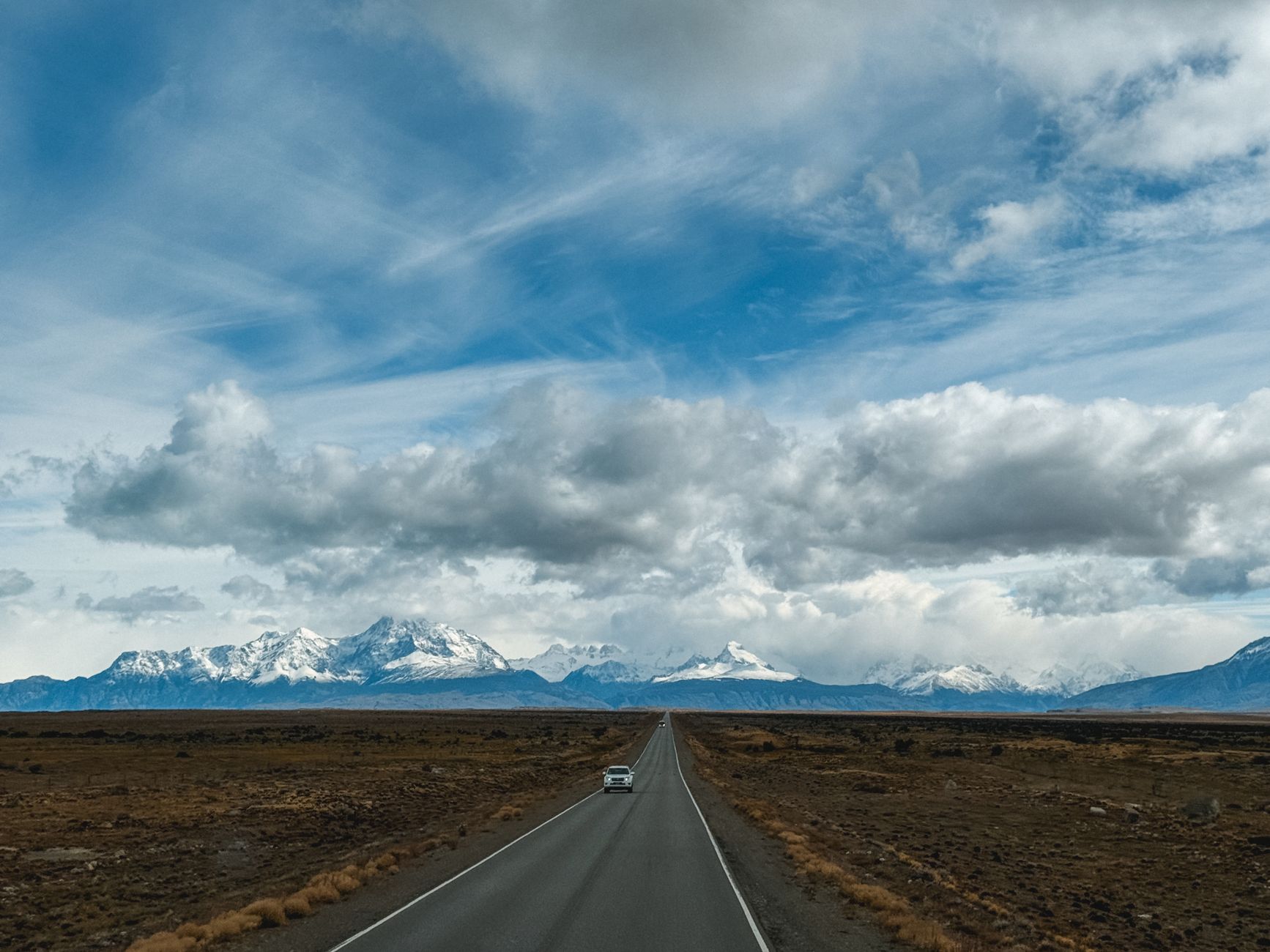
The map makes Punta Arenas and Puerto Natales look like neighbors. They are not. The transfer is a real southern travel day: open steppe, a wind that finds the gap in your jacket even through a bus window, and a few hours of sitting still while the landscape goes wide and pale. We plan it the way we plan a gravel road to hot springs in the Lake District. The moving is part of the day. The reward waits at the other end. Do not stack it on the same morning you want a long park hike.
If you flew into Punta Arenas after Santiago, this is the next hinge. Read it with our Santiago to Punta Arenas notes and the wider Patagonia travel guide. The honest short version: take the bus or a booked transfer, confirm live schedules and fares, arrive in Natales, walk the waterfront, sleep. Torres del Paine starts tomorrow.
The honest short answer
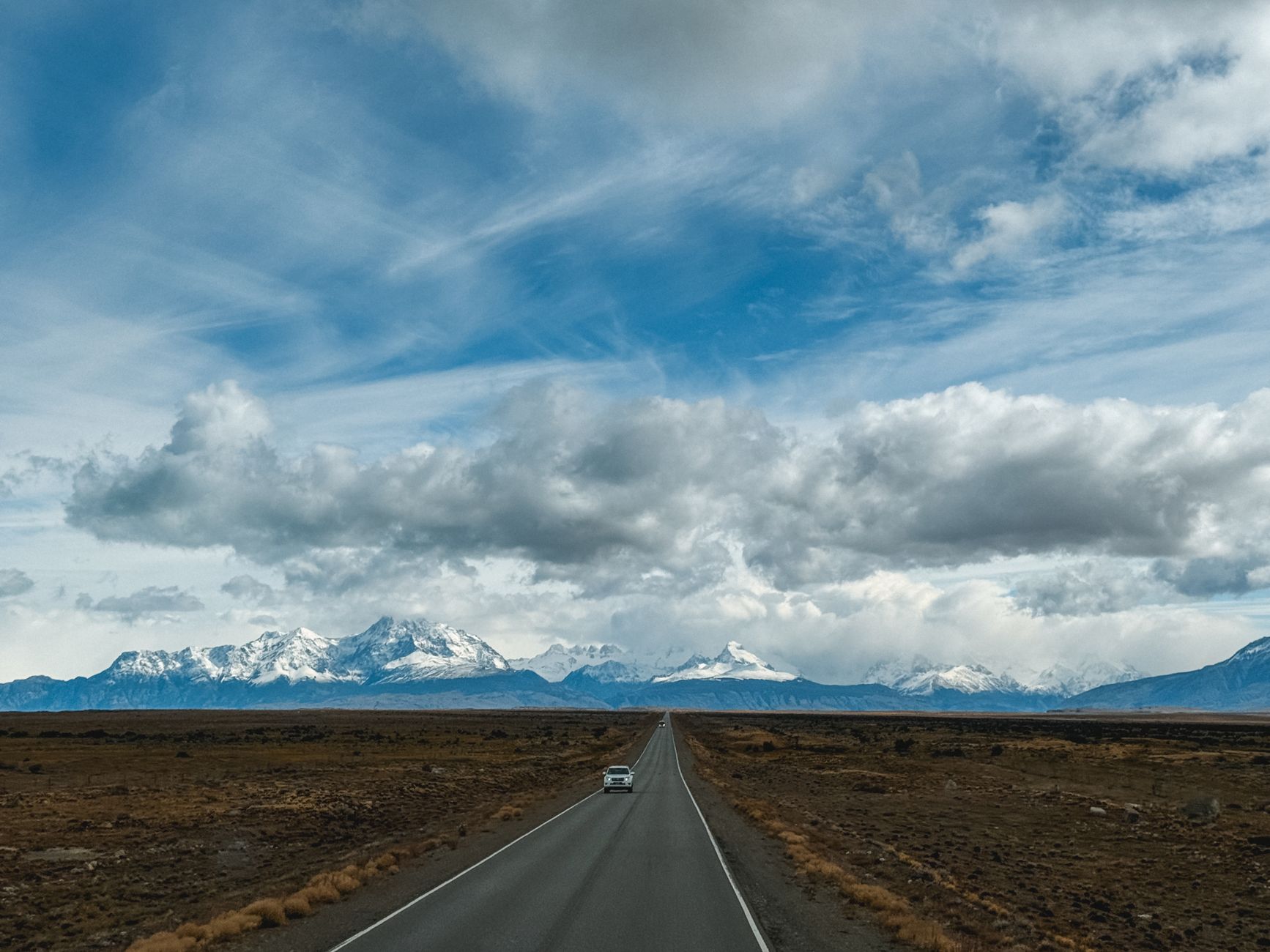
Punta Arenas (PUQ) to Puerto Natales is a straightforward overland transfer on the main southern highway, usually in the three-hour range depending on stops, weather, and who is driving. Buses are the default for most visitors. Private transfers exist if you land late, travel as a couple who want the door-to-door version, or dislike depot logistics after a flight. Confirm current departures the week you travel. Do not lock a hike day to a timetable you copied from a blog last year.
This corridor is not the dangerous part of Patagonia. Weather and fatigue are the parts that sneak up on people. Wind across the steppe can slow a vehicle. A delayed domestic flight can push you onto a later bus. Arriving in Natales hungry, cold, and already thinking about a 5 a.m. park pickup is how a comfort trip starts to feel brittle.
We would rather lose a scenic afternoon than lose the first good weather window in the park. Build the transfer as its own calendar block.
What the transfer actually is
You are moving between two working southern towns. Punta Arenas is the larger gateway, the airport city, the Strait-of-Magellan end of many tickets. Puerto Natales is the comfort-first base for Torres del Paine day hikes. The road between them is the practical spine of a first Chilean Patagonia trip.
Expect a highway day, not a mountain pass epic. The landscape is the story: low light, long views, fences, the occasional guanaco in the distance, a sky that looks bigger than the map suggested. It can feel empty in a beautiful way. It can also feel like a lot of sitting if you just spent a night on a plane. Pack a layer in the cabin bag. Southern bus air conditioning and southern wind do not negotiate.
Terminals and pickup points change with the operator. Confirm the live meeting place with your ticket or hotel. We do not treat “someone will be there” as a plan. We treat a written pickup time and a charged phone as a plan.
Bus vs private transfer
Buses are how most travelers do this. Several companies run the corridor through the day in high season, with a thinner grid in quieter months. Buy from official company channels or a desk that can show you the ticket. Confirm live schedules and fares the week you fly. We do not print a price here because it moves, and invented numbers help no one.
The bus wins when you land with time, travel light enough to handle your own bags, and want the simple public option. Sit on the side that feels brighter if you care about photos through glass. Keep valuables on you, not in an open overhead with a jacket thrown over them. That is Chile-wide habit, not a Patagonia panic rule.
A private transfer wins when your PUQ landing is late, when you are two people who would rather go hotel to hotel, or when you do not want to solve a depot in the wind with jet lag. It costs more. Confirm the live quote. For a comfort-first couple, that money often buys a calmer first night in Natales, which is the night that sets the hike days.
We do not recommend turning this into a self-drive project on day one unless you already know southern gravel, wind, and rental desks at PUQ. Most first trips do not need a car for this hop. If you later want park driving context, read driving in Patagonia before you romanticize the highway. Transfers are still the default we recommend.
What the road feels like
Think steppe more than forest. The ground looks scoured. The light goes sideways. Wind is not a metaphor here. You can watch grass lean and understand why Valeria’s family talks about the far south the way some people talk about the ocean. You do not argue with it. You dress for it and you do not rush the next decision.
On a clear day the emptiness is the pleasure. On a dirty-weather day the same road is just a corridor you want to finish. Either way, this is not a scenic loop with café stops every twenty minutes. Use the bathroom before you leave. Carry water and a snack. Assume the bus will not feel like a Santiago commuter coach.
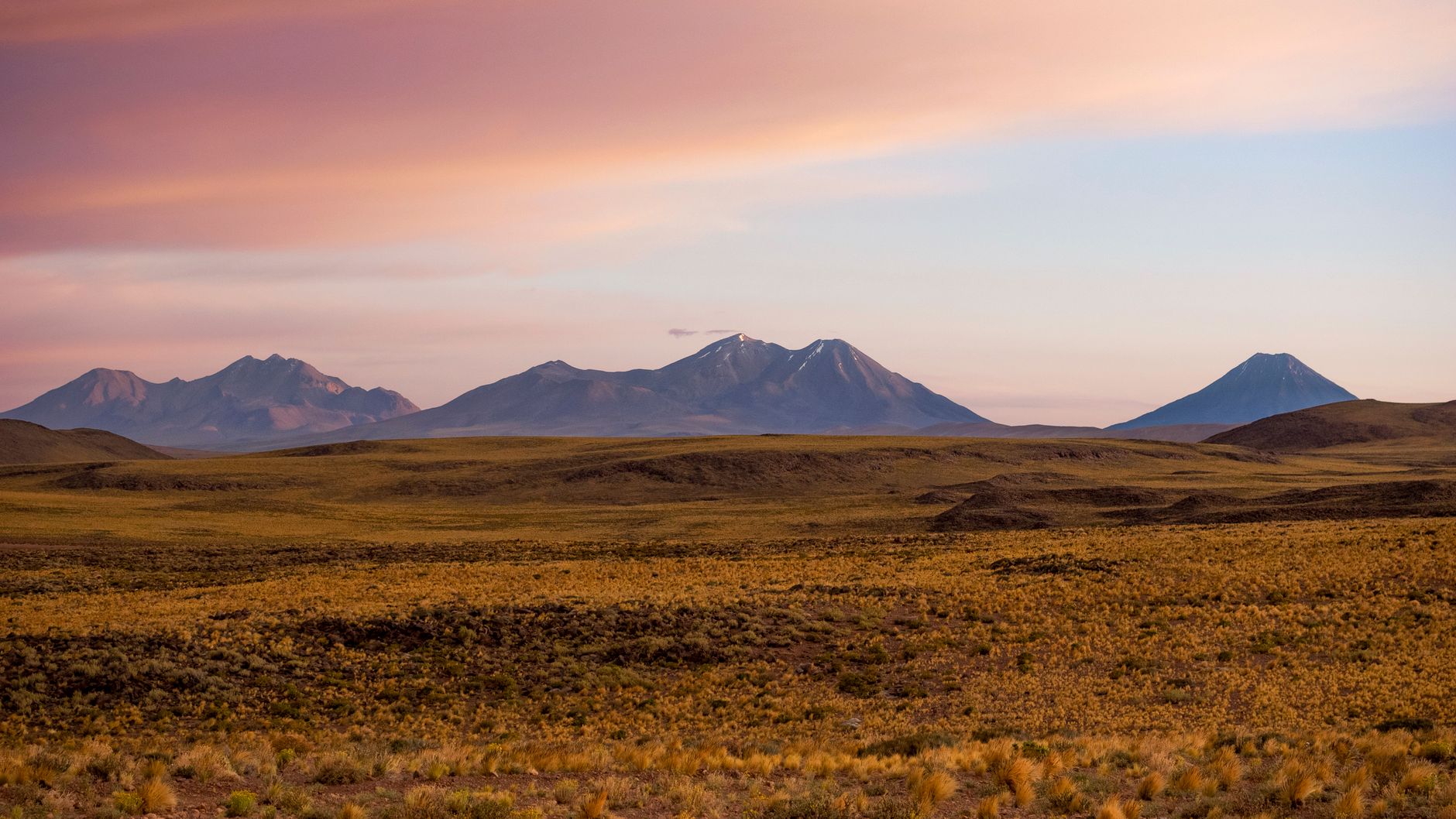
If you are hoping for mountain drama through the window, save that hunger for the park. This stretch is the wide preface. It tells you that Patagonia is distance before it is a viewpoint.
Do not stack this with a hike day
This is the sentence we would print on the boarding pass. A Punta Arenas landing plus a Natales transfer plus a Torres del Paine day is how people arrive at a trailhead already spent. Wind and weather then get to decide the rest. We would rather land, move, sleep, and start fresh.
A practical shape looks like this. Fly SCL to PUQ. Transfer to Natales the same day only if the landing time is honest and the bus or driver is already booked. Check into a real bed. Walk the waterfront. Buy snacks. Sleep. Give the park the next full day, or the day after if you want a weather buffer on both sides. That is the comfort pattern in our day hikes without camping guide.
If your flight lands late, spend the night in Punta Arenas and move in the morning. That is not wasted Patagonia. That is how you keep the first park day beautiful instead of stubborn. Town safety context lives on is Punta Arenas safe? and is Puerto Natales safe?
Arriving in Puerto Natales
Natales should feel like a relief. Smaller scale. Hiking shops. Early breakfasts. People comparing wind forecasts over coffee. The waterfront walk is the right first ritual if you still have daylight. Keep it short if you are cold. The town will still be there in the morning.
Have the hotel address ready before you leave the bus. Use a short ride if the walk with luggage is into weather. Do not start a grocery mission and a gear shop crawl and a late dinner if you already feel hollow. Soft adventure starts after a night of heat in the room.
For where to sleep, use our Puerto Natales hotels shortlist. Book the nights before the transfer, not after you arrive and start refreshing apps in the wind. Peak weeks sell out while people are still debating trail names.
Stay connected on a thin corridor
Signal can thin on the steppe even when town coverage is fine. Install a Chile eSIM before you leave Santiago so PUQ arrivals, bus messages, and hotel check-in are not a hunt for airport Wi-Fi. We use Airalo on most trips and keep the planning notes in our Patagonia eSIM guide.
Download an offline map of both towns and the highway corridor anyway. Losing coverage also means losing the ability to tell a driver you are at the wrong door. A charged battery pack is part of the transfer kit, the same way a dry layer is part of a thermal day.
For the wider safety frame, is Patagonia safe? is the hub. Weather and logistics are the main characters. This road is one of those logistics. Treat it with respect and it stays ordinary.
What we would book, in order
- SCL to PUQ flights, with a Santiago buffer if you are coming from overseas.
- Puerto Natales hotel nights, including the arrival night and a weather buffer.
- The PUQ to Natales bus or private transfer, confirmed live, not copied from memory.
- Park access and any guided day, through official channels.
- eSIM and offline maps before you leave SCL.
We hope this helps you give the transfer the dignity of a real day. Sit with the steppe. Let the wind be the soundtrack. Sleep in Natales. Let the mountains wait until you have a full morning to give them.