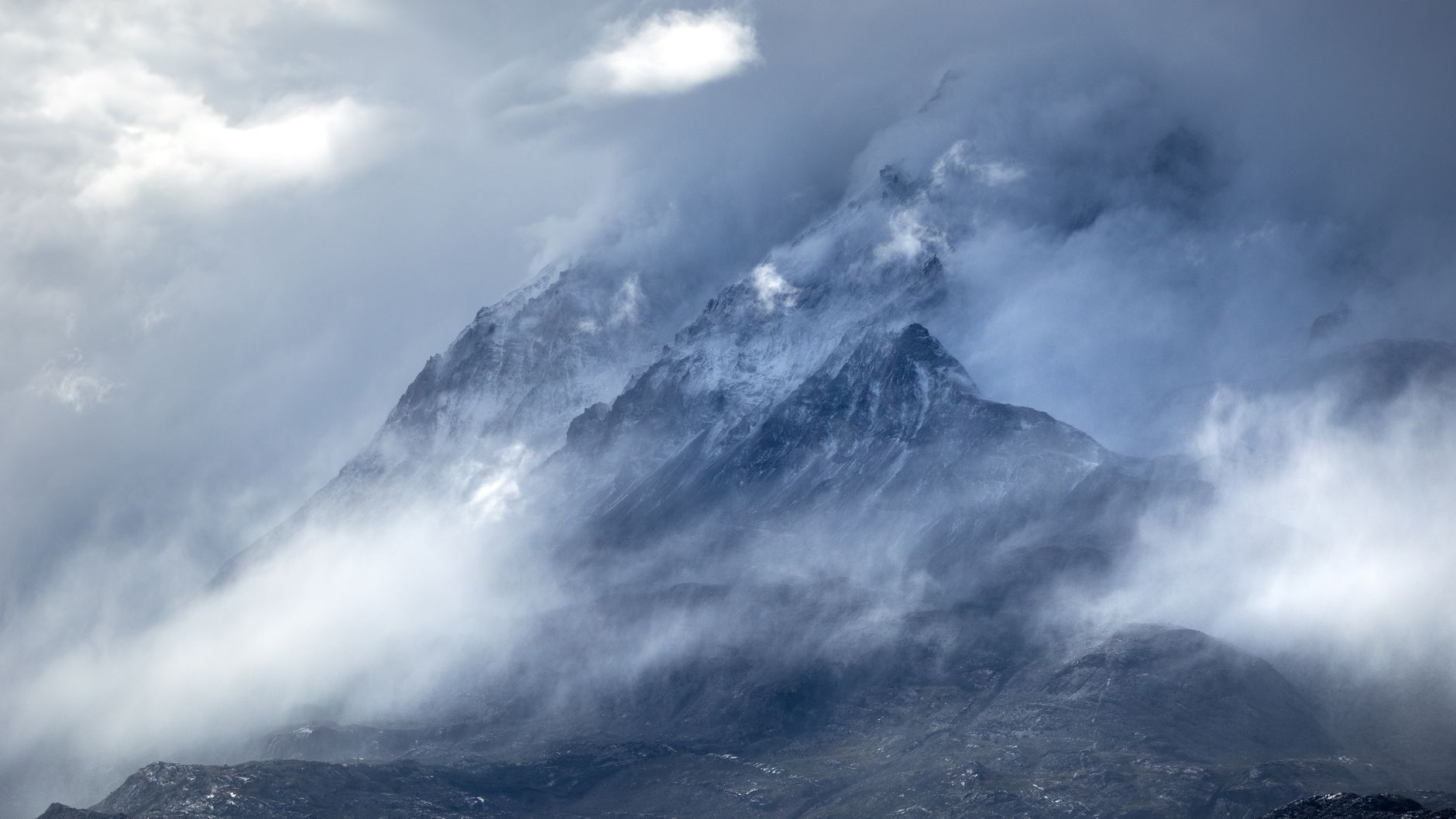
Is Patagonia safe for tourists? Wind, weather, and a calm town base.
Jan & Valeria. We travel to Chile often and love sharing tips to help you experience this beautiful country.
Valeria’s family talks about the far south the way some people talk about the ocean. You do not argue with it. You dress for it. The first time we planned a Patagonia chapter from Santiago, that was the sentence that stuck. Not a crime headline. Not a scare story. Just respect for wind, distance, and weather that changes its mind while you are still zipping your jacket.
Is Patagonia safe? For a first trip based in Puerto Natales, with Torres del Paine as day hikes or guided park days, yes. The risk that actually shapes our planning is nature and logistics, not a feeling that the town is waiting to go wrong. If you already read our Chile safety overview and our Santiago to Patagonia route notes, this page is the southern chapter of that same calm mindset.
The honest short answer
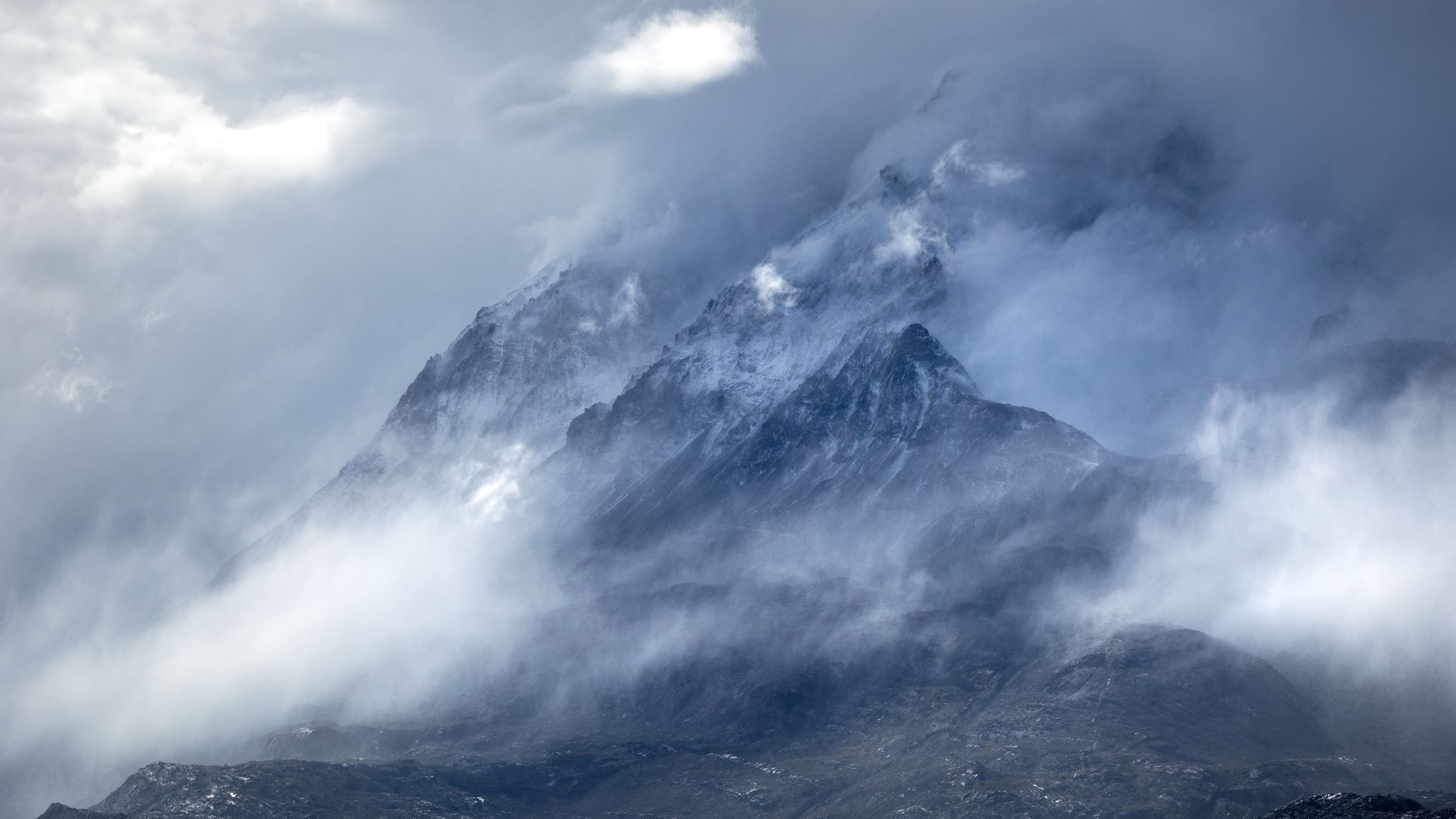
Patagonia is one of the safer-feeling parts of a Chile trip if you stay in the visitor towns, book park access the official way, and treat weather as a real decision-maker. Street crime exists the way it exists in any tourist gateway. Phones on cafe tables. Bags in unlocked cars. That is not the story of the region, and it is not the thing that ruins a day if you keep normal awareness.
What can ruin a day is underdressing for wind, starting a hike late, or treating Torres del Paine like a city park. We plan Patagonia the same way we plan a gravel road to hot springs in the Lake District. The drive is part of the day. The reward is huge. The people who work there do this weather all season, and you are a guest in it.
We would not cancel Patagonia because someone asked “is it safe?” We would add a buffer day, download maps, and keep the overnight base in town instead of camping if comfort is your style. Soft adventure by day. A real bed at night. That is the frame we recommend.
Town safety vs park safety
Puerto Natales and Punta Arenas feel like working southern towns with a tourist layer on top. You will see hiking shops, early breakfasts, and people comparing wind forecasts over coffee. We treat the centers as walkable in daylight, and we use ride options or short, lit streets after dinner. We do not wander empty waterfront stretches with a phone in our hand at midnight. That is the same rule we use in Santiago’s eastern neighborhoods, just with colder air.
The park is a different conversation. Torres del Paine is remote, beautiful, and honest about weather. Trails can close. Wind can turn a simple viewpoint into a lean-in walk. People get into trouble when they start late, skip layers, or assume a clear morning will stay clear. Official park rules and current trail status come from CONAF and the park’s own channels. Check those before you commit the day, not after you are already on the gravel.
If you want the town-level version of this, read is Puerto Natales safe? and is Punta Arenas safe? after this hub. If the mountain is the question, go to is Torres del Paine safe?
What actually makes people nervous
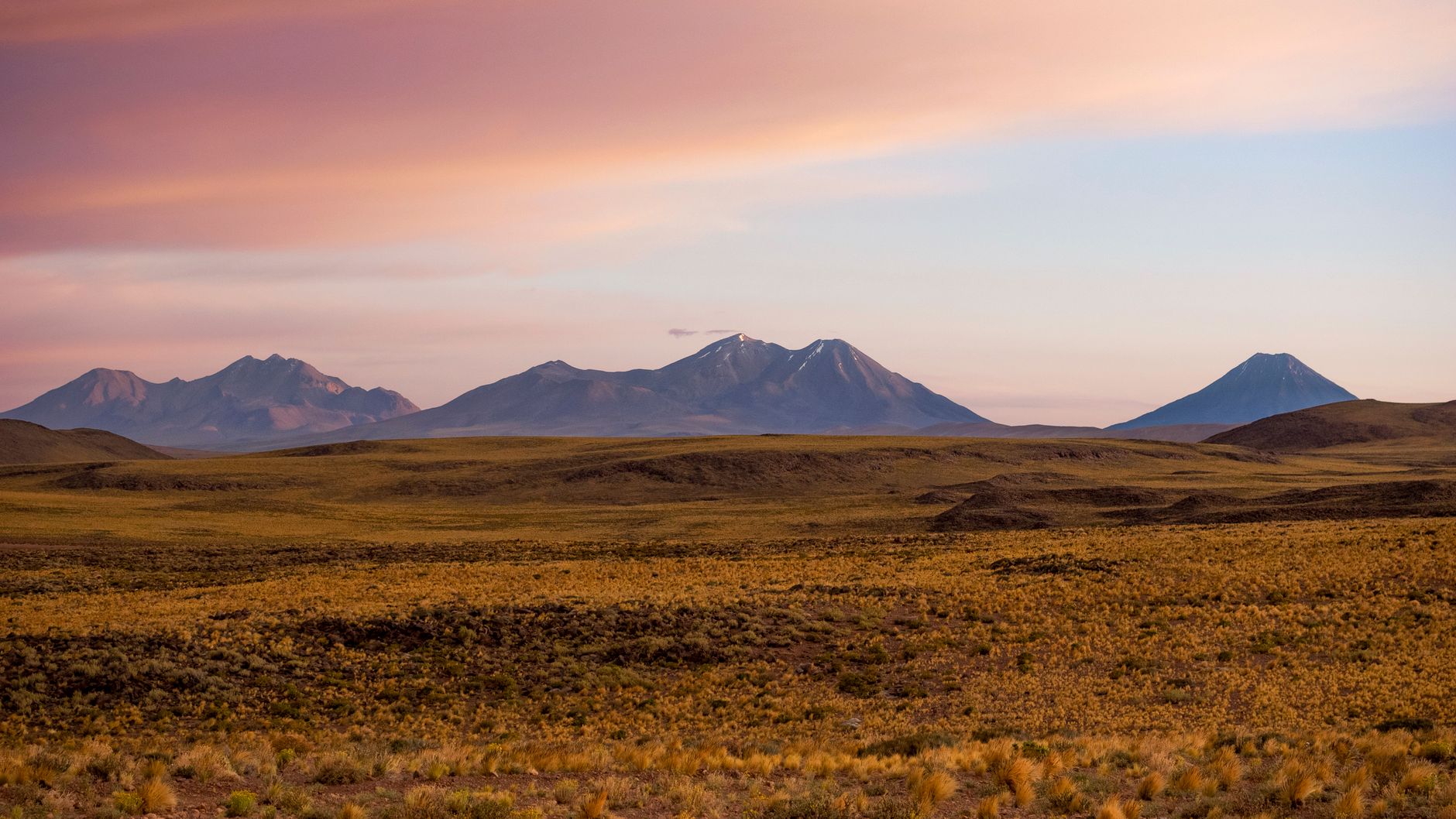
Most readers who write us are not afraid of Patagonia. They are afraid of being underprepared in a place that looks friendly in photos. The pictures are real. The wind is also real. So is the distance between a trailhead and a hot shower.
Weather is the main character
We pack Patagonia like we pack a Lake District thermal day that might turn wet. Warm layer you can put on the second you step out of the water, or off the trail. Rain shell. Something for your hands. The difference is scale. In Pucón you can abort a drive and go back to the hotel. In Torres del Paine, aborting still means a long transfer back to Natales.
Build one empty day into the plan. If the towers hide in cloud, you have not failed the trip. You have used Patagonia correctly.
Distance feels bigger than the map
Santiago to Punta Arenas is a flight, not a scenic afternoon. Punta Arenas to Puerto Natales is a real transfer. Natales to the park is another. None of this is dangerous by default. It is tiring if you stack it on the same day you want a long hike. We would rather land, sleep, and start fresh. Safety here includes not making decisions while you are wrung out from travel.
Pets, cars, and small-town theft
Do not leave backpacks visible in a parked car at a trailhead or a gas station. That is the same Chile-wide habit we already use around Santiago and wine country. In town, keep the phone off the edge of the table when a cafe is busy. None of this is unique to Patagonia. It is just easier to forget when you are staring at mountains.
How we would stay safe without getting tense
We pick a comfort base in Puerto Natales, book park tickets and transfers early in high season, and keep hiking days inside official hours. We tell someone the day’s plan. We carry water, layers, and a charged phone, knowing signal can drop. An eSIM installed before you leave Santiago matters here for the same reason it matters after a soak in the forest: when you lose coverage, you still want banking, bookings, and a way to reach a driver when you have it back.
We do not treat a full W Trek camping circuit as the default. Plenty of first-timers see the park on day hikes or with a guide and sleep in a real bed. If that is you, start with Patagonia day hikes without camping and hotels in Puerto Natales.
Guides earn their fee when weather turns or when you do not know which trail is actually open. Hiring one is not a lack of courage. It is how a lot of comfort-first travelers keep the day beautiful instead of stubborn.
Solo travelers, couples, and night walks
Couples do well here if they accept early nights and early mornings. Dinner in Chile still runs late by US standards, but Patagonia wind makes people honest about going home. We like that. The town does not need to perform nightlife for the trip to feel complete.
Solo travelers should use the same neighborhood logic we use everywhere: busy streets, known restaurant, ride back if the walk feels empty. For country-level context, Chile for solo female travelers still applies. Patagonia does not cancel those habits. It just adds weather on top.
What Valeria’s family actually changes
What Valeria says: People in Chile do not talk about Patagonia as a crime problem. They talk about it as a place you prepare for. Bring the jacket. Do not rush the park. Eat a real breakfast. If the wind is ugly, the mountain will still be there tomorrow. That is the local sentence I wish more packing lists printed.
Would we tell friends to go?
Yes. If someone asked us for one southern chapter after Santiago, this is the one we would protect on the calendar. Not because it is risk-free. Because the feeling people want from Patagonia is still available if you plan like an adult. Wind on your face. A clean bed. Tomorrow’s weather as a conversation, not a panic.
Check live official sources before you travel: the US State Department Chile advisory, CONAF for park rules, and current Torres del Paine access information. Then come back to the practical next step. Book the flight south, pick the Natales base, and leave one day empty on purpose.
We would start that plan with our Patagonia travel guide, then decide hotels and hiking days from there. The south is not asking you to be fearless. It is asking you to be ready.