Category: Chile Travel Safety Guides

Honest, practical Chile travel safety guides per city and region — Santiago, Valparaíso, scams, and solo female travel tips for 2026.

  • Is Valparaíso Safe for Tourists? Opinion from a Frequent Traveler

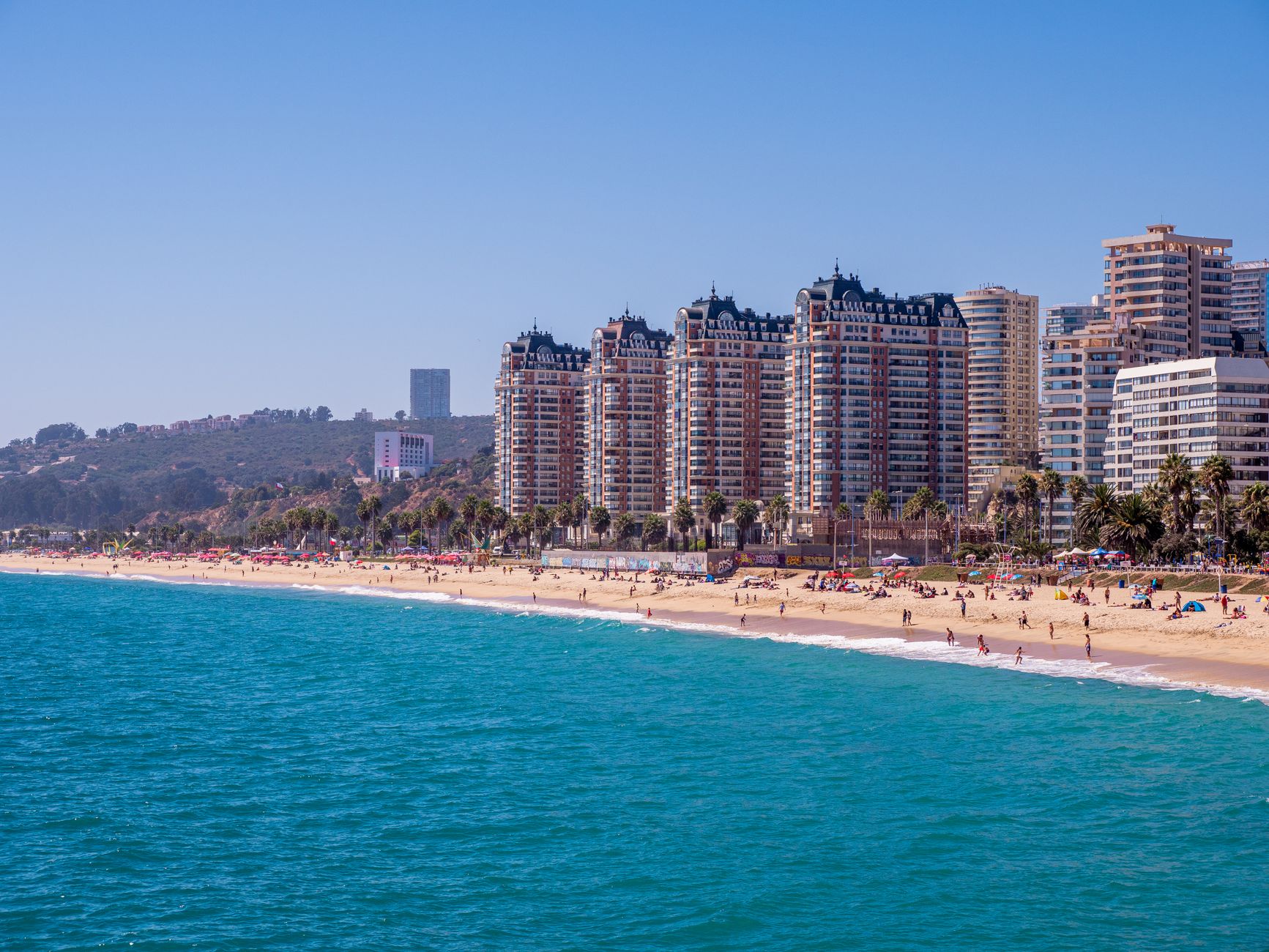
    I’ll be honest with you. Valparaíso is one of my favourite cities in Chile, and also one that requires the most honest conversation about safety. It’s chaotic, colourful, raw, and absolutely unlike anywhere else in the country. My wife grew up hearing stories about Valparaíso, and she has family friends who’ve lived there for decades. So when people ask me whether it’s safe, I don’t give a generic answer. I give them the real one.

    Stay connected: Compare Chile eSIM providers (Airalo vs Holafly vs Nomad) before you fly — it takes five minutes and saves airport hassle.

    The short answer: yes, Valparaíso is safe for tourists, but it comes with more caveats than most cities in Chile, and you need to go in with your eyes open.

    What Makes Valparaíso Different From Other Chilean Cities

    Valparaíso isn’t Santiago. It doesn’t have the polished business districts or the bubble of Providencia and Las Condes. It’s a port city: gritty, artistic, proud, and economically struggling in a way that most of Chile simply isn’t. That contrast between the stunning street art on every wall and the genuine poverty in some of the surrounding areas is part of what makes it so fascinating. It’s also what shapes the safety reality on the ground.

    Valparaíso was declared a UNESCO World Heritage Site in 2003 for its historic quarter and urban architecture, which tells you something about its cultural significance. But heritage status doesn’t come with a safety guarantee, and the city has struggled economically for decades since the opening of the Panama Canal redirected much of the shipping traffic that once made it one of the most important ports on the Pacific coast.

    The tourist areas, especially Cerro Alegre and Cerro Concepción, are genuinely beautiful and, during the day, feel relaxed and welcoming. Boutique hotels, excellent restaurants, sweeping views over the bay. You’ll love it. But step outside those zones, or stay out after dark without a plan, and the picture changes.

    Is Valparaíso Safe During the Day?

    During daylight hours, the main tourist areas of Valparaíso are safe and very enjoyable to explore. The cerros (hills), the funiculars (ascensores), the street art, the seafront. All of this is accessible and fun. I’ve walked around Cerro Alegre and Cerro Concepción many times and never felt in danger.

    That said, petty theft is a genuine issue even during the day. Pickpocketing happens near the port, around Plaza Sotomayor, and at the funicular stations where crowds gather. Keep your phone in your pocket, not in your hand, and wear your bag across your chest. These are simple habits that make a real difference.

    One thing my wife always reminds me: don’t look like you’re lost. Walk with purpose, even if you’re consulting the map. Thieves are opportunistic, and a confused tourist standing still staring at their phone is an easy target.

    Is Valparaíso Safe at Night?

    This is where I have to be direct with you: Valparaíso at night requires genuine caution.

    The Canadian government travel advisory for Chile specifically warns travellers to avoid walking after dark around Cerro Alegre and the other cerros in Valparaíso. Armed assaults and robberies have increased in recent years, and tourists have been targeted even during daylight hours, which tells you something about the nighttime situation.

    This doesn’t mean you can’t go out in the evening. It means you should not be walking unfamiliar streets alone after dark. Use Uber or Cabify to move between places. Stick to the well-lit, busy restaurant areas. Travel with others if you can.

    The nightlife in Valparaíso has a reputation, and there are some genuinely great bars and restaurants worth visiting in the evening. Just get there and back with an app rather than on foot.

    Areas to Avoid in Valparaíso

    The tourist zones are relatively contained. As soon as you move away from the Cerro Alegre and Cerro Concepción area and head toward the lower parts of the city, the risk increases. The port area and surrounding streets, especially after dark, are not places to wander without purpose.

    Some of the outer cerros, away from the tourist circuit, have higher crime rates and are best avoided entirely, especially if you don’t know the city well. My wife’s honest advice, and I’ll pass it on to you: if a hill doesn’t appear on your tourist map, don’t just wander up it to see what’s there.

    In short, stay on the beaten path in Valparaíso. That’s not usually advice I give for travelling Chile, but here it applies.

    Common Scams in Valparaíso

    A few scams pop up regularly in Valparaíso that you should know about:

    Fake tour guides: strangers offering to show you around, often leading you to overpriced shops or, worse, unsafe areas. If you want a guided tour, book one through your accommodation or a reputable agency.

    Overpriced taxis: always agree on a price before getting in, or better yet, use Uber or Cabify where the price is fixed. Tourists are frequently overcharged by unofficial drivers, particularly around the port and bus terminal.

    Pickpocketing at the funiculars: the ascensores of Valparaíso are crowded, slow, and a classic spot for thieves. Keep your bag in front of you and your phone out of sight while waiting in the queue.

    The flat tyre scam: if you’re driving a rental car, be aware that thieves have been known to puncture tyres and then rob tourists while they deal with the damage. If you get a flat in a quiet area, drive slowly to somewhere busy before stopping. This scam is well-documented and happens in both Valparaíso and Santiago.

    The distraction trick: someone bumps into you, spills something on you, or creates a commotion nearby. While you’re distracted, an accomplice goes for your bag or pocket. My wife warned me about this before my first visit, and I’ve since heard it from other travellers too. The solution is simple: if anything unexpected happens physically near you, your first instinct should be to secure your belongings, not to look at what caused the distraction.

    Valparaíso vs Santiago: Which Is Safer?

    This is a question I get often, and the honest answer is that Santiago is generally safer for tourists, mainly because the tourist zones there. Las Condes, Providencia and Vitacura are well-resourced, well-policed, and geographically separated from the higher-risk areas.

    In Valparaíso, the tourist areas and the rougher parts of the city are much closer together, and the boundaries are less obvious. That proximity means you can walk from a beautiful viewpoint into a sketchy street within a couple of minutes without realising it.

    That said, Valparaíso is absolutely worth visiting. I wouldn’t trade my time there for anything. You just need to approach it with a little more awareness than you would Santiago’s upmarket neighbourhoods.

    Is Valparaíso Safe for Solo Travellers?

    Solo travel in Valparaíso is doable, but it demands more awareness than in most other Chilean cities. The backpacker scene is real. There are good hostels on the tourist cerros and plenty of other travellers around during the day. But the advice about not walking alone at night applies especially strongly if you’re on your own.

    If you’re a solo female traveller, I’d encourage you to read some firsthand accounts before you go. Lonely Planet’s Valparaíso guide and travel forums like TripAdvisor have recent reports from solo women that give a very honest picture of the experience. The consensus is pretty consistent: the tourist cerros during the day are fine, but nighttime solo walking is not advisable regardless of gender.

    The best approach for solo travellers is to base yourself on Cerro Alegre or Cerro Concepción, connect with people at your hostel, and explore as a group when possible. It’s not hard to find travel companions in Valparaíso. It’s that kind of city.

    What It Actually Feels Like to Walk Around Valparaíso

    I want to give you something the safety statistics can’t: the actual feeling of being there.

    Valparaíso has an energy that’s completely its own. The streets climb steeply, the buildings are layered on top of each other in every colour imaginable, and around every corner there’s another mural that stops you in your tracks. Street dogs wander freely (a Chilean constant), music drifts out of open doorways, and the smell of the ocean is always somewhere behind it all.

    In the tourist areas during the day, it feels bohemian and alive. You’ll see other travellers, local artists, café owners setting out chairs, and elderly residents making their way up the hills. There’s a warmth to the neighbourhood that’s genuine. My wife describes it as a city that wears its soul on its sleeve. Nothing is hidden, nothing is polished, and that rawness is exactly the point.

    Where the feeling shifts is when the light starts to go. The streets empty faster than you’d expect. The warmth pulls back indoors. That’s your cue to do the same, or at minimum to stop wandering and get an app-based ride to wherever you’re going next.

    It’s not a threatening feeling, exactly. It’s more like the city gently reminding you that it has another side, and you’d be smart not to push it.

    Safety Tips Specifically for Valparaíso

    During the day:

    • Stick to Cerro Alegre, Cerro Concepción, and the main tourist waterfront
    • Keep your phone in your pocket at funicular stations and in crowded areas
    • Don’t carry your passport. Leave it at the hotel and carry a photocopy
    • Book tours through reputable operators, not strangers on the street

    At night:

    • Use Uber or Cabify to get around. Don’t walk between locations in the dark
    • Stay in well-lit, busy restaurant and bar areas
    • Go with company rather than alone
    • Trust your gut. If something feels off, leave

    In general:

    • Don’t flash cameras, jewellery, or expensive phones
    • Keep bag zips facing forward and bags worn across the chest
    • Split your cash across different pockets so you’re never flashing a full wallet
    • Travel insurance is not optional – get it before you fly

    Is Valparaíso Worth Visiting Despite the Safety Concerns?

    Absolutely, yes. This is the part where I want to be clear: I am not telling you to skip Valparaíso. I’m telling you to visit it intelligently.

    The city is extraordinary. The street art alone is worth the trip. It’s not graffiti. It’s a genuinely world-class open-air gallery that covers entire hillsides. The food is excellent, the views over the Pacific are breathtaking, and there’s an energy to the place that you won’t find anywhere else in Chile. My wife lights up every time we talk about going back.

    Go during the day. Explore the cerros. Take the funiculars. Eat seafood by the water. Then get an Uber back to your hotel or head to nearby Viña del Mar for the evening if you want a more relaxed base. That combination gives you the best of Valparaíso without the unnecessary risks.

    Practical Information for Valparaíso

    Getting there from Santiago: The bus is easy, comfortable, and affordable. Companies like Turbus and Pullman Bus run regular services and the journey takes about an hour and a half from the Alameda terminal. It’s genuinely one of the easier intercity trips in Chile.

    Emergency numbers in Chile:

    • Police (Carabineros): 133
    • Ambulance: 131
    • Fire: 132

    The Carabineros de Chile are the national police force and are generally accessible and responsive in tourist areas. If you have an incident, report it, for insurance purposes if nothing else.

    Final Thoughts

    Valparaíso has a reputation, and some of it is deserved. Crime has risen over the past few years, and it’s not a city where you can switch off completely. But it’s also one of the most visually stunning and culturally rich places in South America, and I’d hate for safety concerns to stop people from experiencing it.

    Go informed. Go prepared. And go with the right mindset: aware but not anxious. That’s the sweet spot for Valparaíso, and if you hit it, you’ll leave absolutely in love with the place.

    Just like I did.

    Practical next steps for your Chile trip

  • Is Chile Safe For Tourists? Opinion from a Frequent Traveler

    Chile has built a strong reputation as one of the safest and most stable countries in South America, but like anywhere, it comes with its own nuances. From modern cities like Santiago to remote regions like Patagonia, safety can vary depending on where you go and how you travel. In this guide, you’ll get a clear, experience-based answer to the question “is Chile safe,” along with practical tips to help you travel confidently.

    Stay connected: Compare Chile eSIM providers (Airalo vs Holafly vs Nomad) before you fly — it takes five minutes and saves airport hassle.

    Crime and safety overview

    Chile is widely considered one of the safest countries in South America, especially for tourists. Violent crime rates are relatively low compared to many neighboring countries, and most visits are trouble-free. That said, petty crime such as pickpocketing and bag snatching does occur, particularly in busy urban areas like Santiago, Valparaíso, and popular tourist hotspots.

    As a frequent traveler, the overall feeling in Chile is one of stability and order. Police presence is visible, infrastructure is reliable, and locals are generally helpful. However, like in any country, staying aware of your surroundings is key. Crimes tend to be opportunistic rather than targeted, meaning simple precautions like keeping valuables out of sight and avoiding quiet areas at night go a long way.

    In short, Chile is safe for tourists who travel smart. It’s not a risk-free destination, but compared to much of the region, it stands out as a secure and well-organized place to explore.

    Read the Security Report from OSAC for a professional opinion.

    Safest places to visit

    Chile has many destinations where travelers can feel especially safe, even by global standards. Areas like Santiago’s neighborhoods of Las Condes, Vitacura, and Providencia are known for being clean, well-policed, and tourist-friendly. These districts are where most hotels, restaurants, and business travelers are concentrated.

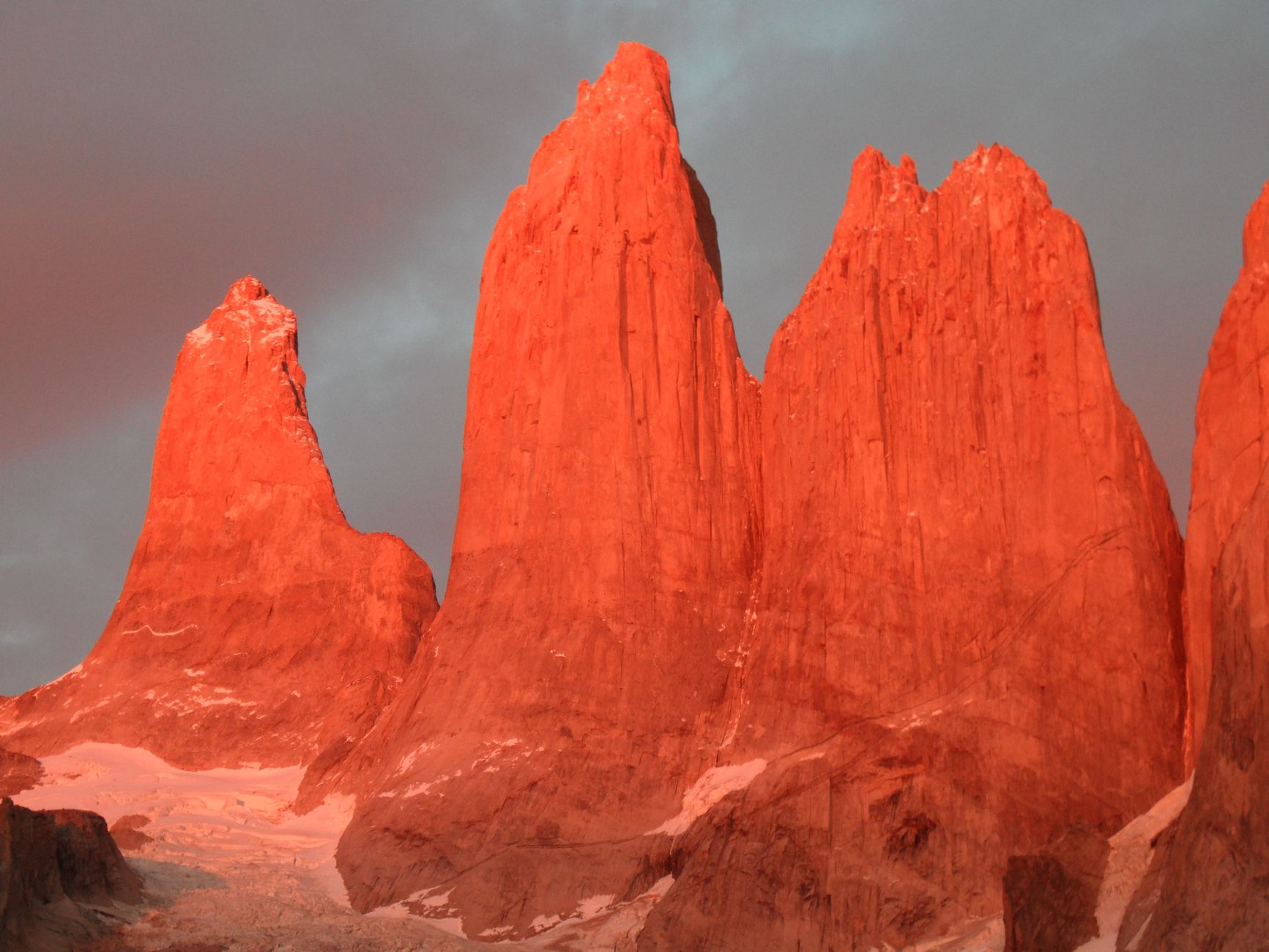
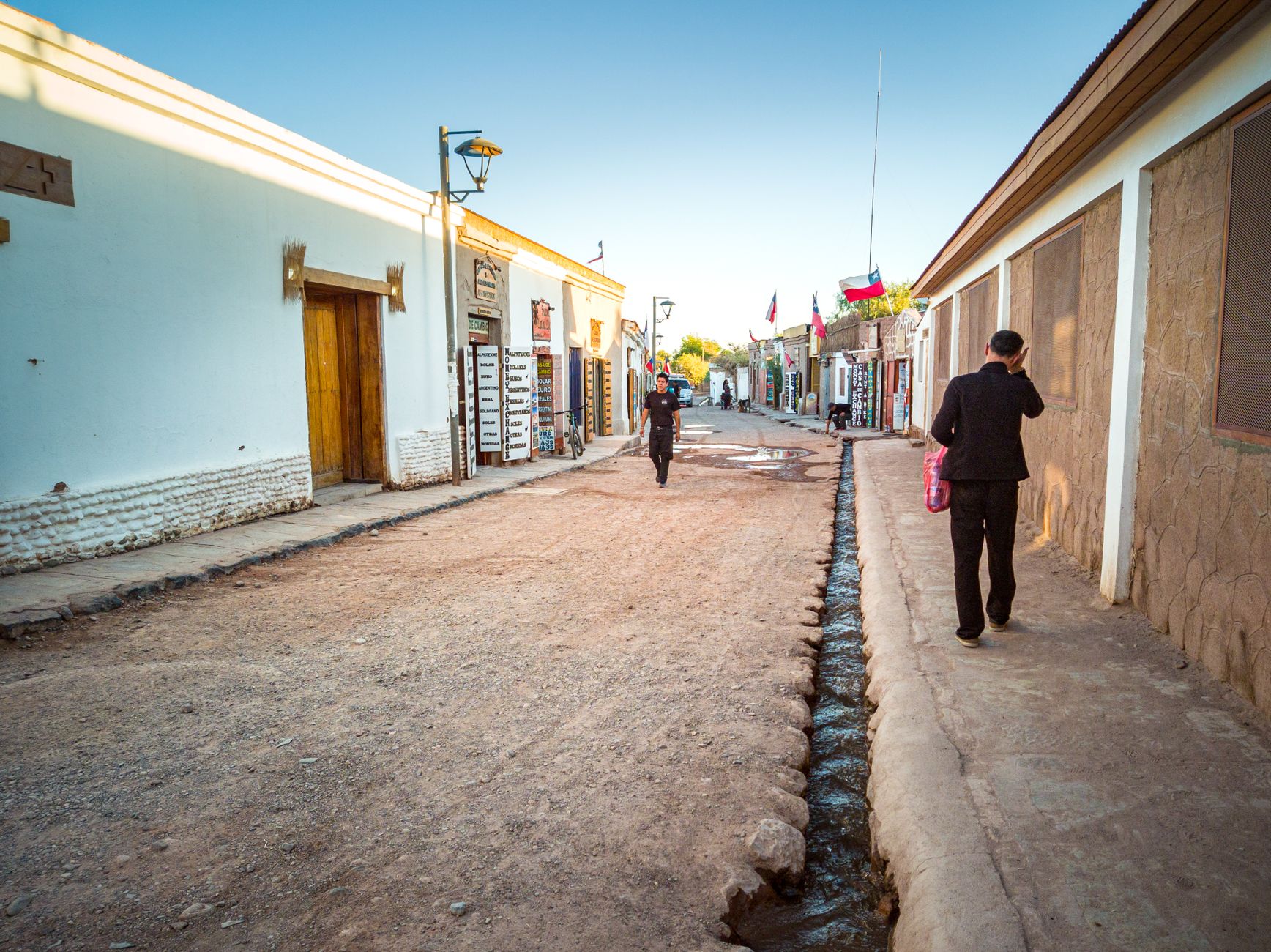
    Outside the capital, places like San Pedro de Atacama, Puerto Varas, and much of Patagonia are extremely safe. These regions rely heavily on tourism, and crime is very low. You’ll often find a relaxed atmosphere where walking around, even in the evening, feels comfortable.

    Read our blog about the safest places in Santiago here

    Smaller towns and rural areas across Chile are generally very safe as well. The biggest “risk” in these places is usually related to nature rather than crime. Overall, if you stick to well-known destinations and established neighborhoods, Chile offers a very secure travel experience.

    Areas to avoid

    Most of Chile is safe, but there are a few areas where extra caution is needed. In Santiago, neighborhoods like parts of Estación Central, La Pintana, and some outskirts of the city have higher crime rates and are not ideal for tourists. In Valparaíso, certain hills (cerros) can become unsafe after dark.

    A few quick rules:

    • Avoid quiet or poorly lit areas at night
    • Be cautious around bus terminals and crowded transport hubs

    Common scams to watch for

    Scams in Chile are not as widespread as in many countries, but they do happen. The most common ones target distracted tourists in busy areas.

    Watch out for:

    • Distraction techniques (someone spilling something on you while another steals your belongings)
    • Fake taxis or drivers overcharging at airports

    Transport safety tips

    Transport in Chile is generally safe and reliable. Buses are modern, flights are efficient, and ride apps work well in major cities.

    Stick to:

    • Uber, Cabify, or registered taxis
    • Reputable long-distance bus companies

    Avoid hailing random taxis late at night if possible.

    Night safety tips

    Chile is relatively safe at night in the right areas, but caution is still important.

    • Stay in well-lit, busy neighborhoods
    • Avoid walking alone in unfamiliar areas after dark

    In cities like Santiago, nightlife districts are lively but require basic awareness.

    Natural hazards and risks

    Chile’s biggest risks are often natural rather than crime-related. The country is prone to earthquakes, and certain regions have extreme climates.

    Be aware of:

    • Earthquakes (buildings are well-prepared, but it can be unsettling)
    • Harsh conditions in Patagonia and the Atacama Desert

    Political stability and protests

    Chile is politically stable overall, but protests do happen, especially in Santiago. These are usually peaceful but can occasionally turn disruptive.

    If you encounter a protest:

    • Avoid the area entirely
    • Follow local news or ask hotel staff for updates

    Emergency numbers and help

    Chile has a reliable emergency system, and help is generally accessible.

    • Police: 133
    • Ambulance: 131
    • Fire: 132

    Safety tips for first-time visitors

    For first-time travelers, Chile is one of the easiest countries in South America to navigate safely.

    • Don’t flash valuables like phones or jewelry
    • Keep copies of important documents

    A little awareness goes a long way here.

    Cultural norms and local behavior

    Chileans are generally polite, reserved, and helpful. Respectful behavior is appreciated and contributes to a safer experience.

    • Greet people with a simple “hola”
    • Avoid loud or confrontational behavior

    Blending in reduces unwanted attention.

    Is Chile safe compared to other countries

    Compared to most South American countries, Chile ranks as one of the safest. It generally has lower violent crime rates and better infrastructure.

    It’s often considered safer than countries like Brazil, Colombia, and Peru, especially for first-time travelers.

    vs Argentina and other South American countries

    Chile and Argentina are quite similar in safety, though Chile often feels slightly more stable and organized.

    Safer or comparable to:

    • Argentina
    • Uruguay

    Generally safer than:

    • Brazil
    • Colombia
    • Venezuela

    Murder rate and crime vs USA

    Chile’s homicide rate is significantly lower than that of the United States. While petty crime is more visible in tourist areas, violent crime is less common.

    Murder rate and crime vs Canada

    Chile’s crime levels are higher than Canada’s overall, especially for petty theft. However, violent crime remains relatively low and manageable.

    Murder rate and crime vs UK

    Compared to the UK, Chile has slightly higher petty crime rates but similar or lower levels of violent crime in many areas.

    Best time to visit for safety

    Chile is safe year-round, but some seasons are easier for travel.

    • Summer (December to February) offers better conditions and more activity
    • Winter travel is safe but can bring weather-related challenges

    Safety in Santiago vs other regions

    Santiago is safe in many areas but requires the most awareness due to its size. Petty crime is more common here than elsewhere.

    Other regions like Patagonia, the Atacama Desert, and southern Chile are generally safer and more relaxed.

    Is Chile safe for you?

    Chile is a great choice if you want a safe and structured introduction to South America. It offers a balance of adventure and comfort that suits a wide range of travelers.

    If you use common sense and stay aware, you’re unlikely to run into serious problems.

    Is Chile safe for…:

    Solo travelers

    Chile is one of the best countries in South America for solo travel. It’s easy to get around, and you’ll find plenty of other travelers.

    Solo female travelers

    Generally safe, especially in well-known areas. Standard precautions apply, particularly at night.

    Families

    Chile is family-friendly, with good infrastructure, healthcare, and safe destinations.

    Americans

    Americans are common visitors and generally face no specific risks beyond standard tourist precautions.

    Europeans

    European travelers will find Chile comfortable, familiar, and easy to navigate safely.

    LGBTQ+ travelers

    Chile is one of the more progressive countries in South America. Major cities are welcoming, though discretion is still advised in rural areas.

    Digital nomads

    Safe and well-connected, especially in Santiago. Reliable internet and modern amenities make it a strong option.

    Backpackers

    A popular and safe backpacking destination with good hostels and transport.

    Senior travelers

    Chile is safe and accessible, though some regions may require more planning due to terrain.

    Students and exchange travelers

    A safe environment with good public services and a welcoming atmosphere.

    Families with young children

    Safe, clean, and easy to manage, especially in urban and tourist-friendly areas.

    Luxury travelers

    High-end areas and services are very safe, particularly in Santiago and wine regions.

    Adventure travelers

    Safe overall, but risks come more from nature than crime.

    Road trippers

    Road conditions are excellent, and driving is generally safe across the country.

    Expats and long-term stays

    Chile is one of the safest and most stable countries in South America for long-term living.

    Practical next steps for your Chile trip


  • Is Santiago Chile Safe? (Safe Area Map)

    I’ve been to a lot of places in Santiago, from the polished neighborhoods in the northeast to areas where the vibe changes instantly the moment you turn the wrong corner. And if there’s one thing I can tell you, it’s this: you really need to know where you are going here.

    This isn’t one of those cities where you can just wander around freely and expect everything to be fine. Some parts feel modern, calm, and completely safe… while others are the exact opposite, sometimes just a few blocks away.

    To keep it simple, there are two zones you can feel relatively comfortable in. The area around the airport in the west, and especially the northeast side of the city. That’s where most travelers stay, and for good reason. I’ll show you exactly what I mean on the map below.

    Planning to stay in Santiago? Check out our blog of the best hotels in Santiago.

    Outside of those areas, I would honestly not recommend exploring. I’ve heard way too many stories from other travelers about people getting robbed, threatened, or worse. And not just once or twice, it comes up again and again.

    When you travel to Chile, safety should always come first. And in this city, knowing where not to go is just as important as knowing where you should stay.

    Need mobile internet for your upcoming trip to Chile? Check out our compare Chile eSIM providers blog.

    Is Santiago safe for tourists in 2026?

    Short answer: yes, but only if you stay in the right areas. Santiago isn’t a place where you can just explore freely without thinking about safety. It’s very location-dependent, and that’s what catches a lot of people off guard.

    In the safer parts of the city, you’ll feel totally fine. Cafés are busy, streets are clean, and it honestly feels like any modern city. But step outside those zones, and things can change quickly. That contrast is what makes Santiago tricky for first-time visitors.

    If you plan your stay properly and stay aware, you can absolutely have a great time here. Just don’t treat it like a carefree destination.

    Safe areas (map explained)

    The safest part of Santiago is clearly the northeast side of the city. This includes neighborhoods like Las Condes, Vitacura, and Providencia. This is where most expats, business travelers, and tourists stay.

    You’ll notice the difference immediately. Better infrastructure, more police presence, and an overall calmer atmosphere. It’s also where most hotels, restaurants, and shopping areas are located.

    Then there’s the area around the airport in the west. It’s not somewhere you’ll hang out, but it’s generally fine for short stays or transitions.

    • Northeast districts are your main base
    • Airport area is fine for arrival/departure
    • Stick to these zones as much as possible

    Areas to avoid

    This is where you really need to pay attention. Large parts of Santiago are simply not safe for tourists, especially if you don’t know exactly where you’re going.

    Neighborhoods in the south and west of the city are known for higher crime rates. Even some central areas that look okay during the day can become risky, especially after dark.

    The biggest mistake people make is wandering too far out of the “safe bubble” without realizing it.

    • Avoid unfamiliar areas outside the northeast
    • Be cautious in the city center, especially at night
    • Don’t explore “just out of curiosity”

    My experience and warnings

    Personally, I felt completely fine when I stayed in the right areas. Walking around during the day, grabbing food, working from cafés, no issues at all. But I was always aware of where I was.

    The moment you start pushing beyond those areas, the atmosphere changes. Less people, fewer tourists, and just a different energy. It’s hard to explain until you see it yourself, but you feel it.

    And the stories I’ve heard from other travelers are not rare. Getting phones snatched, being followed, or worse. That’s why I’m very clear about this: don’t take unnecessary risks here.

    Quick safety tips

    If you follow a few simple rules, you’ll avoid most problems in Santiago. Nothing complicated, just basic awareness and discipline.

    A lot of issues happen because people get too comfortable too quickly. This is not the place for that.

    • Keep your phone out of sight in public
    • Use Uber or trusted transport, especially at night
    • Stay in the northeast areas only

    Current crime rates and statistics

    Santiago has seen an increase in crime in recent years, especially petty theft and robberies targeting tourists. This is something locals will also tell you if you ask.

    This website keeps track of the crime numbers in Chile.

    Most incidents involve things like phone snatching, pickpocketing, or opportunistic theft. Violent crime exists, but tourists are more commonly affected by smaller, quick crimes.

    The key thing to understand is that crime is very location-based. In safe areas, you might not notice anything. Outside of them, it’s a different story.

    Common scams to watch out for

    Like many big cities, Santiago has its share of scams, and tourists are an easy target if they’re not paying attention.

    The most common one is distraction-based theft. Someone asks you something, spills something on you, or creates a situation, while someone else takes your belongings.

    Another one is unofficial taxis or drivers trying to overcharge or take advantage.

    • Distraction scams in busy areas
    • Unofficial taxis charging extra
    • People offering “help” out of nowhere

    Public transport safety

    Public transport in Santiago is decent, but it’s also one of the main places where theft happens.

    The metro system is modern and widely used, but it gets crowded. And crowded places are exactly where pickpockets operate.

    If you use public transport, just be extra aware of your belongings at all times.

    • Keep bags zipped and in front of you
    • Avoid rush hours if possible
    • Stay alert when entering and exiting stations

    Safety at night

    At night, things change quickly in Santiago. Even areas that feel okay during the day can become much less comfortable after dark.

    In the safe neighborhoods, you can still go out for dinner or drinks, but you shouldn’t wander too far or walk long distances alone.

    Outside of those areas, it’s better to just not be there at all.

    • Use Uber instead of walking at night
    • Stay in well-lit, busy areas
    • Avoid empty streets completely

    How it compares to other cities in Chile

    Compared to other cities in Chile, Santiago is generally considered less safe, especially because it’s larger and more complex.

    Places like Valparaíso or smaller towns can feel more relaxed, although they also have their own risks. The difference is that Santiago has more contrast between safe and unsafe areas.

    That’s why it requires a bit more planning and awareness than other destinations in the country.

    Final verdict

    Santiago can be a great place to visit, but it’s not a destination where you can switch off completely.

    If you stay in the right areas, follow basic precautions, and don’t take unnecessary risks, you’ll likely have a smooth experience.

    But ignore those rules, and things can go wrong quickly. So keep it simple: stay in safe zones, stay alert, and don’t push your luck.

    Practical next steps for your Chile trip