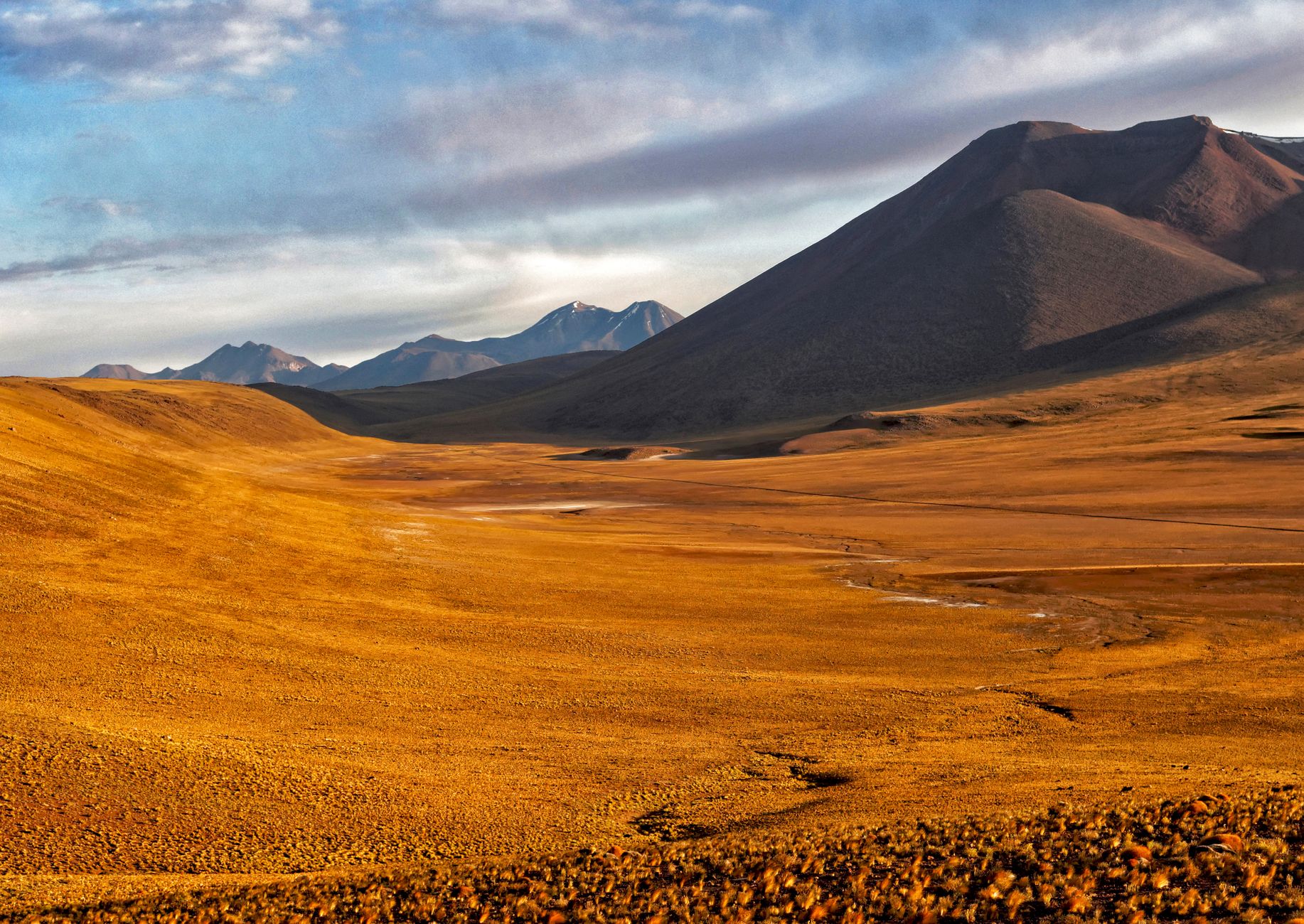
Is the Atacama Desert safe for tourists? Altitude, sun, and San Pedro as the base.
Jan & Valeria. We travel to Chile often and love sharing tips to help you experience this beautiful country.
Valeria’s family talks about the far north the way they talk about the far south. You do not argue with it. You prepare for it. The first time we planned an Atacama chapter from a Santiago flight, that was the sentence that stuck. Not a crime headline. Not a scare story. Just respect for thin air, hard sun, and roads that leave town and stay empty for a long time.
Is the Atacama Desert safe? For a first trip based in San Pedro de Atacama, with tours or a careful self-drive day, yes. The risk that actually shapes our planning is altitude, sun, and remote logistics, not a feeling that the desert is waiting to go wrong. If you already read our Chile safety overview, this page is the northern chapter of that same calm mindset. Pair it with our Atacama Desert travel guide once the safety question is settled.
The honest short answer
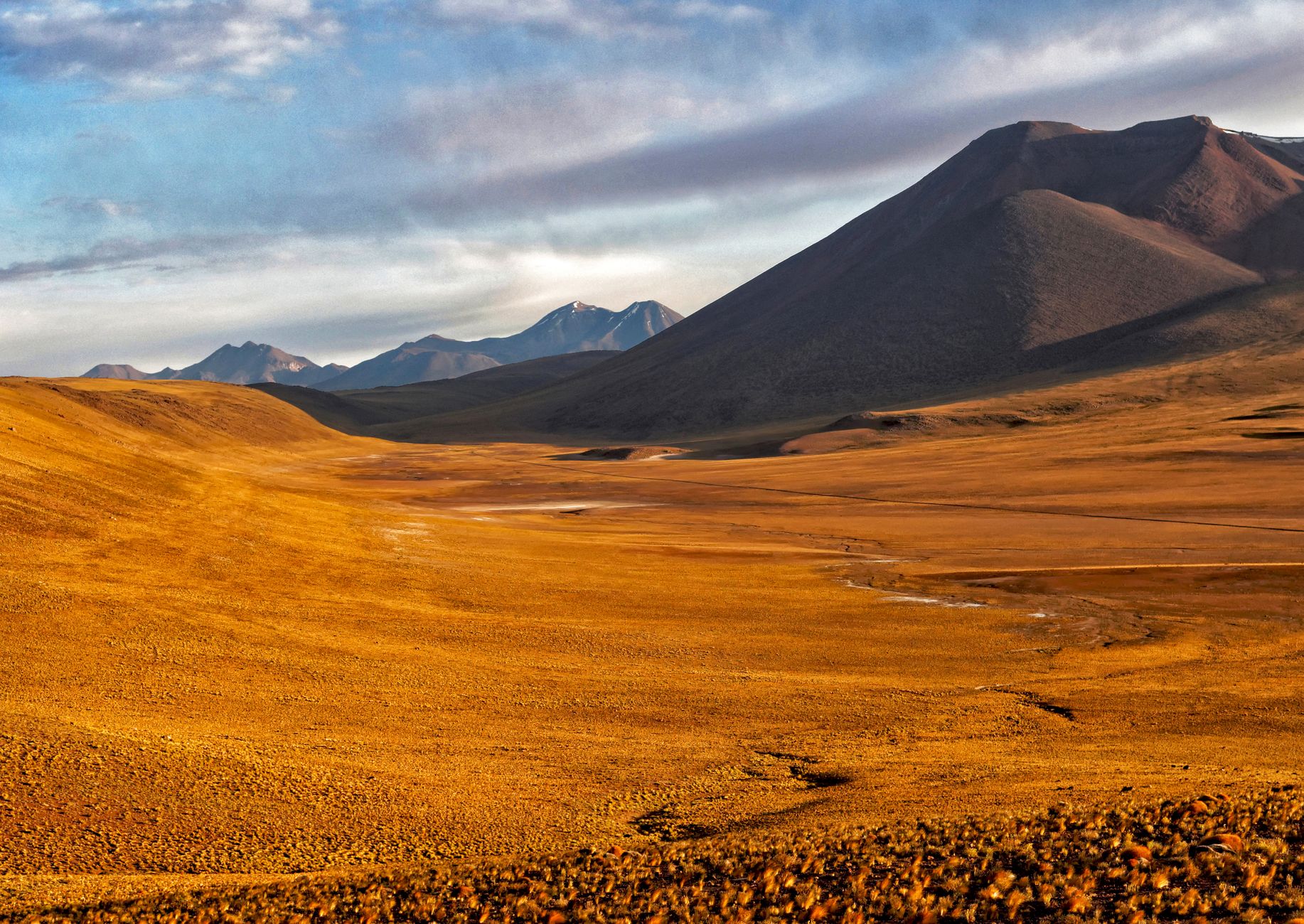
The Atacama is one of the safer-feeling parts of a Chile trip if you treat San Pedro as the town base, give your body a slow first day, and treat the desert as weather and distance, not a city park. Street crime exists the way it exists in any tourist town. Phones on cafe tables. Bags in unlocked cars. That is not the story of the region, and it is not the thing that ruins a day if you keep normal awareness.
What can ruin a day is stacking a high-altitude sunrise tour on the morning you land, underestimating the sun because the air feels cool, or driving a remote road like it is the paved hop from Temuco to Pucón. We plan the Atacama the same way we plan a gravel road to Termas Geométricas. The drive is part of the day. The reward is huge. You are a guest in a landscape that does not care how pretty the photos looked on the plane.
We would not cancel Atacama because someone asked “is it safe?” We would add a buffer day, drink more water than feels elegant, and keep the overnight base in San Pedro instead of camping if comfort is your style. Soft adventure by day. A real bed at night. That is the frame we recommend.
San Pedro sits around 2,400 meters, roughly 7,900 feet. Popular tours climb higher. That number is not a dare. It is the reason a gentle first afternoon in town is a safety decision, not a wasted day. The desert will still be there tomorrow.
Town safety vs desert safety
San Pedro de Atacama feels like a compact adobe town with a tourist layer on top. You will see tour vans before sunrise, dusty streets, and people comparing geyser mornings over an early coffee. We treat the center as walkable in daylight, and we keep night walks short, lit, and close to dinner. We do not wander the unlit edges with a phone in our hand. That is the same rule we use in Santiago’s eastern neighborhoods, just with colder air and less streetlight.
The desert is a different conversation. Valleys, salt flats, and high geyser fields are remote, beautiful, and honest about weather and altitude. People get into trouble when they start a hard tour too soon, skip water, or assume a rental car plus a pin on a map is the same as a Lake District day trip. Official reserve and park rules, plus current access notes, come from CONAF and the operators who work those roads all season. Check those before you commit the day, not after you are already on the gravel.
If you want the town-level version of this, read is San Pedro de Atacama safe? after this hub. If you are still building the whole northern chapter, stay with the Atacama travel guide and the Atacama itinerary for pace.
What actually makes people nervous
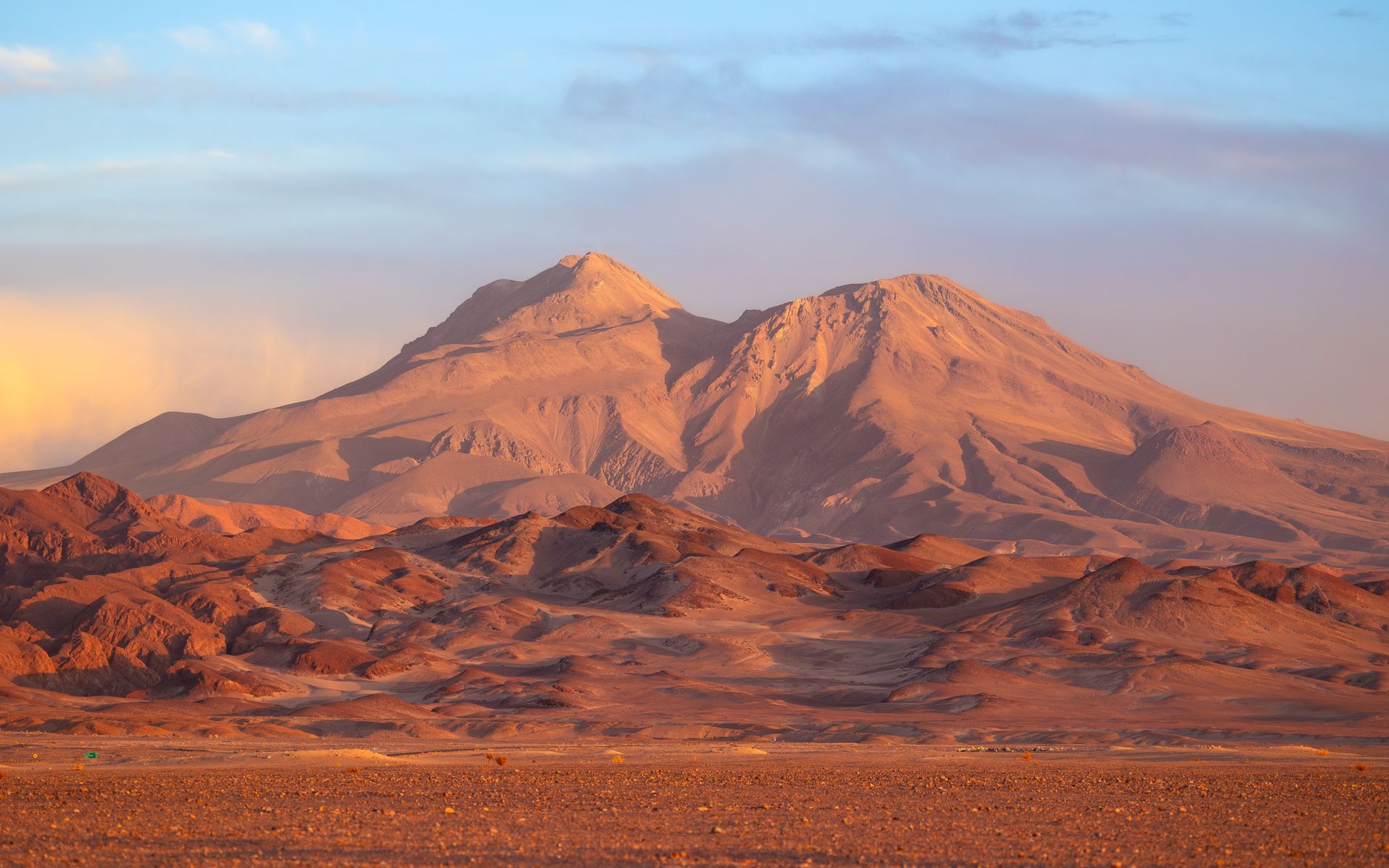
Most readers who write us are not afraid of the Atacama. They are afraid of being underprepared in a place that looks friendly in photos. The pictures are real. The altitude is also real. So is the distance between a viewpoint and a pharmacy.
Altitude is the main character
We pack Atacama the way we pack a Lake District thermal day that might turn cold the second you step out of the water. Warm layer for night. Something for your hands on a pre-dawn departure. The difference is height. In Pucón you can abort a drive and go back to the hotel. In the Atacama, aborting a high tour still means a long road back to San Pedro, and your body is the one that asked to slow down.
Headache and shortness of breath on stairs are common on day one. They usually ease. If they worsen, that is not the moment to prove you are tough. It is the moment to stay in town, drink water, eat a real meal, and ask your hotel or tour operator for local advice. We do not invent medical rules here. We plan like adults who just left sea-level Santiago.
The sun is stronger than the temperature suggests
Dry air fools people. A morning can feel cool enough for a jacket while the sun is already doing work on your skin and eyes. Hat, sunscreen, sunglasses, and water are not packing-list decoration. They are how you stay well enough to enjoy Valle de la Luna later in the trip. We treat desert sun with the same seriousness we treat a long gravel day in the Lake District, only the shade is harder to find.
Nights drop fast. That swing is part of why San Pedro hotels matter. A warm room after an early tour is comfort. It is also recovery. Cold nights plus thin air plus a dead phone battery is how a simple evening starts to feel harder than it needs to be.
Remote roads, not city crime
If you self-drive, the safety conversation is fuel, daylight, and a car that can handle washboard stretches. Do not leave backpacks visible at a viewpoint pull-off. That is the same Chile-wide habit we already use around Santiago and wine country. In town, keep the phone off the edge of the table when a cafe is busy. None of this is unique to the Atacama. It is just easier to forget when you are staring at salt and volcanoes.
We do not treat “rent a car and see all of Chile” as the plan. Most travelers fly Santiago to Calama, transfer about 90 minutes to San Pedro, then decide between tours and a few local drives. If you want the driving mindset we already use in the south, start with driving in Chile for tourists. The desert version of that advice is simpler. Daylight. Water. Someone who knows you left town.
How we would stay safe without getting tense
We pick a comfort base in San Pedro, book the hardest high tours after a night or two, and keep the first day as a town walk and an early dinner. We tell someone the day’s plan. We carry water, layers, and a charged phone, knowing signal can drop the moment the van leaves the last streetlight. An eSIM installed before you leave Santiago matters here for the same reason it matters after a soak in the forest. When you lose coverage, you still want banking, bookings, and a way to reach a driver when you have it back. For the desert-specific version, read Atacama eSIM coverage.
We do not treat camping on the salt as the default. Plenty of first-timers see the big landscapes on day tours and sleep in a real bed. If that is you, start with hotels in San Pedro de Atacama and keep Puritama or a lagoon day as recovery, not punishment.
Guides earn their fee when altitude hits or when you do not know which road is actually a good idea that morning. Hiring one is not a lack of courage. It is how a lot of comfort-first travelers keep the day beautiful instead of stubborn. We would rather pay for a well-run tour than improvise a high pass on arrival day.
Activate data before you depend on it, ideally at SCL, not halfway through the Calama transfer. Screenshot pickup details. Download offline maps. Cold mornings drain batteries faster than Santiago nights. A power bank in the day bag is boring. It is also how you still have a phone if the van is late.
Solo travelers, couples, and night walks
Couples do well here if they accept early nights and earlier mornings. Dinner in Chile still runs late by US standards, but desert cold and dawn tours make people honest about going home. We like that. The town does not need to perform nightlife for the trip to feel complete.
Solo travelers should use the same neighborhood logic we use everywhere: busy streets, known restaurant, a ride or a short lit walk back if the edge of town feels empty. For country-level context, Chile for solo female travelers still applies. The Atacama does not cancel those habits. It just adds altitude and darkness on top.
Bikes are part of the San Pedro picture. They are useful in daylight on the compact streets. They are a worse idea after wine, on sand, or on an unlit edge you do not know. Street dogs are a Chilean constant. Give them space. Do not turn a curious pack into a chase scene with food in your hand.
What Valeria’s family actually changes
What Valeria says: People in Chile do not talk about the Atacama as a crime problem. They talk about it as a place you respect. Drink the water. Do not chase the hardest tour on the day you fly north. Eat a real lunch. If the altitude is ugly, the valley will still be there tomorrow. That is the local sentence I wish more packing lists printed.
Would we tell friends to go?
Yes. If someone asked us for one northern chapter after Santiago, this is the one we would protect on the calendar. Not because it is risk-free. Because the feeling people want from the Atacama is still available if you plan like an adult. Dry air on your face. A clean bed. Tomorrow’s tour as a conversation with your body, not a panic.
Would I recommend this to friends the way I recommend Termas Geométricas? Yes, with the same honesty. The bumpy road is part of the story. The first thought should be “are we ready for the height and the sun,” not “is someone waiting to grab a bag.” Friends who listen to that sentence have a better trip than friends who treat the desert like a city weekend.
Check live official sources before you travel: the US State Department Chile advisory and CONAF for reserve and park rules that touch your days. Then come back to the practical next step. Book the flight to Calama, pick the San Pedro base, and leave the first day lighter on purpose.
We would start that plan with our Atacama travel guide, then decide hotels and tour order from there. Stay connected with the Atacama eSIM notes before you leave Santiago. The desert is not asking you to be fearless. It is asking you to be ready.