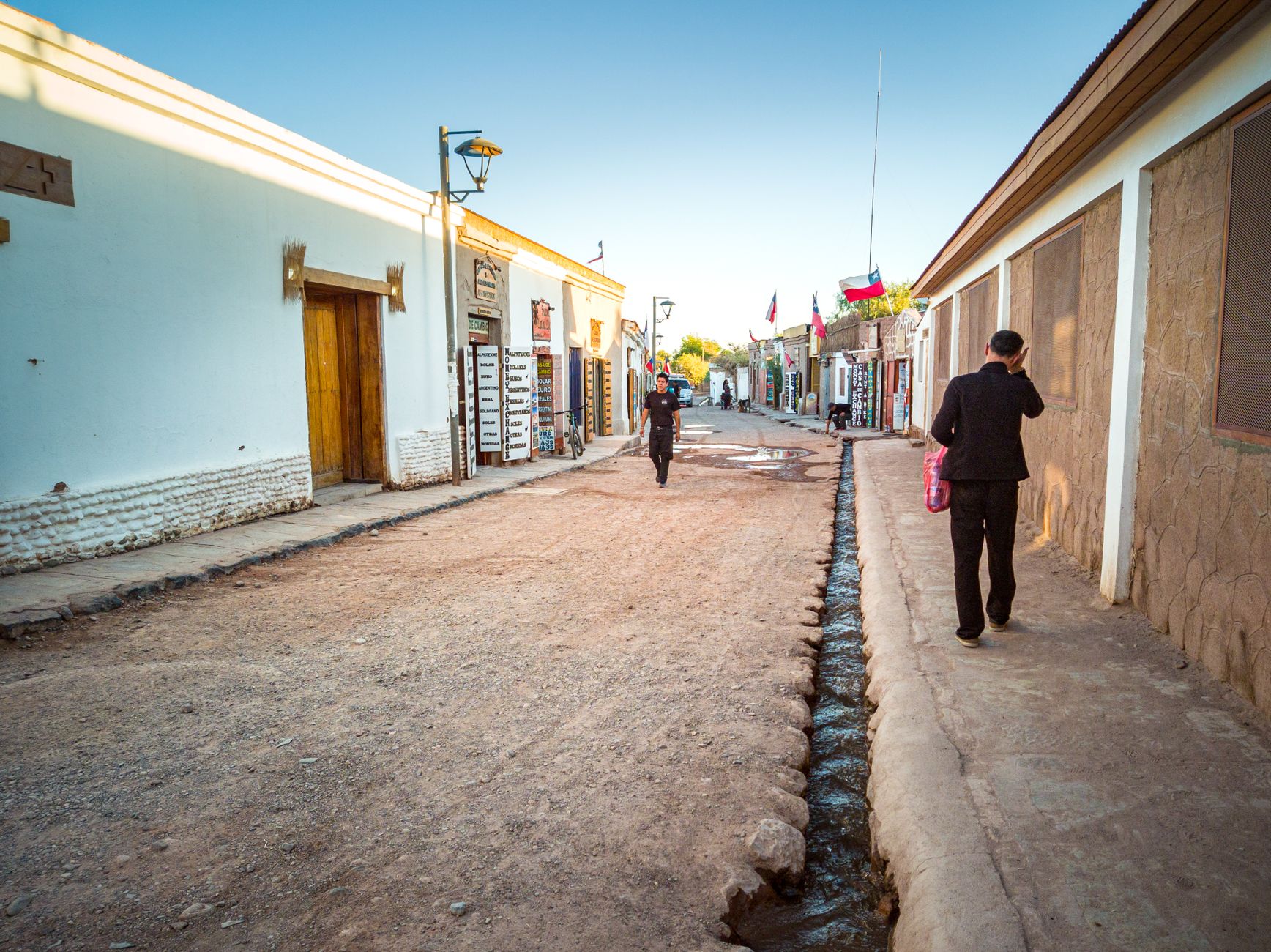
Is San Pedro de Atacama safe for tourists? Town streets, desert edges, and altitude.
Jan & Valeria. We travel to Chile often and love sharing tips to help you experience this beautiful country.
Valeria’s family talks about San Pedro the way they talk about a small town that sits next to something huge. The adobe streets are one thing. The desert starts at the last streetlight. The first time we planned a northern chapter from a Santiago flight, that split was the sentence that stuck. Not a crime headline. Just the difference between a dusty tourist grid and a night walk you should not improvise.
Is San Pedro de Atacama safe? For a stay in the compact center, with normal awareness, yes. The town is the easy part. The desert, the altitude, and the unlit edges are the part that shapes our planning. If you already read is the Atacama Desert safe? and our Chile safety overview, this page is the street-level version. Hotels live in hotels in San Pedro de Atacama.
The honest short answer
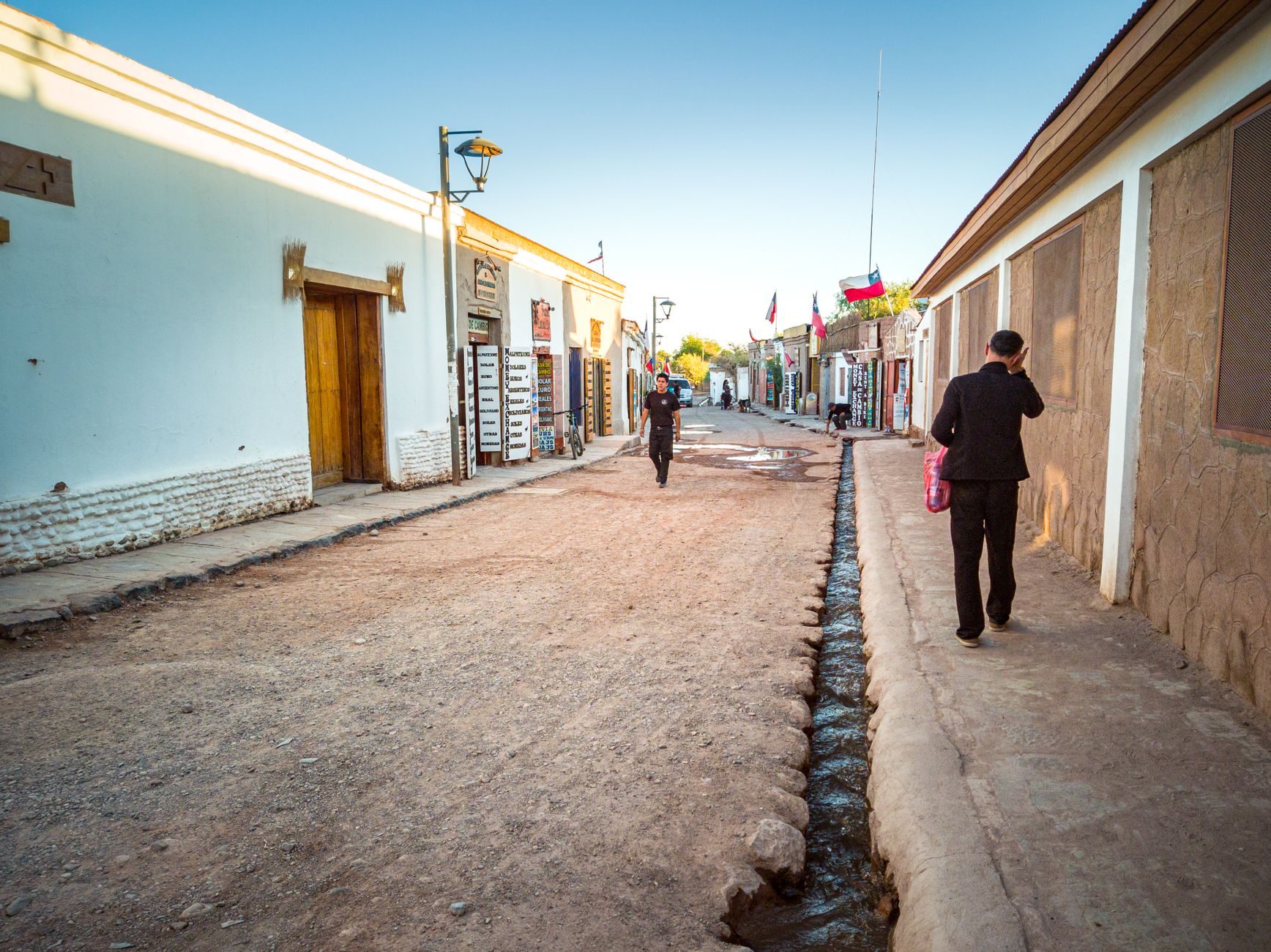
San Pedro is a small visitor town, and it feels that way in daylight. Tour vans, restaurants, bikes, souvenir shops, and a plaza you can learn in an afternoon. Street crime exists the way it exists wherever travelers eat outside with a phone on the table. That is not the story of San Pedro, and it is not the thing that ruins a stay if you keep normal awareness.
What can ruin an evening is confusing the busy core with the dark edge of town, or stacking a hard high tour on the day you transfer from Calama. We plan San Pedro the way we plan Pucón. The town is the calm base. The adventure is outside it. After a gravel road to Termas Geométricas, we already trust that split. The reward is outside town. The bed is in town.
We would not cancel San Pedro because someone asked “is the town safe?” We would pick a hotel close enough to dinner that you are not negotiating a dark edge every night, give the first day to altitude, and keep bikes for daylight. Soft adventure by day. A warm room at night. That is the frame we recommend.
San Pedro sits around 2,400 meters. Nights are colder than first-timers pack for. Days are bright and dry. Those three facts do more work than any rumor about the plaza.
Town safety vs desert safety
The center is walkable. Most shortlist hotels sit within a few blocks of restaurants and tour desks. That compactness is the safety feature. You can eat and come back without a project. We treat those streets as fine in daylight, and we keep night walks short, lit, and close to where we just ate. We do not wander the last unlit blocks with a phone in our hand because the stars look better there. The stars will still be there from a courtyard.
The desert is a different conversation. Valle de la Luna, geysers, and lagoon days are remote, beautiful, and honest about sun and height. People get into trouble when they treat a pin on a map like a Pucón lake loop. Official reserve rules and current access notes come from CONAF and the operators who work those roads. Check those before you commit the day. The town cannot rescue a bad altitude morning out on the altiplano.
If you want the regional version, stay with is the Atacama Desert safe? and the Atacama travel guide. This page is about the adobe streets you come home to.
What actually makes people nervous
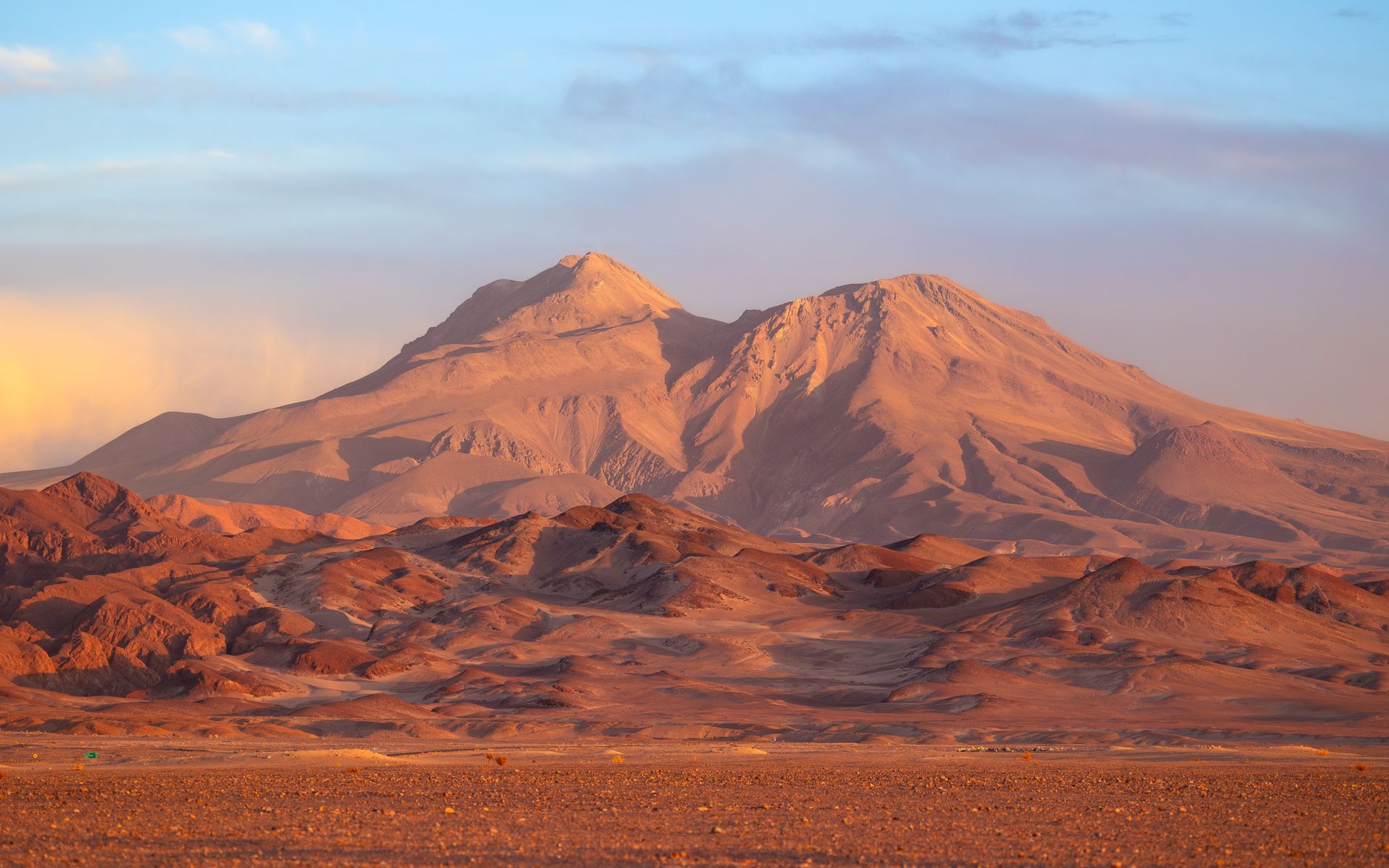
Most readers who write us are not afraid of San Pedro. They are afraid of a dusty town that looks informal in photos. The informality is real. So are the dogs, the bikes, and the sudden dark. None of that is a reason to tense up. It is a reason to be specific.
Altitude shows up on the stairs
The first night in town is when people notice the air. Stairs feel steeper. Sleep can be lighter. That is not a crime problem. It is a body problem, and it is the one we plan around. Drink water. Eat a real dinner. Skip the “we should still go out” impulse if you just finished a Calama transfer. The desert will still be there tomorrow.
If symptoms worsen instead of easing, stay in town and ask your hotel or tour operator for local advice. We do not invent medical rules. We do not stack El Tatio on arrival morning as a personality test.
Bikes, dogs, and unlit edges
Bikes are part of the San Pedro picture. In daylight, on the compact streets, they are useful. At night, after wine, on sand or an edge you do not know, they are how a simple evening becomes a fall. We would rent a bike the way we would rent one in a Lake District town. Daylight. Helmet if it is offered. A route you already walked once.
Street dogs are a Chilean constant. Give them space. Do not feed a pack on the plaza and then look surprised. They are not the villain of the town. They are also not a petting zoo. The same calm we use around dogs in Valparaíso applies here, with less traffic and more dust.
The last streetlight is the real boundary. Busy Caracoles energy does not follow you into a dark side street. If a shortcut looks empty, skip it. That is the same rule we use on a Valparaíso staircase when the light starts to go, only San Pedro has fewer people to accidentally wander you back to the busy block.
Phones, bags, and tour-van mornings
Keep the phone off the edge of the table. Do not leave a bag on a chair “for a minute” while you stand up for a photo. Do not leave gear visible in a parked car while you duck into a shop. None of this is unique to San Pedro. It is just easier to forget when the light is this pretty.
Early tour pickups are when people get sloppy. Dark street, half-zipped bag, phone in a jacket pocket that is not zipped. We treat that hour like a Santiago airport morning. Everything you need is already packed the night before. The van is not the moment to reorganize your life.
How we would stay safe without getting tense
We pick a hotel close to dinner, book the hardest high tours after a night or two, and keep the first day as a town walk. We tell someone the day’s plan. We carry water, a layer for night, and a charged phone, knowing signal can drop the moment you leave town. An eSIM installed before Santiago matters in San Pedro for bookings and maps. Outside town, read Atacama eSIM coverage so you do not expect Santiago behavior on a geyser road.
We do not treat a far-flung desert lodge as the default for a first trip if it adds a dark transfer every night. Compact is the comfort. See where to stay in San Pedro for the filter we actually use: heat, hot water, and a room that lets you sleep after early vans.
Guides earn their fee when you do not know which road is a good idea that morning. Hiring one is not a lack of independence. It is how a lot of comfort-first travelers keep the day beautiful instead of stubborn. Self-drive can work in daylight if you already have the Chile driving mindset from driving in Chile for tourists. Fuel. Water. Someone who knows you left town.
Activate data before the Calama transfer if you can. Screenshot pickup details. Download offline maps. Cold mornings drain batteries. A power bank is boring. It is also how you still have a phone if the van is late.
Solo travelers, couples, and night walks
Couples do well here if they accept early nights and earlier mornings. Dinner in Chile can still run late. Desert cold makes people honest about going home. We like that. San Pedro does not need to perform nightlife for the trip to feel complete.
Solo travelers should use the same neighborhood logic we use everywhere: busy streets, known restaurant, a short lit walk or a ride if the edge feels empty. For country-level context, Chile for solo female travelers still applies. San Pedro does not cancel those habits. It just adds altitude and a sharper line between town and dark.
If you want stars, pick a courtyard, a hotel terrace, or a tour that is built for that hour. Do not invent a solo walk past the last shop because the sky looks closer here. It does look closer. That is the altitude talking. Let it talk from a place with a door behind you.
What Valeria’s family actually changes
What Valeria says: People in Chile do not talk about San Pedro as a dangerous town. They talk about it as a small town next to the desert. Stay where the lights are. Do not chase the hardest tour on night one. The dogs are not your friends just because they look bored. That is the local sentence I wish more hotel reviews printed.
Would we tell friends to go?
Yes. If someone asked us for one northern town after Santiago, this is the base we would protect on the calendar. Not because it is polished. Because the feeling people want from the Atacama is still available if you treat the streets as a town and the desert as the desert.
Would I recommend San Pedro to friends the way I recommend Pucón? Yes, with a colder night and a slower first day. The first thought should be “where does the town actually end,” not “is someone waiting on the plaza.” Friends who listen to that sentence have a better stay than friends who treat every dusty block as equally friendly after wine.
Check live official sources before you travel: the US State Department Chile advisory and CONAF for the reserves you will visit from town. Then come back to the practical next step. Book the San Pedro hotel, leave the first day light, and read the desert hub before you stack tours.
We would start that plan with hotels in San Pedro de Atacama and the Atacama travel guide. The town is not asking you to be fearless. It is asking you to come home before the last streetlight.