
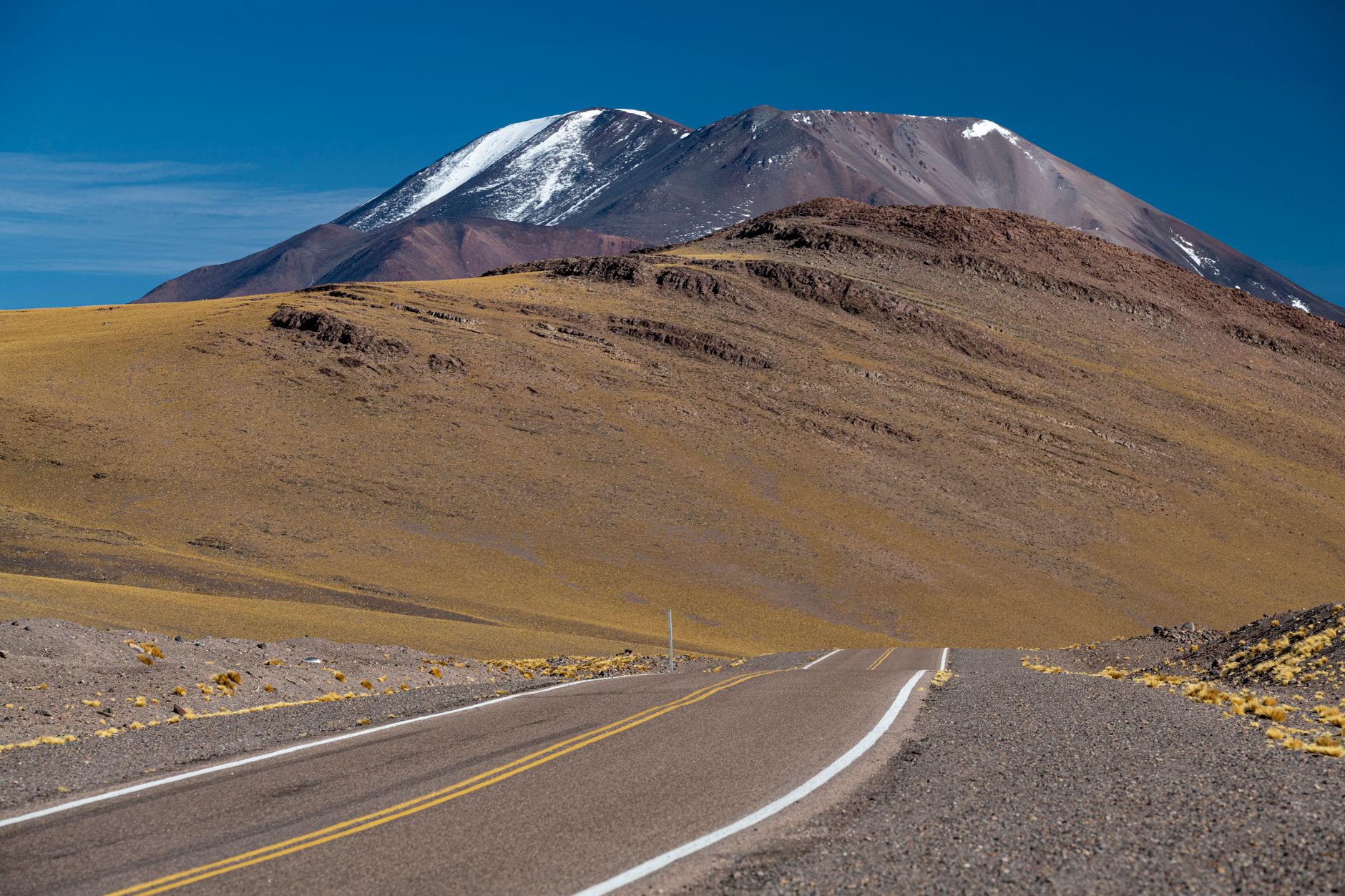
Driving and Car Rental Chile
Driving in Chile for Tourists 2026: Rules + Reality
Driving in Chile for tourists: rules, scams, and when a car helps.
Driving in Chile is doable for tourists who plan tolls, keep valuables out of sight, and rent for regions like wine country or the Lake District rather than the whole country.
Part of our driving in Chile collection.
Jan & Valeria. We travel to Chile often and love sharing tips to help you experience this beautiful country.
Affiliate disclosure: some links below (including DiscoverCars) may earn us a commission at no extra cost to you. We only recommend what we would use ourselves.
Driving in Chile as a tourist is liberating on Lake District loops and wine-country roads, and unnecessary inside most of Santiago. That split saves people money and stress. We have done both wrong: renting a car for four pure city days we never needed, and skipping a rental for a Colchagua itinerary that turned into an expensive tour we did not love. This guide is the filter we wish someone had handed us early.
When we rent a car in Chile
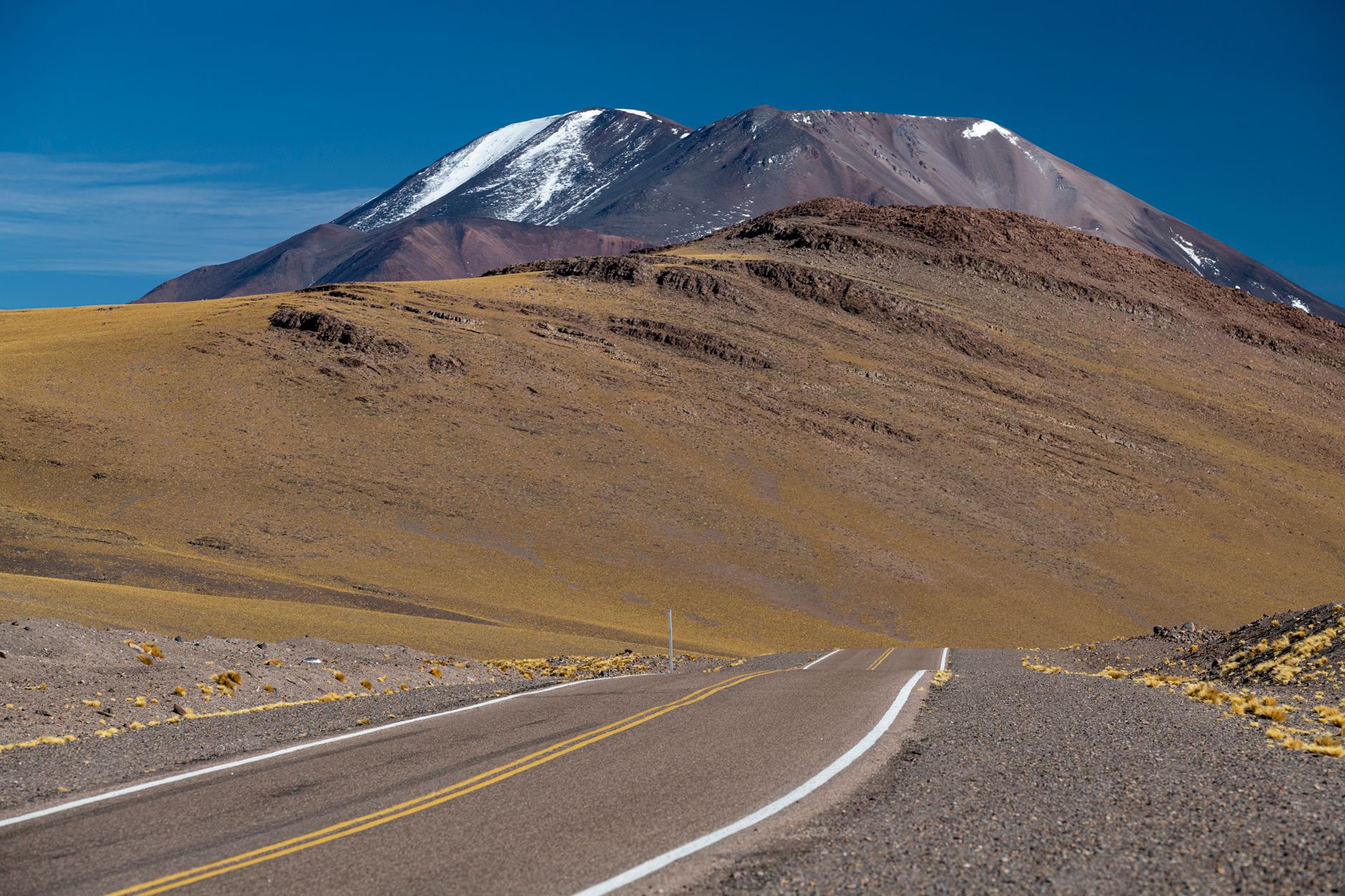
- Wine valleys and Lake District loops where schedules matter.
- Day trips east toward the Andes when public transport is thin.
- Not for a pure Santiago city stay with Metro and ride apps.
- Not as a default for Patagonia multi-day hikes where transfers are part of the plan.
Most travelers fly between regions. That is normal and smart. A rental car shines when you want flexibility inside one region, not when you are trying to drive the length of the country in ten days.
When we skip the rental
Santiago itself is our biggest skip. Metro, ride apps, and walking cover most visitor days east of Centro. Traffic and parking add friction without adding magic. If your Chile week is museums, dinners in Providencia, and one organized wine tour, save the rental budget for the Lake District or a valley overnight instead.
Long-haul routes between major cities are usually flights or comfortable buses, not scenic road trips you must self-drive. Depth beats mileage.
Road habits that matter
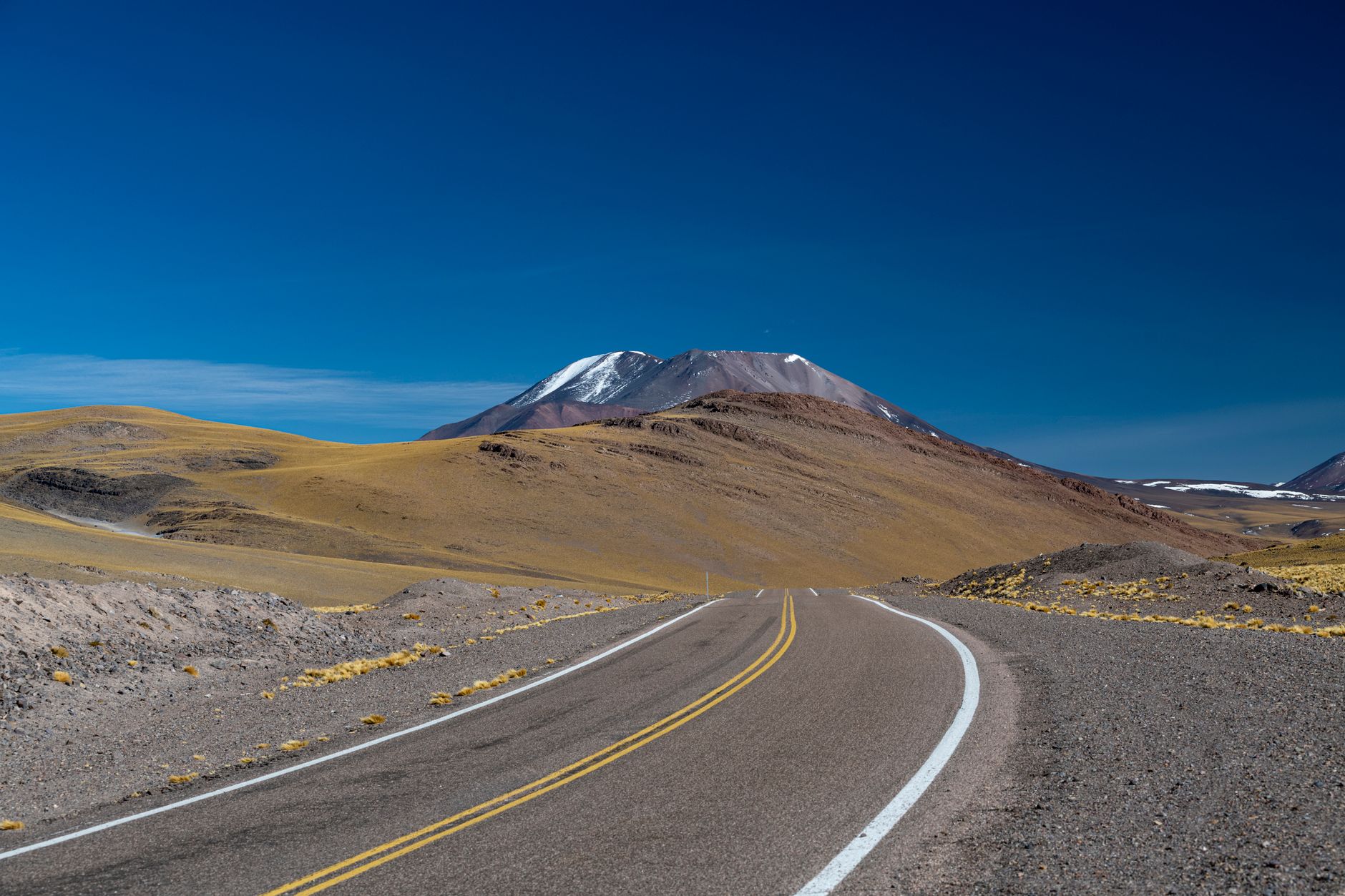
Chile drives on the right. Speed limits and signage are familiar if you have driven in North America or much of Europe. Highways between cities are generally good. Rural side roads can narrow. Mountain approaches demand patience and daylight respect.
Toll roads exist on many routes. Rental cars often use a TAG transponder billed later. Ask at pickup what your contract includes so you are not surprised on the final invoice. We photograph the car at pickup, note fuel policy, and confirm whether gravel roads are allowed if our itinerary includes them.
Fill the tank before remote stretches. Carry water. Download offline maps. Cell signal drops in valleys and along some southern routes even when your eSIM works fine in Santiago.
The tire-puncture scam (read this twice)
This is the honest warning we give every friend who rents in Chile. On highways and scenic pullouts, thieves sometimes stage a distraction: a fake flat tire, someone flagging you down, or “helpful” strangers pointing at your wheel. While you look away, accomplices grab bags, laptops, or cameras from the back seat or open door.
We keep luggage in the trunk, doors locked at viewpoints, and valuables out of sight before we stop. If someone insists we have a puncture on a quiet stretch, we drive to a staffed gas station or busy area before engaging. Normal caution, not panic. The scam is common enough that rental desks know the story. It is rare enough that we still love driving here when we follow boring habits.
Parking, bags, and city edges
Treat parked cars like city cars everywhere: nothing visible on seats, no loose backpacks in the footwell. Winery lots and trailheads feel peaceful until they do not. We use hotel parking in Santiago when we have it. In smaller towns we ask hosts where they park overnight.
At night we prefer paid or hotel lots over random street parking with a trunk full of trip gear. Calm confidence comes from small repeatable rules, not from ignoring risk.
Insurance and pickup practicalities
Read the insurance stack before you sign. Chilean rentals often sell layered coverage. We compare what our credit card already covers, then decide if we want full relief from deductible stress. It is a personal risk call, not a morality test. Whatever you choose, photograph damage at pickup and keep the emergency number in your phone.
Airport pickup at SCL is convenient when your first days leave the city. City pickup can save a day of unused rental if you are staying central. Match pickup to your actual first driving day, not to your landing hour when you are jet-lagged.
Driving in Santiago vs leaving it
City driving is workable but rarely our favorite tourist experience. One-way systems, rush pockets, and parking hunts eat attention better spent on dinner. We use driving in Santiago notes when we must drive inside the basin, then switch to Metro once the car is parked at the hotel.
Leaving Santiago toward wine country or the mountains is where the rental pays off. Early starts beat afternoon traffic. We plan the first rural fuel stop before we need it.
What Valeria says: Chileans drive assertively in cities but are patient on long highways if you keep right unless passing. Do not camp in the left lane. On two-lane roads, use pullouts when cars stack behind you. Locals appreciate it and you stay calmer.
Where to book the rental
Compare options on DiscoverCars for Chile when your itinerary actually needs wheels. For airport pickup specifically, see DiscoverCars at Santiago airport and our SCL car rental page.
Full regional context lives in driving in Chile. Pair that with this tourist-focused page when you are deciding whether to rent at all.
Regions where driving shines
Wine country: Flexible tasting times and valley hotels. Designated driver required.
Lake District: Puerto Varas to Pucón style loops with scenic stops.
Andes day trips: Cajón del Maipo and similar escapes east of Santiago.
Atacama town base: Some travelers rent for specific day routes near San Pedro. Many tours still make sense for geysers and high-altitude starts. Match car to daylight and road comfort, not to FOMO.
International license and paperwork
Bring your home license and confirm whether an International Driving Permit is required for your rental contract. Rules vary by company, not by forum arguments. We keep a photo of the license and insurance card in the phone offline folder alongside the rental agreement.
Police checkpoints happen on highways. Calm, documents ready, polite Spanish or English usually resolves quickly. This is normal Chile, not a crisis.
Fuel stations on long legs are not always where apps suggest. Fill when you see a reputable station and the tank is half empty, not when the warning light becomes a personality trait. We keep small bills or cards ready because rural pumps occasionally prefer one or the other.
Night driving and fatigue
We avoid unfamiliar rural night driving when possible. Chile’s highways are not horror stories, but tired tourists misread signs, animals appear, and unlit side roads punish confidence. If a tasting day runs long, sleep in the valley and return after breakfast instead of heroics after dark.
Our closing filter
Rent when the region rewards flexibility. Skip when Santiago or organized transfers already solve the problem. Lock the car, hide the bags, know the tire-puncture scam, and drive sober in wine country. Those habits let you enjoy the roads that made us fall in love with Chile in the first place.
We hope this helps you plan a calmer Chile trip. If you are still choosing a base, start with safety and neighborhood fit, then book the hotel you will actually sleep well in.
Before you drive: Driving in Chile guide · Patagonia eSIM · Is Chile safe?
Frequently asked questions
What should travelers know about Driving in Chile for Tourists 2026?
Driving in Chile is doable for tourists who plan tolls, keep valuables out of sight, and rent for regions like wine country or the Lake District rather than the whole country.