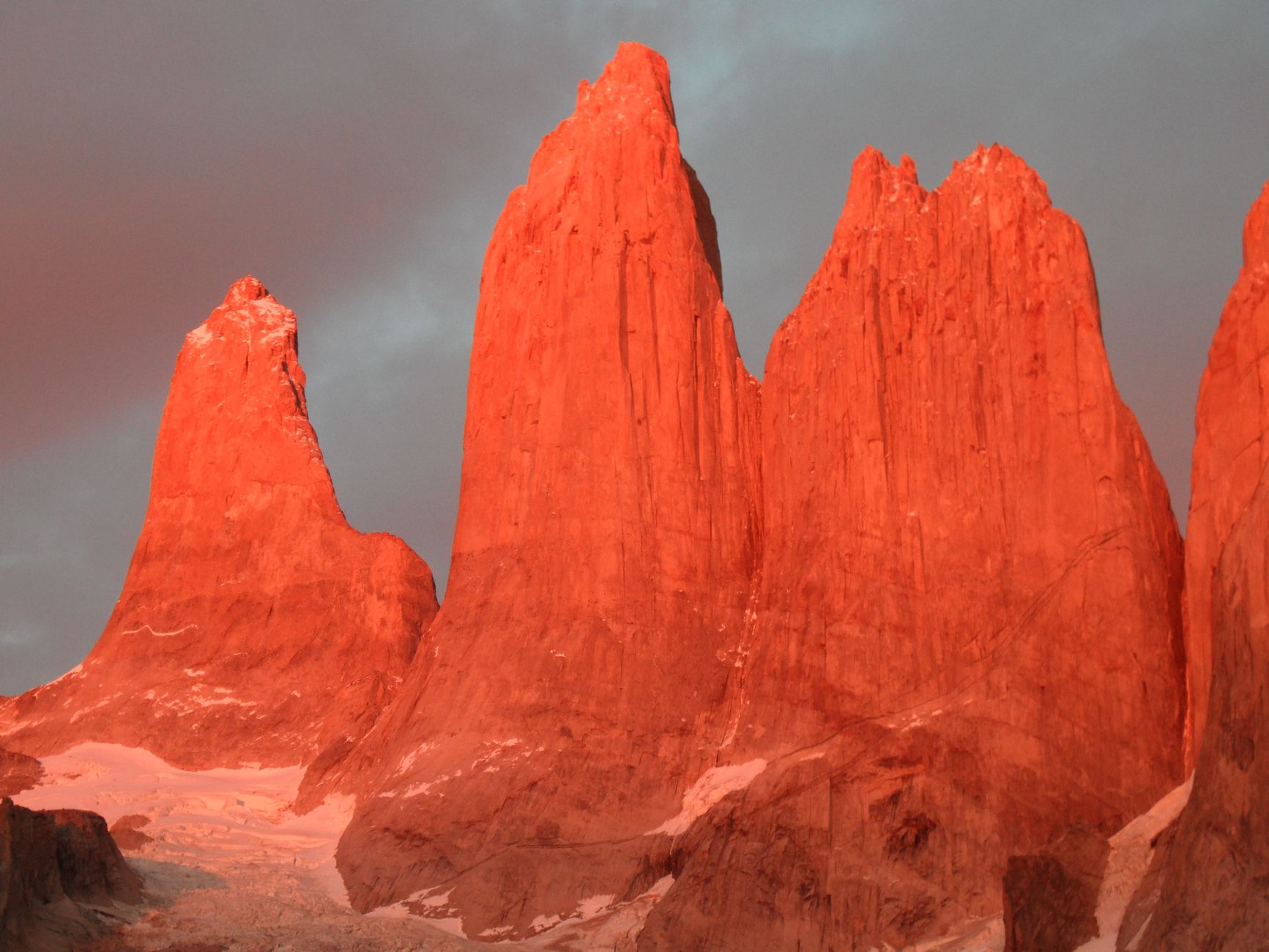
Is Torres del Paine safe for tourists? Wind, trail closures, and a town bed.
Jan & Valeria. We travel to Chile often and love sharing tips to help you experience this beautiful country.
After a Lake District gravel-road day, you already know weather can be a decision-maker. You zip the jacket. You respect the road. The first time we mapped Torres del Paine on a kitchen table in Santiago, that was the feeling we tried to keep. Valeria’s family does not talk about the park as a crime story. They talk about it as a place you do not rush. Wind changes its mind while you are still eating breakfast in Puerto Natales.
Is Torres del Paine safe? For day hikes or guided park days from a town base, with official tickets and a willingness to turn around, yes. The risk that actually shapes our planning is weather, trail closures, and wind, not a feeling that the park is waiting to go wrong. If you already read is Patagonia safe? and Patagonia day hikes without camping, this page is the mountain chapter of that same calm mindset.
The honest short answer
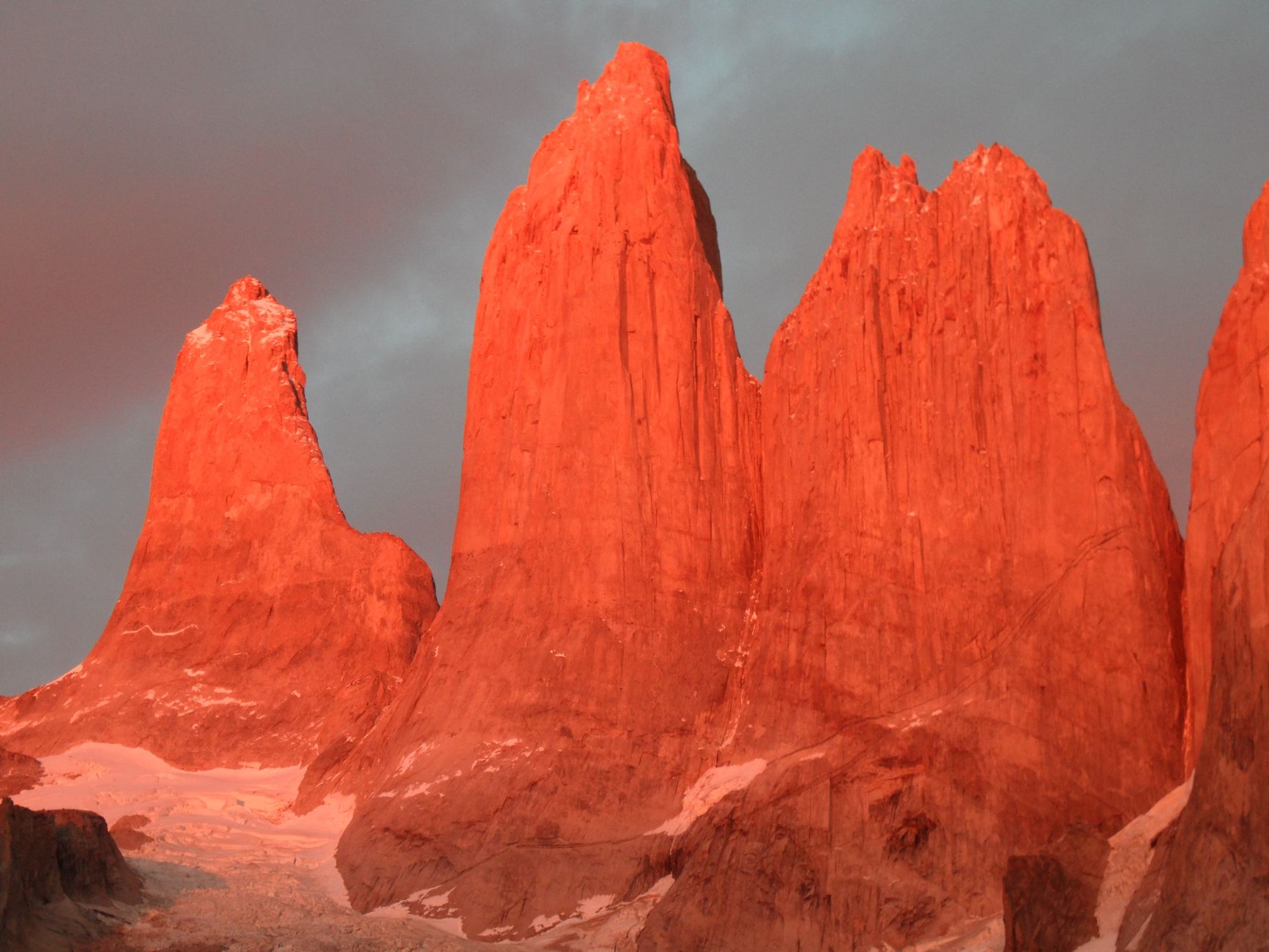
Torres del Paine is not an urban safety question. It is a national park question. People get into trouble when they start late, skip layers, or treat a clear morning as a promise. Street crime is the wrong file. Phones on cafe tables belong in Natales. In the park, the story is weather, distance, and rules.
We plan the park the same way we plan a thermal day that might turn wet. Warm layer you can put on the second you stop moving. Rain shell. Something for your hands. The difference is scale. In Pucón you can abort a drive and go back to the hotel. In Torres del Paine, aborting still means a long transfer back to Natales. That is not a reason to stay home. It is a reason to start early and keep a spare day.
We would not cancel the park because someone asked “is it safe?” We would book through official channels, check CONAF and park notices the night before, and keep the overnight base in town if comfort is your style. Soft adventure by day. A real bed at night. That is the frame we recommend.
A full W Trek camping circuit is a different decision. Fitness, pack weight, hut or camp bookings, and weather windows all get stricter. We do not treat that circuit as the default first trip. Plenty of travelers see the towers and the valleys on day routes and still have the trip they came for.
Park safety vs town safety
Puerto Natales is the walkable base. That conversation lives in is Puerto Natales safe? Punta Arenas is the airport hinge. That conversation lives in is Punta Arenas safe? Do not mix those files with this one. A calm plaza in Natales does not make a closed trail open. A windy waterfront in Punta Arenas does not describe the W.
Inside the park, you are a guest in a place that publishes rules for a reason. Timed access, trail closures, and fire restrictions are not suggestions. Official status comes from CONAF and the park’s own channels. Check those before you commit the day, not after you are already on the gravel. We are not publishing distances or times we have not verified on the ground. Use official sources for the living numbers.
If you want the comfort pattern in one page, stay with day hikes without camping. Sleep in Natales. Start early. Hike a route that matches your fitness. Return to a shower. That pattern is how we would send friends.
What actually makes people nervous
Most readers who write us are not afraid of Torres del Paine. They are afraid of being underprepared in a place that looks friendly in still photos. The pictures are real. The wind is also real. So is the distance between a viewpoint and a hot lunch.
Weather is the main character
Patagonia weather changes its mind. A blue morning can turn into a lean-in afternoon. Cloud can hide the towers on the one day you allocated. That is not a personal failure. That is the park. Build one empty day into the Natales stay. If the towers hide, you have used Patagonia correctly.
Wind is the sensory fact people underestimate until they feel it. It is not always dangerous. It is often exhausting. Exhausted hikers make worse decisions about turnaround times. We would rather shorten a hike than chase a viewpoint in worsening conditions. That is the same honesty we use when a Lake District road looks worse than the forecast promised.
Closures are not a rumor
Trails close. Access systems change. Fire risk can rewrite a week. People get into trouble when they treat last year’s blog as this year’s permit. Confirm on CONAF and official park pages for your dates. Carry the proof the park asks for. Screenshot it. Signal drops.
Guides earn their fee here. Not as a personality accessory. As people who already know which route is actually open, and who will not let a stubborn morning become a rescue story. Hiring one is not a lack of courage. It is how a lot of comfort-first travelers keep the day beautiful instead of stubborn.
Cars at trailheads, and the W as a different sport
If you drive, do not leave backpacks visible at a trailhead or a gas station. That is the same Chile-wide habit we already use around Santiago and wine country. It is just easier to forget when the towers are in the windshield.
The W Trek is a multi-day commitment with its own booking and weather logic. It is not “the park, but longer.” If you want that circuit, use official systems and be honest about fitness. If you want the views without a tent, you are not cheating. You are choosing the trip we would actually recommend to most friends. Start with the day-hike page, not a gear list for a circuit you have not decided to walk.
How we would stay safe without getting tense
We pick a comfort base in Puerto Natales, book park access early in high season, and keep hiking days inside official hours. We tell someone the day’s plan. We carry water, layers, snacks, and a charged phone, knowing signal can drop. An eSIM installed before Santiago matters for the hours you still have coverage, and for the hotel evening when you need the next day’s weather and a driver. It is not satellite coverage on the trail.
We set a turnaround time before we start. We do not treat “a little farther” as a personality. We eat a real breakfast. We ask the hotel for an early box if the departure is ugly. Small habits like that keep a park day feeling like soft adventure instead of a scramble.
Wildlife is part of the park. Guanacos, foxes, and the possibility of puma are reasons to keep food packed and distance polite. We do not invent encounter stories we have not lived. We do follow the obvious rule. You are in their home. Stay on the trail. Do not feed anything. Do not chase a photo into a closed area.
If you want the bed that makes this pattern work, use hotels in Puerto Natales. Park lodges cost more and sell out earlier. They can shorten a morning. They do not cancel weather.
Solo travelers, couples, and the decision to turn around
Couples do well here if they agree on the turnaround before they are tired. One person wanting “just a little more” is how park days go sour. Decide the rule at breakfast in Natales, not in the wind. We like early nights in town for that reason. The argument you do not have at 4 p.m. is a safety tool.
Solo hikers should be conservative about weather and daylight, and should tell the hotel or a friend the route. For country-level context, Chile for solo female travelers still applies in town. In the park, the extra layer is isolation and weather, not a busy street. A guided day is a strong option if you do not want to read the wind alone.
Night in the park is not the Natales waterfront question. If you are camping or in a refugio, that is a booked plan with rules. If you are day hiking, you should be back toward the transfer before you are inventing a night walk. Darkness plus wind is not a vibe. It is a reason the official hours exist.
What Valeria’s family actually changes
What Valeria says: People in Chile do not talk about Torres del Paine as a place that will rob you. They talk about it as a place that will humble you if you get proud. Bring the jacket. Check if the trail is open. Eat a real breakfast. If the wind is ugly, the mountain will still be there tomorrow. That is the local sentence I wish more packing lists printed.
Would we tell friends to go?
Yes. If someone asked us for one mountain chapter after Santiago, this is the one we would protect on the calendar. Not because it is risk-free. Because the feeling people want from Patagonia is still available if you plan like an adult. Wind on your face. A clean bed in Natales. Tomorrow’s weather as a conversation, not a panic.
Would I recommend the park to friends the way I recommend Termas Geométricas? Yes, with a bigger abort distance. The bumpy road is part of the story. The first thought should be “is the trail actually open,” not “is the park dangerous in the city sense.” Friends who listen to that sentence have a better day than friends who treat Torres like a city park with better scenery.
Check live official sources before you travel: the US State Department Chile advisory, CONAF, and current Torres del Paine access information. Then come back to the practical next step. Book the Natales base, leave one day empty on purpose, and decide day hikes versus a W circuit before you buy a pile of camping gear.
We would start that plan with Patagonia day hikes without camping and our Patagonia travel guide. The park is not asking you to be fearless. It is asking you to be ready to turn around.