Is Punta Arenas safe for tourists? A windy gateway, not a resort week.
Jan & Valeria. We travel to Chile often and love sharing tips to help you experience this beautiful country.
The first time we mapped a far-south chapter on a flight into Santiago, Valeria framed Punta Arenas the way her family still does. It is a city that works. You dress for wind. You do not try to turn it into a lakeside week. That sentence stuck harder than any crime headline. After a real Temuco stopover on the way to Pucón, we already knew what a Chilean gateway feels like. Functional. A little gray. Useful if you treat it as a hinge, not the destination.
Is Punta Arenas safe? For a night or two around the airport and the central blocks, with normal city awareness, yes. It is calm, windy, and practical. It is not a week-long resort. If you already read our Chile safety overview and our Santiago to Patagonia route notes, this page is the Magellan gateway chapter of that same calm mindset.
The honest short answer
Punta Arenas is one of the more straightforward southern cities for a tourist overnight if you stay in the visitor-friendly center, use a ride after a late dinner, and treat the waterfront as weather, not a midnight stroll with a phone out. Street crime exists the way it exists in any Chilean city with an airport and a port. Phones on cafe tables. Bags in unlocked cars. That is not the story of Punta Arenas, and it is not the thing that ruins a day if you keep normal awareness.
What can ruin a day is stacking the Santiago flight, a late landing, and a same-day transfer to Puerto Natales as if none of that is tiring. We plan Punta Arenas the way we plan Temuco. Land. Sleep. Start fresh. Safety here includes not making transfer decisions while you are wrung out from travel and the wind is already in your jacket.
We would not cancel a Patagonia trip because Punta Arenas appears on the map. We would also not book five nights here hoping the city will behave like Puerto Varas. Soft adventure belongs in the park later. The city is the hinge. A clean bed. An early breakfast. Then the road or the next flight toward Natales.
Wind is the sensory fact everyone underpacks. It is not dangerous by default. It is the reason a waterfront walk can feel harder than the distance on a map, and the reason you zip the jacket before you leave the hotel, not after the first corner.
Gateway city vs holiday town
Punta Arenas feels like a working southern city with a tourist layer on top. You will see outdoor shops, people comparing wind forecasts over coffee, and travelers killing time before a Torres transfer or a cruise logistics day. We treat the central blocks as walkable in daylight. After dinner we use short, lit streets or a ride. We do not wander empty waterfront stretches with a phone in our hand at midnight. That is the same rule we use in Santiago’s eastern neighborhoods, just colder and louder with wind.
The park is a different conversation, and it is not this city’s job. Torres del Paine sits hours away. If the mountain is the question, go to is Torres del Paine safe? If the town you will actually live in is Natales, go to is Puerto Natales safe? Punta Arenas is the airport city. Keep those three files in separate mental folders and planning gets calmer.
We think of this stop the way we think of a good Temuco night. You want a hotel you trust, a meal that does not require a project, and a clear exit in the morning. Trying to “see Punta Arenas properly” on a tight Patagonia calendar often creates stress without adding the feeling people came south for.
What actually makes people nervous
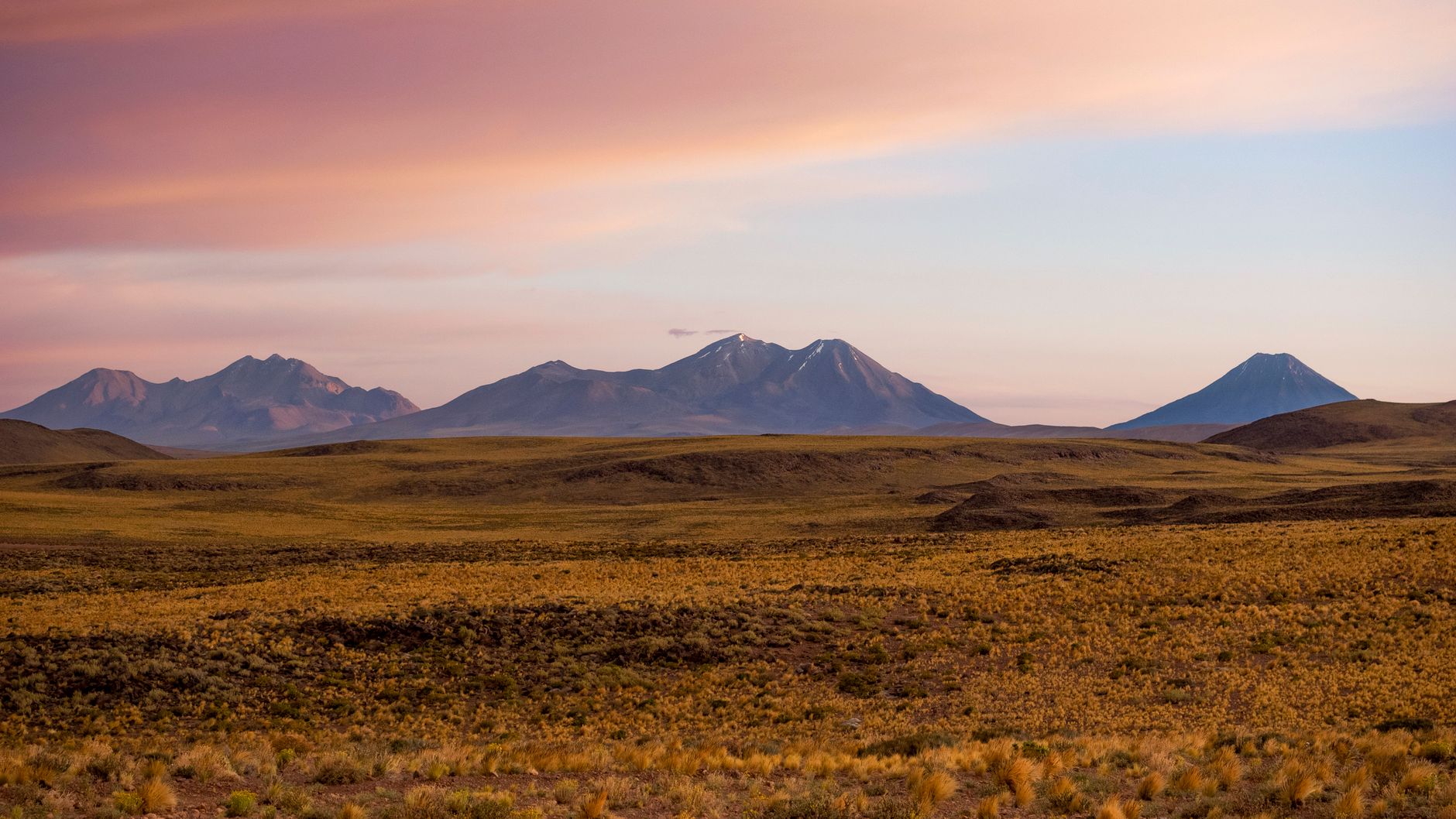
Most readers who write us are not afraid of Punta Arenas. They are afraid of landing far south and not knowing whether the city is “rough.” The honest texture is more ordinary than the map suggests. Gray light. Wind in your ears. A plaza that works. A port that works. People going to their jobs.
Wind is the main character
We pack Punta Arenas like we pack a Lake District day that might turn wet the second you step out of a thermal pool. Shell. Warm layer. Something for your hands. The difference is attitude. In Pucón the wind is a guest. Here it lives here. That does not make the sidewalks dangerous. It makes underdressing miserable, and miserable travelers cut corners on bags, phones, and timing.
Build the city as a rest night, not a sightseeing exam. If the strait is moody, you have not failed the trip. You have used a gateway correctly.
Distance feels bigger than the map
Santiago to Punta Arenas is a flight, not a scenic afternoon. Punta Arenas to Puerto Natales is a real transfer. Natales to the park is another. None of this is dangerous by default. It is tiring if you stack it on the same day you want a long walk or a late dinner. We would rather land, sleep, and start fresh. That is the same logic we already use after a late Temuco arrival.
If your itinerary is still fluid, read Santiago to Patagonia before you romanticize a same-day dash. Safety includes not arriving in Natales already empty.
Cars, bags, and ordinary city theft
Do not leave backpacks visible in a parked car at a gas station or a waterfront pull-off. That is the same Chile-wide habit we already use around Santiago and wine country. In town, keep the phone off the edge of the table when a cafe is busy. None of this is unique to Punta Arenas. It is just easier to forget when you are staring at the strait.
Airport arrivals are when people get sloppy. Luggage, tired brains, a ride you have not confirmed. Screenshot the hotel name. Have data working before you need it. An eSIM installed before Santiago is the boring move that keeps a late landing from becoming a lost-in-translation hour.
How we would stay safe without getting tense
We pick a hotel in the central area or a practical airport-adjacent stay if the landing is late, keep the first night simple, and walk the center in daylight if we have energy. We tell someone the next day’s transfer plan. We carry a charged phone and a layer we can put on the second we step outside. We do not treat the waterfront as a night circuit.
We do not try to make Punta Arenas do the work of Puerto Natales. If the towers are the point, the comfort base is Natales. See hotels in Puerto Natales and the broader Patagonia safety hub. Punta Arenas is the landing. Natales is the living room.
Guides and pre-booked transfers earn their fee when wind delays a hop or when you do not want to problem-solve a bus station after a long flight. Hiring that help is not a lack of courage. It is how a lot of comfort-first travelers keep the first southern night calm instead of stubborn.
If you have a spare daylight window, a short central walk and a proper meal is enough. You do not owe the city a checklist. You owe tomorrow’s transfer a rested version of yourself.
Solo travelers, couples, and night walks
Couples do well here if they accept an early night. Dinner in Chile can still run late, but Patagonia wind makes people honest about going home. We like that. The city does not need to perform nightlife for the trip to feel complete.
Solo travelers should use the same neighborhood logic we use everywhere: busy streets, known restaurant, ride back if the walk feels empty. For country-level context, Chile for solo female travelers still applies. Punta Arenas does not cancel those habits. It just adds wind and earlier dark in winter.
This is also not the chapter we would pick for a first-timer who wants a pretty evening stroll every night of the trip. If that is your style, spend the extra nights in Natales or keep Santiago’s east side as the urban comfort, and let Punta Arenas be the hinge it is.
What Valeria’s family actually changes
What Valeria says: People in Chile do not talk about Punta Arenas as a crime problem. They talk about it as the city you land in. Bring the jacket. Eat a real dinner. Sleep. The mountain is not in Punta Arenas. Do not make the gateway do a resort’s job. That is the local sentence I wish more itineraries printed.
Would we tell friends to go?
Yes, as a landing. If someone asked us whether they should skip Punta Arenas because it “looks industrial,” we would say no. Skip the fantasy that it is a lakeside week. Keep the night. Use the airport. Move toward the park when you are rested.
Would I recommend a long stay here to friends the way I recommend Pucón? No. That is not an insult. It is the same honest call we make about Temuco. Gateways are allowed to be gateways. Friends who accept that have a calmer south than friends who try to squeeze a vacation out of a transfer city.
Check live official sources before you travel: the US State Department Chile advisory and, once the park days start, CONAF. Then come back to the practical next step. Book the flight south, sleep in Punta Arenas if the schedule asks for it, and leave the romance for Natales and the mountains.
We would start that plan with Santiago to Patagonia, then our Patagonia travel guide. The far south is not asking you to be fearless in a port city. It is asking you to land well and keep going.