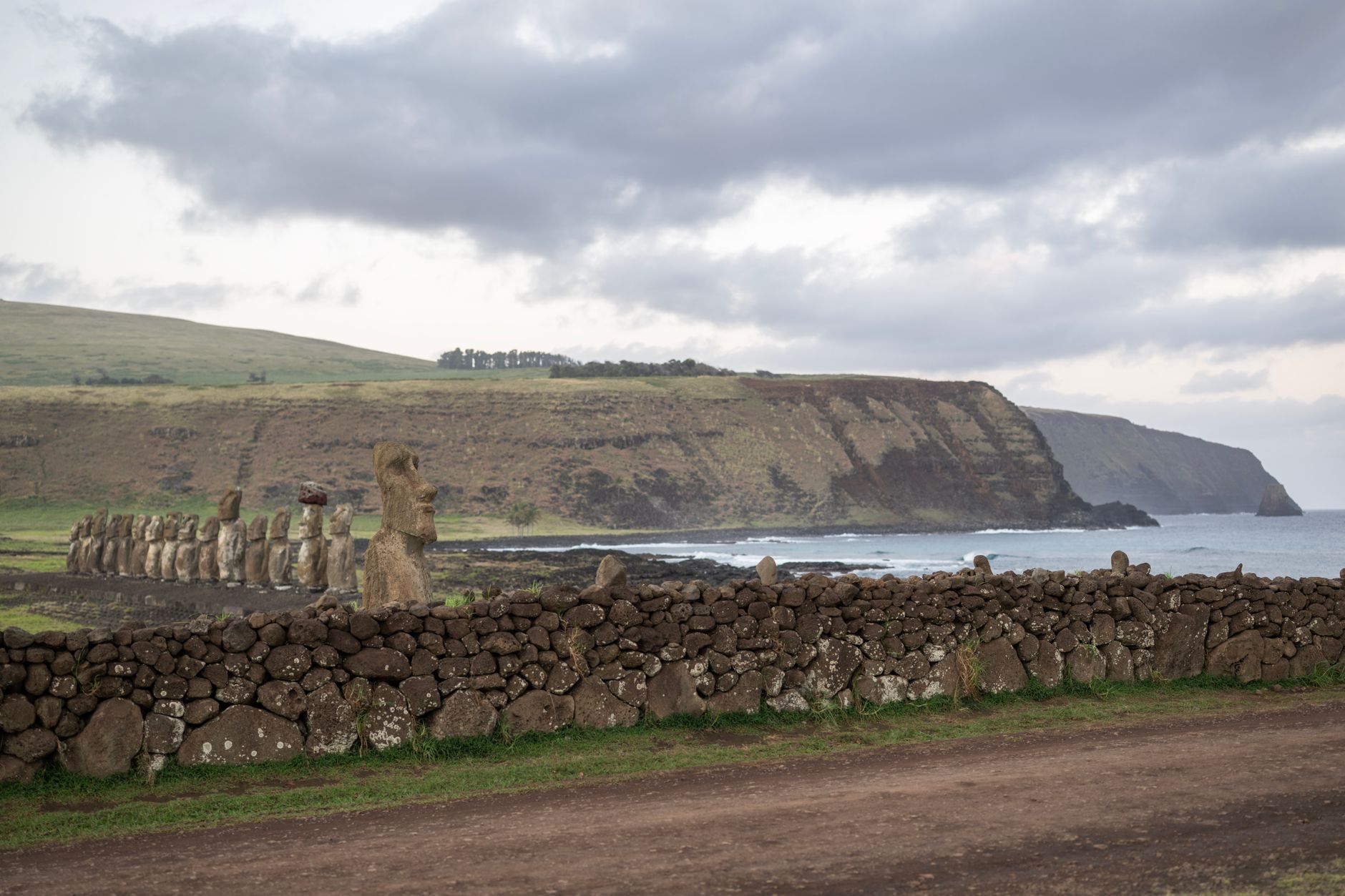
Is Easter Island safe for tourists? Hanga Roa, isolation, and park rules.
Jan & Valeria. We travel to Chile often and love sharing tips to help you experience this beautiful country.
Planning Easter Island from Santiago feels different from planning Pucón. There is no casual next bus if the day goes sideways. Valeria’s family talks about Rapa Nui the way people talk about a place that is still Chile and also its own world. The first thought we have when we map the island on a mainland flight is isolation. Not crime. Distance. A community in the Pacific that you visit as a guest.
Is Easter Island safe? For a trip based in Hanga Roa, with park tickets handled the official way and normal awareness in town, yes. The risks that actually shape our planning are isolation, park rules, ocean and cliff judgment, and the fact that almost everything depends on the Santiago flight. If you already read our Chile safety overview, this page is the island chapter of that same calm mindset. Logistics live in how to visit Easter Island.
The honest short answer
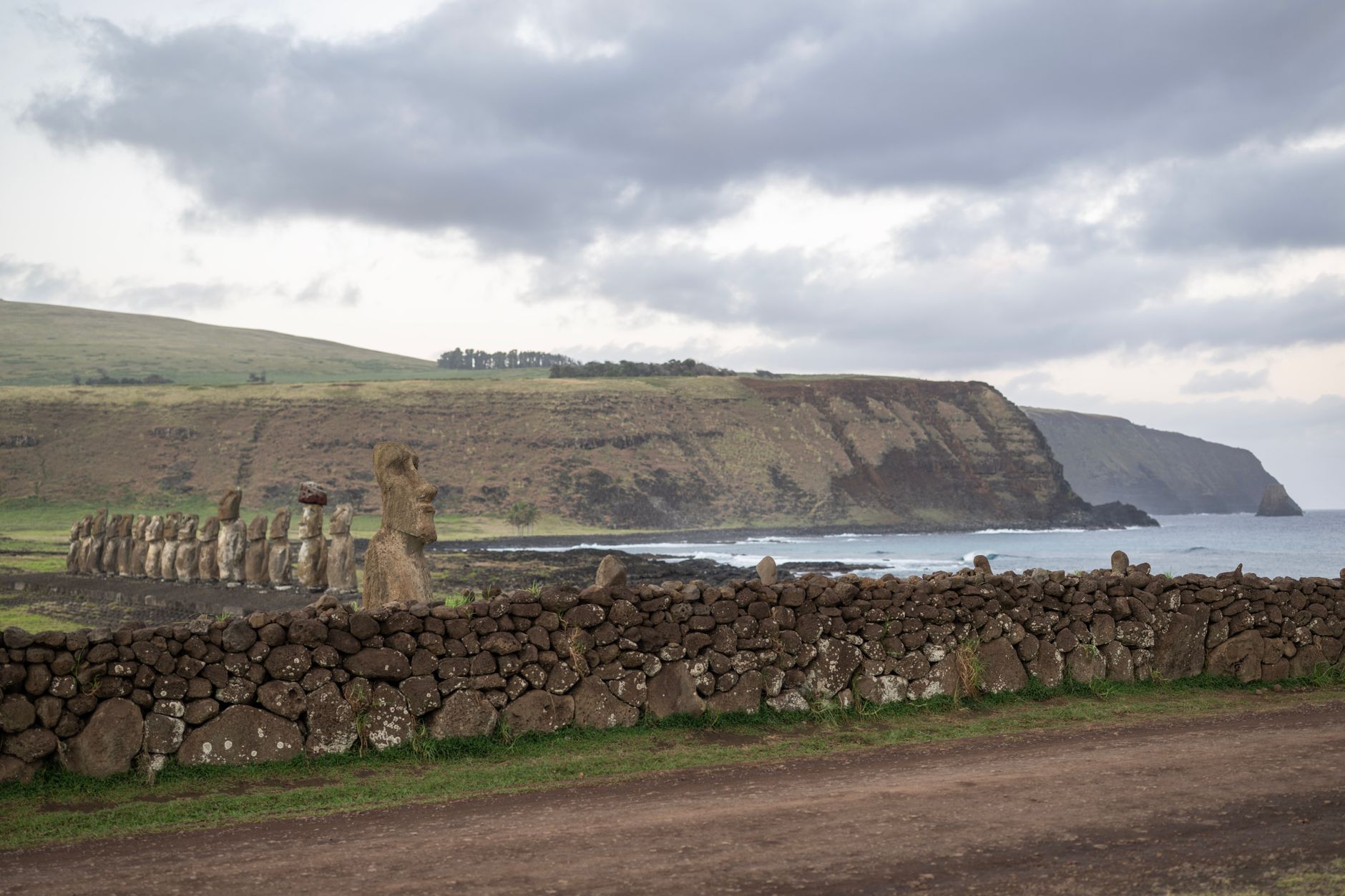
Rapa Nui is generally a calm place for visitors who stay in Hanga Roa, book park access through official channels, and treat the coastline with respect. Street crime exists the way it exists in any small tourist town. Phones on cafe tables. Bags left in a scooter basket. That is not the story of the island, and it is not the thing that ruins a day if you keep normal awareness.
What can ruin a day is arriving without park documentation, standing too close to a cliff for a photo, or discovering that a delayed flight is not a Santiago inconvenience. It is the whole trip. We plan Easter Island the same way we plan a Lake District gravel day that ends far from a pharmacy. The reward is huge. You still pack like someone who cannot casually hop to the next town.
We would not cancel Easter Island because someone asked “is it safe?” We would buffer mainland nights in Santiago, confirm park and entry rules on live official sources, and keep the overnight base in Hanga Roa. Soft adventure by day. A real bed at night. That is the frame we recommend.
This is also the expensive chapter of a Chile vacation. Flights, lodging, and tours add up. Budget honesty is part of safety here. A trip you cannot afford becomes a stressed trip, and stressed travelers make worse decisions about weather, ocean, and time.
Town safety vs island safety
Hanga Roa is the working town. Restaurants, small shops, dive desks, and lodging sit in a compact coastal grid. We treat the center as walkable in daylight, and we keep night walks on streets that still have people and light. We do not wander empty coastal stretches with a phone in our hand at midnight. That is the same rule we use after dinner in Providencia, just with salt air and fewer taxis.
The rest of the island is a different conversation. Rapa Nui National Park is a living landscape with sites that have rules for a reason. Trails, platforms, and coastal viewpoints are not city sidewalks. People get into trouble when they ignore signs, climb where they should not, or treat a Moai site like a backdrop they can rearrange. Official park instructions come from CONAF and authorized ticket channels. Check those before you chase the photo, not after a ranger has to stop you.
If you are still on the “how do we even get there” question, stay with how to visit Easter Island. Day-by-day ideas only work after tickets and flights are real. For lodging once that layer is done, see hotels on Easter Island.
What actually makes people nervous
Most readers who write us are not afraid of Hanga Roa. They are afraid of being stuck, underprepared, or disrespectful in a place that looks open in photos. The pictures are real. The isolation is also real. So is the ocean.
Isolation is the main character
After a bumpy Lake District gravel day, you can still abort and drive back to Pucón. On Rapa Nui, aborting means waiting for the next flight that actually has a seat. Schedules and frequency change by season. We buffer Santiago nights on both ends for that reason, the same way we buffer around a Patagonia hop. Safety here includes not making medical or money decisions while you are wrung out from travel and have no easy mainland backup.
Bring the medications you actually use. Confirm travel insurance that understands a remote island. Do not assume a mainland pharmacy equivalent is around the corner. We do not invent clinic inventories. We plan as if the island is far, because it is.
Park rules are not optional manners
Rapa Nui is a community first and a postcard second. Sites have access rules that shift with conservation needs. Stay on marked paths. Follow guide instructions at sensitive sites. Do not touch or climb what the park says you should not. That is not us being precious. That is how the island stays visitable.
Travelers who handle tickets and documentation early enjoy the island more. Travelers who book the flight first and read park rules later scramble. We prefer the first group. Screenshot confirmations. Island Wi-Fi can be fine at a hotel and useless at a gate if your only proof lives in an email you cannot open.
Ocean, cliffs, and small-town theft
The Pacific here is not a swimming-pool coastline. Currents, rocks, and sudden swell are part of the island’s character. We treat ocean time as a judgment call, not a default. Cliffs and coastal platforms are where people take the photo they later regret. One step back is not cowardice. It is how you still have a trip tomorrow.
In town, keep the phone off the edge of the table and do not leave a bag on a scooter “for a minute.” None of this is unique to Easter Island. It is just easier to forget when a Moai site has just rearranged your sense of scale. Cars and bikes still get opportunistic theft if you advertise the contents.
How we would stay safe without getting tense
We pick a comfort base in Hanga Roa, finish official entry and park steps before we fall in love with a five-night itinerary, and keep hiking and site days inside posted rules. We tell someone the day’s plan. We carry water, sun protection, and a charged phone, knowing signal can thin outside town. An eSIM installed before you leave Santiago matters here for the same reason it matters after a forest soak. When you lose coverage, you still want banking, bookings, and a way to reach your lodging when you have it back.
We do not treat a rented vehicle as a license to improvise every unmarked track. Plenty of first-timers see the island with a guide and sleep in a real bed. Hiring someone who knows which sites are open that day is not a lack of independence. It is how a lot of comfort-first travelers keep the day beautiful instead of stubborn.
Sunscreen and water sound obvious until the wind on the coast makes you forget. The sun is strong. Shade is uneven. We pack Easter Island more like a desert day than a Santiago city walk, even though the town itself feels small and friendly.
If you want the order of operations before you spend money, stay on how to visit Easter Island. Confirm requirements on Chilean government and park sources for your dates. Forms change. This page is the safety mindset. That page is the sequence.
Solo travelers, couples, and night walks
Couples do well here if they accept early nights and the fact that the island does not owe them a city nightlife. Dinner can still run late by US standards. The town still feels like a place that sleeps because tomorrow is another site day. We like that. A good meal and a short walk back is a complete evening.
Solo travelers should use the same logic we use everywhere: busy streets, known restaurant, a ride or a short lit walk if the waterfront feels empty. For country-level context, Chile for solo female travelers still applies. Rapa Nui does not cancel those habits. It just adds isolation on top. Tell someone on the mainland your plan for the day. That is not drama. That is distance.
Hanga Roa is small enough that you will learn the main streets quickly. That compactness is comforting. It can also make you casual. Casual is how phones walk away from restaurant tables in every country we visit.
What Valeria’s family actually changes
What Valeria says: People in Chile do not talk about Easter Island as a place you fear. They talk about it as a place you respect. It is far. It is a community, not an open museum. Do the papers. Stay on the path. If the flight moves, you wait like an adult. That is the local sentence I wish more bucket lists printed.
Would we tell friends to go?
Yes, if they have the time and the budget to do it without rushing the mainland. We would not bolt Rapa Nui onto a two-region trip that is already full. Depth still beats a checklist. If someone asked us whether the island is “dangerous,” we would say no in the way they mean it, and then we would talk about cliffs, tickets, and the flight.
Would I recommend this to friends the way I recommend a Pucón thermal day? Only if they want that isolation on purpose. The first thought should be “are we ready to be far,” not “is the town waiting to go wrong.” Friends who listen to that sentence have a calmer island than friends who treat Mataveri like another domestic hop.
Check live official sources before you travel: the US State Department Chile advisory, CONAF for Rapa Nui National Park rules, and current airline and entry instructions for your dates. Then come back to the practical next step. Buffer Santiago, pick the Hanga Roa base, and finish the papers before you chase the photos.
We would start that plan with how to visit Easter Island, then decide nights and site days from there. The island is not asking you to be fearless. It is asking you to be a guest who arrived prepared.