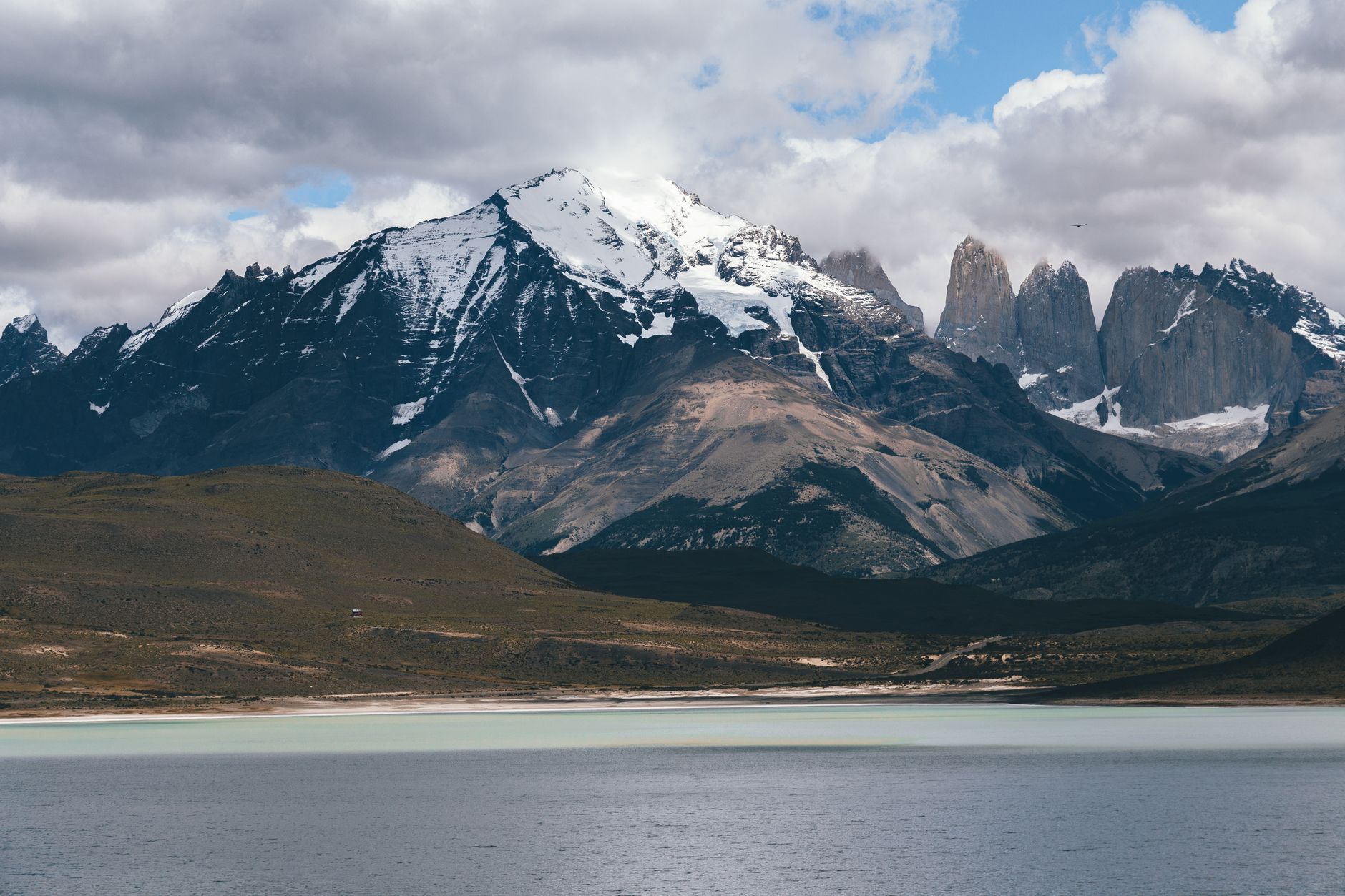
Best time to visit Patagonia Chile: shoulder light vs peak crowds, and wind in every month.
Jan & Valeria. We travel to Chile often and love sharing tips to help you experience this beautiful country.
People ask us for the best month in Patagonia as if the south keeps a polite calendar. It does not. The light changes. The crowds change. The wind stays in the conversation. When we plan a first comfort trip from Santiago, we choose dates the way we choose a thermal day in the Lake District. We pick a window that can still move, then we pack the jacket anyway.
The planning answer: Chilean summer (roughly December through February) has the longest days and the fullest trails. Shoulder months (October to November, March to April) are the window we often prefer for a first Natales-based trip, with more unpredictability and fewer tour-van piles. Winter is quieter and colder, and it is not our default for a first comfort visit. Confirm current park rules, daylight, and services for your exact dates. Start with our Patagonia travel guide once the month is honest.
The honest short answer
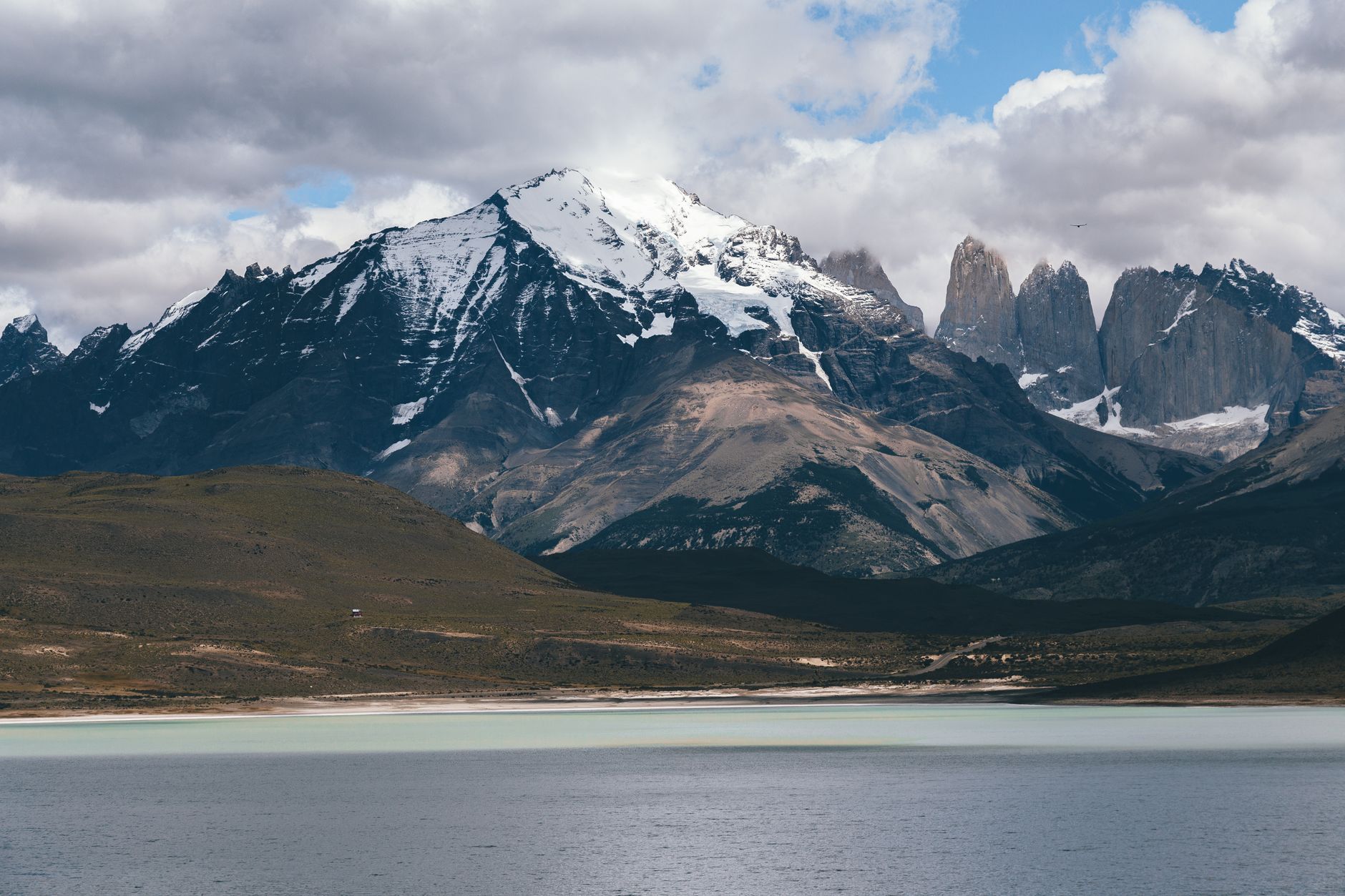
There is no month when Patagonia becomes gentle on command. There are months when you get more light, more company, and more booked rooms, and months when you get more silence and a shorter day. We plan around daylight and wind more than postcard temperatures. A cool, clear morning beats a warm afternoon with gusts that close a viewpoint.
If you need a single recommendation for a comfort-first couple who wants Torres del Paine as day hikes from Puerto Natales, we lean shoulder season when flights and hotel inventory still work. If school holidays lock you into January, go anyway and book earlier. Do not wait for a mythical windless week. Build a buffer night instead.
This is planning knowledge, not a diary of a specific June we are going to invent for you. Conditions change. Official channels win when a blog and a forecast disagree.
Peak summer: light, crowds, wind
December through February is when the south looks most like the photos people carry in their heads. Long evenings. Open services. Full boats of energy in Natales. You can start early and still have light on the way home. That is a real gift on a park day.
It is also when Puerto Natales hotels and park access get competitive. Rooms that felt optional in October become the thing you should have booked first. Trails feel more social. The wind does not take the summer off. People are surprised by that. They packed for “warm” and met a sideways afternoon that made the jacket the most important item in the bag.
We like peak summer when you can accept crowds as the price of light. We like it less when someone tries to add a same-day transfer from Punta Arenas and a long hike because “there are so many hours.” Light is not stamina. Eat. Sleep. Keep the day human. Our how many days in Patagonia notes still apply in January. The extra daylight does not replace the extra night.
Shoulder season: our planning preference
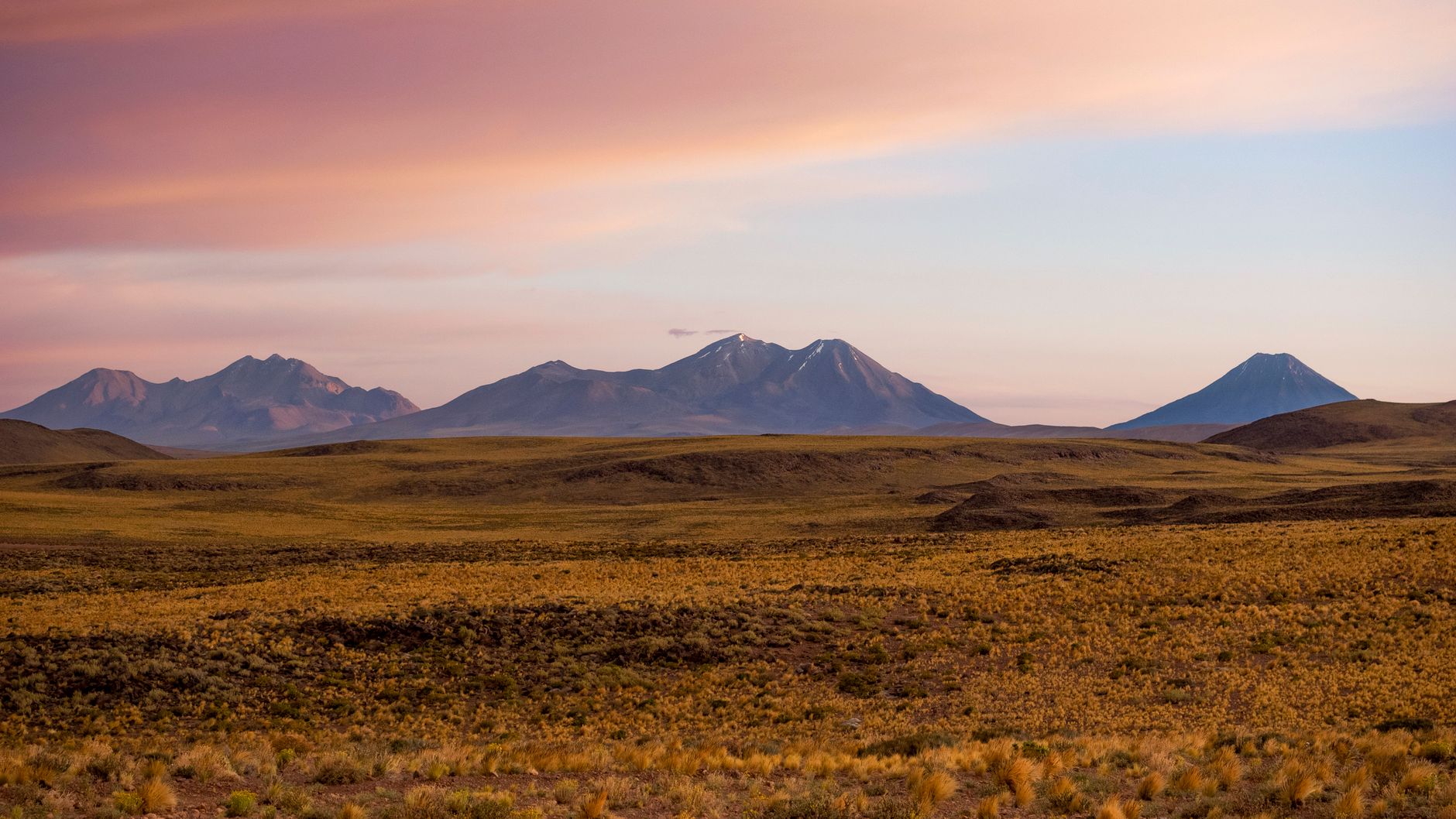
October to November and March to April are the months we talk about most for a first comfort trip. You can still get strong days. Town feels less like a queue. Some services are opening or thinning, which is why you confirm live schedules instead of assuming January’s grid. The light is still generous enough for day hiking if you start on time.
Shoulder season asks for humility. A beautiful morning can be a closed afternoon. A quiet trail can still be a hard trail. We treat that the way we treat a Lake District forecast before a gravel road. Go if the window is good. Turn around if it is not. The hotel in Natales is the reward either way.
If you are flexible by a week, we would rather slide into shoulder than force a peak week you will spend refreshing cancellations. If you are not flexible, pick the dates you can actually take off work and buy the buffer night. Season is a preference. The empty calendar square is the strategy.
Winter: quieter, not a first-trip default
Winter in Chilean Patagonia is a different product. Shorter days. Colder mornings. Some trails and services scale back. The photographs can be stark and beautiful. The logistics get more honest. We would not make winter the default for a couple whose first question was “is this doable without camping?”
If you already know you like cold, short days, and empty streets, winter can be a specialist chapter. Confirm what is actually open. Confirm transport frequency. Confirm park access. Do not copy a summer day-hike list onto a June calendar and hope. That is the kind of planning we refuse to dress up as insider confidence.
For most readers of this site, winter is the season to admire from a distance unless you have a specific reason and a flexible ticket. Comfort-first still means a real bed. In winter it also means being willing to let the town be the whole day.
What wind actually does to a day
Wind is the main character in every season. It can turn a simple viewpoint into a lean-in walk. It can close a trail. It can make a transfer day feel longer than the clock. It can also clear a sky so fast you forgive it by dinner. We pack Patagonia like we pack a mountain soak that might turn wet. Warm layer. Rain shell. Something for your hands. The difference is scale. In Pucón you can abort a drive and go back to the hotel. In Torres del Paine, aborting still means a long transfer back to Natales.
That is why season talk without buffer talk is incomplete. The best month still needs a spare night. The worst month can still give you one perfect morning if you have room to wait. When friends ask us for a guarantee, we give them a jacket list and an extra night instead.
Safety context for that weather-first mindset lives in is Patagonia safe? and is Torres del Paine safe? Street crime is not the story. Being underdressed and late is the story.
How to confirm current conditions
Do the official work the week you travel, not the week you daydream. Check CONAF and current Torres del Paine access information for trail status, entry rules, and closures. Check your airline for SCL to PUQ changes. Check the bus or transfer company for the Punta Arenas to Natales grid. Check your hotel for seasonal breakfast times if you need an early box.
We do not treat a three-year-old photo dump as a forecast. We also do not treat a single Instagram sunrise as proof that your week will be kind. Live sources, then a human plan. If a trail is closed, the trip did not fail. You used Patagonia correctly.
Country-level travel context, when you want it, sits on the US State Department Chile advisory. Then come back to the practical layer. Book the nights. Pack the layers. Leave one day empty.
Packing for four seasons in one day
Even in summer, mornings can feel cold, afternoons windy, and rain can arrive without a speech. Quick-dry layers beat cotton. Shoes with grip matter more than a cute boot that has never seen gravel. Sunscreen still matters. Light bounces off water and pale ground. A hat that stays on in wind is worth more than a second souvenir layer you will not wear.
We pack the same “step out of the water” instinct we learned on thermal days. The second you stop moving, the air takes the heat. In Patagonia that moment is the viewpoint, the bus step, the Natales waterfront after dinner. Keep the warm layer at the top of the bag, not the bottom.
Install a Chile eSIM before you leave Santiago so forecasts, hotel messages, and transfer updates still work in town. Coverage thins on park roads. Offline maps cover the gap. Details: Patagonia eSIM.
How we would choose dates
If we were placing a first comfort trip on a blank calendar, we would look at shoulder weeks first, then check flights into PUQ and rooms in Natales before we fell in love with a date. If those two were already tight, we would take a peak week and book it earlier, not a winter week we were not prepared to inhabit. We would still buy 4 to 6 nights. Season does not replace nights.
What Valeria says: People in Chile do not talk about a perfect Patagonia month. They talk about the jacket and the extra day. If you only remember one local sentence, remember that one.
We hope this helps you pick a window without waiting for a guarantee the south will not give. Choose light you can live with, book the buffer, and let the wind be weather instead of a verdict. When the dates are on the calendar, go back to the Patagonia travel guide and Puerto Natales hotels and make the next booking.