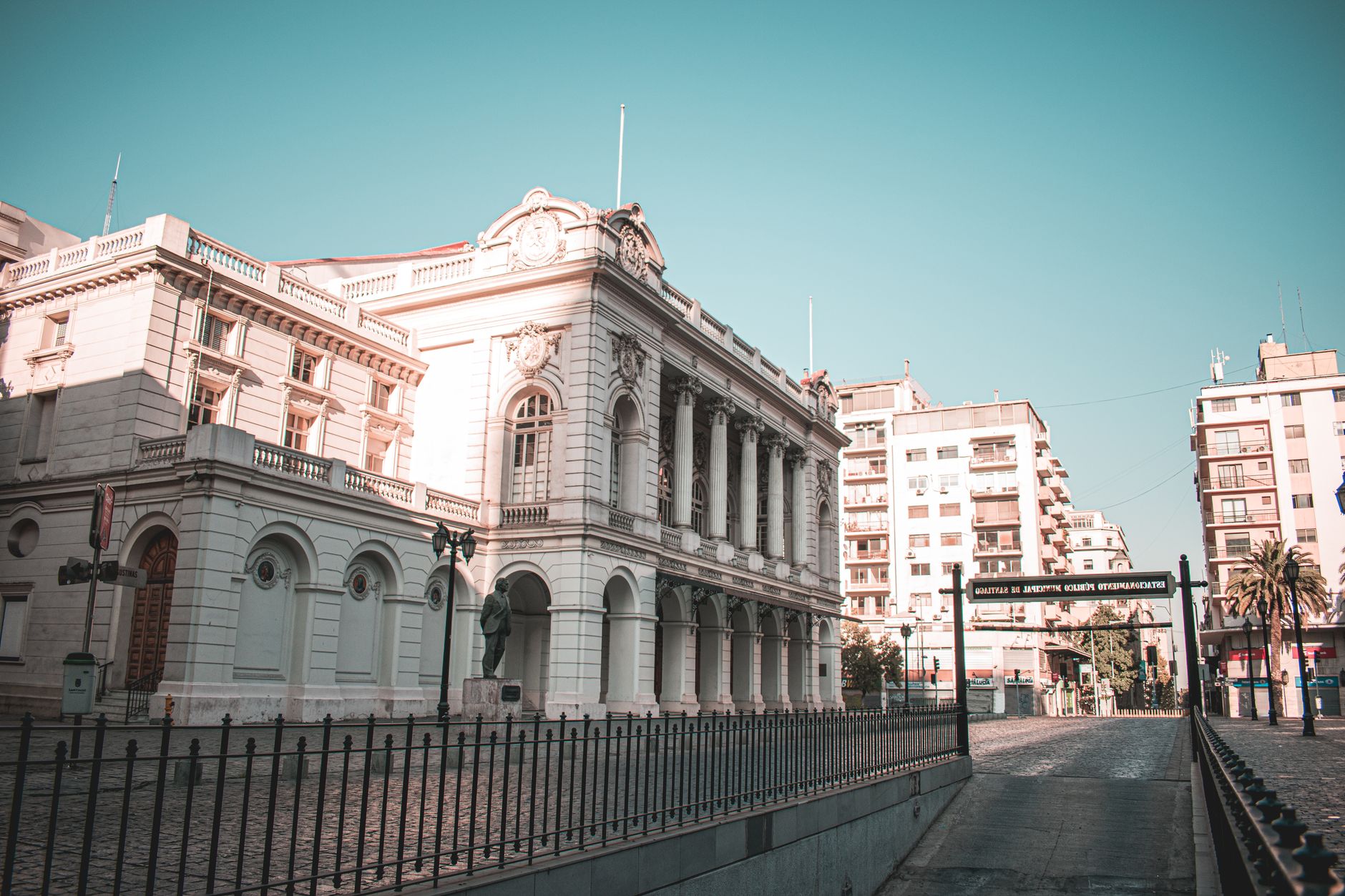
Every time we land in Santiago, Valeria’s family asks us the same thing before we have even left the airport: where are you staying, and which way are you walking tonight? Those two questions are the whole safety plan, and this guide turns them into something you can use.
The short answer: Santiago has no “no-go” zone for a tourist who sticks to the usual circuit. It does have a handful of places that change character after dark, and a few where pickpockets work all day. Know those, and the rest of the city is easy. For the wider picture, start with our guide to whether Santiago is safe.
How we think about “areas to avoid”
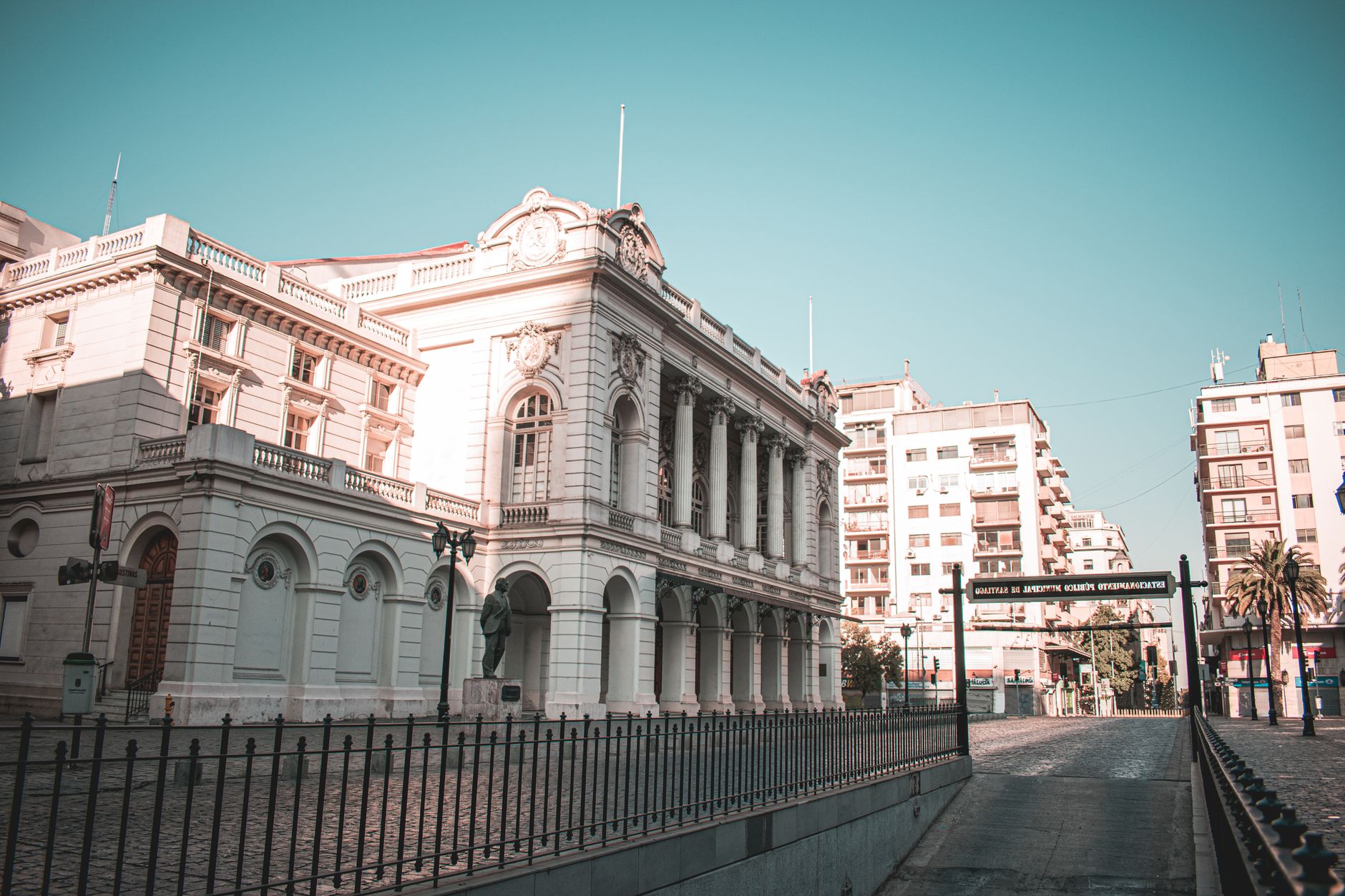
We do not think in terms of dangerous neighborhoods. We think in terms of time of day and what you are carrying. A busy plaza at noon and the same plaza at 11 pm are two different places. Santiago is a big, normal capital city, and the risks are the ones you know from other capitals: phone snatching, bag theft in crowds, and the occasional opportunist near transport hubs.
That is why we are careful so we can relax. We pick the right base, we keep our phones out of sight on busy streets, and we take a ride at night instead of walking a long way. None of this takes effort once it is habit.
The places we treat with extra care
Downtown (Centro) after the offices close
The historic center around Plaza de Armas is worth a daytime visit. It is busy, with street performers, the cathedral, and the Mercado Central nearby. After the shops close, the streets empty out quickly. We do our sightseeing here in the morning and early afternoon, then head back to Providencia or Lastarria for the evening.
Plaza de Armas is also where pickpockets concentrate during the day. Keep your phone in a front pocket, and do not set a bag on the back of a chair at a café terrace.
Around Estación Central and the bus terminals
Big transport hubs attract crowds, and crowds attract thieves. The area around Estación Central and the main bus terminals is fine in daylight while you are moving through it. It is not where we linger, and it is not where we would choose to arrive with heavy luggage late at night. If you land after dark, book a transfer or use a rideshare to the door of your hotel. Our airport to city center guide covers the options.
Bellavista and Pío Nono late at night
Bellavista is a lively neighborhood with murals, restaurants, and a student-heavy nightlife strip. We enjoy it for an early dinner. Later in the evening the crowd gets rowdier and the streets around the bars are not where we want to be with a camera around our neck. Go for dinner, then take a ride home.
Quiet trails and parks at dusk
Cerro Santa Lucía and Cerro San Cristóbal are great, and they are busy during the day. We go in the morning or at midday. At dusk the paths thin out, and a thin path with no one on it is the one place on these hills where we would not want to be alone. The same goes for the riverbank paths along the Mapocho: fine on a sunny weekend, not where we walk after dark.
In Valeria’s family, nobody tries to be brave about a long walk at night. You use the Metro and your feet during the day, and an app ride after dinner. That is just normal in Santiago, not a sign of fear.
The neighborhoods that make life easy
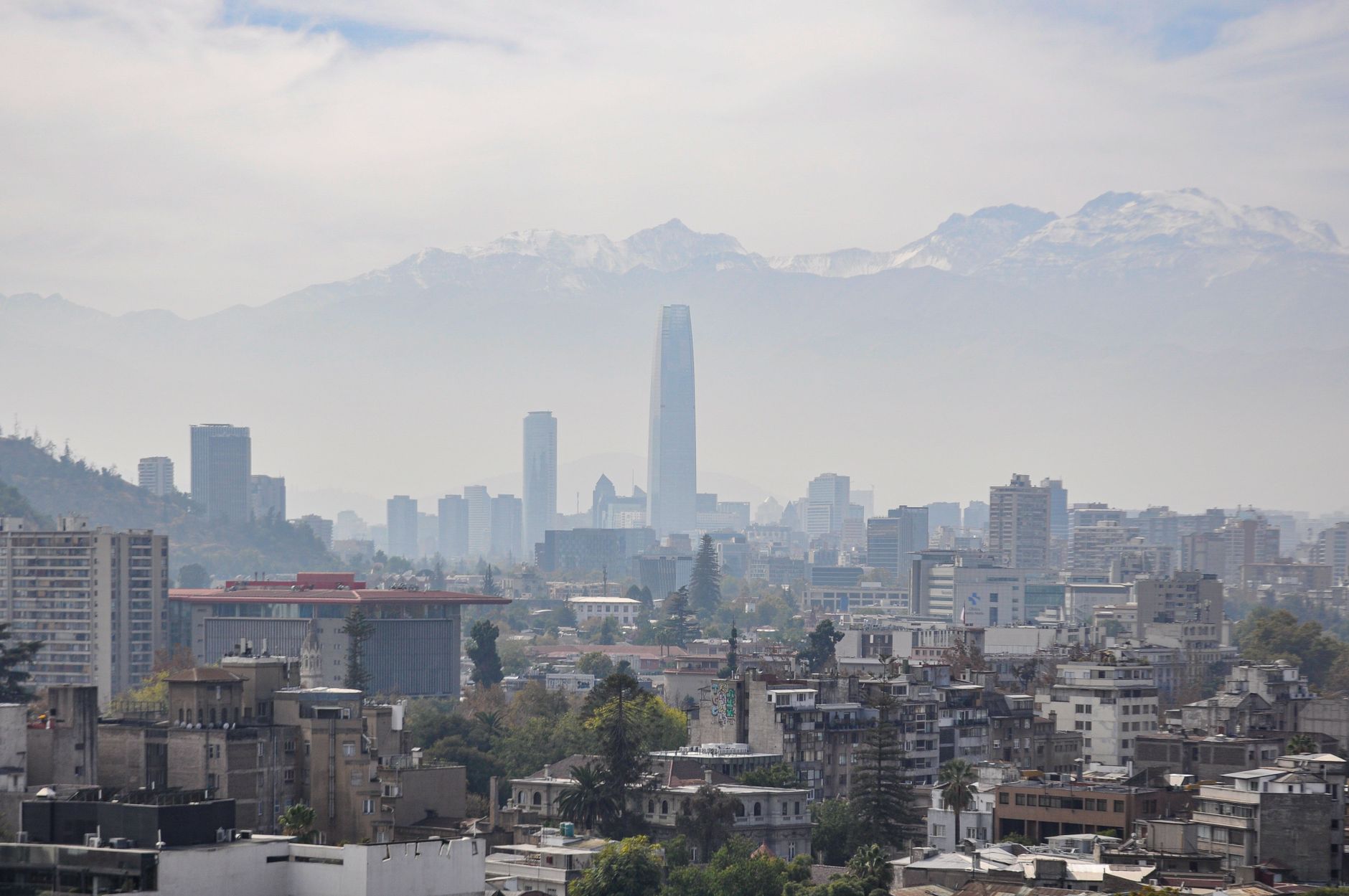
The simplest way to avoid trouble is to sleep where the streets feel calm and the Metro is close. We recommend Providencia, Las Condes, Vitacura, and Lastarria for a first trip. Each has its own feel, and each is easy to walk in the evening on the main streets. Our where to stay in Santiago guide compares them, and our safest neighborhoods post goes deeper on the east side.
If you are choosing between a few hotels, our Santiago hotel shortlist only includes places with strong guest scores. Booking early gives you the best choice of the quiet blocks.
Scams and everyday theft to watch for
- Phone grabs: A phone held loosely at a street corner or a Metro door is an easy target. Use it, then put it away.
- The distraction trick: Someone points out a stain on your jacket while a partner reaches for your bag. If a stranger starts fussing over you, step back and check your pockets.
- Metro crowding: Rush hour on Line 1 is packed. Wear your backpack on the front.
- Unofficial taxis: At the airport, use the official counters or a rideshare app, not a person approaching you in the hall.
We cover more patterns in our common scams in Chile guide. If you are renting a car, read our note on the tire-puncture distraction trick before you pick it up.
Practical rules we actually follow
- Keep passports in the hotel safe and carry a photo of the page.
- Carry one card and a little cash, not your whole wallet.
- Walk with purpose and know your route before you leave the hotel.
- After dinner, take a rideshare, even for a short distance.
- Stay connected. If your phone is stolen, you lose maps, banking, and two-factor codes at once, so we always travel with an eSIM we set up before we land. Our Airalo Chile eSIM link is the one we use for planning, and our eSIM comparison explains the options.
What to do if something goes wrong
Most problems are small. If something is stolen, file a report at the nearest Carabineros station, because your insurer will want it. Block your cards through your bank app straight away, and lock the phone remotely. Keep a note of your hotel address and the number of your embassy offline. It is also worth confirming current guidance on official government travel advisories before you fly, since conditions can change.
The bottom line
Santiago rewards a little planning and does not punish a relaxed traveler who respects the basics. Pick a good neighborhood, treat downtown and the hubs as daytime places, and take a ride after dark. We have done exactly that on every trip, and it has kept us comfortable and free to enjoy the city.
If you are still shaping your trip, our things to do in Santiago guide shows how to fill your days. We would love to hear how your first evening in Santiago goes.