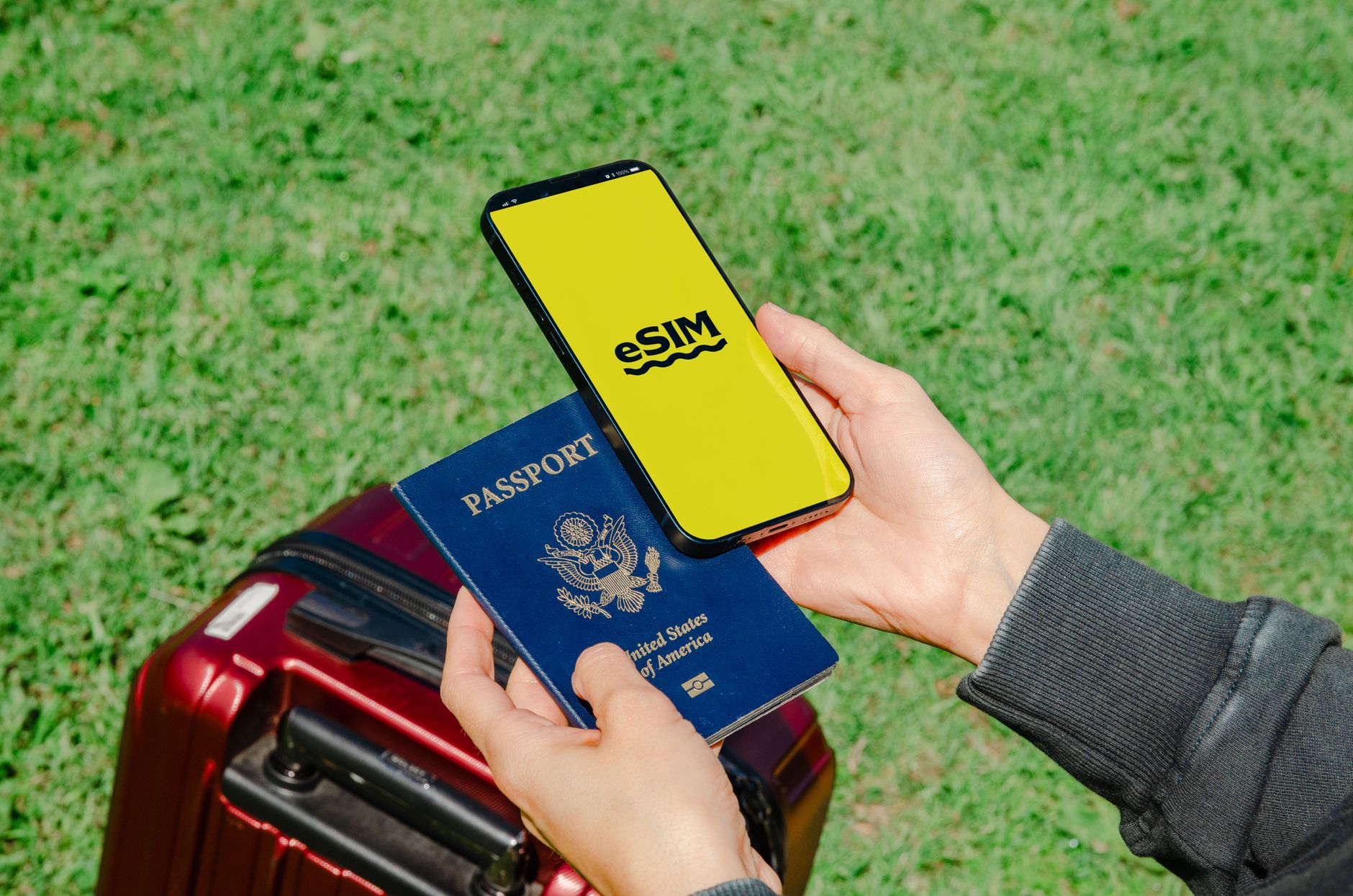
Before most trips, we ask ourselves one practical question about our phones: do we arrive with data, or do we find a shop and sort it out on the ground? In Chile, you can do either, and the better choice depends on your trip.
The short answer: for most visitors on a one- to three-week vacation, an eSIM is simpler, because you install it at home and land connected. A local SIM card can be cheaper for long stays and gives you a Chilean phone number, but you need to buy it in person and may need your passport. This guide helps you decide in a few minutes.
The two options in plain words
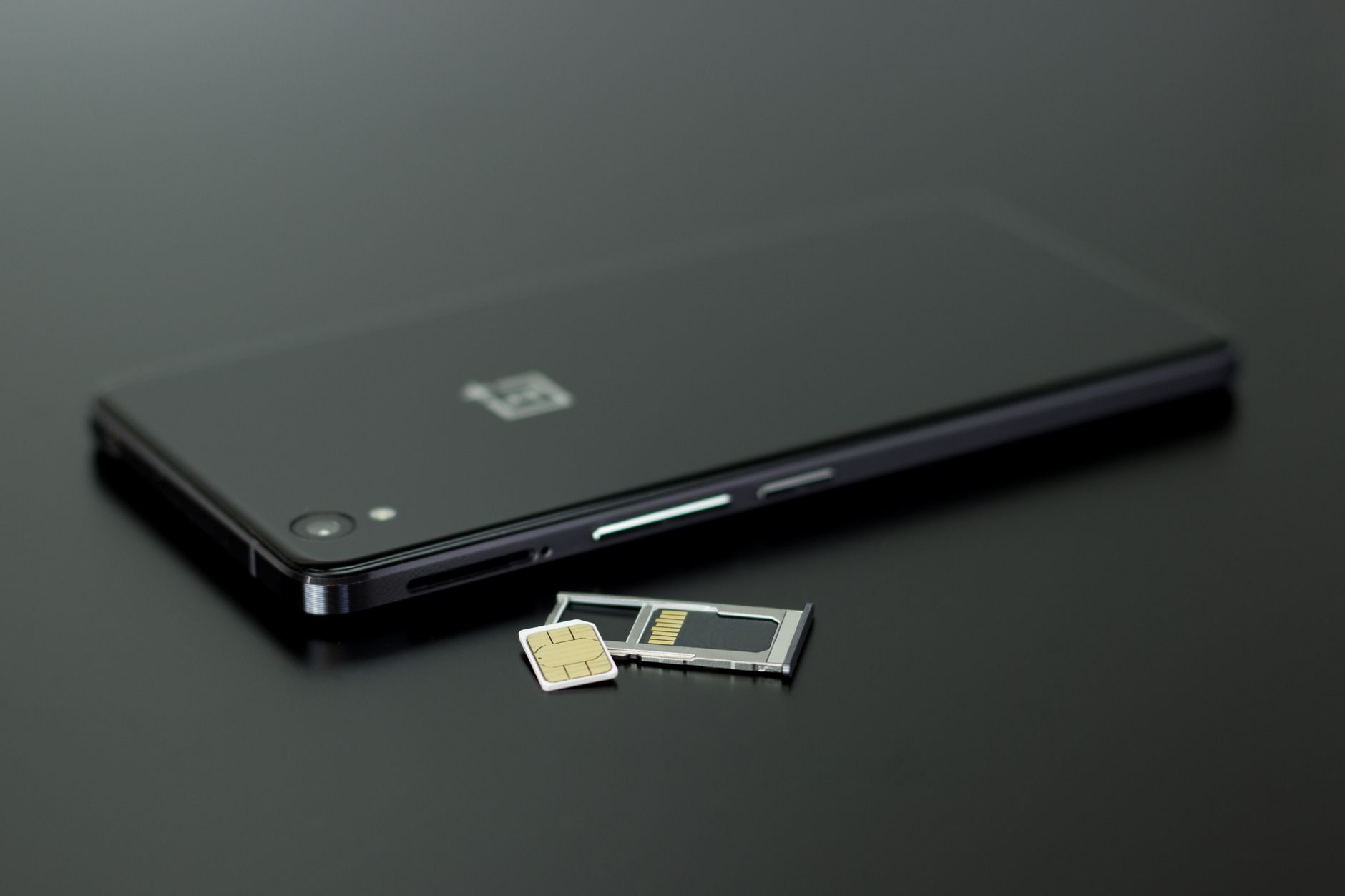
- eSIM: A digital SIM installed through a QR code or app. No physical card, no shop visit. Most travel eSIMs are data-only.
- Local SIM card: A physical card from a Chilean carrier, inserted in your phone. Many include data, calls, and a local number.
When an eSIM is the better choice
- You want to land connected. You can order a ride and open a map right away.
- Your trip is short to medium. A fixed-size data plan matches a normal vacation.
- You want to keep your home SIM active. Calls and bank codes still reach you.
- You would rather skip a shop visit after a long flight.
Our guide to the Airalo Chile eSIM walks through setup, and you can view our Airalo Chile eSIM link directly.
When a local SIM is the better choice

- You are staying for weeks or months. A local plan may offer better value over time.
- You need a Chilean number. For example, for local deliveries or registering for services.
- Your phone does not support eSIM. Then a physical SIM is the only way.
- You need lots of data and plan to compare local plans.
What you need to buy a local SIM
Rules can change, but visitors are typically asked to show a passport when buying a SIM, and there may be a registration step before the line works. Your phone must be unlocked. You can buy at carrier stores, in shopping malls, and sometimes at the airport, though prices and hours vary. Check current requirements and offers on the carrier’s official site or in store.
If you land late or on a Sunday, you may find shops closed, and you could be without data for hours. That is a good reason to have an eSIM ready.
Side by side
- Setup: eSIM at home in minutes. Local SIM in a shop after you land.
- Convenience on arrival: eSIM wins. A local SIM needs a store visit.
- Phone number: Local SIM wins, since most travel eSIMs are data-only.
- Long stays: Local SIM may be better value.
- Keeping your home number active: Both can work, with an eSIM being simpler on a dual-SIM phone.
- Phone compatibility: eSIM requires a supported, unlocked phone.
Check your phone first
Look in your phone’s settings for an option to add an eSIM or cellular plan. Most phones from the last several years support it. Make sure your phone is carrier-unlocked. If you are not sure, ask your carrier before you travel.
Coverage is the same story
Whether you choose an eSIM or a local SIM, coverage depends on the local networks. Santiago, Valparaíso, and main tourist towns are well covered. In remote parts of the Lake District, the Atacama, and Patagonia, signal is patchy for everyone. Download offline maps before you leave a town. See our guides to eSIM in Patagonia and eSIM in the Atacama.
Why data matters for safety
Data lets you call a ride after dark, use a map, show bookings, and receive banking codes. If your phone is lost or stolen, you want to reach your bank straight away. We always set up data before we fly. For safety habits in Santiago, see our guide to areas to avoid in Santiago.
Our recommendation
- Trip of one to three weeks, with an eSIM-ready phone: Choose an eSIM and install it before you fly.
- Stay of a month or more: Compare a local SIM.
- Phone without eSIM: Buy a local SIM, ideally in daylight at a store.
- Crossing into Argentina: See eSIM for Chile and Argentina.
How much data do you need?
It depends on your habits. Maps and messaging use little, and video calls and streaming use a lot. See our guide on how much data you need in Chile. For provider choices, see Holafly versus Airalo, our eSIM comparison, and best Chile eSIM for travel.
Common questions
Can I buy a SIM card at the airport?
Often yes, though prices and availability vary, and you may need your passport. Compare with city stores, and check the terms before you pay.
Do I need to register a local SIM?
Registration rules can apply, and they can change. Ask the seller to confirm that the line will work before you leave the store.
Can I keep WhatsApp working?
Yes, with either option, since WhatsApp uses data and your existing number. You do not need a local number to use it.
Which is better for remote areas?
Neither guarantees signal. Coverage depends on local towers. Download offline maps, whichever you choose.
The decision in one minute
If your phone supports eSIM and your trip is under a month, choose an eSIM, install it at home, and arrive connected. If your phone does not support eSIM, or you are staying for months, buy a local SIM in daylight at a store and check that it is active before you leave. In both cases, the real win is the same: make the decision before you land, so that data is never a problem on your first evening.
Switching plans mid-trip
If you start with an eSIM and later realize you need more data, you can usually buy another plan from your phone, provided you have a connection. If you start with a local SIM and want to switch, you will need to visit a store or find a top-up option. That asymmetry is another reason we prefer to set up an eSIM at home and keep a backup plan in mind.
The bottom line
For a normal vacation, an eSIM saves time and stress, and it is how we prefer to travel. For long stays or phones without eSIM, a local SIM is a solid alternative. Pick one, set it up before you need it, and enjoy the trip. We would love to hear which you chose.