
Santiago
2-Week Santiago Itinerary (2026 Guide)
Let me be straight with you about something before we get into the days. Two weeks in Santiago, meaning 14 full days in the city itself without leaving, is not something I’d recommend. Not because Santiago isn’t worth your time, but because at that point you’re staying too long in one place when some of the most astonishing landscapes on the planet are a short flight away.
Not sure how long you need? Read how many days in Santiago Chile first. Book your base: where to stay in Santiago.
Start with our is Chile safe for tourists? guide for country-level context before your 2-week trip.
Stay connected: Compare Chile eSIM providers (Airalo vs Holafly vs Nomad) before you fly — it takes five minutes and saves airport hassle.
What I would recommend, and what this itinerary is built around, is using Santiago as your base and your anchor. You’ll come back to it. You’ll leave from it. You’ll use its airport as the gateway to other parts of Chile. And between those flights, you’ll genuinely explore the city, the coast, the wine valleys, and the Andes rather than rushing through them.
That’s what two weeks in Santiago actually looks like in practice, and it’s a brilliant way to spend a fortnight.
Here’s exactly how I’d plan it.
The structure: why Santiago as a base makes sense
Chile is a strange country geographically. It’s nearly 4,300 kilometers long, roughly the same as the distance from London to the middle of Russia, but in many places just a few hundred kilometers wide. Everything is connected through Santiago’s airport, which means that even when you’re flying to Patagonia in the far south or the Atacama Desert in the north, you’ll almost certainly be routing through the capital.
Rather than fighting that, this itinerary leans into it. Santiago becomes your home for two weeks. You leave your main luggage at your hotel, pack a smaller bag for multi-night excursions, and come back each time with a completely different landscape still fresh in your mind.
It also means you get the unusual pleasure of actually knowing a city well by the end of your trip. Most travelers rush through Santiago in two or three days and barely scratch the surface. By the time you leave after two weeks, you’ll know which café makes the best coffee in Barrio Italia, which restaurant in Lastarria is worth the wait, and which viewpoint of the Andes you prefer at different times of day. That kind of familiarity with a place is rare on a two-week trip, and it’s something to appreciate.
Days 1 to 4: getting to know Santiago properly
Spend your first four days exploring the city at a pace that actually lets things sink in.
Day one is for settling in. Land, check in, walk around your neighborhood, find somewhere for a long lunch with a menú del día, and get your bearings without pressure. If you have the energy late afternoon, Cerro Santa Lucía in the center gives you a quick visual map of how the city is laid out without much effort.
Day two is the historic core. Start at Palacio de La Moneda and the underground Centro Cultural La Moneda, wander through the Paris-Londres neighborhood, reach Plaza de Armas by mid-morning, and spend time at the Museo Histórico Nacional if Chilean history interests you. After lunch in Barrio Lastarria, cross the Mapocho River into Bellavista for the afternoon and head up Cerro San Cristóbal by funicular before dinner.
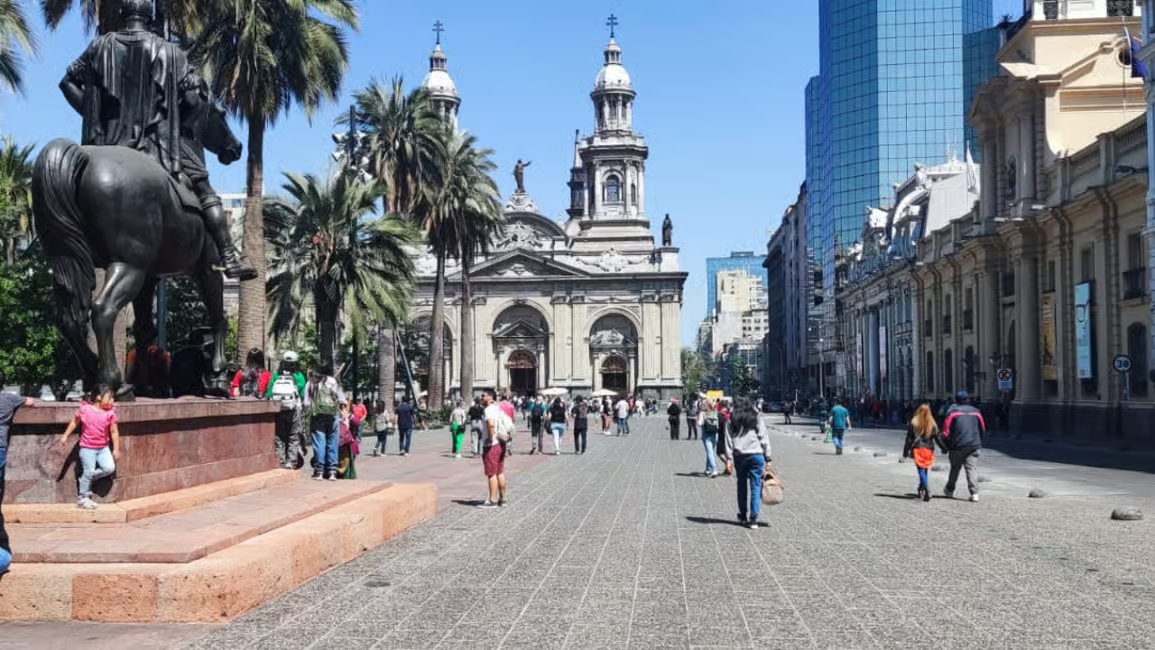
Day three is markets and neighborhoods. Begin at Mercado Central and La Vega Central in the morning, the two very different faces of how Santiago feeds itself, and then take the metro to Barrio Italia for coffee, browsing, and a slow mid-morning before lunch in Providencia. The afternoon belongs to the Museo de la Memoria y los Derechos Humanos, the most important museum in the city for understanding what Chile went through under the Pinochet dictatorship. It demands your full attention and some emotional preparation, but it’s essential.
Day four is for what you missed. Every visitor has a gap by day four: a neighborhood they didn’t get to, a museum that ran out of time, a market they only walked through without stopping. Use today to fill those gaps and to eat properly. Try a restaurant you’ve walked past twice and been curious about. Have a long dinner in Bellavista with wine from the Colchagua Valley. Go to bed knowing the city.
Days 5 and 6: Valparaíso and the Casablanca Valley
On day five, leave Santiago early for the coast. The drive to Valparaíso takes around 90 minutes and goes directly through the Casablanca Valley, one of Chile’s most important white wine regions. Stop at a winery on the way, something worth building into the logistics rather than treating as an afterthought. The Casablanca Valley produces outstanding Sauvignon Blanc and Chardonnay in a cool coastal climate, and it would be mildly criminal to drive through without stopping.
Spend the afternoon and evening in Valparaíso itself. This city deserves more than a quick look. The neighborhoods of Cerro Alegre and Cerro Concepción are where the famous murals, funiculars, and sweeping Pacific views are concentrated, and the best way to experience them is slowly, on foot, with no particular plan. Pablo Neruda’s Valparaíso home, La Sebastiana, is worth visiting as a museum if you have the time.
Stay overnight in Valparaíso rather than rushing back to Santiago. Cerro Alegre has some excellent small hotels and the city has a very different atmosphere after dark, more relaxed, more creative, with good restaurants tucked into side streets that you’d never find on a day trip.
On day six, spend the morning exploring the parts of Valparaíso you didn’t reach the day before, then head 15 minutes up the coast to Viña del Mar for the afternoon. Where Valparaíso is raw and bohemian, Viña del Mar is polished and beach-fronted. It’s a good contrast, pleasant for a seaside lunch and a walk along the promenade before driving back to Santiago in the evening.
Days 7 to 10: fly to the Atacama Desert
This is the section of the trip that people talk about for years afterward. Book flights from Santiago to Calama airport, which is the gateway to San Pedro de Atacama, the desert town that serves as the base for exploring one of the most extraordinary landscapes on the planet.
The Atacama is the driest non-polar desert on Earth. In parts of it, no rainfall has ever been recorded. The landscape is so alien that NASA has used it for Mars rover research and testing. It sits at high altitude, the air is thin and clean, and at night the sky is darker than almost anywhere else in the world.
Day seven is the travel day and arrival. Settle into San Pedro de Atacama, walk the quiet adobe streets of the town, have dinner somewhere local, and go to bed early because the next few days start before sunrise.
Day eight: the Tatio Geysers. This is one of the highest geyser fields in the world, at around 4,300 meters above sea level, and the tour there departs in the dark to catch the geysers at their most active as the cold night air meets the rising steam at dawn. It is genuinely spectacular and nothing like anything you’ve seen before. Pack layers, bring coca leaf tea if you can get it, and take the altitude seriously.
Day nine: Valle de la Luna and the salt flats. The Valley of the Moon is a landscape of eroded salt and clay formations that looks exactly like what its name suggests. Visit in the late afternoon and stay for sunset, when the light turns the entire valley to copper and gold. The Salar de Atacama, the enormous salt flat nearby, is home to large colonies of flamingos feeding in the brackish lagoons, including the striking Laguna Chaxa. The combination of salt, flamingos, and volcano backdrops is the kind of scene that feels almost too dramatic to be real.
Day ten: a slower morning in San Pedro, some time for the town itself, which has good small restaurants and craft markets, and an afternoon flight back to Santiago.
One practical note: the altitude in the Atacama catches many people off guard. San Pedro sits at around 2,400 meters and many excursions go significantly higher. Drink plenty of water, take it slow on the first day, and don’t push yourself if you feel the effects. The headaches and fatigue that come with altitude are real, and they pass faster if you respect them rather than ignore them.
Days 11 to 13: Cajón del Maipo and wine country
Back in Santiago with a few days remaining, these are the ones I’d use for the mountain canyon and the wine valleys.
Day eleven belongs to Cajón del Maipo, the narrow Andean canyon that cuts southeast from Santiago and becomes more dramatic the further in you go. The destination most worth reaching is Embalse El Yeso, a glacial reservoir at altitude with a color so vivid, a deep turquoise against white peaks, that it looks like someone turned the saturation up. The canyon also has natural hot springs, and a soak in thermal pools with the Andes directly above you is an experience worth organizing around. Rent a car for this day or book a tour that goes all the way into the upper canyon.
Day twelve is for Maipo Valley wine country. The valley begins almost immediately outside Santiago and produces some of Chile’s most celebrated red wines, particularly Cabernet Sauvignon that has been grown here long enough to develop a genuine regional character. My wife grew up hearing the major Maipo producers mentioned the way Europeans name classic châteaux, and spending a day out there with that context made the wines taste different. In a good way. Concha y Toro is the most famous winery in the valley and does well-organized tours with good tastings. Cousiño Macul and Santa Rita offer more intimate alternatives if you want something smaller.
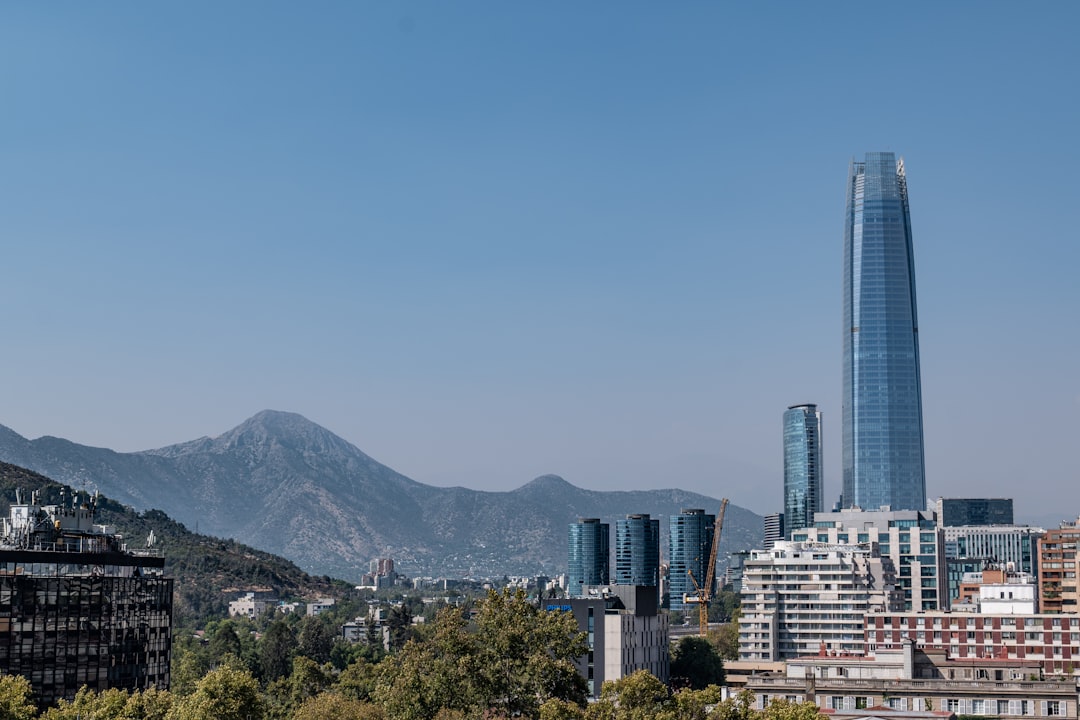
Day thirteen: use this as a flexible day. Either a second day in Maipo or Casablanca wine country, a return visit to a neighborhood in Santiago you want to spend more time in, or the Sky Costanera observation deck if you haven’t done it yet. The views from the top of South America’s tallest building are exceptional on a clear day and give you a completely different perspective on the city than any of the hill viewpoints.
Day 14: a proper final day
Don’t waste your last day on logistics. If your flight is in the evening, you have a full day left.
Go back to the neighborhood you liked most. Eat lunch slowly. Walk through Parque Bicentenario in Vitacura if the weather is good, a large, well-kept urban park with flamingo ponds and the kind of unhurried Saturday afternoon atmosphere that makes you want to live somewhere. If you haven’t been to the Museo Chileno de Arte Precolombinoyet, this is the morning for it. One of the finest pre-Columbian collections in South America, just off Plaza de Armas, and the kind of museum that repays the time you give it.
For your last dinner in Santiago, go somewhere that deserves a proper evening. The restaurant scene in Lastarria and Barrio Italia has matured considerably in recent years, with chefs using Chilean ingredients in genuinely creative ways. Book a table. Order the wine. End the fortnight well.
What this itinerary covers
To summarize what two weeks looks like with this approach: four days exploring Santiago itself, two days on the coast in Valparaíso and Viña del Mar, four days in the Atacama Desert, and four days split between Cajón del Maipo, the wine valleys, and a relaxed final day in the city.
It’s a genuinely varied two weeks. You’ll have walked the streets of a UNESCO world heritage port city, watched dawn break over the world’s highest geyser field, swum in Andean hot springs, tasted some of the best red wines in South America, and still had enough time to get to know Santiago the way few short-term visitors do.
That’s the case for two weeks with Chile’s capital at the center of everything.
Practical notes for a two-week trip
Flights: Book your Santiago to Calama flights as early as possible. LATAM is the main domestic carrier and connects Santiago to most Chilean cities. Fares go up quickly during high season and the flight fills out, so sorting this before you sort the rest of your trip is a smart move.
Packing strategy: If you’re doing the Atacama, pack accordingly. The desert days are hot and dry, the mornings before sunrise are very cold, and the altitude means sunscreen and hydration matter more than usual. The rest of the trip is mild enough for standard warm-weather travel clothes.
Getting around Santiago: A Bip! metro card covers almost everything within the city. For day trips, Uber and rental cars both work well. Organized tours with transport included are worth considering for Cajón del Maipo and the wine valleys if you’d rather not drive unfamiliar mountain roads.
Where to stay: Lastarria or Providencia are the neighborhoods I’d choose as a base. Both are safe, central, walkable to a great deal, and well-connected by metro to everything else. Barrio Italia is worth considering if you want a more local, less tourist-facing experience.
Budget: Two weeks in Chile is not cheap once you factor in the domestic flights, accommodation, and organized excursions. The Atacama tours in particular add up. That said, daily costs within Santiago itself are very reasonable by European or North American standards. Food is inexpensive, the metro is cheap, and museums are often free or close to it. The budget gets stretched by the experiences outside the city, not by the city itself.
For a deeper look at any individual part of this itinerary, check out the dedicated guides elsewhere on the site: the 2-day Santiago itinerary for the city in detail, the 1-week Santiago guide for the regional day trips, and the how-many-days-in-Santiago post for help deciding on the right duration for your own trip. The team at Worldly Adventurer also have a solid two-week Chile framework worth reading alongside this one.
Two weeks in Chile, done this way, is one of the best trips you can take. I say that from experience, and I’d go back tomorrow if I could.
Book next: Where to stay in Santiago · Best hotels in Santiago · Best Chile eSIM · Things to do · Is Santiago safe?