
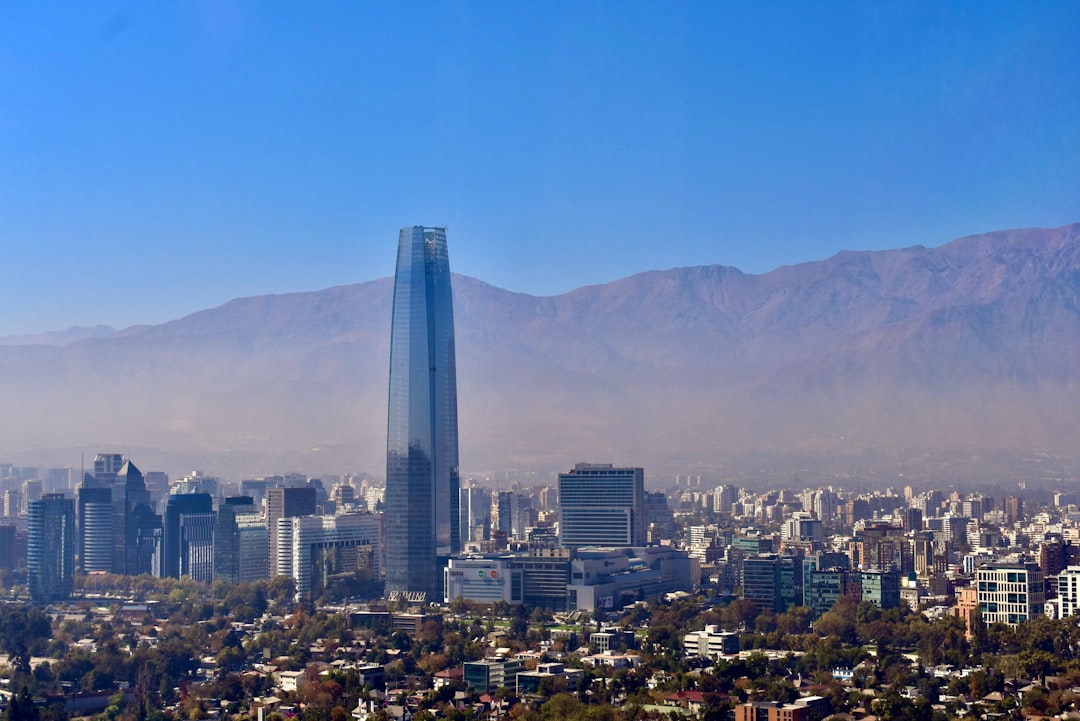
Santiago
2-Day Santiago Itinerary (2026 Guide)
Santiago doesn’t get the credit it deserves. Most travelers land here, sleep one night, and bolt toward Patagonia or the Atacama without giving the city a real chance. That’s a mistake. Chile’s capital is one of the most layered, livable, and genuinely exciting cities in South America, and if you give it 48 hours and a good plan, it will absolutely win you over.
- Santiago neighborhood guides (from personal experience):
- Las Condes
- Providencia
- Vitacura
- Lastarria
- Barrio Italia
Short visit picks: museums · walking tours · is Santiago worth visiting?
Short on time? Start with how many days in Santiago. Have a week? See 1 week in Santiago. Where we'd stay for two nights: where to stay in Santiago · Providencia hotels.
Two days in Santiago works for a first taste: one day for neighborhoods and museums, one for a wine valley or mountain day trip.
Stay connected: Compare Chile eSIM providers (Airalo vs Holafly vs Nomad) before you fly. it takes five minutes and saves airport hassle.
I’ve spent a lot of time in Santiago, and this itinerary reflects how I’d actually spend two days there, not a watered-down list of tourist boxes to tick. It covers the historic center, the neighborhoods worth wandering, where to eat like a local, and the viewpoints that remind you just how dramatically beautiful this city’s setting is.
Let’s get into it.
Before you start: a few things worth knowing
Santiago is a big city of around seven million people, but the areas you’ll spend most of your time in as a visitor are surprisingly walkable and connected by a clean, efficient metro system. Get a Bip! card at any metro station when you arrive. It costs next to nothing and saves you the hassle of buying single tickets every time you move around.
The city is generally safe in the neighborhoods covered in this itinerary. As with any major city, keep an eye on your phone and bags in crowded areas like markets and plazas, and you’ll be absolutely fine.
One more thing: Santiago sits in a valley surrounded by the Andes. On a clear day, particularly in winter or after rain, the mountain backdrop is jaw-dropping. On smoggy summer days you might see almost nothing. Either way, the city itself is worth every minute.
Day 1: The historic heart and the bohemian side
Morning: La Moneda and the historic center
Start your day at Palacio de La Moneda, Chile’s seat of government. The building itself is a beautifully proportioned neoclassical structure, and if your timing is right, you can catch the Changing of the Guard ceremony that takes place every other day at 10am on the Plaza de la Constitución. It runs for about half an hour and is far more interesting than most ceremonial guards elsewhere.
From La Moneda, head underground to the Centro Cultural La Moneda. It sits directly beneath the palace and hosts rotating art and history exhibitions, often free or very affordable. It’s the kind of place that rewards you if you slow down for a bit rather than rushing through.
Walk a few blocks east and you’ll hit the Paris-Londres neighborhood. This small district looks nothing like the rest of Santiago. Cobblestoned streets, European-style architecture, and quiet courtyards make it feel like a small pocket of another continent. It’s a great place for a morning coffee and a slow wander with a camera.
From there, continue to Plaza de Armas, the historic heart of the city. The Metropolitan Cathedral dominates one side, and the plaza itself is always full of life: street performers, chess players, pigeons, and locals taking a break from the day. The Museo Histórico Nacional, right on the square, is worth stepping into for at least an hour if Chilean history interests you at all. The collection traces the country from pre-Columbian times through independence and into the 20th century.
Lunch: Barrio Lastarria
A short walk from the historic center brings you to Barrio Lastarria, one of Santiago’s most pleasant neighborhoods for a midday break. Tree-lined streets, independent restaurants, and a relaxed, slightly arty atmosphere make it a good place to decompress after the busier morning.
For lunch, look for a restaurant with a good menú del día, the set lunch common across Chilean restaurants. You typically get a starter, main course, and sometimes a drink for a very reasonable fixed price. It’s how locals eat at midday, and it’s usually excellent value for the quality.
If you want something more casual, there are plenty of café options and small bistros in Lastarria. The Mercado Lastarria is also nearby, with food stalls and artisan products, good for a browse even if you don’t eat there.
Afternoon: Bellavista and Cerro San Cristóbal
After lunch, cross the Mapocho River into Bellavista, Santiago’s most famously bohemian neighborhood. It’s the kind of place where street art covers entire building facades, independent galleries sit next to small cocktail bars, and Pablo Neruda’s Santiago home, La Chascona, is tucked away on a narrow side street.
La Chascona is one of three houses Neruda built across Chile, each bizarre and wonderful in its own way. This one was built for his partner Matilde Urrutia and named after her wild hair. The guided tours are genuinely enjoyable and give you a real sense of who Neruda was beyond the poetry. Book ahead, especially on weekends.
From Bellavista, head up to Cerro San Cristóbal. You can take the funicular from the Pío Nono entrance, which is both practical and fun. At the summit sits a large white statue of the Virgin Mary, and the views from up here are the ones that appear in every Santiago travel photo for good reason. On a clear day, the Andes spread across the horizon in every direction, and the city stretches out below you in that distinctive valley shape. It’s genuinely one of the better urban viewpoints in South America. The folks at Travel Past 50 describe it well when they say the hill gives you “an overview of the city” unlike anywhere else, and they’re absolutely right.
Come back down via the cable car on the other side if you want a different experience. It drops you near the Pedro de Valdivia metro station in Providencia.
Evening: Dinner in Bellavista or Barrio Italia
For dinner on your first night, Bellavista is the obvious choice since you’re already in the neighborhood. The streets around Patio Bellavista are dense with restaurants and bars catering to everything from traditional Chilean food to sushi and pizza. For something more authentically local, look for spots serving cazuela, a slow-cooked stew, or pastel de choclo, a baked corn and meat dish that is pure Chilean comfort food.
A pisco sour before dinner is non-negotiable. Chilean pisco sours are made slightly differently to the Peruvian version, with a sharper, more citrus-forward flavor. Try one somewhere. Try two.
Day 2: Modern Santiago, markets, and mountain views
Morning: Mercado Central and La Vega
Start day two at Mercado Central, Santiago’s famous covered market by the Mapocho River. The building itself is a beautiful cast-iron structure from the 19th century, and inside it’s a controlled chaos of fresh fish, shellfish, produce, and food stalls. The market gets busy and the vendors can be persistent, but the atmosphere is electric. This is a genuinely good place to eat a proper Chilean seafood lunch later, but in the morning it’s worth walking through just to take it all in.
The market is also close to La Vega Central, the larger and grittier wholesale produce market across the river. La Vega is less polished and more local, piled high with every fruit, vegetable, and dried product imaginable. This is where Santiago actually feeds itself. The energy is different here to the touristy parts of the city, and I find it more interesting for that reason. Travel writer Tiffany Hsu, who has written extensively about Santiago’s neighborhoods, describes La Vega as one of the few places in the city where you still feel like a guest rather than a customer. and that’s exactly right. You can read her take on Santiago’s market scene over at Two Shoes One World.
A Chilean colleague once told me that anyone who visits Mercado Central without checking out La Vega first is only seeing half the picture. She was right.
Mid-morning: Barrio Italia
From the markets, take the metro toward Barrio Italia, a neighborhood that has transformed over the past decade from residential to one of the most interesting creative districts in the city. The streets around Avenida Italia and Avenida Condell are lined with vintage furniture shops, specialty coffee roasters, independent bookshops, tattoo studios, and design stores.
It’s a good place to pick up genuinely original souvenirs rather than the standard alpaca scarves and fridge magnets. Chilean ceramics, local design objects, and artisan food products make far better gifts. There are several excellent coffee shops in the area as well, great if you need a proper caffeine hit before the afternoon.
Lunch: Providencia
Head to Providencia, Santiago’s main upscale residential neighborhood, for lunch. It has a very different feel to the historic center or Bellavista, more polished, quieter, tree-lined streets and proper restaurants rather than tourist spots.
Providencia is where Santiago’s professional and expat community tends to eat, and the restaurant quality reflects that. You’ll find good Chilean cuisine alongside French bistros, Japanese restaurants, and modern South American cooking. The area around Manuel Montt metro station has a concentration of solid options at reasonable prices.
Afternoon: Costanera Center and city views
After lunch, head to Costanera Center in the Las Condes district. This is the tallest building in South America, and the Sky Costanera observation deck on the upper floors gives you a completely different perspective on the city than Cerro San Cristóbal. Where San Cristóbal gives you a natural, panoramic, wide-angle view, Sky Costanera puts you inside the glass towers of modern Santiago and looks down at the city and the mountains simultaneously. It’s worth doing both.
The observation deck has an entry fee but the views are exceptional, particularly on clear afternoons when the Andes are fully visible to the east and you can trace the city all the way to the coast on the horizon.
The mall below Costanera Center is the largest in South America if shopping is your thing, though it feels much like any modern mall. The observation deck is the real reason to come.
Late afternoon: Parque Bicentenario and Barrio El Golf
If the afternoon is still going strong, Parque Bicentenario in Vitacura is a genuinely pleasant place to wind down. It’s a large urban park with flamingo ponds, walking paths, and lawns full of Santiago families in the late afternoon. It’s relaxed, local, and a good antidote to a day of sightseeing.
The nearby Barrio El Golf district is Santiago’s most upscale zone, worth a walk-through if you’re curious about the city’s wealthier side. It’s all glass towers, embassies, and boutique hotels, quite different from the neighborhoods you’ve spent the rest of the trip in.
Evening: Dinner back in Lastarria or Barrio Italia
For your last evening, return to either Lastarria or Barrio Italia for dinner. Both neighborhoods have evolved their dining scenes considerably, and you’ll find more adventurous modern Chilean cuisine here than in the tourist-heavy spots around the historic center.
Look for restaurants using Chilean ingredients in contemporary ways: merkén spiced dishes, local fish like congrio or corvina, native potato varieties from the south, or dishes incorporating Chilean wine reductions. The wine list anywhere decent should include bottles from the Maipo Valley, the Casablanca Valley, or Colchagua, all within a few hours of the city and producing some seriously good red and white varietals. If you want a primer on Chilean wine before you go, the team at Wine Folly have a solid and accessible breakdown worth bookmarking.
End the night with a terramoto if you want to understand Chilean nightlife. It’s a dangerously sweet and strong drink made from fermented grape wine, pineapple ice cream, and grenadine, and it is absolutely not as innocent as it sounds.
Practical tips for your 2 days in Santiago
Getting around: The metro covers almost everywhere in this itinerary. Santiago’s metro is clean, safe, and runs frequently. Ubers are also widely available and affordable for distances between neighborhoods.
Best time to visit: Spring (September to November) and autumn (March to May) give you the best combination of clear skies, mild temperatures, and fewer tourists. Summer in Santiago (December to February) can be very hot and smoggy. Winter (June to August) is cold but often gives the clearest views of the Andes.
Money: Most restaurants and shops in Santiago accept cards, but carry some Chilean pesos for markets and smaller street vendors. ATMs are widely available throughout the city.
Safety: The neighborhoods in this itinerary are considered safe for tourists. As always, be aware of your surroundings in busy markets and plazas, and avoid walking with your phone out unnecessarily in less-frequented areas.
Language: Spanish is the working language and English is not widely spoken outside hotels and major tourist sites. Having a translation app on your phone and knowing a few basic Spanish phrases goes a long way.
Accommodation: For two days, staying in Lastarria, Providencia, or around the historic center puts you in walking or metro distance of everything in this itinerary. All three areas have good hotel and apartment rental options across different budgets.
Is 2 days in Santiago enough?
Honestly? No. But it’s absolutely enough to understand why the city deserves more time. Two days lets you hit the highlights, eat properly, and get a real feel for what Santiago is about. If you have the flexibility to extend to three or four days, you’ll be able to add a day trip to the wine valleys of Maipo or Casablanca, or head up to Valparaíso on the coast, which is a completely different world from Santiago but easily done as a day trip. Rebecca from Rebecca and the World sums it up well when she calls Santiago “a genuinely rewarding city break” that most visitors underestimate. That’s been exactly my experience too.
For a first visit, this two-day plan gives you the foundation. The rest you’ll want to come back for.
Planning a trip to Chile? Browse more destination guides, practical tips, and honest recommendations across the site to help you build a trip worth taking.
Frequently asked questions
What should travelers know about 2-Day Santiago Itinerary?
Two days in Santiago works for a first taste: one day for neighborhoods and museums, one for a wine valley or mountain day trip.
Book next: Where to stay in Santiago · Best hotels in Santiago · Best Chile eSIM · Things to do · Is Santiago safe?