
Santiago
Is Santiago Worth Visiting? Yes, If You Like Wine & Day Trips
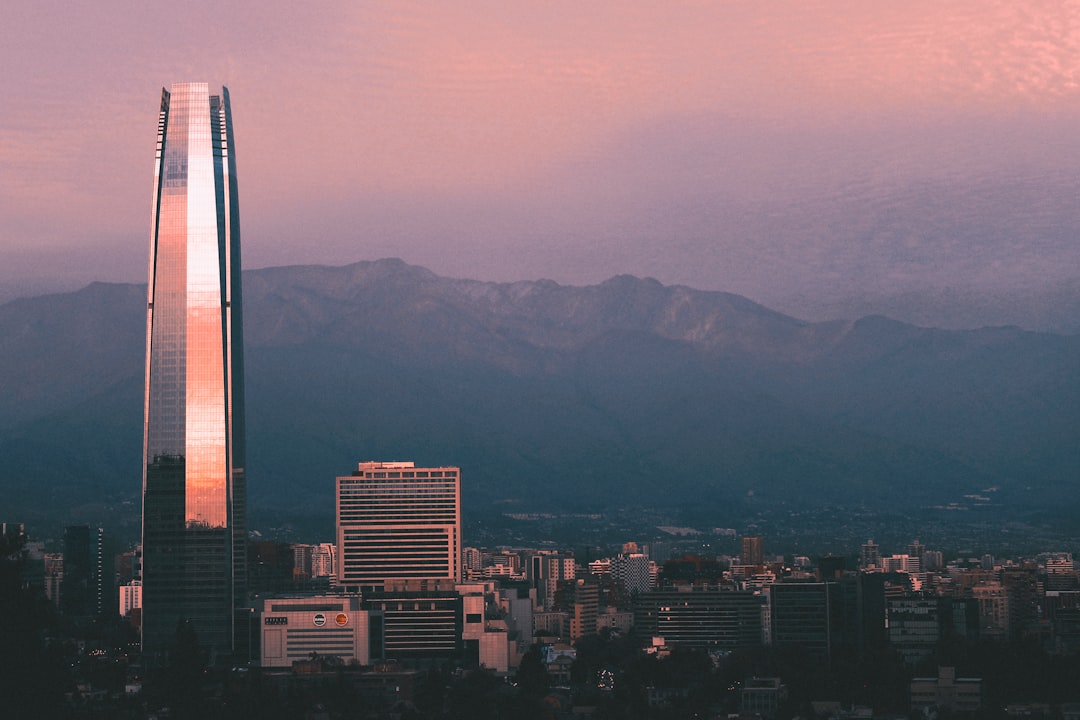
I still remember stepping out of the airport in Santiago for the first time. The first thing that stood out weren’t skyscrapers or city energy, but the gorgeous mountains rising in the distance. It instantly gave the city a dramatic backdrop that you don’t expect from a capital.
If yes — plan with how many days in Santiago and where to stay. See also: museums in Santiago · things to do in Santiago.
- Santiago neighborhood guides (from personal experience):
- Las Condes
- Providencia
- Vitacura
- Lastarria
- Barrio Italia
Yes, Santiago is worth visiting for wine country day trips, museums, Andes views, and as a launch point for Lake District or Patagonia flights.
I based myself in Las Condes, one of the more polished, modern parts of the city. Wide streets, glass buildings, clean sidewalks, people heading to work or sitting in cafés. It felt structured, comfortable… almost predictable.
But Santiago isn’t a city you understand by staying in one place.
Within a short drive, things started to shift. I explored areas like Providencia and Lastarria, where the energy felt more alive. Street art, busy restaurants, musicians playing in the background. The city suddenly had personality.
And then, just as quickly, I found myself in parts where the atmosphere changed again. Not necessarily dangerous at every corner, but different. Less polished. Less predictable. You notice it right away, even if it’s hard to put into words. The rhythm slows, the surroundings feel rougher, and you become more aware of where you are.
That contrast is what defines Santiago.
It’s not a city that tries to impress you instantly. Instead, it reveals itself in layers. Safe and modern on one street, chaotic and gritty on the next. Upscale neighborhoods sitting just minutes away from areas that feel completely different.
So, is Santiago actually worth visiting?
In this guide, I’ll break down exactly what the city gets right, where it falls short, and who will genuinely enjoy spending time here.
Is Santiago worth visiting in 2026?
Short answer: yes, but only if you approach it with the right expectations. Santiago isn’t built around one iconic attraction or a single historic center, so it can feel underwhelming if you’re looking for instant highlights.
What makes it worth visiting is the contrast and location. You can have coffee in a polished district like Las Condes in the morning, explore more character-filled areas like Lastarria in the afternoon, and still be within reach of mountains, vineyards, or the coast the same day.
In 2026, it works best as a base with substance rather than a standalone showstopper. If you treat it as part of a broader Chile trip instead of the main event, you’ll get far more out of it.
First impressions
Arriving in Santiago feels surprisingly low-key for a capital city, especially coming straight from the airport into the more modern districts. At first, it doesn’t hit you with a classic skyline, even though landmarks like Gran Torre Santiagodominate parts of the city.
The first impression really depends on where you stay. In Las Condes, everything feels clean and structured, but as soon as you move into other areas, the atmosphere shifts quickly and you start to see the city’s different layers.
The good vs the bad
Santiago is a city of contrasts, and that’s both its strength and its weakness. Some areas feel polished, safe, and easy to explore, while others can feel chaotic or less comfortable, especially if you’re not familiar with the layout.
That balance makes it interesting, but also means it’s not universally appealing. Whether you enjoy it often comes down to how much you value variety over consistency.
What Santiago gets right
Santiago works best when you focus on how easy it is to actually live and move around. It’s a functional city with pockets that feel modern, safe, and genuinely enjoyable to spend time in.
- Clean, modern districts like Las Condes
- Walkable and lively areas like Providencia
- Strong café and restaurant culture
- Easy access to mountains and nature
- Reliable infrastructure and transport
- Great base for day trips across central Chile
What Santiago gets wrong
Santiago can feel inconsistent, especially if you move between neighborhoods without planning. It’s not a city that delivers a polished experience everywhere.
- Lack of a strong “wow” factor or iconic center
- Noticeable contrast between rich and rough areas
- Some neighborhoods feel unsafe or neglected
- Limited standout tourist attractions
- Air pollution can be an issue at times
- Can feel repetitive outside key districts
Is Santiago safe for tourists?
Safety in Santiago depends heavily on where you are and how aware you stay. In areas like Las Condes and Providencia, it generally feels comfortable to walk around, even in the evening.
That said, other parts of the city require more caution, especially at night or with valuables. It’s not overly dangerous, but it’s also not a place where you can completely switch off.
Best areas to stay
Where you stay will define your experience in Santiago more than anything else. Choosing the right neighborhood makes a big difference in how safe and enjoyable your trip feels.
Providencia is the best all-round option, while Las Condes offers a quieter, more upscale stay. Lastarria is better if you want something more cultural and central.
What to do in Santiago
Santiago is less about big attractions and more about exploring different parts of the city. Walking through neighborhoods, trying local food, and taking in the atmosphere is where it shines.
It also works well as a base for experiences outside the city, which is where many of Chile’s highlights are located.
How many days do you need?
Most travelers only need a few days to get a feel for Santiago. Two to four days is usually enough to explore the main areas and fit in a day trip.
Staying longer only makes sense if you’re using the city as a base or prefer slower travel.
Who should visit?
Santiago suits travelers who enjoy exploring cities beyond surface-level attractions. If you like discovering neighborhoods, trying different food spots, and having flexibility for day trips, it works well.
It’s less ideal for those looking for iconic landmarks or a city that impresses immediately.
Is it worth the money?
Santiago can feel relatively expensive compared to other destinations in South America. Accommodation and dining, especially in areas like Las Condes, are priced closer to Western standards.
However, the overall convenience, safety in key areas, and access to nearby experiences can make the cost worthwhile depending on your travel style.
Final verdict
Santiago isn’t a city that sells itself instantly, but it has depth if you give it time. Its value comes from how it connects you to the rest of Chile while still offering a comfortable place to stay and explore.
If you approach it as part of a bigger trip rather than the main highlight, it becomes a much more worthwhile stop.
Frequently asked questions
Is Santiago Worth Visiting? Yes, If You Like Wine & Day Trips?
Yes, Santiago is worth visiting for wine country day trips, museums, Andes views, and as a launch point for Lake District or Patagonia flights.