Category: Santiago

  • How Many Days in Santiago Chile? Honest Answer

    How Many Days in Santiago Chile? Honest Answer

    How many days do you need in Santiago? It’s one of the most common questions I get, and the honest answer is: it depends on what kind of traveler you are. But I also have an opinion, and I’m going to give it to you straight rather than hiding behind a list of options.

    Most visitors need 3 to 4 full days in Santiago for neighborhoods, museums, and food, plus 1 to 2 day trips to wine country or the coast.

    I’ve spent a lot of time in Santiago across multiple visits. The first time I landed there, I had three days and thought that was probably too long for a capital city in South America. I was wrong about that. By the end of day two I was already recalculating whether I could extend. These days, whenever someone asks me how long to spend in Santiago, my answer is always the same: more than you think.

    Here’s how I break it down.

    The minimum: 2 days in Santiago

    Two days is the bare minimum, and I want to be clear that bare minimum doesn’t mean bad. You can have a genuinely good time in Santiago in 48 hours if you plan well and move efficiently.

    In two days you can cover the historic center around La Moneda and Plaza de Armas, spend an afternoon in Bellavista, get up to Cerro San Cristóbal for the views, wander through Barrio Italia or Lastarria, eat well, and drink a pisco sour or two. That’s a solid trip by any measure.

    The problem with two days is that Santiago doesn’t reward rushing. The city’s best moments tend to happen when you slow down: a long lunch that stretches into the afternoon, getting genuinely lost in a neighborhood, sitting in a park and watching how people here actually live. Two days doesn’t leave much room for that, and you’ll spend a fair amount of your time moving between spots rather than actually being in them.

    So if two days is all you have, go. It’s worth it. But if you can push it to three, do that instead.

    The sweet spot: 3 days in Santiago

    Three days is where Santiago really starts to make sense. This is the duration I’d recommend to almost anyone visiting for the first time, and it’s what I’d choose if I had to pick a single answer to the question.

    With three days you get everything from the two-day version, but you also have breathing room. You can spend a proper morning at Mercado Central and La Vega without feeling like you’re watching the clock. You can actually sit down in Barrio Italia and have a slow coffee rather than a grab-and-go. You can get up Cerro San Cristóbal and spend time at the top instead of rushing back down. You can try a restaurant for dinner that requires a reservation rather than just whatever is open and nearby.

    Three days also lets you dip into a few of Santiago’s excellent museums. The Museo Chileno de Arte Precolombino, near Plaza de Armas, is one of the best pre-Columbian collections in South America and absolutely worth a couple of hours. The Museo de la Memoria y los Derechos Humanos in Barrio Yungay is harder to visit emotionally but essential for understanding modern Chile. It documents the human rights abuses of the Pinochet dictatorship with unflinching honesty, and it’s architecturally stunning on top of that. You won’t find this kind of depth in a two-day visit.

    Three days is also when the food starts to click. You’ll have had enough meals by then to understand the rhythm of how Chileans eat: long lunches, late dinners, wine taken seriously, and flavors that are quieter and more refined than other South American cuisines but deeply satisfying once you tune into them.

    If you have 4 or 5 days: add a day trip (or two)

    Four to five days in Santiago opens up the surrounding region, and the surrounding region is genuinely excellent.

    Valparaíso is the first thing most people add, and for good reason. It’s about 90 minutes from Santiago by bus or taxi and feels like a completely different world: steep hillsides covered in colourful houses, street art everywhere, a slower pace, and the Pacific Ocean in the background. You could spend a whole day there easily and still want more. Some people prefer Valparaíso to Santiago. I understand why, even if I don’t fully agree. For a good sense of what to expect, the team at Maps and Merlot have written well about fitting Valparaíso into a four-day Santiago trip.

    The Maipo Valley is the other obvious add, and this one is directly up my alley. The valley sits right on the edge of Santiago, less than an hour from the center, and it produces some of Chile’s best Cabernet Sauvignon. Spending a day visiting wineries in Maipo is one of those experiences that feels almost absurdly good: you’re surrounded by the Andes, drinking serious wine, eating well, and it costs a fraction of what the same experience would in France or Napa. My wife grew up hearing about Maipo the way Europeans hear about Bordeaux, and spending a day out there with her local perspective on the wineries made it something I wouldn’t trade.

    Cajón del Maipo is the third option worth knowing. This narrow Andean canyon southeast of the city is spectacular, especially if you want mountains, rivers, and altitude rather than wine. It’s increasingly popular as a day trip from Santiago and deserves its reputation.

    With four or five days, pick one or two of these and build them in. You won’t regret it.

    What about a week or more in Santiago?

    A full week based in Santiago is genuinely viable, especially if you use the city as a hub and take day trips rather than trying to fill every hour with city sightseeing. Santiago rewards repeat visits to the same neighborhoods more than most cities. You’ll find a café you like in Lastarria and want to go back. You’ll discover a corner of Barrio Italia you missed the first time. You’ll figure out which restaurants are worth returning to and which were just convenient on the night.

    That said, if you have a week in Chile and you’re only planning to be in Santiago, I’d gently push back. Chile is a remarkable country, and Santiago is one part of it. A week gives you enough time to see the city properly and still spend a few days in Valparaíso or the wine regions or even push north toward the Atacama or south toward the Lake District. Using a full week only in Santiago is a bit like spending a week in Amsterdam and skipping the rest of the Netherlands entirely. Fine, but perhaps not the most adventurous choice.

    The honest answer based on my experience

    If I strip away all the caveats and qualifications, here’s what I actually think:

    Three days is the right amount for most first-time visitors. It gives you enough time to see the highlights without rushing, eat properly, and get a genuine feel for the city rather than just a snapshot of it. If you can only do two, do two. If you can do four and add Valparaíso or the Maipo Valley, do four.

    What I’d push back on is the idea that Santiago is just a stopover. I’ve heard that take more times than I can count, usually from people who gave it one day between a flight and a bus to Patagonia. That’s not a fair test of any city, let alone one with this much going on.

    Santiago has world-class museums, neighborhoods that reward wandering, a food scene that has genuinely evolved over the past decade, dramatic views of the Andes on clear days, and a character that takes a little time to reveal itself but is absolutely worth the patience. The local travel writer behind Go Ask a Local puts it well when she notes that over a third of all Chileans live in Greater Santiago, and the city reflects that density of culture, commerce, and daily life in ways that take time to absorb.

    Give it that time. You’ll leave with a completely different opinion of the place than you arrived with.

    A quick summary by trip type

    For first-time visitors with limited time, three days is the minimum I’d recommend for a satisfying visit. For those combining Santiago with Valparaíso or the wine valleys, four to five days hits the right balance. If you’re using Santiago as a base to explore the surrounding region, five to seven days works well depending on your pace. And for anyone who just has a transit stop or a very tight schedule, two days is still worth doing properly rather than skipping the city altogether.

    Practical note on timing

    One thing that affects how much you can pack in: the season. Santiago in summer (December to February) is hot, sometimes very smoggy, and the mountain views that make the city so visually dramatic can disappear entirely behind a haze. Spring and autumn, on the other hand, regularly deliver clear blue skies and the full Andes backdrop. If you have any flexibility on when to visit, September through November and March through May are the windows I’d aim for. Winter (June to August) is cold but often gives the sharpest, clearest mountain views of all, and the city is much less crowded.

    Whatever time of year you go, build in at least one more day than you think you need. Santiago has a habit of making you want to stay longer, and it’s much nicer to have a slow final morning than to be running for a bus with half the city still unexplored.

    Want a day-by-day plan? Check out my 2-day Santiago itinerary for a detailed breakdown of exactly where to go, eat, and spend your time in the city.

    Frequently asked questions

    How Many Days in Santiago Chile? Honest Answer?

    Most visitors need 3 to 4 full days in Santiago for neighborhoods, museums, and food, plus 1 to 2 day trips to wine country or the coast.

  • 2-Day Santiago Itinerary (2026 Guide)

    2-Day Santiago Itinerary (2026 Guide)

    Santiago doesn’t get the credit it deserves. Most travelers land here, sleep one night, and bolt toward Patagonia or the Atacama without giving the city a real chance. That’s a mistake. Chile’s capital is one of the most layered, livable, and genuinely exciting cities in South America, and if you give it 48 hours and a good plan, it will absolutely win you over.

    Two days in Santiago works for a first taste: one day for neighborhoods and museums, one for a wine valley or mountain day trip.

    Stay connected: Compare Chile eSIM providers (Airalo vs Holafly vs Nomad) before you fly. it takes five minutes and saves airport hassle.

    I’ve spent a lot of time in Santiago, and this itinerary reflects how I’d actually spend two days there, not a watered-down list of tourist boxes to tick. It covers the historic center, the neighborhoods worth wandering, where to eat like a local, and the viewpoints that remind you just how dramatically beautiful this city’s setting is.

    Let’s get into it.

    Before you start: a few things worth knowing

    Santiago is a big city of around seven million people, but the areas you’ll spend most of your time in as a visitor are surprisingly walkable and connected by a clean, efficient metro system. Get a Bip! card at any metro station when you arrive. It costs next to nothing and saves you the hassle of buying single tickets every time you move around.

    The city is generally safe in the neighborhoods covered in this itinerary. As with any major city, keep an eye on your phone and bags in crowded areas like markets and plazas, and you’ll be absolutely fine.

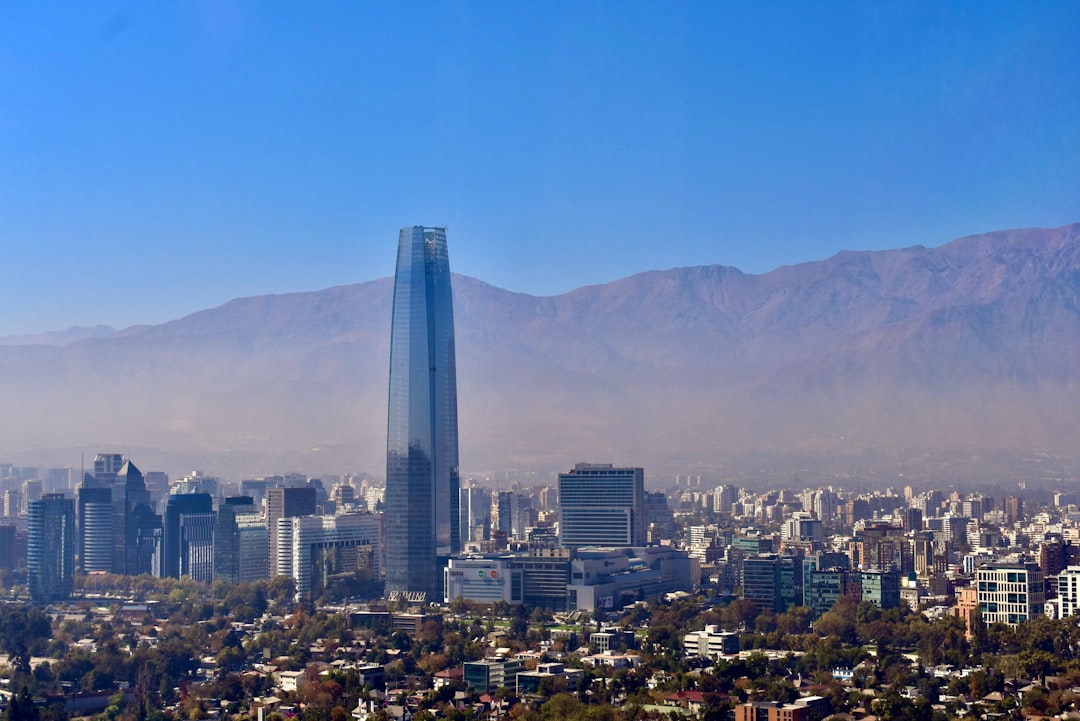
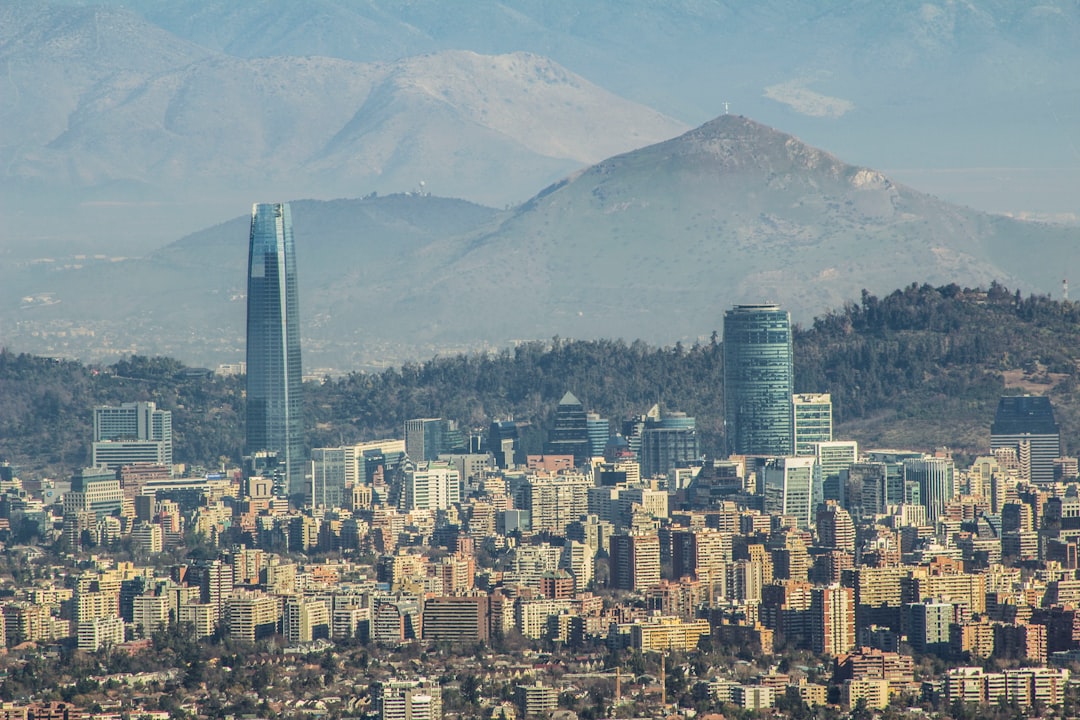
    One more thing: Santiago sits in a valley surrounded by the Andes. On a clear day, particularly in winter or after rain, the mountain backdrop is jaw-dropping. On smoggy summer days you might see almost nothing. Either way, the city itself is worth every minute.

    Day 1: The historic heart and the bohemian side

    Morning: La Moneda and the historic center

    Start your day at Palacio de La Moneda, Chile’s seat of government. The building itself is a beautifully proportioned neoclassical structure, and if your timing is right, you can catch the Changing of the Guard ceremony that takes place every other day at 10am on the Plaza de la Constitución. It runs for about half an hour and is far more interesting than most ceremonial guards elsewhere.

    From La Moneda, head underground to the Centro Cultural La Moneda. It sits directly beneath the palace and hosts rotating art and history exhibitions, often free or very affordable. It’s the kind of place that rewards you if you slow down for a bit rather than rushing through.

    Walk a few blocks east and you’ll hit the Paris-Londres neighborhood. This small district looks nothing like the rest of Santiago. Cobblestoned streets, European-style architecture, and quiet courtyards make it feel like a small pocket of another continent. It’s a great place for a morning coffee and a slow wander with a camera.

    From there, continue to Plaza de Armas, the historic heart of the city. The Metropolitan Cathedral dominates one side, and the plaza itself is always full of life: street performers, chess players, pigeons, and locals taking a break from the day. The Museo Histórico Nacional, right on the square, is worth stepping into for at least an hour if Chilean history interests you at all. The collection traces the country from pre-Columbian times through independence and into the 20th century.

    Lunch: Barrio Lastarria

    A short walk from the historic center brings you to Barrio Lastarria, one of Santiago’s most pleasant neighborhoods for a midday break. Tree-lined streets, independent restaurants, and a relaxed, slightly arty atmosphere make it a good place to decompress after the busier morning.

    For lunch, look for a restaurant with a good menú del día, the set lunch common across Chilean restaurants. You typically get a starter, main course, and sometimes a drink for a very reasonable fixed price. It’s how locals eat at midday, and it’s usually excellent value for the quality.

    If you want something more casual, there are plenty of café options and small bistros in Lastarria. The Mercado Lastarria is also nearby, with food stalls and artisan products, good for a browse even if you don’t eat there.

    Afternoon: Bellavista and Cerro San Cristóbal

    After lunch, cross the Mapocho River into Bellavista, Santiago’s most famously bohemian neighborhood. It’s the kind of place where street art covers entire building facades, independent galleries sit next to small cocktail bars, and Pablo Neruda’s Santiago home, La Chascona, is tucked away on a narrow side street.

    La Chascona is one of three houses Neruda built across Chile, each bizarre and wonderful in its own way. This one was built for his partner Matilde Urrutia and named after her wild hair. The guided tours are genuinely enjoyable and give you a real sense of who Neruda was beyond the poetry. Book ahead, especially on weekends.

    From Bellavista, head up to Cerro San Cristóbal. You can take the funicular from the Pío Nono entrance, which is both practical and fun. At the summit sits a large white statue of the Virgin Mary, and the views from up here are the ones that appear in every Santiago travel photo for good reason. On a clear day, the Andes spread across the horizon in every direction, and the city stretches out below you in that distinctive valley shape. It’s genuinely one of the better urban viewpoints in South America. The folks at Travel Past 50 describe it well when they say the hill gives you “an overview of the city” unlike anywhere else, and they’re absolutely right.

    Come back down via the cable car on the other side if you want a different experience. It drops you near the Pedro de Valdivia metro station in Providencia.

    Evening: Dinner in Bellavista or Barrio Italia

    For dinner on your first night, Bellavista is the obvious choice since you’re already in the neighborhood. The streets around Patio Bellavista are dense with restaurants and bars catering to everything from traditional Chilean food to sushi and pizza. For something more authentically local, look for spots serving cazuela, a slow-cooked stew, or pastel de choclo, a baked corn and meat dish that is pure Chilean comfort food.

    A pisco sour before dinner is non-negotiable. Chilean pisco sours are made slightly differently to the Peruvian version, with a sharper, more citrus-forward flavor. Try one somewhere. Try two.

    Day 2: Modern Santiago, markets, and mountain views

    Morning: Mercado Central and La Vega

    Start day two at Mercado Central, Santiago’s famous covered market by the Mapocho River. The building itself is a beautiful cast-iron structure from the 19th century, and inside it’s a controlled chaos of fresh fish, shellfish, produce, and food stalls. The market gets busy and the vendors can be persistent, but the atmosphere is electric. This is a genuinely good place to eat a proper Chilean seafood lunch later, but in the morning it’s worth walking through just to take it all in.

    The market is also close to La Vega Central, the larger and grittier wholesale produce market across the river. La Vega is less polished and more local, piled high with every fruit, vegetable, and dried product imaginable. This is where Santiago actually feeds itself. The energy is different here to the touristy parts of the city, and I find it more interesting for that reason. Travel writer Tiffany Hsu, who has written extensively about Santiago’s neighborhoods, describes La Vega as one of the few places in the city where you still feel like a guest rather than a customer. and that’s exactly right. You can read her take on Santiago’s market scene over at Two Shoes One World.

    A Chilean colleague once told me that anyone who visits Mercado Central without checking out La Vega first is only seeing half the picture. She was right.

    Mid-morning: Barrio Italia

    From the markets, take the metro toward Barrio Italia, a neighborhood that has transformed over the past decade from residential to one of the most interesting creative districts in the city. The streets around Avenida Italia and Avenida Condell are lined with vintage furniture shops, specialty coffee roasters, independent bookshops, tattoo studios, and design stores.

    It’s a good place to pick up genuinely original souvenirs rather than the standard alpaca scarves and fridge magnets. Chilean ceramics, local design objects, and artisan food products make far better gifts. There are several excellent coffee shops in the area as well, great if you need a proper caffeine hit before the afternoon.

    Lunch: Providencia

    Head to Providencia, Santiago’s main upscale residential neighborhood, for lunch. It has a very different feel to the historic center or Bellavista, more polished, quieter, tree-lined streets and proper restaurants rather than tourist spots.

    Providencia is where Santiago’s professional and expat community tends to eat, and the restaurant quality reflects that. You’ll find good Chilean cuisine alongside French bistros, Japanese restaurants, and modern South American cooking. The area around Manuel Montt metro station has a concentration of solid options at reasonable prices.

    Afternoon: Costanera Center and city views

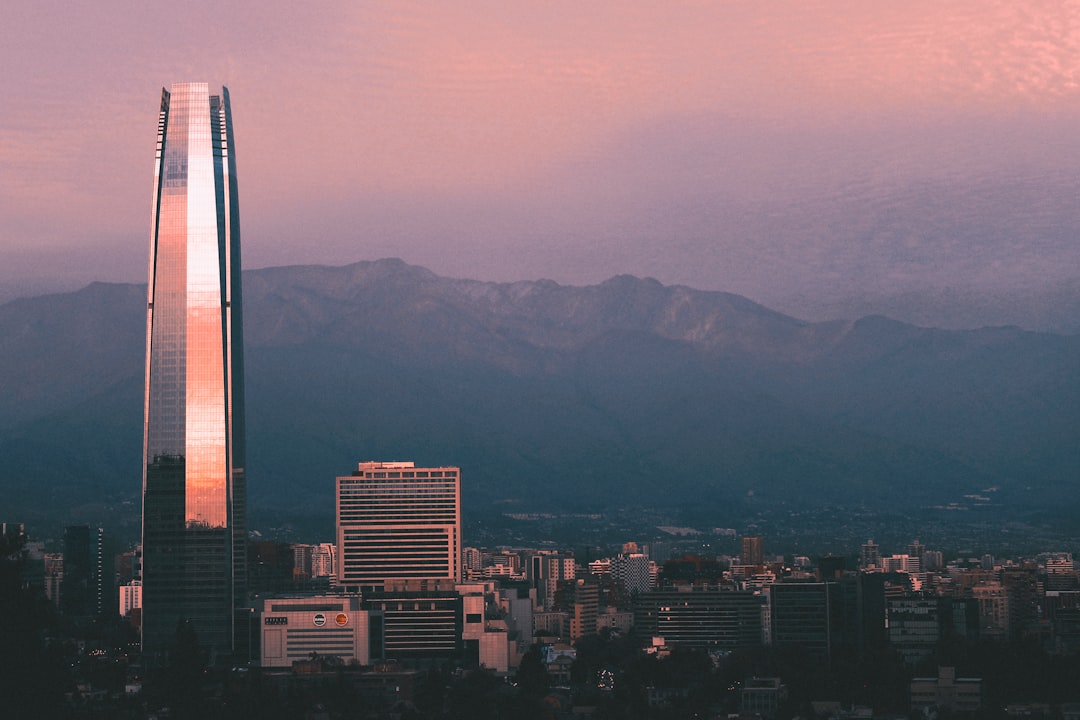
    After lunch, head to Costanera Center in the Las Condes district. This is the tallest building in South America, and the Sky Costanera observation deck on the upper floors gives you a completely different perspective on the city than Cerro San Cristóbal. Where San Cristóbal gives you a natural, panoramic, wide-angle view, Sky Costanera puts you inside the glass towers of modern Santiago and looks down at the city and the mountains simultaneously. It’s worth doing both.

    The observation deck has an entry fee but the views are exceptional, particularly on clear afternoons when the Andes are fully visible to the east and you can trace the city all the way to the coast on the horizon.

    The mall below Costanera Center is the largest in South America if shopping is your thing, though it feels much like any modern mall. The observation deck is the real reason to come.

    Late afternoon: Parque Bicentenario and Barrio El Golf

    If the afternoon is still going strong, Parque Bicentenario in Vitacura is a genuinely pleasant place to wind down. It’s a large urban park with flamingo ponds, walking paths, and lawns full of Santiago families in the late afternoon. It’s relaxed, local, and a good antidote to a day of sightseeing.

    The nearby Barrio El Golf district is Santiago’s most upscale zone, worth a walk-through if you’re curious about the city’s wealthier side. It’s all glass towers, embassies, and boutique hotels, quite different from the neighborhoods you’ve spent the rest of the trip in.

    Evening: Dinner back in Lastarria or Barrio Italia

    For your last evening, return to either Lastarria or Barrio Italia for dinner. Both neighborhoods have evolved their dining scenes considerably, and you’ll find more adventurous modern Chilean cuisine here than in the tourist-heavy spots around the historic center.

    Look for restaurants using Chilean ingredients in contemporary ways: merkén spiced dishes, local fish like congrio or corvina, native potato varieties from the south, or dishes incorporating Chilean wine reductions. The wine list anywhere decent should include bottles from the Maipo Valley, the Casablanca Valley, or Colchagua, all within a few hours of the city and producing some seriously good red and white varietals. If you want a primer on Chilean wine before you go, the team at Wine Folly have a solid and accessible breakdown worth bookmarking.

    End the night with a terramoto if you want to understand Chilean nightlife. It’s a dangerously sweet and strong drink made from fermented grape wine, pineapple ice cream, and grenadine, and it is absolutely not as innocent as it sounds.

    Practical tips for your 2 days in Santiago

    Getting around: The metro covers almost everywhere in this itinerary. Santiago’s metro is clean, safe, and runs frequently. Ubers are also widely available and affordable for distances between neighborhoods.

    Best time to visit: Spring (September to November) and autumn (March to May) give you the best combination of clear skies, mild temperatures, and fewer tourists. Summer in Santiago (December to February) can be very hot and smoggy. Winter (June to August) is cold but often gives the clearest views of the Andes.

    Money: Most restaurants and shops in Santiago accept cards, but carry some Chilean pesos for markets and smaller street vendors. ATMs are widely available throughout the city.

    Safety: The neighborhoods in this itinerary are considered safe for tourists. As always, be aware of your surroundings in busy markets and plazas, and avoid walking with your phone out unnecessarily in less-frequented areas.

    Language: Spanish is the working language and English is not widely spoken outside hotels and major tourist sites. Having a translation app on your phone and knowing a few basic Spanish phrases goes a long way.

    Accommodation: For two days, staying in Lastarria, Providencia, or around the historic center puts you in walking or metro distance of everything in this itinerary. All three areas have good hotel and apartment rental options across different budgets.

    Is 2 days in Santiago enough?

    Honestly? No. But it’s absolutely enough to understand why the city deserves more time. Two days lets you hit the highlights, eat properly, and get a real feel for what Santiago is about. If you have the flexibility to extend to three or four days, you’ll be able to add a day trip to the wine valleys of Maipo or Casablanca, or head up to Valparaíso on the coast, which is a completely different world from Santiago but easily done as a day trip. Rebecca from Rebecca and the World sums it up well when she calls Santiago “a genuinely rewarding city break” that most visitors underestimate. That’s been exactly my experience too.

    For a first visit, this two-day plan gives you the foundation. The rest you’ll want to come back for.

    Planning a trip to Chile? Browse more destination guides, practical tips, and honest recommendations across the site to help you build a trip worth taking.

    Frequently asked questions

    What should travelers know about 2-Day Santiago Itinerary?

    Two days in Santiago works for a first taste: one day for neighborhoods and museums, one for a wine valley or mountain day trip.

  • Best Luxury Hotels in Santiago Chile 2026 (Las Condes & Vitacura)

    Best Luxury Hotels in Santiago Chile 2026 (Las Condes & Vitacura)

    We’ll first look at the neighborhoods and then look at the best luxury hotels for your trip.

    The best luxury hotels in Santiago Chile cluster in Las Condes and Vitacura, close to fine dining, parks, and the safest eastern districts.

    Where to Stay in Santiago (Best Neighborhoods)

    Choosing the right area in Santiago can completely shape your experience. The city is large and diverse, and each neighborhood offers its own atmosphere, from historic charm to sleek modern living.

    If it’s your first time visiting, staying in the right location will make everything easier, from sightseeing to dining and getting around.

    Planning your trip? These guides might help:

    Best luxury hotels in Santiago

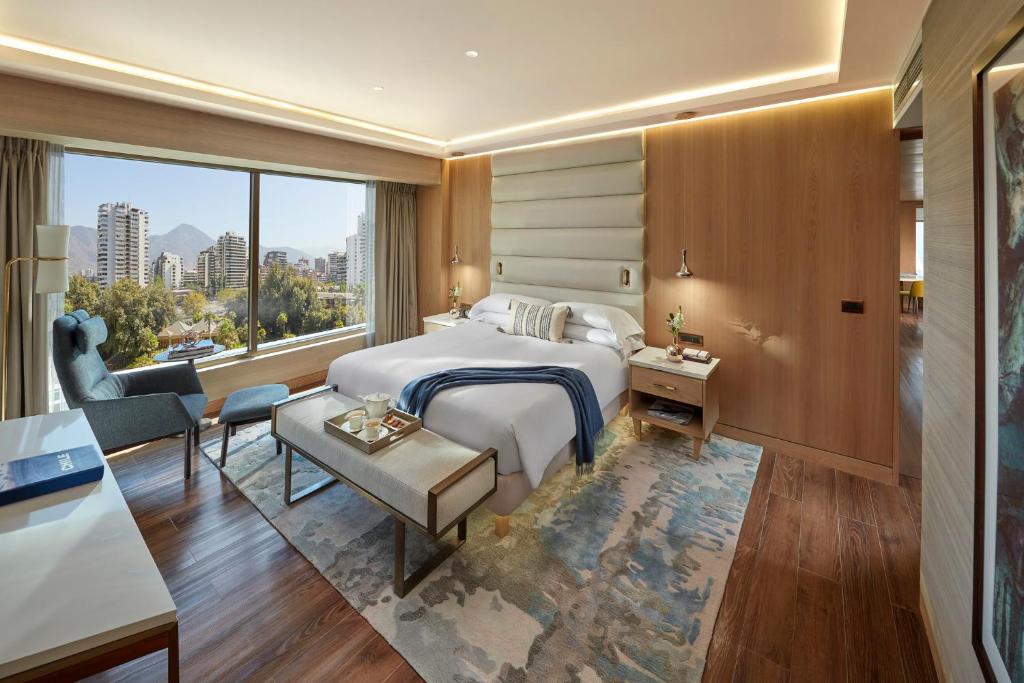
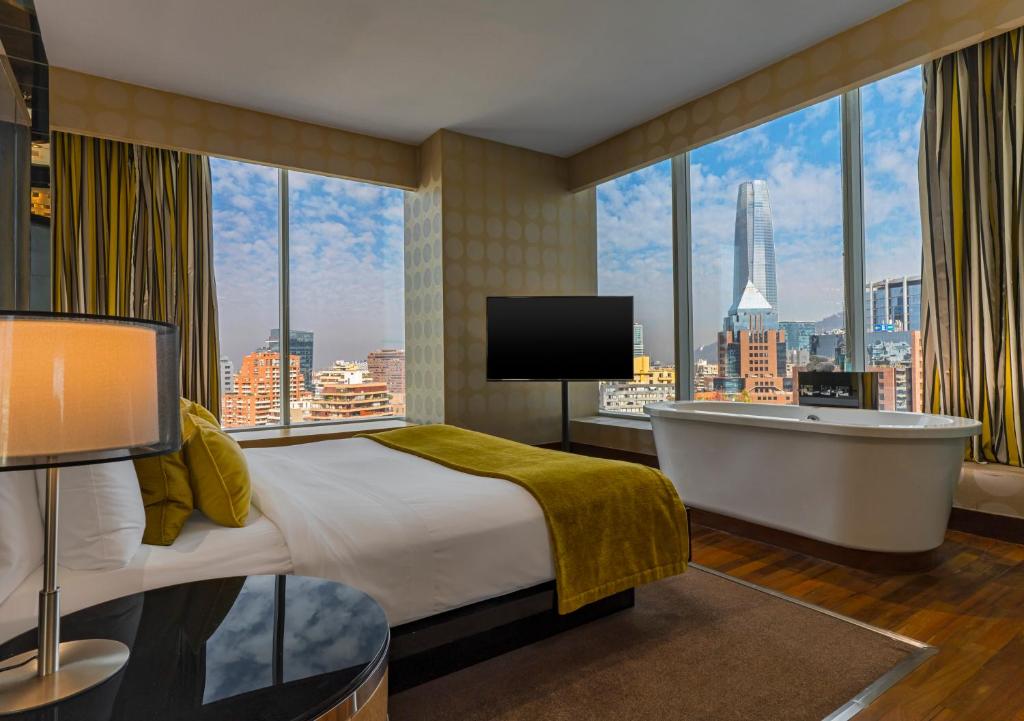
    Finding the right hotel in Santiago comes down to your travel style and the experience you’re after. Whether you prefer a refined boutique stay in cultural Lastarria or a high-end tower with panoramic Andes views in Las Condes, Santiago delivers.

    Below you’ll find a curated selection of the best luxury hotels in Santiago, chosen for their location, design, service, and overall experience.

    Here is our list of the best hotels in Santiago:

    The Ritz-Carlton, Santiago (link)

    Santiago Chile hotel The Ritz-Carlton, Santiago

    I stayed at The Ritz-Carlton in Las Condes and immediately noticed how calm and classic everything feels. This isn’t a trendy hotel, it’s timeless. The rooms are spacious, comfortable, and perfect if you just want to switch off after a day in the city.

    👉 Check availability here

    What I personally loved most was the rooftop wellness area. Sitting in the heated pool while looking out toward the Andes is one of those small moments that makes a stay feel special.

    • Heated rooftop pool with mountain views
    • Spacious rooms with a classic feel
    • Excellent location in Las Condes

    Mandarin Oriental (link)

    Santiago Chile hotel Mandarin Oriental, Santiago

    This is easily one of the most impressive hotels I’ve experienced in Santiago. The moment I walked in, it felt more like a resort than a city hotel. There’s space, greenery, and a level of calm you don’t often find in a capital.

    👉 Check availability here

    I spent a good amount of time by the pool, which is honestly one of the best in the city. It’s large, beautifully designed, and perfect if you want to slow down for a day.

    • Resort-style pool with waterfall and gardens
    • Peaceful, spacious setting
    • Outstanding service throughout

    W Santiago (link)

    Santiago Chile hotel W Santiago

    If you want something with more energy, I really liked the vibe at W Santiago. It feels modern, social, and a bit more alive compared to the more traditional hotels.

    👉 Check availability here

    I ended up spending my evenings at the rooftop, which turns into one of the liveliest spots in the area. It’s not quiet luxury, it’s fun luxury.

    • Rooftop pool and vibrant bar scene
    • Bold, modern design
    • Great location in Las Condes

    Renaissance Santiago by Marriott (link)

    Santiago Chile hotel Renaissance Santiago by Marriott

    I found Renaissance Santiago to be a really comfortable, easy place to stay. It’s slightly more relaxed than the big luxury names, but still feels upscale and well put together.

    👉 Check availability here

    The rooms are spacious, and I liked being close to Parque Arauco for shopping and restaurants. The rooftop pool is a nice bonus after a long day out.

    • Rooftop pool with city views
    • Spacious, modern rooms
    • Close to shops and restaurants

    Hyatt Centric Las Condes Santiago (link)

    Santiago Chile hotel Hyatt Centric Las Condes Santiago

    Hyatt Centric felt very clean and modern when I stayed here. It’s not overly luxurious in a classic sense, but everything is well designed and works exactly how you want it to.

    👉 Check availability here

    I’d say this is one of the easiest hotels to stay at if you want something simple, stylish, and in a great location.

    • Sleek, modern rooms
    • Central location in Las Condes
    • Comfortable and practical setup

    Solace Hotel Santiago (link)

    Santiago Chile hotel Solace Hotel Santiago

    I really liked the area around Solace Hotel. Providencia feels a bit more local and less hectic, which made the whole stay more relaxed.

    👉 Check availability here

    The hotel itself is modern and straightforward, and the rooftop terrace was a great place to unwind in the evening.

    • Rooftop terrace and pool
    • Quiet, residential neighborhood
    • Clean, modern rooms

    Wyndham Santiago Aeropuerto (link)

    Santiago Chile hotel Wyndham Santiago Aeropuerto

    I stayed here before an early flight, and it did exactly what I needed. It’s not a luxury experience, but it’s comfortable, efficient, and very convenient.

    👉 Check availability here

    If you have a late arrival or early departure, this just makes your trip a lot easier.

    • Very close to the airport
    • Spacious, practical rooms
    • Ideal for short stays

    Conclusion

    Santiago Chile hotel The Ritz-Carlton, Santiago

    Any of these five-star hotels will give you an excellent experience in Santiago.

    If I had to pick just one, I would personally go for The Ritz-Carlton, Santiago. It’s the kind of hotel that simply works, great location, spacious rooms, and that classic five-star feel that makes your stay effortless from start to finish.

    I especially liked how easy it was to come back here after a full day in the city. The rooftop pool with views of the Andes adds that extra touch that makes it feel like a proper luxury experience.

    That said, each of these luxury hotels in Santiago offers something different. Whether you prefer a resort-style escape like Mandarin Oriental or a more modern, lively stay like W Santiago, you really can’t go wrong.

    👉 Check availability here and secure your stay while prices are still reasonable

    Frequently asked questions

    What should travelers know about Best Luxury Hotels in Santiago Chile 2026 (Las Condes & Vitacura)?

    The best luxury hotels in Santiago Chile cluster in Las Condes and Vitacura, close to fine dining, parks, and the safest eastern districts.

  • Is Santiago Worth Visiting? Yes, If You Like Wine & Day Trips

    Is Santiago Worth Visiting? Yes, If You Like Wine & Day Trips

    I still remember stepping out of the airport in Santiago for the first time. The first thing that stood out weren’t skyscrapers or city energy, but the gorgeous mountains rising in the distance. It instantly gave the city a dramatic backdrop that you don’t expect from a capital.

    Yes, Santiago is worth visiting for wine country day trips, museums, Andes views, and as a launch point for Lake District or Patagonia flights.

    I based myself in Las Condes, one of the more polished, modern parts of the city. Wide streets, glass buildings, clean sidewalks, people heading to work or sitting in cafés. It felt structured, comfortable… almost predictable.

    But Santiago isn’t a city you understand by staying in one place.

    Within a short drive, things started to shift. I explored areas like Providencia and Lastarria, where the energy felt more alive. Street art, busy restaurants, musicians playing in the background. The city suddenly had personality.

    And then, just as quickly, I found myself in parts where the atmosphere changed again. Not necessarily dangerous at every corner, but different. Less polished. Less predictable. You notice it right away, even if it’s hard to put into words. The rhythm slows, the surroundings feel rougher, and you become more aware of where you are.

    That contrast is what defines Santiago.

    It’s not a city that tries to impress you instantly. Instead, it reveals itself in layers. Safe and modern on one street, chaotic and gritty on the next. Upscale neighborhoods sitting just minutes away from areas that feel completely different.

    So, is Santiago actually worth visiting?

    In this guide, I’ll break down exactly what the city gets right, where it falls short, and who will genuinely enjoy spending time here.

    Is Santiago worth visiting in 2026?

    Short answer: yes, but only if you approach it with the right expectations. Santiago isn’t built around one iconic attraction or a single historic center, so it can feel underwhelming if you’re looking for instant highlights.

    What makes it worth visiting is the contrast and location. You can have coffee in a polished district like Las Condes in the morning, explore more character-filled areas like Lastarria in the afternoon, and still be within reach of mountains, vineyards, or the coast the same day.

    In 2026, it works best as a base with substance rather than a standalone showstopper. If you treat it as part of a broader Chile trip instead of the main event, you’ll get far more out of it.

    First impressions

    Arriving in Santiago feels surprisingly low-key for a capital city, especially coming straight from the airport into the more modern districts. At first, it doesn’t hit you with a classic skyline, even though landmarks like Gran Torre Santiagodominate parts of the city.

    The first impression really depends on where you stay. In Las Condes, everything feels clean and structured, but as soon as you move into other areas, the atmosphere shifts quickly and you start to see the city’s different layers.

    The good vs the bad

    Santiago is a city of contrasts, and that’s both its strength and its weakness. Some areas feel polished, safe, and easy to explore, while others can feel chaotic or less comfortable, especially if you’re not familiar with the layout.

    That balance makes it interesting, but also means it’s not universally appealing. Whether you enjoy it often comes down to how much you value variety over consistency.

    What Santiago gets right

    Santiago works best when you focus on how easy it is to actually live and move around. It’s a functional city with pockets that feel modern, safe, and genuinely enjoyable to spend time in.

    • Clean, modern districts like Las Condes
    • Walkable and lively areas like Providencia
    • Strong café and restaurant culture
    • Easy access to mountains and nature
    • Reliable infrastructure and transport
    • Great base for day trips across central Chile

    What Santiago gets wrong

    Santiago can feel inconsistent, especially if you move between neighborhoods without planning. It’s not a city that delivers a polished experience everywhere.

    • Lack of a strong “wow” factor or iconic center
    • Noticeable contrast between rich and rough areas
    • Some neighborhoods feel unsafe or neglected
    • Limited standout tourist attractions
    • Air pollution can be an issue at times
    • Can feel repetitive outside key districts

    Is Santiago safe for tourists?

    Safety in Santiago depends heavily on where you are and how aware you stay. In areas like Las Condes and Providencia, it generally feels comfortable to walk around, even in the evening.

    That said, other parts of the city require more caution, especially at night or with valuables. It’s not overly dangerous, but it’s also not a place where you can completely switch off.

    Best areas to stay

    Where you stay will define your experience in Santiago more than anything else. Choosing the right neighborhood makes a big difference in how safe and enjoyable your trip feels.

    Providencia is the best all-round option, while Las Condes offers a quieter, more upscale stay. Lastarria is better if you want something more cultural and central.

    What to do in Santiago

    Santiago is less about big attractions and more about exploring different parts of the city. Walking through neighborhoods, trying local food, and taking in the atmosphere is where it shines.

    It also works well as a base for experiences outside the city, which is where many of Chile’s highlights are located.

    How many days do you need?

    Most travelers only need a few days to get a feel for Santiago. Two to four days is usually enough to explore the main areas and fit in a day trip.

    Staying longer only makes sense if you’re using the city as a base or prefer slower travel.

    Who should visit?

    Santiago suits travelers who enjoy exploring cities beyond surface-level attractions. If you like discovering neighborhoods, trying different food spots, and having flexibility for day trips, it works well.

    It’s less ideal for those looking for iconic landmarks or a city that impresses immediately.

    Is it worth the money?

    Santiago can feel relatively expensive compared to other destinations in South America. Accommodation and dining, especially in areas like Las Condes, are priced closer to Western standards.

    However, the overall convenience, safety in key areas, and access to nearby experiences can make the cost worthwhile depending on your travel style.

    Final verdict

    Santiago isn’t a city that sells itself instantly, but it has depth if you give it time. Its value comes from how it connects you to the rest of Chile while still offering a comfortable place to stay and explore.

    If you approach it as part of a bigger trip rather than the main highlight, it becomes a much more worthwhile stop.

    Frequently asked questions

    Is Santiago Worth Visiting? Yes, If You Like Wine & Day Trips?

    Yes, Santiago is worth visiting for wine country day trips, museums, Andes views, and as a launch point for Lake District or Patagonia flights.

  • Vitacura Santiago: Quiet Luxury & Where to Stay (Travel Guide)

    Vitacura Santiago: Quiet Luxury & Where to Stay (Travel Guide)

    Vitacura didn’t immediately stand out to me the way other neighborhoods did. There was no sudden rush of energy like Lastarria, no constant movement like Providencia. Instead, it felt quiet. Almost too quiet at first.

    Official sources: Chile.travel

    Vitacura is one of Santiago most affluent and safest neighborhoods, ideal for travelers who want luxury hotels and leafy streets near Las Condes.

    But the more time I spent there, the more I started to understand it.

    I remember walking along wide, clean streets with barely any noise, surrounded by modern houses, green spaces, and the Andes mountains in the background. Everything felt spacious. Nothing felt rushed. It’s the kind of place where people aren’t trying to show anything, it just is what it is.

    The name Vitacura comes from an indigenous origin, believed to be linked to a local chief during pre-colonial times. Today, it represents something completely different. It’s one of the most affluent and exclusive areas in Santiago, but in a very understated way.

    Still wondering where to stay?
    Check out our list of the best hotels and hostels in Santiago.

    Locals see Vitacura as one of the best places to live in the city. It’s not about nightlife or attractions, it’s about quality of life.

    For travelers, it offers a very specific experience, calm, safe, and comfortable, but not necessarily exciting.

    What Is It Known For?

    Vitacura is known as one of the most upscale residential areas in Santiago.

    It has a reputation for:

    • High-end living
    • Quiet streets and green spaces
    • Excellent restaurants

    What makes it different is how low-key it feels despite its status. There are no big crowds, no chaos, just a consistent sense of calm.

    Why Visit Vitacura?

    Vitacura isn’t the first place people think of when visiting Santiago, but it has its appeal.

    The main reason to come here is comfort and calm. It’s a place where you can slow down, enjoy good food, and experience a more relaxed side of the city.

    It works best for:

    • Travelers who prefer quiet environments
    • People looking for upscale experiences
    • Visitors who want to stay in a very safe area

    Compared to Las Condes, it’s even quieter and more residential. Compared to Providencia, it’s less lively and less central.

    If you’re planning your trip, it’s worth combining this with a broader list of things to do in Santiago, since most major attractions are outside this area.

    Overview

    Vitacura is located in the northeastern part of Santiago, right up against the Andes.

    What stood out to me was how open everything felt. There’s more space, more greenery, and less density compared to other neighborhoods.

    It feels less like a city and more like a residential zone within a city.

    Staying in Vitacura

    Staying in Vitacura is all about comfort.

    During the day, the area is quiet and relaxed. You won’t see large crowds or busy streets. At night, it becomes even calmer.

    It attracts:

    • Families
    • Business travelers
    • Visitors looking for high-end stays

    It’s not the place to stay if you want constant activity, but it works well if you want a peaceful base.

    Staying in Vitacura

    Staying in Vitacura is all about comfort.

    During the day, the area is quiet and relaxed. You won’t see large crowds or busy streets. At night, it becomes even calmer.

    It attracts:

    • Families
    • Business travelers
    • Visitors looking for high-end stays

    It’s not the place to stay if you want constant activity, but it works well if you want a peaceful base.

    Things to Do

    Vitacura isn’t about traditional sightseeing.

    Instead, it’s about small experiences. Walking through parks, visiting local shops, and enjoying the environment.

    One of the highlights is Parque Bicentenario, a large, well-maintained park that feels very different from others in the city. It’s clean, open, and a great place to spend time outdoors.

    You’ll also find galleries, boutique stores, and a more refined atmosphere overall.

    Where to Stay

    Vitacura offers some of the highest-end accommodation in Santiago.

    You’ll mostly find:

    • Luxury hotels
    • High-end apartments
    • Boutique stays

    The best areas are close to parks or main roads for easier access.

    It’s one of the more expensive places to stay, but it reflects the overall quality of the area.

    If you’re deciding, check out a full list of the best hotels in Vitacura.

    Getting Around

    Getting around Vitacura is slightly less convenient than other neighborhoods.

    There is no direct metro access in the heart of the area, so you’ll rely more on taxis, rideshares, or buses.

    Walking is pleasant, but distances can be larger due to the layout.

    Travel times:

    • 15–25 minutes to central Santiago
    • Easy access to Las Condes
    • Good connections by car

    Prices

    Vitacura is one of the most expensive areas in Santiago.

    Accommodation is high-end, and prices reflect that.

    Restaurants are also on the higher side, but the quality is consistently strong.

    In general:

    • Accommodation: high
    • Food: mid to high
    • Daily costs: above average

    This is not a budget destination.

    Prices

    Vitacura is one of the most expensive areas in Santiago.

    Accommodation is high-end, and prices reflect that.

    Restaurants are also on the higher side, but the quality is consistently strong.

    In general:

    • Accommodation: high
    • Food: mid to high
    • Daily costs: above average

    This is not a budget destination.

    Safety

    Vitacura is considered one of the safest areas in Santiago.

    The streets are quiet, well-maintained, and there’s a strong sense of security.

    Even at night, it feels calm and controlled.

    As always:

    • Stay aware
    • Use trusted transport
    • Follow basic precautions

    For more details, check our guide on is Santiago safe.

    Pros & Cons

    Pros

    • Very safe
    • Quiet and relaxed
    • High-quality restaurants
    • Spacious and clean

    Cons

    • Expensive
    • Less central
    • Limited nightlife
    • Less convenient transport

    Final Thoughts

    Vitacura is not about excitement. It’s about quality.

    It’s the kind of place where everything feels calm, well-designed, and easy. You don’t come here for the energy of the city, you come here to step away from it.

    For me, it felt like a break from the busier parts of Santiago. A place to slow down, enjoy good food, and just exist without much going on.

    If you’re planning your trip, make sure you combine it with other neighborhoods and explore the full range of things to do in Santiago.

    Frequently asked questions

    What should travelers know about Vitacura Santiago?

    Vitacura is one of Santiago most affluent and safest neighborhoods, ideal for travelers who want luxury hotels and leafy streets near Las Condes.

  • Lastarria Santiago: Culture, Cafes & Evening Tips (Travel Guide)

    Lastarria Santiago: Culture, Cafes & Evening Tips (Travel Guide)

    Lastarria feels completely different the moment you step into it. It’s not quiet like Barrio Italia, and it’s definitely not polished like Las Condes. There’s an energy here that you notice right away. Street performers, people sitting outside with drinks, music somewhere in the background, it feels like something is always happening.

    Official sources: Chile.travel

    Lastarria is a compact cultural neighborhood in central Santiago, best for museums, street art, and evening drinks. Stay alert at night like any city center.

    I remember walking into the area in the late afternoon, and within minutes it just felt alive. The streets were filled with people, not rushing, just enjoying being there. It’s one of those places where you slow down without even realizing it, but at the same time, there’s always something pulling your attention.

    The neighborhood is named after José Victorino Lastarria, a Chilean writer and intellectual, and that cultural influence still defines the area today. It’s one of the most artistic and historically rich parts of Santiago, surrounded by old architecture, museums, and theaters.

    Still wondering where to stay?
    Check out our list of the best hotels and hostels in Santiago.

    Locals see Lastarria as a cultural hotspot. It’s where you go for art, food, and atmosphere. It’s not about convenience, it’s about experience.

    For travelers, this is often where Santiago feels the most vibrant.

    What Is It Known For?

    Lastarria is known as Santiago’s cultural and artistic district.

    It has a reputation for:

    • Museums and historic buildings
    • A strong restaurant and bar scene
    • Street life and atmosphere

    What makes it stand out is how dense everything is. Within a small area, you have culture, nightlife, food, and history all layered together.

    Why Visit Lastarria?

    If you want to feel the energy of Santiago, this is one of the best places to go.

    Lastarria is ideal for travelers who enjoy being in the middle of things. You don’t just visit it, you experience it.

    It works best for:

    • People who enjoy culture and history
    • Travelers looking for nightlife and social atmosphere
    • Anyone who prefers walking and exploring

    Compared to Providencia, it’s more intense and compact. Compared to Barrio Italia, it’s busier and more tourist-facing.

    If you’re planning your trip, make sure to check a full guide on things to do in Santiago, since many highlights are right next to Lastarria.

    Overview

    Lastarria is located right next to central Santiago, close to major landmarks and parks.

    What stood out to me was how everything felt close together. You can walk from one end of the neighborhood to the other in minutes, but there’s so much packed into that space.

    It feels historic, but not in a quiet way. It’s history mixed with modern city life.

    Staying in Lastarria

    Staying in Lastarria puts you right in the middle of the action.

    During the day, the area is lively with tourists, locals, and street activity. At night, it becomes one of the more active parts of the city.

    It attracts:

    • Travelers
    • Short-term visitors
    • People looking for atmosphere

    It’s a great choice if you want to be close to everything, but it can feel busy and slightly chaotic at times.

    Things to Do

    Lastarria is packed with things to do, even though the area itself is small.

    You’ll find museums, galleries, and cultural spaces throughout the neighborhood. It’s also right next to Parque Forestal, which is perfect for a walk or a break from the busy streets.

    But honestly, one of the best things to do here is just spend time outside. Walk, sit down somewhere, watch the street life. That’s where the experience really is.

    Food & Nightlife

    This is one of the strongest areas in Santiago for food and nightlife.

    Restaurants are everywhere, and many of them feel unique rather than generic. There’s a mix of local Chilean cuisine and international options.

    At night, the area comes alive. Bars fill up, terraces get busy, and the whole neighborhood feels social.

    It’s not a clubbing area, but it’s definitely one of the best places to go out in Santiago.

    Where to Stay

    Lastarria is a popular area for short stays.

    You’ll mostly find:

    • Boutique hotels
    • Small apartments
    • Stylish, design-focused stays

    The best locations are close to the main streets but not directly on them if you want a bit more quiet.

    If you’re deciding, check out a full list of the best hotels in Santiago (and specifically Lastarria).

    Getting Around

    Getting around Lastarria is very easy.

    The metro is nearby, and most of central Santiago is within walking distance.

    Walking is the best way to experience the area, since everything is so close together.

    Travel times:

    • Walking distance to central Santiago
    • Easy access to Providencia
    • Quick connections to other neighborhoods

    Prices

    Prices in Lastarria are moderate to slightly above average.

    Accommodation can be a bit more expensive due to location and demand.

    Food prices vary widely. You can find both affordable options and more upscale restaurants.

    Overall:

    • Accommodation: mid to high
    • Food: varied
    • Daily costs: moderate

    Safety

    Lastarria is generally safe, especially during the day when it’s busy.

    Stay connected with a reliable eSim, we’ve compare Chile eSIM providers options so you can stay connected on your trip.

    At night, the crowds can be a good thing, but it’s still important to stay aware, especially in more crowded areas.

    Basic precautions apply:

    • Watch your belongings
    • Stay in well-lit areas
    • Avoid quiet streets late at night

    For more details, check our guide on is Santiago safe.

    Who Should Stay Here

    Lastarria is perfect if you want energy and atmosphere.

    It’s ideal for:

    • Travelers who enjoy nightlife
    • People interested in culture and history
    • Visitors who want to be central

    It might not be the best choice if you:

    • Prefer quiet areas
    • Want a more residential feel
    • Are sensitive to noise

    Pros & Cons

    Pros

    • Very central
    • Strong cultural atmosphere
    • Great food and nightlife
    • Walkable

    Cons

    • Can be busy and noisy
    • Slightly higher prices
    • Less relaxed than other areas

    Final Thoughts

    Lastarria feels like the heart of Santiago’s cultural life.

    It’s not the most comfortable or the quietest place, but that’s not the point. It’s about being in the middle of everything, feeling the energy, and experiencing the city in a more direct way.

    For me, it was one of the most memorable areas, not because of one specific thing, but because of how it felt to be there.

    If you’re planning your trip, combine it with other neighborhoods and make sure you know the things to do in Santiago so you can see how it all connects.

    Frequently asked questions

    What should travelers know about Lastarria Santiago?

    Lastarria is a compact cultural neighborhood in central Santiago, best for museums, street art, and evening drinks. Stay alert at night like any city center.

  • Barrio Italia Santiago: Food, Design & Walkable Streets Guide

    Barrio Italia Santiago: Food, Design & Walkable Streets Guide

    Barrio Italia doesn’t hit you in the same way as Las Condes or Providencia. It’s quieter at first. Less polished. But that’s exactly what makes it interesting.

    Official sources: Chile.travel

    Barrio Italia is a walkable Santiago neighborhood known for design shops, cafes, and weekend markets, popular with locals and visitors by day.

    I remember walking into the area without expecting much, and then slowly realizing that every street had something going on. Small design shops, cafés that felt like someone’s living room, little courtyards hidden behind old buildings. It didn’t feel like a place built for tourists, it felt like a place that just exists, and you get to step into it.

    The name Barrio Italia comes from the Italian immigrants who settled here in the past, and you can still feel that influence in the architecture and overall atmosphere. There’s something slightly European about it, but mixed with a very local Santiago identity.

    Locals see Barrio Italia as a creative hub. It’s where people come for design, food, and a slower pace. It’s not about big attractions or landmarks, it’s about the experience of being there.

    Still wondering where to stay?
    Check out our list of the best hotels and hostels in Santiago.

    For travelers, this is where Santiago starts to feel more personal.

    What Is It Known For?

    Barrio Italia is known for its creative and independent vibe. It’s one of the few places in Santiago where everything feels a bit more curated, but without trying too hard.

    It has a reputation for being:

    • A design and artisan district
    • Full of independent cafés and restaurants
    • More relaxed and less commercial

    What makes it stand out is how different it feels from the rest of the city. There are no big malls or corporate buildings here. Instead, you get small-scale, local businesses and a much more human pace.

    Why Visit Barrio Italia?

    This isn’t the place you stay for convenience, it’s the place you visit for atmosphere.

    Barrio Italia is perfect if you enjoy walking around without a plan, discovering places naturally. It’s not about checking off sights, it’s about spending time.

    It works best for:

    • Travelers who like slower, more local experiences
    • People interested in design, food, and cafés
    • Anyone who wants a break from the more modern parts of the city

    Compared to Providencia, it feels more niche and less busy. Compared to Las Condes, it’s a completely different world.

    If you’re planning your trip, it’s worth combining this with a broader list of things to do in Santiago, since Barrio Italia is more of a half-day or full-day experience rather than a base.

    Overview

    Barrio Italia sits between Providencia and Ñuñoa, and you can feel that mix immediately. It’s not as central as Providencia, but not far either.

    The streets are smaller, the buildings are older, and everything feels more detailed. There’s a certain charm in how imperfect it is.

    It’s the kind of place that doesn’t reveal itself all at once. You notice it slowly.

    Staying in Barrio Italia

    Staying here is a very different experience compared to other neighborhoods.

    It’s quieter, more residential, and much less polished. You won’t find big hotels or large apartment complexes. Instead, it’s more about boutique stays and smaller accommodations.

    During the day, it’s lively but relaxed. People are sitting outside, working from cafés, or just taking their time. At night, it calms down significantly. It’s not a nightlife area in the traditional sense.

    This is a good area if you want something more local, but it might feel too quiet if you’re looking for constant activity.

    Things to Do

    The best thing to do in Barrio Italia is honestly just walk. You can also do different tours in Santiago, we’ve compiled a list of the best things to do in Santiago here.

    There’s no need for a strict plan. The streets themselves are the experience. You’ll come across small shops selling handmade goods, furniture stores, art spaces, and cafés that feel completely unique.

    Food plays a big role here as well. It’s one of the better areas in Santiago to sit down, take your time, and actually enjoy a meal rather than just grabbing something quickly.

    It’s also a great place to slow down after exploring busier parts of the city.

    Food & Nightlife

    Food is one of the main reasons people come to Barrio Italia.

    There’s a strong focus on quality and creativity. Restaurants feel more personal, less commercial. You’ll find a mix of local and international influences, often with a more experimental touch.

    Cafés are everywhere, and they’re genuinely good. Not just places to grab coffee, but places you actually want to stay for a while.

    Nightlife is minimal. There are a few bars, but this isn’t where you go to party. It’s more about relaxed evenings, good food, and conversation.

    Where to Stay

    Barrio Italia is not the most common place to stay, but that’s part of its appeal.

    The best options are usually:

    • Small boutique hotels
    • Airbnb-style apartments
    • Unique, design-focused stays

    It’s generally more affordable than areas like Las Condes, but availability is more limited.

    If you’re deciding, check out a full list of the best hotels in Barrio Italia to see what fits your style.

    Getting Around

    Getting around Barrio Italia is straightforward, but slightly less convenient than more central areas.

    There’s no metro station directly in the heart of the neighborhood, so you’ll likely walk a bit or use nearby stations in Providencia.

    That said, walking is part of the experience here. The area is compact, and exploring on foot is the best way to see it.

    Travel times:

    • 10–15 minutes to Providencia
    • Easy access to central Santiago
    • Short rides to areas like Lastarria

    Prices

    Barrio Italia is relatively affordable compared to more upscale neighborhoods.

    Accommodation tends to be mid-range, though unique stays can vary in price.

    Food can range from affordable cafés to slightly higher-end restaurants, but overall it feels fair for the quality you get.

    Daily costs are moderate, especially if you’re not focused on luxury.

    Safety

    Barrio Italia is generally safe, especially during the day when the area is active.

    Stay connected with a reliable eSim, we’ve compare Chile eSIM providers options so you can stay connected on your trip.

    At night, it becomes quieter, so it’s important to stay aware of your surroundings, especially on less busy streets.

    Basic travel precautions apply, but it doesn’t feel unsafe, just less active than other areas.

    For a full breakdown, check our guide on is Santiago safe.

    Who Should Stay Here

    Barrio Italia is not for everyone, and that’s exactly the point.

    It’s ideal for:

    • Travelers looking for a local, creative atmosphere
    • People who enjoy cafés, design, and slower travel
    • Those who want something different from typical tourist areas

    It might not be the best choice if you:

    • Want to be close to everything
    • Prefer modern infrastructure
    • Are looking for nightlife

    Who Should Stay Here

    Barrio Italia is not for everyone, and that’s exactly the point.

    It’s ideal for:

    • Travelers looking for a local, creative atmosphere
    • People who enjoy cafés, design, and slower travel
    • Those who want something different from typical tourist areas

    It might not be the best choice if you:

    • Want to be close to everything
    • Prefer modern infrastructure
    • Are looking for nightlife

    Final Thoughts

    Barrio Italia is one of those places that grows on you.

    At first, it might not seem like much compared to the bigger, more developed parts of Santiago. But the more time you spend there, the more you start to appreciate the details.

    For me, it became a place to slow down. To sit, walk, explore without a plan, and just enjoy the atmosphere.

    If you’re planning your trip, make sure you balance it with other parts of the city. Barrio Italia isn’t everything, but it adds something that the rest of Santiago doesn’t quite have.

    And that’s exactly why it’s worth visiting.

    Frequently asked questions

    What should travelers know about Barrio Italia Santiago?

    Barrio Italia is a walkable Santiago neighborhood known for design shops, cafes, and weekend markets, popular with locals and visitors by day.

  • Providencia Santiago: Where to Stay + What to Do (2026)

    Providencia Santiago: Where to Stay + What to Do (2026)

    When I arrived in Providencia, the feeling was completely different from Las Condes. It still had that warm Santiago sun, but instead of wide business streets and big malls, everything felt more alive. People were everywhere, sitting at cafés, walking through tree-lined streets, grabbing food, talking, moving. It felt like a place where people actually live, not just work.

    Official sources: Chile.travel

    Providencia is one of the best neighborhoods in Santiago for tourists who want cafes, parks, and Metro access. Book here for a safe, central base.

    I remember just walking without really knowing where I was going, and that’s when you know a neighborhood is good. You don’t need a plan. There’s always something happening around you, whether it’s a small coffee spot, a busy street corner, or a park where people are just hanging out.

    The name Providencia comes from “Divine Providence,” reflecting its historical roots and development as a more residential and community-focused part of Santiago. Over time, it evolved into one of the most balanced areas in the city, not too corporate, not too chaotic.

    Still wondering where to stay?
    Check out our list of the best hotels and hostels in Santiago.

    Locals see Providencia as one of the most livable areas in Santiago. It’s central, well-connected, and has a bit of everything. It doesn’t feel as polished as Las Condes, but that’s exactly why people like it.

    From a travel perspective, this is where things start to feel more real. You still get comfort and safety, but with more energy, more character, and more variety.

    What Is It Known For?

    Providencia is known as one of the most balanced neighborhoods in Santiago.

    From a local perspective, it’s known for:

    • Being central and well-connected
    • A strong café and restaurant culture
    • A mix of residential and commercial life

    What makes it different is the balance. It’s not as upscale as Las Condes, but not as touristy or historic as other areas. It sits right in the middle.

    Why Visit Providencia?

    If you’re unsure where to stay in Santiago, Providencia is often the safest choice.

    The biggest reason people choose Providencia is location + atmosphere. You’re close to everything, but still in an area that feels comfortable and easy to navigate.

    It’s ideal for:

    • First-time visitors
    • Travelers who want a mix of local and international
    • People who like walking and exploring

    Compared to Las Condes, Providencia feels more lively and less corporate.

    If you’re planning your trip, don’t miss a full guide on things to do in Santiago, since many of the city’s highlights are within easy reach from here.

    Overview

    Providencia is located just east of central Santiago, making it one of the most strategic areas in the city.

    Need a reliable eSim? We compare Chile eSIM providers options so you can stay connected on your trip.

    What stood out to me immediately was how green it felt. There are trees everywhere, small parks, and a more relaxed atmosphere compared to the busier center.

    It feels like a place designed for both living and exploring.

    Staying in Providencia

    Staying in Providencia feels natural. You settle in quickly.

    During the day, the area is full of life. Cafés are busy, people are out and about, and there’s a constant sense of movement.

    At night, it stays active, but not overwhelming. It’s more about restaurants and casual bars than big nightlife scenes.

    The people staying here are usually:

    • Travelers
    • Digital nomads
    • Expats

    It has a more local feel than Las Condes, but still very accessible for visitors.

    Things to Do

    Providencia is one of the easiest places to explore on foot.

    One of the highlights is Parque Metropolitano, which is right nearby and offers amazing views over the city.

    You’ll also find:

    • Streets full of cafés and small restaurants
    • Local shops and markets
    • Easy access to other neighborhoods

    It’s less about big attractions and more about the overall experience of being there.

    Food & Nightlife

    This is where Providencia really stands out.

    The food scene is much more diverse and local compared to Las Condes. You’ll find everything from casual street food to great sit-down restaurants.

    Cafés are everywhere, and they’re actually places you want to sit and spend time in.

    Nightlife is more active than Las Condes, but still relaxed. Think bars, terraces, and social spots rather than clubs.

    Where to Stay

    Providencia is one of the best areas to stay in Santiago, especially if you want flexibility.

    The best areas are:

    • Near metro stations like Manuel Montt or Los Leones
    • Close to main streets but slightly tucked away for quieter nights

    You’ll find:

    • Boutique hotels
    • Apartments
    • Mid-range stays

    It’s generally more affordable than Las Condes, while still offering great quality.

    If you’re deciding, check out a full list of the best hotels in Santiago (including Providencia) to find the right fit.

    Getting Around

    Getting around Providencia is very easy.

    The metro system is excellent, and multiple lines connect through this area.

    Walking is one of the best ways to explore. Everything is relatively close, and the streets are comfortable and safe.

    Travel times:

    • 10–20 minutes to central Santiago
    • Easy access to Lastarria
    • Direct connections to Las Condes

    Prices

    Providencia sits somewhere in the middle when it comes to cost.

    Accommodation is more affordable than Las Condes, but still higher than more local neighborhoods.

    Food prices are reasonable, with plenty of options depending on your budget.

    In general:

    • Accommodation: mid-range
    • Food: affordable to mid-range
    • Daily costs: moderate

    It offers one of the best value-for-money areas in Santiago.

    Safety

    Providencia is considered a safe area, especially for travelers.

    During the day, it feels very comfortable. At night, it’s still active, which adds to the sense of safety.

    Like anywhere:

    • Stay aware of your surroundings
    • Avoid quiet streets late at night
    • Keep an eye on your belongings

    For a full breakdown, check our guide on is Santiago safe.

    Who Should Stay Here

    Providencia works for almost everyone.

    It’s a great fit for:

    • First-time visitors
    • Travelers who want a central location
    • People who enjoy cafés, walking, and atmosphere

    You might prefer other areas if:

    • You want luxury and quiet → Las Condes
    • You want culture and history → Lastarria

    Pros & Cons

    Pros

    • Central location
    • Great atmosphere
    • Walkable
    • Good balance of local and modern
    • Better value than Las Condes

    Cons

    • Can be busy
    • Not as upscale as Las Condes
    • Less “unique” than more niche neighborhoods

    Final Thoughts

    Providencia is probably the easiest area to recommend in Santiago.

    It has that perfect balance. Not too busy, not too quiet, not too expensive, not too basic. It just works.

    For me, it felt like the kind of place where you could wake up, grab a coffee, walk around without a plan, and always end up finding something interesting.

    If you’re planning your trip, make sure you also explore beyond Providencia. Having a good idea of things to do in Santiago will help you see how well this area connects to everything else.

    Frequently asked questions

    What should travelers know about Providencia Santiago?

    Providencia is one of the best neighborhoods in Santiago for tourists who want cafes, parks, and Metro access. Book here for a safe, central base.

  • Las Condes Santiago: Safe Area Guide + Where to Stay (2026)

    Las Condes Santiago: Safe Area Guide + Where to Stay (2026)

    When I first arrived in Santiago, Las Condes wasn’t just a name on a map, it immediately felt different from the rest of the city. The sun was out, the weather was warm, and everything just felt… easy. Walking through the streets, I noticed how clean and modern everything looked, but what stood out most was how the heat hit you outside, and then the moment you stepped into one of the massive shopping centers, you were hit with that refreshing cool air. It became a bit of a routine for me, walking in the sun, then dipping into a mall just to cool down.

    Official sources: Chile.travel

    Las Condes is one of the safest neighborhoods in Santiago for tourists, especially near Metro Escuela Militar. Book hotels here if comfort and safety come first.

    The name Las Condes actually comes from “Las Condesas,” meaning “the countesses,” tied to the colonial history of the area when land here was owned by Chilean nobility. And honestly, that sense of status never really left. Even today, Las Condes feels more polished, more put together, and slightly more upscale than other parts of Santiago.

    Still wondering where to stay?
    Check out our list of the best hotels and hostels in Santiago.

    Locals see it as one of the most developed and reliable areas in the city. It’s where business happens, where a lot of professionals live, and where things just work the way you expect them to. It doesn’t try to be artsy or chaotic, it’s structured, modern, and comfortable.

    From a travel perspective, that’s exactly why some people love it and others don’t. If you want a smooth, stress-free experience with great restaurants, modern buildings, and everything within reach, Las Condes is perfect. But if you’re chasing that raw, historic or bohemian vibe, you’ll probably find yourself exploring other neighborhoods more often.

    What Is It Known For?

    Las Condes is best known as Santiago’s modern and financial district. If you picture glass buildings, wide avenues, and organized streets, this is it.

    From a local perspective, it has a reputation for being:

    • One of the safest areas in Santiago
    • A hub for business and corporate life
    • More upscale compared to other neighborhoods

    What makes it different is the level of infrastructure. Everything feels planned, from the roads to the shopping centers to the residential buildings. It’s not chaotic, it’s structured.

    Why Visit Las Condes?

    If you’re visiting Santiago for the first time, Las Condes is one of the easiest areas to stay in.

    The biggest reason travelers choose Las Condes is comfort. You’ll find modern hotels, reliable transport, great restaurants, and large malls all within reach.

    It’s ideal for:

    • First-time visitors to Santiago
    • Travelers who prefer safety and convenience
    • People who enjoy a more modern city feel

    That said, if you’re looking for street culture, historic charm, or a more local vibe, you’ll probably spend more time in places like Lastarria or Barrio Italia.

    If you’re planning your trip, don’t miss a full guide on things to do in Santiago, since most highlights are just a short metro ride away.

    Overview

    Las Condes is located in the northeastern part of Santiago, closer to the Andes mountains. This gives it a slightly more open and spacious feel compared to the city center.

    My first impression was how organized everything felt. The streets are wider, traffic feels more controlled, and there’s a noticeable difference in cleanliness compared to other parts of the city.

    It feels like a place designed for living comfortably rather than just existing.

    Staying in Las Condes

    Staying in Las Condes feels easy from the moment you arrive.

    Need a reliable eSim? We compare Chile eSIM providers options so you can stay connected on your trip.

    During the day, the area is active but not overwhelming. You’ll see people going to work, grabbing coffee, or walking through parks. At night, it becomes quieter, especially compared to more central areas.

    The people staying here are usually:

    • Business travelers
    • Expats
    • Tourists looking for comfort

    It leans more international than local, which can actually make it easier if you don’t speak Spanish.

    Things to Do

    Even though Las Condes is known for business, there are still plenty of things to do.

    One of the highlights is Parque Araucano, a large green park perfect for walking, relaxing, or just escaping the city for a bit.

    Shopping is also a big part of the experience. Malls like Parque Arauco are massive and, honestly, a lifesaver on hot days.

    Food-wise, you’ll find everything from local Chilean spots to international restaurants. It’s not the most “authentic” food scene, but the quality is consistently high.

    You’re also well-connected to other areas, so exploring the rest of Santiago is easy.

    Food & Nightlife

    Las Condes has a strong food scene, especially if you like variety.

    You’ll find:

    • High-end restaurants
    • Casual cafés
    • International cuisine

    It’s a great place to eat well without having to search too hard.

    For coffee, there are plenty of modern cafés where you can sit, work, or just take a break from walking around.

    Nightlife exists, but it’s more relaxed. Think bars and restaurants rather than full-on party areas. If you’re looking for something more lively, you’ll likely head elsewhere.

    Where to Stay

    Las Condes is one of the best areas when it comes to accommodation in Santiago.

    The best areas are usually close to metro stations and near main roads like Apoquindo.

    You’ll find a mix of:

    • Modern hotels
    • Serviced apartments
    • Luxury stays

    It’s not the cheapest area, but you’re paying for comfort, safety, and location.

    If you’re still deciding, check out a full list of the best hotels in Las Condes to find something that fits your style and budget.

    Getting Around

    Getting around Las Condes is one of the easiest parts of staying here.

    The metro is reliable and connects you directly to central areas of Santiago. Line 1 runs through Las Condes, which makes it simple to reach places like downtown or other popular neighborhoods.

    Walking is also surprisingly easy. The sidewalks are wide, the streets feel safe, and distances between key spots are manageable.

    If you’re planning to explore more of the city, travel times are reasonable:

    • Around 20–30 minutes to the city center
    • Easy access to areas like Providencia
    • Quick routes toward the mountains for day trips

    Overall, it’s a very well-connected base.

    Prices

    Las Condes is one of the more expensive areas in Santiago, but it’s important to understand what you’re paying for.

    Accommodation tends to be higher than average, especially for modern apartments and hotels. However, the quality is noticeably better, and you get more comfort and security.

    Food prices vary. You can find mid-range options easily, but high-end restaurants are common here. Compared to other parts of Santiago, expect to pay a bit more.

    In general:

    • Accommodation: higher-end
    • Food: mid to high
    • Daily costs: above average

    It’s not budget-friendly, but it delivers strong value if comfort matters to you.

    Safety

    Safety is one of the main reasons people choose Las Condes. Read our full is Santiago safe for a full explination

    During the day, the area feels very secure. Streets are busy, well-maintained, and there’s a visible sense of order.

    At night, it remains one of the safer areas in Santiago, especially compared to more central neighborhoods.

    That said, basic travel awareness still applies:

    • Keep an eye on your belongings
    • Avoid empty streets late at night
    • Use trusted transport options

    For most travelers, Las Condes feels like one of the safest places to stay in Santiago.

    Who Should Stay Here

    Las Condes is not for everyone, but for the right traveler, it works perfectly.

    It’s a great fit for:

    • First-time visitors who want an easy experience
    • Travelers who prioritize safety and comfort
    • People who enjoy modern environments

    It’s especially ideal if you want a stress-free base while exploring Santiago.

    You might want to consider other areas if:

    • You’re looking for nightlife and energy
    • You prefer historic or cultural neighborhoods
    • You want a more local, less polished vibe

    Pros & Cons

    Pros

    • Very safe compared to other areas
    • Clean and well-organized
    • Excellent infrastructure
    • Great transport connections
    • High-quality accommodation and restaurants

    Cons

    • More expensive than most neighborhoods
    • Less character compared to historic areas
    • Can feel a bit corporate

    Final Thoughts

    Las Condes is one of the easiest places to stay in Santiago, especially if it’s your first time in the city.

    It might not have the charm of older neighborhoods, but it makes up for it with reliability, comfort, and convenience. Everything works, everything feels safe, and you don’t have to think too much about logistics.

    For me, it was the kind of place where you could just enjoy the weather, walk around without stress, and know that everything you need is close by.

    If you’re planning your trip, make sure to explore more of the city as well. There’s a lot beyond Las Condes, and having a good overview of things to do in Santiago will help you get the most out of your stay.

    Frequently asked questions

    What should travelers know about Las Condes Santiago?

    Las Condes is one of the safest neighborhoods in Santiago for tourists, especially near Metro Escuela Militar. Book hotels here if comfort and safety come first.

  • Best Hotels in Santiago Chile 2026 (Areas We Actually Book)

    Best Hotels in Santiago Chile 2026 (Areas We Actually Book)

    We’ll first look at the neighborhoods and then look at the best hotels for your trip.

    Official sources: Chile.travel

    The best hotels in Santiago Chile sit in Las Condes, Providencia, and Vitacura: safe, walkable, Metro-connected, and worth booking early on Booking.com.

    Where to Stay in Santiago (Best Neighborhoods)

    Choosing the right area in Santiago makes a big difference. The city is spread out, and each neighborhood has a completely different vibe.

    Here are the best areas to stay, depending on your travel style:

    Providencia (Best Overall Area)

    Providencia is the safest and most practical area to stay in Santiago. It’s a mix of residential and business districts, with plenty of restaurants, shops, and hotels.

    It may not be the most charming neighborhood, but it’s extremely convenient and well-connected, making it ideal for most travelers.

    Why stay here:

    • Central location with great metro access
    • Safe and easy to navigate
    • Wide range of hotels and restaurants

    Best for: First-time visitors, solo travelers, and anyone who wants convenience

    Traveling to Chile soon? Check out these useful article:

    Lastarria & Bellas Artes (Best for Atmosphere)

    If you want character, this is the place to stay. Lastarria and Bellas Artes are located in the historic center and feel like a small cultural hub within the city.

    The area is full of cafés, museums, and restaurants, and you can walk to many of Santiago’s main attractions. It’s the most atmospheric and walkable neighborhood in the city.

    Why stay here:

    • Best area for sightseeing on foot
    • Lively but still relatively safe
    • Full of culture, food, and boutique hotels

    Best for: Couples, first-time visitors, and travelers who want a local vibe

    Barrio Italia (Best for Trendy Vibes)

    Barrio Italia is one of Santiago’s coolest up-and-coming neighborhoods. It’s known for wine bars, independent shops, and a more local, creative feel.

    That said, it’s a bit further from the main sights. You’ll get a more authentic experience, but less convenience.

    Why stay here:

    • Trendy, local atmosphere
    • Great food and wine scene
    • Less touristy

    Best for: Repeat visitors and food lovers

    Las Condes (Best for Luxury)

    Las Condes is Santiago’s modern, upscale district. It’s cleaner, quieter, and more polished than the city center.

    While it lacks character, it offers the best luxury hotels and incredible views of the Andes.

    Why stay here:

    • Safest and most modern area
    • High-end hotels and restaurants
    • Close to business districts

    Best for: Luxury travelers and business trips

    Vitacura (Best for High-End & Quiet Stays)

    Vitacura is one of the most exclusive neighborhoods in Santiago. It’s green, calm, and filled with upscale dining and boutique hotels.

    The downside is that it’s less connected. You’ll likely rely on taxis or Uber to get around.

    Why stay here:

    • Quiet and refined atmosphere
    • Excellent restaurants
    • Luxury boutique hotels

    Best for: High-end travelers who prefer calm over convenience

    Best hotels in Santiago

    Finding the right hotel in Santiago depends a lot on your travel style and where you choose to stay. From boutique stays in the cultural heart of Lastarria to modern high-rises in Las Condes, the city offers a wide range of options. Below you’ll find the best hotels in Santiago, carefully selected for location, comfort, and overall experience.

    Here is our shortlist of the best hotels in Santiago (Booking.com 8.0+):

    The Singular Santiago Lastarria Hotel

    Santiago Chile hotel The Singular Santiago

    The Singular Santiago does luxury in a more classic, refined way. Think European-style elegance, spacious rooms, and a calm, upscale atmosphere right in the cultural heart of the city. Located in Lastarria & Bellas Artes, it puts you steps from Santiago’s best cafés, museums, and restaurants.

    Perched on top, the rooftop pool and bar are the real highlight. With panoramic views of the Andes, it’s easily one of the most impressive spots in the city to unwind after a day of exploring.

    • Rooftop pool and bar with Andes views
    • Prime location in Santiago’s most walkable area
    • High-end restaurant and spa

    Best for couples and first-time visitors who want a stylish, central stay with a touch of luxury.

    👉 Check availability here

    Hotel Cumbres Lastarria

    Santiago Chile hotel Hotel Cumbres Lastarria

    Hotel Cumbres Lastarria blends modern design with a boutique feel in one of Santiago’s most vibrant areas. Located in Lastarria & Bellas Artes, it places you right among galleries, cafés, and some of the city’s best restaurants.

    Up on the rooftop, you’ll find a small pool and terrace with great city views. It’s a more contemporary alternative to The Singular, with a slightly more relaxed and accessible vibe.

    • Rooftop pool and terrace
    • Sleek, modern design
    • Excellent central location

    Best for couples and travelers who want boutique luxury without going fully high-end.

    👉 Check availability here

    Hotel Ismael

    Santiago Chile hotel Hotel Ismael - Lastarria

    Hotel Ismael is a smaller, design-forward boutique stay with a relaxed and intimate feel. Located in Lastarria & Bellas Artes, it’s just steps from the park and within walking distance of most major sights.

    The rooftop plunge pool adds a nice touch after a day exploring. It’s one of the best value boutique options in Santiago, offering style without the high price tag.

    • Rooftop plunge pool
    • Compact, modern rooms
    • Great value for location

    Best for solo travelers and couples looking for a stylish stay on a budget.

    👉 Check availability here

    Luciano K Hotel

    Santiago Chile hotel Hotel Luciano K

    Luciano K stands out immediately thanks to its striking art deco architecture and bold interior design. Located near Lastarria & Bellas Artes, it combines historic character with a trendy, upscale atmosphere.

    The rooftop pool and bar are a highlight, offering great views over the city. It feels more like staying in a design landmark than a traditional hotel.

    • Iconic art deco building
    • Rooftop pool and bar
    • Unique, design-led interiors

    Best for design lovers and travelers looking for something different.

    👉 Check availability here

    Hotel Boutique Castillo Rojo

    Santiago Chile hotel Hotel Boutique Castillo Rojo

    Hotel Boutique Castillo Rojo is one of the most charming stays in Santiago, set inside a distinctive red historic mansion. Located in Lastarria & Bellas Artes, it offers a quieter, more intimate experience.

    The atmosphere is warm and personal, with classic décor throughout. It feels more like staying in a boutique guesthouse than a typical hotel.

    • Unique historic building
    • Personalized service
    • Quiet, intimate setting

    Best for couples and travelers who prefer character over modern design.

    👉 Check availability here

    Solace Hotel Santiago

    Santiago Chile hotel Solace Hotel Santiago

    Solace Hotel Santiago offers a clean, modern stay with everything you need for a comfortable city trip. Located in Providencia, it’s close to shops, restaurants, and public transport.

    The rooftop terrace and pool add a nice bonus. It’s a reliable mid-range option that balances comfort, style, and value.

    • Rooftop pool and terrace
    • Modern, spacious rooms
    • Great central location

    Best for most travelers who want comfort without overspending.

    👉 Check availability here

    Hotel Diego de Velásquez Providencia

    Santiago Chile hotel Hotel Diego de Velazquez

    Hotel Diego de Velásquez is a practical and affordable option in a central area. Located in Providencia, it offers easy access to metro stations, restaurants, and shopping.

    Rooms are more traditional, often with apartment-style layouts. It’s not flashy, but it delivers solid value for longer stays.

    • Spacious, apartment-style rooms
    • Central and well-connected
    • Good value for money

    Best for families and travelers staying longer in the city.

    👉 Check availability here

    Novotel Santiago Providencia

    Santiago Chile hotel Novotel Santiago Providencia

    Novotel Santiago Providencia offers a modern and efficient stay in a great location. Situated in Providencia, it’s close to shops, restaurants, and transport links.

    The design is simple but fresh, with all the essentials covered. It’s a smart, no-fuss option for a short city stay.

    • Modern, clean rooms
    • Central location
    • Good value pricing

    Best for short stays and budget-conscious travelers.

    👉 Check availability here

    Hotel Eco Boutique Bidasoa

    Santiago Chile hotel Hotel Eco Boutique Bidasoa

    Hotel Eco Boutique Bidasoa is a peaceful, eco-conscious retreat within the city. Located in Vitacura, it offers a greener, more relaxed atmosphere.

    Surrounded by gardens and natural elements, it feels far from the busy center. It’s one of the most unique and sustainable stays in Santiago.

    • Eco-friendly design
    • Garden setting and outdoor spaces
    • Quiet, upscale neighborhood

    Best for slow travelers and those seeking a calm escape.

    👉 Check availability here

    Ola Santiago Providencia

    Santiago Chile hotel Ola Santiago Providencia, Tapestry Collection by Hilton

    Ola Santiago Providencia is a simple, no-frills hotel that covers the basics well. Located in Providencia, it offers easy access to transport and nearby attractions.

    The design is minimal, focusing on practicality over style. It’s a straightforward option if you just need a place to sleep.

    • Affordable pricing
    • Central location
    • Simple, functional rooms

    Best for short stays and travelers on a tight budget.

    👉 Check availability here

    Frequently asked questions

    What should travelers know about Best Hotels in Santiago Chile 2026 (Areas We Actually Book)?

    The best hotels in Santiago Chile sit in Las Condes, Providencia, and Vitacura: safe, walkable, Metro-connected, and worth booking early on Booking.com.