Author: Jan

  • Chile Packing List (2026 Guide)

    Chile Packing List (2026 Guide)

    Updated 2026. Here’s your up to date chile packing list you need. Per current date, I suggest printing this page, or copy to a Word document to print out. We’re currently working on making a downloadable version.

    Official sources: US State Dept Chile advisory

    Stay connected: Add an eSIM to your packing list — compare Chile eSIM providers and install one before departure.

    Packing Advice

    Chile is one of those destinations where you can experience multiple climates in a single trip. From desert dryness to icy winds, being prepared makes or breaks your experience. Keep it light, but make every item count.

    • Pack light, layer smart
    • Prioritize versatile, quick-dry clothing
    • Avoid valuables and unnecessary jewelry
    • Internal flights often have strict baggage limits
    • Weather varies drastically between regions
    • Always prepare for wind in Chile
    • Reusable items > single-use plastic

    General Chile Packing List

    No matter where you’re going in Chile, these are your essentials. Think versatile pieces you can mix, match, and layer easily across different climates.

    Clothing

    • T-shirts (breathable, quick-dry)
    • Long-sleeve shirts (sun + layering)
    • Lightweight sweater
    • Warm jacket (for evenings)
    • Rain jacket / poncho
    • Jeans / long pants
    • Shorts
    • Undergarments
    • Sleepwear
    • Swimsuit
    • Comfortable outfit for dinners

    Footwear

    • Comfortable walking shoes
    • Lightweight sneakers
    • Sandals / flip flops
    • Socks (breathable + warm pairs)

    Accessories

    • Sunglasses
    • Sun hat / cap
    • Scarf or buff
    • Reusable water bottle
    • Daypack

    Electronics

    • Phone + charger
    • Power bank
    • Universal adapter (Chile uses type C & L)
    • Headphones
    • Camera + SD cards

    Toiletries

    • Toothbrush + toothpaste
    • Shampoo / conditioner
    • Deodorant
    • Sunscreen (high SPF)
    • Lip balm with SPF
    • Basic skincare
    • Hand sanitizer

    Documents

    • Passport (valid 6+ months)
    • Immigration slip (PDI)
    • Travel insurance
    • Flight tickets
    • Copies of important documents

    Santiago Packing List

    Santiago is modern, stylish, and surprisingly seasonal. You’ll want to balance comfort for exploring with a few elevated pieces for restaurants, rooftops, and wine bars.

    Clothing

    • Stylish outfit (restaurants, wine bars)
    • Light layers (temperature changes)
    • Jacket (especially May–August)
    • Dresses / casual outfits
    • Smart casual shoes

    Footwear

    • Comfortable city walking shoes
    • Dress shoes / sandals

    Accessories

    • Sunglasses
    • Crossbody bag / anti-theft bag
    • Light scarf

    Extras

    • Portable charger
    • Compact umbrella (winter months)
    • Reusable shopping bag

    Patagonia Packing List

    Patagonia is wild, remote, and completely unpredictable. Weather changes fast, and layering is absolutely key to staying warm, dry, and comfortable while exploring.

    Here’s a list of real pros on how they pack for Patagonia W Trek:

    Clothing (Layering is EVERYTHING)

    • Thermal base layers (top + bottom)
    • Fleece jacket
    • Down jacket
    • Waterproof shell jacket
    • Waterproof pants
    • Hiking pants
    • Warm hat / beanie
    • Gloves (waterproof if possible)
    • Neck gaiter / buff

    Footwear

    • Waterproof hiking boots
    • Thick hiking socks
    • Camp shoes / sandals

    Gear

    • Trekking poles
    • Dry bags / waterproof packing cubes
    • Backpack with rain cover

    Accessories

    • Sunglasses (strong UV + wind)
    • Sunscreen (yes, even in cold)
    • Lip balm
    • Reusable water bottle

    Essentials

    • Snacks / energy bars
    • Headlamp / flashlight
    • First aid kit
    • Blister care

    Easter Island Packing List

    Easter Island is all about sun, ocean, and laid-back island life. Pack light, breathable clothing and be ready for strong sun and tropical conditions.

    Clothing

    • Lightweight t-shirts
    • Tank tops
    • Shorts
    • Summer dresses
    • Light rain jacket
    • Swimsuit
    • Flip flops

    Footwear

    • Sandals
    • Comfortable walking shoes (for exploring sites)

    Accessories

    • Sun hat (essential)
    • Sunglasses
    • Reef-safe sunscreen
    • Beach bag

    Extras

    • Snorkel gear (optional)
    • Dry bag
    • Insect repellent

    Baggage & Organization

    Staying organized while traveling through Chile is essential, especially with multiple flights and changing climates. Smart packing systems will save you time and stress.

    Bags

    • Carry-on suitcase / backpack
    • Daypack
    • Packing cubes
    • Laundry bag

    Security

    • Money belt / hidden pouch
    • Luggage locks
    • Airtags

    Health & First Aid

    Access to pharmacies can be limited in remote areas, especially in Patagonia and on Easter Island. Bring the basics so you’re covered no matter where you are.

    Essentials

    • Prescription medication
    • Painkillers
    • Band-aids / blister patches
    • Antiseptic cream
    • Motion sickness pills
    • Electrolytes

    Flight Essentials

    Long-haul flights to Chile can be tiring, so having the right items in your carry-on will make your journey far more comfortable.

    Carry-On

    • Passport + documents
    • Phone + charger
    • Headphones
    • Snacks
    • Reusable water bottle
    • Neck pillow
    • Eye mask
    • Compression socks

  • Atacama Desert eSIM (2026 Guide)

    Atacama Desert eSIM (2026 Guide)

    Short answer?

    Signal is only one desert question. Start with the Atacama travel guide and San Pedro hotels.


    Chile eSIM comparison: Airalo vs Holafly vs Nomad
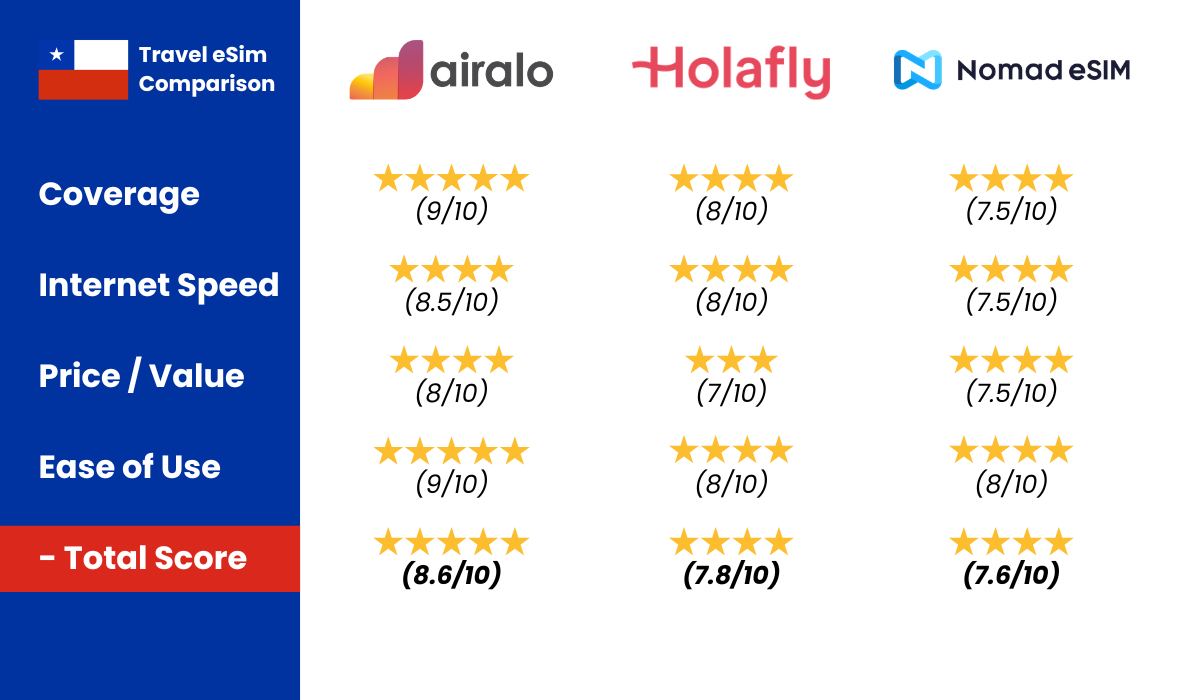
    We’ve compared Airalo, Holafly, and Nomad side by side. Click here for our full Chile eSIM comparison.

    San Pedro de Atacama has patchy cell service outside town; download offline maps and compare eSIM plans before you arrive.

    The best Atacama Desert eSIM in 2026 is Airalo.

    I tested it myself while traveling through Chile and specifically paid attention to how it performs in more remote regions like the Atacama Desert. Big cities like Santiago are easy when it comes to mobile data. The Atacama Desert is where things get more interesting and where weaker eSIM providers quickly fall apart.

    If you want the full breakdown, you can read the full Chile eSIM comparison blog.

    New to Airalo? Get $3 off this week with code KJ2068. Download the Airalo App now.

    Coverage: 9/10 ⭐⭐⭐⭐⭐
    Speed: 8.5/10 ⭐⭐⭐⭐
    Price/value: 8/10 ⭐⭐⭐⭐
    Ease of installation: 9/10 ⭐⭐⭐⭐⭐

    If you are heading to places like:

    • San Pedro de Atacama
    • Valle de la Luna
    • El Tatio Geysers
    • Laguna Cejar
    • Atacama salt flats
    • Desert viewpoints and remote tours

    You will need something that actually works when it matters.

    🏆 Winner: Airalo
    Let’s get into why.

    Why you absolutely need an eSIM in the Atacama Desert

    The Atacama Desert is not Santiago.

    This is one of the driest and most remote places on Earth. Infrastructure is limited, distances are large, and once you leave the main town, you are often completely off-grid.

    You will deal with:

    • Long desert roads with nothing around
    • Early morning tours (like geysers at sunrise)
    • Remote landscapes with zero infrastructure
    • Limited WiFi options outside hotels
    • Harsh conditions that affect connectivity

    If you search online, especially on forums, you will see the same concerns over and over:

    “Will I have signal in San Pedro de Atacama?”
    “Does eSIM work in the Atacama Desert?”
    “Should I buy a SIM card locally?”
    “Is there coverage during tours?”

    The honest answer is simple.

    You will not have signal everywhere. That is normal in the Atacama Desert.

    However, you do want reliable internet in key moments such as:

    • In San Pedro town
    • At your hotel or hostel
    • Booking tours or transport
    • Checking maps before heading out
    • Staying connected in case of emergencies

    This is exactly where Airalo performs well.

    Airalo: the best Atacama Desert eSIM right now

    Airalo connects to major local networks in Chile, which makes a big difference compared to smaller eSIM providers that rely on weaker partnerships.

    In real travel situations, this translates into stable and reliable coverage in the places where you actually need it.

    In San Pedro de Atacama, for example, the connection is generally strong enough for navigation, bookings, messaging, and even light browsing or social media.

    Once you head deep into the desert, such as Valle de la Luna or remote lagoons, the signal will fade or disappear. This is not a limitation of Airalo specifically. It is simply the reality of traveling in such a remote environment.

    There is no provider that offers full coverage across the Atacama Desert.

    Atacama Desert eSIM coverage

    Let’s set realistic expectations.

    San Pedro de Atacama

    This is your main base, and coverage here is generally solid. You can use maps, book tours, send messages, and manage your travel plans without issues.

    Valle de la Luna

    Limited signal. You may have some connectivity near the entrance, but once inside the valley, expect little to no service.

    El Tatio Geysers

    Very limited coverage. These are located at high altitude and far from infrastructure. Do not rely on mobile data here.

    Laguna Cejar & Altiplanic Lagoons

    Some weak signal in certain areas, but overall unreliable. Best to assume you will be offline during visits.

    Desert tours

    Most tours take you far away from town. During these trips, it is normal to lose signal completely for hours.

    Again, this is not an eSIM issue. It is simply how the Atacama Desert is.

    Atacama Desert eSIM internet speed

    In San Pedro and other connected areas, Airalo performs well.

    • Google Maps loads quickly
    • Booking platforms work smoothly
    • Messaging apps like WhatsApp are reliable
    • Social media works without problems

    In more remote areas, speed will drop before the signal disappears completely.

    This is expected due to the limited infrastructure in the desert.

    Do you need a Chile-only eSIM for Atacama?

    Most travelers visiting the Atacama Desert will stay within Chile, so a Chile-only eSIM is usually enough.

    However, if your trip includes other countries in South America, you might consider a regional eSIM instead.

    Airalo offers both options:

    • Chile-only plans
    • Regional South America plans

    If you are only visiting Atacama and Santiago, a local Chile plan is the simplest and most cost-effective choice.

    Atacama Desert eSIM prices (2026)

    Airalo plans are flexible and suitable for different types of travelers.

    You will find:

    • Smaller data packages for short stays
    • Larger bundles for longer trips or heavier use

    For most people visiting the Atacama Desert, I recommend:

    5GB to 10GB for a 1 to 2 week trip.

    Why this is enough:

    You will spend a lot of time offline during tours and excursions, so your actual data usage is lower than in city travel.

    As of now, prices typically range from around €4.50 for smaller packages up to about €42.50 for larger bundles.

    You can always top up if needed, which is what I did during my trip.

    For the latest pricing, check the Airalo website.

    New to Airalo? Get $3 off this week with code KJ2068. Download the Airalo App now.

    How to install your Atacama Desert eSIM

    The setup process is very straightforward.

    • Download the Airalo app
    • Choose a Chile or regional plan
    • Purchase your data package
    • Follow the installation steps
    • Activate it when you arrive

    I always install my eSIM before leaving home while connected to stable WiFi.

    When I landed in Chile, I simply turned on mobile data and was instantly connected.

    No stress, no searching for SIM cards at the airport.

    Should you buy a local SIM in Atacama instead?

    In most cases, it is not worth it.

    San Pedro de Atacama is a small town, and while SIM cards are available, the process can be inconvenient.

    You might deal with:

    • Limited shop opening hours
    • Language barriers
    • Waiting times
    • Passport registration requirements

    After traveling to a remote destination, the last thing you want is to deal with logistics just to get internet.

    With an eSIM, everything is already set up before you arrive.

    Is unlimited data necessary?

    In my opinion, no.

    Unlimited data sounds appealing, but in the Atacama Desert it does not add much value.

    You will spend large parts of your time exploring, doing tours, and being offline anyway.

    A solid data package is more than enough for:

    • Navigation
    • Communication
    • Booking activities

    When should you buy your Atacama eSIM?

    The best time to buy your eSIM is a few days before departure.

    Install it at home using WiFi so everything is ready.

    Then activate it once you land in Chile.

    This way, you arrive fully connected without any hassle.

    Is Airalo really the best Atacama Desert eSIM?

    Based on my experience, yes.

    It offers:

    • Reliable coverage in San Pedro
    • Stable speeds where infrastructure exists
    • Easy installation
    • Flexible data plans
    • Quick top-ups

    Will it give you signal in the middle of the desert? No.

    But no provider can.

    For actual travel use, it is the most reliable option available right now.

    Final verdict

    If you want:

    ✔ Easy setup
    ✔ Reliable coverage in San Pedro de Atacama
    ✔ No airport SIM hassle
    ✔ Flexible data plans
    ✔ Smooth travel experience

    Airalo is the best Atacama Desert eSIM in 2026.

    New to Airalo? Get $3 off this week with code KJ2068. Download the Airalo App now.

    You can set everything up in minutes, and once you arrive in Chile, you are connected instantly.

    Frequently asked questions

    What should travelers know about Atacama Desert eSIM?

    San Pedro de Atacama has patchy cell service outside town; download offline maps and compare eSIM plans before you arrive.

    Quick pick: For most travelers, Airalo is the easiest Chile eSIM to set up before you fly. Compare all providers in our full eSIM comparison, see cheapest Chile eSIM plans, or read region-specific guides for Atacama Desert eSIM guide.

  • Is Chile Safe to Visit in 2026? Honest Tourist Answer

    Is Chile Safe to Visit in 2026? Honest Tourist Answer

    Yes, Chile is safe to visit in 2026 for travelers who pick the right neighborhoods and use normal awareness. We travel here often. The country ranks among the safer options in South America. The realistic concerns are petty theft in big cities, occasional protests, earthquakes, and remote weather, not a blanket “do not go.”

    Travel advisories at a glance (2026)

    We travel to Chile often and treat official advisories as context, not as a reason to cancel a well-planned trip. Here is the practical read:

    Source Level / tone What it means for visitors
    US State Department Level 2: exercise increased caution Crime and occasional unrest. Stay aware in cities; avoid demonstrations.
    UK FCDO No blanket “do not travel” Flags petty crime in Santiago and Valparaíso, plus remote risks.
    Our take Calm confidence Pick the right neighborhoods, keep phones out of sight in crowds, and you can enjoy Chile.

    Official sources: US State Dept Chile advisory

    Yes. Chile is generally safe to visit in 2026 if you stay in the right neighborhoods and use normal big-city awareness. The realistic concerns are petty theft in Santiago and Valparaíso, plus earthquakes and remote weather, not countrywide danger.

    Stay connected: Compare Chile eSIM providers (Airalo vs Holafly vs Nomad) before you fly. it takes five minutes and saves airport hassle.

    Crime and safety overview

    Chile is widely considered one of the safest countries in South America, especially for tourists. Violent crime rates are relatively low compared to many neighboring countries, and most visits are trouble-free. That said, petty crime such as pickpocketing and bag snatching does occur, particularly in busy urban areas like Santiago, Valparaíso, and popular tourist hotspots.

    As a frequent traveler, the overall feeling in Chile is one of stability and order. Police presence is visible, infrastructure is reliable, and locals are generally helpful. However, like in any country, staying aware of your surroundings is key. Crimes tend to be opportunistic rather than targeted, meaning simple precautions like keeping valuables out of sight and avoiding quiet areas at night go a long way.

    In short, Chile is safe for tourists who travel smart. It’s not a risk-free destination, but compared to much of the region, it stands out as a secure and well-organized place to explore.

    Read the Security Report from OSAC for a professional opinion.

    Safest places to visit

    Chile has many destinations where travelers can feel especially safe, even by global standards. Areas like Santiago’s neighborhoods of Las Condes, Vitacura, and Providencia are known for being clean, well-policed, and tourist-friendly. These districts are where most hotels, restaurants, and business travelers are concentrated.

    Outside the capital, places like San Pedro de Atacama, Puerto Varas, and much of Patagonia are extremely safe. These regions rely heavily on tourism, and crime is very low. You’ll often find a relaxed atmosphere where walking around, even in the evening, feels comfortable.

    Read our blog about the safest places in Santiago here

    Smaller towns and rural areas across Chile are generally very safe as well. The biggest “risk” in these places is usually related to nature rather than crime. Overall, if you stick to well-known destinations and established neighborhoods, Chile offers a very secure travel experience.

    Areas to avoid

    Most of Chile is safe, but there are a few areas where extra caution is needed. In Santiago, neighborhoods like parts of Estación Central, La Pintana, and some outskirts of the city have higher crime rates and are not ideal for tourists. In Valparaíso, certain hills (cerros) can become unsafe after dark.

    A few quick rules:

    • Avoid quiet or poorly lit areas at night
    • Be cautious around bus terminals and crowded transport hubs

    Common scams and how they actually work

    • Metro or street phone snatch: Someone grabs a phone from your hand on a crowded platform or busy downtown street. Keep the phone in a front pocket or bag until you step aside.
    • Distraction “stain” approach: Someone points at a stain on your clothes while an accomplice reaches for your bag. Keep walking and clean up later.
    • Airport or street taxi overcharge: Unofficial drivers quote flat fares. Use the official desk, Centropuerto/Turbus, or Uber/Cabify/DiDi from the marked pickup zone.
    • Card terminal DCC: Always pay in Chilean pesos (CLP), not your home currency, when the terminal asks.

    Common scams to watch for

    Scams in Chile are not as widespread as in many countries, but they do happen. The most common ones target distracted tourists in busy areas.

    Watch out for:

    • Distraction techniques (someone spilling something on you while another steals your belongings)
    • Fake taxis or drivers overcharging at airports

    Transport safety tips

    Transport in Chile is generally safe and reliable. Buses are modern, flights are efficient, and ride apps work well in major cities.

    Stick to:

    • Uber, Cabify, or registered taxis
    • Reputable long-distance bus companies

    Avoid hailing random taxis late at night if possible.

    Night safety tips

    Chile is relatively safe at night in the right areas, but caution is still important.

    • Stay in well-lit, busy neighborhoods
    • Avoid walking alone in unfamiliar areas after dark

    In cities like Santiago, nightlife districts are lively but require basic awareness.

    Earthquakes and tsunamis: what to do

    Chile sits on a very active seismic zone. Small tremors are common. Buildings in major cities are engineered for this. The practical steps:

    1. If the ground shakes hard: drop, cover, and hold under a sturdy table. Protect your head and neck.
    2. After shaking stops on the coast: if it lasted about a minute or more, walk inland and uphill for tsunami risk. Do not wait for a siren.
    3. Ask your hotel where the assembly point is when you check in.

    Natural hazards and risks

    Chile’s biggest risks are often natural rather than crime-related. The country is prone to earthquakes, and certain regions have extreme climates.

    Be aware of:

    • Earthquakes (buildings are well-prepared, but it can be unsettling)
    • Harsh conditions in Patagonia and the Atacama Desert

    Political stability and protests

    Chile is politically stable overall, but protests do happen, especially in Santiago. These are usually peaceful but can occasionally turn disruptive.

    If you encounter a protest:

    • Avoid the area entirely
    • Follow local news or ask hotel staff for updates

    Emergency numbers and help

    Chile has a reliable emergency system, and help is generally accessible.

    • Police: 133
    • Ambulance: 131
    • Fire: 132

    Safety tips for first-time visitors

    For first-time travelers, Chile is one of the easiest countries in South America to navigate safely.

    • Don’t flash valuables like phones or jewelry
    • Keep copies of important documents

    A little awareness goes a long way here.

    Cultural norms and local behavior

    Chileans are generally polite, reserved, and helpful. Respectful behavior is appreciated and contributes to a safer experience.

    • Greet people with a simple “hola”
    • Avoid loud or confrontational behavior

    Blending in reduces unwanted attention.

    Is Chile safe compared to other countries

    Compared to most South American countries, Chile ranks as one of the safest. It generally has lower violent crime rates and better infrastructure.

    It’s often considered safer than countries like Brazil, Colombia, and Peru, especially for first-time travelers.

    vs Argentina and other South American countries

    Chile and Argentina are quite similar in safety, though Chile often feels slightly more stable and organized.

    Safer or comparable to:

    • Argentina
    • Uruguay

    Generally safer than:

    • Brazil
    • Colombia
    • Venezuela

    Murder rate and crime vs USA

    Chile’s homicide rate is significantly lower than that of the United States. While petty crime is more visible in tourist areas, violent crime is less common.

    Murder rate and crime vs Canada

    Chile’s crime levels are higher than Canada’s overall, especially for petty theft. However, violent crime remains relatively low and manageable.

    Murder rate and crime vs UK

    Compared to the UK, Chile has slightly higher petty crime rates but similar or lower levels of violent crime in many areas.

    Best time to visit for safety

    Chile is safe year-round, but some seasons are easier for travel.

    • Summer (December to February) offers better conditions and more activity
    • Winter travel is safe but can bring weather-related challenges

    Safety in Santiago vs other regions

    Santiago is safe in many areas but requires the most awareness due to its size. Petty crime is more common here than elsewhere.

    Other regions like Patagonia, the Atacama Desert, and southern Chile are generally safer and more relaxed.

    Is Chile safe for you?

    Chile is a great choice if you want a safe and structured introduction to South America. It offers a balance of adventure and comfort that suits a wide range of travelers.

    If you use common sense and stay aware, you’re unlikely to run into serious problems.

    Is Chile safe for…:

    Solo travelers

    Chile is one of the best countries in South America for solo travel. It’s easy to get around, and you’ll find plenty of other travelers.

    Solo female travelers

    Generally safe, especially in well-known areas. Standard precautions apply, particularly at night.

    Families

    Chile is family-friendly, with good infrastructure, healthcare, and safe destinations.

    Americans

    Americans are common visitors and generally face no specific risks beyond standard tourist precautions.

    Europeans

    European travelers will find Chile comfortable, familiar, and easy to navigate safely.

    LGBTQ+ travelers

    Chile is one of the more progressive countries in South America. Major cities are welcoming, though discretion is still advised in rural areas.

    Digital nomads

    Safe and well-connected, especially in Santiago. Reliable internet and modern amenities make it a strong option.

    Backpackers

    A popular and safe backpacking destination with good hostels and transport.

    Senior travelers

    Chile is safe and accessible, though some regions may require more planning due to terrain.

    Students and exchange travelers

    A safe environment with good public services and a welcoming atmosphere.

    Families with young children

    Safe, clean, and easy to manage, especially in urban and tourist-friendly areas.

    Luxury travelers

    High-end areas and services are very safe, particularly in Santiago and wine regions.

    Adventure travelers

    Safe overall, but risks come more from nature than crime.

    Road trippers

    Road conditions are excellent, and driving is generally safe across the country.

    Expats and long-term stays

    Chile is one of the safest and most stable countries in South America for long-term living.

    Frequently asked questions

    Is Chile safe to visit in 2026?

    Yes. Chile is among the safer South American countries for tourists. The US State Department lists Chile at Level 2 (exercise increased caution) mainly for crime and occasional unrest. Stay in recommended neighborhoods, keep phones out of sight in crowded spots, and you can travel with calm confidence.

    Is Chile safe for tourists?

    Yes for most itineraries. Violent crime against tourists is uncommon. Petty theft is the main issue in busy urban areas. Safety varies by city and neighborhood more than by the country as a whole.

    Is Santiago safe for tourists?

    Santiago is safe in eastern neighborhoods like Las Condes, Providencia, and Vitacura. Centro is fine by day. Use Uber or Cabify at night and book lodging on the east side.

    Is Chile safe for solo female travelers?

    Many solo female travelers visit Chile safely. Stick to well-lit areas, use ride apps at night, and choose accommodation in Providencia or Las Condes in Santiago.

    What should I do if there is an earthquake in Chile?

    Drop, cover, and hold under sturdy furniture. After shaking stops, if you are on the coast and shaking lasted about a minute or more, walk to high ground for tsunami risk. Modern Chilean buildings are built to strict seismic codes.

  • Easter Island eSIM (2026 Guide)

    Easter Island eSIM (2026 Guide)

    Short answer?
    The best Easter Island eSIM in 2026 is Airalo.

    Install before the island flight. The trip order lives in how to visit Easter Island and Easter Island hotels.


    Chile eSIM comparison: Airalo vs Holafly vs Nomad
    We’ve compared Airalo, Holafly, and Nomad side by side. Click here for our full Chile eSIM comparison.

    Easter Island has limited mobile coverage; install your Chile eSIM before flying to Mataveri airport (IPC).

    I’ve tested it myself in Chile and specifically looked into how it performs in Easter Island, because this is where most eSIMs get exposed. Big cities are easy. Easter Island is not.

    New to Airalo? Get $3 off this week with code KJ2068. Download the Airalo App now.

    If you are going to places like:

    • Rano Raraku
    • Tongariki
    • Anakena Beach
    • Orongo
    • Ahu Tahai
    • Rano Kau

    You need something reliable.
    🏆 Winner: Airalo
    (I like to cut to the chase). Read more below:

    Why you absolutely need an eSIM on Easter Island

    Rapa Nui (Easter Island) is not mainland Chile.

    There are:

    • Long empty roads with barely anyone around
    • Limited mobile coverage outside the main town
    • Remote archaeological sites far from infrastructure
    • National park areas with little to no signal
    • Very few places to quickly get help if something goes wrong

    And you’ll see the same questions everywhere online:

    “Will I have signal at Tongariki?”
    “Does data work near Rano Raraku?”
    “Should I buy a SIM at the airport?”
    “Is there coverage around Anakena Beach?”

    The honest answer?

    You will not have signal everywhere. That’s just how Easter Island is.

    But you do want reliable data in:

    • Hanga Roa (the main town)
    • The airport
    • Restaurants and cafés
    • Booking tours or accommodations
    • Navigation between key sites
    • Emergencies

    That is where Airalo performs best.

    Airalo: the best Easter Island eSIM right now

    Airalo connects to major local networks in Chile. That matters because smaller eSIM brands often rely on weaker partner agreements, which can mean less stable coverage.

    In real life, here is what that means:

    In Hanga Roa, the main town on Easter Island, coverage is generally stable and good enough for maps, bookings, and everyday use.

    Once you leave town and head to places like Rano Raraku, Tongariki, or more remote parts of the island, signal can drop or disappear completely. But that’s not an Airalo issue, that’s just how the island works.

    There is no eSIM on Easter Island that gives you full coverage everywhere.

    Easter Island eSIM coverage

    Let’s be realistic.

    Hanga Roa
    Strong 4G in most areas. Works well for maps, bookings, WhatsApp, and general use.

    Mataveri Airport
    Good signal when arriving and departing. Enough to get a ride, check bookings, or contact your hotel.

    Anakena Beach
    Limited coverage. You might get signal, but don’t rely on it consistently.

    Rano Raraku
    Very weak or no signal. Expect to be offline while exploring.

    Tongariki
    Little to no coverage. One of those places where you should assume you’re disconnected.

    Remote parts of the island
    Once you leave Hanga Roa, coverage becomes unreliable quickly. Large parts of the island have no service at all.

    This is normal for Easter Island. Not an eSIM issue.

    Easter Island eSIM internet speed

    In towns, Airalo feels fast.

    • Google Maps loads instantly
    • Booking apps work smoothly
    • Instagram and YouTube run fine
    • Video calls possible in urban areas

    In remote zones, speed drops before disappearing.

    Again, this is Easter Island infrastructure, not the eSIM provider.

    Easter Island eSIM prices (2026)

    Airalo plans usually range roughly from:

    • Small data packages for short trips
    • Larger bundles if you use maps constantly

    I personally recommend:

    5GB to 10GB for a 2–3 week Easter Island trip.

    Why?

    Because you will not have signal while hiking. So your actual usage is lower than in city travel.

    Always check the latest pricing on the Airalo website.

    New to Airalo? Get $3 off this week with code KJ2068. Download the Airalo App now.

    One of the things I liked about Airalo is the flexibility. There are plenty of data bundles to choose from, depending on how much you use your phone. As of writing this article, the prices range from about €4.50 for 1 GB up to €42.50 for 20 GB. I personally started with the smaller pack of 10GB and then topped up when I needed more.

    Since prices can change, you can always check the most up-to-date offers directly on the Airalo Chile page.

    How to install your Easter Island eSIM

    Very simple:

    1. Download the Airalo app
    2. Choose Chile, Argentina, or regional South America
    3. Purchase your data package
    4. Follow the installation steps
    5. Activate when you land

    I always install it at home before departure.

    When the plane lands on Easter Island, I just turn on mobile data and I am connected within minutes.

    No airport SIM hunting.

    Should you buy a local SIM in Easter Island instead?

    Short answer: not worth the hassle.

    On Easter Island:

    • There are very few places to buy a SIM
    • Options are limited and not always reliable
    • Setup can take time
    • You may need ID or registration

    After a long travel day, the last thing you want is dealing with all that.

    With Airalo, you are online in minutes.

    Is unlimited data necessary?

    In my opinion, no.

    Unlimited plans sound attractive. But here’s the reality:

    Large parts of Easter Island have no coverage anyway.

    You are exploring, driving around, visiting sites.

    You are not streaming videos all day.

    A solid data bundle is more than enough.

    When Should You Buy Your Easter Island eSIM?

    Buy it 2–3 days before departure.

    Install it at home where you have stable WiFi.

    Then activate once you land.

    Stress-free arrival.

    Is Airalo Really the best Easter Island eSIM?

    For me, yes.

    It gives:

    • Strong town coverage
    • Reliable speed
    • Easy border transitions
    • Simple installation
    • Fair pricing
    • Fast top-ups

    Does it give full signal on a glacier? No.

    Nothing does.

    But for actual travel logistics in Easter Island, it is the most reliable choice right now.

    Final Verdict

    If you want:

    ✔ Easy setup
    ✔ Good coverage in Easter Island towns
    ✔ No airport SIM stress
    ✔ Simple border crossings
    ✔ Reliable travel internet

    Airalo is the best Easter Island eSIM available right now.

    New to Airalo? Get $3 off this week with code KJ2068. Download the Airalo App now.

    You can Download the Airalo app and set everything up in under 5 minutes.

    And once you land in Easter Island, you are already connected. No drama.

    Frequently asked questions

    What should travelers know about Easter Island eSIM?

    Easter Island has limited mobile coverage; install your Chile eSIM before flying to Mataveri airport (IPC).

    Quick pick: For most travelers, Airalo is the easiest Chile eSIM to set up before you fly. Compare all providers in our full eSIM comparison, see cheapest Chile eSIM plans, or read region-specific guides for Easter Island eSIM guide.

  • Is Santiago Chile Safe in 2026? East-Side Map + Where to Stay

    Is Santiago Chile Safe in 2026? East-Side Map + Where to Stay

    We spend a lot of time in Santiago, from quiet east-side streets to the historic center on day walks. The short version: Santiago is safe for tourists who stay in the right neighborhoods and treat downtown like any large capital.

    Official sources: US State Dept Chile advisory

    Yes. Santiago is safe for tourists who stay east in Las Condes, Providencia, or Vitacura. Centro works by day. Keep phones away on busy streets, use ride apps at night, and book those neighborhoods.

    Santiago is location-dependent. Eastern neighborhoods feel modern and calm. The historic center is fine for daytime sightseeing with normal awareness. That contrast is what first-timers need to understand, not a reason to skip the city.

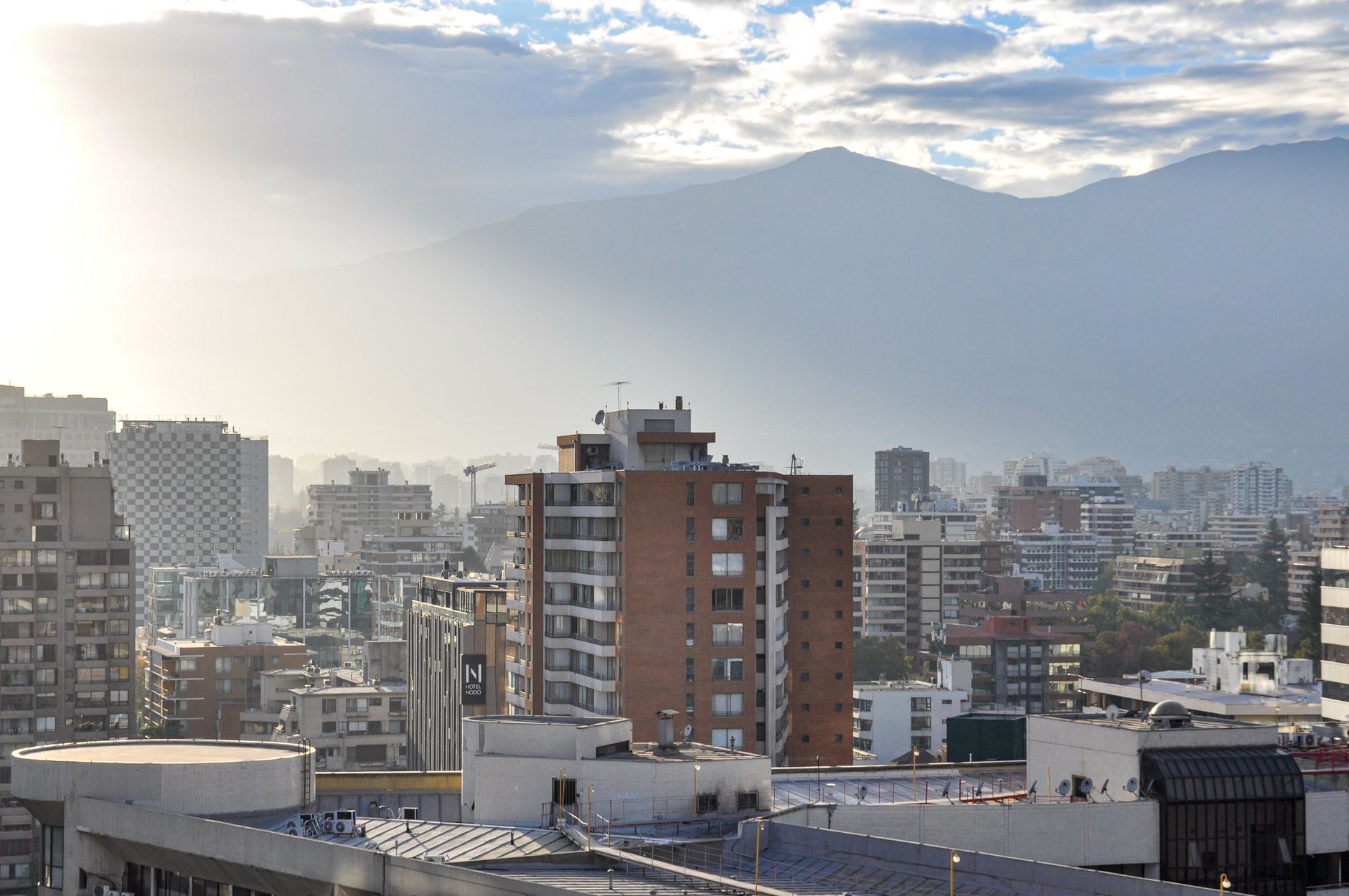
    Base yourself on the northeast side (Providencia, Las Condes, Vitacura) or walkable Lastarria. The map below shows the zones we actually use.

    Planning to stay in Santiago? Check out our blog of the best hotels in Santiago.

    You do not need to be afraid of Santiago. You do need a simple plan: base yourself east in Providencia, Las Condes, or Vitacura, keep your phone away on crowded downtown streets, and use Uber or Cabify at night outside those areas. That is how we travel here, and it works.

    Next step when you are ready to book: where to stay in Santiago or our best hotels in Santiago shortlist.

    Need mobile internet for your upcoming trip to Chile? Check out our compare Chile eSIM providers blog.

    Is Santiago safe for tourists in 2026?

    Short answer: yes, but only if you stay in the right areas. Santiago isn’t a place where you can just explore freely without thinking about safety. It’s very location-dependent, and that’s what catches a lot of people off guard.

    In the safer parts of the city, you’ll feel totally fine. Cafés are busy, streets are clean, and it honestly feels like any modern city. But step outside those zones, and things can change quickly. That contrast is what makes Santiago tricky for first-time visitors.

    If you plan your stay properly and stay aware, you can absolutely have a great time here. Just don’t treat it like a carefree destination.

    Safe areas (map explained)

    The safest part of Santiago is clearly the northeast side of the city. This includes neighborhoods like Las Condes, Vitacura, and Providencia. This is where most expats, business travelers, and tourists stay.

    You’ll notice the difference immediately. Better infrastructure, more police presence, and an overall calmer atmosphere. It’s also where most hotels, restaurants, and shopping areas are located.

    Then there’s the area around the airport in the west. It’s not somewhere you’ll hang out, but it’s generally fine for short stays or transitions.

    • Northeast districts are your main base
    • Airport area is fine for arrival/departure
    • Stick to these zones as much as possible

    Areas to avoid

    This is where you really need to pay attention. Some southern and western comunas have higher crime and little tourist reason to visit. You do not need them on a first trip. Stick to the east-side bubble for lodging and evenings.

    Neighborhoods in the south and west of the city are known for higher crime rates. Even some central areas that look okay during the day can become risky, especially after dark.

    The biggest mistake people make is wandering too far out of the “safe bubble” without realizing it.

    • Avoid unfamiliar areas outside the northeast
    • Be cautious in the city center, especially at night
    • Don’t explore “just out of curiosity”

    My experience and warnings

    Personally, I felt completely fine when I stayed in the right areas. Walking around during the day, grabbing food, working from cafés, no issues at all. But I was always aware of where I was.

    The moment you start pushing beyond those areas, the atmosphere changes. Less people, fewer tourists, and just a different energy. It’s hard to explain until you see it yourself, but you feel it.

    And the stories I’ve heard from other travelers are not rare. Getting phones snatched, being followed, or worse. That’s why I’m very clear about this: don’t take unnecessary risks here.

    Quick safety tips

    If you follow a few simple rules, you’ll avoid most problems in Santiago. Nothing complicated, just basic awareness and discipline.

    A lot of issues happen because people get too comfortable too quickly. This is not the place for that.

    • Keep your phone out of sight in public
    • Use Uber or trusted transport, especially at night
    • Stay in the northeast areas only

    Current crime rates and statistics

    Santiago has seen an increase in crime in recent years, especially petty theft and robberies targeting tourists. This is something locals will also tell you if you ask.

    This website keeps track of the crime numbers in Chile.

    Most incidents involve things like phone snatching, pickpocketing, or opportunistic theft. Violent crime exists, but tourists are more commonly affected by smaller, quick crimes.

    The key thing to understand is that crime is very location-based. In safe areas, you might not notice anything. Outside of them, it’s a different story.

    Common scams to watch out for

    Like many big cities, Santiago has its share of scams, and tourists are an easy target if they’re not paying attention.

    The most common one is distraction-based theft. Someone asks you something, spills something on you, or creates a situation, while someone else takes your belongings.

    Another one is unofficial taxis or drivers trying to overcharge or take advantage.

    • Distraction scams in busy areas
    • Unofficial taxis charging extra
    • People offering “help” out of nowhere

    Public transport safety

    Public transport in Santiago is decent, but it’s also one of the main places where theft happens.

    The metro system is modern and widely used, but it gets crowded. And crowded places are exactly where pickpockets operate.

    If you use public transport, just be extra aware of your belongings at all times.

    • Keep bags zipped and in front of you
    • Avoid rush hours if possible
    • Stay alert when entering and exiting stations

    Safety at night

    At night, things change quickly in Santiago. Even areas that feel okay during the day can become much less comfortable after dark.

    In the safe neighborhoods, you can still go out for dinner or drinks, but you shouldn’t wander too far or walk long distances alone.

    Outside of those areas, it’s better to just not be there at all.

    • Use Uber instead of walking at night
    • Stay in well-lit, busy areas
    • Avoid empty streets completely

    How it compares to other cities in Chile

    Compared to other cities in Chile, Santiago is generally considered less safe, especially because it’s larger and more complex.

    Places like Valparaíso or smaller towns can feel more relaxed, although they also have their own risks. The difference is that Santiago has more contrast between safe and unsafe areas.

    That’s why it requires a bit more planning and awareness than other destinations in the country.

    Final verdict

    Santiago can be a great place to visit, but it’s not a destination where you can switch off completely.

    If you stay in the right areas, follow basic precautions, and don’t take unnecessary risks, you’ll likely have a smooth experience.

    But ignore those rules, and things can go wrong quickly. So keep it simple: stay in safe zones, stay alert, and don’t push your luck.

    Frequently asked questions

    Is Santiago Chile safe?

    Yes for visitors who base themselves in Las Condes, Providencia, Vitacura, or Lastarria. The city is large and uneven by neighborhood. Stay east, use normal awareness downtown, and you can enjoy Santiago calmly.

    Is Santiago safe at night?

    In Providencia, Las Condes, Vitacura, and busy Lastarria streets, evenings are fine with normal awareness. Prefer Uber or Cabify over long walks in Centro after dark.

    Where should tourists stay in Santiago for safety?

    Providencia is our default for first-timers. Las Condes and Vitacura are quieter and very safe. Lastarria works if you want a walkable cultural base.

    Is Providencia Santiago safe?

    Yes. Providencia is one of the most practical safe areas for tourists: Metro access, restaurants, and a calmer feel than Centro.

    Practical next steps for your Chile trip

  • Best Hotels in Santiago Chile 2026 (Areas We Actually Book)

    Best Hotels in Santiago Chile 2026 (Areas We Actually Book)

    We’ll first look at the neighborhoods and then look at the best hotels for your trip.

    Official sources: Chile.travel

    The best hotels in Santiago Chile sit in Las Condes, Providencia, and Vitacura: safe, walkable, Metro-connected, and worth booking early on Booking.com.

    Where to Stay in Santiago (Best Neighborhoods)

    Choosing the right area in Santiago makes a big difference. The city is spread out, and each neighborhood has a completely different vibe.

    Here are the best areas to stay, depending on your travel style:

    Providencia (Best Overall Area)

    Providencia is the safest and most practical area to stay in Santiago. It’s a mix of residential and business districts, with plenty of restaurants, shops, and hotels.

    It may not be the most charming neighborhood, but it’s extremely convenient and well-connected, making it ideal for most travelers.

    Why stay here:

    • Central location with great metro access
    • Safe and easy to navigate
    • Wide range of hotels and restaurants

    Best for: First-time visitors, solo travelers, and anyone who wants convenience

    Traveling to Chile soon? Check out these useful article:

    Lastarria & Bellas Artes (Best for Atmosphere)

    If you want character, this is the place to stay. Lastarria and Bellas Artes are located in the historic center and feel like a small cultural hub within the city.

    The area is full of cafés, museums, and restaurants, and you can walk to many of Santiago’s main attractions. It’s the most atmospheric and walkable neighborhood in the city.

    Why stay here:

    • Best area for sightseeing on foot
    • Lively but still relatively safe
    • Full of culture, food, and boutique hotels

    Best for: Couples, first-time visitors, and travelers who want a local vibe

    Barrio Italia (Best for Trendy Vibes)

    Barrio Italia is one of Santiago’s coolest up-and-coming neighborhoods. It’s known for wine bars, independent shops, and a more local, creative feel.

    That said, it’s a bit further from the main sights. You’ll get a more authentic experience, but less convenience.

    Why stay here:

    • Trendy, local atmosphere
    • Great food and wine scene
    • Less touristy

    Best for: Repeat visitors and food lovers

    Las Condes (Best for Luxury)

    Las Condes is Santiago’s modern, upscale district. It’s cleaner, quieter, and more polished than the city center.

    While it lacks character, it offers the best luxury hotels and incredible views of the Andes.

    Why stay here:

    • Safest and most modern area
    • High-end hotels and restaurants
    • Close to business districts

    Best for: Luxury travelers and business trips

    Vitacura (Best for High-End & Quiet Stays)

    Vitacura is one of the most exclusive neighborhoods in Santiago. It’s green, calm, and filled with upscale dining and boutique hotels.

    The downside is that it’s less connected. You’ll likely rely on taxis or Uber to get around.

    Why stay here:

    • Quiet and refined atmosphere
    • Excellent restaurants
    • Luxury boutique hotels

    Best for: High-end travelers who prefer calm over convenience

    Best hotels in Santiago

    Finding the right hotel in Santiago depends a lot on your travel style and where you choose to stay. From boutique stays in the cultural heart of Lastarria to modern high-rises in Las Condes, the city offers a wide range of options. Below you’ll find the best hotels in Santiago, carefully selected for location, comfort, and overall experience.

    Here is our shortlist of the best hotels in Santiago (Booking.com 8.0+):

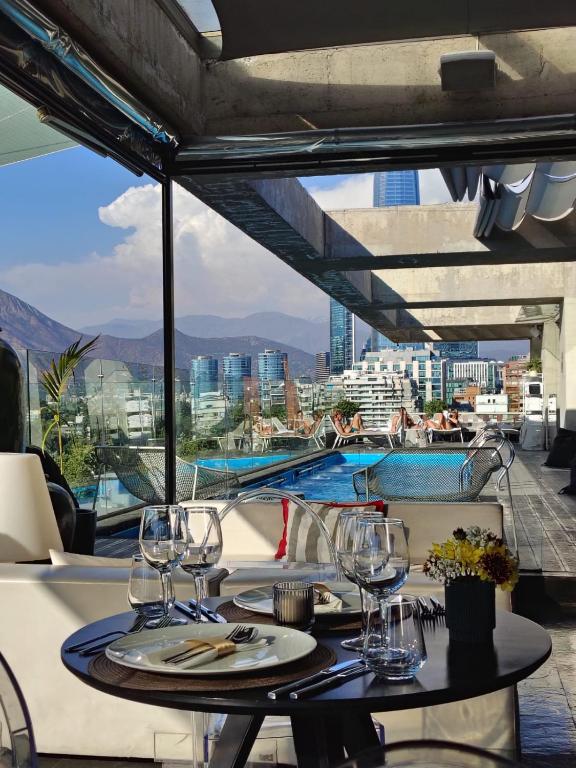
    The Singular Santiago Lastarria Hotel

    Santiago Chile hotel The Singular Santiago

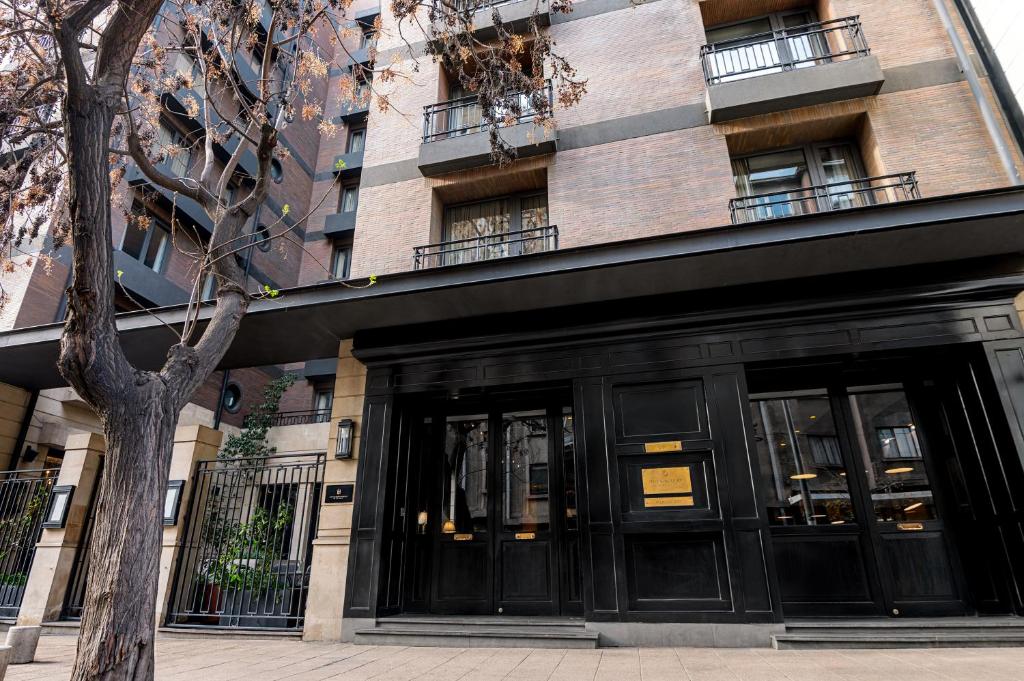
    The Singular Santiago does luxury in a more classic, refined way. Think European-style elegance, spacious rooms, and a calm, upscale atmosphere right in the cultural heart of the city. Located in Lastarria & Bellas Artes, it puts you steps from Santiago’s best cafés, museums, and restaurants.

    Perched on top, the rooftop pool and bar are the real highlight. With panoramic views of the Andes, it’s easily one of the most impressive spots in the city to unwind after a day of exploring.

    • Rooftop pool and bar with Andes views
    • Prime location in Santiago’s most walkable area
    • High-end restaurant and spa

    Best for couples and first-time visitors who want a stylish, central stay with a touch of luxury.

    👉 Check availability here

    Hotel Cumbres Lastarria

    Santiago Chile hotel Hotel Cumbres Lastarria

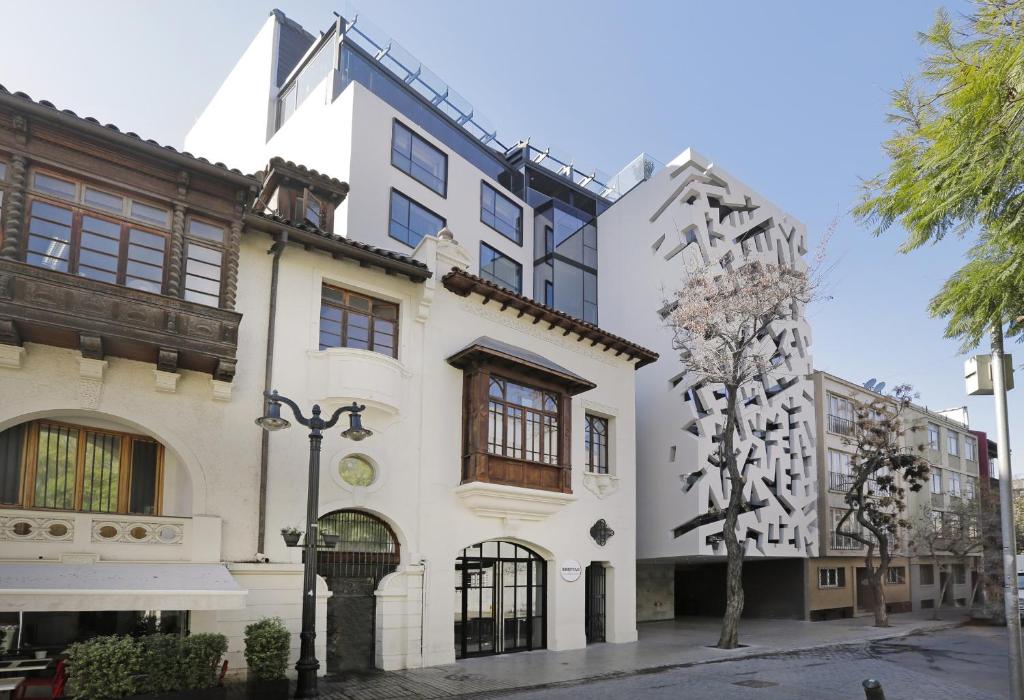
    Hotel Cumbres Lastarria blends modern design with a boutique feel in one of Santiago’s most vibrant areas. Located in Lastarria & Bellas Artes, it places you right among galleries, cafés, and some of the city’s best restaurants.

    Up on the rooftop, you’ll find a small pool and terrace with great city views. It’s a more contemporary alternative to The Singular, with a slightly more relaxed and accessible vibe.

    • Rooftop pool and terrace
    • Sleek, modern design
    • Excellent central location

    Best for couples and travelers who want boutique luxury without going fully high-end.

    👉 Check availability here

    Hotel Ismael

    Santiago Chile hotel Hotel Ismael - Lastarria

    Hotel Ismael is a smaller, design-forward boutique stay with a relaxed and intimate feel. Located in Lastarria & Bellas Artes, it’s just steps from the park and within walking distance of most major sights.

    The rooftop plunge pool adds a nice touch after a day exploring. It’s one of the best value boutique options in Santiago, offering style without the high price tag.

    • Rooftop plunge pool
    • Compact, modern rooms
    • Great value for location

    Best for solo travelers and couples looking for a stylish stay on a budget.

    👉 Check availability here

    Luciano K Hotel

    Santiago Chile hotel Hotel Luciano K

    Luciano K stands out immediately thanks to its striking art deco architecture and bold interior design. Located near Lastarria & Bellas Artes, it combines historic character with a trendy, upscale atmosphere.

    The rooftop pool and bar are a highlight, offering great views over the city. It feels more like staying in a design landmark than a traditional hotel.

    • Iconic art deco building
    • Rooftop pool and bar
    • Unique, design-led interiors

    Best for design lovers and travelers looking for something different.

    👉 Check availability here

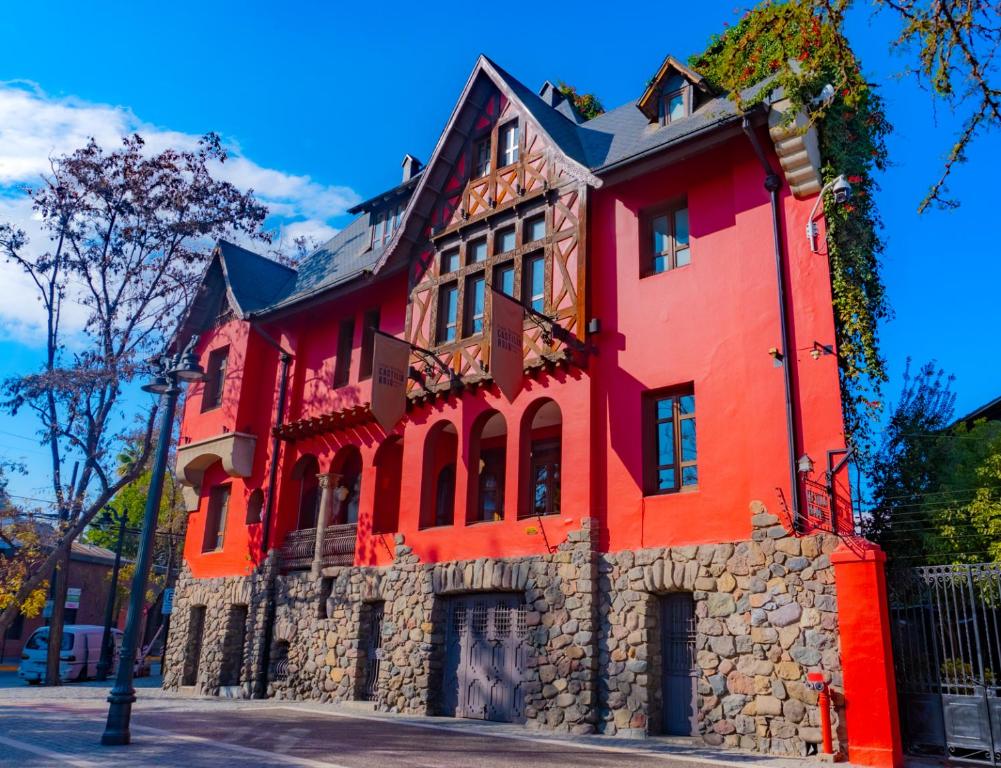
    Hotel Boutique Castillo Rojo

    Santiago Chile hotel Hotel Boutique Castillo Rojo

    Hotel Boutique Castillo Rojo is one of the most charming stays in Santiago, set inside a distinctive red historic mansion. Located in Lastarria & Bellas Artes, it offers a quieter, more intimate experience.

    The atmosphere is warm and personal, with classic décor throughout. It feels more like staying in a boutique guesthouse than a typical hotel.

    • Unique historic building
    • Personalized service
    • Quiet, intimate setting

    Best for couples and travelers who prefer character over modern design.

    👉 Check availability here

    Solace Hotel Santiago

    Santiago Chile hotel Solace Hotel Santiago

    Solace Hotel Santiago offers a clean, modern stay with everything you need for a comfortable city trip. Located in Providencia, it’s close to shops, restaurants, and public transport.

    The rooftop terrace and pool add a nice bonus. It’s a reliable mid-range option that balances comfort, style, and value.

    • Rooftop pool and terrace
    • Modern, spacious rooms
    • Great central location

    Best for most travelers who want comfort without overspending.

    👉 Check availability here

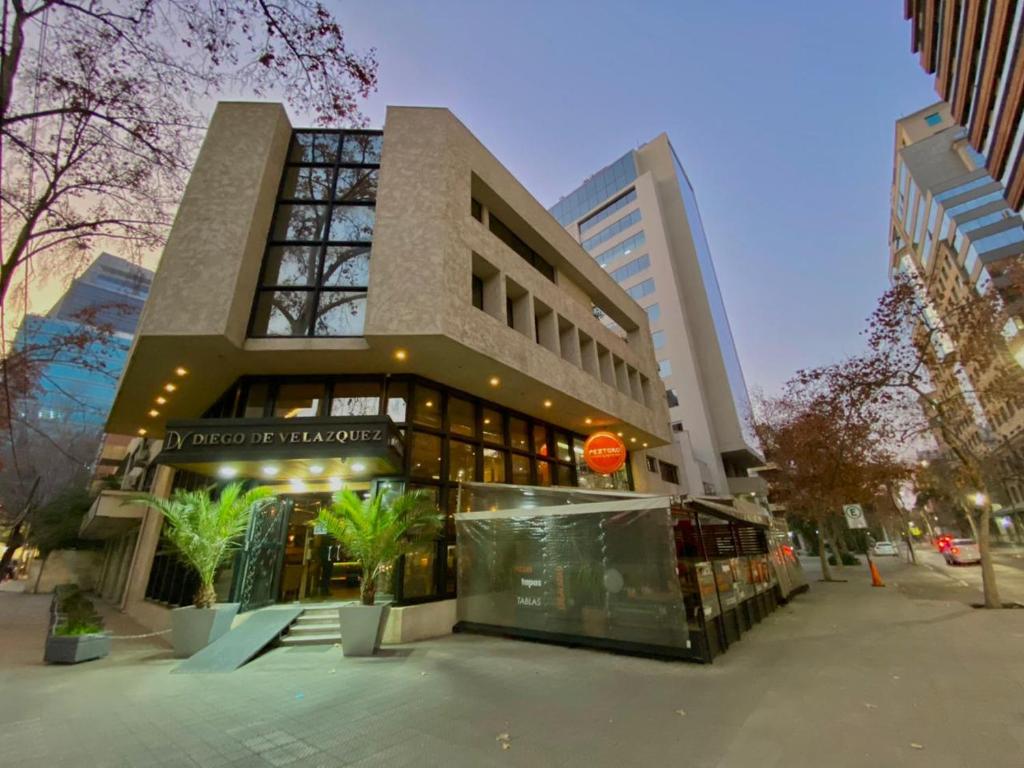
    Hotel Diego de Velásquez Providencia

    Santiago Chile hotel Hotel Diego de Velazquez

    Hotel Diego de Velásquez is a practical and affordable option in a central area. Located in Providencia, it offers easy access to metro stations, restaurants, and shopping.

    Rooms are more traditional, often with apartment-style layouts. It’s not flashy, but it delivers solid value for longer stays.

    • Spacious, apartment-style rooms
    • Central and well-connected
    • Good value for money

    Best for families and travelers staying longer in the city.

    👉 Check availability here

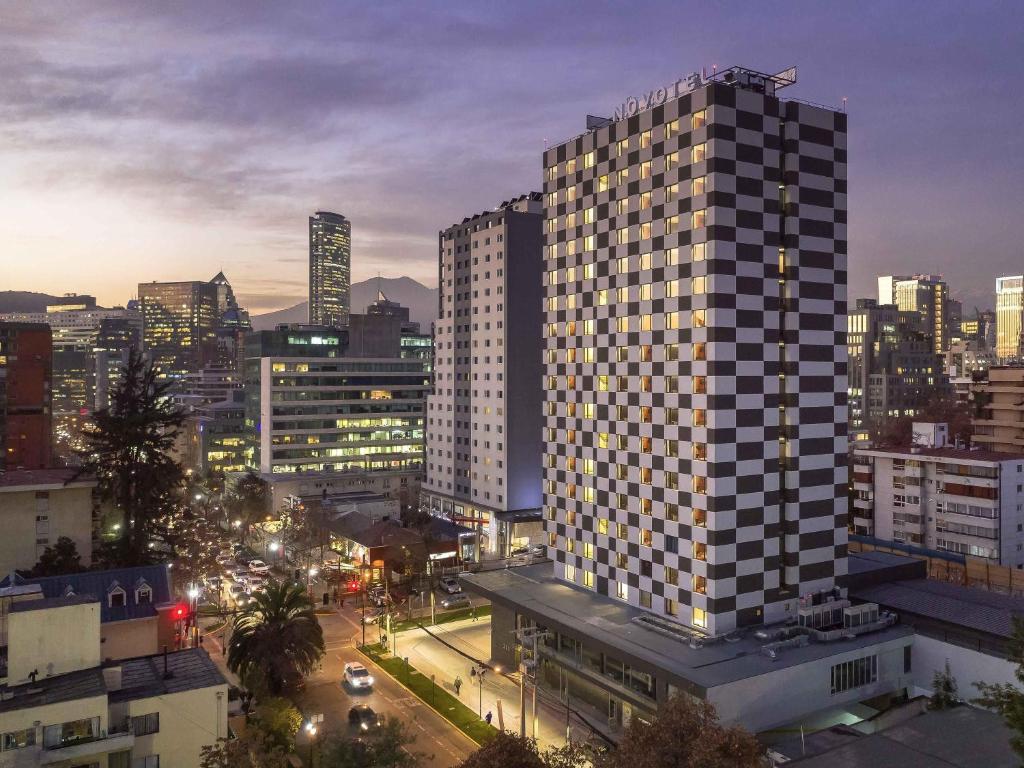
    Novotel Santiago Providencia

    Santiago Chile hotel Novotel Santiago Providencia

    Novotel Santiago Providencia offers a modern and efficient stay in a great location. Situated in Providencia, it’s close to shops, restaurants, and transport links.

    The design is simple but fresh, with all the essentials covered. It’s a smart, no-fuss option for a short city stay.

    • Modern, clean rooms
    • Central location
    • Good value pricing

    Best for short stays and budget-conscious travelers.

    👉 Check availability here

    Hotel Eco Boutique Bidasoa

    Santiago Chile hotel Hotel Eco Boutique Bidasoa

    Hotel Eco Boutique Bidasoa is a peaceful, eco-conscious retreat within the city. Located in Vitacura, it offers a greener, more relaxed atmosphere.

    Surrounded by gardens and natural elements, it feels far from the busy center. It’s one of the most unique and sustainable stays in Santiago.

    • Eco-friendly design
    • Garden setting and outdoor spaces
    • Quiet, upscale neighborhood

    Best for slow travelers and those seeking a calm escape.

    👉 Check availability here

    Ola Santiago Providencia

    Santiago Chile hotel Ola Santiago Providencia, Tapestry Collection by Hilton

    Ola Santiago Providencia is a simple, no-frills hotel that covers the basics well. Located in Providencia, it offers easy access to transport and nearby attractions.

    The design is minimal, focusing on practicality over style. It’s a straightforward option if you just need a place to sleep.

    • Affordable pricing
    • Central location
    • Simple, functional rooms

    Best for short stays and travelers on a tight budget.

    👉 Check availability here

    Frequently asked questions

    What should travelers know about Best Hotels in Santiago Chile 2026 (Areas We Actually Book)?

    The best hotels in Santiago Chile sit in Las Condes, Providencia, and Vitacura: safe, walkable, Metro-connected, and worth booking early on Booking.com.

  • Santiago to Patagonia: Distance, Flights & Drive Options (2026)

    Santiago to Patagonia: Distance, Flights & Drive Options (2026)

    Traveling down south from Santiago was something I had been looking forward to for a long time. Patagonia always felt remote and almost unreal, and finally heading there made the whole trip feel like an adventure from the start.

    Patagonia is roughly 2,000 km from Santiago by road. Most travelers fly to Punta Arenas or Puerto Natales (about 3 hours) rather than driving the full distance.

    The first time, I flew with LATAM Airlines, going from city life to wild landscapes in just a few hours. On another trip, I tried part of the journey overland, and that was a completely different experience. Driving in Chile is very different than I’m used to, with long distances and remote roads, but that’s also what makes it so memorable. Read our driving in Patagonia guide for more info.

    In this guide, I’ll show you the best and cheapest ways to travel from Santiago to Patagonia in 2026 so you can pick what fits your trip best.

    Quick reading tip:
    – reliable eSIM for Patagonia’s remote areas
    – Things to do in Patagonia

    Where is Patagonia located

    Patagonia is a vast and remote region located at the southern end of South America, shared by both Chile and Argentina. It stretches from roughly the Colorado River in Argentina all the way down to the southernmost tip of the continent, including the famous Tierra del Fuego.

    Check out Ryan Shirley’s YouTube video above, he’s an amazing video travel blogger.

    On the Chilean side, Patagonia is known for its dramatic fjords, glaciers, and national parks like Torres del Paine. On the Argentine side, it features wide-open plains, rugged mountains, and iconic spots like El Calafate and Mount Fitz Roy.

    Because Patagonia covers such a large area, it’s not a single destination but a region made up of multiple towns and entry points. The most common gateways travelers use are:

    • Puerto Natales (for Torres del Paine)
    • Punta Arenas (southern Chilean Patagonia)
    • Balmaceda (for the Carretera Austral)
    • El Calafate (Argentine Patagonia)

    This size and diversity are exactly what make Patagonia so special, but also why planning your trip from Santiago requires some thought.

    How far is Patagonia from Santiago

    The distance between Santiago and Patagonia depends on where exactly you’re heading, since Patagonia spans a huge part of southern Chile and Argentina.

    On average, you’re looking at anywhere between 1,500 km to over 3,000 km (930 to 1,860 miles). For example:

    • Santiago to Puerto Natales: about 2,400 km
    • Santiago to Punta Arenas: about 3,000 km
    • Santiago to Balmaceda: about 1,600 km

    Travel time varies just as much. A direct flight takes around 3 to 4 hours, while overland travel can take multiple days depending on your route and stops.

    Because of these distances, choosing the right transport option is key to balancing time, budget, and experience.

    Best ways

    There’s no single “best” way to travel from Santiago to Patagonia. It really depends on what kind of trip you want.

    If you’re short on time, flying is the obvious choice. If you’re traveling on a tight budget, buses can save you money. And if you want the journey to be part of the adventure, a road trip or ferry route can be unforgettable.

    Most travelers choose between these four main options:

    • Flying for speed and convenience
    • Taking the bus for the lowest cost
    • Driving for flexibility and scenery
    • Combining ferries for a unique route through fjords

    Each option comes with trade-offs, so it’s worth understanding them before deciding.

    Flying (fastest option)

    Flying is by far the quickest and easiest way to get from Santiago to Patagonia.

    You can fly directly to key southern airports like Punta Arenas, Puerto Natales (seasonal), or Balmaceda. Flight times are typically between 3 and 4 hours, making this the best option if you’re limited on time.

    Prices vary depending on the season, but if you book in advance, you can often find one-way tickets starting around €40 to €100. During peak months, prices can increase significantly.

    Why choose flying:

    • Saves days of travel time
    • Often surprisingly affordable
    • Multiple daily departures

    The downside is that you’ll miss out on the landscapes along the way, but for most travelers, the time saved is worth it.

    Taking the bus (cheapest option)

    If you’re looking to save money, taking the bus is usually the cheapest way to reach Patagonia.

    However, this is a long journey. There are no simple direct routes all the way to southern Patagonia, so expect a combination of long-distance buses and transfers. Travel time can easily exceed 30 to 40 hours depending on your destination.

    That said, buses in Chile are generally comfortable, with reclining seats and overnight options that help cut accommodation costs.

    Why choose the bus:

    • Lowest upfront cost
    • Decent comfort on long routes
    • Good option for slow travelers

    The main drawback is the time investment. For many people, the extra days spent traveling outweigh the savings.

    Road trip (most scenic option)

    A road trip from Santiago to Patagonia is one of the most rewarding ways to experience Chile.

    Driving gives you the freedom to explore at your own pace, stop in smaller towns, and take detours to lesser-known spots. One of the highlights is the famous Carretera Austral, a remote highway known for its incredible scenery.

    This option does require planning. Renting a car, fuel costs, and accommodation along the way can add up. You’ll also need to be comfortable driving long distances, sometimes on gravel roads.

    Why choose a road trip:

    • Maximum flexibility
    • Access to off-the-beaten-path locations
    • Some of the best landscapes in South America

    This is ideal if you have at least 2 to 3 weeks and want the journey itself to be a major part of your trip.

    Ferry routes (unique but slow option)

    Taking a ferry through Patagonia is one of the most unique ways to travel, but it’s definitely not the fastest.

    Ferries connect parts of southern Chile, navigating through fjords, islands, and remote coastal areas that are otherwise hard to reach. Some routes take several days and feel more like an expedition than simple transport.

    This option is less about efficiency and more about the experience.

    Why choose ferry travel:

    • Incredible views of fjords and glaciers
    • A quieter, less touristy route
    • A memorable travel experience

    Keep in mind that schedules are limited, prices can be higher than expected, and weather conditions can affect departures.

    Cheapest way

    The cheapest way to travel from Santiago to Patagonia in 2026 is usually a combination of budget flights or long-distance buses.

    In many cases, booking a low-cost flight early can actually be cheaper than taking multiple buses, especially when you factor in the time saved. Prices can drop surprisingly low if you’re flexible with dates.

    If you’re trying to spend as little as possible:

    • Book flights well in advance
    • Travel outside peak season
    • Compare bus and flight prices before deciding

    For ultra-budget travelers with more time than money, buses still win. But for most people, flying offers the best balance between cost and convenience.

    Best time to travel

    The best time to travel from Santiago to Patagonia depends on what you want to experience.

    The most popular months are from November to March, which is summer in the Southern Hemisphere. During this period, you’ll have longer daylight hours, milder temperatures, and better conditions for hiking.

    However, this is also peak season, meaning higher prices and more crowds.

    If you want fewer tourists and lower costs, consider traveling in the shoulder seasons:

    • October to early November
    • March to April

    Winter travel is possible but comes with challenges like colder weather, limited services, and restricted access to some areas.

    Travel tips

    Planning a trip to Patagonia requires a bit more preparation than other destinations in Chile.

    Here are a few key tips to keep in mind:

    • Book transport early during peak season
    • Pack for unpredictable weather, even in summer
    • Allow buffer time for delays, especially with buses or ferries
    • Check airport locations carefully, as distances between towns can be large
    • Bring layers, as conditions can change quickly

    Being flexible and well-prepared will make your journey much smoother.

    Final Thoughts

    Traveling from Santiago to Patagonia is a journey that can look very different depending on how you choose to do it.

    If you want speed and simplicity, flying is the clear winner. If you’re on a tight budget, buses can get you there for less. And if you’re after adventure and scenery, a road trip or ferry route can turn the journey into a highlight of your trip.

    There’s no single right answer. The best option is the one that fits your time, budget, and travel style.

    Frequently asked questions

    What should travelers know about Santiago to Patagonia?

    Patagonia is roughly 2,000 km from Santiago by road. Most travelers fly to Punta Arenas or Puerto Natales (about 3 hours) rather than driving the full distance.

  • Chile Travel Mistakes (2026 Guide)

    Chile Travel Mistakes (2026 Guide)

    Traveling through Chile can easily become one of the best trips of your life. From the dramatic landscapes of Patagonia and the vibrant streets of Santiago to the once-in-a-lifetime experience of Easter Island, Chile offers incredible diversity.

    However, many travelers make simple mistakes that can cost time, money, and even ruin parts of their trip. Knowing what to avoid before you go will help you travel smarter, safer, and get the most out of your experience.

    Here are the most common Chile travel mistakes and how to avoid them.

    1. Getting Sunburned (Especially in Patagonia & Atacama)

    You don’t expect to get burned in cold wind or a desert that doesn’t feel “hot” but Chile will prove you wrong fast. The sun here is intense, and I’m talking burn-in-an-hour intense. I’ve seen people ruin entire hiking days because they skipped sunscreen once. Bring strong SPF, reapply constantly, and don’t trust the weather.

    Get the Eucerin sunscreen on Amazon.

    2. Underestimating Safety in Certain Areas

    Santiago feels modern and safe at first, and mostly it is, but that’s exactly when people let their guard down. Petty theft happens quickly and quietly, especially in busy areas. Keep your phone out of sight, stay aware of your surroundings, and don’t assume every neighborhood is equally safe.

    3. Forgetting a Chilean Plug Adapter

    This one sounds small until your phone dies and you realize nothing fits the outlets. Chile uses different plug types, and not every accommodation has spares. After a long travel day, the last thing you want is hunting for an adapter instead of relaxing.

    Get it the adapter for a great price on Amazon – Amazon link

    4. Not Carrying Cash (Cards Aren’t Accepted Everywhere)

    Chile is modern, but cash is still king in many situations. Small restaurants, buses, markets, and even some tours won’t take cards. You don’t need loads of cash, but not having any will definitely put you in awkward situations.

    5. Ignoring Chile’s Extreme Distances

    Chile looks manageable on a map until you realize it stretches insanely far from north to south. Getting from one region to another often means flights, not buses. What looks like a short hop can turn into a full travel day if you don’t plan properly.

    6. Trying to Rush the Entire Country in One Trip

    Patagonia, Atacama, Santiago, Easter Island… it’s tempting to do it all. But trying to squeeze everything into one trip just turns your experience into constant travel. You’ll spend more time in airports than actually enjoying Chile.

    7. Not Booking Patagonia Accommodation in Advance

    Patagonia isn’t the kind of place where you can just “figure it out when you get there.” Accommodation is limited and fills up quickly, especially in peak season. If you don’t book ahead, you might end up paying way more or not finding anything at all.

    8. Underpacking for Changing Weather

    You can experience sun, wind, rain, and cold all in the same day, especially in Patagonia. If you pack for just one type of weather, you’ll be uncomfortable most of the time. Layers are everything here.

    9. Not Learning Basic Spanish Phrases

    Outside of major tourist spots, English isn’t guaranteed. Even simple things like ordering food or asking for directions can become frustrating. Knowing a few basic phrases makes everything smoother and people appreciate the effort.

    Order the ‘Easy Spanish Phrase Book’ on through this link on Amazon.com

    10. Skipping Travel Insurance

    It’s one of those things people skip to save money, until something goes wrong. Whether it’s a missed flight, lost luggage, or a medical issue in a remote area, costs can escalate quickly. It’s not worth the risk.

    11. Drinking Tap Water in Remote Areas Without Checking

    In cities like Santiago, tap water is generally safe, but that’s not always the case in remote regions. It’s always better to double-check or stick to bottled water when you’re unsure.

    12. Not Checking Altitude Effects in Atacama

    The Atacama Desert sits at high altitude, and it hits some people harder than expected. Headaches, dizziness, and fatigue can sneak up quickly if you don’t acclimatize properly. Take it slow your first couple of days.

    13. Assuming Public Transport Runs Everywhere

    Chile has great transport in cities, but once you head into remote areas, options become limited or nonexistent. If you don’t plan ahead, you might find yourself stuck or forced into expensive last-minute alternatives.

    14. Not Validating Your Bus/Metro Ticket Properly

    Public transport in Santiago is efficient, but you need to use it correctly. If you don’t validate your ticket or card, you can get fined. It’s a simple step, but easy to overlook when you’re new.

    15. Taking Unofficial Taxis at the Airport

    After a long flight, it’s tempting to jump into the first taxi you see. That’s exactly when scams happen. Always use official taxis or apps to avoid overpaying or uncomfortable situations.

    16. Bring a Powerbank for your Phone

    This is one of those things you don’t think about until it’s too late. Between navigating, taking photos, checking bookings, and long travel days, your battery drains fast, especially in remote areas where you’ll use your phone even more. Add cold weather in places like Patagonia and your battery dies even quicker. Having a power bank can literally save your day when you need directions, tickets, or emergency access and your phone is at 1%.

    Order the Powerbank on Amazon here

    17. Not Planning for Limited Internet in Remote Regions

    Once you leave major cities, signal can disappear quickly. Don’t rely on being connected all the time. Download maps, bookings, and important info in advance.

    My personal expience with great coverage was with Airalo, I could install the eSim quickly and the speed was good. Check out our compare Chile eSIM providers.

    18. Visiting Easter Island Without Booking Ahead

    Easter Island isn’t a spontaneous destination. Flights, accommodations, and park access are limited and often booked out well in advance. Waiting too long can completely derail your plans.

    19. Not Checking Seasonal Closures (Especially in Patagonia)

    Patagonia isn’t a year-round free-for-all. Many trails, tours, and even accommodations close during certain seasons, especially winter. Showing up without checking can mean missing out entirely.

    20. Packing the Wrong Type of Clothing (Too Heavy or Too Light)

    Chile isn’t one climate, it’s multiple. You can go from desert heat to mountain cold in a single trip. Packing smart, versatile clothing makes a huge difference in comfort and flexibility.

    21. Ignoring Local Tipping Culture

    Tipping in Chile is expected, especially in restaurants where around 10% is standard. It’s usually added to the bill, but it’s still your responsibility to confirm and pay it.

  • Mobile Internet Chile (2026 Guide)

    Mobile Internet Chile (2026 Guide)

    So you’re going to Chile, or thinking about it. One of the first things most people ask is simple: how do I get mobile internet in Chile?


    Chile eSIM comparison: Airalo vs Holafly vs Nomad
    We’ve compared Airalo, Holafly, and Nomad side by side. Click here for our full Chile eSIM comparison.

    Official sources: Airalo Chile plans

    Mobile internet in Chile works well in cities on 4G and 5G; remote Patagonia and parts of Atacama need planning for connectivity.

    Whether you want to stay in touch with family, check maps, or book transport, having reliable mobile internet in Chile makes everything easier.

    Below, we’ll walk you through the most common options step by step, so you can choose what feels right for you.

    1. eSim Card

    An eSIM is a newer way to get mobile internet in Chile without inserting a physical SIM card.

    Instead, you download a digital plan to your phone before or during your trip.

    The main difference from a regular SIM card is that there’s nothing to physically change in your phone.

    This option works well if:

    • Your phone supports eSIM
    • You prefer setting things up before arrival
    • You want to keep your current SIM in your phone

    I personally use an eSim in general for daily use, and every time I visit Chile I use Airalo. Here’s a quick comparison between the biggest eSim providers:

    New to Airalo? Get $3 off this week with code KJ2068. Download the Airalo App now.

    Tip: ask family, friends or a neighbor to help you with installing your eSim. We all need some help with new technology, just like I helped my family installing their eSim.

    2. Physical SIM Card

    A local SIM card is one of the most straightforward ways to get mobile internet in Chile.

    You simply replace your current SIM card with a Chilean one, and you’ll be able to use local mobile networks at local prices.

    This option works well if:

    • Your phone accepts SIM cards
    • You’re comfortable swapping your SIM
    • You don’t mind using a different phone number while traveling

    Here’s a quick video on how to replace the SIM Card for a Chilean one.

    You can usually buy SIM cards at the airport, phone shops, or convenience stores. Staff will often help you set it up, which makes this a reassuring option for many travelers.

    3. WiFi

    WiFi is another common way people stay connected, especially if they want to avoid using mobile data.

    In Chile, you’ll find WiFi in:

    • Hotels and accommodations
    • Airports
    • Cafés and shopping centers

    While WiFi can be useful, it does have limits. You’ll only have internet when you’re connected to a network, which can make things like maps or messaging harder when you’re out and about.

    For this reason, many travelers use WiFi together with a mobile internet option in Chile, rather than relying on it completely.

    My recommendation

    If you want a simple and reliable way to get mobile internet in Chile, I usually recommend using the Airalo eSim.

    It gives you good coverage across the country, fast speeds, and it’s often more affordable than international roaming. You can set everything up before your trip, so you’re connected as soon as you arrive.

    If you decide to go this route, services like Airalo are easy to use and work well in Chile.

    New to Airalo? Get $3 off this week with code KJ2068. Download the Airalo App now.

    A simple way to make your data last longer is to connect to WiFi whenever it’s available, for example at your accommodation or in cafés, and use your mobile internet in Chile when you’re out and about.

    Frequently asked questions

    What should travelers know about Mobile Internet Chile?

    Mobile internet in Chile works well in cities on 4G and 5G; remote Patagonia and parts of Atacama need planning for connectivity.

    Quick pick: For most travelers, Airalo is the easiest Chile eSIM to set up before you fly. Compare all providers in our full eSIM comparison, see cheapest Chile eSIM plans, or read region-specific guides for Patagonia, Atacama, or Easter Island.

  • Santiago to Puerto Montt (2026 Guide)

    Santiago to Puerto Montt (2026 Guide)

    Planning your trip from Santiago to Puerto Montt and looking for the best and cheapest options? It is a long journey, about 1.020 km, so your decision really affects comfort, time, and budget.

    Before you go: install a reliable eSIM for Patagonia’s remote areas so you have maps and messaging when cell signal drops.

    I have done the Santiago to Puerto Montt route multiple times, and this guide breaks down the options in a simple, practical way so you can choose what fits your trip.

    I personally flew with LATAM Airlines between Santiago to Temuco, and then driving to Puerto Montt, but flying is not the only option worth considering.

    Overview of Santiago to Puerto Montt

    Traveling from Santiago to Puerto Montt means crossing a large part of central and southern Chile. The distance is roughly 1.020 km, so this is not a short transfer. Planning ahead makes a real difference.

    Here is what you should expect on this route:

    • Travel times range from 1 hour 40 minutes by plane to 12 to 14 hours by bus or around 10 to 11 hours by car
    • Most travelers choose flying or overnight buses
    • Highways are generally in good condition, but the drive is long
    • Prices vary significantly depending on season and how early you book

    This route is popular with both locals and international travelers heading into the Lake District, especially during summer and holidays.

    Choosing the right transport depends on how much time you have, how much luggage you carry, and how flexible your budget is.

    Travel methods

    Personal experience taught me that there are comfortable ways to travel from Santiago to Puerto Montt, and some that feel very long very quickly.

    Your choice depends mainly on:

    • Budget
    • Time available
    • Comfort expectations
    • How much luggage you travel with

    Below are the main travel methods, with what you realistically need to know.

    By plane

    Flying is the fastest and often the most convenient way to travel from Santiago to Puerto Montt.

    What to expect when flying:

    • Airlines mainly include LATAM Airlines and Sky Airline
    • Flight time is about 1 hour 40 minutes

    Flights leave from Arturo Merino Benítez International Airport and land at El Tepual Airport, around 20 minutes from the city center

    Things to watch out for:

    • Basic fares often include no checked luggage
    • Seat selection and bags cost extra
    • Prices rise quickly close to departure dates

    I flew this route and the experience was smooth, but baggage rules can easily increase the total price if you are not careful.

    By bus

    Buses are a common option for budget travelers and locals.

    Here is how bus travel looks on this route:

    • Several companies operate daily, including Tur Bus and Pullman
    • Comfort ranges from semi cama to full cama seats
    • Travel time is usually 12 to 14 hours

    Key differences to consider:

    • Night buses save on accommodation and are often quieter
    • Day buses let you see the landscape but feel longer
    • Comfort depends heavily on seat type, not just the company

    Bus terminals:

    • Santiago departures usually leave from Terminal Sur
    • Buses arrive at Puerto Montt Bus Terminal, close to the city center

    If budget matters more than speed, this is often the best value option.

    By car

    Driving gives you flexibility, but it is not always the easiest choice.

    Important points about driving:

    • Distance is about 1.020 km
    • Driving time is 10 to 11 hours without long stops
    • Roads are generally in good condition, mainly along Ruta 5 Sur

    When renting a car makes sense:

    • You plan to stop in Pucón or Valdivia
    • You travel with multiple people
    • You want flexibility after arrival

    Downsides to consider:

    • Fuel and toll costs add up
    • It is a long day behind the wheel
    • One way rentals can be expensive

    If you want full control of your route, driving works. If Puerto Montt is your final stop, flying or buses are usually easier. You could also rent a car after arriving in Puerto Montt.

    Comparing costs and time

    Costs and travel time from Santiago to Puerto Montt can differ a lot depending on how you travel, how early you book, and the season.

    Flying can be cheap and fast if you book early and travel light, but prices increase quickly close to departure.
    Buses are slower, but prices are more stable throughout the year.

    Driving offers flexibility, but fuel, tolls, and rental costs can increase the total significantly.

    The comparison below reflects realistic traveler experiences rather than best case promotional prices.
    It should help you decide quickly which option fits your schedule and budget.

    Travel method Travel time One way cost Best for
    Plane 1h 40m flight plus airport time USD 30 to 100 Speed and comfort
    Bus night 12 to 14 hours USD 20 to 45 Budget travelers
    Bus day 12 to 14 hours USD 20 to 45 Scenic travel
    Car rental 10 to 11 hours USD 130 to 220 plus fuel Flexibility

    A few things to keep in mind:

    • Flights are often cheapest if booked early and with light luggage
    • Night buses usually offer the best value for money
    • Driving makes most sense if you need a car in the Lake District anyway

    If time is limited, flying clearly wins. If budget matters most, overnight buses are hard to beat. This comparison usually makes the decision easier before you book.

    Continue into the Lake District

    For most travelers, Puerto Montt is not the final destination. It is the gateway to southern Chile. From here, you are well placed to explore the Lake District, one of the most scenic regions in the country.

    Popular places to continue your trip include:

    Pucón for volcano views and outdoor activities

    Valdivia for rivers and seafood

    Puerto Varas for lakes and mountain scenery

    Chiloé Island for wooden churches and coastal landscapes

    If you want ideas, routes, and realistic travel times, check the Lake District guide to see what fits your itinerary best.

    From Puerto Montt, going further south is straightforward, whether by bus, rental car, or short domestic flights.