Author: Jan

  • Best Hotels in Las Condes Santiago 2026

    Best Hotels in Las Condes Santiago 2026

    Best hotels in Las Condes Santiago for comfort and safety.

    Las Condes is the quieter east-side stay. Neighborhood safety sits in is Santiago Chile safe?

    The best hotels in Las Condes Santiago suit travelers who want a calm, modern base near Metro Line 1. We like Hyatt Centric Las Condes for most polished stays.

    Jan & Valeria. We travel to Chile often and love sharing tips to help you experience this beautiful country.

    Affiliate disclosure: some links below (including Booking.com) may earn us a commission at no extra cost to you. We only recommend what we would use ourselves.

    A friend texted us from Santiago airport last fall: “I want the city to feel easy. Where do I book?” We sent one word back: east. For him, that meant Las Condes. Modern hotels, Metro Line 1, wide avenues, and the kind of arrival-night calm that lets you enjoy Chile instead of decoding it.

    Our short answer: Las Condes is where we send travelers who want polished comfort, predictable logistics, and a neighborhood that feels orderly from the first taxi ride. Safety and convenience beat bohemian charm here, and we are fine with that trade.

    Read our Las Condes guide, then compare luxury hotels in Santiago and all Santiago hotels when you are ready to book.

    Why we book in Las Condes
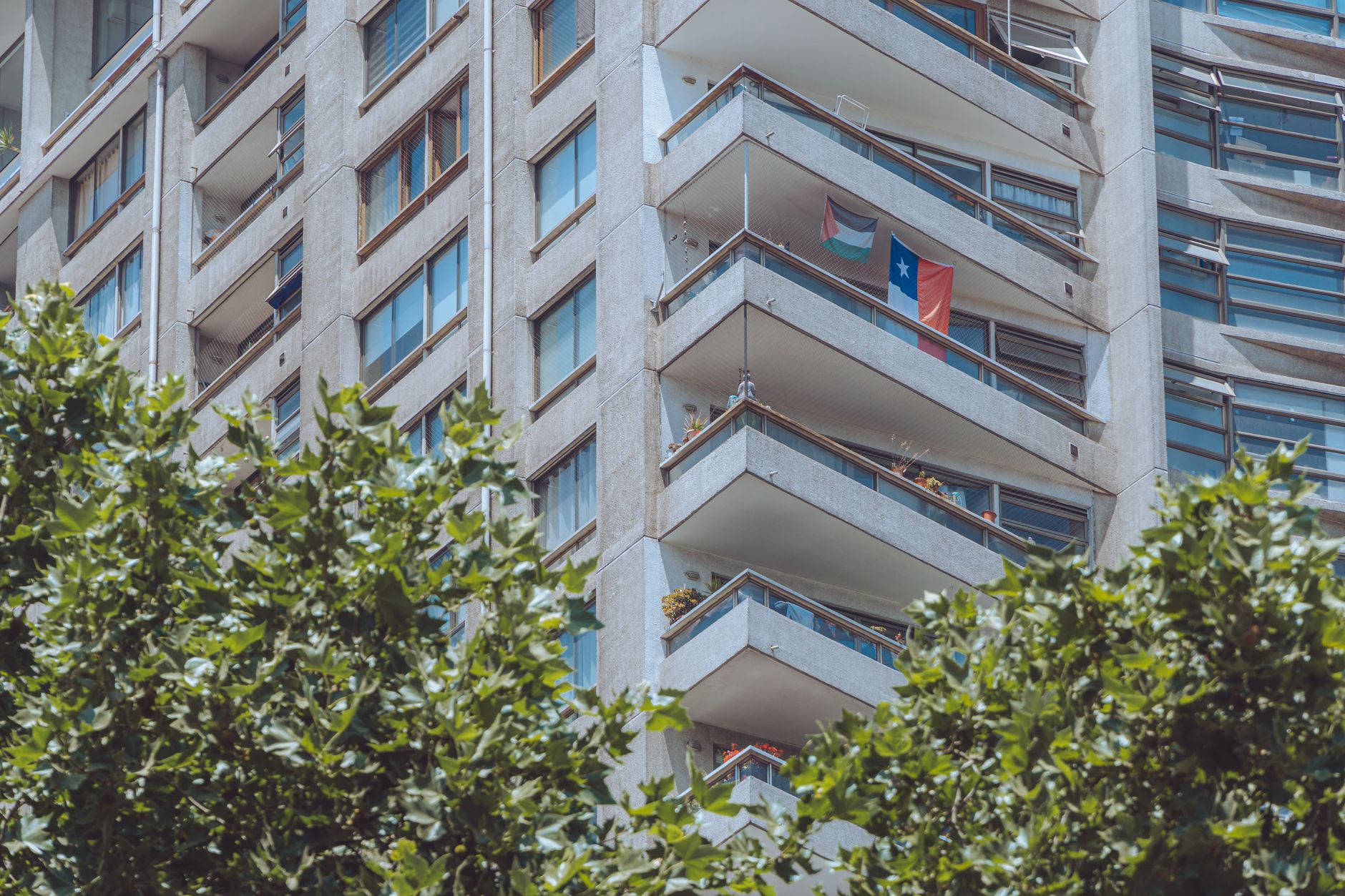
    Best hotels in Las Condes Santiago for comfort and safety

    Las Condes is Santiago’s polished east side. Business travelers have known this for years. Leisure travelers sometimes skip it because it looks corporate on a map. That is a mistake if your priority is sleep, safety, and low mental load.

    We trade a little neighborhood charm for easier nights. Streets feel lit and busy in the ways we want after dinner. Hotels cluster near Metro Line 1. Airport transfers are straightforward compared to crossing the entire valley from a cheaper pocket. On trips where we are juggling wine country, Patagonia flights, or early meetings, Las Condes removes friction.

    The skyline is modern towers and shopping centers, not cobblestones. Restaurants spread out rather than clustering on one nightlife strip. We plan dinner instead of assuming a block of bars outside the door. For us, that rhythm matches how we actually travel Chile: big days, good meals, early-ish sleep when we can get it.

    Who Las Condes hotels suit best

    Las Condes works especially well for first-timers who want Santiago to feel manageable on night one. Couples who prefer a polished hotel zone and do not mind Metro or taxi rides for some dinners. Travelers mixing Santiago with flights south or wine country day trips. Anyone who values a proper front desk, reliable Wi-Fi, and a neighborhood where ride apps pick up quickly.

    You may also like our guide to things to do in Las Condes.

    For the next step, see our guide to is Las Condes safe.

    It is less ideal if you want maximum walkable cafe culture. For that, we lean Providencia. It is also not the quiet luxury envelope of Vitacura. Las Condes sits in the middle: upscale, orderly, and familiar if you have stayed in business districts in other major cities.

    We also suggest Las Condes when someone tells us they are nervous about South American cities. Not because fear is the right frame, but because confidence matters on vacation. Las Condes lets you relax into Chile faster so you can spend attention on the experiences that brought you here.

    Las Condes vs Providencia: our tiebreaker
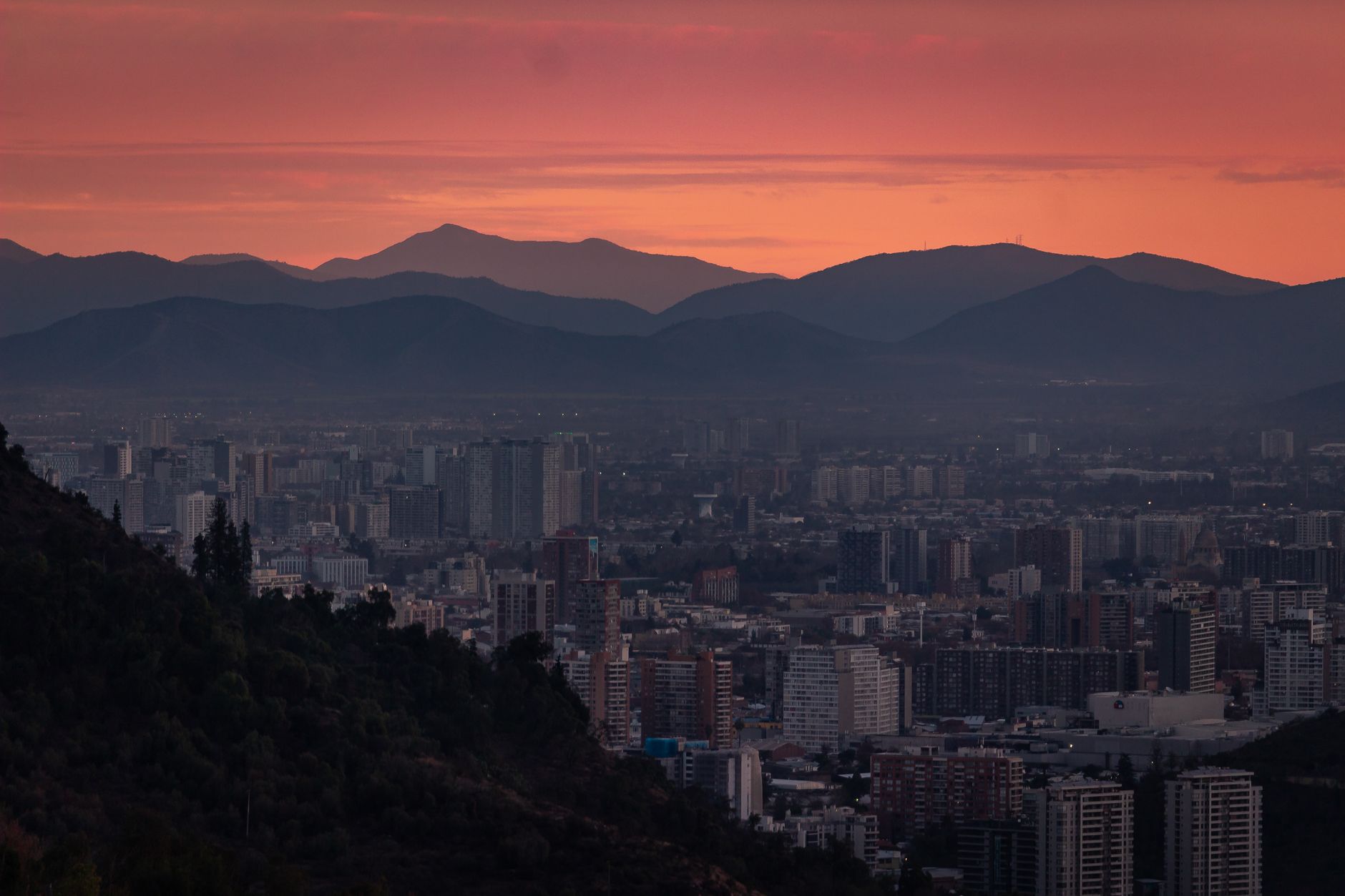
    Best hotels in Las Condes Santiago for comfort and safety

    Both neighborhoods are on the safe east side. Both have solid hotels. The difference is feel and walking appetite.

    Choose Las Condes for polished predictability, skyline hotels, and easy airport-corridor logistics. Choose Providencia if you want more neighborhood strolls, cafe stops on the same block, and a slightly more lived-in texture.

    We have booked both on different trips. When we are tired from international flights and want zero guesswork, Las Condes wins. When we want post-dinner walks without a Metro ride, Providencia wins. Neither choice will ruin your Chile trip if you use normal city smarts.

    Getting around from Las Condes

    Metro Line 1 is your best friend. From Las Condes stations you reach central sights without renting a car. We buy a Bip! card and reload as needed. The system is clean and intuitive for travelers who already use urban transit.

    For dinner and late returns, we mix Metro and ride apps. Las Condes restaurants are spread out. A short Uber to Providencia or Vitacura for a specific reservation is normal. We ask hotel concierges for restaurant picks that match our style: comfort over rough, wine over shots, tables that do not rush you at 9 p.m.

    Skip the rental car for Santiago proper. Traffic and parking are not how we want to spend a short city stay. Save driving for wine valleys or the Lake District where a car actually unlocks the trip.

    What a Las Condes day looks like

    Morning coffee near the hotel. Metro to Centro for Plaza de Armas and La Moneda. Lunch in Lastarria or Bellavista. Back to the east side for a rest before dinner. That rhythm works well from Las Condes because you are already on the side of the city where you sleep.

    We treat Santiago as a hub city. Three or four nights, then south or north. Las Condes makes those nights efficient. You are not crossing the valley at midnight after a long dinner downtown. You are returning to a block that still feels comfortable when you are ready to sleep.

    Shopping centers here are useful on a rainy day or when you need pharmacy, ATM, or a straightforward meal without a research project. Not romantic, but practical on a real vacation.

    Safety in Las Condes: calm confidence, not fear

    We never felt unsafe in Las Condes with normal precautions. Phones stay in pockets on busy sidewalks. Bags stay in front on the Metro at rush hour. We use ride apps at night when tired. We do not hop into unmarked street taxis.

    Safety is a mindset on this trip. Pick a neighborhood where good habits compound into relaxed evenings. Las Condes is one of those neighborhoods. It does not mean you ignore your surroundings. It means you are not spending vacation energy on worst-case scenarios.

    What Valeria says: My family calls Las Condes “the easy part of Santiago.” When relatives visit and want zero stress about where they are sleeping, this is where they point them.

    Hotels we would book in Las Condes

    Las Condes is our polished east-side shortlist. Every hotel below scores 8.0 or higher on Booking.com. We dropped anything under that bar, including weaker chain options that look convenient on a map but do not clear our comfort filter.

    Hotel Eco Boutique Bidasoa
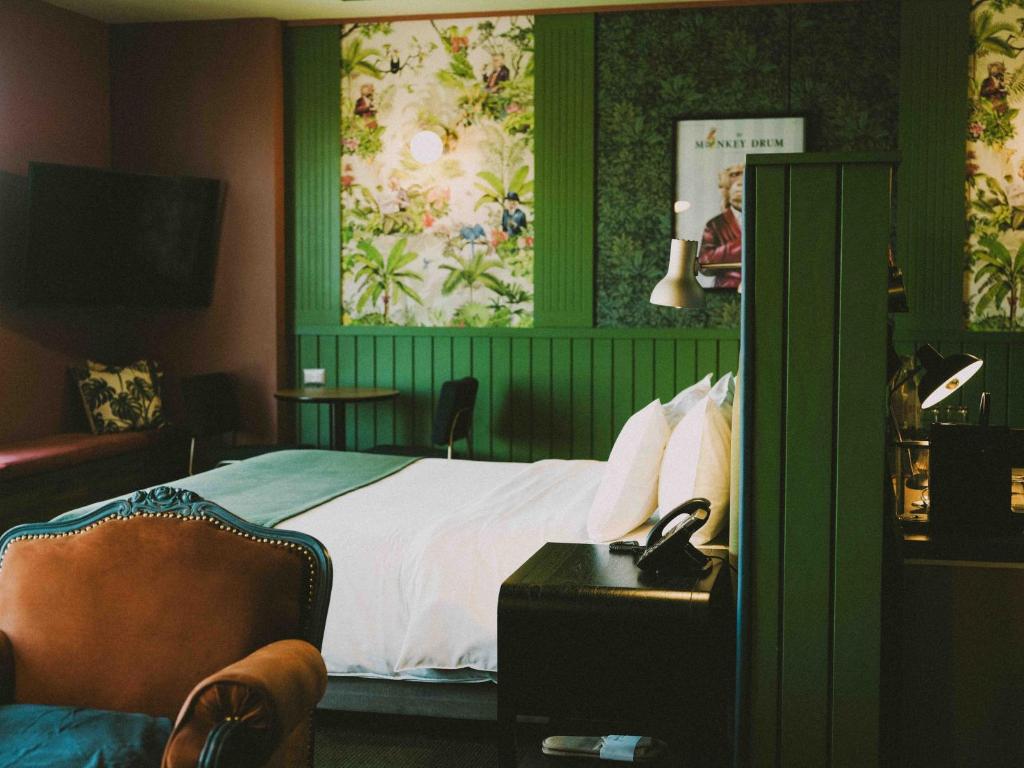
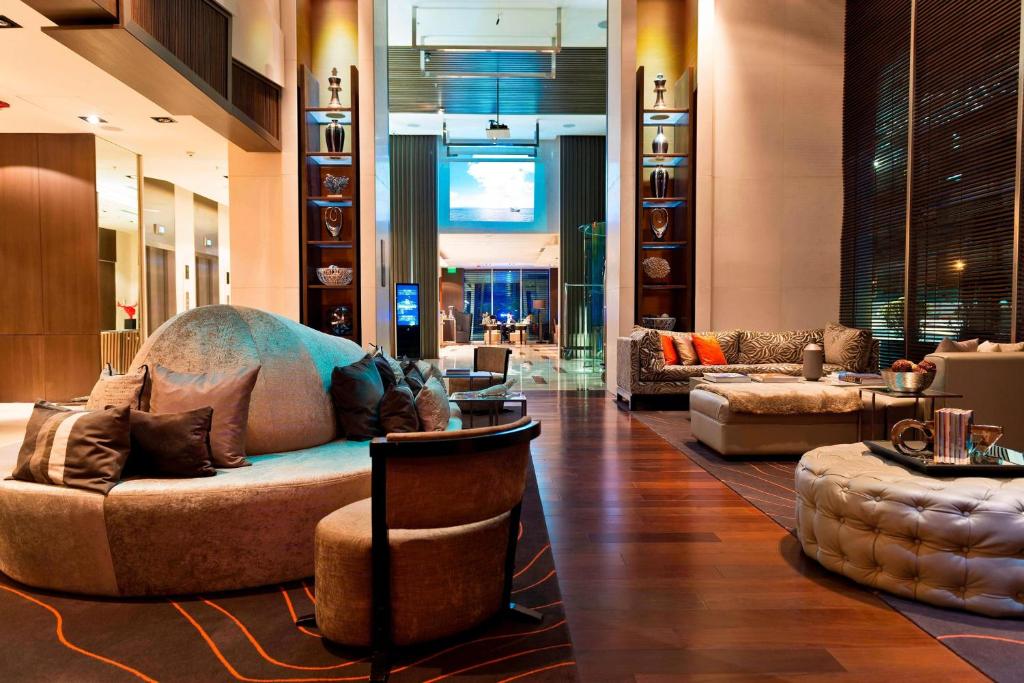
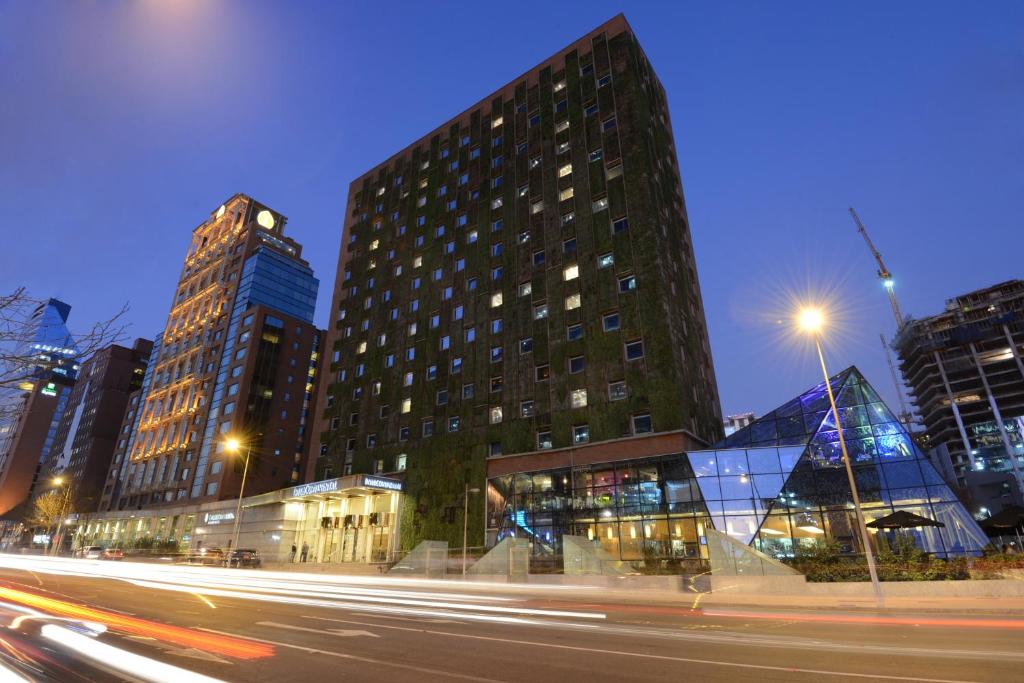
    Santiago Chile hotel Hotel Eco Boutique Bidasoa

    Hotel Eco Boutique Bidasoa is the quiet luxury boutique we reach for when calm beats nightlife. Located in Las Condes / Vitacura edge.

    Top guest scores and a refined residential feel. Ideal when you want Santiago soft and upscale after long travel days.

    • Excellent Booking.com score
    • Quiet, refined atmosphere
    • Strong for couples who want calm

    Best for high-end travelers who prefer calm over convenience.

    👉 Check availability here

    The Ritz-Carlton, Santiago

    Santiago Chile hotel The Ritz-Carlton, Santiago

    The Ritz-Carlton, Santiago is classic Santiago luxury when you want a flagship stay with service depth. Located in Las Condes.

    Polished rooms and a Las Condes address that keeps evenings predictable. We shortlist it for celebratory trips and travelers who want a known luxury envelope.

    • Flagship luxury service
    • Central Las Condes location
    • Strong for special-occasion stays

    Best for luxury travelers and special-occasion Santiago nights.

    👉 Check availability here

    Mandarin Oriental, Santiago

    Santiago Chile hotel Mandarin Oriental, Santiago

    Mandarin Oriental, Santiago delivers modern high-end comfort with the Las Condes logistics we like for first nights. Located in Las Condes.

    Spacious rooms and a polished feel without asking you to decode an unfamiliar barrio. A strong pick when comfort is non-negotiable.

    • Modern luxury rooms
    • Easy ride-app logistics
    • Polished arrival-night experience

    Best for travelers who want modern luxury in Las Condes.

    👉 Check availability here

    Hyatt Centric Las Condes Santiago

    Santiago Chile hotel Hyatt Centric Las Condes Santiago

    Hyatt Centric Las Condes Santiago is our go-to when we want upscale comfort with a slightly more contemporary edge. Located in Las Condes.

    Walkable to malls and restaurants, with rooms that feel restful after wine country or Patagonia flight days. One of our most recommended Las Condes bases.

    • Contemporary upscale comfort
    • Good dining and mall access
    • Reliable for couples and business-leisure trips

    Best for couples and travelers looking for relaxed luxury.

    👉 Check availability here

    W Santiago

    Santiago Chile hotel W Santiago

    W Santiago suits travelers who want a livelier luxury scene still planted in Las Condes. Located in Las Condes.

    Design energy and nightlife adjacency without leaving the safer east side. Book it when the hotel social scene is part of the trip.

    • Design-forward luxury
    • Livelier hotel atmosphere
    • Las Condes safety envelope

    Best for couples and design-minded travelers who want energy with comfort.

    👉 Check availability here

    Renaissance Santiago by Marriott

    Santiago Chile hotel Renaissance Santiago by Marriott

    Renaissance Santiago by Marriott is a dependable Marriott-level stay for travelers who value brand consistency. Located in Las Condes.

    Comfortable rooms and familiar amenities when the itinerary already has enough variables. Solid for mixed leisure and practical Santiago nights.

    • Marriott-level consistency
    • Comfortable for jet-lag recovery
    • Easy Las Condes logistics

    Best for travelers who want a familiar upscale brand in Las Condes.

    👉 Check availability here

    InterContinental Santiago by IHG

    Santiago Chile hotel InterContinental Santiago by IHG

    InterContinental Santiago by IHG is the full-service brand pick for business-leisure trips and polished first nights. Located in Las Condes.

    Known-name reliability with the east-side location pattern we recommend. Useful when you want a front desk that handles logistics without drama.

    • Full-service hotel amenities
    • Strong for business-leisure mixes
    • Predictable Las Condes base

    Best for business travelers and those who prefer well-known brands.

    👉 Check availability here

    Four Points by Sheraton Santiago

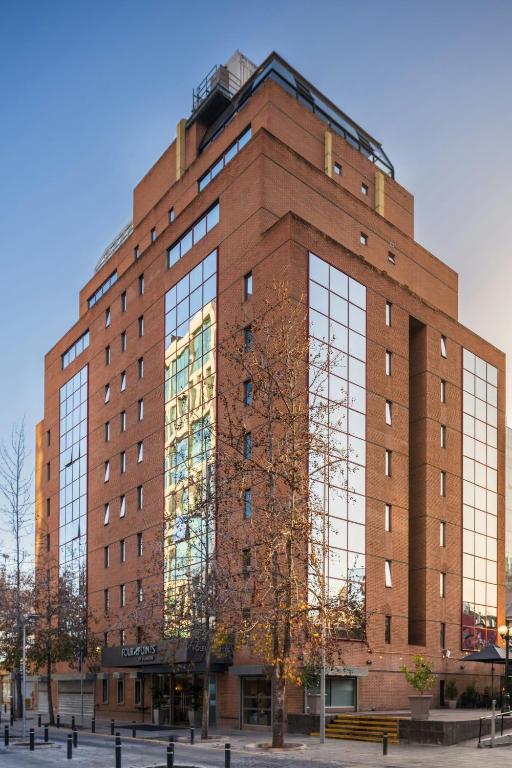
    Santiago Chile hotel Four Points by Sheraton Santiago

    Four Points by Sheraton Santiago covers the practical comfort tier when you still want Las Condes-area logistics. Located in Las Condes / Providencia edge.

    Chain consistency without jumping into the absolute luxury tier. A smart value play for multi-stop Chile trips.

    • Practical chain comfort
    • Good value vs luxury towers
    • Easy transfers and Metro access

    Best for travelers who want reliability without the top luxury rate.

    👉 Check availability here

    Airport transfers and arrival night in Las Condes

    Las Condes is well positioned for SCL arrivals. Transfers feel straightforward compared to crossing the valley to a cheaper pocket. We share the hotel name with the driver, check in, and keep the first evening light. A room service snack or a simple mall meal beats forcing a big dinner while jet-lagged.

    Hotel staff in Las Condes handle international arrivals every day. Ask about Metro cards, breakfast hours, and which station they use themselves. That five-minute conversation saves trial and error the next morning.

    Pairing Las Condes with wine country

    Many couple trips use Santiago as a bookend before Casablanca or Colchagua. Las Condes makes that easy. You sleep well in the city, rent a car or book a driver for valley days, and return to the same polished base without repacking every night. We like ending a Chile trip here too: one calm night near the airport corridor before the long flight home.

    Booking tips for Las Condes

    Peak season fills fast. Book early if your dates overlap southern hemisphere summer or holidays. Read recent reviews for construction noise. Higher floors help in tower districts.

    Compare rates across the four picks above based on what you actually need. A gym and club lounge matter for some trips. For others, a clean room near Metro Line 1 is enough. Match the hotel to the trip, not the other way around. If you are traveling as a couple, see how each property handles late check-in and room category upgrades before you commit.

    Our closing take

    Las Condes will not give you the bohemian postcard of Lastarria. It will give you sleep, safety, and a Santiago base that stays out of your way so Chile can be the story. That is the trade we usually take.

    We hope this helps you plan a calmer Chile trip. If you are still choosing a base, start with neighborhood fit, then book the hotel you will actually sleep well in. Our Las Condes guide and all Santiago hotels list are the next tabs to open.

    Frequently asked questions

    What are the best hotels in Las Condes?

    Hyatt Centric Las Condes is our practical modern pick. Pair Las Condes when you want orderly logistics more than cafe-street energy.

    Is Las Condes better than Providencia?

    Neither is wrong. Providencia wins for walkable energy. Las Condes wins for polished towers, shopping logistics, and quiet nights.
  • Best Hotels in Providencia Santiago 2026

    Best Hotels in Providencia Santiago 2026

    Best hotels in Providencia Santiago (walkable and central).

    The best hotels in Providencia Santiago sit near Metro Line 1 with Booking scores we would book ourselves. Providencia is our default first-timer neighborhood.

    Jan & Valeria. We travel to Chile often and love sharing tips to help you experience this beautiful country.

    Affiliate disclosure: some links below (including Booking.com) may earn us a commission at no extra cost to you. We only recommend what we would use ourselves.

    On our last Santiago trip, we walked back from dinner in Providencia around 10 p.m., past bakeries closing up and couples sharing wine at sidewalk tables. That is the feeling we want readers to have when they pick a hotel here: the city still feels alive, but your block does not feel chaotic.

    Our short answer: Providencia is our default Santiago recommendation when someone wants walkable energy, Metro access, and nights that do not require a safety lecture. Book here if you want to stroll to dinner and still sleep well.

    For neighborhood context, read Providencia Santiago. For a wider shortlist across the city, see best hotels in Santiago.

    Why Providencia works for most Santiago trips

    Best hotels in Providencia Santiago (walkable and central)

    Providencia sits between Las Condes and the older city core. That location gives you the best of both worlds without the tradeoffs of sleeping in Centro. Parks, cafes, tree-lined streets, and Metro stops that connect you to museums, Bellavista, and the airport corridor without decoding bus routes on jet-lagged day one.

    We book Providencia when we want Santiago to feel livable rather than corporate. Side streets have local shops. Main arteries connect to Line 1. On our trips, this is often where we land when we want a balance of walkability and calm nights. Chileans eat late. Dinner at 8 or 9 p.m. is normal. Providencia makes that rhythm feel natural instead of like you are navigating an unfamiliar city in the dark.

    The neighborhood is also where Valeria’s family steers visiting relatives now. Not because other areas are forbidden, but because the east-side habit of sleeping well and sightseeing by day just works. We have followed that pattern for years.

    Who Providencia hotels are for

    Providencia suits a specific traveler profile. First-timers who want a neighborhood that feels approachable on night one. Couples who plan post-dinner walks to a wine bar. Solo travelers who still want comfort and a front desk that speaks English without trouble. Anyone who prefers a neighborhood over a business-district skyline.

    You may also like our guide to things to do in Providencia.

    For the next step, see our guide to is Providencia safe.

    It is less ideal if you want the hushed luxury envelope of Vitacura or the tower-and-mall predictability of Las Condes. Those are fine choices too. We just reach for Providencia most often when walkability is the tiebreaker.

    We also like Providencia for short Santiago stays. If you are in the city three or four nights before Patagonia or wine country, you want a base where every evening does not feel like a logistics project. Providencia delivers that without asking you to sacrifice safety or sleep quality.

    Providencia vs Las Condes: how we decide

    Best hotels in Providencia Santiago (walkable and central)

    Travelers ask us this constantly. Both are on the safe east side. Both have solid hotels and Metro access. The difference is texture and rhythm.

    Choose Providencia if you want to walk to dinner, grab morning coffee on the same block, and feel a bit more neighborhood energy. Choose Las Condes if you prefer a polished hotel zone, do not mind riding the Metro for some meals, and want maximum predictability on arrival night.

    We have stayed in both. When we are planning a trip with lots of daytime sightseeing and relaxed evenings, Providencia wins. When we are mixing Santiago with early flights or meetings, Las Condes sometimes edges ahead. Neither is wrong. Both beat guessing in an unfamiliar pocket of the city.

    Getting around from a Providencia base

    Metro Line 1 is the backbone of tourist Santiago. From Providencia you can reach central sights without a car. We buy a Bip! card at the airport or a Metro station and reload as needed. Clean cars, clear signage, and stations that feel normal if you already use subways in New York or London.

    For evenings, we mix walking and ride apps. If dinner runs late and we are tired, we call an Uber or Cabify rather than saving a few dollars on a walk we do not love. Hotel staff are also useful here. Ask which streets they would use after 10 p.m. Locals answer honestly.

    We rarely rent a car for Santiago itself. The city is a hub, not a road trip. Save the rental for Casablanca Valley, Colchagua, or the Lake District. In Providencia, Metro plus occasional taxis covers almost everything we want to do.

    What to do near your hotel

    Providencia is a base, not a checklist. We use it to reach museums, Lastarria cafes, and Bellavista evenings without sleeping in those busier pockets. Parque Bustamante and Parque Uruguay offer green breaks between urban days. Local bakeries are worth a morning stop before you Metro downtown.

    Food matters here. Providencia has reliable restaurants that are not tourist traps. We eat where office workers eat at lunch. For dinner, we book or arrive early by Chilean standards, around 8 p.m., and stay through la once culture if we want dessert and coffee later.

    If you are building a two-region itinerary, treat Santiago as three or four nights. Providencia makes those nights feel smooth so you arrive in Patagonia or the Atacama rested instead of drained from bad sleep in the wrong barrio.

    Safety in Providencia: what it means in practice

    We never felt unsafe in Providencia with normal city awareness. That means phones in pockets on busy sidewalks, bags in front on the Metro during rush hour, and ride apps at night when we are tired. We do not flash valuables. We do not wander into unlit side streets at 2 a.m. because we are lost.

    Providencia is not a crime-free bubble. It is a neighborhood where good habits compound into relaxed evenings. Book a hotel with a proper front desk. Stay on main arteries when you walk at night. Ask locals when you are unsure. Those small choices matter more than obsessing over a perfect street corner.

    What Valeria says: When cousins visit from abroad, my family books them in Providencia or Las Condes, never Centro. They want visitors to enjoy the city during the day and come home to a block that still feels fine after dinner.

    Hotels we would book in Providencia

    These are Booking.com stays scoring 8.0 or higher that we shortlist for a walkable Providencia base. Each pick is a hotel we would actually book, not a padded top-ten list.

    Ola Santiago Providencia, Tapestry Collection by Hilton

    Santiago Chile hotel Ola Santiago Providencia, Tapestry Collection by Hilton

    Ola Santiago Providencia, Tapestry Collection by Hilton is our design-forward Providencia pick when the room should feel like part of the trip. Located in Providencia.

    Tapestry Collection personality with east-side logistics we already trust after dinner. Walkable evenings, Metro access, and a calmer night than Centro.

    • Design-forward rooms without leaving Providencia
    • Strong walk-to-dinner location
    • Familiar Hilton-level basics

    Best for couples and travelers who want character still in a neighborhood we recommend.

    👉 Check availability here

    Solace Hotel Santiago

    Santiago Chile hotel Solace Hotel Santiago

    Solace Hotel Santiago is the comfortable mid-to-upscale base we suggest when someone wants Santiago to feel easy. Located in Providencia.

    Modern rooms, reliable service, and a location that keeps parks and Metro within a short walk. It is the pick when you want comfort without overthinking the booking.

    • Consistent comfort for first-timers
    • Park and Metro access nearby
    • Calm enough for real sleep after late Chilean dinners

    Best for most travelers who want comfort without overspending.

    👉 Check availability here

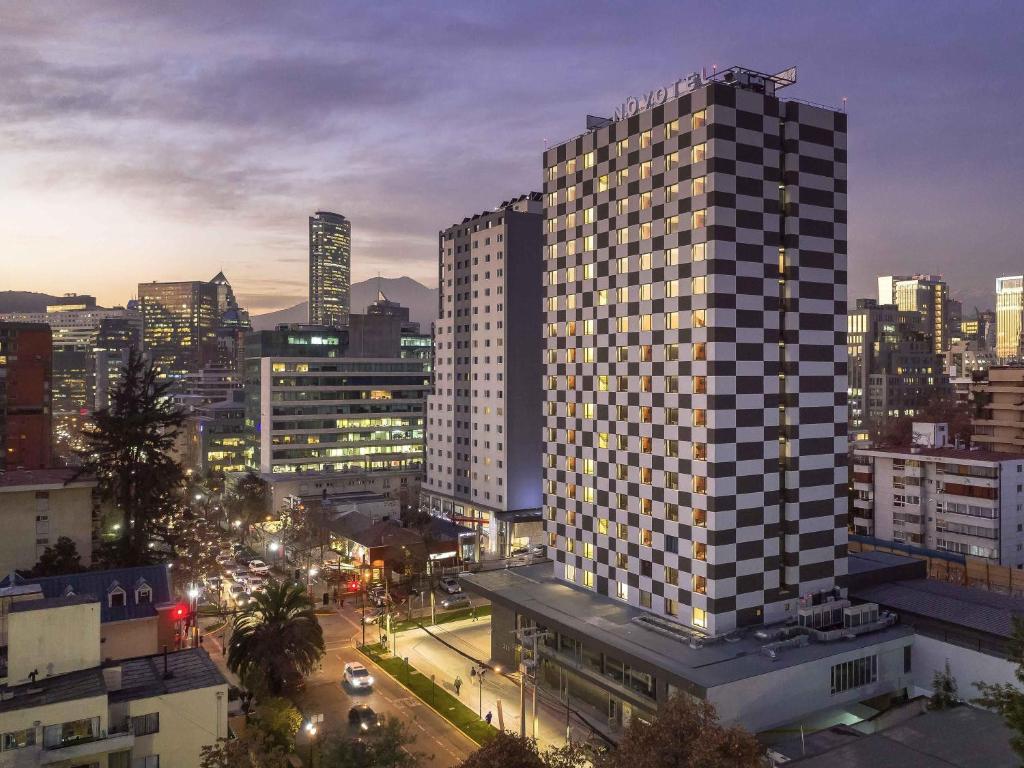
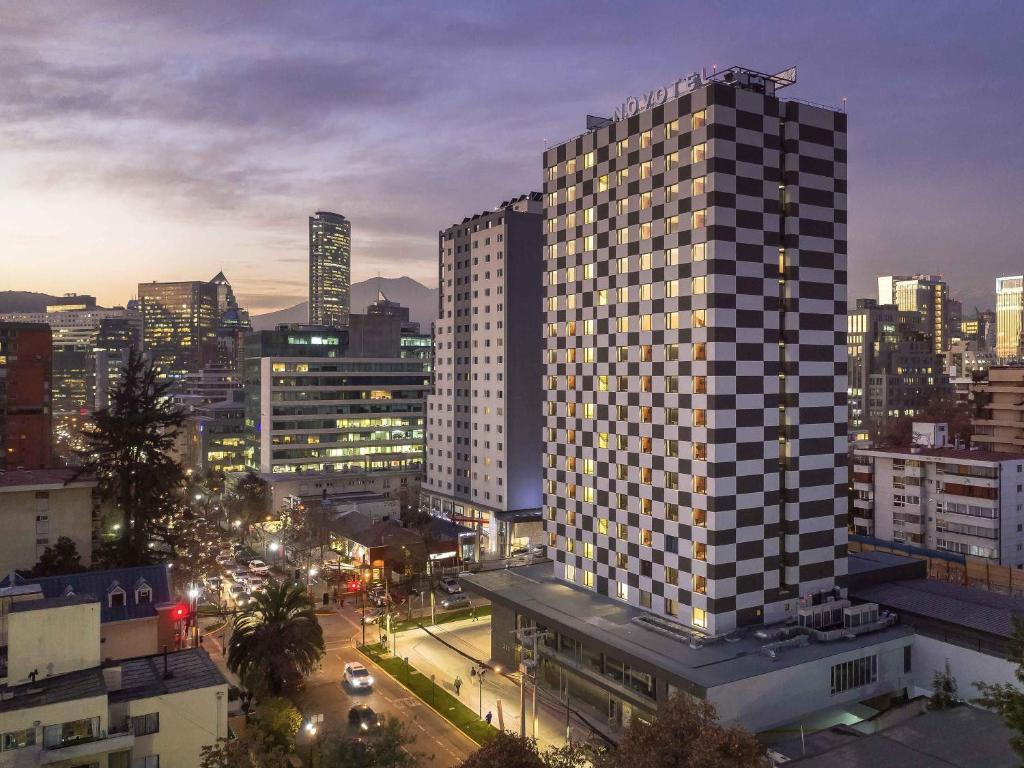
    Novotel Santiago Providencia

    Santiago Chile hotel Novotel Santiago Providencia

    Novotel Santiago Providencia is our practical mid-range Providencia base near parks and Metro. Located in Providencia.

    Straightforward rooms and a front desk that keeps arrival night simple. We suggest it when the priority is walkability and predictability over lobby drama.

    • Near parks and Line 1 Metro
    • Reliable mid-range comfort
    • Easy first-night logistics

    Best for couples and first-timers who want Santiago to feel easy.

    👉 Check availability here

    Hotel Luciano K

    Santiago Chile hotel Hotel Luciano K

    Hotel Luciano K stands out for art deco architecture and a design-forward stay still on the east side of the cultural core. Located in Lastarria edge / walkable to Providencia.

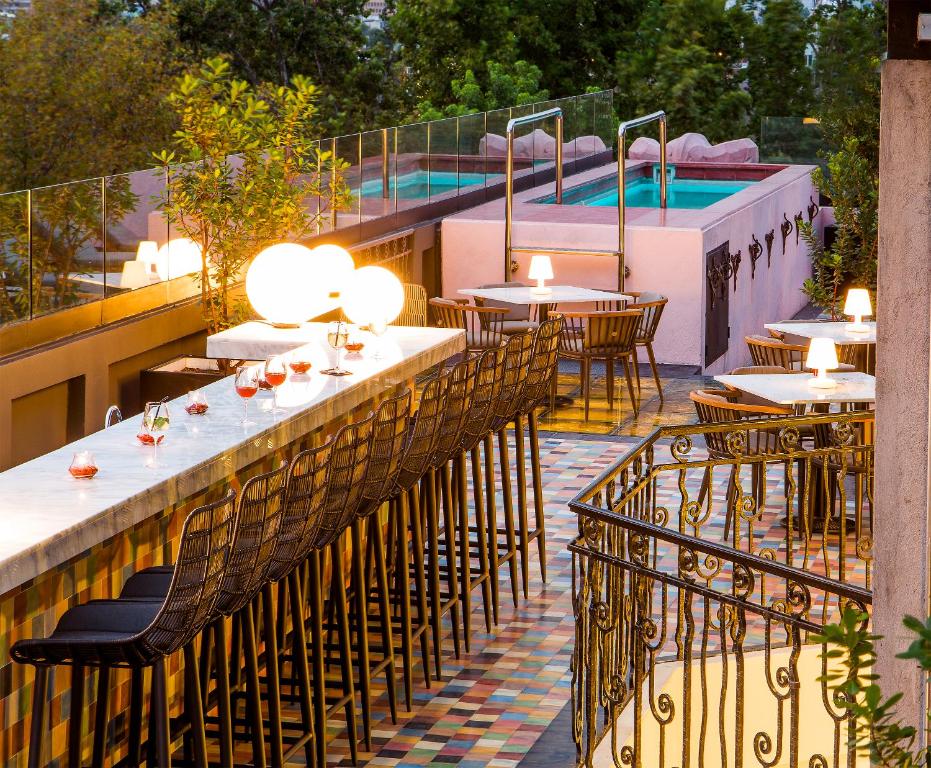
    Rooftop energy and bold interiors make it feel like a destination room, not a generic tower. We shortlist it when style matters as much as location.

    • Iconic art deco building
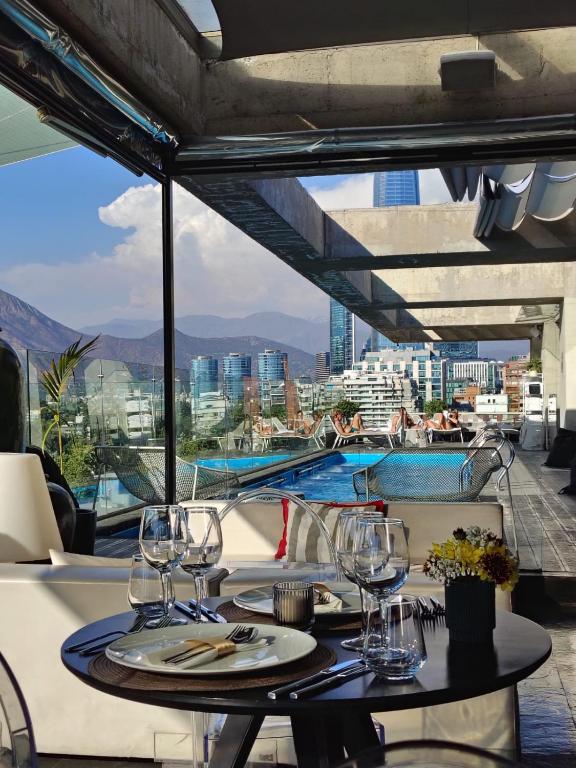
    • Rooftop pool and bar
    • Walkable cultural pocket

    Best for design lovers and travelers looking for something different.

    👉 Check availability here

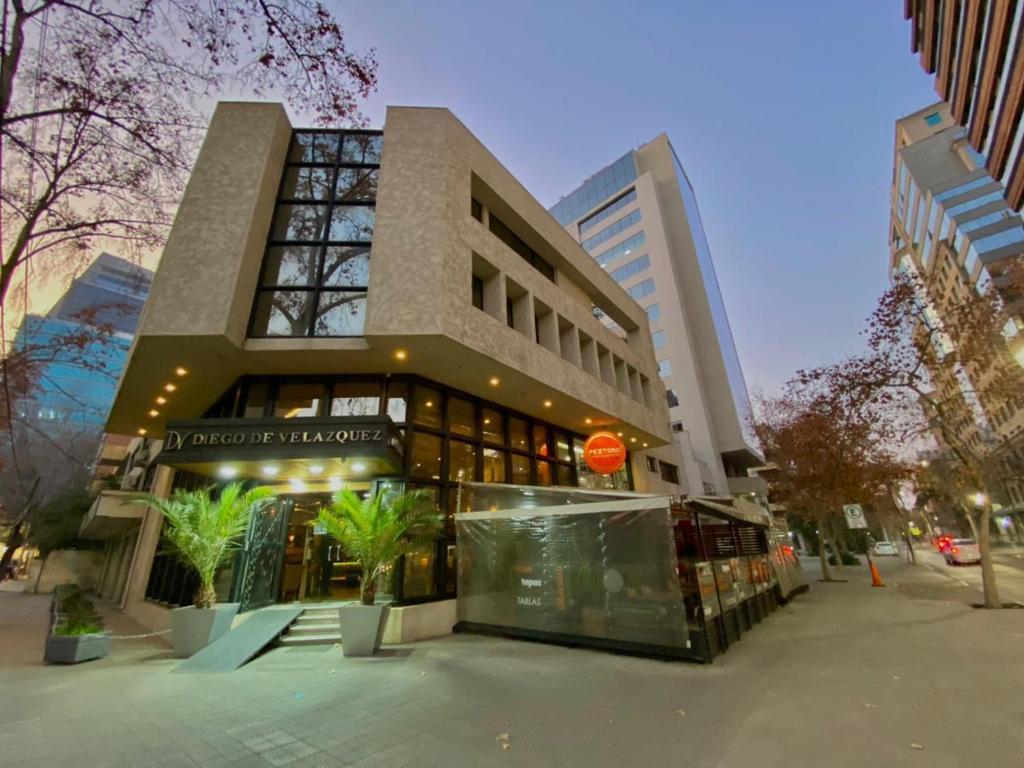
    Hotel Diego de Velazquez

    Santiago Chile hotel Hotel Diego de Velazquez

    Hotel Diego de Velazquez is a solid comfort pick when we want a quieter room without leaving the east side. Located in Providencia.

    Smaller-scale feel than a big chain tower, with Providencia walkability intact. Good for longer stays when you want the neighborhood more than the skyline.

    • Quieter, smaller-scale property
    • Walkable Providencia base
    • Comfortable for multi-night stays

    Best for families and travelers staying longer in the city.

    👉 Check availability here

    Le Rêve Boutique Hotel

    Santiago Chile hotel Le Rêve Boutique Hotel

    Le Rêve Boutique Hotel is a boutique-scale Providencia stay for couples who want a calmer, more intimate room. Located in Providencia.

    It trades tower amenities for a quieter romantic pace. We shortlist it when the evening walk and the room matter more than a big lobby.

    • Boutique intimacy
    • Romantic, quieter vibe
    • Providencia evening walks

    Best for couples looking for a romantic and relaxed stay.

    👉 Check availability here

    Four Points by Sheraton Santiago

    Santiago Chile hotel Four Points by Sheraton Santiago

    Four Points by Sheraton Santiago works when we want reliable chain comfort with easy logistics. Located in Providencia / Las Condes edge.

    Brand-name predictability helps on trips that already mix flights, wine country, and Patagonia connections. Still close enough to the east-side neighborhoods we prefer.

    • Familiar chain consistency
    • Easy airport and Metro logistics
    • Comfortable beds after long travel days

    Best for travelers who want brand-name predictability near Providencia.

    👉 Check availability here

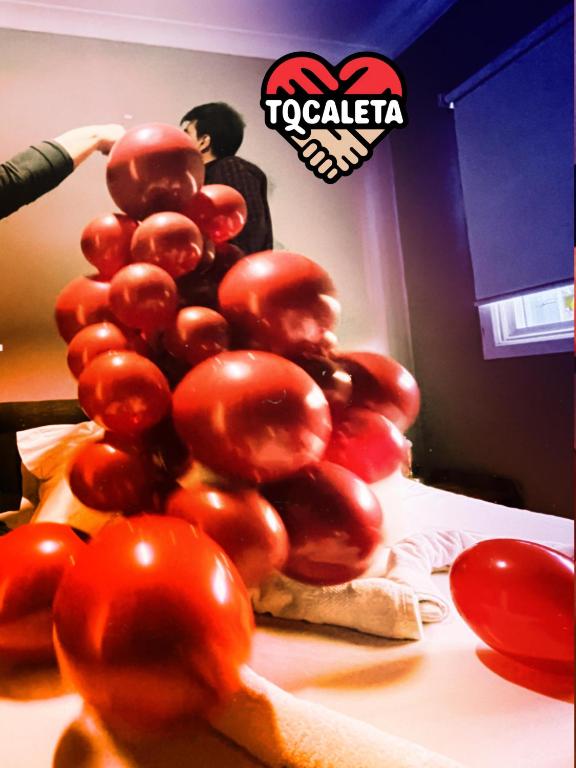
    TQCaleta Providencia Barrio Italia

    Santiago Chile hotel TQCaleta Providencia Barrio Italia

    TQCaleta Providencia Barrio Italia sits on the Barrio Italia side of Providencia energy: cafes, design shops, and a more local evening rhythm. Located in Barrio Italia / Providencia edge.

    High guest scores and a neighborhood feel that still keeps you on the safer east side. We shortlist it when someone wants character without sleeping in Centro.

    • Barrio Italia dining and shops nearby
    • Strong Booking.com guest score
    • Neighborhood texture without Centro tradeoffs

    Best for repeat visitors and food lovers who want a local vibe.

    👉 Check availability here

    Airport arrival and your first night in Providencia

    Most international flights land at SCL in the evening. That first taxi or transfer sets the tone for the trip. We give the hotel address to the driver and let the front desk handle any language friction. Providencia hotels are used to jet-lagged arrivals. Ask for a quiet room away from the elevator if you are sensitive to noise.

    We do not try to squeeze in a late-night sightseeing walk on arrival day. We eat something simple near the hotel, shower, and sleep. Providencia rewards that patience the next morning when you walk to coffee feeling human again.

    Booking tips for Providencia stays

    Book early for peak season. Santiago fills up around southern hemisphere summer and major holidays. We compare rates on Booking.com but also read recent reviews for noise and construction. Corner rooms and higher floors help in any city hotel.

    Check cancellation policies if your Patagonia flights are not firm yet. Chile itineraries shift. Flexible booking saves stress when a weather window changes your southbound date.

    If you are torn between two Providencia picks, map them to Metro stations before you decide. Five minutes of walking at the end of a long museum day matters more than a slightly prettier lobby photo.

    Our closing take

    Providencia is where Santiago starts to feel like a place you could live, not just survive for a few days. That matters on a trip-of-a-lifetime vacation where you want energy during the day and calm at night.

    We hope this helps you plan a calmer Chile trip. Start with neighborhood fit, then book the hotel you will actually sleep well in. If you are still choosing between east-side options, compare best hotels in Santiago and our wider Providencia Santiago guide before you click confirm.

    Frequently asked questions

    What are the best hotels in Providencia Santiago?

    We shortlist Novotel Santiago Providencia and Ola Santiago Providencia for most trips. Both sit in the east-side neighborhood we recommend first.

    Is Providencia a good area for hotels?

    Yes. It is our default Santiago base: safer evenings than Centro, cafes within walking distance, and practical Metro links.

  • Where to Stay in Santiago Chile 2026: Providencia First

    Where to Stay in Santiago Chile 2026: Providencia First

    Where to stay in Santiago Chile: neighborhoods we’d book first.

    Book Providencia first for most Santiago trips. Las Condes and Vitacura are the calm east-side alternatives. Pick the neighborhood, then a Booking-rated hotel near Metro Line 1.

    Jan & Valeria. We travel to Chile often and love sharing tips to help you experience this beautiful country.

    Affiliate disclosure: some links below (including Booking.com) may earn us a commission at no extra cost to you. We only recommend what we would use ourselves.

    The first time we landed in Santiago together, Valeria’s mother had one piece of advice before we even left the airport: sleep on the east side. Not because the rest of the city is off limits, but because that is where her family books visiting relatives now. We followed it, and the city clicked faster than it would have if we had chased a cheap room in Centro.

    Our short answer: book in Providencia, Las Condes, or Vitacura. Pick the neighborhood first, then the hotel. That order has never failed us on a Chile trip.

    This guide is the practical layer between safest neighborhoods in Santiago and the booking step. For full hotel shortlists, see best hotels in Santiago, luxury hotels, and hostels if you are traveling lighter.

    Why neighborhood beats hotel brand in Santiago

    Where to stay in Santiago Chile: neighborhoods we'd book first

    Santiago spreads across a long valley. A five-star lobby in the wrong barrio still means late-night walks you do not love, taxi math that adds up, and mental energy spent on logistics instead of wine and museums. We learned to filter by neighborhood before we ever open a hotel listing.

    The eastern communes feel different after 9 p.m. Streets stay lit. Restaurants and cafes cluster in predictable pockets. Metro Line 1 runs through the areas we recommend, which matters when you are jet-lagged and do not want to decode bus routes on day one. Santiago rewards travelers who treat the city like a hub: three or four nights here, then Patagonia, the Atacama, or wine country.

    A beautiful hotel cannot fix a base that is far from how you actually want to spend your evenings. We would rather book a straightforward room in Providencia than a flashy one somewhere we would not walk after dinner.

    Providencia: our default for walkable energy

    Providencia sits between the polished towers of Las Condes and the older city core. That middle position is exactly why we recommend it most often. Tree-lined streets, neighborhood cafes, bakeries that smell like manjar before breakfast, and Metro stops that connect you to museums and Bellavista without a car.

    You may also like our guide to is Vitacura safe.

    We book Providencia when we want Santiago to feel livable. You can walk to dinner, grab coffee the next morning on the same block, and still sleep in a zone where we are comfortable coming home after a late meal. Chileans eat late. Plan on dinner around 8 or 9 p.m. Providencia makes that rhythm easy instead of stressful.

    The tradeoff is subtle. You will not get the hushed luxury envelope of Vitacura, and you will not get the corporate skyline feel of Las Condes. What you get is balance: enough local texture to feel like you are in a real city, enough calm to sleep well, and enough Metro access to stay spontaneous during the day.

    Las Condes: polished, predictable, and easy on arrival night

    Where to stay in Santiago Chile: neighborhoods we'd book first

    Las Condes is where we send friends who want Santiago to feel orderly from the first taxi ride. Wide avenues, modern towers, shopping centers that are easy to navigate, and solid access to Metro Line 1. If your trip mixes Santiago with wine country or a flight south, this is often the smoothest base.

    We like Las Condes when mental load matters more than cobblestone charm. Business hotels cluster here for a reason. Front desks know airport transfers. Ride apps pick up quickly. Evenings feel calmer than Centro. Restaurants are spread out, so we plan dinner rather than assuming a block of nightlife outside the door.

    Las Condes is not bohemian. You will not stumble into a hidden poetry cafe on every corner. You will get good sleep, easy logistics, and a neighborhood that lets you focus on the rest of Chile instead of decoding where you parked yourself for the week.

    Vitacura: quiet luxury when the budget allows

    Vitacura is the quietest of our three picks. Upscale restaurants, leafy streets, and a slower pace. We suggest it when travelers already know they want a splurge-friendly base and are fine using taxis or the Metro to reach central sights.

    Vitacura is not the right fit for everyone. It sits farther from the classic tourist map if you plan to walk everywhere on foot. But if your Chile trip is also a celebration, an anniversary, or a vacation where great food and great sleep matter as much as museums, Vitacura delivers a calm envelope that is hard to replicate in busier barrios.

    Where we visit but rarely sleep

    Centro Histórico is excellent for daytime. Plaza de Armas, the cathedral, La Moneda, and the human energy of a working downtown. We simply do not book hotels there. The area empties out in ways that change the street feel after dark, and we prefer not to think about that on vacation.

    Lastarria is beautiful for culture, cafes, and museum afternoons. Bellavista can be fun for an evening. We visit both often and sleep east. None of this means those areas are no-go zones. It means we optimize for sleep quality and low mental load. Chile has too much to see to spend energy second-guessing your hotel block at midnight.

    How we choose between the three east-side options

    When we plan our own stays, we run a quick checklist:

    • First time in Santiago? Providencia or Las Condes.
    • Want maximum calm and do not mind taxis? Vitacura.
    • Mixing Santiago with flights or meetings? Las Condes.
    • Care most about walkable cafes and post-dinner strolls? Providencia.
    • Want a splurge base with upscale dining nearby? Vitacura.

    We also look at Metro proximity. Santiago’s Metro is clean and straightforward for travelers who already use subways at home. Being a short walk from a Line 1 station changes how spontaneous your days feel.

    Street habits that matter as much as the map

    Neighborhood choice gets you most of the way there. Habits get you the rest. We treat phones like wallets on busy sidewalks: in a pocket or a zipped bag, not in hand. We call an Uber or Cabify when we are tired at night rather than saving a few dollars on a walk we do not love. We ask hotel staff which streets they would use after 10 p.m. Locals are generous with that kind of practical advice.

    Valeria’s family still rolls their eyes at tourists who hop into unmarked taxis outside busy areas. We stick to ride apps or official taxi ranks at malls and hotels. It is not fancy. It is just one less variable on a trip where we would rather spend attention on wine and mountains.

    What Valeria says: My relatives do not book visitors in Centro anymore, even when the hotel looks charming online. They say, “Sleep east, visit downtown during the day.” We have followed that for years and it matches what we tell readers.

    Concrete hotels by neighborhood

    Neighborhood first, hotel second. These Booking.com picks match the east-side areas we book.

    Novotel Santiago Providencia

    Santiago Chile hotel Novotel Santiago Providencia

    Our practical Providencia pick when walkability and Metro access matter most. Novotel Santiago Providencia sits in the neighborhood we recommend for first-timers who want a straightforward room, easy logistics, and streets that still feel comfortable after dinner. We like it for couples who plan museum days on the Metro and want to walk to cafes without a strategy session every evening. Check availability on Booking.com.

    Ola Santiago Providencia, Tapestry Collection by Hilton

    Santiago Chile hotel Ola Santiago Providencia, Tapestry Collection by Hilton

    When Providencia is the right zone but you want something with more personality. Ola Santiago Providencia keeps the same safe east-side envelope with a design-forward feel that still behaves like a proper hotel. We shortlist it when the trip is partly about the stay itself: a birthday, an anniversary, or simply wanting a room that feels special without leaving the neighborhood we trust. Check availability on Booking.com.

    Hyatt Centric Las Condes Santiago

    Santiago Chile hotel Hyatt Centric Las Condes Santiago

    Our Las Condes default for modern comfort and a location that feels easy on arrival night. Hyatt Centric Las Condes Santiago works when you want a polished base near Metro Line 1 and you plan to use Santiago as a hub before wine country or Patagonia. Evenings here feel calmer than Centro, and the hotel category matches what we want after long travel days. Check availability on Booking.com.

    Hotel Eco Boutique Bidasoa

    Santiago Chile hotel Hotel Eco Boutique Bidasoa

    Our high-rated east-side boutique alternative when you want character without leaving the neighborhoods we trust. Hotel Eco Boutique Bidasoa suits travelers who care about a strong Booking score, a quieter feel, and a stay that still works for museum days and wine dinners. We shortlist it when Las Condes logistics matter but you want more boutique texture than a pure business hotel. Check availability on Booking.com.

    The Singular Santiago

    Santiago Chile hotel The Singular Santiago

    Our splurge suggestion on the east side. The Singular Santiago works when the hotel itself is part of the experience and you want boutique-luxury polish without leaving the neighborhoods we trust. We shortlist it for celebratory trips where comfort, design, and a proper front desk matter as much as location. Check availability on Booking.com.

    Putting it together for your Chile trip

    Santiago is usually three or four nights in a two-region itinerary, not a full week. That makes neighborhood choice even more important. You want a base that makes those few days feel smooth: easy airport transfer, simple Metro days, and dinners you actually look forward to.

    Start with safety and fit, then book the hotel you will sleep well in. If you are still comparing areas, read safest neighborhoods in Santiago for the full safety picture. When you are ready to filter by style, best hotels in Santiago and luxury hotels round out the shortlists.

    We hope this helps you plan a calmer Chile trip. Santiago is not a city where you need to tiptoe. Pick the east side, use normal city smarts, and save your attention for the meals and landscapes you will talk about back home.

    Frequently asked questions

    Where should tourists stay in Santiago Chile?

    Providencia is our default for first-timers. Las Condes and Vitacura are quieter east-side options. Avoid booking Centro for overnight stays.

    Is Providencia the best area to stay in Santiago?

    For most visitors, yes. It balances walkable cafes, Metro access, and calm evenings better than Centro or Bellavista.

    Is Las Condes good for first-time visitors?

    Yes if you want polished logistics and easy airport nights. It is quieter and more spread out than Providencia.

  • Is Puerto Montt Safe in 2026?

    Is Puerto Montt Safe in 2026?

    Is Puerto Montt safe for tourists? Patagonia gateway tips.

    Puerto Montt works as an arrival or connection city. Book a straightforward hotel area and keep valuables simple around the port zone.

    Jan & Valeria. We travel to Chile often and love sharing tips to help you experience this beautiful country.

    Affiliate disclosure: some links below (including Booking.com) may earn us a commission at no extra cost to you. We only recommend what we would use ourselves.

    Puerto Montt is a gateway, not the destination for most of our trips. People ask about safety because flights, ferries, and Patagonia connections funnel through here. The city sits where the Lake District hands off to fjords, islands, and the long road south.

    Is Puerto Montt safe for tourists? For the practical visits we make, yes, with port-city habits: book a decent hotel, move deliberately with luggage, do not linger in empty industrial stretches, and continue to Puerto Varas or farther south when that is the plan. We treat it like a working coastal city that rewards efficiency, not wandering.

    The honest short answer

    Is Puerto Montt safe for tourists? Patagonia gateway tips

    Puerto Montt is safe enough for the overnight and transit roles it plays in Chile itineraries. Daytime errands, airport transfers, ferry terminals, and central shopping streets feel normal for a regional hub. We have collected rental cars, slept near the waterfront or business district, and left the next morning without feeling we took a gamble.

    We would not rank Puerto Montt as Chile’s most charming evening walk. We would also not tell you to avoid it out of fear when your flight lands here or your ferry leaves from here. The gap between those two ideas is where good planning lives.

    Route context helps: our Santiago to Puerto Montt guide explains how people arrive, and Santiago to Patagonia shows how this city fits the bigger southbound arc.

    Tourist reality check

    Most travelers experience Puerto Montt as a slice of time, not a week. Arrival night before a connection, morning ferry queue, afternoon flight out, rental pickup, seafood lunch between drives. That slice is manageable when you choose the right hotel zone and keep feet and bags on familiar streets.

    • Daytime errands and airport transfers are straightforward.
    • We do not linger in empty industrial stretches with luggage.
    • Many couples overnight, then base in Puerto Varas instead.
    • Ferry and cruise days add crowds near terminals; watch bags in busy queues.

    Hotel shortlist: hotels in Puerto Montt. Use it to compare neighborhoods before you lock a transit night.

    Why Puerto Montt feels different from Puerto Varas

    Is Puerto Montt safe for tourists? Patagonia gateway tips

    Puerto Varas is the lake postcard. Puerto Montt is the port, the airport, the ferry, the fish market smell, the traffic moving cargo and travelers. Tourism exists, but the city does not organize entirely around a single waterfront promenade the way smaller towns do.

    That difference shapes safety feelings. In Puerto Varas, you might walk until late because every block seems visitor-friendly. In Puerto Montt, we shorten the radius, eat near the hotel, and save scenic walks for Puerto Varas or Chiloé ferry decks.

    Choosing Puerto Varas for multi-night Lake District stays and Puerto Montt for logistics nights is a common couples pattern we recommend. It is not a moral judgment about either city. It is a comfort strategy.

    Waterfront and fish market area

    The waterfront and Angelmó market zone draw visitors for seafood and photos. Daytime feels busy and commercial. Vendors, tourists, taxis, and port traffic mix. We like this area for lunch, not for midnight strolls.

    Keep bags in front of you in crowded market aisles. Phones disappear in tight seafood rows the same way they disappear in Santiago fish markets. Enjoy the chaos, then return to the hotel district by ride or a short known walk.

    Business district and hotel corridors

    Many reliable hotels sit where business travelers already stay: near offices, malls, and arterial roads with lighting and taxis. These corridors can feel generic compared to a lake lodge, but generic is sometimes what you want before a dawn ferry.

    We choose hotels with clear lobby access, onsite parking or valet when we have a rental, and front desks that understand early checkout. Predictability beats charm for gateway nights.

    Airport, ferries, and transit days

    Puerto Montt’s safety story is often a transit story. El Tepual Airport (PMC) sits south of the center. Ferry terminals and cruise traffic add another layer of meeting points and schedules. Fatigue and rushed transfers cause more trouble than random street crime.

    Arriving at PMC

    After a long travel day, pre-book a transfer or use a ride app at PMC instead of improvising with tired brains. Confirm whether your hotel is in Puerto Montt city or closer to the airport road south; the names blur on maps.

    If you are picking up a rental, inspect the car, photograph existing damage, and drive directly to the hotel. We do not stack a scenic detour on arrival night.

    Ferry and cruise mornings

    Ferry days mean early wake-ups, queues, and luggage in open spaces. Wear cross-body bags, keep passports in an inside pocket, and tag bags clearly. The risk is distraction while someone asks a question or while you photograph the bay.

    We arrive at terminals with time so we are not sprinting through parking lots at the last minute. Calm arrivals make port cities feel calmer too.

    Street smarts for a port city

    Puerto Montt rewards the same habits we use in Santiago and Valparaíso, with a shorter evening radius.

    • Book hotels in well-lit, taxi-rich areas for transit nights.
    • Use Uber or hotel taxis after dark, especially with luggage.
    • Avoid empty industrial waterfront stretches at night.
    • Keep phones off display in market crowds and terminal queues.
    • Store valuables in the room safe; carry one card and a copy of ID.

    We also plan dinner near the hotel on arrival night. Puerto Montt has good seafood, but we do not wander far searching for the perfect restaurant when tomorrow is a ferry.

    Driving south and Patagonia connections

    Many couples use Puerto Montt as the pivot from Lake District scenery to Patagonia ferries, Chiloé, or the long Carretera Austral start. Driving habits matter more than downtown crime stats here.

    Our Santiago to Patagonia overview explains how segments chain together. From Puerto Montt, weather, ferry schedules, and road conditions become the safety conversation. We check wind warnings, fuel up before remote stretches, and share location on long days.

    If your plan includes Puerto Varas nights, drive the short hop across for lake evenings instead of trying to extract romance from a port-city transit slot. Safety and joy both improve when each city plays its role.

    When to overnight here vs push on

    We overnight in Puerto Montt when flights land late, when an early ferry makes a same-day drive reckless, or when rental pickup requires a local handover we cannot rush. We push on to Puerto Varas when daylight and energy allow, because that is where we want the lake sunset.

    Skipping an unnecessary night is not fear. It is itinerary design. Adding nights without a purpose turns gateway cities into places you judge unfairly because you asked them to be destinations.

    For comparing properties and zones, start with hotels in Puerto Montt before you read another forum thread that mixes port crime myths with ferry anxiety.

    Where we would stay in Puerto Montt

    Puerto Montt is a gateway night for us. Book something practical, then continue to Puerto Varas when that is the plan. These three hotels are the names we give friends who need reliability before a southbound morning.

    Hotel Gran Pacifico

    Hotel Gran Pacifico hotel in Chile

    Hotel Gran Pacifico is our waterfront-leaning option when we want seafood nearby and a bay view without hunting for a taxi at dusk. It fits arrival nights when we still have energy for Angelmó lunch and an early walk before the ferry queue. Waterfront does not mean we roam at midnight; it means daytime scenery is on the doorstep.

    Check availability on Booking.com.

    Courtyard by Marriott Puerto Montt

    Puerto Montt Chile hotel Courtyard by Marriott Puerto Montt

    Courtyard by Marriott Puerto Montt is the reliable overnight we book when brand consistency matters more than local color. Business-travel infrastructure helps on gateway nights: early breakfast, clear billing, staff used to 5 a.m. departures. We like it before flights and long drives south.

    Check availability on Booking.com.

    Novotel Puerto Montt

    Puerto Montt Chile hotel Novotel Puerto Montt

    Novotel Puerto Montt is another straightforward gateway stay when Marriott is full or priced for a conference week. The Novotel pattern across Chile is familiar: comfortable beds, practical location, easy checkout. For a port night, familiar wins.

    Check availability on Booking.com.

    Stacking Puerto Montt into a calm Patagonia approach

    A pattern we like: fly to PMC, sleep one night in Puerto Montt or drive straight to Puerto Varas if time allows, spend Lake District days around Osorno and the lakes, then return to PMC or continue south by ferry. Puerto Montt appears twice as bookends, not as the memory you sell friends.

    That framing reduces safety stress because you are not asking the port city to entertain you for a week. You are asking it to work. When it works, you forget the anxiety threads you read online. When it does not work, it is usually because someone tried to romanticize a logistics hub.

    If you are building the full southbound route from the capital, read Santiago to Puerto Montt for timing and Santiago to Patagonia for how Puerto Montt connects to the longer adventure without becoming the adventure itself.

    We hope this helps you plan a calmer Chile trip. Puerto Montt is a tool in the Patagonia toolkit, not a test of your courage. Book the practical hotel, watch your bags at the market and terminal, sleep, and point the ferry or rental car toward the scenery you came for.

    Frequently asked questions

    Is Puerto Montt Safe in 2026?

    Puerto Montt works as an arrival or connection city. Book a straightforward hotel area and keep valuables simple around the port zone.

    Practical next steps for your Chile trip

  • Is Pucón Safe in 2026?

    Is Pucón Safe in 2026?

    Is Pucón safe for tourists? Adventure town with calm nights.

    Pucón is generally comfortable for tourists who stay central, use normal awareness at night, and plan volcano or hot-spring days with local weather sense.

    Jan & Valeria. We travel to Chile often and love sharing tips to help you experience this beautiful country.

    Affiliate disclosure: some links below (including Booking.com) may earn us a commission at no extra cost to you. We only recommend what we would use ourselves.

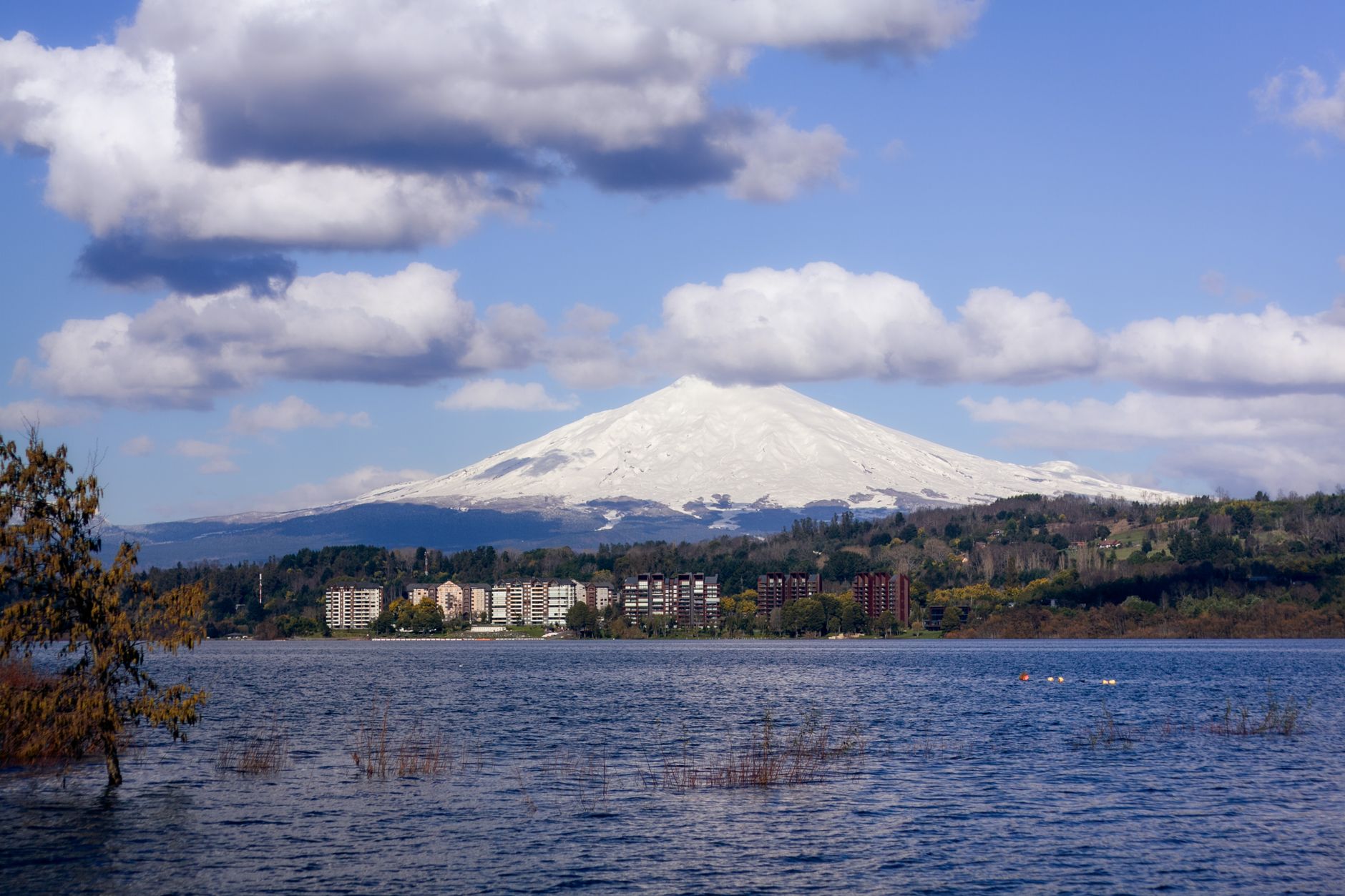
    Pucón looks adventurous on Instagram. In person it feels like a soft-adventure hub with good hotels, hot springs day trips, and a town center that empties into a comfortable evening. We come here for Villarrica volcano on the horizon and lake days, then we sleep in a real bed with good heating, not a hostel bunk.

    Is Pucón safe for tourists? For the main visitor areas we use, yes. We have never felt unsafe walking the central tourist streets in daylight. At night we stick to busy streets and ride apps, the same rule we use in Santiago’s eastern barrios. The adventure is on the mountain and in the forest, not in dodging downtown at midnight.

    The honest short answer

    Is Pucón safe for tourists? Adventure town with calm nights

    Pucón is one of Chile’s most popular adventure towns, and popularity brings both infrastructure and petty-theft risk. Infrastructure means tours, hotels, restaurants, and rental shops within a walkable core. Risk means phones on cafe tables and bags in open jeep trunks if you forget basics.

    We treat Pucón as safe for couples who want volcano hikes, kayaking, and hot springs by day, then wine and a warm hotel at night. We do not treat it as a place to wander unfamiliar hills alone after dark or to leave gear visible in a parked car outside a trailhead.

    If your trip starts at Temuco airport, read is Temuco safe? for the stopover night, then Temuco to Pucón for the drive that brings you here.

    Adventure town, calm base

    Volcano hikes and Termas Geométricas are the adrenaline. The hotel is the comfort. That mix is why Pucón works for couples who want soft adventure without roughing it. Safety follows the same split: manage excursion risk with guides, weather sense, and timing; manage town risk with normal urban awareness.

    Book from our Pucón hotels guide for the full neighborhood picture, then plan hot springs near Pucón as structured day trips rather than spontaneous night drives.

    What the town center feels like

    The commercial core around Bernardo O’Higgins and the lake access roads fills with travelers in summer. Shops rent bikes and gear, cafes feed people before hikes, tour desks sell tomorrow’s volcano trip. That bustle is visible safety: lots of eyes, lit storefronts, predictable foot traffic.

    Shoulder seasons are quieter but not empty. We still find dinner open, taxis available, and hotels staffed. The town does not shutter the way some seasonal resorts do. Quieter nights simply mean we walk back earlier and use rides if the street feels too still.

    What changes after dark

    Pucón has more nightlife energy than Puerto Varas. Bars stay open later in peak weeks. That can feel fun or loud depending on your hotel location. We choose hotels slightly removed from the loudest blocks when we want sleep for an early volcano start, not because those blocks are “dangerous.”

    After midnight we treat Pucón like any town with bars: stick to well-lit routes, ride instead of walk if alone, and keep drinks sensible when tomorrow is a glacier or crater day.

    Excursion safety vs town safety

    Is Pucón safe for tourists? Adventure town with calm nights

    Most Pucón anxiety we see online mixes two different topics. Friends ask “is Pucón safe?” while staring at volcano photos and white-water headlines. The town and the volcano are not the same risk category.

    Villarrica and guided days

    Volcano ascents, white-water runs, and winter ski days carry real physical risk managed by operators, weather, and your own conditioning. We book established guides, read cancellation policies, and respect when a trip is called off for wind or ash. That is safety work, not fear.

    We do not self-drive forest tracks at night looking for a secret beach. We do not assume summer trail conditions from a winter post we read three years ago. Pucón rewards planners.

    Hot springs and road days

    Hot springs like those in our hot springs near Pucón guide are usually daytime missions on known roads. We leave with daylight buffer, share location with family, and keep a dry change of clothes in the car. Rural roads around the lake district can be narrow and wet; that is driving caution, not urban crime.

    Parking at popular trailheads and springs: nothing visible in the back seat. Day packs out, valuables in the trunk or with you. The break-in risk is the familiar tourist-world problem, not a Pucón-specific curse.

    Seasons, crowds, and street awareness

    Summer brings the biggest crowds and the most petty-theft opportunity. Winter brings early dark and ski traffic. Spring and fall can surprise you with rain that makes sidewalks slick and clouds that swallow volcano views. None of those seasons makes Pucón unsafe; they change what you plan.

    In peak summer we are extra strict about phones at outdoor tables and backpacks on chair backs. Thieves can move through busy restaurant rows quickly when everyone is staring at the lake. In winter we pack headlamps for early returns and book rides when ice makes walking slower.

    Holiday weeks and long weekends compress more people into the same blocks. We book hotels and tours earlier for those windows, partly for availability and partly so we are not wandering at night searching for a last room.

    Getting here safely

    Pucón sits about ninety minutes from Temuco by car in normal conditions, though weather and road work can shift that. Most visitors fly to ZCO or drive from Santiago on a longer arc. The safety conversation starts on that drive.

    We prefer arriving with daylight left to check in, walk the block, and find dinner without stress. If we land late in Temuco, we overnight there and drive in the morning rather than pushing a unfamiliar route in the dark. That choice is about fatigue and navigation, not superstition.

    Our Temuco to Pucón post covers route habits, fuel stops, and realistic timing. Pair it with is Temuco safe? if the stopover night is part of your plan.

    Street smarts in Pucón

    Pucón does not need a exotic rule set. It needs consistency.

    • Walk central tourist streets for evening errands; ride if you are alone, tired, or loaded with gear.
    • Keep phones and wallets in front pockets or secure bags on busy cafe rows.
    • Use hotel safes for passports; carry a copy and one card on excursion days.
    • Book volcano and river trips with reputable operators; do not treat discount desks as interchangeable.
    • Match hotel location to your noise tolerance and early-start plans.

    We also communicate return times when one of us stays in town while the other hikes. A simple “back by four” message reduces worry and keeps someone from searching unfamiliar streets at dusk.

    Pucón vs other Lake District bases

    Couples sometimes choose between Pucón and Puerto Varas for the same week. Safety is only one variable, but it is real.

    Puerto Varas is calmer at night and lake-forward. Pucón is adventure-forward and busier in summer. Neither requires fear. If late-night bar noise stresses you, Puerto Varas may feel easier. If volcano morning is the whole reason you flew south, Pucón is worth the extra evening energy.

    We have done both on one trip: Pucón for Villarrica days, Puerto Varas for Osorno and Frutillar. Splitting bases adds one hotel move but keeps each town’s rhythm honest.

    Where we would stay in Pucón

    Book a comfortable hotel, then do the adventure by day. These three properties match how we actually sleep in Pucón: calm, warm, and close enough to town that dinner does not become a project.

    Hotel Antumalal

    Hotel Antumalal hotel in Chile

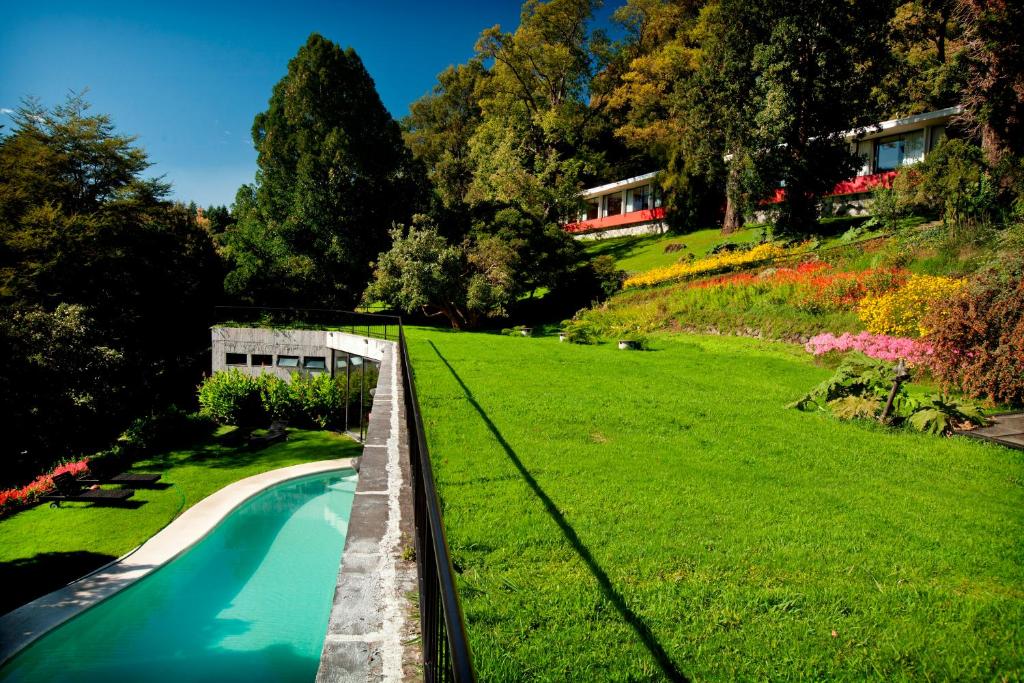
    Hotel Antumalal is our calm couples base when we want Pucón to feel like a retreat, not a rental-shop alley. The property sits slightly apart from the busiest blocks, which helps on volcano eve when sleep matters more than nightlife. It is the choice we suggest when friends say they want adventure days without hostel energy at night.

    Check availability on Booking.com.

    Park Lake Luxury Hotel

    Park Lake Luxury Hotel hotel in Chile

    Park Lake Luxury Hotel is polished comfort for couples who want a clear step up in room quality and service. After a long hike or a cold lake day, a hotel that feels intentional beats bargaining for a late dinner in a crowded row. We book it when Pucón is the highlight stop, not a single volcano night.

    Check availability on Booking.com.

    Hotel Küyen-Ko Pucón

    Pucon Chile hotel Hotel Küyen-Ko Pucón

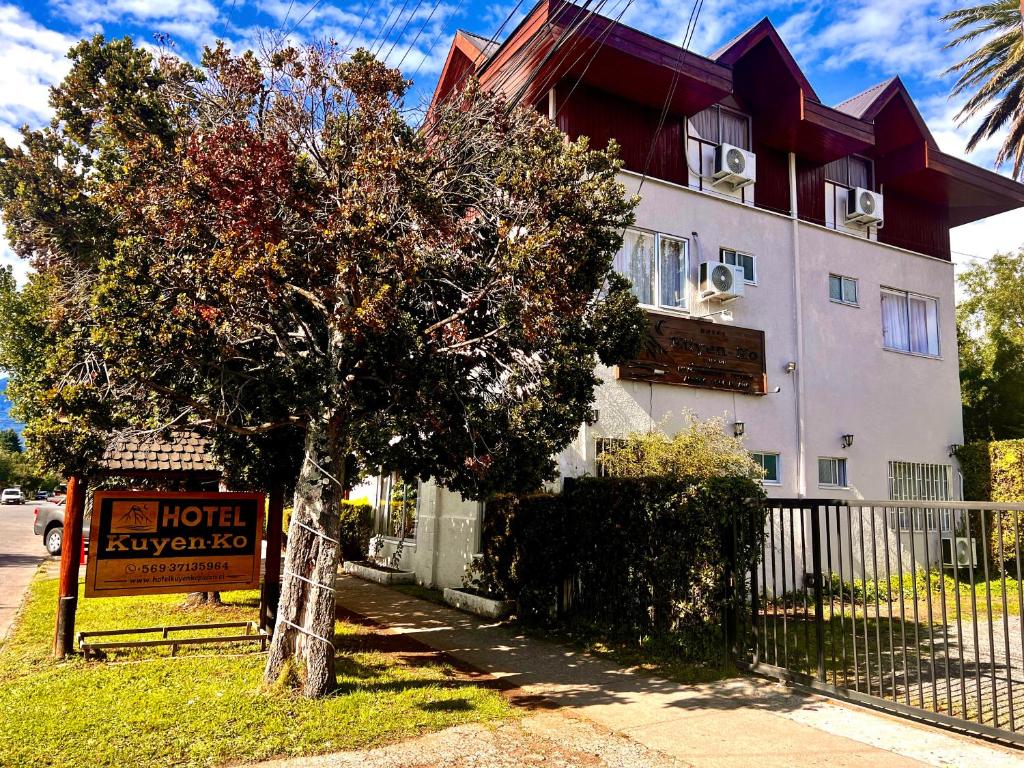
    Hotel Küyen-Ko is the practical in-town stay when we want walkable dinner and early tour pickups without a big splurge. It fits shorter trips and repeat visitors who already know which excursions they want. Practical does not mean edgy here; it means you are in the workflow of town.

    Check availability on Booking.com.

    Building a week that feels safe and full

    We usually anchor three or four nights in Pucón when Villarrica and hot springs are the core. One day for the volcano or a guided hike, one for springs, one for lake kayaking or a slower cafe morning, one buffer for weather. That rhythm keeps driving reasonable and nights predictable.

    We stack excursions so we are not returning at odd hours every night. We eat well because soft adventure requires fuel. We book the hotel first, then tours, because a bad night’s sleep makes every slope feel steeper.

    For more property comparisons beyond these three, our Pucón hotels guide is the deeper resource. This post stays focused on whether the town feels safe for the trip you are actually planning.

    We hope this helps you plan a calmer Chile trip. Pucón can be loud on paper and gentle in practice if you match hotel, season, and excursion days with clear eyes. Book the room you will sleep well in, respect the volcano’s weather, and let the adventure be the part that spikes your heart rate, not the walk home from dinner.

    Frequently asked questions

    Is Pucón Safe in 2026?

    Pucón is generally comfortable for tourists who stay central, use normal awareness at night, and plan volcano or hot-spring days with local weather sense.

    Practical next steps for your Chile trip

  • Is Puerto Varas Safe in 2026?

    Is Puerto Varas Safe in 2026?

    Is Puerto Varas safe for tourists? Lake District base for couples.

    Puerto Varas is one of the calmer Lake District bases for tourists. Use normal awareness at night and book a central lakeside stay.

    Jan & Valeria. We travel to Chile often and love sharing tips to help you experience this beautiful country.

    Affiliate disclosure: some links below (including Booking.com) may earn us a commission at no extra cost to you. We only recommend what we would use ourselves.

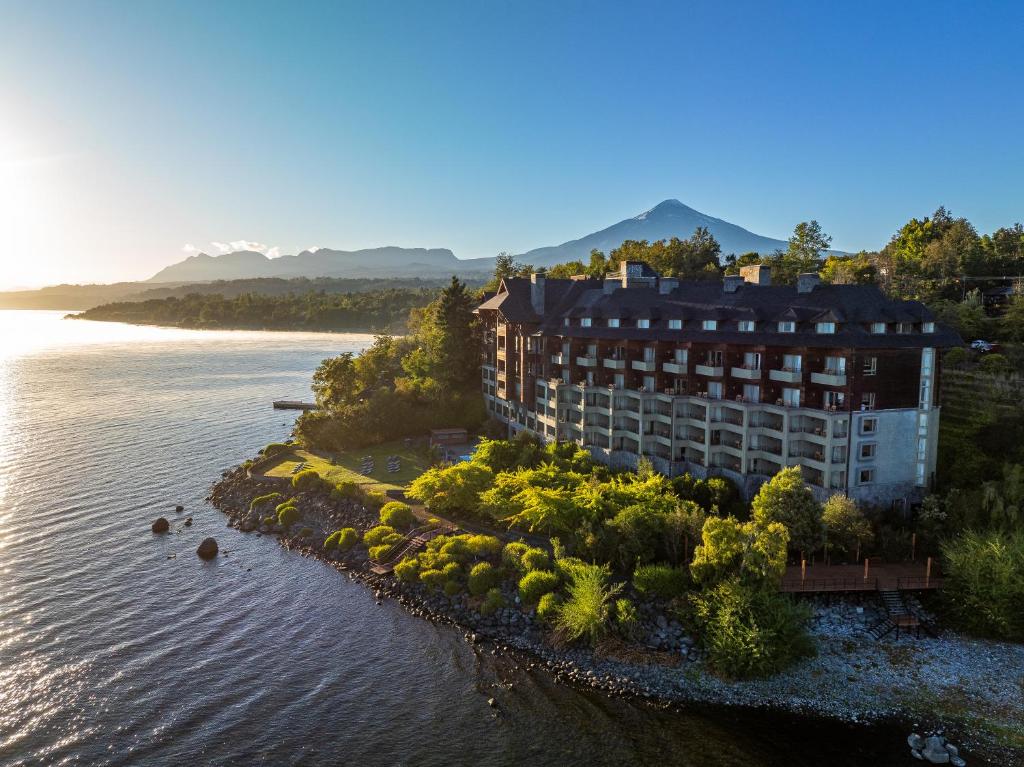
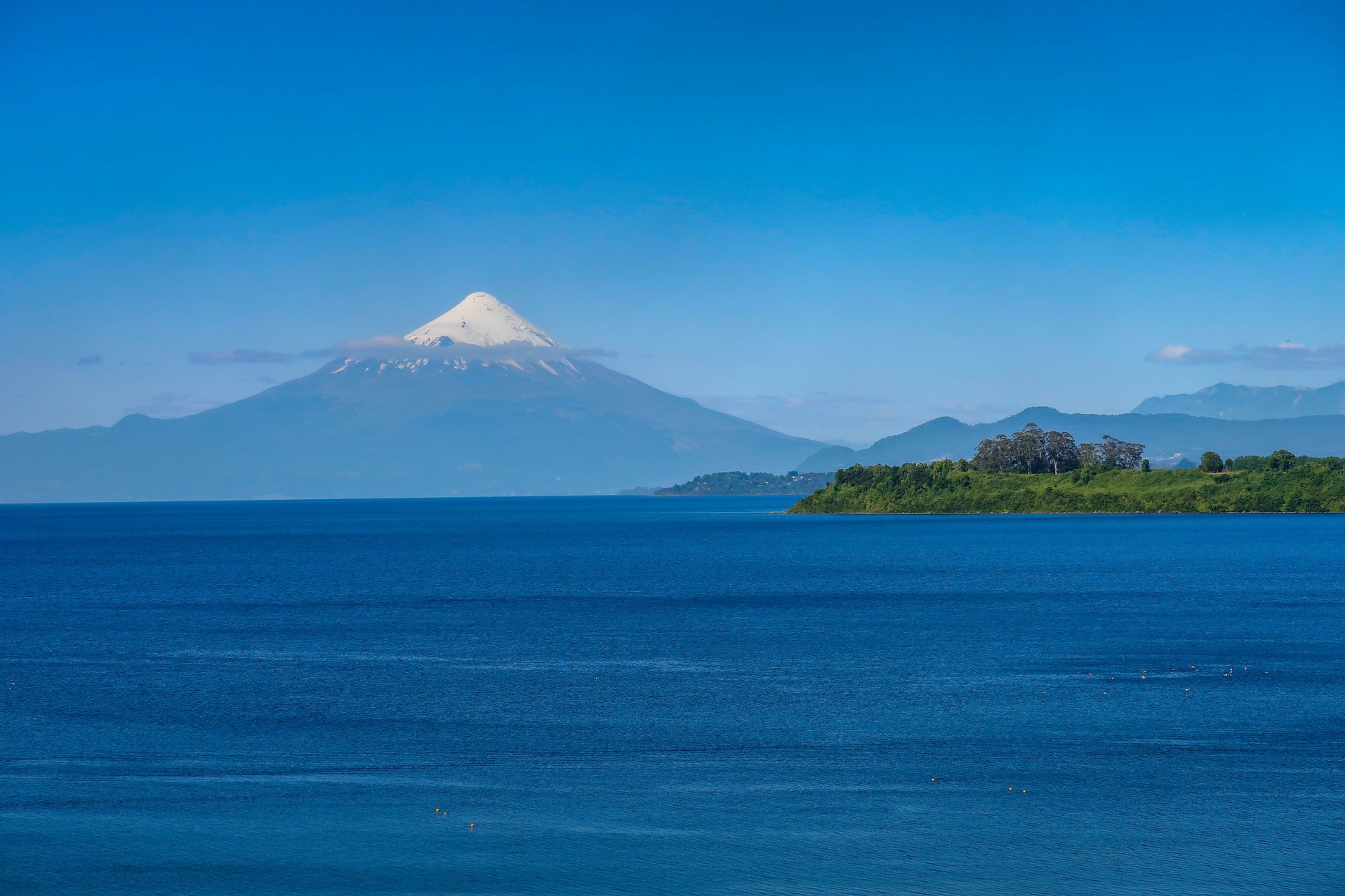
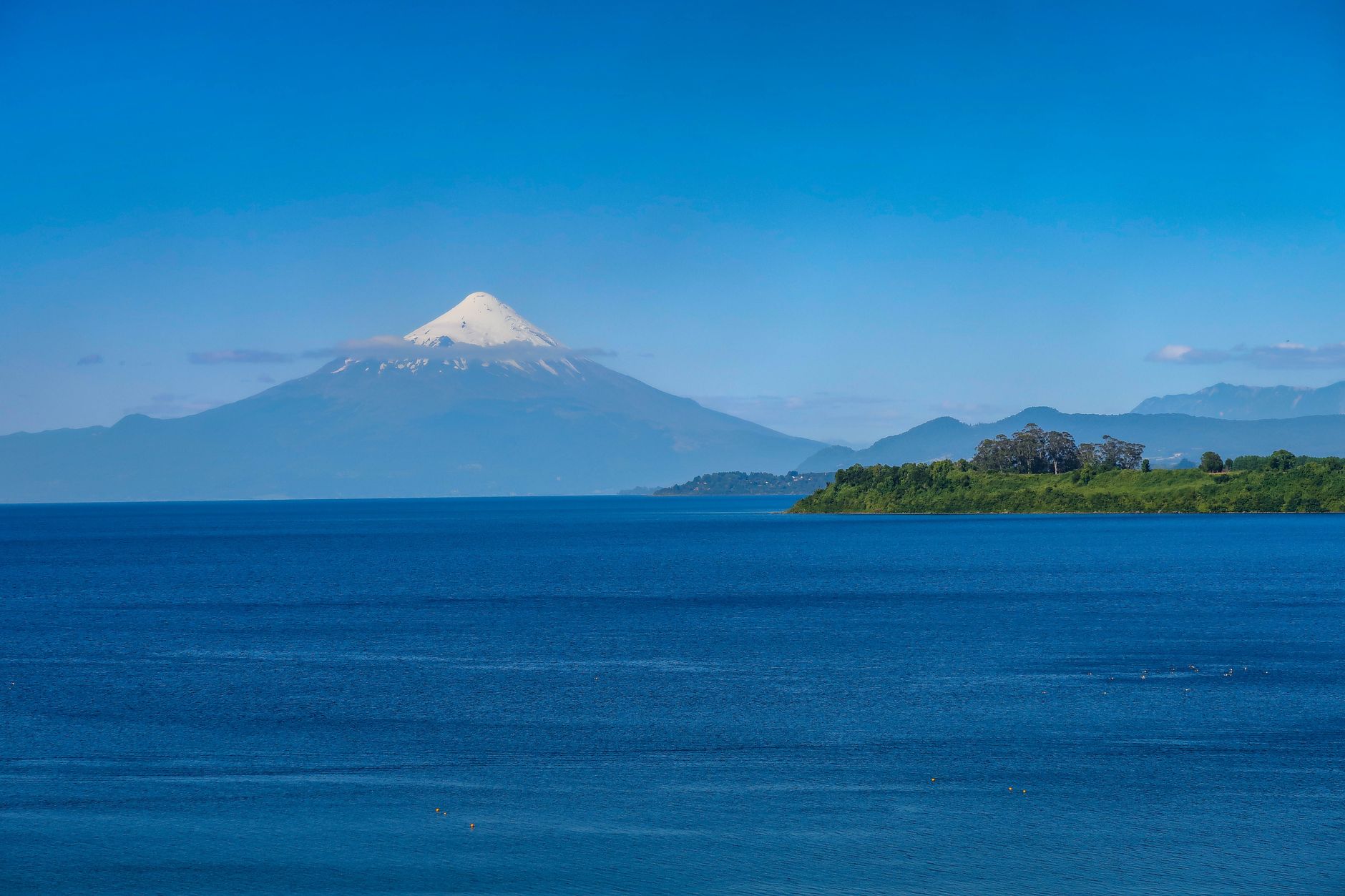
    Puerto Varas is where we exhale on the Lake District route. Lake Llanquihue in front of you, Osorno on the horizon, and a town scale that feels walkable after Santiago. The first evening here is usually lake air, a good meal, and an early walk back to the hotel because tomorrow is a volcano day.

    Is Puerto Varas safe for tourists? In our experience, yes for a calm couples base, with the same phone-and-bag awareness you would use in any popular Chilean town. We would happily spend several nights here as the anchor of a soft-adventure week, and we would not treat safety as the reason to skip it.

    The honest short answer

    Is Puerto Varas safe for tourists? Lake District base for couples

    Puerto Varas feels like a small lake town that knows tourists arrive every week. The waterfront and central blocks are lively by day and into early evening. Hotels cluster where walks to dinner make sense. Day trips to Osorno, Frutillar, or the Petrohué area start from a base that feels organized rather than chaotic.

    We have walked the lakefront with cameras, eaten late on a Friday, and used ride apps when we were tired. We have not felt we needed a different safety personality for Puerto Varas than we use in Providencia or Valparaíso’s gentler hills. Petty theft can happen anywhere tourists gather; calm confidence plus basic habits is the right posture.

    For country-wide framing, pair this post with our Chile safety overview. Puerto Varas is one of the easier bases to recommend when friends ask where to sleep in the Lake District without feeling edgy at night.

    What feels safe in practice

    Safety in Puerto Varas is less about avoiding whole neighborhoods and more about matching the town’s rhythm. Morning coffee on the waterfront, afternoon excursions, dinner near the center, then home. That pattern keeps you where lighting, foot traffic, and services concentrate.

    You may also like our guide to the safest cities in Chile.

    • The lakefront and central blocks are lively by day and early evening.
    • We use ride apps late if we are tired or carrying cameras.
    • Petty theft exists anywhere tourists gather. Leave passports in the hotel safe.
    • Weather changes fast near the lake. Dry sidewalks at lunch can be slick after rain; plan footwear, not just outfits.

    We do not walk remote lake paths alone at night looking for a perfect photo angle. We take the shot at sunset, then head to dinner. Soft adventure by day, comfort by night is the Puerto Varas promise, and safety fits that same split.

    Why Puerto Varas works as a couples base

    Is Puerto Varas safe for tourists? Lake District base for couples

    Couples ask about safety here because they want one beautiful base, not a nightly debate about where to sleep. Puerto Varas delivers that. The town is small enough that you learn the main streets in a day, yet it has enough restaurants and hotels that you can splurge one night and stay practical the next.

    We like anchoring here when the trip mixes lake calm with volcano drama. Osorno views from town are a daily reminder of why you flew south. When you want a structured day on the mountain, our Osorno Volcano guide covers the excursion side without turning this post into a climb log.

    Compared to Pucón, Puerto Varas feels quieter at night and less party-forward. Compared to Puerto Montt, it feels more intentionally tourist-friendly. For many couples, that middle position is exactly the safety sweet spot: visible tourism infrastructure without Santiago scale.

    Lakefront walks and evening rhythm

    The waterfront is where Puerto Varas shows its best face. Families and couples stroll, dogs run, cafes fill. In summer the light lasts long enough that “evening” still feels public. In winter, darkness arrives earlier and we shorten the walk radius the same way we would in any seasonal town.

    We keep valuables in front pockets or cross-body bags on busy segments. We do not leave a camera on a cafe table while we both visit the restroom. These are universal habits, but the lakefront’s relaxed vibe can lull people into forgetting them.

    Central streets and dinner zones

    Restaurant rows near the center concentrate people after dark. That density is your friend. We choose dinner within a comfortable walk or a short ride from the hotel, especially on the first night when we are still orienting.

    If a street feels empty and poorly lit, we do not treat Puerto Varas as an exception to the rule we use everywhere: turn back toward the busy block, order the ride, eat well, sleep well.

    Day trips vs staying in town

    Most safety questions about Puerto Varas are really questions about day trips. Osorno, Ensenada, Petrohué, Frutillar: the base town feels calm, then Google shows mountain roads and weather icons. Separate the two.

    In town, you are managing sidewalks and bags. On excursion days, you are managing weather, road conditions, and guide timing. We book reputable operators for glacier and volcano outings, start early, and do not push sunset drives on unfamiliar mountain routes.

    When we drive ourselves, we download offline maps, share live location with family, and keep fuel and snacks sensible. The town did not become unsafe because the volcano clouded over. The risk profile changed on the road, and we respect that shift.

    Puerto Varas vs nearby gateways

    Travelers often compare Puerto Varas with Puerto Montt and Pucón before they compare hotels. Safety fits into that comparison in a practical way, not a dramatic one.

    Puerto Montt as the port city

    Puerto Montt is where flights and ferries funnel people south. We sleep there when logistics demand it, then move to Puerto Varas when we want lake walks and restaurant evenings. The port city is workable, not cuddly. Many couples prefer Puerto Varas for multi-night stays because the tourist map is easier to read at night.

    Pucón as the adventure hub

    Pucón has more nightlife energy and a louder adventure billboard. We love it for volcano hikes and hot springs days, but Puerto Varas feels calmer after dinner. Neither town requires fear. They require matching your energy to the base you pick.

    Street smarts for lake towns

    Puerto Varas rewards the same low-drama habits we repeat across Chile.

    • Book hotels in walkable, well-lit areas so late returns are short.
    • Use Uber or hotel taxis when you are tired, loaded with shopping, or carrying camera gear.
    • Keep phones off display on crowded waterfront segments.
    • Store passports and spare cards in the room safe; carry one payment method and a copy.
    • Confirm excursion pickup points in daylight when possible so you are not guessing addresses at dawn.

    We also watch alcohol on excursion eve. Osorno days are not kind to dehydration and late whiskey. The town is safe; the volcano is unforgiving. We choose sleep when the itinerary is ambitious.

    Where to stay for calmer nights

    Safety gets easier when your hotel is in a walkable, well-lit base. Book a lakeside or walkable property and keep nights simple. Our full shortlist lives in hotels in Puerto Varas, where we compare neighborhoods and price tiers without repeating every property here.

    The three properties below are the ones we would book ourselves when friends ask for names, not categories. They represent splurge, special, and boutique-scale options that still respect the couples-trip rhythm we like.

    Where we would stay in Puerto Varas

    These are the stays we would book when we want Puerto Varas to feel like a reward, not a transit night.

    Solace Hotel Puerto Varas

    Puerto Varas Chile hotel Solace Hotel Puerto Varas

    Solace Hotel Puerto Varas is the comfortable lake-town base we recommend most often for couples who want a clear step up from airport hotels without going full splurge. Location and room quality make evening walks and early Osorno departures straightforward. We think of it as the “we are here for the week” choice.

    Check availability on Booking.com.

    Hotel AWA

    Hotel AWA hotel in Chile

    Hotel AWA is when we want a more special lakeside stay, usually one or two anchor nights in a longer Chile trip. The property leans experiential without forcing rough adventure. After a day on the lake or volcano, a hotel that feels intentional beats wandering town for a late snack.

    Check availability on Booking.com.

    Casa Molino Hotel Boutique & Restaurant Puerto Varas

    Puerto Varas Chile hotel Casa Molino Hotel Boutique & Restaurant Puerto Varas

    Casa Molino fits boutique-scale Puerto Varas nights when we want personality and a restaurant worth staying in for dinner. Smaller properties can feel safer simply because staff recognize you by the second morning. That familiarity matters on soft-adventure trips where every day is different.

    Check availability on Booking.com.

    Planning the week around a safe base

    We usually stack Puerto Varas in the middle of a Lake District arc: arrive from Santiago or Temuco, sleep several nights, day-trip outward, then continue south or fly home from Puerto Montt. Keeping one base reduces the nightly “is this neighborhood okay?” calculation to once, not every other day.

    Osorno fills one big day. Frutillar or a lake cruise fills another. A slower waterfront morning fills a third without driving at all. That mix keeps the trip feeling full while the hotel room stays your stable, familiar endpoint.

    If you are still anxious about Chile broadly, read is Chile safe? first. Then return here and book Puerto Varas as the calm center of the map, not the place you endure to see volcanoes.

    We hope this helps you plan a calmer Chile trip. Puerto Varas is one of the bases where safety and beauty point the same direction. Pick the hotel you will actually sleep well in, walk the lake at sunset, and let tomorrow’s volcano be the excitement.

    Frequently asked questions

    Is Puerto Varas Safe in 2026?

    Puerto Varas is one of the calmer Lake District bases for tourists. Use normal awareness at night and book a central lakeside stay.

    Practical next steps for your Chile trip

  • Is Temuco Safe in 2026? Stopover Tips

    Is Temuco Safe in 2026? Stopover Tips

    Is Temuco safe for tourists? Lake District stopover context.

    Temuco is fine as a one-night Lake District stopover if you stay near practical hotel areas and treat it as transit, not a nightlife base.

    Jan & Valeria. We travel to Chile often and love sharing tips to help you experience this beautiful country.

    Affiliate disclosure: some links below (including Airalo) may earn us a commission at no extra cost to you. We only recommend what we would use ourselves.

    The first time someone asked us whether Temuco was safe, they were really asking something else: “Can we land at ZCO, sleep one night, and leave for Pucón without drama?” That is the useful question, and for most Lake District trips the answer is yes.

    Temuco is a working gateway city for Chile’s Lake District, not a resort town. We treat the center as a practical overnight base, keep rural Araucanía news in a separate mental bucket from a plaza walk before dinner, and move on to the lakes when the plan allows. If you are comparing bases farther south, start with our broader is Chile safe for tourists? guide, then come back here for Temuco specifics.

    The honest short answer

    Is Temuco safe for tourists? Lake District stopover context

    For a typical tourist stopover, Temuco feels like a normal mid-size Chilean city with the same street awareness you would use in Santiago or Valparaíso. We have overnighted here after late flights, walked the central blocks in daylight, and left early for Pucón without feeling we took a risk for the sake of convenience.

    We would not treat Temuco as a week-long destination the way we treat Puerto Varas or Pucón. We would also not cancel a Lake District trip because Temuco appears on the map between the airport and Villarrica. The city is functional, the hotel strip near the center is familiar to travelers, and the real scenery starts once you are on the road toward the lakes.

    What Temuco is not: a place to wander with full luggage at midnight through empty industrial blocks, or a place to assume rural headlines describe every street downtown. Separate those two ideas and planning gets much calmer.

    City safety vs regional headlines

    Valeria’s family still talks about Temuco as a normal Chilean city for errands and airport nights. The anxiety online often mixes city streets with rural conflict reports farther out in Araucanía. For a tourist stopover, that distinction matters more than almost any single safety tip we could give you.
    What the headlines usually describe

    News about Araucanía often refers to rural land disputes, road blockades, or incidents far from the hotel blocks where travelers sleep. Those stories are real for people who live in the region, and they can affect driving routes on specific days. They are not the same thing as walking from your hotel to a central restaurant on a normal evening.

    When we plan a Lake District loop, we check road conditions before long drives, especially if we are heading into more remote parts of the region. We do not assume every headline about Araucanía applies to a one-night stay near Plaza Aníbal Pinto.

    What tourists actually do in Temuco

    Most visitors we meet land at Maquehue Airport (ZCO), pick up a rental or pre-book a transfer, sleep near the center or along Av. Alemania, and leave the next morning for Pucón, Villarrica, or Puerto Varas. Their Temuco experience is airport, hotel, maybe one meal, early departure. That rhythm is boring on paper and genuinely useful on a trip.

    If your itinerary already includes Pucón, read our Temuco to Pucón route notes so the safety conversation includes daylight driving and realistic timing, not just the city itself.

    Temuco as a Lake District gateway

    Is Temuco safe for tourists? Lake District stopover context

    We think of Temuco the way we think of a good connection airport: you want a clean bed, easy logistics, and a clear exit strategy. The city has universities, hospitals, and everyday commerce. Tourist infrastructure exists because travelers pass through, not because the plaza is packed with tour buses all week.

    That gateway role shapes how we use Temuco. We book a hotel we trust, keep the first night simple after a long flight, and save our energy for Villarrica volcano views and lake sunsets later in the trip. Trying to “see Temuco properly” on a tight Lake District schedule often creates stress without adding much magic.

    For hotel shortlists and neighborhood fit, our hotels in Temuco guide is the better place to compare properties. This post stays focused on whether the stopover itself feels safe, not on ranking every room in the city.

    Neighborhoods and where we would walk

    Temuco does not have one tourist bubble the way Puerto Varas wraps around the lakefront. Instead, travelers cluster near the center, along Av. Alemania, and in hotel zones that make an early departure easy. Those areas feel familiar: lit streets, restaurants, pharmacies, the small errands you need after landing.

    Central blocks and Plaza Aníbal Pinto

    In daylight, the central plaza area feels like many Chilean downtowns we know. Shops open, people on errands, buses moving. We are still mindful of phones and bags because crowded sidewalks anywhere can attract petty theft, but we do not feel we need a special Temuco-only rulebook for a daytime walk here.

    At night we shorten the radius. Dinner near the hotel, then back. If we are tired or carrying cameras, we use Uber rather than a long walk through quieter side streets we have not scouted.

    Av. Alemania and the hotel corridor

    Many travelers stay along or near Av. Alemania because it is practical for airport access and onward drives. The strip feels commercial and busy in a normal city way. We like it for stopovers because the logistics are obvious: check in, eat, sleep, leave.

    We still avoid empty blocks with poor lighting if we are walking at night. That is general travel sense, not a Temuco panic rule. The pattern repeats in cities worldwide: stay where people are, keep valuables out of sight, and do not look like you are searching for an address in the dark.

    Airport nights at ZCO

    Late arrivals are the main reason Temuco enters Lake District itineraries. Maquehue is small compared to Santiago’s SCL, which we appreciate after a long international leg. The tradeoff is that you still need a plan for the last miles to the hotel.

    We pre-book a transfer or use a ride app when we land tired. Standing outside a regional airport with full luggage, trying to negotiate on the spot, is where trips feel fragile even in safe cities. A confirmed ride removes that friction.

    If you are picking up a rental car at the airport, photograph the vehicle, confirm insurance details, and drive directly to the hotel without detours. Fatigue plus unfamiliar roads at night is a separate risk category from street crime, and it is one we can control with a simple schedule.

    Street smarts that actually help

    Temuco does not require exotic precautions. The habits that keep us calm in Santiago work here too.

    • Keep phones off sidewalk display in crowded areas. Petty theft is the most common tourist issue we hear about across Chile, not dramatic violence.
    • Use Uber or a hotel taxi after dark rather than long walks with luggage.
    • Leave passports in the hotel safe when you do not need them. Carry a card copy and a payment method.
    • Leave early for Temuco to Pucón so you arrive with daylight and calmer nerves.
    • Check road news before rural drives in Araucanía. Conditions can change faster than city streets suggest.

    We also watch alcohol timing on arrival night. One drink with dinner is fine. Trying to “make the most” of a stopover city after a transcontinental flight is how people misread neighborhoods and regret it the next morning.

    Stay connected from landing

    A working phone makes Temuco feel smaller and safer because maps, messages, and ride apps work the moment you land. We install a Chile eSIM before departure so ZCO is not a scramble for Wi-Fi passwords in the arrivals area.

    We use Airalo on most trips because setup is quick and we can compare plans in our Chile eSIM guide before we commit. Connectivity is not a luxury add-on for Lake District driving. It is how we confirm hotel check-in, share live location on road days, and call a driver if a meeting point shifts.

    If you are landing from the US, activate the eSIM while you still have home Wi-Fi, test data, and download offline map areas for Temuco and the Pucón corridor. That ten-minute prep pays off on the first night every time.

    When Temuco makes sense vs when to skip it

    We keep Temuco on the itinerary when the flight lands late, when an early Pucón start beats a Santiago backtrack, or when family logistics in the region make an overnight practical. We skip an extra Temuco night when we can land earlier and drive straight to the lakes with rested eyes.

    Skipping does not mean fear. It means matching the city to the trip shape. A couple on a soft-adventure Lake District week might tolerate one gateway night. Someone trying to squeeze Villarrica, Puerto Varas, and Chiloé into eight days might prefer fewer urban stops.

    Either way, country-level context helps. Our is Chile safe? overview explains how we think about neighborhoods, transport, and headlines across the country so Temuco is not a lone scary dot on the map.

    Where we would stay in Temuco

    For a one-night stopover, keep the hotel simple and central enough for an early departure to Pucón. These are the properties we would book before debating whether to walk another block for a cheaper room.

    Holiday Inn Express – Temuco by IHG

    Temuco Chile hotel Holiday Inn Express - Temuco by IHG

    Holiday Inn Express Temuco is our default when we want a predictable airport-night buffer. The brand familiarity matters when we land tired: we know the check-in rhythm, the breakfast timing, and that we can be on the road early without a slow start. It is not a romantic Lake District lodge, and that is exactly the point for night one.

    We like it for couples who prioritize sleep and logistics over neighborhood exploring. Park, check in, eat nearby, leave. Check availability on Booking.com.

    Hotel Diego de Almagro Temuco

    Temuco Chile hotel Hotel Diego de Almagro Temuco

    Hotel Diego de Almagro Temuco is the practical city overnight we recommend when the Holiday Inn is full or priced for a conference week. Diego de Almagro properties across Chile follow a similar reliable template: comfortable enough, central enough, and easy for drivers to find.

    For a stopover, we treat it the same way: one night, early checkout, onward to the lakes. Check availability on Booking.com.

    Temuco will never be the photo that sells your Chile trip. It can still be the calm hinge between a long flight and the Lake District week you actually came for. We hope this helps you plan that hinge without unnecessary fear. If you are still choosing a base, start with safety and neighborhood fit, book the hotel you will sleep well in, and point the rental car toward Pucón when the sun is up.

    Frequently asked questions

    Is Temuco Safe in 2026? Stopover Tips?

    Temuco is fine as a one-night Lake District stopover if you stay near practical hotel areas and treat it as transit, not a nightlife base.

    Practical next steps for your Chile trip

  • Chilean Food Restaurants Santiago (2026 Guide)

    Chilean Food Restaurants Santiago (2026 Guide)

    Chilean food doesn’t always get the credit it deserves. It’s not as internationally celebrated as Peruvian cuisine, not as theatrically confident as Argentine food, and most visitors arrive knowing very little about what they’re going to eat. That’s actually part of what makes discovering it so good. Cazuela, pastel de choclo, machas a la parmesana, caldillo de congrio, lomo a lo pobre: these are dishes that take some people completely by surprise, and once they click, they stick.

    Before dinner plans, check Santiago safety tips for the barrios we recommend.

    The challenge in Santiago is knowing where to find real Chilean cooking. The city has excellent restaurants of every international variety, but genuinely good, honest Chilean food, the kind Chileans themselves eat and care about, requires a bit more navigation. This list cuts through that.

    It covers the spectrum: traditional dives that have been operating the same way for over a century, neighborhood bistros where the cooking is modern but the ingredients are deeply Chilean, and one ancestral indigenous restaurant that will make you rethink what Chilean food even means. Different budgets, different neighborhoods, different experiences, all worth your time.

    Peumayén Ancestral Food

    If you’re going to eat at one Chilean restaurant in Santiago, make it this one. Peumayén is unlike anything else in the city. The kitchen is built around the culinary heritage of Chile’s indigenous peoples: Aymara, Mapuche, Rapa Nui, and others, with dishes using ingredients and techniques that predate the Spanish arrival by centuries.

    Link to Google Maps location

    Araucaria nuts, wild Patagonian mushrooms, alpaca, horse meat, crispy seaweed, and native corn varieties appear on the two tasting menus, a land version and a sea version, each running to around six courses. The service is warm and detailed, with each dish explained in terms of its cultural origin and the community it comes from. It is a genuinely educational dinner as well as a delicious one.

    What makes Peumayén essential is the perspective it gives you. Eating here shifts how you understand Chile as a country, not just the food, but the landscape, the history, and the people who were here long before wine valleys and Santiago bistros. Reserve at least a week ahead. Located in Bellavista.

    Bar Liguria

    Bar Liguria is Santiago’s most beloved traditional bistro, a Providencia institution since 1990 that has served as the benchmark for classic Chilean cooking across multiple generations of the city. The kind of place that hosts birthday dinners, long lunches, political arguments, and everything in between without breaking its rhythm.

    Link to Google Maps location

    The menu is a reliable tour of Chilean favorites: barros luco (a hot sandwich of thinly sliced beef and melted cheese named after a former Chilean president who supposedly ate one every day), chacarero (beef with green beans, tomato, and chili on a soft bun), carne mechada (slow-braised beef), lamb shank with mashed potato and gravy, and the house pitcher of borgoña, a cold red wine punch with strawberries that is one of the more pleasant ways to spend a Santiago afternoon.

    There are multiple locations in Providencia and Lastarria. Don’t bother with reservations, they don’t take them. Arrive early, expect to wait for a table at peak lunch, and order the borgoña immediately while you study the menu.

    Galindo

    Galindo sits in an old adobe house in Bellavista and has been serving traditional Chilean food to locals, artists, and anyone smart enough to find it for over four decades. It’s the kind of restaurant that started life feeding local workers and never strayed from that mission despite the neighborhood around it becoming considerably more fashionable.

    Link to Google Maps location

    The pastel de choclo is the dish to order: a deep clay bowl layered with pino filling (spiced minced beef with onion, olives, and hard-boiled egg), chicken pieces, and a thick sweet corn crust that caramelizes in the oven and creates that characteristic burnt-sugar top. It’s one of Chile’s most iconic dishes and Galindo’s version is consistently praised as one of the best in the city.

    Other reliable orders are cazuela, the clear golden broth with a full piece of meat, corn on the cob, squash, and potato; lomo a lo pobre, the Chilean steak topped with caramelized onions and a fried egg over fries; and empanadas de pino straight from the oven. Terrace seating fills quickly. Open Tuesday through Sunday. Priced accessibly.

    El Hoyo

    El Hoyo opened in 1912 and has been cooking pork the same way ever since. Anthony Bourdain included it in his Santiago episode of No Reservations, which brought it to international attention, but the regulars were here long before that and have kept coming regardless.

    Link to Google Maps location

    The specialty is pernil: a massive slow-cooked pork leg served bone-in with boiled potatoes and whatever condiments you want to pile on. The meat falls apart without any effort, it’s fatty in the right places and deeply flavored from hours of low cooking, and the portion size is frankly absurd. Also worth trying is arrollada, cured pork rolled and wrapped in pork skin, and morcilla, blood sausage that is better than it sounds.

    El Hoyo is now located in Barrio Italia after a move from its original San Vicente address. It opens only for lunch, closes when the food runs out, and does not open on Sundays. Go with an empty stomach and a group willing to share. Order a terremoto while you wait for the food.

    Salvador Cocina y Café

    Salvador Cocina y Café is the weekday lunch spot every Santiago professional knows and most tourists miss. It sits in the historic center near the Bellas Artes metro, run by chef Rolando Ortega, and offers a daily changing three-course menú del día for around 9,000 to 10,000 pesos that uses proper Chilean ingredients with a light modern hand.

    Link to Google Maps location

    The food here is not traditional in the rustic sense: Ortega brings genuine technique to everything, so a dish of white beans arrives beautifully seasoned rather than simply boiled, and a smoked longaniza sausage on mashed potato is finished with merkén in a way that makes you reconsider the spice entirely. But the ingredients are deeply Chilean and the sensibility is local.

    Closed on weekends. Gets busy fast. Arrive by noon to guarantee a seat. One of the best-value lunches in the city at any level of expectation.

    Bar Liguria’s neighbor: Chipe Libre

    Just around the corner from Bar Liguria in Lastarria, Chipe Libre occupies its own distinct territory: the self-proclaimed independent republic of pisco, with one of the best pisco cocktail menus in the city and a food menu that takes Chilean cooking seriously without being stuffy about it.

    Link to Google Maps location

    The menu runs from reinvented Chilean street food classics to more substantial plates using good Chilean proteins and produce. The chorrillana, the iconic sharing plate of fries loaded with caramelized onions, sliced beef, and fried eggs, is excellent here and the right thing to order alongside a pisco sour or three. The borgoña is also well-made.

    What makes Chipe Libre worth a separate entry from the other places on this list is the cocktail program. If you want to understand pisco properly, drinking several different varieties here in different preparations will teach you more than any article can. The atmosphere is young and lively, the food is honest, and it stays open late. Located in Lastarria.

    Pulpería Santa Elvira

    Pulpería Santa Elvira is the restaurant on this list that feels most like a discovery. Set inside a restored 1920s house in the Matta Sur neighborhood south of the center, it’s run by chef Javier Avilés Lira with a chalkboard menu that changes regularly and a philosophy of hyper-seasonal, locally sourced Chilean ingredients served in a dining room that looks like a very well-curated grandmother’s house: antique photos, dried flowers, mismatched furniture, and enough warmth to make you want to stay for hours.

    Link to Google Maps location

    The cooking is personal and unpretentious, the kind that reflects what’s good right now rather than what’s been on the menu for years. On any given visit you might find a beautifully made cazuela, handmade pasta with Chilean shellfish, or a slow-cooked cut of meat from a small producer with vegetables from the market that morning. The wine list skews toward natural Chilean producers.

    It’s not the most convenient location for tourists staying in Providencia or Lastarria, but it’s worth the 15-minute taxi ride for anyone who wants to eat somewhere genuinely off the tourist map. Reservations recommended.

    Confitería Torres

    Confitería Torres has been on the Alameda since 1879, which makes it the oldest restaurant still operating in Santiago and one of the oldest in Chile. Eating here is a history lesson as much as a meal: the building, the service style, and the menu all belong to a version of Santiago that barely exists anymore.

    Link to Google Maps location

    The food is traditional Chilean and old-school European bistro, the kind of overlap that defined elite Santiago dining in the 19th and early 20th centuries. French onion soup, boeuf bourguignon, barros jarpa (the classic ham and melted cheese sandwich), grilled meats, and long wine lists of Chilean classics appear alongside the kind of white tablecloth service that takes itself seriously without being uncomfortable.

    It is not the cheapest meal on this list, but the experience of eating lunch in a room that has been doing this since before Chilean independence is worth something that goes beyond the food. Order the lamb shank and a bottle of something from Colchagua and take your time. A Chilean friend of my wife’s family once called Torres “the restaurant that remembers Santiago before it forgot itself,” and I’ve never heard it described better.

    Eladio

    Eladio is the place to go for asado, the Chilean interpretation of the South American art of grilling, which shares its passion for red meat with the Argentine tradition but has its own distinct character in terms of the cuts chosen and the way they’re served.

    Link to Google Maps location

    Located in Providencia, Eladio is a proper sit-down steakhouse with bow-tied servers, a serious grill, and a menu focused on Chilean beef cuts prepared simply and well. The entraña (skirt steak) is excellent: lightly salted, quickly grilled, genuinely tender, and served properly rested. The bife chorizo (sirloin strip) is another reliable choice. Ask for your meat a punto (medium rare) or medio (medium). Ordering well done will earn you a politely puzzled look.

    Order a side of porotos granados if they have it, the bean and corn stew that is one of Chile’s underrated seasonal classics. The wine list covers the main Chilean valleys at fair prices. Closed weekends.

    Practical notes for eating Chilean food in Santiago

    One thing worth knowing before you go: Chilean food is generally mild. Chili heat is not a feature of the cuisine in the way it is further north in Latin America. What you’ll find instead is depth from slow cooking, fat from good pork and beef, and subtle seasoning from ingredients like merkén (smoked pepper), ají de color (paprika), and fresh herbs. If you’re expecting spice, you may need to adjust your expectations. If you’re expecting honest, filling, well-made food built on excellent local ingredients, you’ll find exactly that.

    Lunch is the main meal of the day in Chile. Most of the restaurants on this list are at their best between 1pm and 3pm, when the kitchens are running full pace and the dining rooms are full of locals rather than tourists. Dinner is later and slightly quieter. Either works, but if you can only do one, make it lunch.

    For more on the Chilean food scene across different price points, the guides to budget restaurants and luxury restaurants in Santiago elsewhere on this site cover the full range.

    Planning your time in Santiago? The 2-day and 1-week itineraries on this site include the best neighborhoods for eating alongside the rest of the city’s highlights.
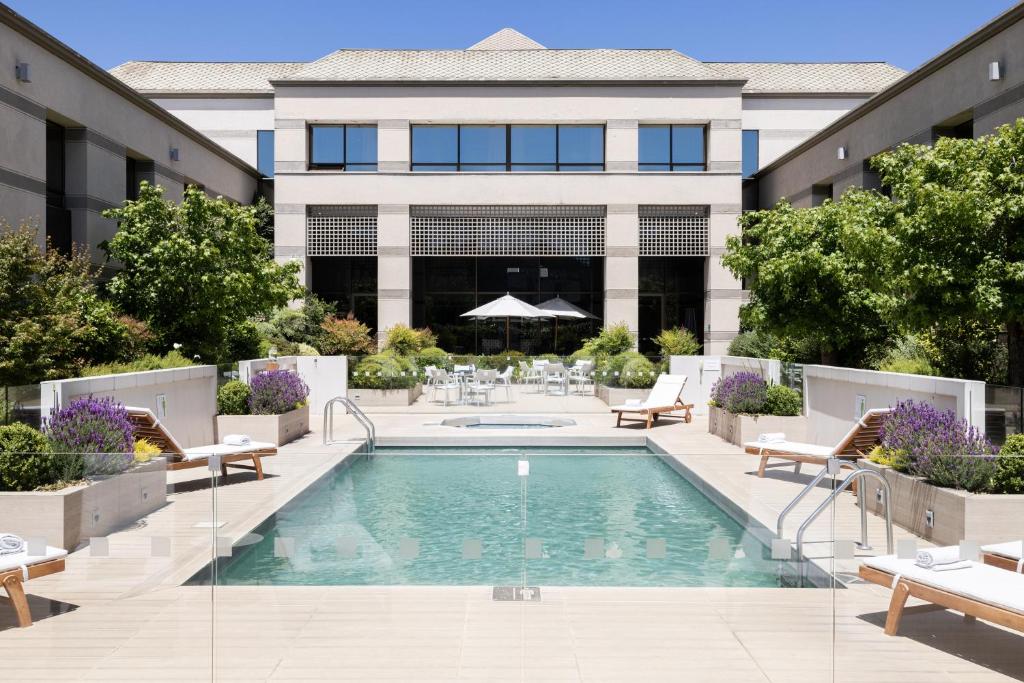
  • Luxury Restaurants Santiago (2026 Guide)

    Luxury Restaurants Santiago (2026 Guide)

    Santiago’s fine dining scene gets far less international attention than it deserves. The city has no Michelin Guide, which means none of its restaurants carry those stars, but that’s a guide coverage problem rather than a quality problem. Several Santiago restaurants rank among the best in Latin America and the world by every other serious measure, the food is technically ambitious and deeply rooted in Chilean identity, and the cost of a special dinner here is considerably lower than it would be at an equivalent restaurant in Paris, New York, or Tokyo.

    If you’re going to spend a significant amount on a meal in Santiago, spend it knowingly. This list covers the ten restaurants I’d recommend, from the genuinely world-class to the quietly excellent, with honest notes on what each one delivers and what to expect when you arrive.

    A quick note on reservations: at the top end of this list, booking weeks or even months in advance is not an exaggeration. Santiago’s best restaurants fill up, and turning up without a reservation at Boragó or Peumayén is not a viable strategy.

    1. Boragó

    There is no more important restaurant in Chile, and arguably none more interesting in Latin America. Boragó has ranked in the World’s 50 Best Restaurants list, placing at number 23 in 2025, and consistently sits in the top 10 of Latin America’s 50 Best, reaching number 6 in the 2025 rankings. Chef Rodolfo Guzmán received the Icon Award at that same ceremony, recognition for a career spent doing something genuinely singular.

    Google maps link

    What Guzmán has built at Boragó since 2006 is unlike anything else in the region. The tasting menu, called Endémica, runs between 12 and 18 courses and changes constantly based on what arrives from over 200 small producers, foragers, and fishermen across Chile, from the Atacama in the north to the waters of Patagonia in the south. Many of the ingredients are ones you will not have encountered before: picorocos (barnacles), endemic Andean plants, Mapuche-sourced produce, algae harvested from the rocks at Isla Negra. The restaurant also operates its own biodynamic farm.

    The experience is theatrical in the best sense. Courses arrive with explanations of where each ingredient came from and why it matters. Presentations are sometimes visually arresting, sometimes playfully strange. The whole thing takes three hours or more and leaves most people slightly changed in how they think about Chilean food and landscape.

    Expect to pay around 150,000 to 200,000 pesos per person for the tasting menu, more with wine pairing. Located in Vitacura. Book well in advance, sometimes months out for weekend dates.

    2. Peumayén Ancestral Food

    Peumayén is the restaurant I’d send first-time visitors to Santiago who want a luxury dinner that is also an education in Chilean culture. The name translates loosely to “dream place” in Mapudungún, the language of the Mapuche people, and the kitchen is built around the culinary heritage of Chile’s indigenous populations: Aymara, Mapuche, Rapa Nui, and others.

    Google maps link

    Dishes here use ingredients that predate the Spanish arrival by centuries: araucaria nuts, wild mushrooms from Patagonia, alpaca, horse meat prepared in traditional methods, crispy seaweed, and corn varieties you won’t find in any supermarket. The tasting menus (there are land and sea versions) run to around six courses with impeccable service and detailed explanations of each dish’s cultural context.

    It is not the most technically refined restaurant on this list, but it is possibly the most meaningful. Sitting here and eating Chilean food at this level changes how you see the country. Several visitors have called it the single best meal of their Santiago trip, and I understand why.

    Located in Barrio Italia. Reserve at least a week in advance. The pisco flight pairing is worth adding.

    3. Demo Magnolia

    Demo Magnolia opened in October 2024 inside the historic Hotel Magnolia in the Bellas Artes neighborhood, and in under a year had placed at number 31 on Latin America’s 50 Best Restaurants 2025. That is a remarkable trajectory for a 15-seat restaurant with a single tasting menu, and it reflects both the quality of what chef Pedro Chavarría is doing and how seriously Santiago’s dining scene has matured.

    Google maps link

    Chavarría trained at Boragó and at Quintonil in Mexico City, two of the most important restaurants in Latin America, and that pedigree shows in the precision of the cooking at Demo Magnolia. But the concept here is distinctly his own: the tasting menu is built as an edible map of Santiago itself, drawing on the city’s diverse food culture rather than Chilean landscapes in the abstract. Dishes reference La Vega market, the meat culture of Barrio Franklin, the Asian culinary influences that have shaped the city for generations. A langoustine croquette with salsa roja, tofu with noodles and vegetable broth, duck breast with salsa oriental, a seaweed and cheesecake tart: the menu moves through the city’s neighborhoods as much as its seasons.

    The room is intimate almost to an extreme, 15 seats around an open kitchen, with low lighting and an industrial warmth that suits the cooking well. With only 15 covers per service, this fills faster than anywhere else on this list. Book well in advance and consider the non-alcoholic pairing, which several diners rate as highly as the wine flight. Average spend around 87 USD per person. Open Tuesday to Saturday for dinner.

    4. Karai by Mitsuharu

    Located inside the W Santiago Hotel in Las Condes, Karai debuted on Latin America’s 50 Best list in 2025 at number 45. The restaurant channels the Nikkei tradition, Japanese-Peruvian fusion, through the lens of Chilean ingredients. Chef Sebastián Jara runs the kitchen under the creative direction of Mitsuharu Tsumura, the Lima chef behind the legendary Maido.
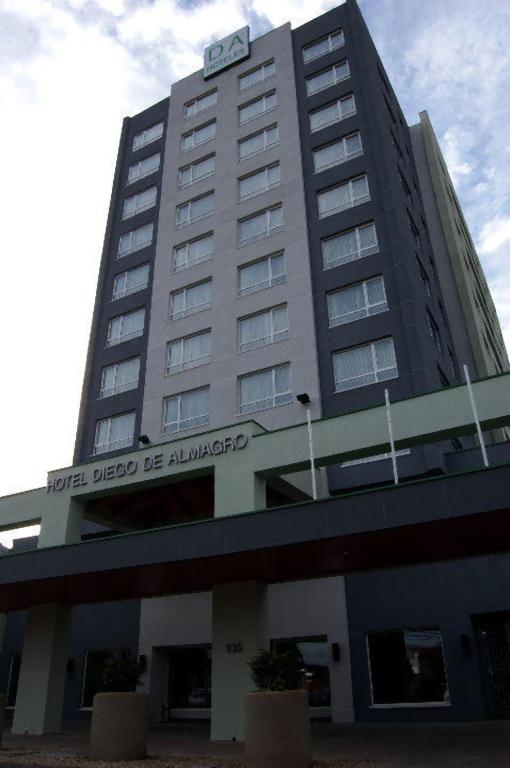
    Google maps link

    The menu covers sushi, sashimi, nigiri, ceviches, and tiraditos, with Chilean seafood as the primary ingredient and Japanese technique as the framework. The loco (abalone) preparations in particular draw on a shellfish that is deeply embedded in Chilean coastal culture and treated here with the precision it deserves. The sushi bar seating gives you a direct view of the kitchen, which is worth requesting.
    The room is sleek, the service is polished, and the wine list includes serious Chilean options alongside sake and Japanese whisky. For a luxury dinner that doesn’t require three hours and a tasting menu format, this is one of the best choices in the city.

    5. Ambrosía

    Chef Carolina Bazán’s restaurant in Las Condes is one of the most consistently celebrated places to eat in Santiago, and has been for years. The cooking is market-driven and changes frequently, built around what’s seasonal and what Bazán finds interesting that week: fresh seafood crudos, handmade pastas, grilled proteins from small Chilean producers, and a Chilean wine list that leans toward smaller and natural producers.

    Google maps link

    What Ambrosía does exceptionally well is make a high-quality ingredient-focused dinner feel genuinely warm rather than formal. The room is intimate, the service attentive without being stiff, and the food tastes like it was cooked by someone who cares deeply about what they’re doing rather than trying to impress a food critic.

    The Ambrosía Bistro in Providencia is a more casual and affordable sister operation worth knowing about if you want a taste of Bazán’s cooking without the full commitment.

    6. Yum Cha

    Yum Cha is an intimate 20-seat restaurant that debuted on Latin America’s 50 Best list in 2025 at number 28, a significant entrance for a place this small and this specific in its vision. Chef Nicolás Tapia runs a tasting menu built around Cantonese technique, Chilean ingredients, and an unusual guiding principle: tea as a co-star to the food rather than an afterthought.

    Google maps link

    Each course is designed with a specific tea pairing in mind, and the teas are taken seriously as a flavour complement rather than a palate cleanser. The result is a dinner that is unlike anything else in Santiago, quiet and concentrated in a way that demands attention, and rewards it.

    Reserve early. The 20-seat capacity means this fills faster than any other restaurant on this list.

    7. Casa Las Cujas

    The newest entry on this list, and the one that made the biggest splash in 2025. Casa Las Cujas debuted on the Latin America’s 50 Best list at number 14, winning the Highest New Entry Award for the year. Little more detail than that is publicly known at the time of writing, but a number 14 debut on Latin America’s most authoritative restaurant list is a statement that demands attention.

    Google maps link

    Worth researching and booking before your trip if you’re visiting in 2025 or 2026. Santiago’s fine dining scene moves fast, and this is currently its most exciting new arrival.

    8. Bocanáriz

    Bocanáriz is not purely a luxury restaurant in the tasting menu sense, but it belongs on this list because it is the finest wine experience in Santiago and the quality of what you eat alongside the wine is consistently high.

    Google maps link

    Located in Barrio Lastarria, Bocanáriz opened in 2012 and built its reputation around one of the most serious Chilean wine selections in the country, including rare labels, small producers, and lesser-known valleys that don’t appear on tourist-facing lists. If you want to understand Chilean wine without renting a car and driving to a valley, dinner here covers an enormous amount of ground.

    The food, modern Chilean small plates, is better than a wine bar typically needs to be, which makes the whole experience more worthwhile. Order widely, drink slowly, and let the sommelier guide you. The restaurant operates on a walk-in basis for most of its capacity, though the wait at peak times can run 20 to 30 minutes.

    9. The Singular Santiago

    The Singular is the restaurant inside the boutique hotel of the same name in Barrio Lastarria, and it represents a different kind of luxury from the tasting-menu restaurants above: generous, French-Chilean cooking in a beautifully restored building, with a wine list that takes Chilean production seriously and a menu that includes genuinely unusual proteins like guanaco (a Patagonian relative of the llama) alongside more conventional choices.

    Google maps link

    The room is handsome, the service expert, and the overall experience feels like dining in a Santiago that understood how to be elegant before the tasting menu era arrived. It is a good choice for a celebration dinner where you want something special but not three hours of avant-garde courses.

    A colleague whose family has eaten Chilean food for generations once told me that The Singular is one of the few fine dining restaurants in the city where she genuinely feels at home, where the food is ambitious but still recognizably Chilean. That is a useful distinction.

    10. Demencia

    Demencia is where Santiago’s fine dining scene loosens its collar. Chef Benjamín Nast runs a kitchen that brings playful creativity to local ingredients without losing technical discipline: dumplings of loco (abalone) in lemongrass-coconut broth, brioche topped with picorocos (barnacles) and caviar, and a general approach that treats dinner as something that should be fun as well as impressive.

    Google maps link

    The name, which translates as “madness,” signals the intent. Dishes are unexpected and sometimes deliberately strange, but they are also genuinely delicious rather than merely provocative. It’s a good choice if you want a luxury dinner that doesn’t take itself too seriously, and the price point is somewhat lower than the top-tier tasting menus on this list.

    Practical notes for fine dining in Santiago

    Chile has no Michelin Guide, which means none of these restaurants carry stars. That is a structural gap in the guide’s coverage rather than any reflection on the quality here. Boragó and Olam would be serious contenders for stars if Michelin were present, and several others would follow.

    Dinner in Santiago starts late by European standards. Most fine dining restaurants don’t fill up until 8:30 or 9pm, and a tasting menu dinner routinely runs until midnight. Plan your evening accordingly and don’t book anything early the next morning.

    Most of the restaurants on this list have English-speaking staff, particularly at the higher end. Boragó, Olam, and Karai are all accustomed to international diners and handle non-Spanish speakers smoothly.

    For the absolute top restaurants, Boragó in particular, booking by email or through the restaurant’s own website several weeks ahead is the most reliable approach. Third-party booking platforms sometimes show availability that doesn’t reflect reality.

    For a broader look at Santiago’s dining scene across all price points, the team at Worldly Adventurer have a well-rounded guide covering everything from fine dining to neighborhood bistros.

    Eating on a tighter budget? Check out the best budget restaurants in Santiago for how to eat brilliantly without spending much. And for everything else to do in the city, the 2-day and 1-week Santiago itineraries cover the full picture.

  • Budget Restaurants Santiago (2026 Guide)

    Budget Restaurants Santiago (2026 Guide)

    Santiago has a reputation among some travelers for being expensive. I’d push back on that, at least when it comes to food. If you know where to eat and what to order, you can have some of the best meals of your trip for almost nothing. The problem is that tourists tend to drift toward the obvious places, which are often the most expensive and rarely the most interesting.

    Eating out safely? Read is Santiago Chile safe? for neighborhood context. Hub: Santiago travel guide.

    This guide is built around how Chileans actually eat day to day: the set lunch system, the sandwich counters, the market kitchens, and the neighborhood spots that don’t appear in any glossy travel magazine but are packed with locals every single day. Follow this and you’ll eat well, spend little, and come away with a much more honest sense of Santiago’s food culture than you’d get from the tourist circuit.

    First, understand the menú del día

    Before any specific restaurant, you need to understand this system because it is the single best way to eat cheaply and well in Santiago, and most tourists walk straight past it.

    Almost every local restaurant in the city offers a menú del día at lunchtime, typically between 12:30pm and 3pm. For a fixed price that usually sits between 4,000 and 8,000 pesos (roughly 4 to 8 euros), you get a full meal: a starter, a main course, sometimes a drink, and occasionally dessert or coffee. The menu changes every day based on what’s fresh, and the cooking is almost always proper, honest, home-style Chilean food rather than anything designed for tourists.

    This is how Chilean office workers, market traders, and professionals eat at midday. It is the backbone of daily eating life in the city, and it is genuinely outstanding value. You could eat a full three-course lunch for less than the price of a cappuccino in Amsterdam.

    The key is finding the right places. Look for small, busy restaurants in non-touristy parts of the city where the signage is hand-written and the menu is on a chalkboard near the door. If the place is full of local workers at 1pm, you’re in the right spot. If it’s empty or catering mostly to tourists, move on.

    Salvador Cocina y Café

    This is the menú del día done with more intention than most. Located in the historic center near the Bellas Artes metro station, Salvador Cocina y Café is run by chef Rolando Ortega and offers a daily changing three-course set lunch at around 9,000 to 10,000 pesos. By any measure that is extraordinary value for the quality.

    See the location on Google Maps

    The cooking here uses proper Chilean ingredients with a light modern touch: local beans, smoked merkén spice, fresh fish, handmade sausages, and whatever is good at the market that week. Dishes are unpretentious but clearly thought through, the kind of food that makes you realize Chilean cuisine is considerably more interesting than its international reputation suggests.

    It gets busy fast. Go early, around noon, or be prepared to wait. Closed on weekends. Located near the historic center, which makes it easy to combine with a morning at the museums or Plaza de Armas.

    Fuente Alemana

    This place has been serving Santiago since 1954 and it is, without question, the best sandwich in the city. Fuente Alemana is a counter-style diner that operates on the simple premise of doing one thing perfectly: the lomito, a massive sandwich of thinly sliced roasted pork loin on a fresh bun, piled with toppings.

    See the location on Google Maps

    Order the Lomito Italiano, which comes with mashed avocado, tomato, and a quantity of Chilean mayonnaise that will either delight or alarm you depending on your relationship with mayo. Add chucrut (sauerkraut) to get the full German-Chilean fusion experience that defines this place. The sandwich is absurdly large and always served with a knife and fork, not because it’s formal, but because there is no physical way to eat it by hand.

    Sit at the counter, order a schop (draft beer), and watch the kitchen work. The cooks move with the efficiency of people who have made this exact sandwich several thousand times, which they have.

    There are five locations across the city. The ones near the Baquedano and Pedro de Valdivia metro stations in Providencia are consistently good. Budget around 6,000 to 8,000 pesos for a sandwich and a beer.

    Emporio Zunino

    Founded in 1930 by Italian immigrants, Emporio Zunino is the oldest empanadería in Santiago and the best argument for the empanada as a complete meal. The shop sits near Mercado Central in the historic center and sells empanadas baked on-site, fresh, for under 2,000 pesos each.

    See the location on Google Maps

    The empanada de pino is the one to start with: a large baked pastry filled with seasoned minced beef, onion, a wedge of hard-boiled egg, a black olive, and sometimes a raisin. This is Chile’s national hand pie and Zunino’s version is one of the best in the city. Also excellent are the cheese empanadas and the shrimp-and-cheese variety if you want something from the sea.

    Go outside peak lunchtime if you can. The queue between 1pm and 3pm can be long and moves slowly, not because the service is bad but because everyone in the neighborhood has the same idea.

    La Piojera

    La Piojera is not technically a restaurant. It’s a bar that also happens to serve food, has been doing so since around 1896, and is one of the most vivid and chaotic dining experiences in Santiago.

    See the location on Google Maps

    Located near the Puente Cal y Canto metro station close to Mercado Central, La Piojera is famous for two things: the terremoto (literally “earthquake”), a lethal mix of fermented white wine, pineapple ice cream, and grenadine served in enormous plastic cups, and the chorrillana, a sharing plate of fries piled high with caramelized onions, sliced beef, and fried eggs that is exactly as good as it sounds after one of those drinks.

    The atmosphere is impossible to replicate. Sticky floors, loud conversations, murals covering every wall, folk music from somewhere, and a crowd that mixes locals with adventurous tourists who’ve found their way to one of the few genuinely unreconstructed bars left in the city. Order a beer, split a chorrillana, try one terremoto if you’re curious, and understand that this is Santiago at its most unpretentious.

    Food is cheap. The chorrillana for two comes to around 10,000 to 12,000 pesos. The terremoto is around 3,000 pesos. Come hungry and with no particular schedule for the rest of the afternoon.

    La Vega Central market kitchens

    La Vega Central is the large wholesale produce market across the Mapocho River from Mercado Central, and buried inside it are some of the cheapest and most authentic lunch spots in the city. These are not restaurants in any formal sense: small counters, plastic chairs, handwritten menus, and cooks who have been making the same cazuela or fried fish for decades.

    See the location on Google Maps

    The food here is pure Chilean comfort cooking. Expect cazuela, the slow-cooked broth with a full piece of chicken or beef, corn on the cob, squash, and potato, all in one bowl. Expect fresh empanadas made that morning. Expect porotos granados, a hearty bean and corn stew that is essentially Chile’s answer to minestrone and deeply underrated. Lunch here runs between 3,000 and 5,000 pesos for a full meal.

    My wife’s aunts used to come to La Vega every Saturday morning specifically to eat at one of the market kitchens before buying their produce for the week. The concept of combining the freshest possible ingredients with the people who cook them daily is not complicated, but it produces results that are hard to argue with.

    Arrive before 12:30pm to beat the queue. Bring small bills. Don’t overthink it: point at what looks good and sit down.

    Dominó

    Dominó is Chile’s institution for the completo, the Chilean hot dog that is both simpler and more serious than that description implies. The Completo Italiano is the classic: a proper sausage in a soft bun, topped with chopped tomato, mashed avocado, and a generous amount of mayo in the colors of the Italian flag, hence the name.

    See the location on Google Maps (multiple locations)

    Dominó has multiple locations across central Santiago and Providencia, operates on a counter-seating model, and is fast, cheap, and local in the best possible way. A completo costs around 2,500 to 3,500 pesos. You eat standing at the counter or on a stool, you do not linger, and you leave understanding why Chileans have a national day dedicated to the completo.

    It is not a meal in the European sense. It is a brilliant quick lunch or late-night snack that costs almost nothing and tastes considerably better than it has any right to.

    Mercado Central: what to know before you go

    Mercado Central gets a mention in every Santiago food guide, and for good reason: the 19th-century cast-iron building is beautiful and the seafood inside is genuinely excellent. But for budget eating, you need to know where to sit.

    See the location on Google Maps

    The restaurants at the center of the market, the ones that aggressively tout for business as you walk past, are significantly more expensive than the stalls around the perimeter. Skip those. The outer stalls and smaller counters toward the edges of the building serve the same fresh seafood for considerably less money. A bowl of paila marina, the rich mixed seafood broth that is one of Chile’s great dishes, can be had for around 6,000 to 8,000 pesos at the right stall. The caldillo de congrio, a classic Chilean fish soup immortalized by Pablo Neruda in a poem, is another one to look for.

    If you want to eat seafood in Santiago without paying tourist prices, this is where to do it, as long as you walk past the first row of tables and find the quieter ones at the back.

    Barrio Italia for coffee and breakfast

    Budget eating in Santiago isn’t only about lunch. Barrio Italia has become the city’s best neighborhood for specialty coffee and affordable breakfast, with a cluster of small roasters and cafés along Avenida Italia and the surrounding streets that charge honest prices for genuinely good coffee.

    See the location on Google Maps

    For a morning coffee and a pastry before a day of sightseeing, this neighborhood consistently delivers better quality and lower prices than the tourist-facing cafés around Lastarria or the historic center. A flat white and a medialuna (the Chilean croissant, slightly sweet and soft) runs around 3,000 to 4,000 pesos at most places in the area.

    A few general rules for eating cheaply in Santiago

    Lunch is always better value than dinner. The menú del día system means midday is when the city’s restaurants are working hardest and charging least. Dinner at the same restaurant will cost considerably more for less food.

    Avoid eating directly on or immediately around Plaza de Armas. The restaurants within sight of the main tourist drag charge tourist prices. Walk two blocks in any direction and things improve immediately.

    Draft beer (schop) is almost always cheaper than bottled beer, and Chilean table wine sold by the glass in local restaurants is often 1,500 to 2,500 pesos for something perfectly drinkable. Wine at these prices in Santiago is not an afterthought.

    The travel writers at Trans-Americas Journey make the smart point that you could write a whole book on Chilean sandwiches alone, and they’re right. If you eat nothing else on a budget in Santiago, eat the sandwiches. Fuente Alemana for the lomito, Dominó for the completo, and any local bakery you pass for an empanada on the go. You will not go hungry and you will not spend much.

    For where to eat on a bigger budget or what else to do while you’re eating your way through the city, check out the 2-day Santiago itinerary and the full 1-week guide on the site.