Author: Kurt

  • Best Time to Visit Chile in 2026 (Month by Month)

    So, you’re trying to figure out the best time to visit Chile – wohoo! Traveling is exciting. But now comes the tricky question: when should you go? Chile is basically one giant geography flex – deserts, mountains, wine valleys, beaches, glaciers… and every season brings a totally different adventure.

    Do you want long sunny days in Patagonia? Or skiing in the Andes while your friends back home are sweating through summer? Maybe you just want to sip wine in the Central Valley without melting or freezing.

    The truth is, there’s no single “perfect” time – it depends on what you want to see and do. That’s why I’ve broken it down month by month, so you know exactly what to expect in 2025.

    Quick Overview: Chile’s Seasons Explained

    Summer in Chile (Dec–Feb)

    If you’re visiting Chile between December and February, get ready for peak summer vibes. While Europe and North America are wrapped in scarves and drinking hot chocolate, Chile is all about beaches, barbecues, and long sunny days. Christmas is big here too, but forget the snow-it’s more about fireworks, family gatherings, and eating outside in the warm evening air.

    This is also the main holiday season for Chileans, so expect busy beaches, higher prices, and packed buses. Patagonia is at its absolute best (and most crowded), the Atacama is reliably sunny, and wine country is perfect for a glass (or two). If you want the full Chilean summer experience, this is it.

    Autumn in Chile (Mar–May)

    When March rolls around, Chilean kids head back to school and adults back to work – which means fewer crowds and better deals for you. Tourist hotspots like Patagonia and the Lake District suddenly feel calmer, and you can actually find a seat on that bus without elbowing someone.

    Weather-wise, it’s a sweet spot. In the north (Atacama), it’s still warm and dry. Central Chile (Santiago, Valparaíso, wine valleys) enjoys sunny days and cooler nights, perfect for strolling, sipping, and not melting. Down south, autumn paints Patagonia and the Lake District in fiery reds and golds – it’s seriously underrated if you like hiking without the summer madness.

    Bonus: March and April are wine harvest season. Expect grape-picking festivals, local celebrations, and plenty of excuses to drink straight from the source. Check out the best wine tasting day trips here.

    Winter in Chile (Jun–Aug)

    Winter in Chile doesn’t mean the whole country freezes – it really depends on where you are.

    In the north, the Atacama Desert keeps doing its thing: dry, sunny, and otherworldly. You’ll barely notice it’s “winter” here, except maybe for some cooler nights. Central Chile, around Santiago and the wine valleys, cools down and the Andes become the main attraction. Yes – Chileans actually go skiing! Resorts like Valle Nevado, La Parva, and Portillo fill up with locals escaping the city for a weekend on the slopes. July is also the main winter holiday month for schools, so expect busy ski resorts then. Down south, Patagonia and Torres del Paine are cold, windy, and much of the park infrastructure shuts down. Only hardcore adventurers go this time of year, while the Lake District stays cozy with wood-burning stoves, hot springs, and cabins tucked away in the rain.

    Winter is not high season for international travelers, which means cheaper flights and hotel deals if you don’t mind layering up.

    Spring in Chile (Sep–Nov)

    Spring in Chile feels like the country stretching after a long nap – flowers, festivals, and the first real taste of summer.

    In the north, the Atacama Desert sometimes surprises with carpets of wildflowers in special “super bloom” years, though even without it you’ll get clear skies and perfect stargazing conditions. Central Chile, from Santiago to Valparaíso and the wine valleys, shakes off the winter chill. Temperatures rise, vineyards turn lush again, and September means Fiestas Patrias – Chile’s massive independence celebrations with barbecues, empanadas, and plenty of cueca dancing. Down south, Patagonia and the Lake District slowly reopen. Trails turn green, waterfalls are roaring, and by November many of the big hikes are back on the menu without the full summer crowds.

    Spring is the sweet spot: mild weather, colorful landscapes, lower prices, and the country waking up – a perfect balance before the high season rush.

    Best Time of Year to Visit Chile (By Region)

    Best Time to Visit Patagonia Chile (Including Torres del Paine & Puerto Natales)

    The main season in Patagonia is October to April. Trails are open, buses are frequent, and the weather is (somewhat) stable. January and February bring the longest days and best chances for clear skies, but also the biggest crowds and highest prices. November and March are ideal shoulder months with fewer people and still good weather, while April adds stunning autumn colors.

    From May to September, much of Torres del Paine and the southern routes shut down due to snow, wind, and limited services. Only experienced adventurers tend to visit in winter.

    For most travelers, the sweet spot is November or March – fewer crowds, manageable prices, and conditions that make the landscapes just as jaw-dropping.

    Best Time to Visit the Atacama Desert (San Pedro de Atacama)

    The Atacama Desert is a year-round destination thanks to its dry climate and reliable sunshine. Days are usually warm, nights can be cold, and rain is almost nonexistent.

    The busiest months are December to February, when both international visitors and Chileans on summer vacation fill San Pedro de Atacama. If you want quieter streets and lower prices, aim for the shoulder months (March-May or September-November). These still bring clear skies for stargazing and comfortable temperatures for visiting the salt flats, geysers, and valleys.

    Winter (June-August) is also a good option: expect cooler days, very cold nights, and far fewer crowds.

    In short: you can go any time, but spring and autumn are the best balance of weather, crowds, and cost.

    Best Time to Visit Easter Island (Rapa Nui)

    Easter Island is also a year-round destination, but your experience changes with the seasons.

    The warmest and busiest period is January and February, when Chileans flock here during summer holidays. This is also when the Tapati Festival takes place (usually early February), a cultural highlight with music, dance, and traditional competitions. Expect higher prices and more competition for flights and hotels.

    The shoulder months (March-May and September-November) are often the best choice: pleasant temperatures, fewer crowds, and good conditions for hiking, biking, and exploring the moai sites.

    June-August is the quietest period, with cooler temperatures, more rain, and shorter days – but you’ll practically have the island to yourself.

    For most travelers, the sweet spot is spring or autumn for a balanced mix of weather, culture, and space to explore.

    Best Time to Visit Santiago Chile (and Central Valley)

    Santiago and the Central Valley are best enjoyed in spring (September-November) and autumn (March-May). Temperatures are mild, skies are usually clear, and you can explore the city or wine valleys without extreme heat.

    Summer (December-February) can be very hot, with Santiago often above 30°C (86°F). The city also empties out in February when many locals go on holiday, so while it’s quieter, some restaurants and shops close.

    Winter (June-August) brings cooler weather, occasional smog in Santiago, and rain in the valleys. But it’s also ski season, with the Andes resorts just an hour or two away.

    If your trip includes both city life and wine country, aim for March-April (harvest season) or October-November for the best mix of weather, festivals, and vineyard visits.

    Best Time to Visit Chile’s Wine Country (Colchagua, Maipo, Casablanca)

    The best months to visit Chile’s wine valleys are March and April, during the harvest season (vendimia). Vineyards buzz with grape-picking festivals, wine tastings, and local celebrations – it’s the most atmospheric time to be here.

    Spring (September-November) is another excellent option, with green vines, mild weather, and fewer tourists. It’s perfect for wine tours combined with city visits to Santiago or Valparaíso.

    Summer (December-February) brings hot days, especially in the Maipo Valley, though evenings cool down nicely. Expect more visitors since it overlaps with Chilean holidays.

    Winter (June-August) is the quietest season. Some vineyards reduce their tour schedules, but you’ll still find tastings, and prices tend to be lower.

    For the full experience, harvest season in March-April is hard to beat.

    Best Time to Visit Chile’s Lake District & Valparaíso

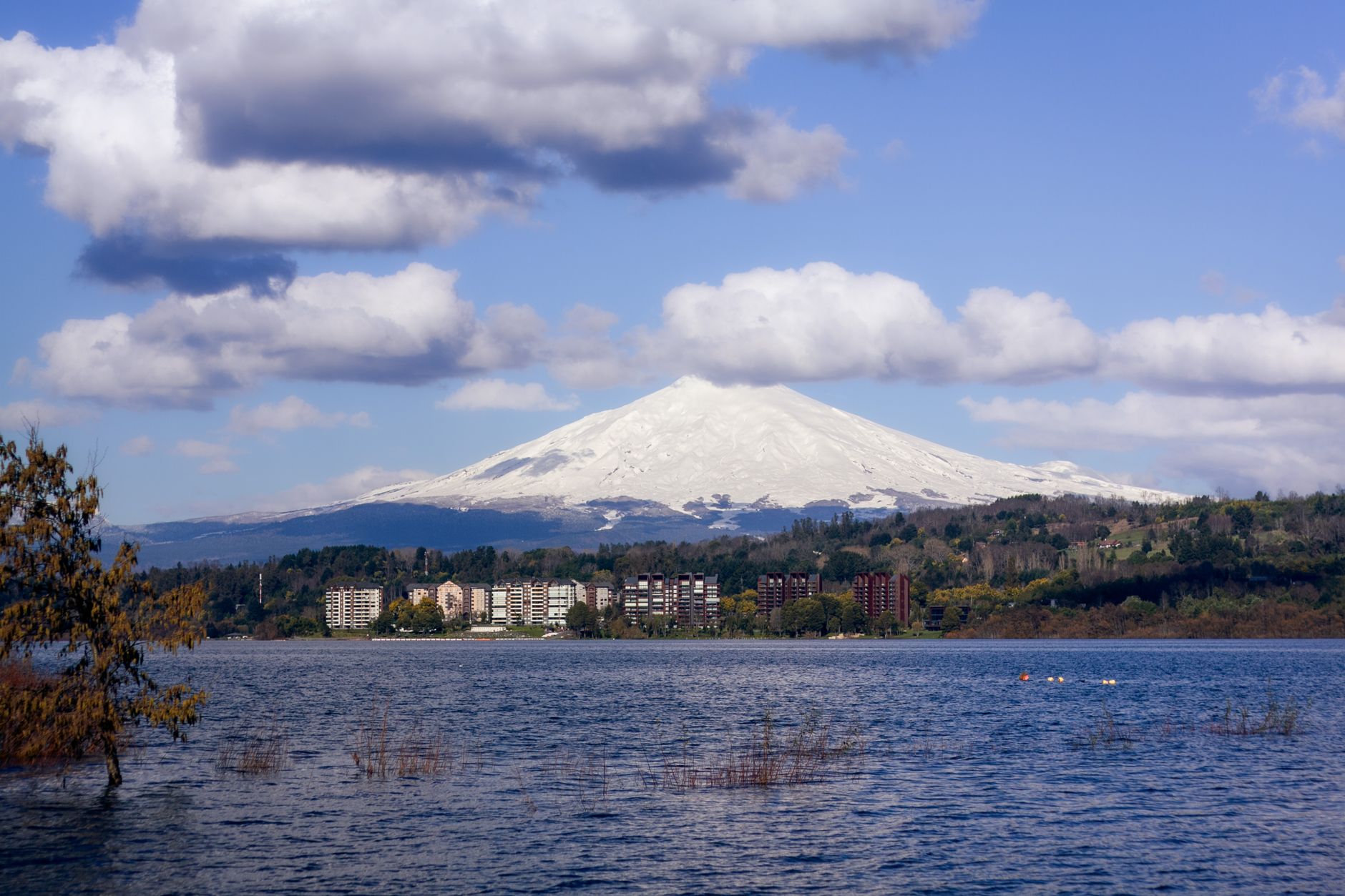
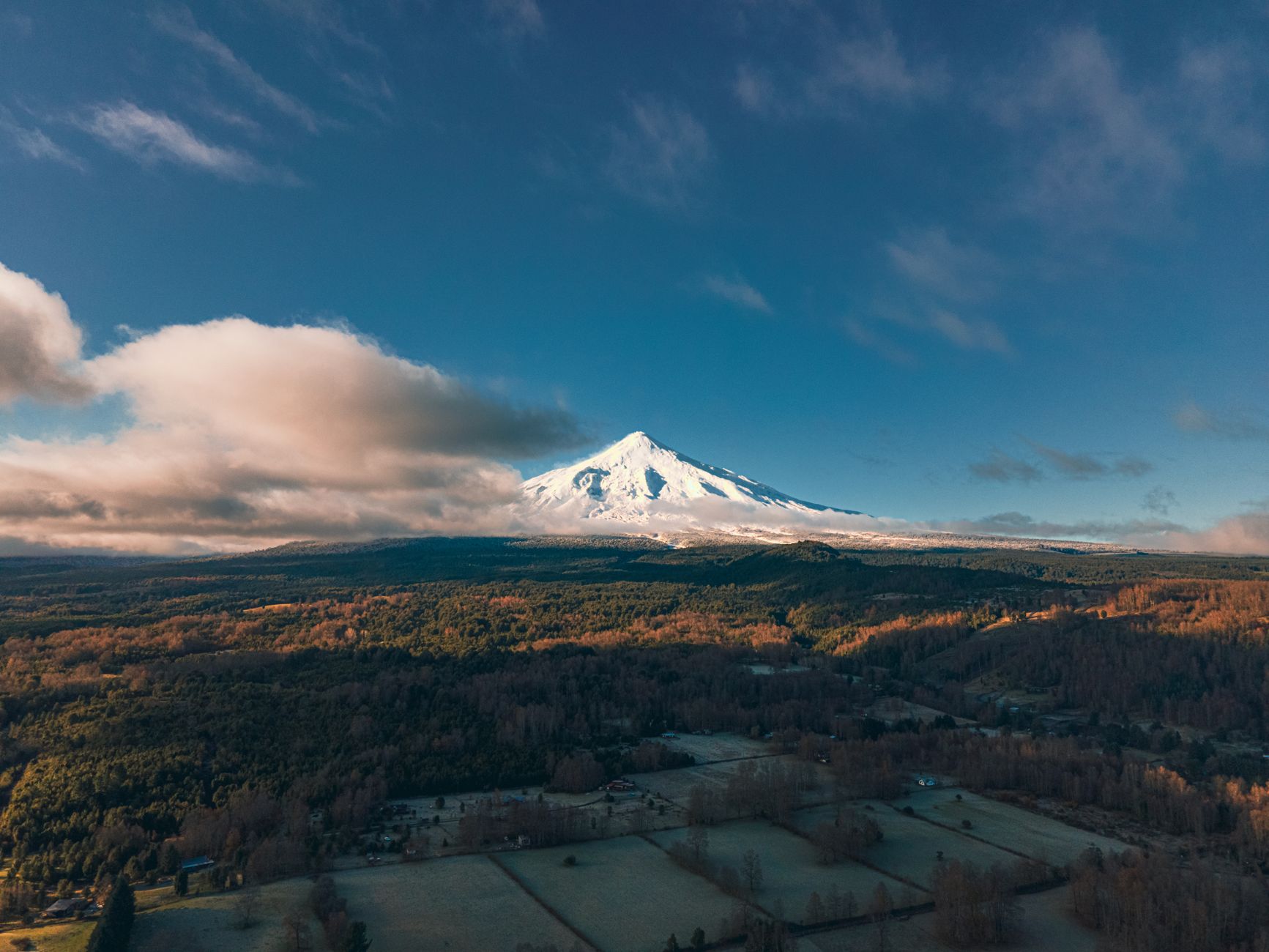
    The Lake District is best from December to March, when long summer days make hiking, kayaking, and volcano-climbing possible. Lakes are warmer, trails are open, and small towns like Pucón and Puerto Varas are full of life and the Termas Geometricas are wonderful during this time. March-April is also beautiful, with autumn colors and fewer crowds. Winter brings more rain, but cozy cabins and hot springs keep it appealing if you don’t mind the weather.

    Valparaíso, just 1.5 hours from Santiago, is a year-round city, but it shines in summer (December-February) with street festivals and sunny days for exploring its hills and murals. Spring and autumn are also great for wandering without the summer crowds. Winter is cooler and wetter, but the city’s café and nightlife culture carries on regardless.

    If you want a balance of good weather and fewer tourists, aim for spring (October-November) or early autumn (March-April) in both regions.

    Month by Month Guide to Chile in 2025

    January

    Top pick: Patagonia is in full swing – long days, open trails, and perfect weather for the W Trek.

    Watch out for: Peak holiday season. Expect higher prices and fully booked buses, flights, and hotels.

    North: Atacama is hot but dry, ideal for stargazing and desert tours.
    Central: Santiago can be scorching; many locals leave for vacation. Wine valleys are sunny and lively.
    South: Patagonia has the best conditions of the year, while the Lake District is buzzing with summer travelers.

    February

    Top pick: Easter Island during the Tapati Festival – a unique mix of traditional dance, music, and competitions.

    Watch out for: Still peak holiday season in Chile. Beaches, Patagonia, and Easter Island are crowded and more expensive.

    North: Atacama stays hot and sunny, though tours and hotels book up fast.
    Central: Santiago empties out as locals head to the coast; Valparaíso and Viña del Mar are packed with summer crowds.
    South: Patagonia is still excellent for trekking, while the Lake District is at its busiest with Chilean vacationers.

    March

    Top pick: Wine harvest season kicks off – perfect time for vineyard tours and vendimia festivals.

    Watch out for: Summer crowds fade, but prices can still be higher early in the month.

    North: Atacama cools slightly but stays dry and sunny.
    Central: Santiago and Valparaíso settle into comfortable weather; vineyards are alive with harvest activities.
    South: Patagonia enters shoulder season – fewer people, slightly cooler, but still great for trekking. The Lake District shows the first hints of autumn colors.

    April

    Top pick: Autumn colors in Patagonia and the Lake District – fiery reds and golds everywhere.

    Watch out for: Shorter days and cooler evenings, especially down south.

    North: Atacama remains dry and sunny, with cooler nights.
    Central: Santiago and the wine valleys enjoy crisp, clear days – harvest festivals are still happening.
    South: Patagonia is quieter but still open; autumn scenery is stunning. The Lake District is calm, with great hiking and fewer crowds.

    May

    Top pick: Bargain season – cheaper flights and hotels almost everywhere.

    Watch out for: Cooler weather sets in, especially in the south, and some Patagonia services begin closing for winter.

    North: Atacama is still sunny and dry, great for year-round travel.
    Central: Santiago has mild days and chilly nights; vineyards are quieter after harvest.
    South: Patagonia winds down with limited access, but the Lake District shines with autumn colors before the rains arrive.

    June

    Top pick: Ski season kicks off in the Andes near Santiago.

    Watch out for: Short days and chilly weather – especially in the south where many services close.

    North: Atacama stays sunny with cold nights, great for stargazing.
    Central: Santiago cools down; ski resorts like Valle Nevado and Portillo open for the season.
    South: Patagonia is mostly shut down, while the Lake District turns rainy but cozy with cabins and hot springs.

    July

    Top pick: Skiing in the Andes – the slopes are at their best this month.

    Watch out for: Chilean school holidays make ski resorts busy and prices higher.

    North: Atacama is crisp and clear with very cold nights, but crowds are minimal.
    Central: Santiago is chilly and sometimes smoggy; ski resorts are packed with local families.
    South: Patagonia remains closed for most travelers. The Lake District is rainy but charming with firesides and hot springs.

    August

    Top pick: Quiet ski slopes in the Andes as the season winds down.

    Watch out for: Still cold and rainy in much of the country, especially in the south.

    North: Atacama stays sunny and dry with chilly nights – great time for photography and stargazing.
    Central: Santiago is cool; ski resorts are less crowded after the school holidays.
    South: Patagonia remains closed, while the Lake District is damp but atmospheric with hot springs and fireplaces.

    September

    Top pick: Fiestas Patrias (Chile’s Independence celebrations) – cue barbecues, dancing, and lots of wine.

    Watch out for: Prices and demand spike around the holiday week (Sept 18–19), so book early.

    North: Atacama is dry and sunny, with slightly warmer nights.
    Central: Santiago and Valparaíso warm up; vineyards turn green again, and festivals take over the cities.
    South: Patagonia starts reopening with early-season treks possible by late September; the Lake District blooms with spring colors.

    October

    Top pick: Patagonia’s trekking season officially begins – trails reopen and crowds are still light.

    Watch out for: Weather can be unpredictable in the south, so pack layers.

    North: Atacama has warm, dry days and clear nights, perfect for stargazing.
    Central: Santiago and the wine valleys enjoy spring sunshine; vineyards look lush and inviting.
    South: Patagonia reopens with longer days and fewer tourists, while the Lake District bursts with spring flowers.

    November

    Top pick: Patagonia’s shoulder season – long days, good trekking weather, and smaller crowds than summer.

    Watch out for: Prices start to climb as high season approaches, so book early if you can.

    North: Atacama stays sunny and dry, with comfortable temperatures for full-day tours.
    Central: Santiago and Valparaíso are warm but not yet scorching; wine valleys are ideal for tours.
    South: Patagonia is in great shape for hiking; the Lake District is green, mild, and lively.

    December

    Top pick: Patagonia is fully open with long summer days – ideal for big treks like the W or O Circuit.

    Watch out for: Prices and demand rise fast over Christmas and New Year, so plan ahead.

    North: Atacama is hot and dry, with clear skies for stargazing.
    Central: Santiago heats up; vineyards are sunny and festive. Valparaíso prepares for its legendary New Year’s Eve fireworks.
    South: Patagonia is in prime season, while the Lake District enjoys warm weather and busy lakeside towns.

    Your Best Month to Go to Chile

    There’s no single “perfect” month – it depends on your plan and budget. Go October-April for Patagonia, March-April or October-November for wine and cities, February for Easter Island’s Tapati Festival, or July if skiing is your goal. The Atacama works almost anytime.

    In short: choose the region first, then the season – and Chile will deliver.

  • Best Chile eSim For Travel in 2026

    Short and sweet: the best Chile eSIM for travel in 2026 is Airalo. I’ve used it myself and it worked perfectly. If you want the details (prices, setup, coverage), keep reading – I’ll explain why Airalo beats the other options.

    This page is the main hub for all Chile eSIM guides on My Chile Travel Guide — provider comparisons, budget picks, and regional coverage for Patagonia, Atacama, and Easter Island.
    Here my quick rating:
    Coverage: 9/10 ⭐⭐⭐⭐⭐
    Speed: 8.5/10 ⭐⭐⭐⭐
    Price/value: 8/10 ⭐⭐⭐⭐
    Ease of installation: 9/10 ⭐⭐⭐⭐⭐

    New to Airalo? Get $3 off this week with code KJ2068. Download the Airalo App now.

    Why use an eSim in Chile for travel?

    When I was 24, the idea of living even one day without internet felt impossible. In Chile I didn’t want to stress about finding a SIM card shop, waiting in line, or getting lost because Google Maps wouldn’t load. I wanted something I could install in minutes, use right away, and trust the same thing millions of other travelers rely on. That’s why I started looking at eSIMs and why I chose Airalo.

    Airalo for you eSim in Chile

    So my experience using it has been great — fast internet, super easy to install, and really solid coverage throughout Chile. I never worried about reliability, and whenever I needed more data, topping up in the app only took a minute. The price felt fair compared to local SIMs, and it worked perfectly on my iPhone without any issues.

    Let’s dive deeper into Chile’s eSim Airalo option.

    Airalo’s internet coverage in Chile

    Overall 9/10. In the cities and towns, I had great coverage everywhere. Only when I was deep into the mountains, or at the Thermen Geometricas for example, I had no coverage.

    eSim Chile internet speed

    Did you know that back in 2022 Chile was ranked as having the fastest internet in the world? That gave me high hopes before I even landed. With Airalo, the speed didn’t disappoint. In Santiago and other big cities, I had no problem streaming YouTube, making video calls, or loading Google Maps instantly. Even in smaller towns, the speed was more than enough for WhatsApp and Instagram.

    Of course, when I went into remote areas (again, like Termas Geométricas), the speed dropped or disappeared – but that’s normal anywhere in Chile. Overall, I’d rate the Airalo speed experience a solid 9/10.

    Airalo eSim Chile cost in 2026

    One of the things I liked about Airalo is the flexibility. There are plenty of data bundles to choose from, depending on how much you use your phone. As of writing this article, the prices range from about €4.50 for 1 GB up to €42.50 for 20 GB. I personally started with the smaller pack of 10GB and then topped up when I needed more.

    Since prices can change, you can always check the most up-to-date offers directly on the Airalo Chile page.

    New to Airalo? Get $3 off this week with code KJ2068. Download the Airalo App now.

    How to install the Airalo eSIM on your phone?

    It’s honestly super simple. The Airalo app walks you through the process step by step, so you don’t have to worry about messing it up.

    In short, here’s what to do:

    1. Download the Airalo app
    2. Choose Chile and pick the data package you want
    3. Install the eSIM (the app shows you exactly how)
    4. Activate the eSIM and turn on mobile data

    That’s it – just a few clicks and you’re connected. I was online in less than 3 minutes after buying my package.

    How do you add more data to your bundle?

    It’s very easy. When I was about to run out of data in Chile, the Airalo app sent me a notification. That was super helpful because I didn’t have to keep checking my data balance. I just opened the app, clicked on my Chile eSIM, and chose how much data I wanted to add to my bundle. The payment went through instantly, and within a minute the new data was added to my account.

    Tip: turn off mobile data for apps you don’t really use while traveling. That way you’ll save data and avoid unnecessary costs.

    Is Airalo compatible with iPhone and Android?

    Short answer: yes. Most new phones already support multiple eSIMs, which means you can add Airalo even if you already have another eSIM installed.

    I used it on my iPhone without any problem. In general, eSIM works on iPhone SE (2020 & 2022), iPhone XR, and anything newer than iPhone 11. On Android, most recent Samsung Galaxy, Google Pixel, and Huawei models also support it.

    If you’re not sure, here’s the full Airalo eSim device list.

    When should you buy your Airalo eSIM?

    I bought my Airalo bundle about three days before departure. That gave me plenty of time to install it on my phone at home, without any stress. As soon as I landed in Chile, I just turned on mobile data and I was online immediately. No hiccups, no hunting for SIM card shops at the airport – just instant internet.

    Is Airalo the Best Chile eSIM in 2026?
    In my opinion, yes. Have I tried every single other eSIM out there? No. But Airalo gives me everything I actually care about: good coverage, fast internet, easy installation, fair pricing, and solid reliability. For me, that’s more than enough.

    New to Airalo? Get $3 off this week with code KJ2068. Download the Airalo App now.

    If you’re traveling to Chile in 2026 and want a simple, stress-free way to stay connected, I’d recommend giving Airalo a try.

    Quick pick: For most travelers, Airalo is the easiest Chile eSIM to set up before you fly. Compare all providers in our full eSIM comparison, see cheapest Chile eSIM plans, or read region-specific guides for Patagonia, Atacama, or Easter Island.

  • Parque Termal Botánico: Complete Guide + Honest Review 2026

    The road started rough and bumpy, and soon we were crawling along the edge of a cliff with a steep drop on our right. Just when it felt a little too sketchy, the view opened up into one of the most beautiful parking spots I’ve ever seen, surrounded by colorful flowers.

    Two locals welcomed us with kind smiles, and from there a wooden stairway led us down through the trees. Hibiscus flowers were everywhere, making it feel like a hidden garden. We dropped our bags at the lockers (already in swimwear underneath) and followed the path down to the pools.

    Parque Termal Botánico in Pucón is basically the answer if you are looking for a botanical thermal park in Chile that still feels local, calm, and a little bit secret. It is not just another hot springs stop near Pucón. It is a hot springs park built around gardens.

    Parque Termal Botánico in Pucón has its charm both in real life and online, their Instagram, Facebook, and TikTok give a taste of the atmosphere even before you arrive.

    If you are searching for termal botanico park photos before deciding, that is actually smart, because this place photographs really well. It is green, colorful, and the pools are spread out in a way that makes it feel bigger than it is.

    My Parque Termal Botánico Review

    Getting to Parque Termal Botánico already felt like part of the adventure, first a bumpy road, then a stretch along a cliff edge with a steep drop on the side. Just when it felt a bit sketchy, the road opened into one of the prettiest parking spots I’ve seen, full of colorful flowers.

    Two locals greeted us with smiles, and a wooden stairway led us down through hibiscus-filled paths to the pools. What makes this place stand out is that it’s not just hot springs, it’s also a garden. Pools are scattered between trees and flowers, with some open-air, some cave-like, and even one inside a glass “crystal palace.”

    The vibe is calm, green, and peaceful, more of a retreat than an adventure. Staff were kind, the setting felt unique, and the balance of water and gardens made it a great memory in Chile.

    If you are reading Parque Termal Botanico reviews or botanical thermal park reviews to decide if it is worth it, here is my honest take: it is one of the most relaxing hot springs near Pucón, and it is also one of the prettiest. The garden part is not a gimmick. It is the whole point.

    This is also why it shows up for searches like pucon botanical garden Chile and jardin botanico de pucon. It is not a classic botanical garden like you might imagine, but it absolutely has that botanical feeling when you walk between flowers and warm pools.

    Still thinking of where to stay in Pucón? Check out our list of the best hotels in Pucón.

    The layout

    Imagine walking down through shaded gardens and between lush trees until you spot the first warm pool glinting through the branches, that’s Parque Termal Botánico. The wooden and gravel paths lead you past flowers, ferns, and greenery, with pools scattered around the park. In total there are ten pools: seven open-air, two tucked away in cavern-like spaces, and one inside a large glass “crystal palace” that feels like soaking in a greenhouse.

    What makes this place different is that it’s not just about the water, it’s also about the gardens. Parque Termal Botánico calls itself the world’s first spa built inside a park, blending wellness with plant conservation. It feels more curated and garden-like compared to the rugged vibe of other hot springs.

    If you are looking for a termal botanico park style experience, this section is the best part: you are not walking from pool to pool on one straight path. You are exploring little corners, warmer spots, quieter pools, and the cave-like ones feel like a mini hideout.

    Facilities are modern and comfortable, with heated changing rooms and showers, though there aren’t that many of them. I’d recommend arriving already in swimwear so you can head straight to the pools, and just shower back at your accommodation afterwards.

    For Parque Termal Botanico photos, the best shots are usually right after you walk down the stairs, then again around the greenhouse pool, and finally near the pools framed by flowers. If you want fewer people in the background, arriving earlier helps a lot.

    Tips:

    One thing to know before you go: there aren’t many showers or changing rooms at Parque Termal Botánico. If you want to save time (and avoid waiting around), I’d recommend changing into your swimwear at home so you can head straight to the pools when you arrive.

    For showers, it’s easiest to rinse off back at your accommodation instead of queuing here. That way you spend more time relaxing in the hot springs and less time dealing with logistics.

    This also answers a super common question people type in Spanish: que incluye la entrada. It includes access to all pools and the garden areas, but it does not include extras like massages or rentals if you need them.

    Practical info

    How much does Parque Termal Botánico cost in 2025?

    The entrance fee depends on age, but tickets are always valid for a maximum of 4 hours:

    • Adults (12+ years old): 40,000 CLP
    • Children (from 3 years old): 30,000 CLP
    • Senior citizens (65+ years old): 30,000 CLP

    The ticket price includes access to all thermal pools, the botanical garden, trails, and facilities. Entrance to the Botanical Garden is also included, so you can enjoy the mix of hot springs and nature in one visit.

    If you are searching Parque Termal Botanico precio or parque termal botanico valor entrada, this is the number most people care about. The big thing to remember is the 4 hour limit, so plan your day around that.

    How many pools does Parque Termal Botánico have?

    Parque Termal Botánico features a total of 10 thermal pools, designed to blend seamlessly with its botanical setting. Most are open-air, while a couple are tucked into cave-like alcoves, and there’s even a beautiful glass-enclosed “crystal palace” pool that brings a greenhouse feel to the garden experience.

    What is Parque Termal Botánico?

    Parque Termal Botánico is a natural hot springs complex just outside Pucón, set in a lush botanical park. Unlike some of the wilder termas, this place feels more like a garden retreat, with flowers, trees, and pools scattered along wooden walkways.

    • Pools – several different hot pools with varying temperatures.
    • Surroundings – tropical plants, hibiscus flowers, and shaded forest areas.
    • Atmosphere – peaceful, family-friendly, and you constantly hear the southing noice of the water rushing next to the thermen.

    It’s a mix of nature and comfort, perfect if you want to soak in warm waters while surrounded by greenery.

    If you are were Googling things like termal botanico pucon, termas botanico pucon, or termas pucon parque botanico, yes, this is the same place. People spell it a bunch of ways, but they mean this botanical thermal park near Pucón.

    What does Parque Termal Botánico mean?

    The name is simple, but it perfectly fits the place:

    • Parque = Park
    • Termal = Hot springs
    • Botánico = Botanical / related to plants

    So, literally: Botanical Thermal Park.

    The name reflects exactly what you’ll find, hot spring pools surrounded by gardens, flowers, and trees.

    What facilities does Parque Termal Botánico have?

    Parque Termal Botánico combines hot springs with a garden atmosphere, giving you both comfort and nature in one place:

    • Thermal pools – 10 in total: seven open-air, two cave-style pools, and one glass-enclosed “crystal palace” pool.
    • Changing rooms – modern and heated, though there aren’t many, so it’s smart to arrive in swimwear.
    • Showers – available, but limited; most visitors prefer showering back at their accommodation.
    • Massage service – available on-site if you want to add extra relaxation to your visit (make sure you reserve a spot for this, when I was there it was already fully booked for the day).
    • Lockers – safe and convenient if you don’t want to leave your things out of sight.
    • Food & drinks – a café/snack bar for tea, coffee, or light meals, plus green areas where you can sit and relax.
    • Botanical gardens & trails – landscaped paths, flowers, and native plants create a park-like feel that sets this place apart.

    Instead of rugged adventure, Parque Termal Botánico is more of a garden retreat with hot springs, blending relaxation, greenery, and modern comfort.

    If you are searching parque termal botanico services, this is basically the list. Pools, lockers, changing rooms, limited showers, cafe, and massage if you book it early enough. It is comfortable, but not a giant resort.

    What should I bring to Parque Termal Botánico?

    Packing light makes your visit easier, but a few things are essential:

    • Swimwear – have it on already so you can jump straight into the pools.
    • Towel – they rent them, but bringing your own is cheaper and more comfortable.
    • Flip-flops or sandals – useful for walking between pools on wet paths.
    • Reusable water bottle – you’ll sweat more than you think, so stay hydrated.
    • Cash – always handy in case card payments don’t work at the café.
    • Plastic bag or dry bag – for carrying your wet towel and swimwear afterwards.
    • Warm layers – even in summer, it cools down quickly once you get out of the water.
    • Snacks – there’s a café, but options are limited and a bit pricey.
    • Insect repellent – since it’s greener and more garden-like, bugs can be around.

    Optional but nice to have:

    • Phone pouch or waterproof case – if you want stress-free photos.
    • Hair tie or cap – keeps your hair out of the hot water.
    • Light rain jacket – in southern Chile, showers can roll in fast.

    💡 Lockers are available for your belongings, but showers and changing rooms are limited. Best tip: arrive already in swimwear and shower back at your accommodation.

    What are the benefits of the thermal waters?

    The pools at Parque Termal Botánico are fed by natural volcanic springs, rich in minerals that people have used for centuries to relax and recharge. A soak here can bring a few noticeable benefits:

    • Muscle relaxation – warm water helps ease sore muscles and stiff joints.
    • Better circulation – moving between warm and cooler pools stimulates blood flow.
    • Skin health – the minerals can gently cleanse and soften your skin.
    • Stress relief – being surrounded by flowers, trees, and quiet water makes it almost impossible not to unwind.

    While it’s not a medical treatment, most visitors leave feeling calmer, lighter, and more refreshed.

    Where is Parque Termal Botánico located?

    Where do you buy tickets (online vs at the entrance)?

    You’ve got two options when it comes to tickets for Parque Termal Botánico, and both are easy.

    • Online – You can reserve and pay ahead through their official portal, which often comes with flexibility and peace of mind.
      • Through their own website: link
      • Get a lift from Pucón: link
    • At the entrance – If you want to play it by ear, you can still purchase tickets in person when you arrive. It’s simple, though queues may vary depending on how busy it is.

    Booking online gives you a head start; buying on-site keeps it spontaneous. Either way, you’ll be stepping into the gardens and warm pools before you know it.

    How long should you stay in the thermal waters?

    It’s easy to lose track of time once you sink into the warm pools, but pacing yourself makes the visit more enjoyable (and healthier):

    • Per pool – about 15–20 minutes is a good rule, especially in the hotter pools.
    • Breaks – step out, cool down, drink water, or just walk through the gardens before moving to the next one.
    • Total visit – most people spend 2–3 hours at Parque Termal Botánico, rotating between pools and relaxing in the garden areas.
    • Listen to your body – if you feel overheated, dizzy, or lightheaded, it’s time to sit down for a break.

    Switching pools, resting, and staying hydrated will keep you feeling refreshed rather than drained.

    How do you get to Parque Termal Botánico?

    Getting there without your own wheels is no problem.

    • GetYourGuide tours – The easiest option is booking a package that includes transport from Pucón and back, plus your entrance ticket. It saves you the hassle of organizing the drive yourself. You can check the options here.
    • Uber – Expect to pay around $10–15 USD for a one-way ride from Pucón.

    If you don’t want to deal with parking, renting a car, gravel roads, or directions, GetYourGuide is the simplest and most stress-free way.

    How does it compare to Termas Geométricas?

    These two hot springs are completely different experiences, each with its own personality.

    Termas Geométricas
    Tucked into a narrow canyon with a forest stream running through it, this place feels dramatic and adventurous. The bright red walkways, designed by architect Germán del Sol, connect around 20 pools that range from pleasantly warm to almost volcanic hot. There are also ice-cold plunge spots and waterfalls if you want the hot–cold contrast. Getting there takes about 1.5 to 2 hours from Pucón on partly gravel roads, so the journey is part of the adventure. Read my full review of Termas Geométricas here.

    Parque Termal Botánico
    Much closer to Pucón, only about 30 minutes away, this place feels more like a botanical garden with hot springs scattered among flowers and trees. There are 10 pools in total, including open-air, cave-style, and a glass-enclosed “crystal palace.” Facilities are more modern, with heated changing rooms, showers, lockers, and a café. The atmosphere is calm, green, and family-friendly.

    Termas Geométricas Parque Termal Botánico
    Vibe Wild canyon, dramatic & adventurous Garden retreat, serene & botanical
    Design Geometric wooden walkways Botanical, greenhouse-style touches
    Pools Around 20, big hot–cold contrasts 10, more relaxed temperatures
    Facilities Basic changing rooms & lockers Changing rooms, showers, café
    Access 1.5–2 hrs from Pucón, gravel roads ~30 min from Pucón, easier drive

    Both are worth visiting, it really depends on what you’re looking for. For drama and design, go to Termas Geométricas. For comfort and garden vibes, Parque Termal Botánico is the better choice.

  • Termas Geométricas: Complete Guide + Honest Review 2026

    So you leave Pucón, hit a bumpy gravel road, dust swirling behind every car, and before you know it you’re parking on the side of a volcano. The drive itself feels endless, but it ends with the perfect reward: overheating and undercooling at Termas Geométricas.

    Termas Geométricas Chile is often called the most iconic geometric hot springs in the country, and after visiting, I completely understand why. Hidden deep inside Villarrica National Park near Pucón, this place feels less like a spa and more like discovering a secret carved into the forest.

    This is my personal take on one of the most iconic hot springs in Chile. Check out my video:

    After visiting Parque Termal Botánico, I was hooked. I wanted more hot springs, but wilder, the kind where you’re surrounded by forest, hearing birdsong and rushing streams, with freezing waterfalls crashing beside steaming pools. And yes, no internet connection, which honestly makes it even better.

    When we finally arrived at Termas Geométricas, my first thought was: do the people working here actually make this crazy drive every single day?

    My Termas Geométricas Review

    It’s hard to put Termas Geométricas into words because it’s even more beautiful than the photos could ever show. If you’ve been scrolling through Termas Geométricas photos online wondering whether it really looks like that in real life, yes, it does. Maybe even better. For me, it’s probably the #1 place in Chile where human design blends perfectly with wild nature, those red walkways don’t feel artificial at all, they feel like they’ve always been there.

    Then came the pools. The cold pool was way colder than I ever imagined (think glacier water), and the hot pool was way hotter than expected, stepping into 46° feels like your skin is about to melt, but in the best possible way.

    What I loved most was the space. With so many pools spread out, it never felt crowded or overwhelming. Add in the forest setting, the drive through lakes and volcanoes, and the genuinely kind staff welcoming you at the entrance, the whole experience felt special from start to finish.

    If you’re reading Termas Geométricas reviews trying to decide if it’s worth it, my honest opinion is simple: it’s one of the most unique thermal spas in Chile, and absolutely worth the journey.

    Honestly? One of my funnest memories in Chile.

    The layout

    Imagine stepping into the forest and suddenly finding a bright red wooden walkway leading you deeper between trees, rocks, and streams. That’s Termas Geométricas. The entire hot springs complex is connected by these long boardwalks, stretching almost 450 meters, with pools branching off on both sides.

    As you walk along, you’ll pass steaming pools of different shapes and sizes — some tucked in quiet corners, others right next to the sound of rushing water. Halfway through, there’s even a freezing waterfall cutting through the middle of it all. At the very top, the path ends at a natural ice-cold pool fed straight from the mountain.

    This geometric design is exactly where the name comes from. These are literally geometric hot springs, straight red lines cutting through wild green forest, sharp angles meeting volcanic steam. It’s architecture and nature colliding in the best way.

    The design makes it feel like an adventure trail rather than a spa: you wander, discover, and choose your own spot to relax. It’s part wild nature, part geometric design, and completely unique.

    🎥 Watch the video below for a first impression of the layout before you go.

    Still thinking of where to stay in Pucón? Check out our list of the best hotels in Pucón.

    Important to know: Termas Geométricas is not a hotel. There are no on-site rooms or cabins inside the hot springs complex. It’s a day-use thermal spa, which is why most visitors stay in Pucón, Coñaripe, or nearby lodges and drive in for the day.

    Practical info

    How much is the entrance fee to Termas Geométricas in 2026?

    The entrance fee to Termas Geométricas isn’t a flat price, it depends on a few things:

    • Time of entrance (morning, afternoon, or evening session)
    • Long weekends and holidays (expect higher demand and slightly higher prices)
    • Where you book, direct on the official website, or through a tour operator (those often include transport)

    In general, you’ll pay somewhere between $45–50 USD per person if you book through their official website.

    Tickets for Termas Geométricas can usually be purchased directly via their official site, and during high season it’s highly recommended to book in advance. Searching for Termas Geométricas tickets last minute in summer can mean limited availability.

    Check current prices on their official website.

    What does Termas Geométricas mean?

    The name isn’t random, it actually makes sense once you see the place.

    • Termas = Hot springs (Spanish)
    • Geométricas = Geometric (Spanish)

    Why “geometric”?

    • The pools are connected by a long red wooden walkway, built in straight lines and sharp angles.
    • Everything feels designed around geometry, contrasting with the wild natural setting.
    • The architect ‘Germán del Sol‘ wanted to blend human design with nature, and that’s where the name comes from.

    So basically: Geometric Hot Springs.

    What should I bring if I go to the hot springs?

    Pack light, but don’t forget the essentials, it makes your visit way more comfortable:

    • Swimwear – obvious, but easy to forget if you come straight from hiking.
    • Towel – they rent them, but bringing your own is cheaper and nicer.
    • Flip-flops or sandals – the red wooden walkways get slippery (and sometimes hot).
    • Water bottle – the hot pools dehydrate you fast.
    • Cash – small shops or the entrance sometimes prefer it, especially if cards act up.
    • Plastic bag or dry bag – for your wet towel and swimwear afterwards.
    • Warm layers – once you get out of the water, the mountain air is chilly.
    • Snacks – especially something salty, since you’ll sweat a lot. There’s a café on-site, but it’s a little bit pricey and the options are limited.
    • Phone pouch or waterproof case – if you plan on taking photos without stressing about dropping it.

    Optional but nice to have:

    • Hair tie or cap – keeps your hair from soaking in the mineral water all day.
    • Light rain jacket – it’s the south of Chile, sudden rain showers are normal.

    💡 Lockers are available to keep your things safe, just note you’ll need to leave an ID card or even your glasses as a deposit for the key.

    What are the facilities at Termas Geométricas?

    Termas Geométricas has everything you need for an amazing experience at one of the most iconic hot springs in Chile:

    • Changing rooms – simple but practical, with benches and hooks.
    • Lockers – keep your stuff safe (you’ll leave an ID card or glasses as a deposit for the key).
    • Food & drinks – there’s a small café/snack bar where you can grab tea, coffee, or something light to eat.
    • Walkways & design – the long red wooden walkways are more than just paths; they’re part of the experience, connecting all the pools and giving the place its unique “geometric” character.

    So while it’s all pretty minimal, the mix of forest, hot springs, and clever design is exactly what makes Termas Geométricas special.

    How long should you stay sitting in thermal waters?

    It’s tempting to sink in for hours, but pacing yourself makes the experience much better (and safer):

    • Recommended time – about 15–20 minutes per pool, especially the hottest ones should be shorter (up to 46°).
    • Cool-down breaks – step out, walk the wooden paths, drink some water or dip in the icy waterfall before getting back in.
    • Total visit – most people spend 2–3 hours at Termas Geométricas, moving between different pools.
    • Listen to your body – if you feel dizzy, overheated, or lightheaded, get out, sit down, drink water, and cool down.

    Switching between hot and cold, resting, and staying hydrated makes the whole day more enjoyable.

    How long does it take from Pucón to Termas Geométricas?

    The drive from Pucón to Termas Geométricas takes about 1 hour 45 minutes to 2 hours, depending on traffic and road conditions.

    • You start in Pucón, right next to Lago Villarrica, and head south.
    • The road winds past Lago Calafquén until you reach the small town of Coñaripe.
    • From Coñaripe, the paved road ends and you hit the gravel track: dusty, bumpy, and slower.
    • the last stretch climbs into the forest and finally drops you at the hot springs parking lot, tucked into the base of the Quetrupillán volcano.

    If you’re searching for geometric hot springs from Pucón, this is the route. There is no direct public bus, which is why most visitors either rent a car or book a Termas Geométricas tour that includes transport and tickets.

    It’s a bit of a mission, but the mix of lakes, mountains, and forest makes the drive part of the adventure.

    How many pools does Termas Geométricas have?

    Termas Geométricas isn’t just one pool, it’s a whole network of hot springs and a ice cold natural water pool.

    • 20 pools in total
    • Temperatures range from 35° to 46° Celsius (95°–114.8° Fahrenheit)
    • Pools are spread out along the red wooden walkways, each with a different size, depth, and heat level
    • Some are steaming hot, others pleasantly warm — you can move around until you find your favorite
    • If you walk all the way to the top, you’ll even find ice-cold pools fed directly by mountain water (I jumped in once and almost got hypothermia)
    • This variety is one of the reasons Termas Geométricas Chile stands out among other hot springs near Pucón. You’re not stuck in one pool, you explore, switch, cool down, and heat up again
    • Right in the middle of the baths there’s also a freezing waterfall, perfect if you want the full hot–cold contrast.

    Switching between boiling pools and icy water is part of the fun, and kind of a shock therapy, just make sure to drink plenty of water and take it slow, especially when stepping out of the hottest pools (up to 46°).

    What happens if it rains or snows at the hot springs?

    Bad weather doesn’t ruin Termas Geométricas, it actually makes it even more magical.

    • Rain – soaking in steaming pools while raindrops hit the surface is a pretty unique experience. The wooden walkways can get slippery, so flip-flops are useful.
    • Snow – yes, they’re open in winter, and it’s unforgettable. Sitting in 40° water while snow falls around you feels surreal (just keep a towel and warm layer close by for when you get out).
    • Year-round access – Termas Geométricas is open in all seasons, though winter road conditions can make the drive slower and trickier.

    If you’re wondering whether Termas Geométricas is open in winter, the answer is yes. In fact, many visitors say snow days are the most atmospheric.

    So don’t cancel if the forecast looks bad, rain or snow just adds to the atmosphere.

    What’s the benefit of the water at Termas Geométricas

    The pools at Termas Geométricas aren’t just hot, the water comes straight from underground volcanic springs and is packed with minerals. Locals (and science) say soaking here can do a few good things for your body:

    • Muscle relaxation – the heat soothes sore muscles and joints, perfect after hiking or long drives.
    • Improved circulation – alternating between hot pools and the icy waterfall gives your blood vessels a workout.
    • Skin benefits – the mineral-rich water may help cleanse and soften your skin.
    • Stress relief – being unplugged in the middle of the forest, with the sound of rushing water, is therapy in itself.

    While it’s not a medical treatment, most visitors leave feeling lighter, calmer, and more energized.

    How can I get to Termas Geométricas without a car?

    Getting to Termas Geométricas can feel tricky without your own wheels, but there are a few good options:

    Option 1: Hiking from Pucón to the Termas – this is the hardcore route. It’s a long and challenging hike, but if you’re into adventure, the thought of walking through forest and mountains only to end up soaking in volcanic hot springs is pretty amazing. It has great reviews from hikers who’ve done it, and it’s definitely for those who want the journey to be as memorable as the destination. (link).

    Option 2: Car lift from Pucón to the Termas (tickets included) – some tour operators offer packages where you get transport plus entrance tickets in one. It’s a stress-free option if you don’t want to drive yourself. Disclaimer: I haven’t taken this option personally, but it looks convenient if you’re short on time. 2 hours drive, 4 hour at the termen (tickets included) and 2 hours drive back (link).

    Option 3: Rent a car in Temuco and drive yourself, this is what I did, and honestly, I recommend it if you enjoy road trips. Picking up a rental in Temuco gives you the freedom to explore lakes, small towns like Coñaripe, and stop for views along the way. The drive itself, paved roads, dirt tracks, forest climbs, is part of the adventure (link).

    If you don’t feel like dealing with the gravel road, booking through TripAdvisor is the easiest way. They have multiple options and handle the logistics, so you can just sit back, enjoy the ride, and hop straight into the pools.

    Would I recommend Termas Geométricas to friends, family and strangers?

    1000% yes. If someone asked me for just one hot spring in the Chile Lake District, this would be it. The mix of steaming pools, icy waterfalls, forest all around, and those bold red walkways makes it unlike anywhere else I’ve ever been.

    I’d tell my friends and family to go for the space and the calm, it never felt overcrowded. And to strangers? Same answer. Even if you’re not usually a “hot springs person,” Termas Geométricas is one of those places that surprises you.

    If you’re comparing Pucón hot springs and trying to choose just one, this is the one I’d pick.

    For me, it’s the perfect blend of adventure, design, and relaxation. 100% worth the journey to get there.