Author: Jan

  • Hotels in Panguipulli (2026 Edition)

    Hotels in Panguipulli (2026 Edition)

    Hotels in Panguipulli: Lake District Bases for a Calmer Stop.

    Jan & Valeria. We travel to Chile often and love sharing tips to help you experience this beautiful country.

    Affiliate disclosure: some links below (including Booking.com and Airalo) may earn us a commission at no extra cost to you. We only recommend what we would use ourselves.

    Panguipulli is a quieter Lake District pause than Puerto Varas or Pucón. Travelers use it as a lakeside overnight, a Huilo-Huilo area gateway, or a softer night between bigger bases. The hotel decision is simple: sleep well, keep dinner practical, and do not overcomplicate a one- or two-night stop.

    Our short answer: Book a Booking.com 8.0+ hotel near the lake or town center, confirm parking if you are self-driving, and keep the stay flexible enough that weather can reshape tomorrow.

    For the wider region, see our Lake District itinerary for couples, Puerto Varas hotels, and Pucón hotels. Driving context: driving in Chile.

    Getting to Panguipulli: Road and Transfer Logistics

    Hotels in Panguipulli (2026 Edition)

    Panguipulli sits in Chile’s Lake District on the eastern side of the lakes, roughly halfway between busier hubs like Pucón and the Huilo-Huilo reserve area. Most visitors arrive by rental car on a self-drive loop. That is how we would plan it: pick up a car in Temuco or Puerto Montt, drive the lakes at your own pace, and treat Panguipulli as a calmer overnight between bigger adventure bases.

    Roads in this region are generally manageable for confident drivers, but weather shifts quickly and mountain passes deserve respect. Read our driving in Chile guide before you commit to a tight one-night dash. Parking at your hotel matters here. Confirm it when you book, especially at smaller boutique properties.

    Public transport exists, but bus schedules are not as tourist-convenient as Santiago or Puerto Varas. If you are not driving, build extra buffer time and choose a central hotel like Hostal Central or Hotel 381 where town access on foot is simple.

    When to Book Panguipulli Hotels

    Panguipulli is not a high-pressure booking market like Santiago or San Pedro, but summer weeks (January and February) and long holiday weekends still fill the best-scoring rooms. We book once our Lake District driving order is sketched, usually with free cancellation until the route is final.

    Because most travelers stay only one or two nights, a single well-rated hotel decision matters less than getting parking, breakfast timing, and the next day’s drive right. Book early if you are traveling during Chilean school vacation peaks. Otherwise, a few weeks ahead is often enough for the properties below.

    When Panguipulli Makes Sense
    Hotels in Panguipulli (2026 Edition)

    Choose Panguipulli when you want a calmer lake night, a logical stop on a self-drive loop, or access toward Huilo-Huilo without treating every night as a Pucón logistics puzzle. Skip it if your trip only has two Lake District nights total. In that case, Puerto Varas or Pucón usually delivers more for limited time.

    Valeria’s family still talks about this stretch of lakes the way Santiago guidebooks talk about neighborhoods: not as a single attraction, but as a rhythm. Slower mornings, fish or lake trout on menus, and roads that reward drivers who are not in a hurry. That is the tone we want from a Panguipulli hotel night. Comfortable, unhurried, and practical.

    Summer (December through February) brings the most reliable weather for driving loops, but also more local traffic on holiday weekends. Shoulder months like November or March can be excellent if you pack rain layers and keep tomorrow’s plan flexible. Winter travel is possible for experienced drivers, but mountain visibility and road conditions matter more than hotel discounts.

    What to Pack for a Lake District Overnight

    Panguipulli nights are milder than Patagonia or the high desert, but lake weather still changes fast. Rain gear belongs in the car even when the afternoon looks perfect. We pack a light fleece, waterproof shell, and comfortable shoes for town walks along the waterfront.

    • Driving day essentials: downloaded offline maps, charger, water, snacks for rural stretches
    • Evening comfort: casual dinner outfit; towns here are relaxed, not dressy
    • Insect backup: light repellent near lake margins in warmer months
    • Swim option: if your hotel or route includes hot springs or a lake stop, pack a suit and a small towel

    Keep tomorrow’s luggage accessible. A one-night stop should not mean unpacking the entire trunk.

    Hotels We Would Book in Panguipulli

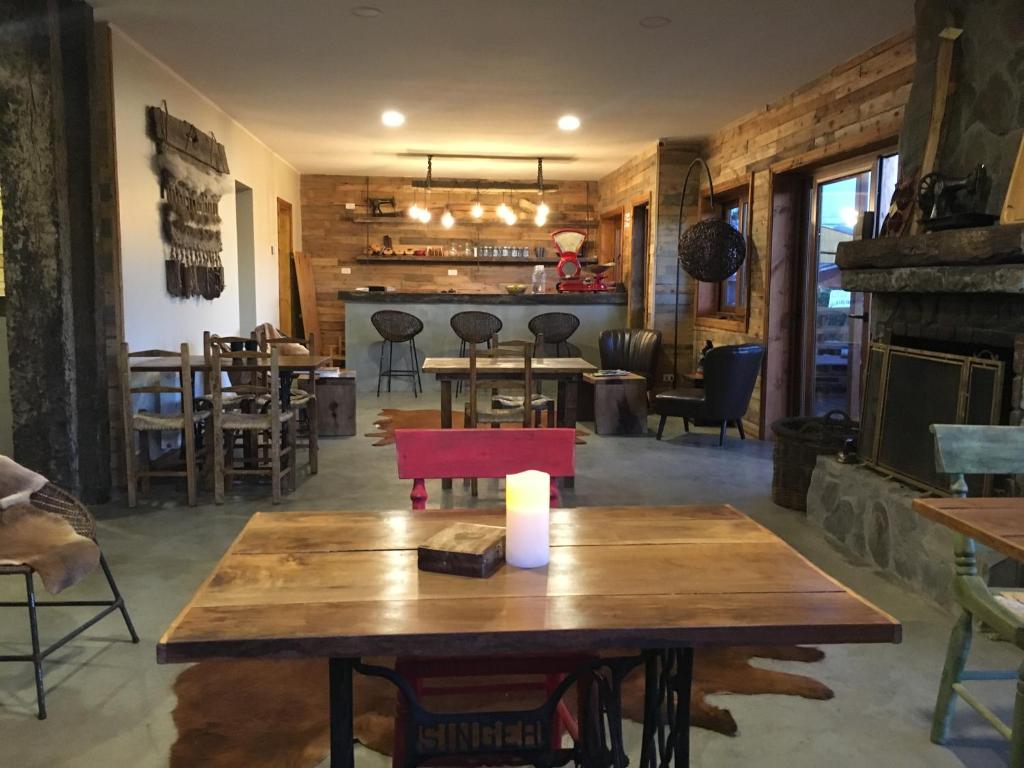
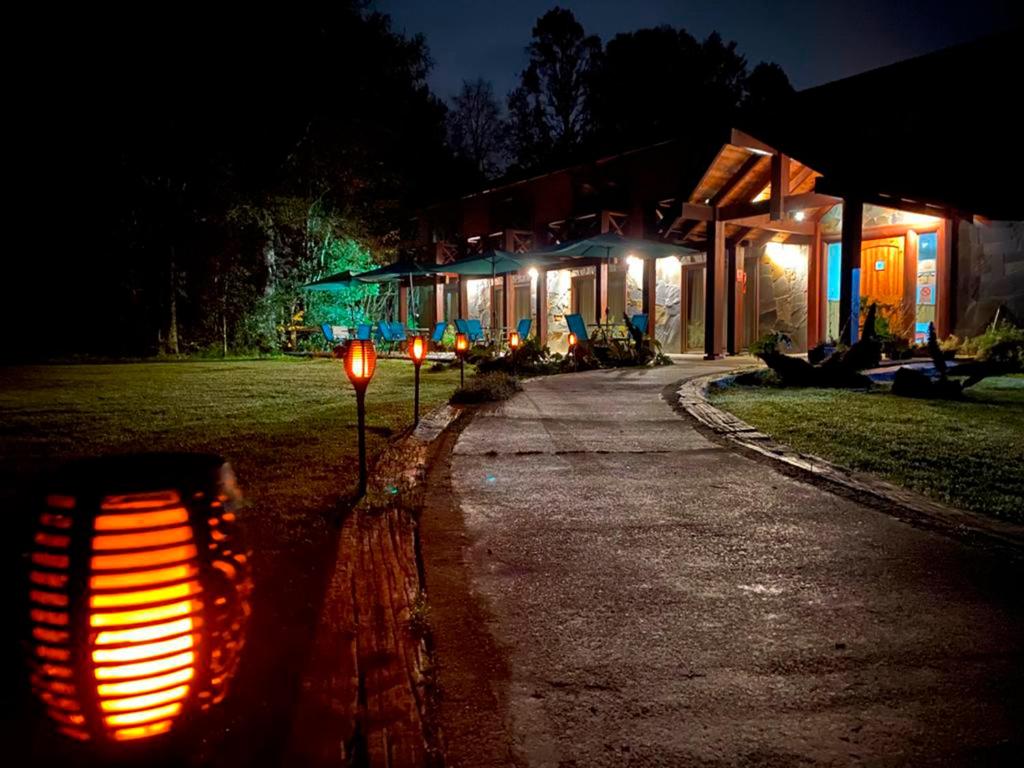
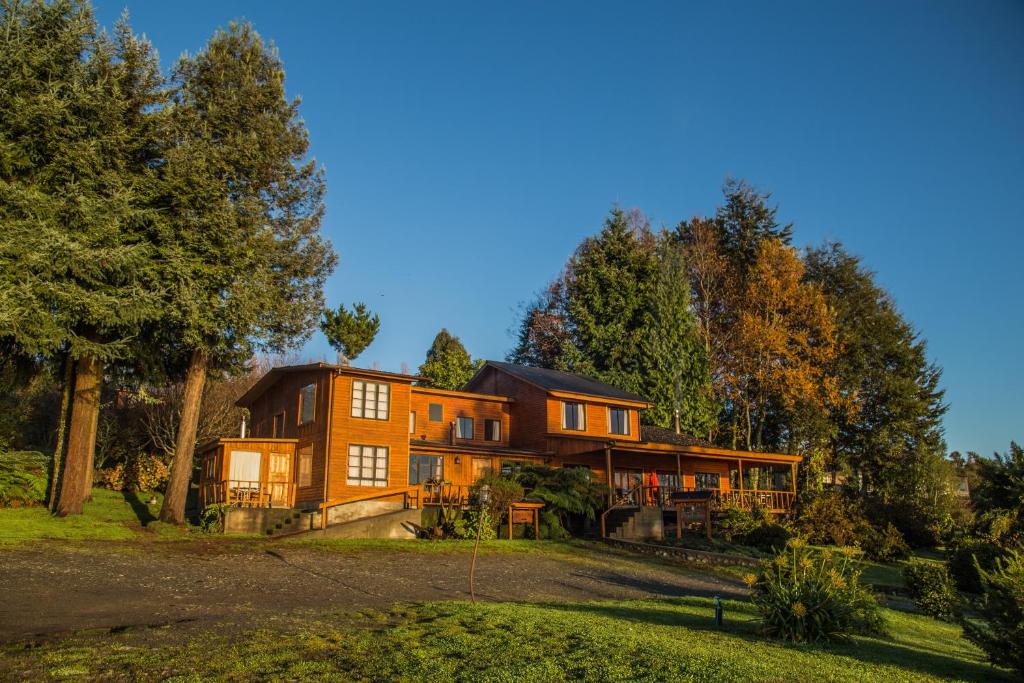
    Five Booking.com 8.0+ options below, formatted like our Santiago hotel cards with Booking photos and clear CTAs.

    Hotel Los Ríos
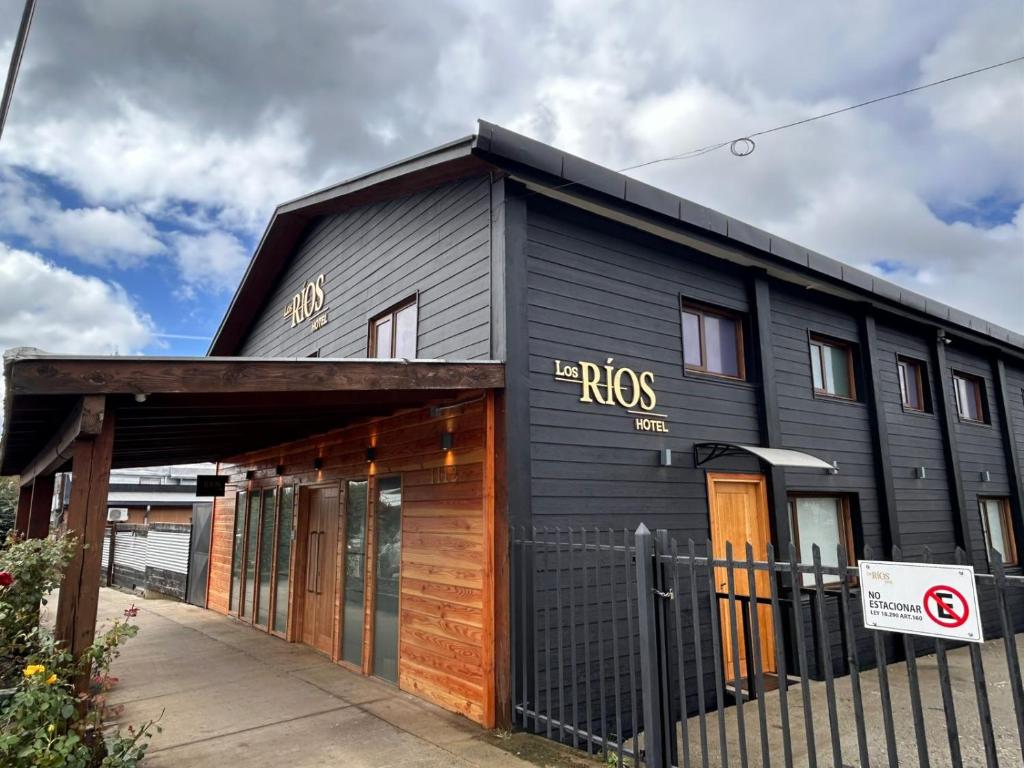
    Panguipulli Chile hotel Hotel Los Ríos

    Hotel Los Ríos is our first shortlist hotel when we want a proper hotel base in town. Located in Panguipulli.

    Strong guest scores and straightforward logistics for a one-night or two-night stop. Good default if you arrive tired from a drive.

    • Booking.com score 9.3
    • Hotel-style convenience
    • Practical town base

    Best for self-drivers who want an easy, highly rated Panguipulli hotel.

    👉 Check availability here

    Hotel 381 Panguipulli

    Panguipulli Chile hotel Hotel 381 Panguipulli

    Hotel 381 Panguipulli is a high-scoring in-town option with a clean, modern feel in recent guest feedback. Located in Panguipulli.

    Useful when you want reliability over a remote cabaña hunt. Confirm parking and breakfast timing if you have an early exit.

    • Booking.com score 9.1
    • In-town location
    • Strong recent reviews

    Best for travelers who want a simple modern hotel night.

    👉 Check availability here

    Hotel Boutique Ecoterraverde

    Panguipulli Chile hotel Hotel Boutique Ecoterraverde

    Hotel Boutique Ecoterraverde suits travelers looking for a boutique-scale stay with strong scores. Located in Panguipulli.

    A nicer pause when the Lake District night should feel intentional. Good for couples stretching the route beyond the usual bases.

    • Booking.com score 9.0
    • Boutique atmosphere
    • Strong for couples

    Best for couples who want a more characterful Panguipulli night.

    👉 Check availability here

    Apart hotel Puchaley Lafquen

    Panguipulli Chile hotel Apart hotel Puchaley Lafquen

    Apart hotel Puchaley Lafquen works when you want apartment-hotel space and a high guest score. Located in Panguipulli / lake area.

    Helpful for longer evenings in, or travelers who like a kitchenette option. Check exact unit reviews for lake access and heat.

    • Booking.com score 8.8
    • Apart-hotel flexibility
    • Good for self-catering nights

    Best for independent travelers who want space and a solid score.

    👉 Check availability here

    Hostal Central Panguipulli

    Panguipulli Chile hotel Hostal Central Panguipulli

    Hostal Central Panguipulli is a well-reviewed central hostal-style base when you want walkable town access. Located in Panguipulli center.

    Not a luxury pick, but the scores are strong for a practical overnight. Choose it when location and value lead.

    • Booking.com score 9.2
    • Central location
    • Practical short stop

    Best for travelers who want a central, highly rated budget-friendly overnight.

    👉 Check availability here

    Common Mistakes on a Panguipulli Stop

    • Treating it like a second Pucón. Panguipulli is quieter by design. Expect a lake pause, not nonstop adventure booking offices.
    • Skipping parking confirmation. Self-drivers should verify spaces before arrival, especially at boutique properties.
    • Over-scheduling the next morning. Weather and road conditions can slow departures toward Huilo-Huilo or Puerto Varas.
    • Adding the stop on a two-night Lake District trip. Limited time is better spent in Puerto Varas or Pucón.
    • Ignoring breakfast hours. Early exits need a hotel that actually serves (or packs) breakfast on time.

    Used correctly, Panguipulli lowers the pace of a driving loop. Used incorrectly, it becomes a detour that steals time from the regions you came for.

    Pairing Panguipulli With Nearby Days

    We slot Panguipulli into Lake District loops that already include Puerto Varas and/or Pucón. A sample self-drive rhythm: arrive Puerto Varas (2 to 3 nights) for Osorno views and relaxed dinners, drive toward Panguipulli (1 night) as a gateway toward Huilo-Huilo rainforest trails, then continue to Pucón (2 to 3 nights) for volcano hikes and hot springs. Our Lake District itinerary for couples shows how we think about that pacing.

    Day trips from Panguipulli can include lake viewpoints, local markets, and forest walks depending on season. We do not treat the town as a base for five nights. It is an intentional breather. Pair your hotel choice with tomorrow’s drive: Hotel Los Ríos or Hotel 381 if you want straightforward town logistics, Ecoterraverde if the night should feel like a mini splurge, Apart hotel Puchaley Lafquen if you want kitchen space and lake-area quiet.

    If you are comparing bases, read our Puerto Varas hotels and Pucón hotels roundups for the multi-night stays that anchor most trips. Panguipulli fills the gap between them.

    Practical Tips for a Panguipulli Night

    • Book with free cancellation when your Lake District order is still fluid
    • Confirm parking if you rented a car
    • Do not overpack the next day if weather looks unstable
    • Keep Puerto Varas or Pucón as your main multi-night bases on short trips
    • Ask your hotel about dinner recommendations if you arrive after dark; options are more limited than in Puerto Varas
    • Fill the gas tank before remote stretches toward Huilo-Huilo or back toward Pucón

    One night is usually enough. Two nights only makes sense if you are deliberately slowing down or using Panguipulli as a Huilo-Huilo base without wanting to stay inside the reserve area itself.

    We hope this helps you place Panguipulli correctly on a Chile map. Use it as a calm lake stop, book one of the high-scoring stays above, and keep the bigger adventure nights where they belong. When the route is right, one quiet evening on Lago Panguipulli can be the moment the Lake District stops feeling rushed and starts feeling like a vacation.

  • Chile First Week Checklist (2026 Edition)

    Chile First Week Checklist (2026 Edition)

    Chile first-week checklist: safety, stay, connectivity, bookings.

    Chile First Week Checklist.

    Jan & Valeria. We travel to Chile often and love sharing tips to help you experience this beautiful country.

    Affiliate disclosure: some links below (including Booking.com, Airalo) may earn us a commission at no extra cost to you. We only recommend what we would use ourselves.

    Your first week in Chile should reduce anxiety, not create a scavenger hunt. We have watched friends land with genius flight deals, zero hotel booked east of Centro, no data plan, and a spreadsheet of five regions they cannot possibly reach. The trip still becomes magical. It just starts with unnecessary stress. This checklist is what we send before they fly: safety neighborhoods, a booked hotel, connectivity, and one clear region plan beyond Santiago.

    Checklist we give friends

    Chile first-week checklist: safety, stay, connectivity, bookings

    Everything below expands those four lines into what they mean in practice.

    Before you book flights: pace the country

    Chile is long and thin on the map, which tricks people into over-ambition. Two regions deep beats five regions wide. Our favorite first trips pair Santiago with either the Lake District or wine country, or Santiago with Atacama if desert light is the dream. Patagonia deserves its own trip energy, not a squeezed appendix.

    If you have seven to ten days total, protect at least three Santiago nights or two plus one wine valley night. Rushing the capital teaches you nothing except traffic regret.

    Safety mindset (not fear)

    Chile first-week checklist: safety, stay, connectivity, bookings

    Chile is a mainstream tourism destination with normal city caution. We never felt unsafe when we followed boring rules: east-side hotels, ride apps at night, phones pocketed on busy sidewalks, no flashy jewelry on Metro day. Read is Chile safe? for the full calm breakdown.

    Neighborhood choice matters more than martial arts skills. Safest neighborhoods in Santiago explains why we sleep in Providencia, Las Condes, or Vitacura for first trips. Centro is fine by day. Overnight elsewhere.

    What Valeria says: My family still tells visitors the same thing: sleep east, eat well, do not wander empty parks late at night, and you will feel the country the way we feel it. Chile is not scary. It is just a real city with real habits.

    Book Santiago before you obsess over day trips

    A confirmed hotel removes half of arrival-day stress. Use Santiago hotels to compare Providencia walkability versus Las Condes polish. Book flexible rates until flights are firm, then tighten cancellation rules when you are sure.

    Ask for quiet floors at check-in. First-week sleep sets the tone for everything after.

    Connectivity on day zero

    Install Airalo at home on Wi-Fi. Activate when you land. Your first ride from SCL, hotel check-in, and banking codes should not depend on airport generosity. Full routine: stay connected guide. If Atacama is region two, also skim Atacama desert eSIM expectations.

    Download offline maps for Santiago and your second region. Screenshot confirmations. Carry a power bank.

    Money, cards, and small paperwork

    Tell your bank you are traveling. Chile is card-friendly in cities; cash still helps for small vendors and tips. We carry two cards split between wallets. Passports stay in hotel safes when possible; carry a copy image offline.

    Travel insurance is a personal call we increasingly make yes on for remote regions and rental cars. Read policy fine print for altitude or adventure exclusions if you are heading to Atacama or volcano country.

    Region two decision tree

    Wine country: Best for couples who want tastings, valley hotels, and easy drives from Santiago. Pair with our wine country itinerary for couples.
    Lake District: Best for hot springs, volcano views, and lake pace. Sleep Pucón or Puerto Varas, not both unless you have time.
    Atacama: Best for desert light and guided early tours. Fly Calama, not drive from Santiago.
    Patagonia: Best when you accept domestic flights and weather variables. Not a first-week side quest from Santiago.

    Transport inside week one

    Santiago: Metro and ride apps. Wine country or Lake District loops: rental car after a rested morning, with driving in Chile for tourists read first. Know the tire-puncture distraction scam on highway pullouts. Trunk bags, lock doors, stay alert.

    Do not pick up SCL rental cars on jet-lagged arrival night unless your itinerary truly demands it. Sleep east, then drive.

    Reservations worth making early

    Santiago hotels, domestic flights south or north, popular wine lunches, Termas Geométricas-style timed entries if Lake District is on the map, and one or two special dinners. Chileans eat late. Weekend tables fill. Shoulder season is more forgiving, but Easter and January still punish procrastinators.

    We do not invent exact ticket prices here. Check live sites before you pay.

    Packing without overthinking

    Layers beat a single heavy coat. Sun protection matters at altitude and on wine patios. Comfortable shoes for Santiago hills and Valparaíso stairs if you day-trip. Full list: Chile packing list. Mistakes to skip: Chile travel mistakes.

    Sample first-week skeleton

    • Day 1: Land SCL, activate eSIM, transfer east, early dinner, sleep.
    • Day 2: Santiago museums on Metro, neighborhood walk.
    • Day 3: Valparaíso day trip or Cajón del Maipo depending on energy.
    • Days 4–5: Wine overnight or start Lake District flight south.
    • Days 6–7: Second region depth, not a third region teaser.

    Swap days freely. The principle is alternating city and escape, not collecting regions like stamps.

    What we do not do in week one

    We do not book five hotels in four communes. We do not drive Patagonia from Santiago. We do not skip data plans because “Wi-Fi exists.” We do not stay in Centro overnight just to save money. We do not ignore altitude if Atacama is day three after sea level.

    Arrival day rhythm at SCL

    Immigration, baggage, eSIM activation, and transfer east should be the only goals on day one. We do not schedule fancy dinners or long museum blocks after an overnight flight. A shower, a neighborhood walk, and a reasonable bedtime beat heroic sightseeing that makes day two useless.

    Keep passport copies and insurance PDFs in the same offline folder as hotel confirmations. First-week chaos drops when everything lives in one place on the phone you already activated.

    Health basics without medical overreach

    We are travel writers, not doctors. Still, week one sets habits: sunscreen at altitude, water on wine days, sensible alcohol pacing with late dinners, and listening to your body on first hikes. If Atacama is in the plan, build a gradual altitude story instead of racing to the highest viewpoint on day two.

    Language and courtesy

    Basic Spanish greetings open doors. “Hola,” “por favor,” and “gracias” cost nothing. Chilean Spanish is fast; patience helps. Translation apps work fine on the eSIM you installed. We download Spanish offline packs before the flight as backup.

    When things go wrong anyway

    Flights delay. Bags wander. Cards flag fraud. The first-week checklist is not a guarantee of perfection. It is a stack of decisions you already made so you can solve problems from a hotel room with working data instead of from a panic tab at midnight. Call the bank, message the airline app, ask the front desk for help. Chile rewards calm adults.

    La once and dinner timing

    Chileans often eat a late afternoon snack, la once, before a later dinner. Tourists who skip lunch and arrive starving at 7 p.m. wonder why tables feel empty. Adjust your rhythm: substantial lunch, light once, reservation at 8:30 or 9 p.m. Your first week feels more local when you stop fighting the clock.

    One splurge decision

    Pick one splurge lane for week one: a special dinner, a better hotel room category, or a guided tour you would regret skipping. Trying to splurge everywhere dilutes the magic and blows the budget. We usually splurge on sleep quality east in Santiago and practical comfort in region two.

    End-of-week review

    Before you leave Santiago for region two or fly home, spend ten minutes reviewing what worked: hotel neighborhood, data plan size, restaurant reservations, and whether the rental car earned its cost. First-week learning pays off on return trips. Chile is not a one-and-done country for most people who visit with the right pace.

    Send yourself a short notes email with wins and skips. Future you planning year two will thank present you.

    Share the checklist with your travel partner

    One person carrying the whole plan creates friction by day three. Split ownership: one books hotels and flights, one handles connectivity and day-trip reservations, both read the safety guides. Alignment beats surprise when someone assumed wine country and someone else assumed the Atacama desert.

    Closing the loop

    Read safety guides until they feel boring. Book east. Install Airalo early. Pick one second region and commit. Everything else is seasoning.

    We hope this helps you plan a calmer Chile trip. If you are still choosing a base, start with safety and neighborhood fit, then book the hotel you will actually sleep well in.

    Frequently asked questions

    What should travelers know about Chile First Week Checklist?

    Chile First Week Checklist.

    First-week Chile trip checklist

    1. Step 1. Lock Santiago hotel nights in Las Condes, Providencia, or Vitacura before you obsess over day trips.
    2. Step 2. Install your Chile eSIM before departure so maps and ride apps work on landing.
    3. Step 3. Book one or two high-demand experiences early (wine lunch, timed hot springs, domestic flights).
    4. Step 4. Leave buffer evenings for jet lag and one flexible day before you fly south or north.
  • Atacama eSIM Guide (2026 Edition)

    Atacama eSIM Guide (2026 Edition)

    eSIM coverage in San Pedro de Atacama: what worked for us.

    Coverage notes sit next to the trip order in our Atacama travel guide.

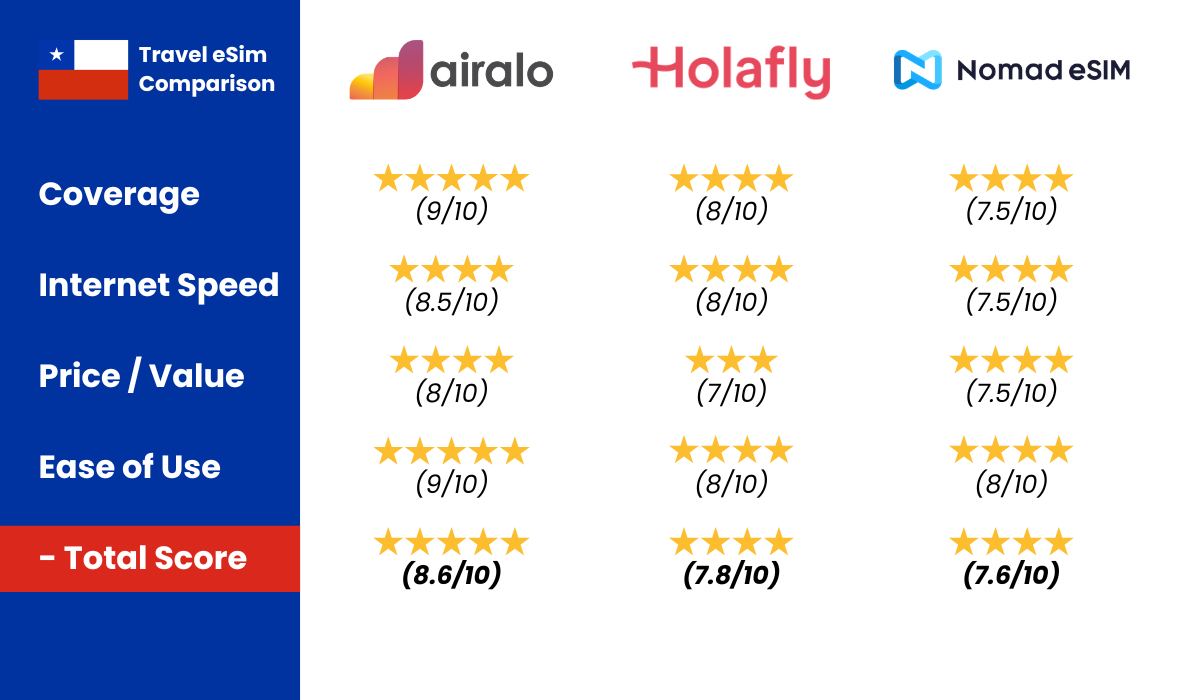
    Chile eSIM comparison: Airalo vs Holafly vs Nomad We’ve compared Airalo, Holafly, and Nomad side by side. Click here for our full Chile eSIM comparison.
    Atacama eSIM Guide.

    Jan & Valeria. We travel to Chile often and love sharing tips to help you experience this beautiful country.

    Affiliate disclosure: some links below (including Airalo) may earn us a commission at no extra cost to you. We only recommend what we would use ourselves.

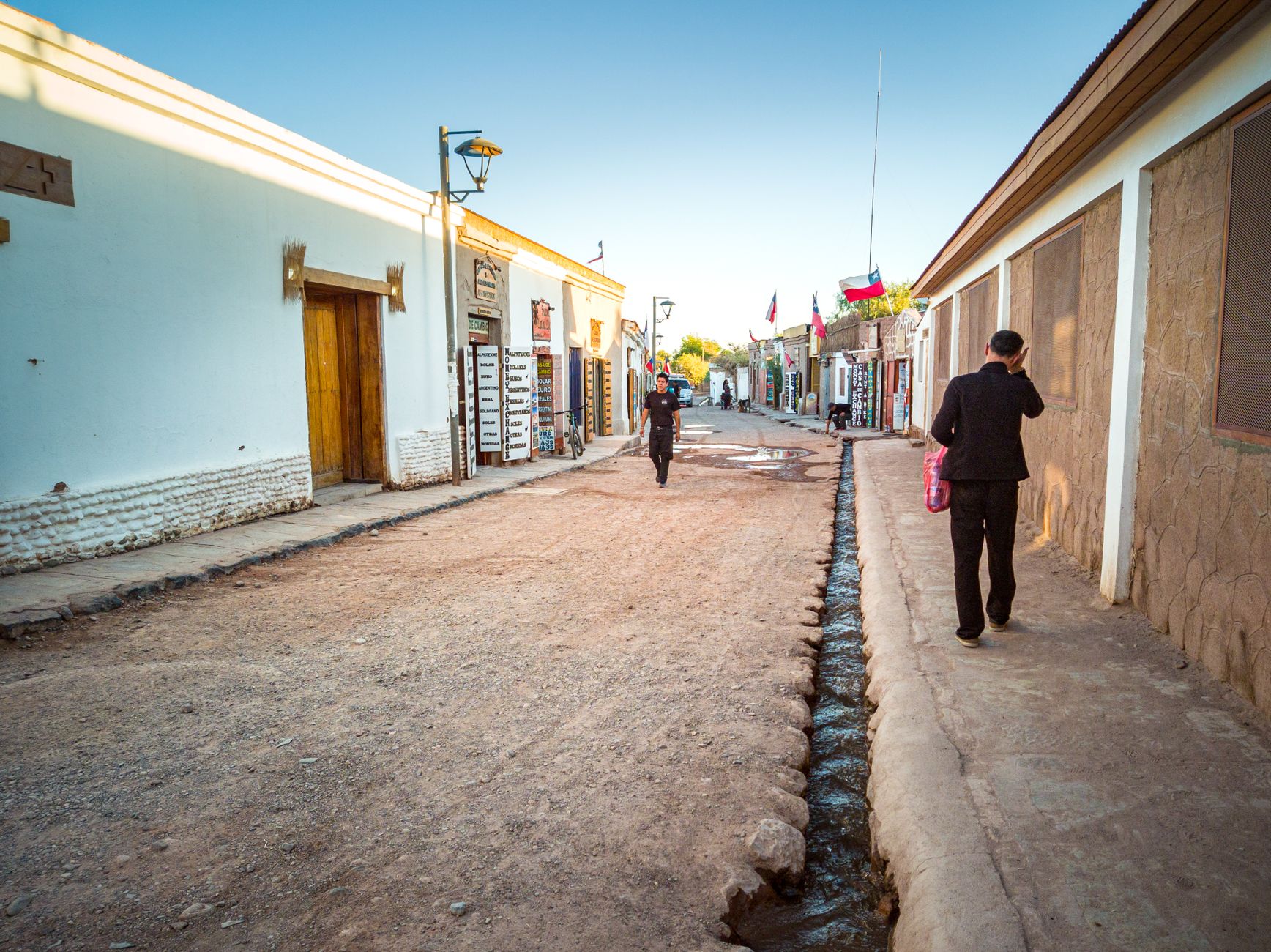
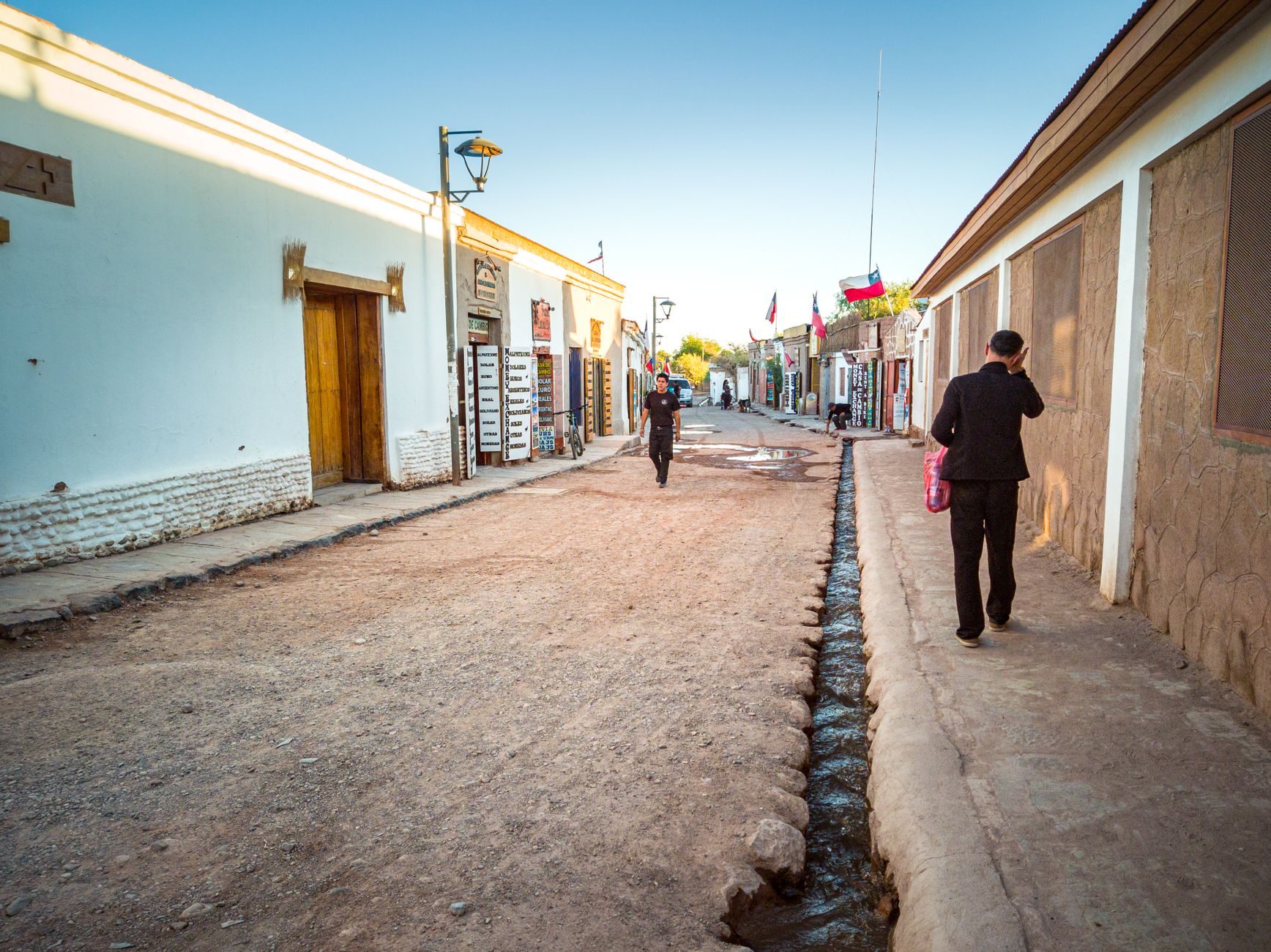
    San Pedro de Atacama is where people discover that “Chile coverage” is not the same as perfect altiplano signal. We loved the desert light, the adobe streets, and the tours that start before sunrise. We did not love assuming our phones would behave like they do in Santiago on every gravel road toward El Tatio or Valle de la Luna. Plan for town connectivity and offline maps outside it. That mindset saved us annoyance, not adventure.

    What works in San Pedro town

    eSIM coverage in San Pedro de Atacama: what worked for us

    In San Pedro itself, our eSIM generally behaved the way we needed for hotels, restaurants, tour confirmations, and evening planning. Streets are small. Wi-Fi at lodgings is common backup. This is the easy part.

    We still bought data ahead via Airalo and activated on landing in Chile, not on the Calama transfer. By the time we reached San Pedro, maps and messages already worked. See also Atacama desert eSIM and the main Chile eSIM comparison for provider context.
    What gets unreliable outside town

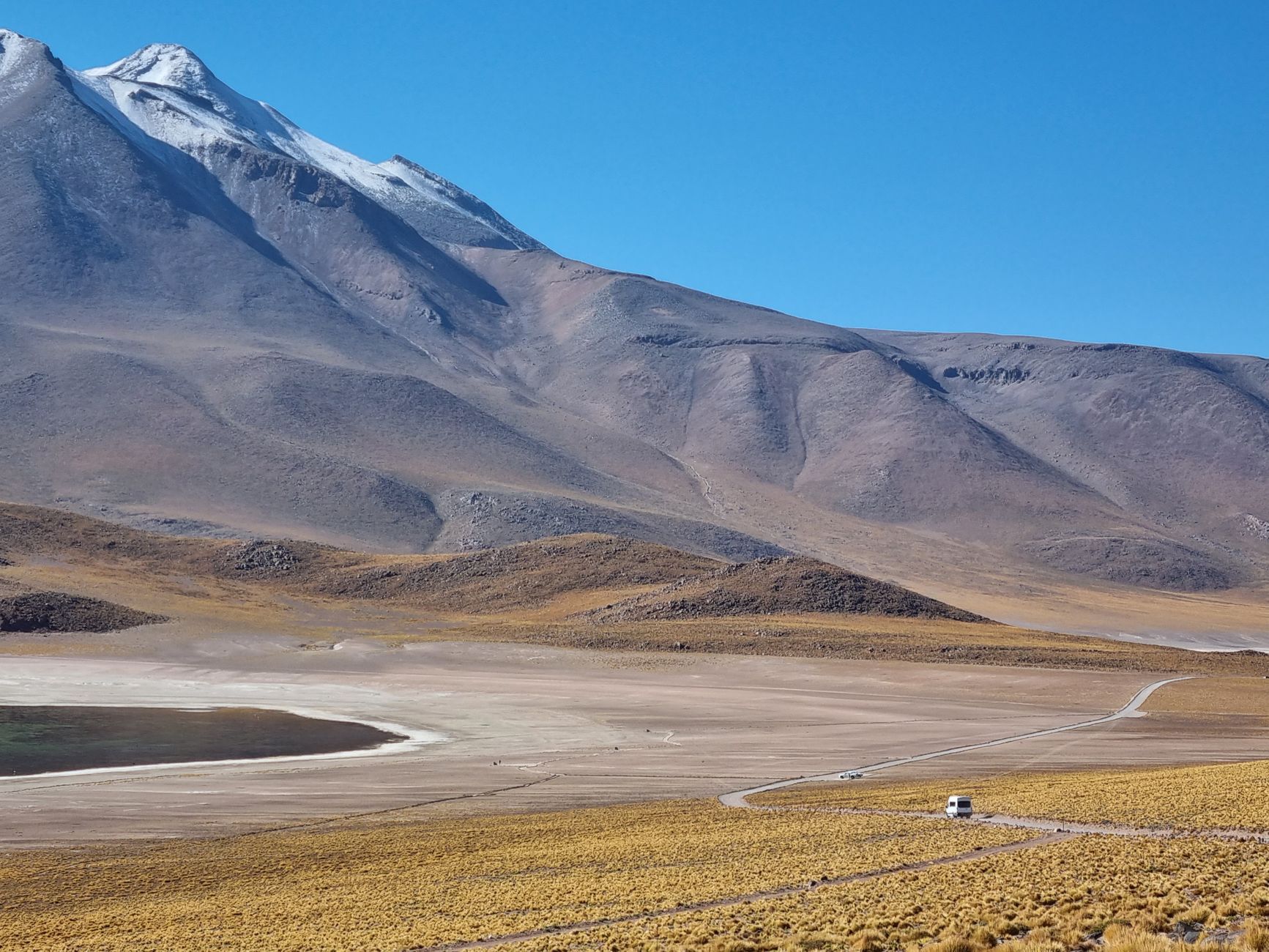
    Day trips toward geysers, high passes, and remote viewpoints are where signal thins. Geography and altitude win over marketing maps. Tours know this. Good guides communicate timing without assuming you can Google everything from the van.

    We download offline maps for San Pedro and the main tour corridors before we leave Santiago or Calama. We screenshot tour pickup details. We tell family we may be unreachable for hours, not minutes, on certain mornings.

    Calama airport and the transfer

    eSIM coverage in San Pedro de Atacama: what worked for us

    Most visitors fly to Calama and transfer to San Pedro. Coverage on that road can flicker. Having data active before you exit the terminal matters more here than in Santiago, where airport Wi-Fi can babysit you longer. Activate the eSIM at SCL or CJC before you depend on it.

    Ride and transfer confirmations should live offline. Hotel name in Spanish, phone number saved, screenshot of prepaid voucher if a tour company supplied one.

    Early-start tours and cold mornings

    El Tatio and similar departures leave when it is dark and cold. Batteries drain faster in low temperatures. We charge phones fully overnight and carry a power bank in the day bag. Connectivity is useless on a dead phone at a geyser field with no outlet in sight.

    Photos are the other battery thief. We shoot, then pocket the phone. Warm layers help humans; power banks help phones.

    What Valeria says: San Pedro feels remote even when the town is busy. Tell your bank you are in Chile, but do not expect to resolve a card issue from Laguna Cejar without patience. Have cash for small purchases when data sputters.

    Airalo in practice for Atacama

    We use Airalo for the same reasons we use it nationwide: install before departure, familiar top-up flow, adequate city data. We do not treat it as satellite coverage in the desert. If rural performance matters more than convenience for your specific route, read the comparison page before buying, not after a frustrating van ride.

    Avoid inventing exact megabyte prices here. Plans change. Buy enough data for maps, messaging, and hotel logistics, then monitor the first two days.

    Offline tools we actually use

    • Offline Google Maps for San Pedro and tour return routes.
    • Screenshot folder: hotel, tours, flight, travel insurance.
    • Downloaded PDF confirmations in Files or email offline cache.
    • WhatsApp messages queued until signal returns (they send automatically).

    Starlink at a fancy lodge is not your plan B unless you booked that lodge. Assume offline competence instead.

    Safety angle (why we still care about signal)

    Desert tourism is structured. You are rarely truly alone on popular routes. Still, a working phone helps with tour delays, ride coordination back to town, and banking codes when a hotel charge flags fraud protection. Connectivity supports calm, not daredevil behavior. Altitude and sun remain the bigger risks. Hydrate. Slow down. Trust the guide’s timing on geysers.

    When to buy local instead

    Long stays, repeated monthly travel, or phones without eSIM support may push you toward a local SIM in Santiago or Calama. For a typical one-week Atacama block inside a two-region Chile trip, pre-purchased eSIM wins on time. Do not spend a vacation morning in a kiosk line unless you must.

    Pairing Atacama with the rest of Chile

    Many itineraries pair Santiago nights with Atacama days. One eSIM plan often covers both if you size data for the whole trip. Top up before you fly north if Santiago maps and photos burned through the first bucket. Read stay connected guide for the nationwide install routine.

    Starlink, lodge Wi-Fi, and realistic expectations

    Some newer lodges advertise better Wi-Fi than town cafes. That helps uploads, not van rides through empty desert. Treat lodge Wi-Fi as a bonus for evening planning, not proof that your geyser tour will stream live. We still download maps and confirmations before leaving town each morning.

    Laguna Cejar and phone-in-pocket moments

    Salt lagoons and glittering water invite photos. They also invite dropped phones if you wade carelessly. We use zip pouches or leave phones locked in the van when swimming is the point. A connected trip still needs a dry phone at the end of the day.

    Altitude and app performance

    High altitude does not break eSIMs, but cold mornings and weak signal together make apps feel sluggish. Retry once, then switch to offline maps instead of rage-tapping ride requests that never confirm. Your guide or hotel desk can call a taxi the old-fashioned way when needed.

    Valle de la Luna sunset crowds

    Sunset tours pack phones and cameras at the same viewpoints. Signal can slow when hundreds of devices compete on a ridge. Send any “I am fine” texts before you leave town or after you return. Do not depend on live location sharing during the golden hour rush.

    Returning to Santiago before your next flight

    Many Atacama itineraries end with a Calama flight back to SCL and one last Santiago night. Data you bought for the whole trip still matters for checkout texts, ride apps, and seat-change notifications. Top up in Airalo if desert photo uploads burned through your bucket faster than expected.

    Stargazing tours and phone lights

    Astronomy nights near San Pedro often ask guests to dim screens. Night mode helps, but the point is darkness, not posting in real time. Tell family you may go quiet for a few hours. Your photos can wait until you are back on hotel Wi-Fi with a stable connection.

    Our honest summary

    San Pedro de Atacama eSIM coverage is good enough for town life and tour logistics if you prepare. It is not a promise of bars on every altiplano horizon. Buy Airalo early, activate before you need it, offline-map the desert days, and enjoy the landscapes without live-streaming them.

    We hope this helps you plan a calmer Chile trip. If you are still choosing a base, start with safety and neighborhood fit, then book the hotel you will actually sleep well in.

    Frequently asked questions

    What should travelers know about Atacama eSIM Guide?

    Atacama eSIM Guide.

    Quick pick: For most travelers, Airalo is the easiest Chile eSIM to set up before you fly. Compare all providers in our full eSIM comparison, see cheapest Chile eSIM plans, or read region-specific guides for Patagonia, Atacama, or Easter Island.

  • Chile eSIM Guide (2026 Edition)

    Chile eSIM Guide (2026 Edition)

    How to stay connected on a Chile trip (eSIM before you land).

    Chile eSIM comparison: Airalo vs Holafly vs Nomad We’ve compared Airalo, Holafly, and Nomad side by side. Click here for our full Chile eSIM comparison.

    Chile eSIM Guide.

    Jan & Valeria. We travel to Chile often and love sharing tips to help you experience this beautiful country.

    Affiliate disclosure: some links below (including Airalo) may earn us a commission at no extra cost to you. We only recommend what we would use ourselves.

    Staying connected in Chile is a safety tool, not a gadget flex. The moment we step out of SCL, we want maps, ride apps, hotel confirmations, and banking two-factor codes to work without hunting airport Wi-Fi like it is 2012. Losing phone access on a trip-of-a-lifetime vacation is how small problems become expensive ones.

    Why we install an eSIM before the flight

    How to stay connected on a Chile trip (eSIM before you land)

    Physical SIM swaps are possible in Chile, but they waste vacation time and language bandwidth at kiosks. An eSIM activates when we land, keeps our home number on dual-SIM phones for texts if needed, and removes one unknown from arrival day. We buy data before departure, test install at home on Wi-Fi, and land ready.

    For most trips that means Airalo. It is not the only provider, but it is the one we reach for first because setup is familiar and coverage in cities matches what we need. Compare tradeoffs in our Chile eSIM comparison and the pillar best Chile eSIM for travel guide before you commit.

    What connectivity actually buys you

    Maps and rides: Santiago, Valparaíso, and tourist towns run on ride apps and walking directions. Offline maps are backup, not the plan.
    Money and bookings: Hotels, flights, and banks expect your phone to receive codes.
    Coordination: Tour pickups, WhatsApp with local family, and last-minute restaurant changes.
    Calm: You are not borrowing a stranger’s hotspot outside the terminal.

    Install checklist (do this at home)

    How to stay connected on a Chile trip (eSIM before you land)
    • Confirm your phone is unlocked and eSIM compatible.
    • Buy a Chile data plan via Airalo before departure.
    • Install the eSIM on Wi-Fi, but delay activation until landing if the app allows.
    • Download offline Google Maps regions for Santiago and your second region.
    • Screenshot hotel addresses and confirmation numbers.
    • Keep your primary SIM for SMS two-factor if your bank still requires it.

    We also carry a small power bank. A dead phone erases the safety benefit of the eSIM.

    At the airport and first hour

    Enable data roaming for the eSIM line when you clear customs. Toggle airplane mode once if the network hesitates. Connect before you commit to a transfer or ride. SCL has Wi-Fi, but your own data is faster when taxis and pickups are waiting.

    If activation fails, hotel Wi-Fi plus patience usually solves it. We do not panic-buy a physical SIM unless we have a true deadline. Most Airalo hiccups are settings, not Chile being exotic.

    Coverage expectations by region

    Santiago, major cities, and tourist towns generally work well on mainstream eSIM networks. Highways between cities often have gaps. Patagonia wind and Lake District valleys can drop signal on scenic roads. The Atacama altiplano outside San Pedro is a different story. See our Atacama desert eSIM notes if the desert is on your itinerary.

    We plan tours and drives assuming offline maps exist. Connectivity is for logistics and safety, not for live-streaming every guanaco.

    What Valeria says: WhatsApp is how Chile actually runs. Family groups, restaurant changes, last-minute plans. Data matters more than voice minutes. Make sure your messaging apps work on day one.

    Data sizing without invented math

    We avoid quoting exact gigabyte prices because plans change. Instead we choose enough data for two weeks of maps, messaging, and light browsing, then top up in the app if we are heavy on hotspot use for laptops. Couples sharing one phone hotspot use more than solo travelers. Video calls on remote roads use more than texting hotel lobby.

    When unsure, buy the middle tier and monitor usage the first two days. Upgrading in-app beats running dry outside San Pedro.

    Security habits with a live connection

    Connectivity helps safety, but public Wi-Fi still deserves caution for banking. Use hotel networks for downloads, not for password resets if you can avoid it. Keep screen lock on. Enable find-my-phone. Back up photos periodically. A connected phone you lose is still a problem. A lost phone with no data and no backups is worse.

    When eSIM is not enough

    Remote multi-day hikes, some ferry stretches, and high-altitude desert routes may need satellite messengers or tour-company radios. That is normal. eSIM does not replace guide logistics in Torres del Paine backcountry any more than it replaces common sense in Santiago crosswalks.

    Dual-SIM phones and travel partners

    If two of you travel together, decide whether both phones need data or whether one hotspot is enough. We usually data both phones because split days happen: one person at the spa, one at the market, one phone dead in a bag. Redundancy is cheaper than an afternoon of miscommunication.

    Label your eSIM line in settings before you fly. “Chile data” beats “eSIM 2” when you are tired at customs.

    Roaming from home carriers

    Some US and European carriers sell daily international passes. Compare total trip cost against Airalo before you default to roaming. Roaming is convenient but often expensive for two-week trips with maps and photo backups. We still install Airalo even when roaming exists, because backup data saves arrival day when roaming activation lags.

    WhatsApp, iMessage, and banking codes

    Messaging apps use data, not SMS, for most international chats. Banking two-factor codes may still arrive as SMS to your home number. Before you fly, confirm which accounts will text your primary SIM and which accept app-based codes. A five-minute audit at home prevents a locked card at a Santiago restaurant.

    Hotspot etiquette for laptops

    If you hotspot a laptop for work email, monitor data burn. Uploading raw video from Patagonia over a phone hotspot will annihilate a modest plan. Download what you need on hotel Wi-Fi, use hotspot for urgent tasks only, and top up early if usage spikes.

    Santiago Metro and underground signal

    Metro rides drop signal between stations. That is normal. Queue messages, screenshot platform directions before you descend, and do not panic when maps freeze underground. Surface streets in Providencia and Las Condes recover quickly once you exit.

    Replacing a lost or broken phone

    If a phone dies or disappears, your eSIM dies with it on most devices. This is another reason we backup confirmations to email and travel partner phones. Chile has Apple and Samsung service in Santiago, but vacation days are expensive to spend in repair shops. Screen protectors and cases are boring insurance.

    Valparaíso day trips and coastal signal

    Coastal hills and funicular stations sometimes confuse maps. Download the Valparaíso offline region before you bus west from Santiago. Signal usually returns at the waterfront, but Cerro staircases are not the moment to discover you have no cache.

    Our closing routine

    Buy Airalo before you fly. Install at home. Activate at SCL. Keep offline maps as backup. Read the comparison guides when you want nuance, not when you are standing on the curb with a dead screen.

    We hope this helps you plan a calmer Chile trip. If you are still choosing a base, start with safety and neighborhood fit, then book the hotel you will actually sleep well in.

    Frequently asked questions

    What should travelers know about Chile eSIM Guide?

    Chile eSIM Guide.

    Quick pick: For most travelers, Airalo is the easiest Chile eSIM to set up before you fly. Compare all providers in our full eSIM comparison, see cheapest Chile eSIM plans, or read region-specific guides for Patagonia, Atacama, or Easter Island.

  • Termas Geométricas Guide (2026 Edition)

    Termas Geométricas Guide (2026 Edition)

    Termas Geométricas tickets guide: booking, timing, nearby hotels.

    Termas Geométricas Guide.

    Jan & Valeria. We travel to Chile often and love sharing tips to help you experience this beautiful country.

    Affiliate disclosure: some links below (including Booking.com) may earn us a commission at no extra cost to you. We only recommend what we would use ourselves.

    Termas Geométricas sells out in your head long before you arrive if you treat it like a spontaneous pool stop. The wooden walkways, steam in cold air, and forest setting are worth the planning. We learned that on a Lake District trip when friends assumed they could wander in mid-afternoon on a summer Saturday. They could not. Tickets, timing, and a Pucón base matter more than chasing every Instagram angle.

    What Termas Geométricas actually is

    Termas Geométricas tickets guide: booking, timing, nearby hotels

    Termas Geométricas is a hot-springs complex in a forest canyon near Pucón, not a quick hotel spa. You walk elevated wooden paths between pools of different temperatures. It feels like soft adventure: outdoors, communal, and best when you arrive with a plan and dry clothes for after.

    Start with our overview at Termas Geométricas guide for context, then come back here for ticket mechanics and hotel pairing.

    Tickets and booking (what to do before you fly)

    Official capacity limits mean timed entry matters, especially in high season and on Chilean holiday weekends. We book through the official channel linked from the main guide rather than assuming walk-up luck. Policies can change between our visits, so verify the live site before you pay.

    What we do: choose our date once Pucón hotels are firm, book the earliest sensible slot for our energy level, and screenshot the confirmation offline.
    What we avoid: planning a tight Villarrica hike the same morning if we want a slow soak.
    What we ask locally: hotel staff often know which days feel busiest even when the calendar still shows openings.

    Timing your visit

    Termas Geométricas tickets guide: booking, timing, nearby hotels

    Morning slots can feel calmer before tour buses stack the paths. Late afternoon light is beautiful but you trade warmth for photography. Winter visits are magical with steam against cold air, but driving conditions in the Lake District deserve respect. Summer fills fast.

    We budget half a day minimum including drive from Pucón, changing time, and the walk between pools. Rushing defeats the point. This is recovery day energy, not checklist energy.

    What to bring

    Swimsuit, flip-flops, a dry layer for the walk back to the locker area, and a zip bag for wet gear in the car. Towel rules change with operator policy, so check current notes on the official site before you pack. Cash or card for extras if the on-site shop is open. Leave jewelry in the hotel safe.

    Getting there from Pucón

    Most visitors sleep in Pucón and day-trip to the termas. Drive times vary with season and road work, so we confirm locally the night before rather than trusting an old blog minute count. Rental cars are common in the Lake District; read driving in Chile for rural habits and keep bags out of sight at pullouts.

    Organized transport from Pucón may exist depending on season. We still prefer controlling our return time after a long soak. Pair the day with hot springs near Pucón if you want a softer backup plan when tickets sell out.

    What Valeria says: Chileans treat hot springs like a real outing, not a fifteen-minute shower. Eat something sensible before you go, hydrate, and do not stack a big volcano trek on the same day unless you enjoy suffering. Your legs will thank you tomorrow.

    If tickets are sold out

    Do not torch the whole Lake District trip. Pucón has other thermal options and lake days that still feel like a vacation. Pivot early instead of refreshing the booking page in denial. Shoulder-season midweek visits improve odds dramatically.

    Stay nearby in Pucón

    Book Pucón as your base for Termas Geométricas day trips. These are the Booking.com picks we filter first after a long soak day.

    Hotel Antumalal

    Pucon Chile hotel Hotel Antumalal

    Hotel Antumalal is our classic special-stay pick for a calm post-termas night. Lake views, older-world charm, and the kind of quiet that makes a hot-spring day feel complete instead of rushed. Check availability on Booking.com.

    Park Lake Luxury Hotel

    Pucon Chile hotel Park Lake Luxury Hotel

    Park Lake Luxury Hotel suits couples who want polished comfort near the lake without hostel energy. We shortlist it when the trip calls for a soft landing after outdoor days. Check availability on Booking.com.

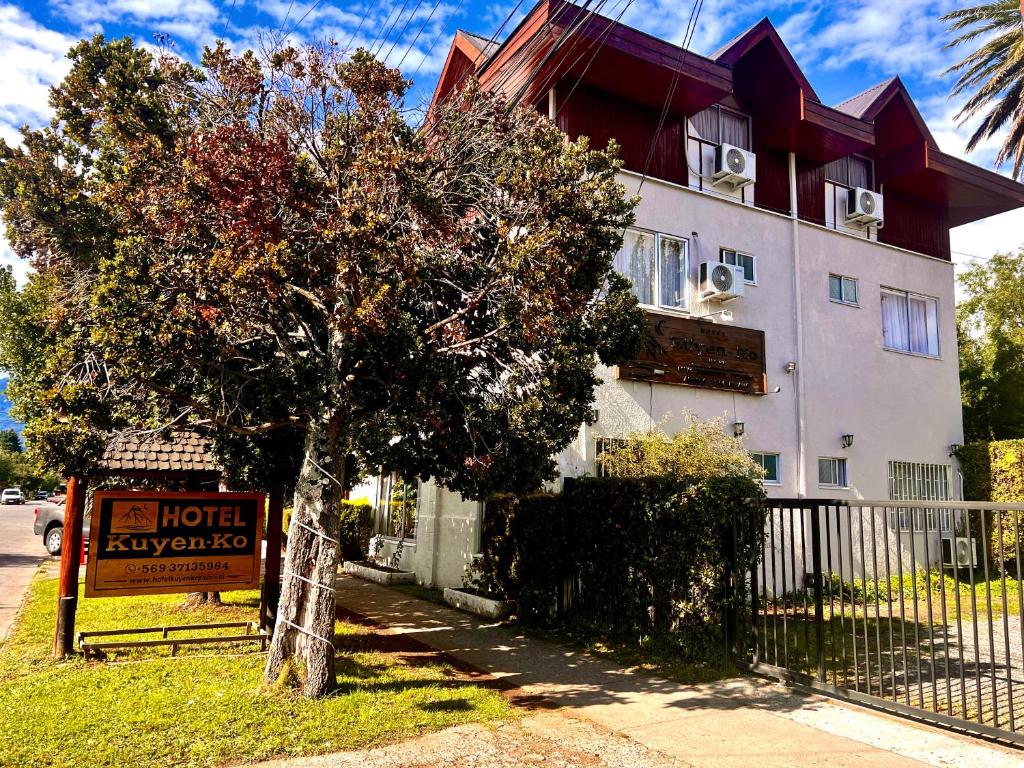
    Hotel Küyen-Ko Pucón

    Pucon Chile hotel Hotel Küyen-Ko Pucón

    Hotel Küyen-Ko Pucón is the practical in-town base when you want walkable dinners and easy logistics between volcano views and thermal water. Check availability on Booking.com.

    More options live on Pucón hotels when these are full on your dates.

    Safety and comfort notes

    Hot water and altitude-adjacent exertion do not mix well with dehydration. Drink water. Pace pool hopping. Lock the rental car. Normal Lake District safety habits apply in town at night: ride apps when tired, keep phones pocketed on busy streets. Read is Pucón safe? for neighborhood context.

    Combining Termas with a Lake District week

    Termas Geométricas fits best as a dedicated half-day inside a Pucón block, not as a detour squeezed between airport transfers. We pair it with one volcano viewpoint day, one lake afternoon, and one slow cafe morning. Trying to stack every highlight into forty-eight hours turns the hot springs into a checkbox instead of a reward.

    If you are driving from Puerto Varas toward Pucón, read road notes in our Lake District guides and fuel before remote stretches. The soak day should start rested, not after a six-hour sprint.

    Locker room flow and pool etiquette

    Arrive with your swimsuit under easy layers so changing does not eat half your slot. Follow staff directions on shower-before-pool rules. Pools vary in temperature; start cooler and work hotter instead of jumping into the hottest tub first. Respect quiet zones. This is not a Vegas pool party. Couples who whisper and move slowly fit the mood better than loud playlist energy.

    After soaking, dry hair before the walk back to the car if temperatures are cold. Hypothermia sounds dramatic until you are shivering in a parking lot with wet hair and a long drive to Pucón.

    Rain and forest paths

    The wooden walkways can be slick when it rains. Slow shoes with grip beat fashion sneakers. Umbrellas are awkward on narrow boards; a light rain jacket you can stash in a locker works better. Staff may adjust access during extreme weather. Check messages from the operator if storms roll through overnight.

    Photography without blocking paths

    The walkways are narrow. Step aside for passing guests before you frame a shot. Steam on lenses is real; wipe gently and keep moving so couples behind you are not stuck in a photo traffic jam. The place is beautiful without staging every angle.

    Putting it together

    Book Termas Geométricas when your Pucón nights are set. Choose a time slot that matches your legs that day. Sleep somewhere that feels like a reward. The walkways and steam are the headline, but the calm planning is what makes the experience feel luxurious instead of stressful.

    We hope this helps you plan a calmer Chile trip. If you are still choosing a base, start with safety and neighborhood fit, then book the hotel you will actually sleep well in.

    Frequently asked questions

    What should travelers know about Termas Geométricas Guide?

    Termas Geométricas Guide.

  • Driving in Chile for Tourists 2026: Rules + Reality

    Driving in Chile for Tourists 2026: Rules + Reality

    Driving in Chile for tourists: rules, scams, and when a car helps.

    Driving in Chile is doable for tourists who plan tolls, keep valuables out of sight, and rent for regions like wine country or the Lake District rather than the whole country.

    Jan & Valeria. We travel to Chile often and love sharing tips to help you experience this beautiful country.

    Affiliate disclosure: some links below (including DiscoverCars) may earn us a commission at no extra cost to you. We only recommend what we would use ourselves.

    Driving in Chile as a tourist is liberating on Lake District loops and wine-country roads, and unnecessary inside most of Santiago. That split saves people money and stress. We have done both wrong: renting a car for four pure city days we never needed, and skipping a rental for a Colchagua itinerary that turned into an expensive tour we did not love. This guide is the filter we wish someone had handed us early.

    When we rent a car in Chile

    Driving in Chile for tourists: rules, scams, and when a car helps
    • Wine valleys and Lake District loops where schedules matter.
    • Day trips east toward the Andes when public transport is thin.
    • Not for a pure Santiago city stay with Metro and ride apps.
    • Not as a default for Patagonia multi-day hikes where transfers are part of the plan.

    Most travelers fly between regions. That is normal and smart. A rental car shines when you want flexibility inside one region, not when you are trying to drive the length of the country in ten days.

    When we skip the rental

    Santiago itself is our biggest skip. Metro, ride apps, and walking cover most visitor days east of Centro. Traffic and parking add friction without adding magic. If your Chile week is museums, dinners in Providencia, and one organized wine tour, save the rental budget for the Lake District or a valley overnight instead.

    Long-haul routes between major cities are usually flights or comfortable buses, not scenic road trips you must self-drive. Depth beats mileage.

    Road habits that matter

    Driving in Chile for tourists: rules, scams, and when a car helps

    Chile drives on the right. Speed limits and signage are familiar if you have driven in North America or much of Europe. Highways between cities are generally good. Rural side roads can narrow. Mountain approaches demand patience and daylight respect.

    Toll roads exist on many routes. Rental cars often use a TAG transponder billed later. Ask at pickup what your contract includes so you are not surprised on the final invoice. We photograph the car at pickup, note fuel policy, and confirm whether gravel roads are allowed if our itinerary includes them.

    Fill the tank before remote stretches. Carry water. Download offline maps. Cell signal drops in valleys and along some southern routes even when your eSIM works fine in Santiago.

    The tire-puncture scam (read this twice)

    This is the honest warning we give every friend who rents in Chile. On highways and scenic pullouts, thieves sometimes stage a distraction: a fake flat tire, someone flagging you down, or “helpful” strangers pointing at your wheel. While you look away, accomplices grab bags, laptops, or cameras from the back seat or open door.

    We keep luggage in the trunk, doors locked at viewpoints, and valuables out of sight before we stop. If someone insists we have a puncture on a quiet stretch, we drive to a staffed gas station or busy area before engaging. Normal caution, not panic. The scam is common enough that rental desks know the story. It is rare enough that we still love driving here when we follow boring habits.

    Parking, bags, and city edges

    Treat parked cars like city cars everywhere: nothing visible on seats, no loose backpacks in the footwell. Winery lots and trailheads feel peaceful until they do not. We use hotel parking in Santiago when we have it. In smaller towns we ask hosts where they park overnight.

    At night we prefer paid or hotel lots over random street parking with a trunk full of trip gear. Calm confidence comes from small repeatable rules, not from ignoring risk.

    Insurance and pickup practicalities

    Read the insurance stack before you sign. Chilean rentals often sell layered coverage. We compare what our credit card already covers, then decide if we want full relief from deductible stress. It is a personal risk call, not a morality test. Whatever you choose, photograph damage at pickup and keep the emergency number in your phone.

    Airport pickup at SCL is convenient when your first days leave the city. City pickup can save a day of unused rental if you are staying central. Match pickup to your actual first driving day, not to your landing hour when you are jet-lagged.

    Driving in Santiago vs leaving it

    City driving is workable but rarely our favorite tourist experience. One-way systems, rush pockets, and parking hunts eat attention better spent on dinner. We use driving in Santiago notes when we must drive inside the basin, then switch to Metro once the car is parked at the hotel.

    Leaving Santiago toward wine country or the mountains is where the rental pays off. Early starts beat afternoon traffic. We plan the first rural fuel stop before we need it.

    What Valeria says: Chileans drive assertively in cities but are patient on long highways if you keep right unless passing. Do not camp in the left lane. On two-lane roads, use pullouts when cars stack behind you. Locals appreciate it and you stay calmer.

    Where to book the rental

    Compare options on DiscoverCars for Chile when your itinerary actually needs wheels. For airport pickup specifically, see DiscoverCars at Santiago airport and our SCL car rental page.

    Full regional context lives in driving in Chile. Pair that with this tourist-focused page when you are deciding whether to rent at all.

    Regions where driving shines

    Wine country: Flexible tasting times and valley hotels. Designated driver required.
    Lake District: Puerto Varas to Pucón style loops with scenic stops.
    Andes day trips: Cajón del Maipo and similar escapes east of Santiago.
    Atacama town base: Some travelers rent for specific day routes near San Pedro. Many tours still make sense for geysers and high-altitude starts. Match car to daylight and road comfort, not to FOMO.

    International license and paperwork

    Bring your home license and confirm whether an International Driving Permit is required for your rental contract. Rules vary by company, not by forum arguments. We keep a photo of the license and insurance card in the phone offline folder alongside the rental agreement.

    Police checkpoints happen on highways. Calm, documents ready, polite Spanish or English usually resolves quickly. This is normal Chile, not a crisis.

    Fuel stations on long legs are not always where apps suggest. Fill when you see a reputable station and the tank is half empty, not when the warning light becomes a personality trait. We keep small bills or cards ready because rural pumps occasionally prefer one or the other.

    Night driving and fatigue

    We avoid unfamiliar rural night driving when possible. Chile’s highways are not horror stories, but tired tourists misread signs, animals appear, and unlit side roads punish confidence. If a tasting day runs long, sleep in the valley and return after breakfast instead of heroics after dark.

    Our closing filter

    Rent when the region rewards flexibility. Skip when Santiago or organized transfers already solve the problem. Lock the car, hide the bags, know the tire-puncture scam, and drive sober in wine country. Those habits let you enjoy the roads that made us fall in love with Chile in the first place.

    We hope this helps you plan a calmer Chile trip. If you are still choosing a base, start with safety and neighborhood fit, then book the hotel you will actually sleep well in.

    Frequently asked questions

    What should travelers know about Driving in Chile for Tourists 2026?

    Driving in Chile is doable for tourists who plan tolls, keep valuables out of sight, and rent for regions like wine country or the Lake District rather than the whole country.

  • Chile Wine Country Guide (2026 Edition)

    Chile Wine Country Guide (2026 Edition)

    2-day Casablanca and Colchagua wine country itinerary for couples.

    Chile Wine Country Guide.

    Jan & Valeria. We travel to Chile often and love sharing tips to help you experience this beautiful country.

    Affiliate disclosure: some links below (including Booking.com, DiscoverCars) may earn us a commission at no extra cost to you. We only recommend what we would use ourselves.

    The first time we treated wine country as a real trip instead of a rushed Santiago day out, everything clicked. We left Providencia early, drove west toward Casablanca with the coast somewhere behind the hills, tasted slowly, slept in the valley, and woke up to Colchagua light that made the car rental feel obvious. No checklist energy. Just vines, lunch, and a hotel where we could actually sleep before the drive back.

    This is the two-day wine country itinerary for couples we recommend when friends have one extra night and want depth without turning Chile into a five-region sprint. Casablanca for coastal influence and an easy first day. Colchagua when you want a fuller valley pace on day two. Santiago stays your bookend, not your only base.

    Why two days beats a single wine day trip

    2-day Casablanca and Colchagua wine country itinerary for couples

    A Santiago day trip to wine country works. We do it often. But couples usually come home wishing they had one slow dinner in the valley and one morning without an alarm. Two days lets you taste without watching the clock, book a lunch table that does not feel like a pit stop, and drive Colchagua roads without calculating sunset against Santiago traffic.

    Chile rewards pacing. One region done well beats three valleys skimmed from a highway shoulder. For a trip-of-a-lifetime mindset, this is the sweet spot: soft adventure by day, comfort and good wine by night.

    Day 1: Casablanca Valley

    We start day one toward Casablanca because it sits closer to Santiago and carries coastal influence in the air. Morning fog can lift into bright afternoons. Sauvignon blanc and pinot noir country. The drive feels manageable even if you are still shaking off jet lag from yesterday’s flight.

    Our rhythm is simple: one or two tastings before lunch, a proper sit-down meal, one optional afternoon stop if we are not tired, then check in wherever we are sleeping that night. We do not stack four wineries and call it romance. That is a bus tour with better scenery.

    What we book ahead: lunch reservations and any winery visits that require timed entry. Walk-ins happen, but not on the Saturday you want.
    What we pack: a light layer for cellars, sunscreen for patio tastings, a designated driver plan before the first pour.
    What we skip: trying to see every famous label in one afternoon.

    Day 2: Colchagua Valley

    2-day Casablanca and Colchagua wine country itinerary for couples

    Colchagua is farther and feels deeper. Carmenere country. Broader valley views. Towns like Santa Cruz anchor the day when we want a coffee stop and a slower walk between tastings. We treat this as the main event, not a bonus round after Casablanca.

    Leave the hotel without rushing. Highways are generally good by Chile standards, but you are on vacation, not qualifying for a rally stage. Build in time for a viewpoint pullout, then keep bags out of sight in the car when you stop. That habit matters on rural roads.

    Afternoon options depend on energy. Some couples add a small museum or plaza stroll in Santa Cruz. Others head back toward Santiago midafternoon to protect a nice city dinner. Either is fine if you chose it on purpose.

    What Valeria says: My uncle still asks which winery we want before he asks what time we are leaving. Chileans treat the drive as part of the meal. Leave early, eat lunch without rushing, and do not plan a fancy Santiago dinner the same night you taste everything on the menu.

    Where to sleep: Santiago plus one valley night

    Our default pattern: two or three nights in Santiago before or after, and one night in wine country or a logical stop between valleys. Book Santiago with best hotels in Santiago in Providencia, Las Condes, or Vitacura so your return feels easy. East-side bases remove the “where do we sleep tonight” stress.

    In the valley, we pick hotels for quiet rooms and parking that does not feel like a puzzle. You are not hunting ultra-luxe lodge energy here unless that is your trip story. You want good beds, safe access, and a short drive to tomorrow’s first tasting.

    The car question (and when not to drive)

    A car makes this itinerary easy. Compare DiscoverCars Santiago when you are ready to book. We usually pick up after a settled Santiago morning, not on bleary-eyed arrival night, unless flights force our hand.

    Read driving in Chile before you go. Chilean highways are familiar in broad strokes, but habits matter: toll roads, rural pullouts, and the tire-puncture distraction scam. Thieves sometimes stage a fake flat tire or flag you down, then grab visible bags while you are distracted. We keep luggage in the trunk, doors locked at scenic stops, and we do not leave phones on the seat.

    We never drink and drive. Spit at tastings, buy bottles for later, or split driving duties clearly before you leave the hotel. Ride apps do not rescue you from a vineyard road at closing time.

    Sample two-day flow for couples

    • Day 0 (Santiago): Arrive, sleep east, light dinner, no car yet.
    • Day 1: Pick up rental, Casablanca tastings, long lunch, valley hotel.
    • Day 2: Colchagua morning, one afternoon stop or early return, Santiago hotel.
    • Day 3: Slow Santiago morning or flight south to your second region.

    Swap the order only if weather or reservations push you. Flexibility beats a rigid spreadsheet.

    Season and timing notes

    Harvest season brings energy and traffic near popular wineries. Shoulder seasons often feel calmer for couples who want patio tastings without crowds. Summer days run hot inland. Start driving early and carry water in the car. Winter can be crisp and beautiful, but daylight is shorter. Plan returns before you are racing the sun on unfamiliar roads.

    Weekends fill faster for lunch tables and timed tastings. If your dates are fixed, book the valley night and reservations before you obsess over which single vineyard photo to post.

    What we do not try to squeeze in

    This is not a Maipo plus Casablanca plus Colchagua plus coast marathon. It is not Valparaíso on the way back unless you enjoy suffering. Chile itineraries work best at two regions deep, not five regions wide. Wine country earns its own night. Santiago earns its hub nights. Patagonia or the Lake District earn the flights.

    If you only have one free day from Santiago, use our day-trip rhythm instead and save this two-day version for the trip where you can actually breathe.

    Packing and small habits

    Beyond the obvious passport and chargers, our wine-country bag stays boring on purpose: sunglasses, a sweater for cellars, gum or mints between tastings, a paper map backup when rural signal hiccups, and a tote for bottles you buy legally and stow in the trunk. Keep jewelry and extra cards in the Santiago hotel safe when you can.

    Normal city safety habits still apply at wineries and parking lots. We lock the car. We do not leave cameras on the seat. Calm caution lets the romance show up.

    Tasting pace for couples

    Couples trips fail when one person wants a third glass and the other is already thinking about dinner reservations. We decide before the first stop: spit or split pours, who drives tomorrow, and whether tonight is a valley hotel dinner or room service and early sleep. Romance survives when the plan is shared, not when it is negotiated at closing time.

    We also build one unhurried moment into each day. A patio with a view. A short walk between rows. Coffee in a plaza without photographing every label. Wine country is scenery and conversation, not a competition to collect stamps.

    On our last Casablanca afternoon we sat longer than planned at a small tasting room because the fog lifted and the coast felt close even though we never saw the water. That hour mattered more than the third winery on the list. Give yourselves permission to drop a stop.

    Flying south after wine country

    Many couples pair this block with a Lake District or Patagonia flight a day or two after returning to Santiago. Return the rental before you re-enter pure city mode, repack at the hotel, and keep the last Santiago night unhurried. Trying to return a car, fly south, and hike the same afternoon is how vacations turn into endurance tests.

    Putting it together

    Casablanca and Colchagua over two days is our favorite couples upgrade from a single Santiago escape. Coastal-influenced whites and pinot on day one. Deeper valley pace and carmenere country on day two. One night in the valley so dinner and breakfast feel like part of the trip, not a timeout between tastings.

    Book Santiago east, rent when you are rested, drive sober, and keep bags out of sight at pullouts. Done right, you fly home talking about one long lunch, not about how many logos you photographed.

    We hope this helps you plan a calmer Chile trip. If you are still choosing a base, start with safety and neighborhood fit, then book the hotel you will actually sleep well in.

    Frequently asked questions

    What should travelers know about Chile Wine Country Guide?

    Chile Wine Country Guide.

  • Valparaíso Day Trip Guide (2026 Edition)

    Valparaíso Day Trip Guide (2026 Edition)

    Valparaíso day trip from Santiago: timing, safety, and logistics.

    Valparaíso Day Trip Guide.

    Jan & Valeria. We travel to Chile often and love sharing tips to help you experience this beautiful country.

    Affiliate disclosure: some links below (including Booking.com) may earn us a commission at no extra cost to you. We only recommend what we would use ourselves.

    The first time we stepped off the bus in Valparaíso, Santiago’s grid still felt fresh in our minds. Twenty minutes later we were climbing a cerro staircase between murals, smelling salt air, and watching a port city behave nothing like the capital. Valparaíso is the day trip that earns its reputation: color, hills, and a rough-edged charm that photographs well and feels even better in person.

    We treat it as a day visit from Santiago with clear safety habits and a simple schedule. Not because Valparaíso is off-limits. Because the hills, the tourist pockets, and the port energy reward travelers who plan one good day instead of improvising at dusk with a dead phone battery.

    Read is Valparaíso safe? before you go. Broader options live in day trips from Santiago. Sleep back in Santiago: hotels in Santiago in Providencia or Las Condes keep your base simple.

    Why Valparaíso works as a day trip

    Valparaíso day trip from Santiago: timing, safety, and logistics

    Santiago and Valparaíso are different animals. Santiago is orderly eastern neighborhoods, Metro lines, and Andes views on clear days. Valparaíso is staircases, funiculars, street art, and a working harbor. You do not need a week here to get the point. One full day is enough to ride a funicular, walk Cerro Alegre or Cerro Concepción, eat lunch with a view, and ride the bus back before you are too tired to enjoy dinner in Santiago.

    We rarely overnight in Valparaíso on a first Chile trip. Santiago is the better hub for flights, restaurants we trust at night, and the east-side sleep rhythm we recommend everywhere on this site. Valparaíso is the color injection in the middle of a Santiago stay.

    How to get from Santiago to Valparaíso

    The straightforward option is the bus. Multiple companies run frequent service between Santiago and Valparaíso. Travel time is typically around ninety minutes to two hours depending on traffic and departure point. Buses are comfortable, inexpensive compared with private transfers, and how we usually go when we are not already in a rental car for wine country.

    Santiago bus terminals can feel busy if you are new to Chile. Buy tickets from reputable companies, keep bags in sight during boarding, and aim for a morning departure if you want the full day. Afternoon buses back to Santiago fill up on weekends and holidays. Book your return when you buy the outbound if the schedule is tight.

    Private tours and guided day trips are the low-planning option. You pay more for someone else’s timetable. We consider them when friends want a guide for the hills and do not want to think about bus stations. They are not required for a good day if you are comfortable with basic Spanish or a maps app.

    Rental cars are possible but not our favorite for Valparaíso alone. Parking on the hills is awkward, traffic can be slow, and you add driving stress for a city best explored on foot. If you already have a car for Casablanca or Colchagua wine valleys, you might combine coast and wine on a longer itinerary. For a pure Valparaíso day, the bus wins.

    A sensible one-day rhythm

    Valparaíso day trip from Santiago: timing, safety, and logistics

    This is the schedule we roughly follow. Adjust for season and energy.

    • Morning: Early bus from Santiago. Coffee near the terminal or first funicular stop once you orient.
    • Mid-morning: Funicular up to Cerro Alegre or Concepción. Walk the mural streets before crowds peak.
    • Lunch: Sit-down meal on a hill with a view. Do not rush this part. It is half the pleasure.
    • Afternoon: Wander viewpoints, small shops, and the port overlook. Keep an eye on daylight.
    • Late afternoon: Bus back to Santiago while you still have margin. Dinner in Providencia beats a midnight Metro ride.

    We do not try to see every cerro in one pass. Two hills well walked beat four hills rushed. Valparaíso rewards slow legs and good shoes.

    What to actually do (without a checklist frenzy)

    Funiculars are part of the experience, not just transport. They are also tourist magnets. Go earlier if you hate lines. Carry small bills for fares and tips where appropriate.

    Street art and viewpoints are the main event. Look up, look down the staircases, and take photos where you are not blocking residents going about their day. This is a living city, not an open-air museum with no locals.

    The port is worth seeing from above and from the flat waterfront. The energy is industrial and real. Keep valuables secure in busier pockets.

    Viña del Mar is nearby and polished by comparison. Some travelers combine both in one day. We usually do not. Valparaíso alone fills our hours. If you want beaches and a resort feel, Viña del Mar is its own decision.

    Safety: calm confidence, not fear

    Valparaíso has a grittier reputation than Las Condes. That is fair. It also has thousands of visitors every week who have a wonderful day with normal city awareness. Our habits are the same as Santiago, slightly tightened on the hills:

    • Phones in pockets on staircases and crowded viewpoints.
    • Day bag in front on buses and in funicular queues.
    • Avoid empty stairways at night. This is a day trip for us partly because of that.
    • Ride apps or official taxis if you are out later than planned. Do not wander downhill in the dark trying to save money.
    • Stay in the busy cerro streets during the day. If a shortcut looks deserted, skip it.

    For neighborhood-specific nuance and updated context, read is Valparaíso safe? We wrote that page for the questions readers actually ask.

    What Valeria says: Valparaíso is the city I take friends to when they think Chile is only mountains and wine. I also watch the time. We leave while the light is still friendly and we eat dinner back in Santiago. That rhythm has never steered us wrong.

    What to wear and carry

    Wear shoes with grip. Cobblestones and steep stairs punish fashion sneakers. Layers help: coastal wind can cool a sunny afternoon quickly. Sunscreen and water matter even when Santiago felt mild that morning.

    Bring a charged phone, offline maps if you can, and a small amount of cash. Cards work in many restaurants, but funiculars and small vendors may prefer cash. We keep passports in the hotel safe in Santiago and carry copies or digital IDs for the day trip unless a specific activity requires otherwise.

    Who should skip the day trip

    If walking hills is physically difficult without frequent rests, Valparaíso as a DIY day trip will frustrate you. Consider a guided tour with vehicle support or spend the day in flatter parts of the coast. If you only have one day in Chile total, Valparaíso is not the priority. Santiago plus one region beyond the capital usually beats a rushed coastal detour.

    If you love the vibe and want two nights of harbor sunsets, overnighting can make sense on a longer trip. That is a different article. This guide stays focused on the classic Santiago-base day visit.

    Food and coffee on the hills

    Lunch in Valparaíso is part of the reward. Cerro restaurants with terrace views fill up on sunny weekends. We book a table when we can, or we arrive before 12:30 and accept that waiting is part of the scene. Seafood makes sense here. So does a long lunch with a view and no afternoon agenda beyond more walking.

    Coffee stops on the flat streets near the port are good for a mid-morning reset before you climb again. We keep snacks light. Heavy meals plus steep stairs are a combination we have learned to respect.

    Common mistakes we see

    Trying to combine Valparaíso, Viña del Mar, and a winery in one day is the classic overload. Pick one coastal focus. Leaving your return bus to chance on a Sunday without a ticket is another. Underestimating stair fatigue by 4 p.m. is the third. We have made version two of that mistake so you do not have to.

    Finally, do not treat Valparaíso like a theme park. Residents live on these hills year-round. Keep voices down in narrow alleys, ask before photographing someone at their front door, and tip service staff the way you would at home.

    Pairing Valparaíso with the rest of your Santiago stay

    We like Valparaíso on day two or three of a Santiago block, not arrival day. You want your legs and your jet-lag rhythm settled first. Follow it with a slower Santiago morning or a wine valley day later in the week, not a dawn flight to Patagonia the next morning.

    More day-trip ideas, including wine and mountains, are in day trips from Santiago Chile and the hub at day trips from Santiago.

    Putting it together

    Valparaíso from Santiago is a bus ride, a hill walk, and a return ticket before dark. Plan morning out, afternoon back, keep valuables tight, and sleep in the east-side hotel you already trust.

    We hope this helps you plan a calmer Chile trip. Take the day trip for color and salt air. Save your late night for a good meal in Providencia and the next chapter of the country beyond the capital.

    Frequently asked questions

    What should travelers know about Valparaíso Day Trip Guide?

    Valparaíso Day Trip Guide.

  • SCL to City Center Guide (2026 Edition)

    SCL to City Center Guide (2026 Edition)

    SCL airport to Santiago city center: transfers and what we do.

    SCL to City Center Guide.

    Jan & Valeria. We travel to Chile often and love sharing tips to help you experience this beautiful country.

    Affiliate disclosure: some links below (including Booking.com) may earn us a commission at no extra cost to you. We only recommend what we would use ourselves.

    Landing at SCL is the moment trip anxiety spikes. Customs, ATM lines, a new language, and a city you have only seen on a map. The fix is boring and effective: know your transfer before wheels down, know your neighborhood, and do not improvise with luggage in Centro at midnight.

    We have done this ride dozens of times. The route from Arturo Merino Benítez International Airport to central Santiago is not complicated. What trips people up is trying to be heroic on arrival night instead of following a simple plan. This guide is that plan.

    Where we go (and where we do not)

    SCL airport to Santiago city center: transfers and what we do

    When people say “city center,” they often picture Plaza de Armas and the historic core. That is Santiago’s daytime heart, not where we book hotels. Our default is east: Providencia or Las Condes. Wider avenues, better night rhythm, Metro Line 1 access, and the neighborhoods Valeria’s family still recommends to visitors.

    We visit Centro for museums, lunch, and architecture. We sleep east. If you already chose a hotel in Providencia or Las Condes, your transfer goal is simple: get to the east side without overthinking a scenic detour through downtown traffic.

    The only exception is a brutal flight schedule. If you land late and fly out early, an airport hotel beats crossing the city twice in one night. Everyone else should plan a straight shot to a neighborhood they will enjoy for three or four nights.

    Transfer options from SCL

    Santiago’s airport sits west of the city, roughly a thirty- to sixty-minute ride to Providencia depending on traffic and time of day. These are the options we actually use or recommend to friends.

    Ride apps (Uber, Cabify)

    This is our default on most arrival nights. After customs, we connect to airport Wi-Fi or use an eSIM, open Uber or Cabify, and request a ride to our hotel address. Fares vary with traffic and surge pricing. Check the app before you commit. We like seeing the route and price upfront when we are tired.

    Follow airport signs to the official ride-app pickup area. Do not accept random drivers who approach you inside the terminal. That rule is standard in big airports everywhere, and SCL is no different.

    Official airport taxis

    Licensed taxis at SCL are a solid backup if your phone dies or apps are acting up. Use the official ranks inside the terminal, not curbside hustlers. Confirm whether the fare is metered or a fixed airport rate before you load bags. We use taxis less than apps because price transparency is worse, but they are legitimate when you need them.

    Airport buses (Centropuerto and similar)

    Shared airport buses run between SCL and key points in the city, including connections toward the east side and Metro hubs. They are the budget option and they work fine if you are traveling light and arriving during daytime. We are cautious recommending buses after dark with heavy luggage. Not because they are unsafe, but because a door-to-door ride is worth the cost when you are jet-lagged.

    If you choose the bus, know which stop is closest to your hotel and whether you will need a short Metro hop or a second taxi at the end. That last mile matters when you are carrying two checked bags up escalators.

    Pre-booked private transfer

    When we arrive exhausted, traveling with older relatives, or landing in a group with four suitcases, we pre-book a private transfer. A driver with a sign, a fixed price agreed in advance, and no app troubleshooting at midnight. Many Santiago hotels can arrange this if you email ahead. It is not the cheapest option. It is the lowest-friction one.

    Rental car on arrival

    Picking up a car at SCL makes sense when your next days leave the city immediately: wine valleys, the coast, or a road trip south. It is a poor default if you are staying three nights in Santiago and planning Metro days. City driving, parking, and navigation on arrival night add stress you do not need. If you do rent, handle pickup at the airport before you fight downtown traffic. Our dedicated guide covers that decision in more detail.

    What we actually do

    SCL airport to Santiago city center: transfers and what we do

    Our arrival checklist is short on purpose:

    • Go east to Providencia or Las Condes, not a random Centro hotel.
    • Prefer a pre-booked transfer or ride app when we are exhausted.
    • Have the hotel address offline in case signal is slow.
    • Message the hotel if we land after 10 p.m. so check-in is smooth.
    • Withdraw pesos at the airport ATM if we need cash for tips or snacks, using the same card precautions we use at home.

    We do not try to sightsee from the taxi. We do not assume every driver knows our hotel by nickname. We show the full address on our phone and confirm the neighborhood: Providencia, Las Condes, Vitacura.

    What Valeria says: My cousins still send visitors the hotel pin on WhatsApp before the plane lands. Not a neighborhood name, the actual pin. Santiago drivers are fine, but “near the park” is not an address. Send the pin, watch the map, and you will feel in control on minute one.

    Timing and traffic reality

    Rush hours in Santiago can stretch a thirty-minute drive into an hour. Morning and late-afternoon weekdays are the worst. Late-night arrivals often move quickly. We build buffer into dinner plans on arrival day, not because Santiago is impossible, but because tired travelers should not start with a schedule.

    International arrivals also mean customs variability. Summer holidays and Sunday evenings can queue longer. Your transfer choice should assume you might be standing in line thirty minutes after landing, not five.

    Safety on arrival night

    SCL itself is well lit and busy. The ride to the east side is a normal city highway trip. We keep bags in the trunk, phones in pockets, and valuables in carry-ons until we are inside the hotel. We do not flash large cash at the curb.

    Choosing Providencia or Las Condes is partly a safety decision. Not because other areas are automatically dangerous, but because we want our first night to feel calm. That mindset matters more than any single street statistic.

    Where to book once you know your transfer

    Transfer solved, hotel choice is next. Our shortlists live in best hotels in Santiago. Couples and comfort travelers usually land in Providencia or Las Condes. Budget travelers should still consider Providencia hostels rather than saving money in Centro.

    Only book near the airport if your flight schedule forces it. Our hotels near Santiago airport guide covers that narrow case.

    Putting it together

    The airport-to-city question is not a test. Pick a trusted neighborhood, pick a transfer that matches your energy level and luggage, and execute the plan you wrote at home.

    We go east, we use apps or pre-booked rides on arrival night, and we keep the hotel address offline. That is the whole secret. Everything else in Chile gets easier when night one is boring in the best way.

    We hope this helps you plan a calmer Chile trip. Land at SCL knowing where you are going, book the hotel you will sleep well in, and save the adventure for tomorrow’s coffee in Providencia.

    Frequently asked questions

    What should travelers know about SCL to City Center Guide?

    SCL to City Center Guide.

  • Providencia Hostels Guide (2026 Edition)

    Providencia Hostels Guide (2026 Edition)

    Best hostels in Providencia Santiago (safe-area picks).

    Providencia Hostels Guide.

    Jan & Valeria. We travel to Chile often and love sharing tips to help you experience this beautiful country.

    Affiliate disclosure: some links below (including Booking.com) may earn us a commission at no extra cost to you. We only recommend what we would use ourselves.

    On our first Santiago trip together, I wanted a hotel with a proper lobby and room service reflexes. Valeria wanted us close to her old haunts without sleeping in Centro. We compromised on Providencia, and years later that is still the advice we give friends who ask for a hostel that does not feel like a dare.

    Providencia is not the cheapest bed in Santiago. It is the neighborhood where we are comfortable sending someone who cares about safety, walkability, and Metro access. Hostels here tend to cost a bit more than bare-bones options closer to Plaza de Armas. What you buy is context: tree-lined streets, cafes that are open at normal hours, and a night rhythm that does not require a pep talk.

    This guide is for travelers who want social, budget-friendly stays without gambling on Centro nightlife. For a wider Santiago list, see best Santiago hostels. For the neighborhood itself, read Providencia Santiago. For the safety frame that underpins all of this, start with is Santiago Chile safe?

    Why we point hostel travelers to Providencia

    Best hostels in Providencia Santiago (safe-area picks)

    Santiago rewards east-side bases. Providencia sits between Las Condes and the older city core, which means you can Metro to museums, Bellavista, and Lastarria without making a sketchy neighborhood your home base. On foot, you get bakeries, small parks, and the kind of evening walk where you are looking at menus, not over your shoulder.

    Hostels in Providencia and Providencia-adjacent areas also attract a slightly different crowd than party hostels in the center. You will still meet people. You will still share kitchens and tour tips. But the default vibe is closer to “I am here to see Chile” than “I am here to turn every night into a festival.”

    We are not anti-Centro for daytime. Plaza de Armas, La Moneda, and the cathedral are worth your hours. We just do not book sleep there. If that sounds conservative, it is. It is also how we have kept dozens of trips relaxed.

    Hostel vs. hotel in Santiago

    Choose a hostel when shared space is a feature, not a bug. You want kitchen access, a common room, and the easy conversation that starts with “where are you headed tomorrow?” Choose a hotel when sleep quality and quiet matter more than saving twenty dollars a night.

    In Providencia, the gap between a good private room in a hostal and a mid-range hotel is smaller than people expect. If you are a couple who wants privacy, filter for private rooms with ensuite bathrooms. Many properties listed as hostels behave like small hotels with a front desk and breakfast.

    For hotel shortlists in the same neighborhood, see hotels in Providencia Santiago. This page stays focused on social stays and budget-conscious travelers who still want the east side.

    What to look for before you book

    We filter hostels in Santiago the same way we filter hotels: location first, then reviews about noise and security.

    • Metro walk time. Providencia’s strength is Line 1 access. A ten-minute walk to a station changes how spontaneous your days feel.
    • Private room option. Even dorm fans should check private rates. Shoulder season deals can be surprisingly good.
    • Lockers and luggage storage. Non-negotiable if you are doing a day trip to Valparaíso or wine country.
    • Recent reviews about street noise. Santiago is a city. Corner rooms on busy arteries exist. Read the last month of comments.
    • Late check-in process. International flights land at odd hours. Confirm how you get in after 11 p.m.

    We also scan maps, not just stars. A property “near Bellavista” can mean a pleasant stroll or a late-night walk we would rather skip. When in doubt, message the property and ask which streets they recommend after 10 p.m. Good hostels answer clearly.

    Safety habits that matter more than the perfect bunk

    Best hostels in Providencia Santiago (safe-area picks)

    Providencia lowers risk. It does not eliminate the need for normal city awareness. We treat phones like passports on crowded sidewalks: pocket or zipped bag, not in hand. We use Uber or Cabify at night when we are tired rather than saving a few dollars on a walk we do not love.

    In hostels, use lockers for passports and spare cards. Keep a small day bag for Metro rides. If you are drinking on a night out in Bellavista, plan the ride home before the second pisco sour, not after.

    For a deeper safety read, keep is Santiago Chile safe? open while you compare beds. The habits there apply whether you are in a dorm or a suite.

    What Valeria says: When friends ask me where to stay cheap without feeling foolish, I say Providencia first and I tell them to avoid hostels that market only with party photos. You came to Chile to see the country, not to win a noise competition. A calm block near Metro Line 1 beats a “central” address that empties out at night.

    Barrio Italia and the Bellavista edge

    Two Providencia-adjacent pockets show up often in hostel searches: Barrio Italia and the streets edging Bellavista. Barrio Italia is cafes, design shops, and a walkable afternoon. We like it for travelers who want a neighborhood feel without staying in a nightclub district.

    Bellavista is fun for an evening. It is louder and scruffier than our comfort zone for a week-long base. Some hostels near Patio Bellavista trade a bit of night energy for location. If you book there, ride apps late and keep valuables locked. We list one option below with that tradeoff spelled out honestly.

    Hostels in Providencia we would shortlist

    If you want a hostel without gambling on Centro nightlife, Providencia (and Providencia-adjacent) is the compromise we respect. These are the Booking.com picks we would filter first.

    Hostal Providencia

    Santiago Chile hotel Hostal Providencia

    Hostal Providencia sits in the neighborhood we already recommend for safer nights and Metro access. It is the straightforward pick when you want a hostal that behaves like a proper base: private rooms available, a location that makes sense for first-timers, and the east-side rhythm we trust after dinner. Good fit if you are solo or a couple who wants walkable Providencia without a hotel price tag. Check availability on Booking.com.

    TQCaleta Providencia Barrio Italia

    Santiago Chile hotel TQCaleta Providencia Barrio Italia

    TQCaleta Providencia Barrio Italia suits travelers who want a hostel near Barrio Italia cafes and shops. We like this pocket for slow mornings: coffee, a stroll past small galleries, then Metro into the city when you are ready. It is a softer landing than Centro and more personality than a tower block. Check room type carefully if you want privacy versus a shared dorm. Check availability on Booking.com.

    Eco-Hostal Tambo Verde

    Eco-Hostal Tambo Verde hotel in Chile

    Eco-Hostal Tambo Verde is a Providencia/Bellavista-edge option when you want a more social hostel feel with a strong location score. It works for travelers who plan one or two lively nights out but still want to sleep east of the historic core. Read recent reviews about noise if you are a light sleeper. The location puts Bellavista within reach without making it your entire identity. Check availability on Booking.com.

    GUANAKO Hostel

    GUANAKO Hostel hotel in Chile

    GUANAKO Hostel is close to Patio Bellavista energy. We list it honestly: great if you want nightlife within walking distance, less ideal if you need pin-drop quiet every night. Use ride apps late, keep valuables locked, and treat this as a social base rather than a retreat. For the right traveler, that trade is exactly the point. Check availability on Booking.com.

    How we would use a Providencia hostel base

    Most readers are not building a hostel tour of Chile. You are here for three or four Santiago nights before wine country, Patagonia, or the north. From Providencia, we typically Metro to Plaza de Armas in the morning, do museums and lunch, then ride back east before we are exhausted. Evenings are neighborhood dinners, not cross-city marathons every night.

    Day trips still work. Valparaíso, Cajón del Maipo, and wine valleys are all reachable from a Santiago base. Sleep back in Providencia when you return. That is easier when your bed is already in a neighborhood you trust.

    Putting it together

    The best hostels in Providencia are not the ones with the wildest bar photos. They are the ones that let you enjoy Santiago with normal precautions and good sleep. Start with safety and neighborhood fit, then book the bed you will actually rest in.

    Compare the shortlist above, read the last month of reviews, and pair your booking with Providencia Santiago for cafes and walks. When you are ready to level up comfort, best hotels in Santiago is the next click.

    We hope this helps you plan a calmer Chile trip. Providencia is our compromise between budget and sanity. Book east, use your Metro pass, and save your energy for the parts of Chile you will talk about for years.

    Frequently asked questions

    What should travelers know about Providencia Hostels Guide?

    Providencia Hostels Guide.