Every time a friend tells us they have “just one week” for Chile, the same thing happens. They send a list with Santiago, Patagonia, the Atacama, Easter Island and the wine valleys, and ask which order makes sense. Our answer is always the same: pick two places, not five. Chile is more than 4,000 kilometers long, and a week disappears fast in airports.
The short answer: seven days in Chile works best as Santiago plus one region. Our two favorite routes are Santiago with Valparaíso and the wine valleys (no internal flights, very relaxed), or Santiago with either the Atacama Desert or Patagonia (one return flight, more wow). Trying to add a third region usually means you spend the trip in transit.
How to Think About a Week in Chile
Most long-haul flights land at Santiago’s Arturo Merino Benítez airport (SCL), usually early in the morning. That first day is rarely a full day. You arrive tired, check in, and maybe manage a walk and an early dinner. The last day is similar, because many flights home leave in the evening and you need to be at the airport a few hours early.
That leaves you with about five full days. The question is how to use them without spending two of them traveling. Here is what that means in practice:
- Santiago needs at least two nights. Not because there is endless sightseeing, but because it is where you recover from the long flight and where your connections run through.
- Every extra region costs you half a day. Domestic flights are short, but the airport time, transfers and check-ins add up.
- Distances are real. Santiago to San Pedro de Atacama means a flight to Calama and then roughly an hour and a half by road. Santiago to Torres del Paine means a flight south and then several hours by bus or car.
If you remember one rule from this guide, make it this one: depth beats a checklist. A week with two regions feels like a vacation. A week with four feels like a work trip.
Route 1: Santiago, Valparaíso and Wine Country (No Flights)
This is the route we suggest for first-time visitors who want an easy, comfortable week, or for anyone visiting outside the best Patagonia months. Everything sits within a couple of hours of Santiago, so you never need a domestic flight.
Days 1 to 3: Santiago
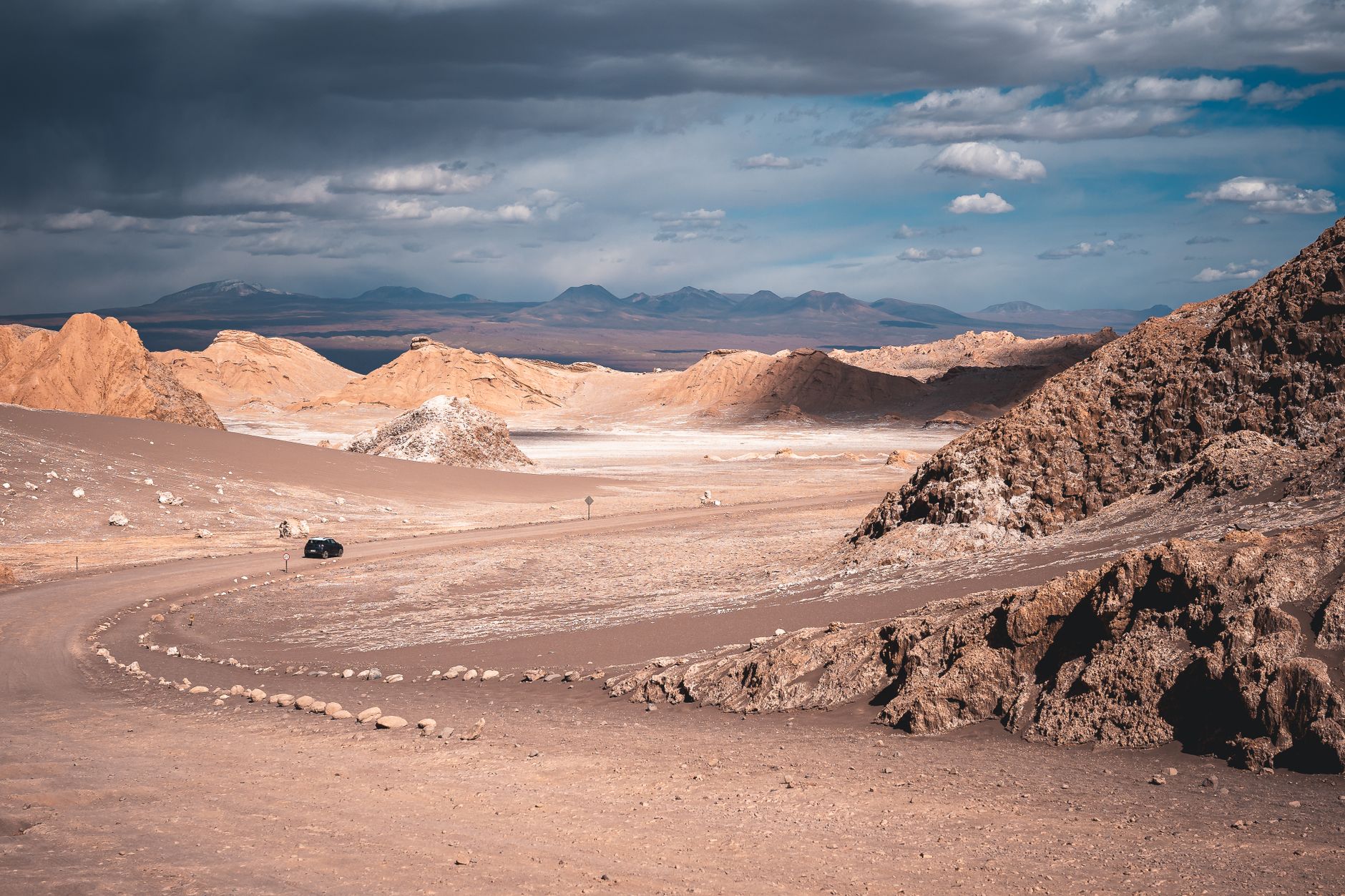
Stay on the east side, in Providencia, Las Condes or Vitacura. These neighborhoods are calm, walkable and close to good restaurants, and they make the first nights easy after a long flight. Our guide to where to stay in Santiago explains the differences between them.
- Day 1: Arrive, check in, walk around your neighborhood and have an early dinner. Do not plan anything ambitious.
- Day 2: Cerro San Cristóbal for the view, Lastarria and the historic center by day, and dinner in Providencia or Barrio Italia.
- Day 3: A museum morning (see our Santiago museums guide) and a slower afternoon, or swap this day for a trip into the Andes.
If you want more detail for the city itself, our 2-day Santiago itinerary fits neatly into these first days.
Days 4 and 5: Valparaíso and Viña del Mar
Valparaíso is about an hour and a half from Santiago by bus or car. We like to spend at least one night on the coast instead of doing it as a rushed day trip, because the city is at its most beautiful in the late afternoon light, when the hills and colorful houses glow over the bay.
Explore the hills on foot during the day, ride one of the old funiculars, and sleep in a well-reviewed hotel on Cerro Alegre or Cerro Concepción, or in calmer Viña del Mar. Read is Valparaíso safe before you go, because it is a city where knowing which streets to use really matters. For hotels, see best hotels in Valparaíso and best hotels in Viña del Mar.
Day 6: Casablanca Valley on the Way Back
The Casablanca Valley sits right between the coast and Santiago, which makes it the easiest wine stop in Chile. It is known for cool-climate whites. Stop at one or two wineries on your way back to Santiago, and book tastings ahead, especially on weekends. If you are driving, let one person skip the tastings or book a tour instead.
This is also the leg where a rental car makes the most sense. You can compare options on DiscoverCars for Santiago, and our guide to driving in Chile covers tolls, rules and what to watch for.
Day 7: Santiago and Departure
Spend your last morning in Santiago and head to the airport with plenty of time. Our Santiago airport transfer guide covers the options.
Best for: first-time visitors, travelers who hate tight connections, and anyone visiting in the colder months.
Route 2: Santiago and the Atacama Desert
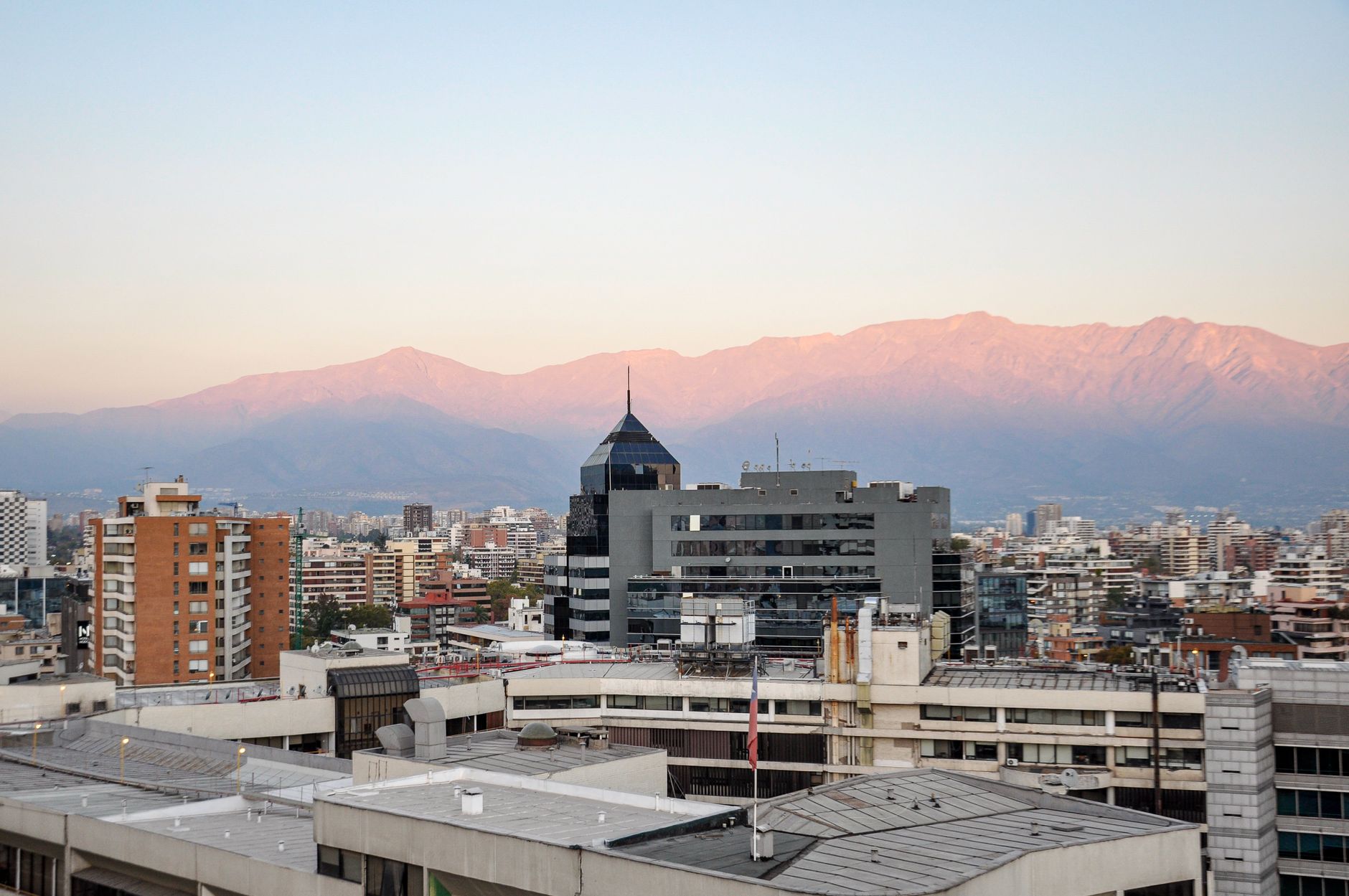
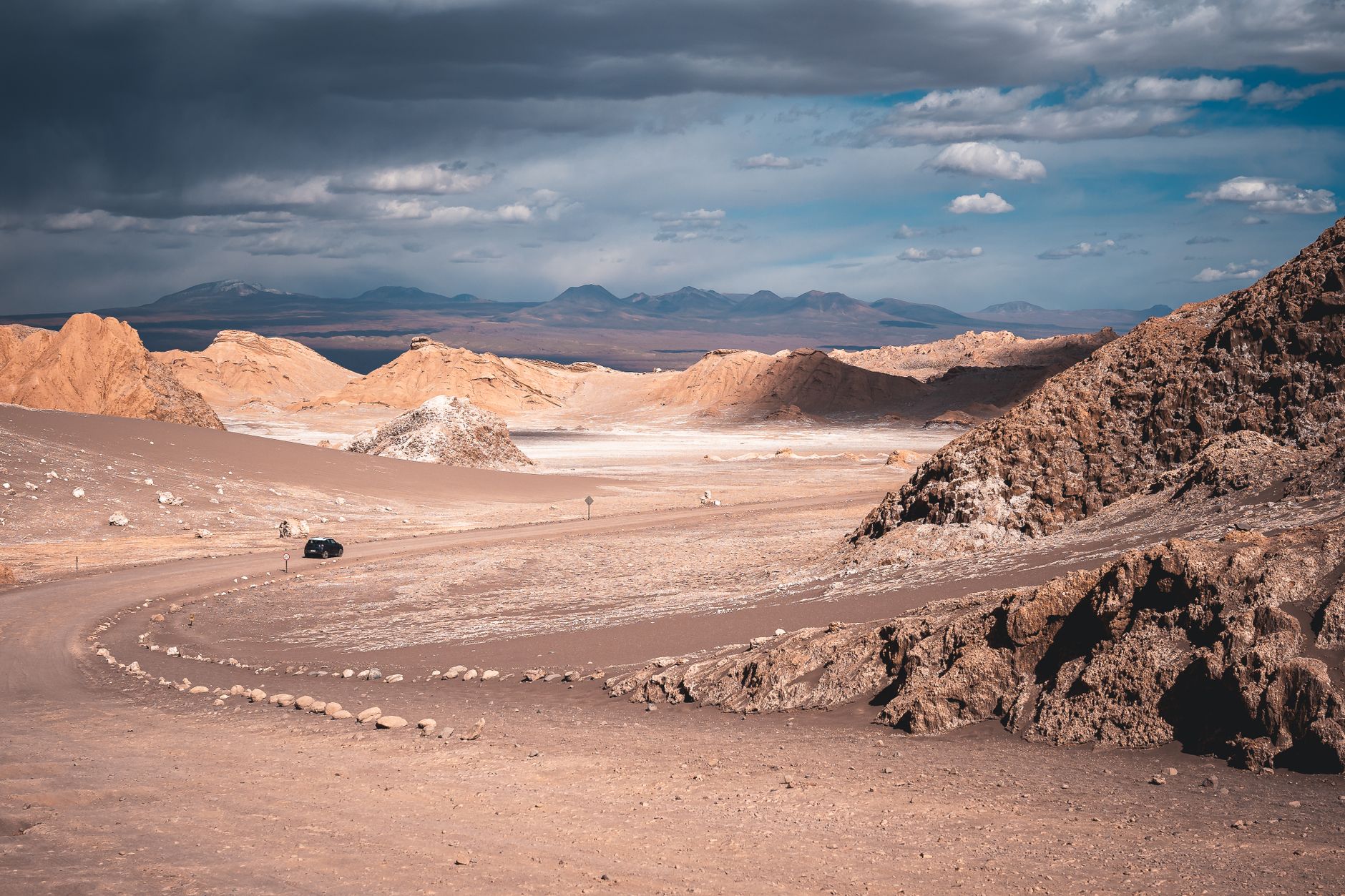
If you want one truly otherworldly landscape in a short trip, the Atacama is the easiest big-ticket region to combine with Santiago. The weather is dry for most of the year, so it works in almost any season.
- Days 1 and 2: Santiago. Arrive, rest and see the city.
- Day 3: Fly to Calama (about two hours), then transfer to San Pedro de Atacama. Take it easy, because San Pedro sits at around 2,400 meters.
- Days 4 and 5: Valle de la Luna at sunset, a lagoon trip, and a stargazing tour. Save the high-altitude El Tatio geysers trip for after you have acclimatized.
- Day 6: One more morning in the desert, then fly back to Santiago.
- Day 7: Santiago and departure.
Altitude is the one thing people underestimate here. Drink water, go easy on alcohol the first night, and plan the highest excursions later in your stay. Our Atacama altitude guide explains what to expect, and hotels in San Pedro de Atacama lists places to stay.
Best for: travelers who want dramatic scenery with very little weather risk.
Route 3: Santiago and Torres del Paine
Patagonia in one week is possible, but only if you accept that you will see one park well instead of the whole region. Go between roughly October and April, when the weather is milder and most services run.
- Day 1: Arrive in Santiago and rest.
- Day 2: Fly to Punta Arenas, then continue by bus or car to Puerto Natales, about three hours north. Some seasons also have flights to Puerto Natales directly.
- Days 3 to 5: Torres del Paine. Day hikes from a lodge or a hotel in Puerto Natales, including the Base Torres hike if you are fit.
- Day 6: Back to Punta Arenas and fly to Santiago.
- Day 7: Santiago and departure.
The park entrance ticket has to be bought online before you go, and bus seats fill up in high season. Our guides to getting from Santiago to Patagonia, Punta Arenas to Puerto Natales and hotels in Puerto Natales walk you through each step. If you would rather not camp, read Patagonia day hikes without camping.
Best for: hikers and nature lovers traveling between spring and fall.
What About 3 or 5 Days in Chile?
If you only have three days, stay in Santiago and add one day trip, either to Valparaíso or into the Andes at Cajón del Maipo. Do not add a flight. Our how many days in Santiago guide helps you decide.
With five days, Route 1 works well in a slightly compressed form: two nights in Santiago, two on the coast, and a wine stop on the way back. A flight to the Atacama is possible in five days, but it leaves almost no buffer if a flight is delayed.
What to Book Before You Go
A one-week trip has little room for surprises, so a few things are worth sorting out at home:
- Hotels in your two regions. Especially in December, January and February, when Chileans travel too.
- Domestic flights. Prices tend to rise closer to the date on popular routes. See our LATAM guide.
- Mobile data. We install an eSIM before we fly so maps, ride apps and banking work the moment we land. You can get one from Airalo, and our Chile eSIM guide compares the options.
- Park tickets and tours. Torres del Paine tickets and popular Atacama tours can sell out in peak season.
Which Route Should You Pick?
- You want easy and relaxed: Route 1, Santiago, Valparaíso and wine country.
- You want one jaw-dropping landscape, any time of year: Route 2, the Atacama.
- You love hiking and travel between October and April: Route 3, Torres del Paine.
Not sure about the season? Check our best time to visit Chile guide first, then come back to choose your route.
We have done versions of all three, and the weeks we remember most are always the ones where we slowed down. Pick your two places, book the basics early, and leave room for a long lunch. If you have more time, our longer Chile itinerary shows how to add a third region without rushing.