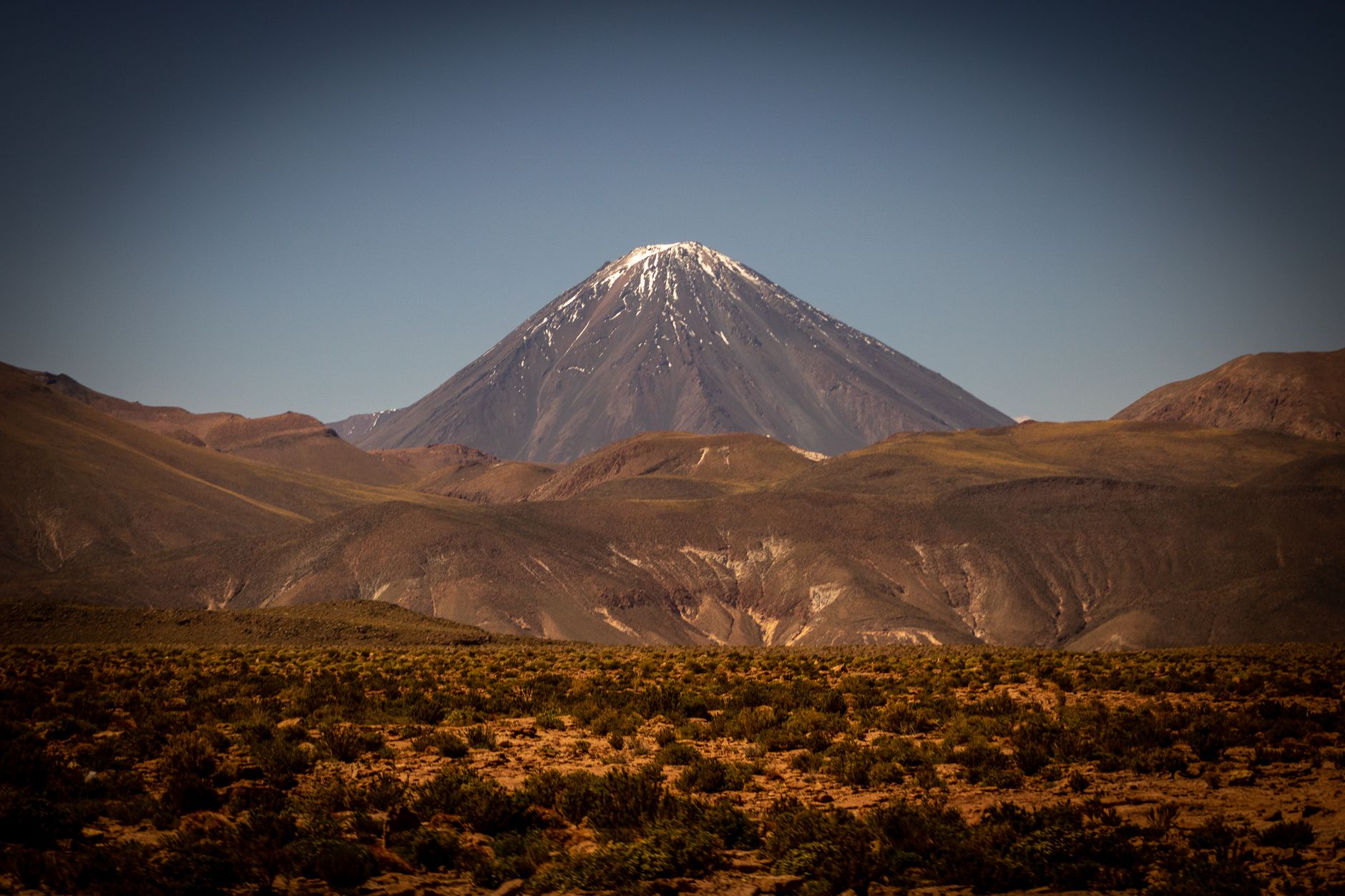
Atacama altitude guide: San Pedro is already high. El Tatio is much higher. Slow the first day.
Jan & Valeria. We travel to Chile often and love sharing tips to help you experience this beautiful country.
The conversation in Valeria’s family is not “is the desert scary.” It is “did you give the first day away to the geysers.” In the Lake District we worry about gravel, rain, and whether we packed a dry layer for after a soak. In the Atacama the first risk we plan for is thinner air. You can be fit, excited, and still feel stairs in a way Santiago never asked of you.
This page is logistics and caution, not a medical lecture and not a story about how we raced to El Tatio at dawn. Visitors meet a high desert that looks gentle in town and then climbs. Soft adventure here means listening to your body. If you have personal risk factors, talk to a doctor before you book high-altitude mornings. We are not your physician.
Start with the Atacama travel guide for flights and transfers. Use this page for pace. Day order lives on the itinerary.
The honest short answer
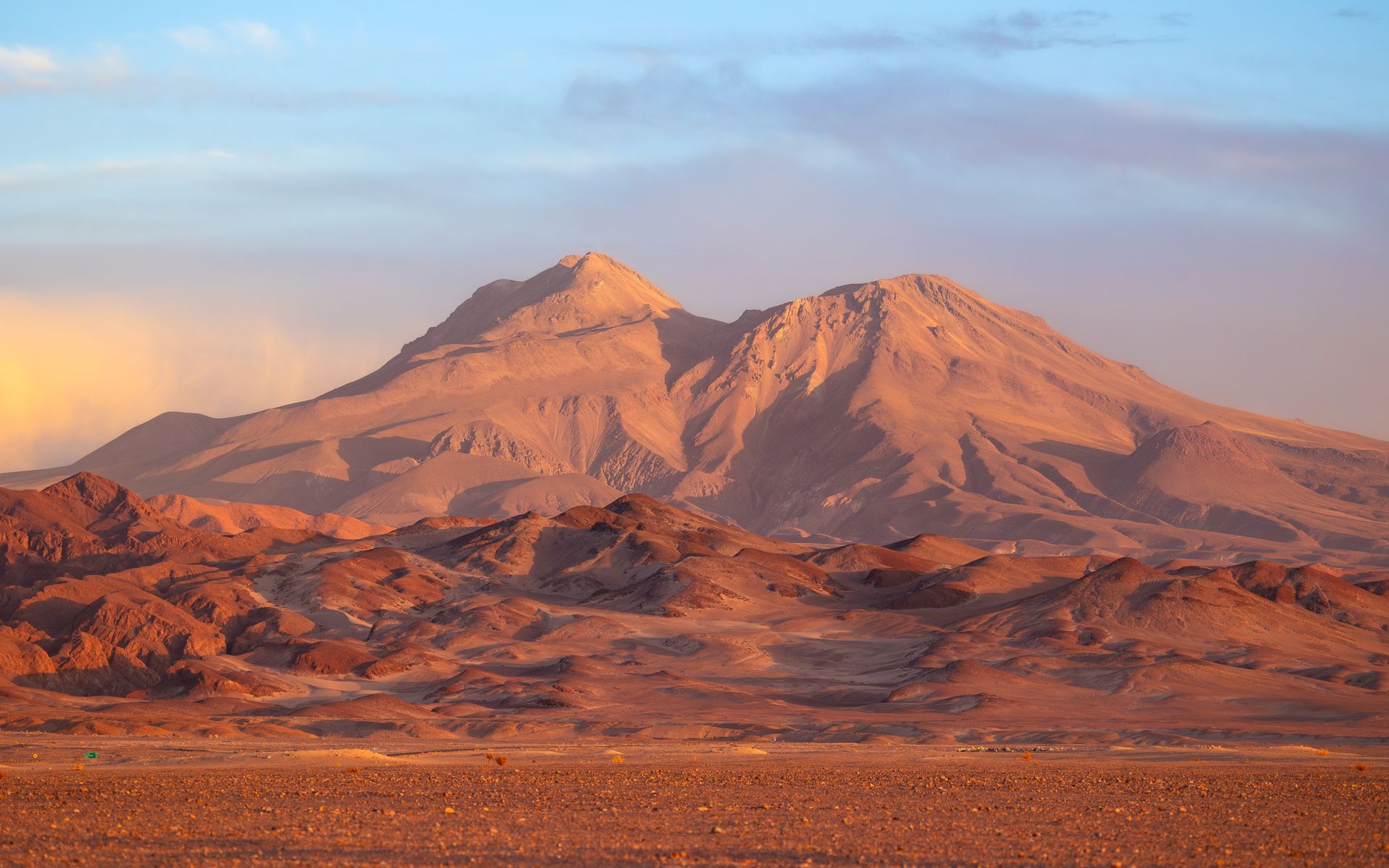
San Pedro de Atacama sits around 2,400 meters, roughly 7,900 feet. That is already high enough that some people feel a headache, odd sleep, or shortness of breath on stairs on day one. Popular tours climb much higher. El Tatio geyser mornings sit well above 4,000 meters. Altiplano lagoon days do the same kind of work. The gap between town and those viewpoints is the part first-timers underestimate.
Altitude affects people differently. Fitness is not a reliable predictor. We plan a gentle first day in town: walk the adobe streets, eat normally, drink water, skip heavy drinking, go to bed early. The desert will still be there tomorrow. A geyser sunrise hits different after two easy nights than after a long flight from sea-level Santiago.
Symptoms that stay mild often ease as you acclimatize. If they worsen, slow down and ask your hotel or tour operator for local advice. If you feel seriously unwell, that is a medical situation, not a stubbornness contest. This guide is not medical advice.
San Pedro vs El Tatio
Think of San Pedro as the acclimatization shelf, not the summit. The town is dusty, compact, and built for visitors. You can have a useful day without leaving it. That is a feature. Use it.
El Tatio is the classic high-altitude morning: very early pickup, cold start, steam in a landscape that looks prehistoric, then a long bright drive back. It is also the tour we refuse to stack on arrival morning. Same rule for other high altiplano days. Choose them after you know how town stairs felt on day one.
Valle de la Luna sits closer to the San Pedro elevation story than a geyser dawn does. It is still sun, wind, and walking. It is a better second-day landscape than a 4 a.m. climb. Details: Valle de la Luna guide.
Official landscape names and visitor framing: Chile.travel’s San Pedro page. For protected-area access around the reserve, use CONAF and the live pages for the specific site you are entering.
The first day we protect
Fly SCL to CJC, transfer about 90 minutes to San Pedro, check in. Then stop treating the clock like an enemy. A short walk to the church square is enough. Cafe lunch. Water on the table. Early dinner by Chile standards, which still may be later than you eat at home. Early bed.
Do not race up hills “to see if you are fine.” You will find out soon enough. Soft adventure is choosing tours that match how you feel each morning, the way we choose a thermal day in the Lake District based on road and weather, not ego.
Three full days after arrival is the minimum we recommend. Four to five is better if you want geysers plus a slower evening. That math is on how many days in the Atacama. Altitude is why those extra nights are not luxury padding. They are the buffer.
Hydration, food, and alcohol
Drink water. Eat normally. Skip heavy drinking on night one. That is the whole first-night rule. The dry air and the sun will take moisture whether you notice or not. A refillable bottle on tours is not optional decoration.
Coca tea appears in some hotels and tour stops. Opinions vary on whether it helps. We do not treat it as a plan. We treat hydration, slower walking, and not racing as the plan. If you use any remedy, that is a personal and medical choice, not something this page can endorse.
Eat lighter on acclimatization day if that is what your stomach wants. Eat more after a long tour. Town water is the everyday kind of usable. Bring extra on excursions. ATMs in San Pedro can run dry on busy weekends, so carry some cash for small purchases, but do not let “finding a drink” become a scavenger hunt at 4,000 meters.
How tours should change if you feel off
If day one feels rough, keep day two moderate. Valle de la Luna in cooler afternoon hours is the classic swap. Puritama is the gentler highlight when you have four or five days. Do not put Puritama the morning after a geyser dawn. Recovery days work better in the middle. Puritama guide and the hot springs hub explain the fit.
Tell the operator how you feel. Reputable tours care about altitude handling. The cheapest van is not a bargain if it leaves late and you are already depleted. Cancellation flexibility on hotels matters when you need to drop a hard morning.
Guides earn their fee when someone in the group needs to turn around. Hiring one is not a lack of courage. It is how comfort-first travelers keep the day beautiful instead of stubborn.
When to talk to a doctor
If you have heart or lung conditions, are pregnant, have had altitude problems before, or take medications that change fluid or blood pressure, talk to your own doctor before you book high-altitude tours. Do that at home, not in a dusty street the night before pickup. We cannot assess your risk. A clinician who knows you can.
Travel insurance is something we carry on Chile trips with expensive domestic flights and altitude variables. Read the policy for evacuation language at high elevation. That is boring. Boring is the point.
What Valeria says: The family does not treat the desert like a dare. They treat it like a place you arrive to. If someone feels bad, they stay in town. Nobody gets a medal for the 4 a.m. van. The medal is still feeling like yourself at dinner.
Connectivity if you need help
Town signal is usable. Tour zones often are not. Install a Chile eSIM before SCL so hotel Wi-Fi is not your only way to message a driver, a hotel, or family. Download maps and confirmation PDFs in San Pedro each evening. Details: Atacama eSIM and Chile eSIM comparison.
A power bank belongs in the daypack. A dead phone at altitude is how a small problem becomes a lonely one. Same mindset we use after a Lake District soak when the canyon has no signal: you planned the return before you left coverage.
Would we still send friends to the desert?
Yes. We would send them with a slow first day, water, and permission to cancel the hardest morning. The Atacama is worth protecting on a two-region trip. It is not worth performing toughness for.
Can you do El Tatio on day one? We do not recommend it.
Is San Pedro itself “high altitude”? High enough to feel. Higher tours are a second step.
Does a rental car change the altitude math? No. It adds dust, remote roads, and the chance you drive yourself higher than you should. Tours are the default for a first trip.
Stay: San Pedro hotels. Timing: best time to visit the Atacama. Safety frame: is Chile safe?
We would rather you arrive proud of a quiet first night than proud of a sunrise you barely remember. Drink the water. Walk slowly. Let the higher country wait until you are ready.