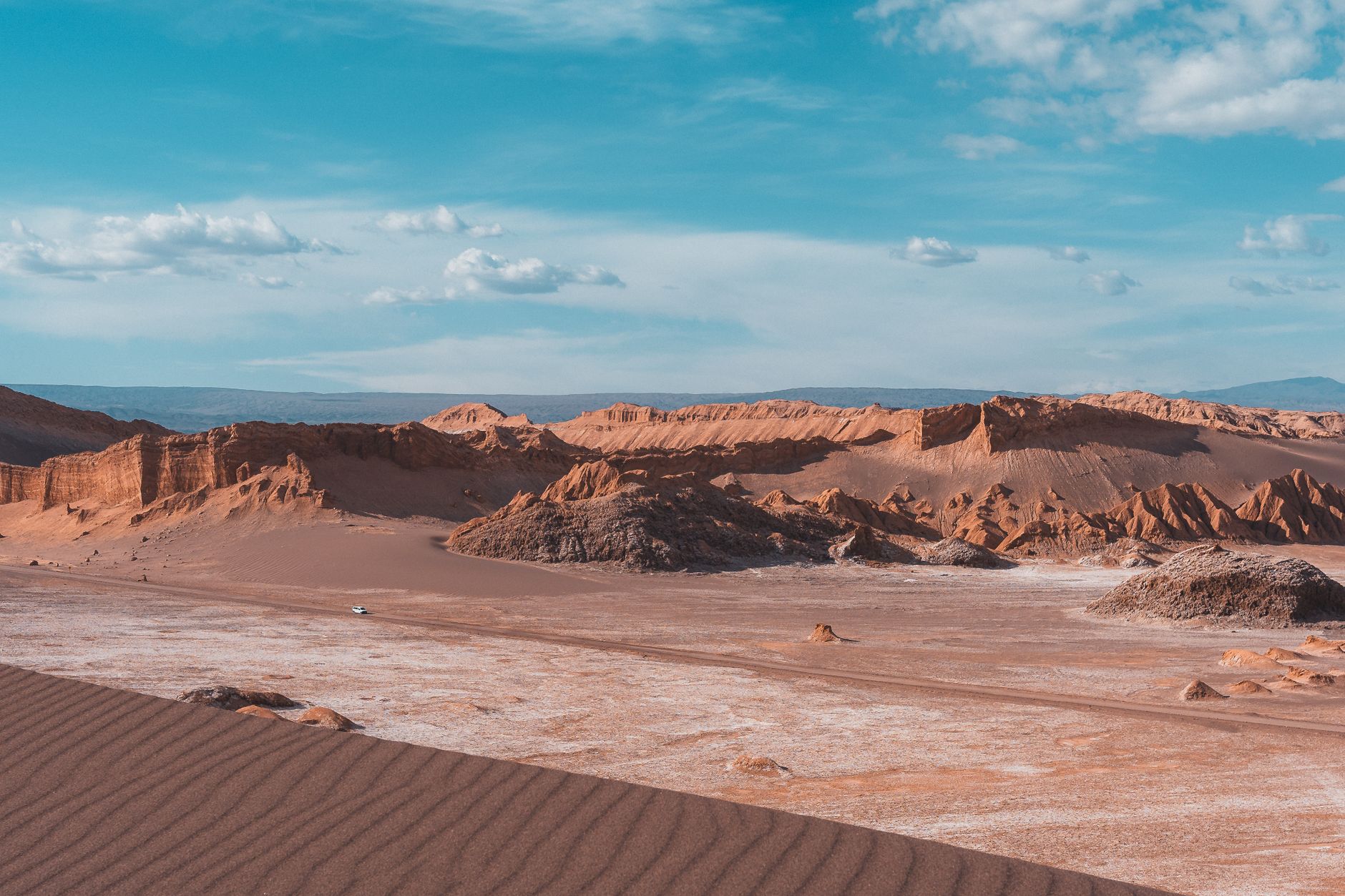
Valle de la Luna guide: Moon Valley from San Pedro, sunset classic, tickets first.
Jan & Valeria. We travel to Chile often and love sharing tips to help you experience this beautiful country.
When we plan a desert chapter the way we plan a Termas Geométricas day from Pucón, the feeling comes first and the ticket comes immediately after. Valle de la Luna is the landscape most people already have in their head: sculpted ridges, pale salt, a sky that turns theatrical late in the day. Visitors meet wind that can lean you sideways and sun that does not care that you “only came for sunset.” We do not write this as a story of standing on a dune last year. We write it as the logistics we would lock before anyone in the family is allowed to get romantic about the light.
This is the classic Atacama half-day. It sits closer to San Pedro than El Tatio. It still asks for official access, closed shoes, water, and a plan for when the vans cluster. Pair it with the Atacama travel guide and put it on day 2 of a sane itinerary, not on the afternoon you just rolled in from Calama.
Why this valley sits on the plan
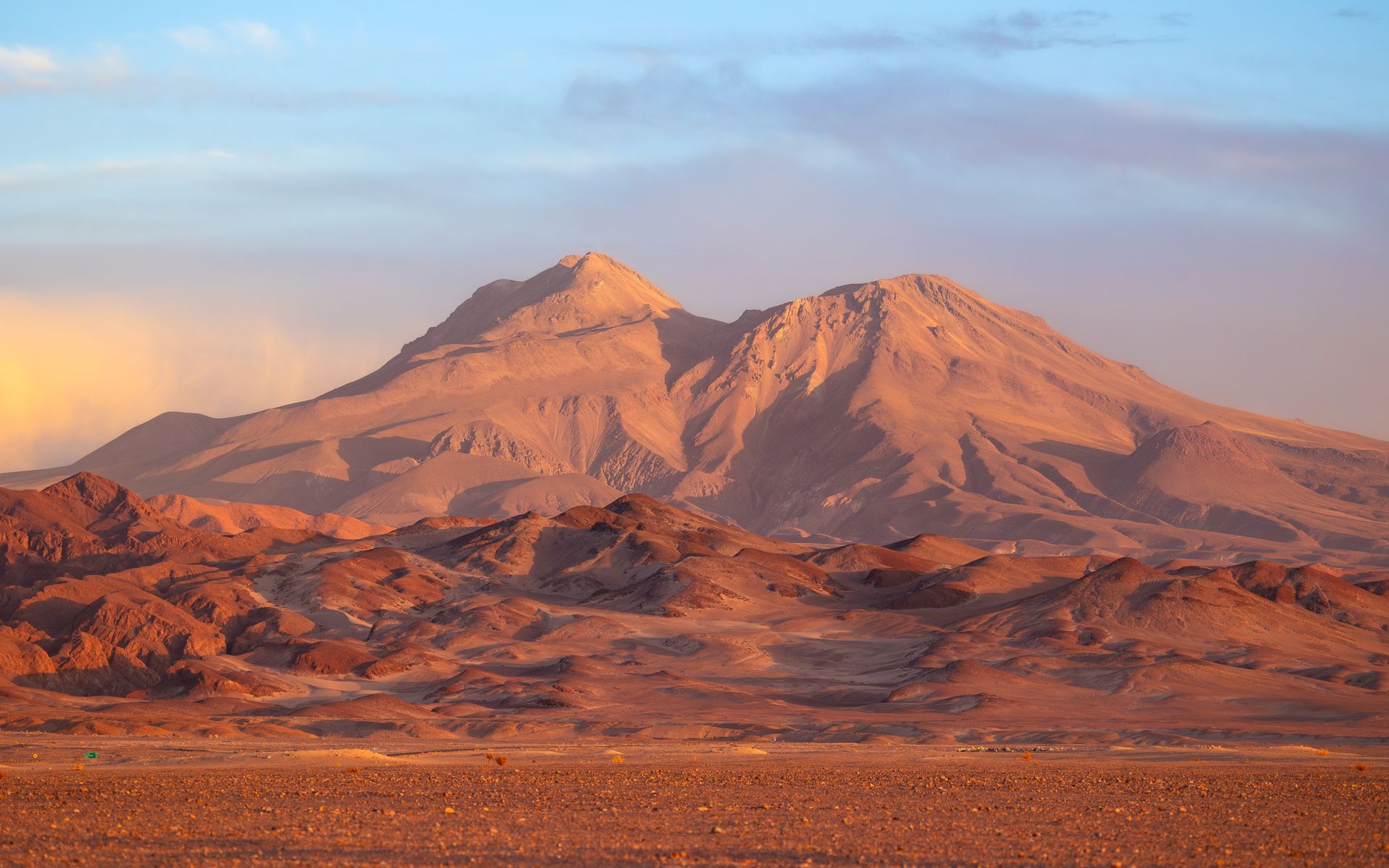
Valle de la Luna is the landform day most first trips are built around. Salt crusts, wind-cut shapes, viewpoints that look like another planet in late light. Chile.travel frames San Pedro through this valley and the geyser country beyond it. That is the right order of fame. It is not an excuse to skip tickets.
We treat it as moderate energy: sun, walking, dust, a cooler afternoon. It is not the hard high-altitude morning. That is why it belongs after an easy town day and before you decide whether El Tatio is a good idea. See the altitude guide if you are tempted to invert that order.
National tourism context: Chile.travel on San Pedro de Atacama.
How visitors get there from San Pedro
The valley sits a short drive west of town. You do not wander in on foot from the plaza. Current official access requires a vehicle, bicycle, or authorized tour. Pedestrian walk-up is not the system. That is why day tours are the default we recommend for a first Atacama trip. Operators know pickup times, entry rules, and how late you can still catch the light.
A rental car can work if you are comfortable with dust, limited signage, and buying the correct ticket before you arrive. We would not make a rental the default for every desert day. Tours exist because the valley is popular and the rules are specific. Confirm with your hotel who picks up at the door. A confusing 3 p.m. meeting point wastes the hour you wanted for golden light.
If Valle de la Luna is full on your planned day, swap it with the next landscape slot and keep high-altitude mornings for when you feel stronger. Flexibility beats a rigid spreadsheet. That swap logic is already on the itinerary page.
Tickets and official access
Yes, you need proper entry. Valle de la Luna sits in the Los Flamencos reserve story. Tickets are sold through the valley’s official channel, not as a casual cash handshake at a random gate. We checked the live official pages while writing this: buy through valledelaluna.com, and read current hours and rules on Reserva Nacional Los Flamencos access notes. CONAF’s national portal is conaf.cl for broader park context.
Hours change by season. Tickets are typically valid for the date and window you bought, not for “sometime this week.” Screenshot the QR or confirmation in town Wi-Fi. Tour prices often exclude the site ticket. Ask your operator, in writing, whether you must purchase entry yourself and by when. Do not invent a walk-up cash plan. The official sites are the ones that matter on your travel dates.
We are not printing peso amounts here. Fees move. Live official pages are the price list. If a blog from 2022 quotes a number, ignore it.
Sunset is the classic window
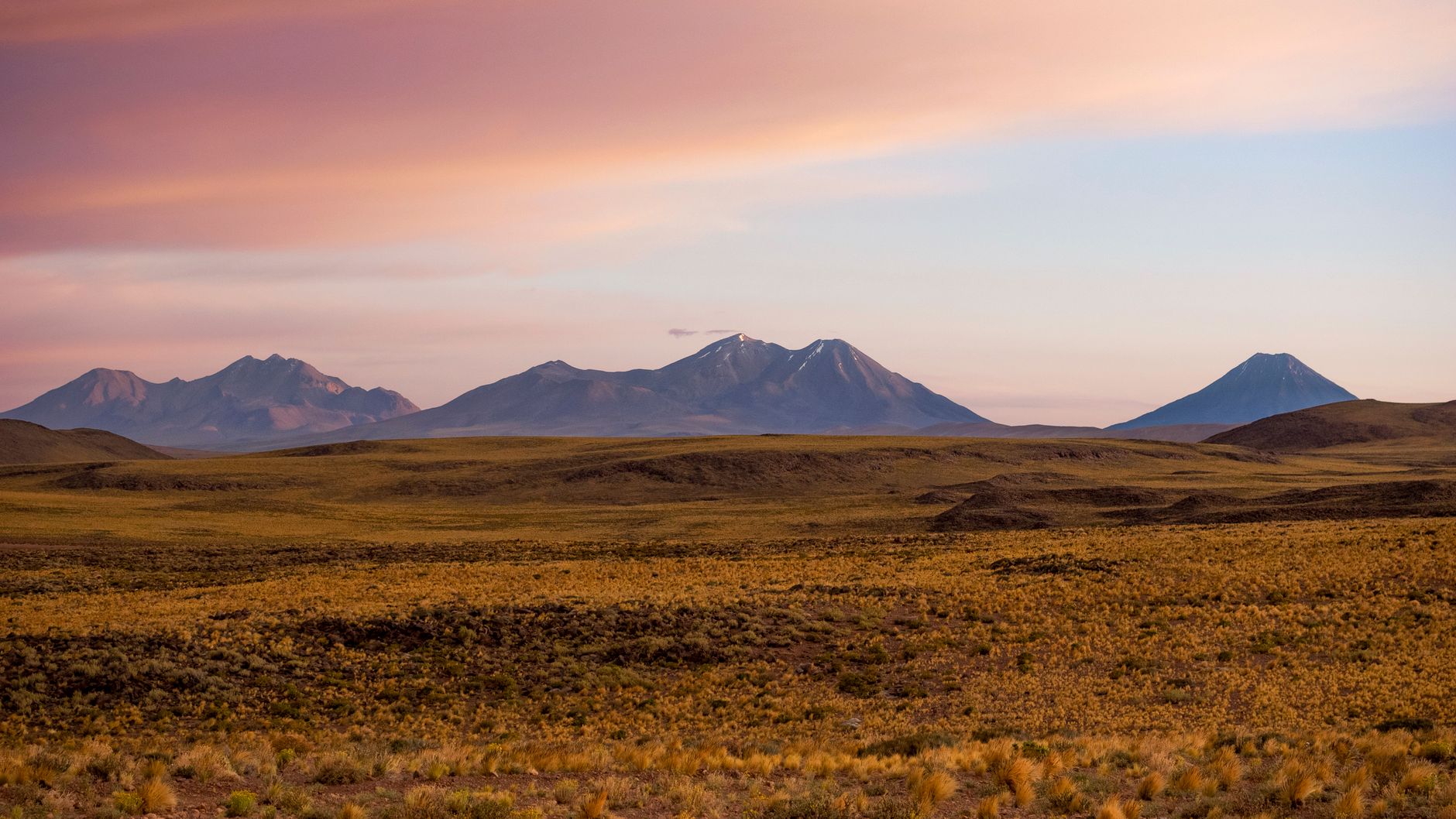
Afternoon into sunset is the slot most visitors want, and for good reason. The landforms read more clearly when the sun drops and the wind often reminds you that you are in a desert, not a studio. That also means you share viewpoints. Arrive with the official window, not with a fantasy of having the ridge to yourself in July.
Check last-entry rules on the official site for your season. A late taxi idea that ignores closing time is how people miss the valley entirely. Tours that advertise sunset should tell you the pickup and the latest you can still enter. If they cannot, pick another operator.
If you want stars the same night, keep the evening slow after you get back to town. Do not stack a 4 a.m. geyser on top of a long sunset stand. Best time to visit the Atacama is about months. This page is about not burning the one classic afternoon.
Sun, wind, and what not to assume
Assume sun. Assume wind. Assume dust in your camera bag. Closed shoes for rocky viewpoints. A wind layer even when town felt warm at lunch. Water in the pack, not “I’ll buy something later.” A headlamp if your tour returns after dusk. That is the same packing honesty we use on a Lake District thermal day that might turn wet, just with less rain and more glare.
Do not assume drones are fine. Protected areas in Chile are not your personal aerial studio. CONAF and local administrators restrict unmanned aircraft. If you do not have a current official permit, leave the drone in the hotel. The photo you want is not worth a fine or damage to a fragile crust that took longer to form than your vacation.
Stay on marked paths. Salt crusts are not a playground. If a sign says no, it means no even when someone else is already off-trail for a reel. Conservation is the reason the valley still looks like the picture in your head.
What to pack for the half-day
- Official ticket proof offline, plus ID if asked
- Sun hat, sunglasses, sunscreen, lip balm
- Wind layer and a light scarf or buff
- Closed shoes, water, a small snack
- Charged phone and a Chile eSIM that already works in town. Signal in the valley can drop. Download maps before you leave San Pedro. Atacama eSIM notes.
Keep a small daypack pre-packed. It saves the hour you would spend hunting a charger while the van is outside. Hotel heat matters when you get back and the temperature has already fallen.
How it fits the rest of the desert week
Three full days after arrival can hold this valley plus one other highlight. Four to five days is how you add geysers or Puritama without rushing. Count those days here: how many days in the Atacama. Sleep in one San Pedro base. Hotels in San Pedro is the shortlist framework.
This valley is not a substitute for Puritama, and Puritama is not a substitute for this valley. One is landforms and light. The other is a canyon soak. If you only have two full days, prioritize acclimatization and this landscape. Add the soak when the calendar allows.
What Valeria says: Nobody in the family treats Moon Valley as a casual stroll you invent after lunch. They ask who has the ticket, who has water, and whether you are going with a proper pickup. The romance is real. The paperwork is why the romance still exists.
Would we tell friends this is the one desert must?
Yes, as the landscape we would protect first after the easy town day. Not because it is empty. Because it is the feeling people came for, if they enter the official way and leave before they are arguing with the wind.
Can you go without a tour? Sometimes, with a vehicle or bike and a valid ticket. For a first trip, a reputable tour is simpler.
Is it safe? With sun sense, water, and marked paths, yes. The risks are exposure and ignoring rules, not a scary town. Broader frame: is Chile safe?
Related: Puritama · hot springs in Chile · Chile eSIM comparison.
We would book the ticket, pack the wind layer, and let the light do the talking. Moon Valley is not a secret. It is a place you enter correctly, then remember for a long time.