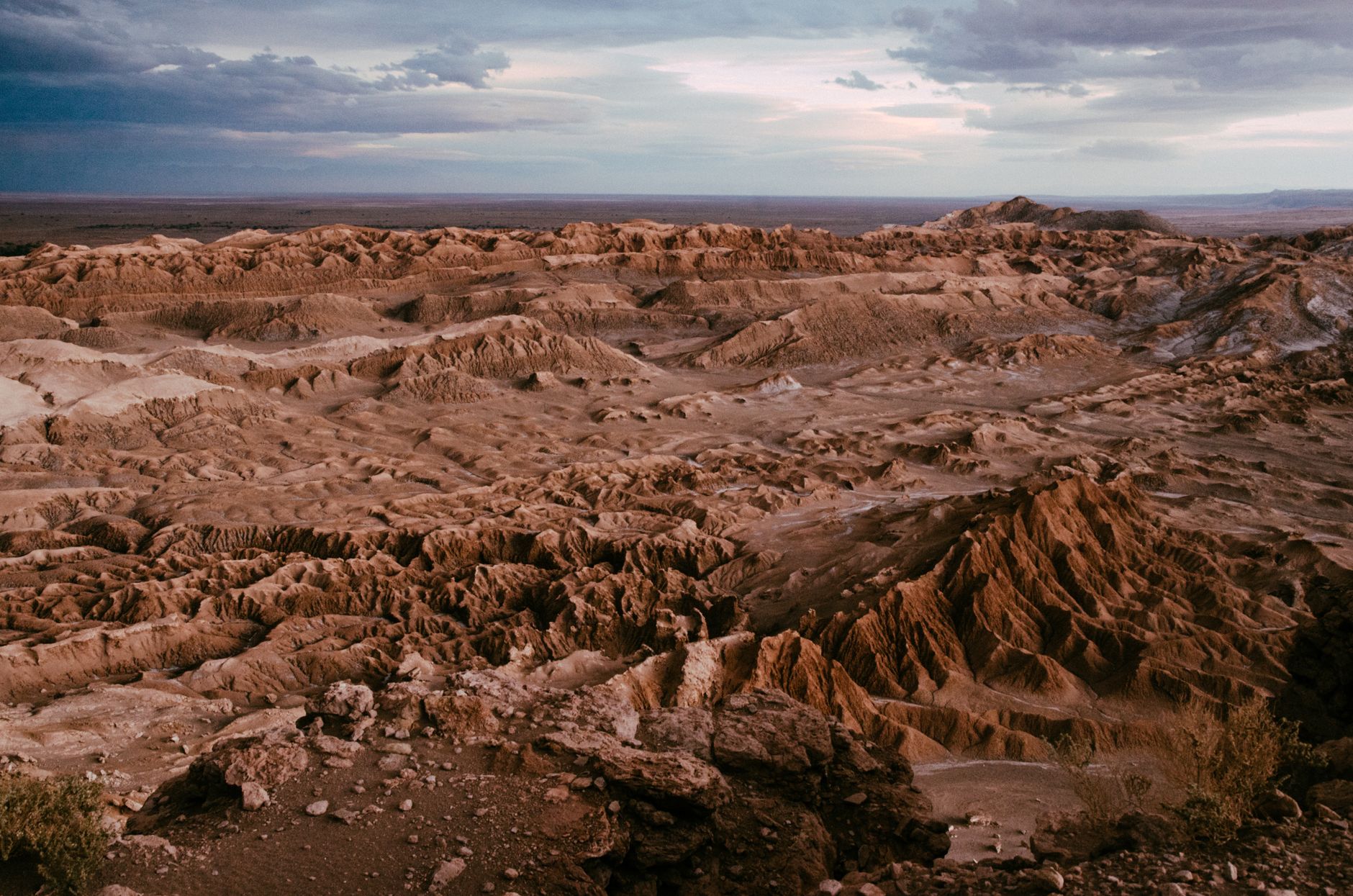
How many days in the Atacama Desert: three full days after arrival, four to five if you can.
Jan & Valeria. We travel to Chile often and love sharing tips to help you experience this beautiful country.
When we sit with Valeria’s family and someone says “just two nights in the desert,” the room goes quiet the way it does when a cousin proposes a same-day Termas Geométricas drive after a red-eye. Not because the Atacama is dangerous. Because altitude does not care that your spreadsheet looks tidy. The Lake District lets you abort a gravel road and go back to the hotel. San Pedro does not give that same easy undo on day one.
This is the chapter we protect on a two-region trip. Santiago first, then the high desert. Visitors meet air that feels thinner than anything around Pucón, light that is sharper, and nights that drop colder than the photos suggest. The question is not whether the Atacama is worth it. The question is how many days you still have after you actually arrive.
Our short answer: plan three full days in San Pedro after arrival as a minimum. Four to five feels better if you want a geyser morning, a valley sunset, and a soak or rest day without stacking hard days. Pair this page with our Atacama travel guide and the day-by-day Atacama itinerary.
The honest short answer
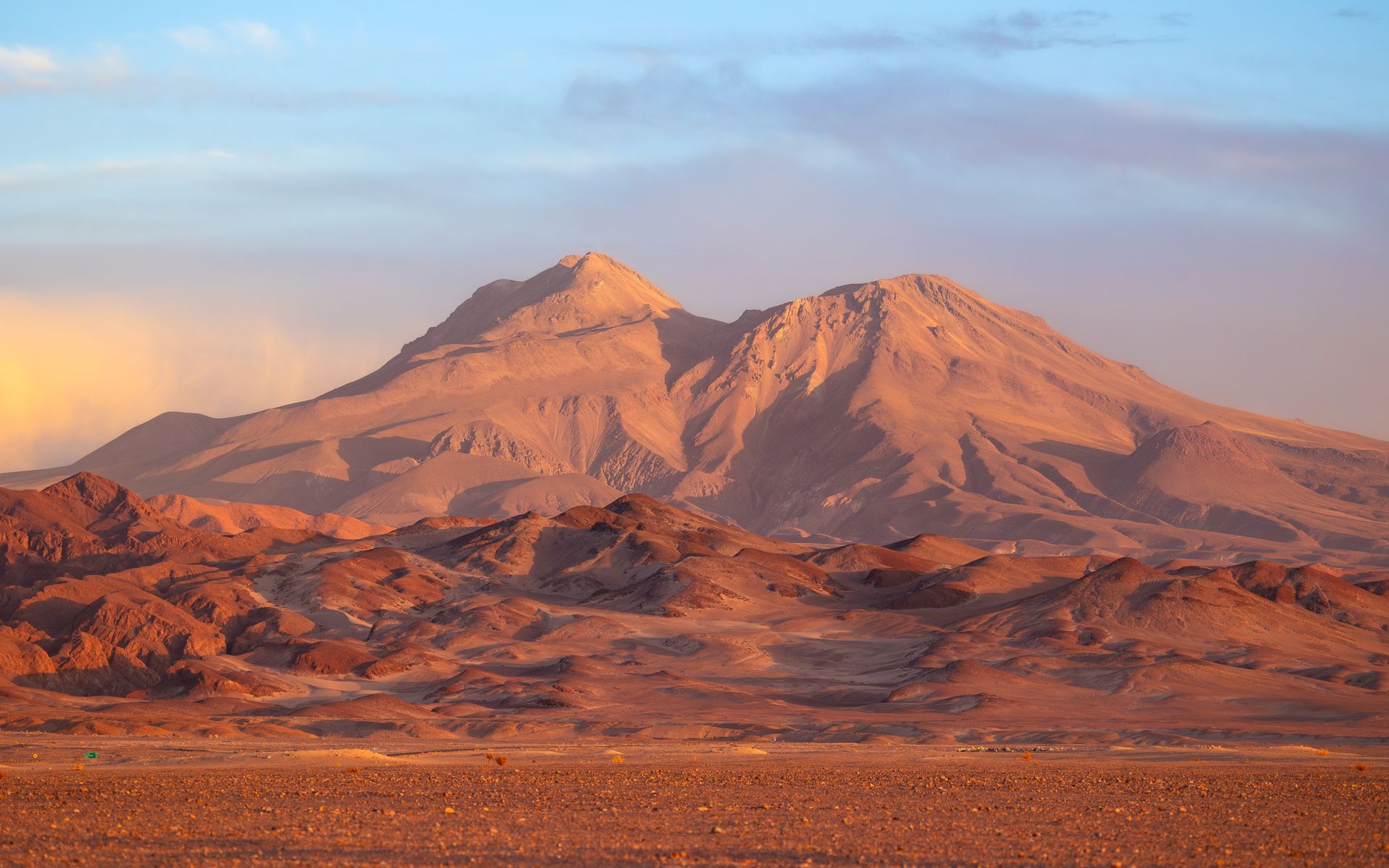
Three full days in San Pedro is a highlights pass. Tight, doable, and honest if you treat arrival as travel, not sightseeing. Four days is what we would book for most first-time visitors. Five days is the version that lets you skip a tour without feeling like you wasted the flight to Calama.
Count nights the way Chile actually works. Fly Santiago to Calama, transfer about 90 minutes to San Pedro, check in, drink water, go to bed. That is Day 0. The next morning is when the trip starts. If you only booked two hotel nights, you have one real desert day and a departure morning. That is how people leave thinking the Atacama was “fine” instead of otherworldly.
Official tourism context for the oasis town lives on Chile.travel’s San Pedro page. Use it for landscape names and current visitor notes. Use our pages for pace.
Why arrival day does not count
San Pedro sits around 2,400 meters. That is already high enough to change how stairs feel. Popular tours climb higher. We do not stack a high-altitude sunrise on the morning after a SCL to CJC hop. If you want the altitude mechanics, read our Atacama altitude guide before you lock El Tatio.
Arrival day is for the transfer, a short town walk, groceries, and an early dinner. Meals run later than many North American travelers expect. Lunch after a morning tour, dinner around 8 p.m., then bed before tomorrow’s van. Fighting Chilean meal time on vacation wastes energy you need for thin air.
This is the same buffer habit we use around Patagonia flights and Lake District thermal days. Land, sleep, start fresh. The desert will still be there tomorrow. Your head will thank you.
What three full days can actually hold
A three-full-day stay after arrival looks like this in our planning, not as a race:
- Day 0: Fly SCL to CJC, transfer to San Pedro, easy evening.
- Day 1: Acclimatization. Town, cafe, church square, no high-altitude tour.
- Day 2: Valle de la Luna or a similar valley afternoon and sunset.
- Day 3: One choice: a high-altitude morning if you feel ready, or Puritama as the gentler highlight.
- Departure morning: Transfer back to Calama with slack for dust and sluggishness.
That is a highlights pass. You see the classic moon-valley landforms most visitors picture. You do not get geysers plus a soak plus a second landscape morning unless you skip rest. We would rather skip a tour than skip the easy first day. The itinerary page spells the swap rules if Valle de la Luna is full on day 2.
Why four to five feels better
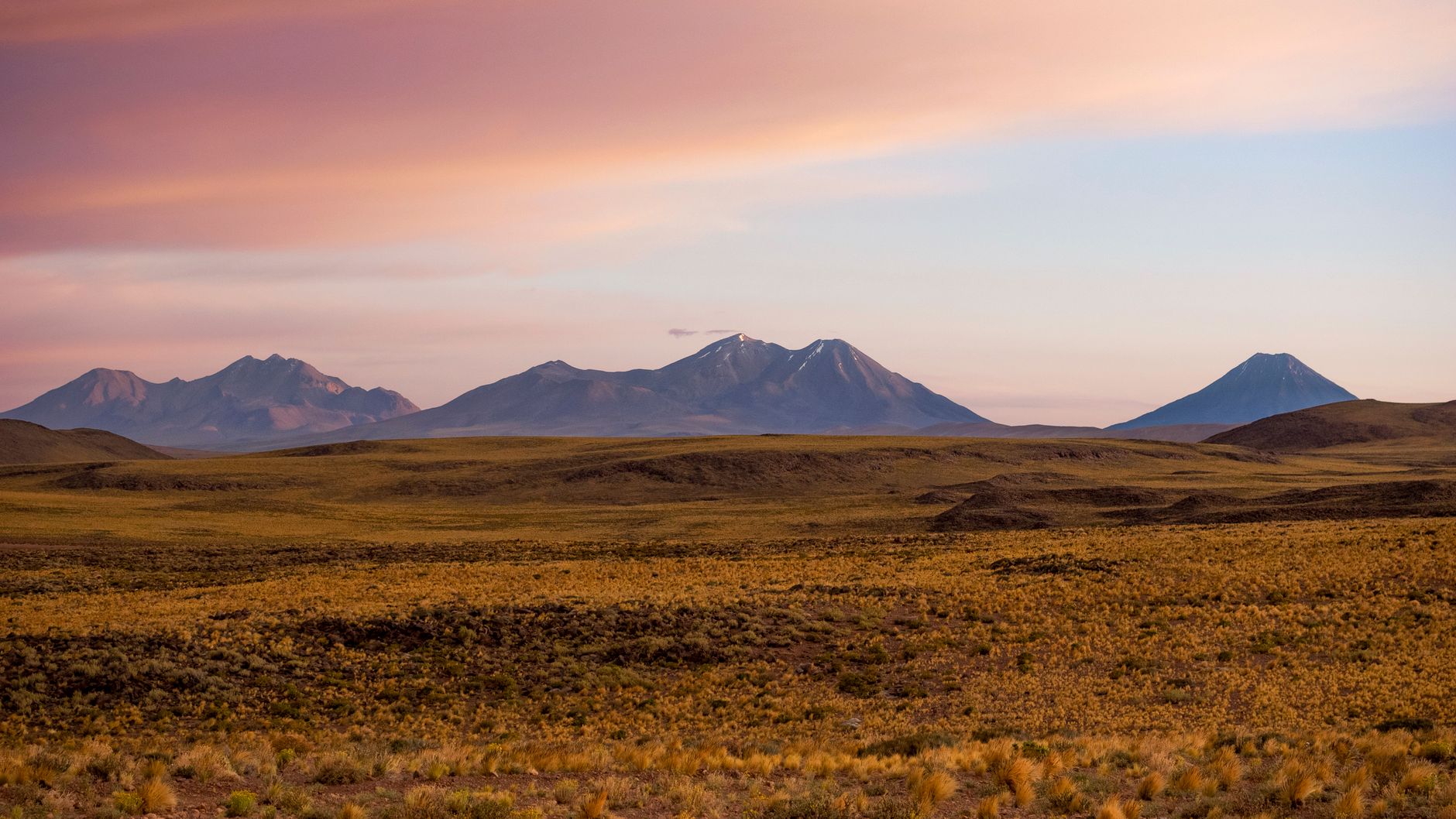
Four full days after arrival is our default recommendation. You keep the easy first day. You get the valley sunset. You can place a high-altitude morning later, then put Puritama or a rest block in the middle instead of the morning after geysers. That is the shape we would book for a first Atacama trip today.
Five days lets the desert breathe. Add a dedicated stargazing evening, a second valley or lagoon half-day, or a full rest morning with a book in an adobe courtyard while dust blows past the wall. Sitting still is a valid Atacama day. Not every hour needs a van pickup.
Do not put two hard days back to back on a first trip. Hard means early wake-ups and high elevation. Moderate means sun, walking, and a valley afternoon. Easy means town. The itinerary labels days that way on purpose.
What Valeria says: In Chile nobody brags about how fast they “did” the desert. They ask if you slept the first night and if you drank water. If a cousin feels off, the family cancels the 4 a.m. pickup without drama. That is the local sentence I wish more packing lists printed.
How this fits a two-region Chile trip
We like Santiago plus Atacama on a two-week mainland trip. Add one easy Santiago night before the Calama flight and one after return if your international connection is tight. Domestic SCL to CJC flights run more often than Patagonia or Rapa Nui routes, which makes the desert easier to slot. Still book holiday weeks early. Chilean families travel then too.
Trying to squeeze Patagonia into the same vacation usually means none of the regions get the days they deserve. Same warning for Easter Island. The island is its own chapter. If you want Rapa Nui this year, protect those nights and come back for the desert later. Depth over a checklist is the whole point of how we travel Chile.
When we sketch a two-week Chile trip for friends, the desert block is never the leftover. It is a decision. Santiago nights for jet lag and neighborhoods, then a real San Pedro stay, then home or a wine valley that does not need its own altitude lecture. That shape respects how tired people feel after Calama and how much light they still want in the valleys. A “quick desert add-on” is how the first morning becomes a geyser you should have skipped.
For the Santiago buffer nights, where to stay in Santiago is the neighborhood framework. Sleep east. Do not spend arrival energy decoding Centro.
What to book before you count the days
Days only work if the logistics are already locked:
- SCL to CJC flights and the Calama transfer
- All San Pedro nights in one base. See hotels in San Pedro de Atacama.
- Valle de la Luna or your must-do landscape tour, plus official site access as required
- High-altitude sunrise tour only after you plan the easy first day
- Puritama timed entry if you want the soak, per current official rules
- A Chile eSIM before you leave SCL. Town signal is usable. Tour zones often are not. Notes: Atacama eSIM.
Keep the same hotel for the whole stay. Packing up daily is wasted energy in the desert. Ask which operators pick up at the door. Confirm the night before. Cancellation flexibility matters when altitude forces a slower day than planned. Quiet rooms matter more than you think. Tour vans leave early. A courtyard that looks romantic at noon can feel loud at 5 a.m. if your window faces the street.
Money and packing sit next to the day count. Chile uses pesos. ATMs exist in San Pedro and can run dry on busy weekends. Carry some cash for small purchases. Sun hat, lip balm, and a refillable bottle are not extras. Dust gets everywhere. A light scarf or buff helps on windy stops. Evenings are cold. Midday is fierce. That packing list does not change if you stay three days or five. The extra nights just give you a chance to use it without rushing.
Month choice changes crowds more than rain. If you are still picking dates, read best time to visit the Atacama next. Peak weeks fill sunrise slots before hotel rooms.
Would we tell friends to give it three days or five?
We would tell friends to give it four if they can, three if the calendar is tight, and never two. Three full days after arrival is the honest minimum. Four to five is how the desert stops feeling like a commute between vans.
Is 3 days enough? Yes for a highlights pass if Day 1 stays easy. Add a fourth if you want geysers plus a soak without rushing.
Can you do geysers on day one? We do not recommend it. Give yourself at least one easy day in San Pedro first.
Do you need a car? Not required if you book tours. A rental helps for flexible timing, but altitude, dust, and remote roads need respect.
Is the Atacama safe? With normal precautions, yes. The main risks are altitude, sun, dehydration, and remote driving. Country frame: is Chile safe?
Related: Atacama itinerary · San Pedro hotels · Puritama · hot springs in Chile · Chile eSIM comparison.
We would rather leave the Atacama with one tour skipped than with a headache and a flight home. Count the days after you arrive. Protect the first easy morning. Then let the valleys and the night sky do what they do.