Author: Kurt

  • Is Chile Safe for Solo Female Travellers in 2026?

    Traveling solo as a woman can feel both exciting and a little uncertain, especially when heading somewhere new. Chile is often described as one of the safest countries in South America, but what does that actually look like when you’re on your own?

    My wife grew up in Chile, so beyond my own experience traveling here, this guide is also shaped by local, insider knowledge. That means not just the typical safety advice you’ll find online, but the small details locals actually pay attention to day to day.

    From walking through the streets of Santiago to exploring remote regions like Patagonia, here’s a clear and practical look at what solo female travel in Chile is really like in 2026, and how to do it confidently.

    Important links:

    Is Chile safe for solo (female) travelers in 2026?

    Chile is widely considered one of the safest countries in South America, and that reputation generally holds true for solo female travelers as well. Whether you’re exploring cities like Santiago or heading into remote regions, most trips are smooth and trouble-free with the right level of awareness.

    That said, traveling alone as a woman comes with a slightly different set of considerations. In this guide, you’ll get a clear, realistic view of what it’s like to travel solo in Chile in 2026, along with practical tips to help you feel confident and prepared.

    Overall safety for solo female travelers in Chile

    What it feels like traveling alone in Chile

    Traveling alone in Chile generally feels comfortable and manageable. The country is organized, infrastructure works well, and day-to-day interactions tend to be calm and respectful. In cities, you’ll see other solo travelers, and in tourist areas, it’s common to meet people doing the same route.

    There’s a noticeable sense of order compared to many other countries in the region, which makes navigating on your own much easier.

    I highly recommend reading this blog too from the Solo Female Travel Club.

    How Chile compares to other South American countries

    Chile stands out as one of the more stable and predictable destinations in South America. It tends to feel safer and more structured than places like Brazil or Colombia, especially for first-time solo travelers.

    While it’s not completely risk-free, the overall environment is more relaxed, and issues tend to be minor rather than serious.

    Key risks to be aware of

    The main risks are the same as for most travelers: petty theft and occasional scams. Violent crime affecting tourists is rare.

    As a solo female traveler, you may also encounter occasional street comments, particularly in busy city areas, but this is usually more uncomfortable than dangerous. Staying aware and confident goes a long way.

    Is Chile safe compared to other countries

    Chile vs Argentina

    Chile and Argentina are very similar in terms of safety. Both are good options for solo female travelers, though Chile often feels slightly more organized and predictable, especially in cities.

    Chile vs Brazil and Colombia

    Chile is generally considered safer than Brazil and Colombia, particularly when it comes to street crime and overall stability. For solo travelers, this difference is noticeable in day-to-day comfort.

    Chile vs USA, UK, and Canada

    Compared to countries like the USA, UK, and Canada, Chile has higher levels of petty theft but similar or lower levels of violent crime in many areas. The biggest adjustment is simply being more mindful of your belongings.

    Safest places in Chile for solo female travelers

    Safe areas in Santiago (where to stay)

    In Santiago, neighborhoods like Las Condes, Providencia, and Vitacura are among the safest and most comfortable for solo female travelers. These areas are clean, well-lit, and full of hotels, cafes, and restaurants.

    They’re also easy to navigate, which makes them ideal if it’s your first time in Chile.

    Safe destinations beyond Santiago

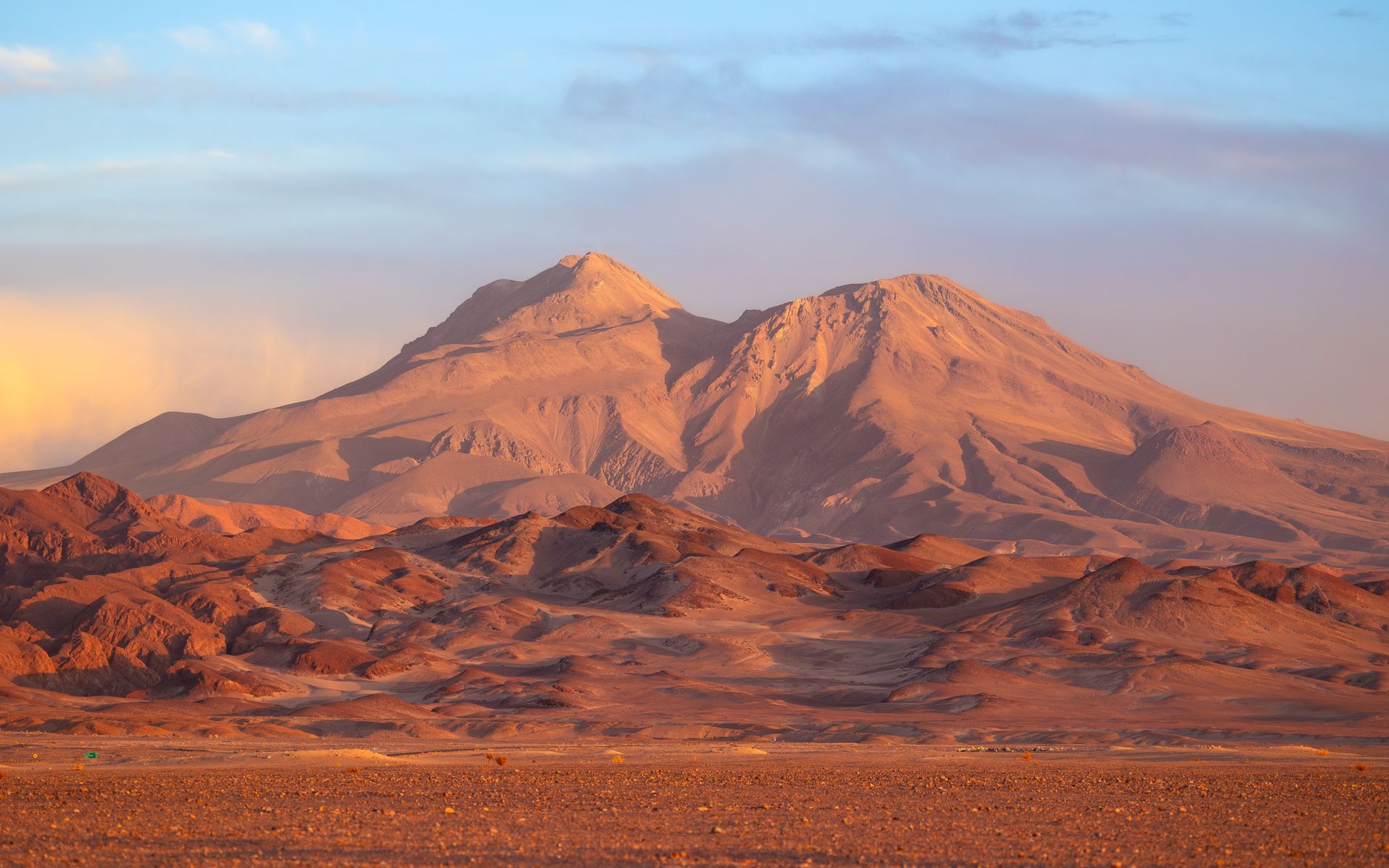
    Outside the capital, places like San Pedro de Atacama, Puerto Varas, and much of southern Chile are very safe. These destinations are used to tourism and have a relaxed, welcoming atmosphere.

    You’ll often find it easy to walk around alone during the day and even in the evening in busier areas.

    Places that feel most comfortable for first-time solo travelers

    If you’re new to solo travel, Chile is a great starting point. Areas with strong tourism infrastructure tend to feel the easiest, with clear transport options and helpful locals.

    Areas to avoid as a solo female traveler

    Neighborhoods in Santiago to be careful in

    While much of Santiago is safe, certain areas like parts of Estación Central, La Pintana, and more remote outskirts are not ideal for tourists, especially at night.

    Places to avoid at night

    Quiet streets, poorly lit areas, and unfamiliar neighborhoods are best avoided after dark. This applies in Santiago and other cities.

    Situations where extra caution is needed

    Be more alert in crowded places like markets, public transport, and bus terminals. These are the most common spots for petty theft.

    Common safety concerns for solo female travelers

    Harassment and street behavior

    Street harassment exists but is generally limited to comments rather than physical behavior. Most interactions are harmless, though they can feel uncomfortable.

    Ignoring and continuing confidently is usually the best approach.

    Pickpocketing and petty theft

    This is the most common issue travelers face. It tends to happen in busy areas where people are distracted.

    Keeping your belongings secure and out of sight reduces the risk significantly.

    Taxi and transport scams

    Occasionally, unregistered taxis may overcharge or take longer routes. Using apps or official services helps avoid this.

    Transport safety tips for solo female travelers

    Using Uber and ride apps safely

    Ride apps like Uber and Cabify are widely used in Chile and are generally safe. They’re often the best option, especially at night.

    Public transport safety

    Public transport is reliable and widely used, but like in any major city, it’s best to stay aware of your surroundings and keep an eye on your belongings.

    Airport transfers and late-night travel

    Arrange transport in advance when arriving late at night. Using official taxis or ride apps is the safest choice.

    Night safety tips for solo female travelers

    Going out in Santiago and other cities

    Nightlife areas are lively and popular, particularly in Santiago. Stick to well-known districts and avoid wandering too far off.

    How to stay safe when walking alone at night

    Stay in well-lit, busy areas and avoid distractions like using your phone while walking. Confidence and awareness make a big difference.

    Safe nightlife areas

    Areas like Providencia and parts of Bellavista are popular for nightlife, though extra awareness is recommended in busier zones.

    Cultural tips for female travelers in Chile

    How locals treat solo female travelers

    Chileans are generally respectful and polite. Solo female travelers are common, and most people won’t give it much attention.

    What to wear and how to blend in

    There’s no strict dress code, but locals tend to dress relatively modestly and neatly. Blending in can help avoid unwanted attention.

    Social norms and expectations

    Simple politeness goes a long way. Greeting people and being respectful helps create positive interactions.

    Natural risks and situational awareness

    Safety in remote areas like Patagonia

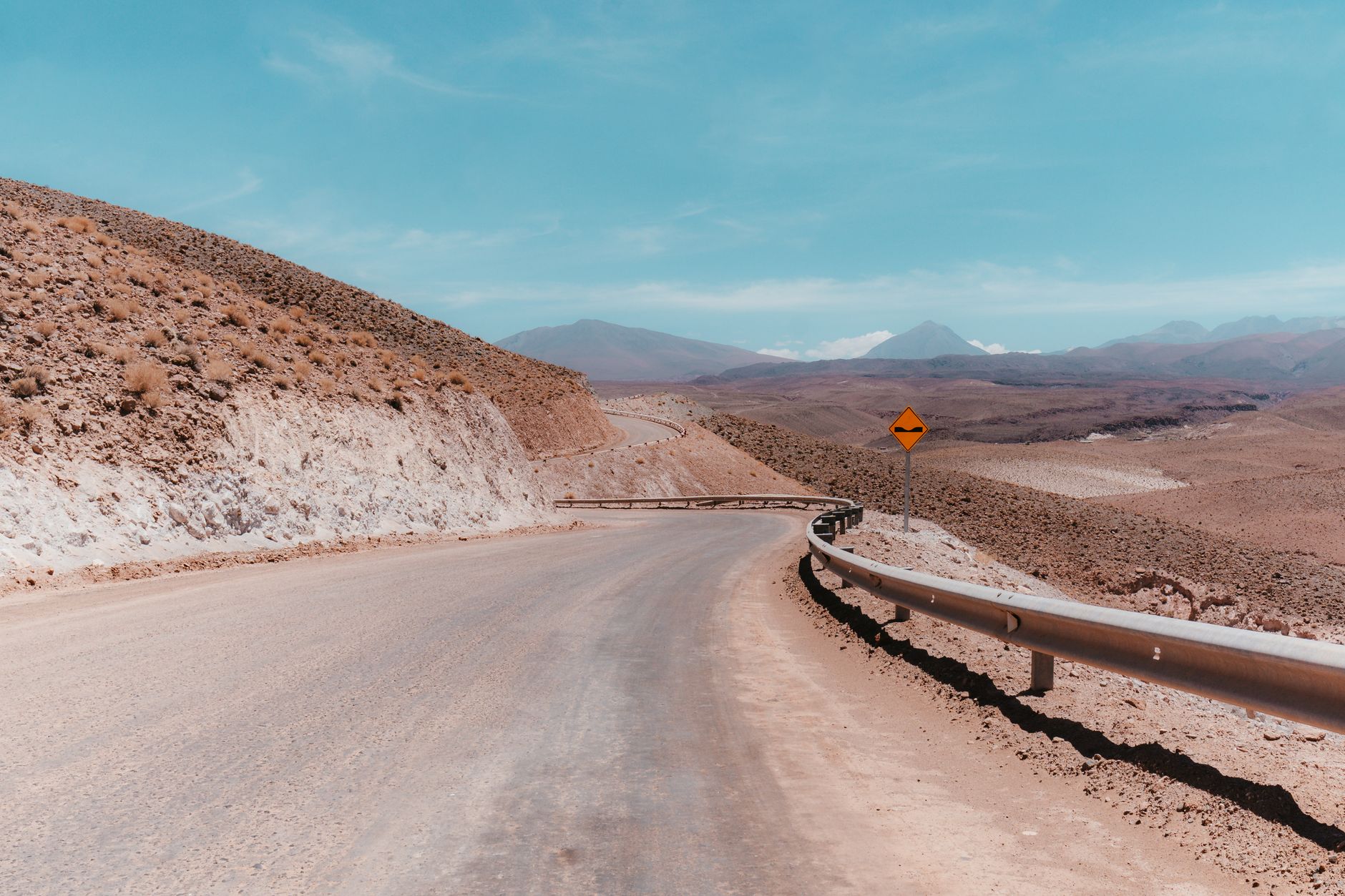
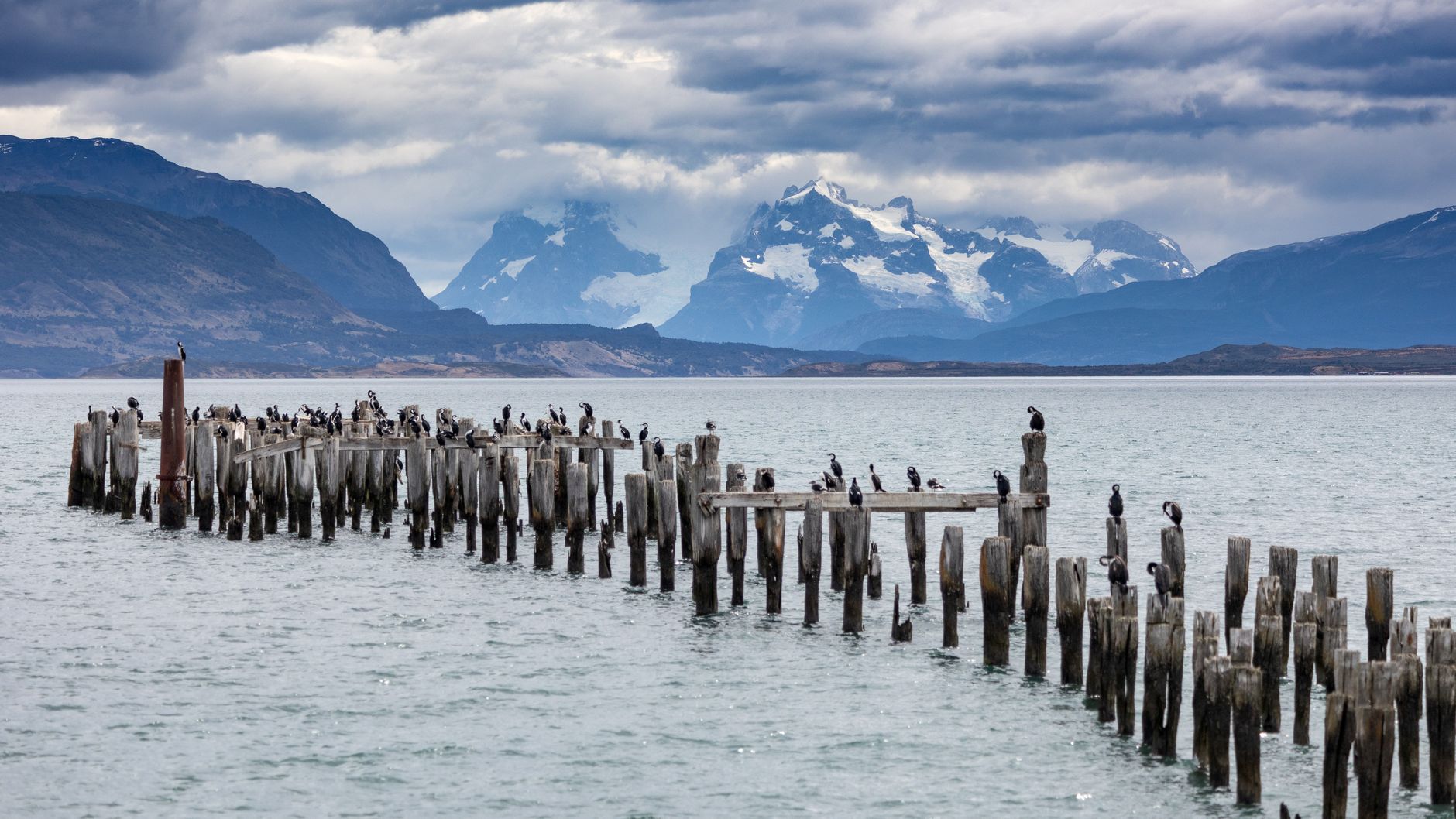
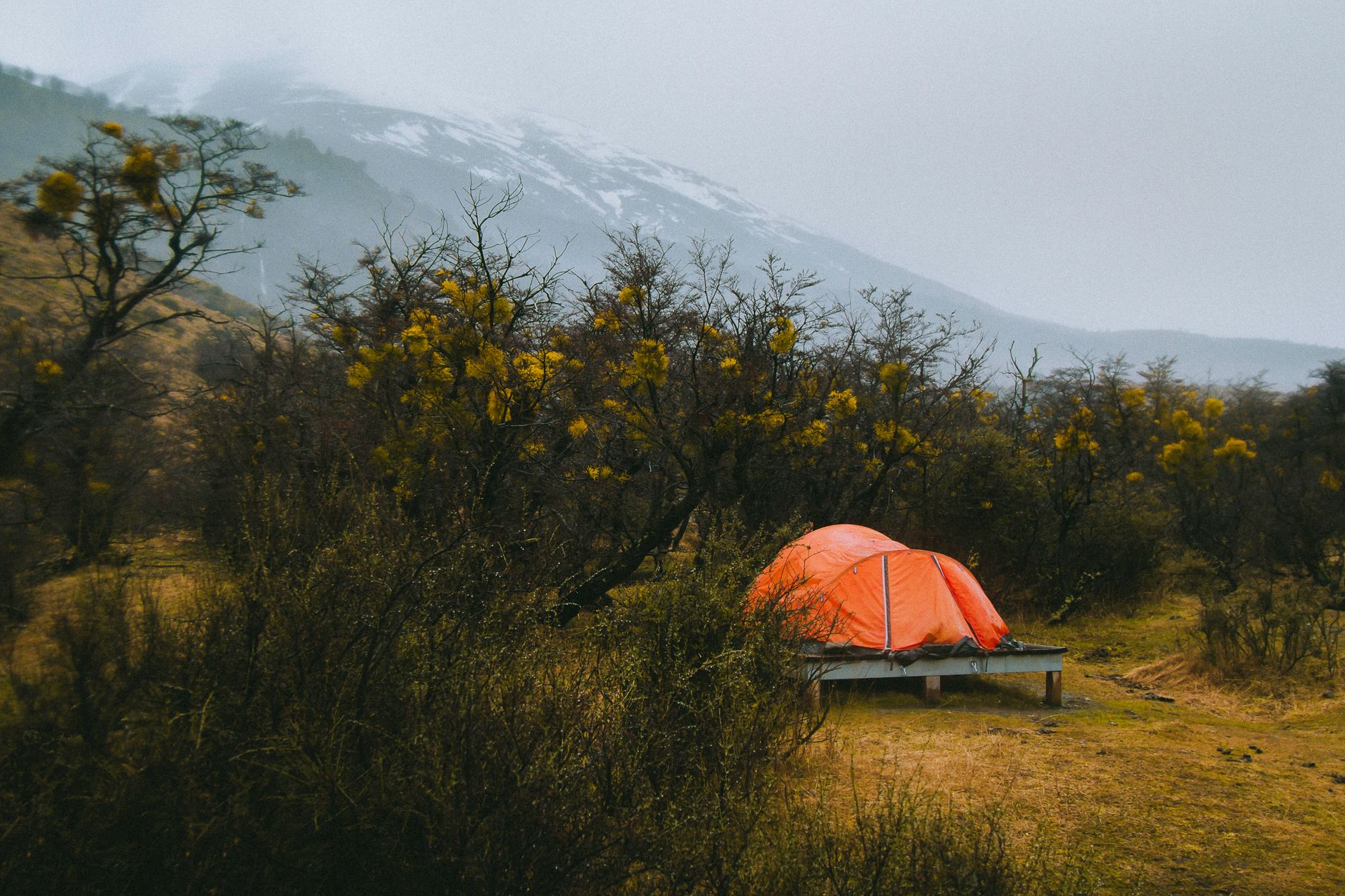
    Remote regions are very safe in terms of crime, but they come with environmental risks. Weather conditions can change quickly, and distances are large.

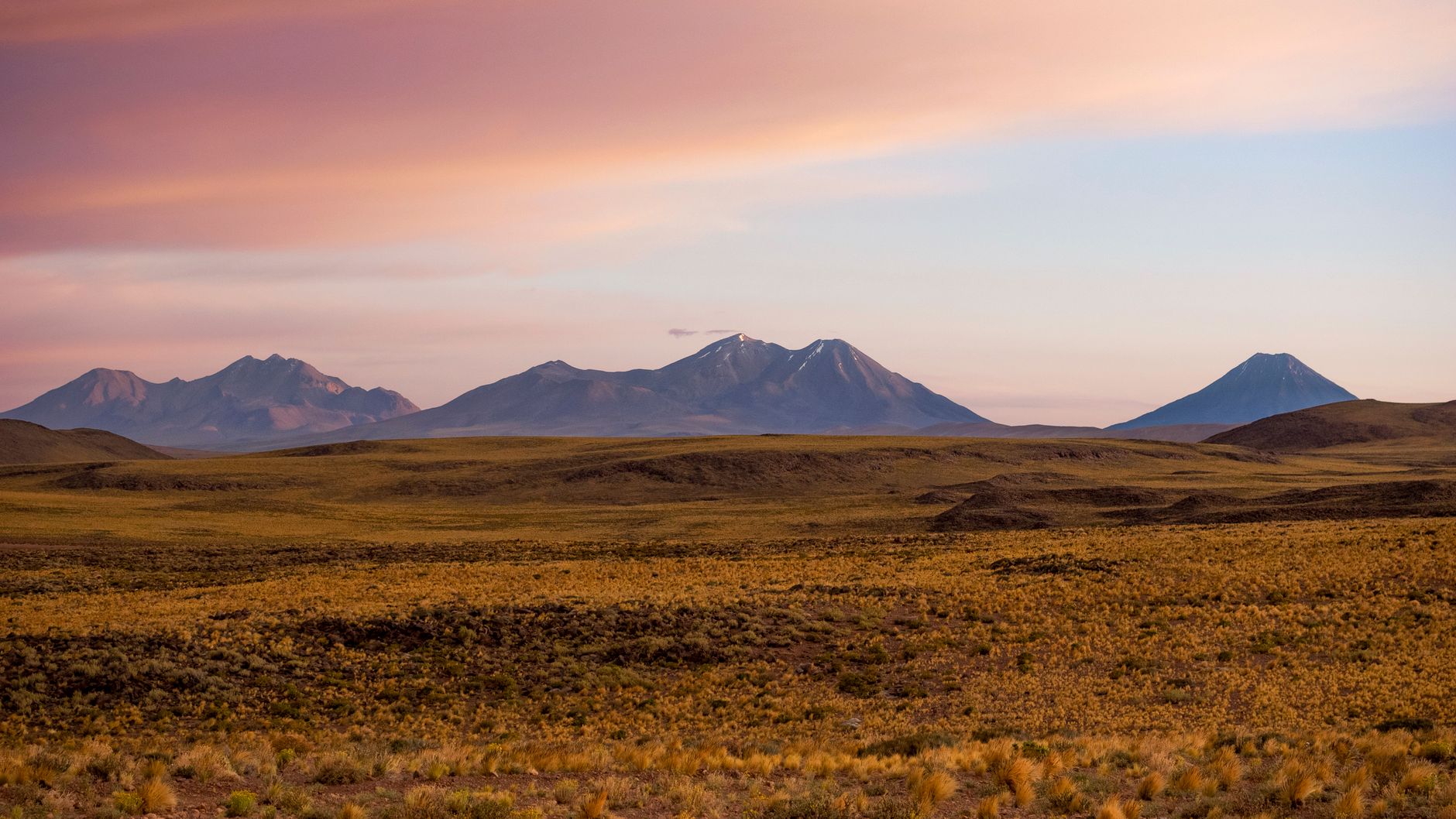
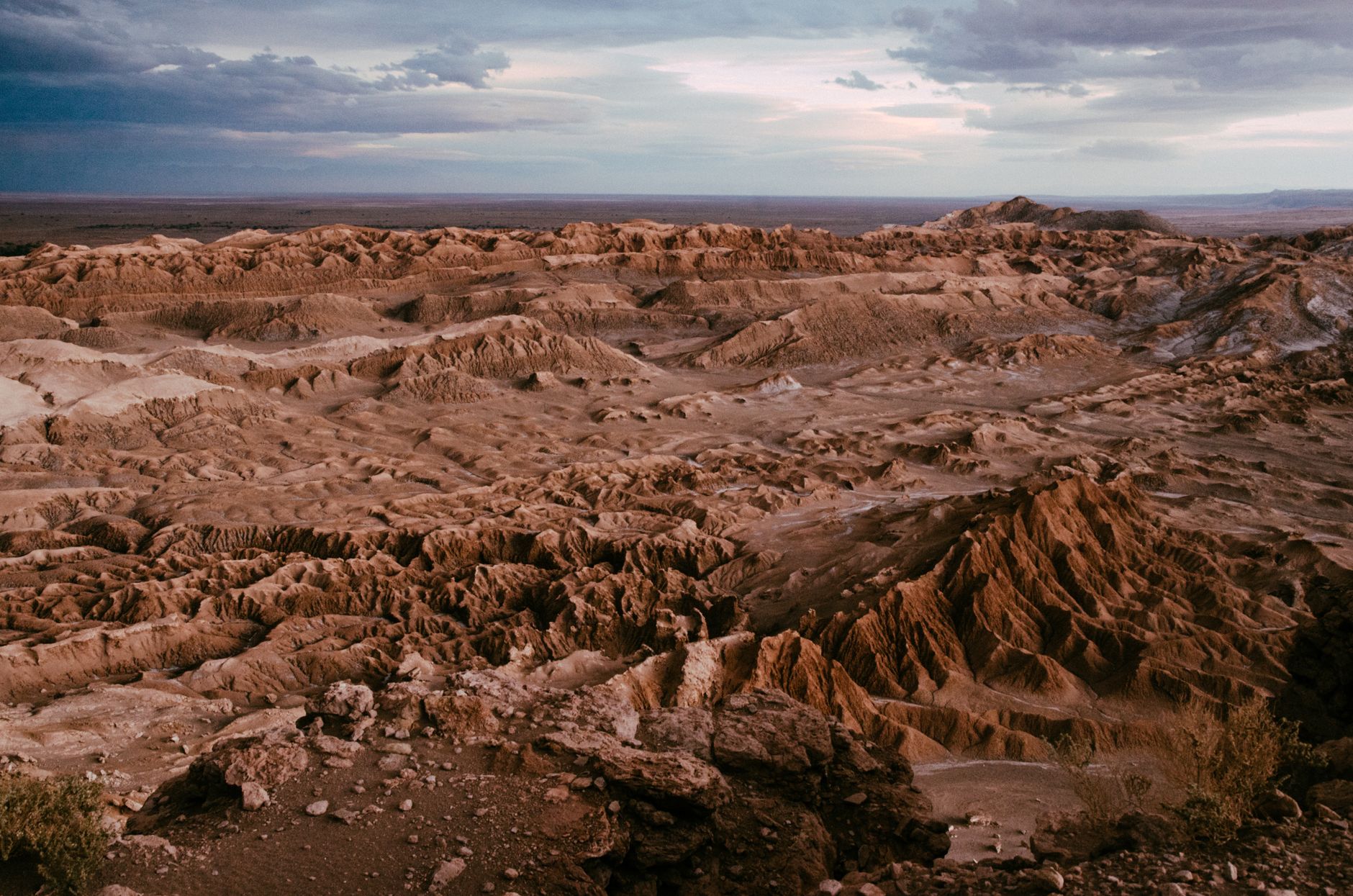
    Traveling in the Atacama Desert

    The Atacama is extremely safe but also very remote. Staying hydrated and planning tours properly is important.

    Emergency awareness (earthquakes, weather, isolation)

    Chile is prone to earthquakes, though buildings are well-prepared. In remote areas, being prepared and informed is key.

    Solo female travel tips for Chile

    Daily habits that keep you safe

    Keep valuables out of sight, stay aware of your surroundings, and trust your instincts. Small habits make a big difference.

    What to do if you feel unsafe

    If something feels off, leave the situation and head to a busy, public area. Asking for help from staff or locals is usually easy.

    How to build confidence traveling alone

    Start with safer areas, plan your routes, and take things step by step. Confidence grows quickly once you settle in.

    Is Chile safe right now for solo female travelers in 2026?

    Current safety situation

    Chile remains one of the safest countries in the region. Most visits are trouble-free, and tourism continues to be strong.

    Protests and political climate

    Protests can happen, especially in Santiago. They are usually peaceful but should be avoided if encountered.

    Recent changes travelers should know

    There are no major new risks affecting solo female travelers specifically. General awareness is still the most important factor.

    Is Chile safe for you as a solo female traveler?

    Chile is a strong choice if you’re looking for a safe and manageable solo travel experience in South America. It offers a balance of comfort, structure, and adventure that suits a wide range of travelers.

    With basic precautions and awareness, it’s a destination where you can feel confident exploring on your own.

    Quick FAQ

    Is Chile safe for solo female travelers at night?

    Yes, in the right areas. Stick to well-lit, busy neighborhoods and avoid unfamiliar places after dark.

    Is Santiago safe for solo female travelers?

    Santiago is safe in many areas, especially neighborhoods like Providencia and Las Condes, though extra awareness is needed compared to smaller towns.

    Is Chile good for first-time solo travelers?

    Yes, it’s one of the best countries in South America to start with due to its stability and infrastructure.

    What should women avoid doing in Chile?

    Avoid displaying valuables, walking alone in quiet areas at night, and using unregistered taxis. Staying aware is the key to a safe trip.

    Practical next steps for your Chile trip

  • Best Luxury Hotels in Santiago Chile (Updated 2026 List)

    We’ll first look at the neighborhoods and then look at the best luxury hotels for your trip.

    Where to Stay in Santiago (Best Neighborhoods)

    Choosing the right area in Santiago can completely shape your experience. The city is large and diverse, and each neighborhood offers its own atmosphere, from historic charm to sleek modern living.

    If it’s your first time visiting, staying in the right location will make everything easier, from sightseeing to dining and getting around.

    Planning your trip? These guides might help:

    Best luxury hotels in Santiago

    Finding the right hotel in Santiago comes down to your travel style and the experience you’re after. Whether you prefer a refined boutique stay in cultural Lastarria or a high-end tower with panoramic Andes views in Las Condes, Santiago delivers.

    Below you’ll find a curated selection of the best luxury hotels in Santiago, chosen for their location, design, service, and overall experience.

    Here is our list of the best hotels in Santiago:

    The Ritz-Carlton, Santiago (link)

    I stayed at The Ritz-Carlton in Las Condes and immediately noticed how calm and classic everything feels. This isn’t a trendy hotel, it’s timeless. The rooms are spacious, comfortable, and perfect if you just want to switch off after a day in the city.

    👉 Check availability here

    What I personally loved most was the rooftop wellness area. Sitting in the heated pool while looking out toward the Andes is one of those small moments that makes a stay feel special.

    • Heated rooftop pool with mountain views
    • Spacious rooms with a classic feel
    • Excellent location in Las Condes

    Mandarin Oriental (link)

    This is easily one of the most impressive hotels I’ve experienced in Santiago. The moment I walked in, it felt more like a resort than a city hotel. There’s space, greenery, and a level of calm you don’t often find in a capital.

    👉 Check availability here

    I spent a good amount of time by the pool, which is honestly one of the best in the city. It’s large, beautifully designed, and perfect if you want to slow down for a day.

    • Resort-style pool with waterfall and gardens
    • Peaceful, spacious setting
    • Outstanding service throughout

    W Santiago (link)

    If you want something with more energy, I really liked the vibe at W Santiago. It feels modern, social, and a bit more alive compared to the more traditional hotels.

    👉 Check availability here

    I ended up spending my evenings at the rooftop, which turns into one of the liveliest spots in the area. It’s not quiet luxury, it’s fun luxury.

    • Rooftop pool and vibrant bar scene
    • Bold, modern design
    • Great location in Las Condes

    Renaissance Santiago by Marriott (link)

    I found Renaissance Santiago to be a really comfortable, easy place to stay. It’s slightly more relaxed than the big luxury names, but still feels upscale and well put together.

    👉 Check availability here

    The rooms are spacious, and I liked being close to Parque Arauco for shopping and restaurants. The rooftop pool is a nice bonus after a long day out.

    • Rooftop pool with city views
    • Spacious, modern rooms
    • Close to shops and restaurants

    Hyatt Centric Las Condes Santiago (link)

    Hyatt Centric felt very clean and modern when I stayed here. It’s not overly luxurious in a classic sense, but everything is well designed and works exactly how you want it to.

    👉 Check availability here

    I’d say this is one of the easiest hotels to stay at if you want something simple, stylish, and in a great location.

    • Sleek, modern rooms
    • Central location in Las Condes
    • Comfortable and practical setup

    Solace Hotel Santiago (link)

    I really liked the area around Solace Hotel. Providencia feels a bit more local and less hectic, which made the whole stay more relaxed.

    👉 Check availability here

    The hotel itself is modern and straightforward, and the rooftop terrace was a great place to unwind in the evening.

    • Rooftop terrace and pool
    • Quiet, residential neighborhood
    • Clean, modern rooms

    Wyndham Santiago Aeropuerto (link)

    I stayed here before an early flight, and it did exactly what I needed. It’s not a luxury experience, but it’s comfortable, efficient, and very convenient.

    👉 Check availability here

    If you have a late arrival or early departure, this just makes your trip a lot easier.

    • Very close to the airport
    • Spacious, practical rooms
    • Ideal for short stays

    Conclusion

    Any of these five-star hotels will give you an excellent experience in Santiago.

    If I had to pick just one, I would personally go for The Ritz-Carlton, Santiago. It’s the kind of hotel that simply works, great location, spacious rooms, and that classic five-star feel that makes your stay effortless from start to finish.

    I especially liked how easy it was to come back here after a full day in the city. The rooftop pool with views of the Andes adds that extra touch that makes it feel like a proper luxury experience.

    That said, each of these luxury hotels in Santiago offers something different. Whether you prefer a resort-style escape like Mandarin Oriental or a more modern, lively stay like W Santiago, you really can’t go wrong.

    👉 Check availability here and secure your stay while prices are still reasonable

  • Is Santiago Worth Visiting in 2026? From a Frequent Traveler

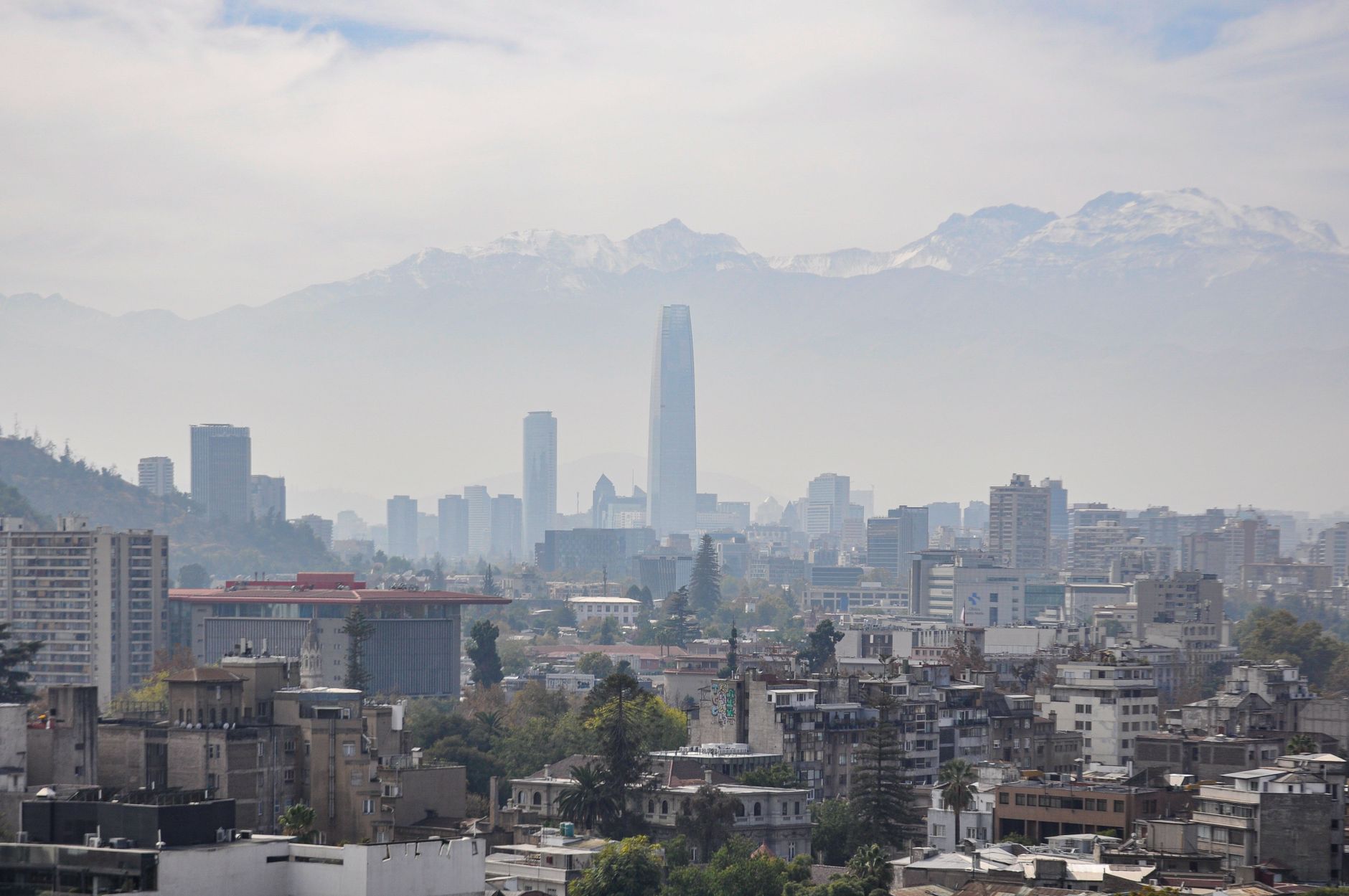
    I still remember stepping out of the airport in Santiago for the first time. The first thing that stood out weren’t skyscrapers or city energy, but the gorgeous mountains rising in the distance. It instantly gave the city a dramatic backdrop that you don’t expect from a capital.

    I based myself in Las Condes, one of the more polished, modern parts of the city. Wide streets, glass buildings, clean sidewalks, people heading to work or sitting in cafés. It felt structured, comfortable… almost predictable.

    But Santiago isn’t a city you understand by staying in one place.

    Within a short drive, things started to shift. I explored areas like Providencia and Lastarria, where the energy felt more alive. Street art, busy restaurants, musicians playing in the background. The city suddenly had personality.

    And then, just as quickly, I found myself in parts where the atmosphere changed again. Not necessarily dangerous at every corner, but different. Less polished. Less predictable. You notice it right away, even if it’s hard to put into words. The rhythm slows, the surroundings feel rougher, and you become more aware of where you are.

    That contrast is what defines Santiago.

    It’s not a city that tries to impress you instantly. Instead, it reveals itself in layers. Safe and modern on one street, chaotic and gritty on the next. Upscale neighborhoods sitting just minutes away from areas that feel completely different.

    So, is Santiago actually worth visiting?

    In this guide, I’ll break down exactly what the city gets right, where it falls short, and who will genuinely enjoy spending time here.

    Is Santiago worth visiting in 2026?

    Short answer: yes, but only if you approach it with the right expectations. Santiago isn’t built around one iconic attraction or a single historic center, so it can feel underwhelming if you’re looking for instant highlights.

    What makes it worth visiting is the contrast and location. You can have coffee in a polished district like Las Condes in the morning, explore more character-filled areas like Lastarria in the afternoon, and still be within reach of mountains, vineyards, or the coast the same day.

    In 2026, it works best as a base with substance rather than a standalone showstopper. If you treat it as part of a broader Chile trip instead of the main event, you’ll get far more out of it.

    First impressions

    Arriving in Santiago feels surprisingly low-key for a capital city, especially coming straight from the airport into the more modern districts. At first, it doesn’t hit you with a classic skyline, even though landmarks like Gran Torre Santiagodominate parts of the city.

    The first impression really depends on where you stay. In Las Condes, everything feels clean and structured, but as soon as you move into other areas, the atmosphere shifts quickly and you start to see the city’s different layers.

    The good vs the bad

    Santiago is a city of contrasts, and that’s both its strength and its weakness. Some areas feel polished, safe, and easy to explore, while others can feel chaotic or less comfortable, especially if you’re not familiar with the layout.

    That balance makes it interesting, but also means it’s not universally appealing. Whether you enjoy it often comes down to how much you value variety over consistency.

    What Santiago gets right

    Santiago works best when you focus on how easy it is to actually live and move around. It’s a functional city with pockets that feel modern, safe, and genuinely enjoyable to spend time in.

    • Clean, modern districts like Las Condes
    • Walkable and lively areas like Providencia
    • Strong café and restaurant culture
    • Easy access to mountains and nature
    • Reliable infrastructure and transport
    • Great base for day trips across central Chile

    What Santiago gets wrong

    Santiago can feel inconsistent, especially if you move between neighborhoods without planning. It’s not a city that delivers a polished experience everywhere.

    • Lack of a strong “wow” factor or iconic center
    • Noticeable contrast between rich and rough areas
    • Some neighborhoods feel unsafe or neglected
    • Limited standout tourist attractions
    • Air pollution can be an issue at times
    • Can feel repetitive outside key districts

    Is Santiago safe for tourists?

    Safety in Santiago depends heavily on where you are and how aware you stay. In areas like Las Condes and Providencia, it generally feels comfortable to walk around, even in the evening.

    That said, other parts of the city require more caution, especially at night or with valuables. It’s not overly dangerous, but it’s also not a place where you can completely switch off.

    Best areas to stay

    Where you stay will define your experience in Santiago more than anything else. Choosing the right neighborhood makes a big difference in how safe and enjoyable your trip feels.

    Providencia is the best all-round option, while Las Condes offers a quieter, more upscale stay. Lastarria is better if you want something more cultural and central.

    What to do in Santiago

    Santiago is less about big attractions and more about exploring different parts of the city. Walking through neighborhoods, trying local food, and taking in the atmosphere is where it shines.

    It also works well as a base for experiences outside the city, which is where many of Chile’s highlights are located.

    How many days do you need?

    Most travelers only need a few days to get a feel for Santiago. Two to four days is usually enough to explore the main areas and fit in a day trip.

    Staying longer only makes sense if you’re using the city as a base or prefer slower travel.

    Who should visit?

    Santiago suits travelers who enjoy exploring cities beyond surface-level attractions. If you like discovering neighborhoods, trying different food spots, and having flexibility for day trips, it works well.

    It’s less ideal for those looking for iconic landmarks or a city that impresses immediately.

    Is it worth the money?

    Santiago can feel relatively expensive compared to other destinations in South America. Accommodation and dining, especially in areas like Las Condes, are priced closer to Western standards.

    However, the overall convenience, safety in key areas, and access to nearby experiences can make the cost worthwhile depending on your travel style.

    Final verdict

    Santiago isn’t a city that sells itself instantly, but it has depth if you give it time. Its value comes from how it connects you to the rest of Chile while still offering a comfortable place to stay and explore.

    If you approach it as part of a bigger trip rather than the main highlight, it becomes a much more worthwhile stop.

  • Vitacura in Santiago: Full Guide from Personal Experience

    Vitacura didn’t immediately stand out to me the way other neighborhoods did. There was no sudden rush of energy like Lastarria, no constant movement like Providencia. Instead, it felt quiet. Almost too quiet at first.

    But the more time I spent there, the more I started to understand it.

    I remember walking along wide, clean streets with barely any noise, surrounded by modern houses, green spaces, and the Andes mountains in the background. Everything felt spacious. Nothing felt rushed. It’s the kind of place where people aren’t trying to show anything, it just is what it is.

    The name Vitacura comes from an indigenous origin, believed to be linked to a local chief during pre-colonial times. Today, it represents something completely different. It’s one of the most affluent and exclusive areas in Santiago, but in a very understated way.

    Still wondering where to stay?
    Check out our list of the best hotels and hostels in Santiago.

    Locals see Vitacura as one of the best places to live in the city. It’s not about nightlife or attractions, it’s about quality of life.

    For travelers, it offers a very specific experience, calm, safe, and comfortable, but not necessarily exciting.

    What Is It Known For?

    Vitacura is known as one of the most upscale residential areas in Santiago.

    It has a reputation for:

    • High-end living
    • Quiet streets and green spaces
    • Excellent restaurants

    What makes it different is how low-key it feels despite its status. There are no big crowds, no chaos, just a consistent sense of calm.

    Why Visit Vitacura?

    Vitacura isn’t the first place people think of when visiting Santiago, but it has its appeal.

    The main reason to come here is comfort and calm. It’s a place where you can slow down, enjoy good food, and experience a more relaxed side of the city.

    It works best for:

    • Travelers who prefer quiet environments
    • People looking for upscale experiences
    • Visitors who want to stay in a very safe area

    Compared to Las Condes, it’s even quieter and more residential. Compared to Providencia, it’s less lively and less central.

    If you’re planning your trip, it’s worth combining this with a broader list of things to do in Santiago, since most major attractions are outside this area.

    Overview

    Vitacura is located in the northeastern part of Santiago, right up against the Andes.

    What stood out to me was how open everything felt. There’s more space, more greenery, and less density compared to other neighborhoods.

    It feels less like a city and more like a residential zone within a city.

    Staying in Vitacura

    Staying in Vitacura is all about comfort.

    During the day, the area is quiet and relaxed. You won’t see large crowds or busy streets. At night, it becomes even calmer.

    It attracts:

    • Families
    • Business travelers
    • Visitors looking for high-end stays

    It’s not the place to stay if you want constant activity, but it works well if you want a peaceful base.

    Staying in Vitacura

    Staying in Vitacura is all about comfort.

    During the day, the area is quiet and relaxed. You won’t see large crowds or busy streets. At night, it becomes even calmer.

    It attracts:

    • Families
    • Business travelers
    • Visitors looking for high-end stays

    It’s not the place to stay if you want constant activity, but it works well if you want a peaceful base.

    Things to Do

    Vitacura isn’t about traditional sightseeing.

    Instead, it’s about small experiences. Walking through parks, visiting local shops, and enjoying the environment.

    One of the highlights is Parque Bicentenario, a large, well-maintained park that feels very different from others in the city. It’s clean, open, and a great place to spend time outdoors.

    You’ll also find galleries, boutique stores, and a more refined atmosphere overall.

    Where to Stay

    Vitacura offers some of the highest-end accommodation in Santiago.

    You’ll mostly find:

    • Luxury hotels
    • High-end apartments
    • Boutique stays

    The best areas are close to parks or main roads for easier access.

    It’s one of the more expensive places to stay, but it reflects the overall quality of the area.

    If you’re deciding, check out a full list of the best hotels in Vitacura.

    Getting Around

    Getting around Vitacura is slightly less convenient than other neighborhoods.

    There is no direct metro access in the heart of the area, so you’ll rely more on taxis, rideshares, or buses.

    Walking is pleasant, but distances can be larger due to the layout.

    Travel times:

    • 15–25 minutes to central Santiago
    • Easy access to Las Condes
    • Good connections by car

    Prices

    Vitacura is one of the most expensive areas in Santiago.

    Accommodation is high-end, and prices reflect that.

    Restaurants are also on the higher side, but the quality is consistently strong.

    In general:

    • Accommodation: high
    • Food: mid to high
    • Daily costs: above average

    This is not a budget destination.

    Prices

    Vitacura is one of the most expensive areas in Santiago.

    Accommodation is high-end, and prices reflect that.

    Restaurants are also on the higher side, but the quality is consistently strong.

    In general:

    • Accommodation: high
    • Food: mid to high
    • Daily costs: above average

    This is not a budget destination.

    Safety

    Vitacura is considered one of the safest areas in Santiago.

    The streets are quiet, well-maintained, and there’s a strong sense of security.

    Even at night, it feels calm and controlled.

    As always:

    • Stay aware
    • Use trusted transport
    • Follow basic precautions

    For more details, check our guide on is Santiago safe.

    Pros & Cons

    Pros

    • Very safe
    • Quiet and relaxed
    • High-quality restaurants
    • Spacious and clean

    Cons

    • Expensive
    • Less central
    • Limited nightlife
    • Less convenient transport

    Final Thoughts

    Vitacura is not about excitement. It’s about quality.

    It’s the kind of place where everything feels calm, well-designed, and easy. You don’t come here for the energy of the city, you come here to step away from it.

    For me, it felt like a break from the busier parts of Santiago. A place to slow down, enjoy good food, and just exist without much going on.

    If you’re planning your trip, make sure you combine it with other neighborhoods and explore the full range of things to do in Santiago.

  • Lastarria in Santiago: Full Guide from Personal Experience

    Lastarria feels completely different the moment you step into it. It’s not quiet like Barrio Italia, and it’s definitely not polished like Las Condes. There’s an energy here that you notice right away. Street performers, people sitting outside with drinks, music somewhere in the background, it feels like something is always happening.

    I remember walking into the area in the late afternoon, and within minutes it just felt alive. The streets were filled with people, not rushing, just enjoying being there. It’s one of those places where you slow down without even realizing it, but at the same time, there’s always something pulling your attention.

    The neighborhood is named after José Victorino Lastarria, a Chilean writer and intellectual, and that cultural influence still defines the area today. It’s one of the most artistic and historically rich parts of Santiago, surrounded by old architecture, museums, and theaters.

    Still wondering where to stay?
    Check out our list of the best hotels and hostels in Santiago.

    Locals see Lastarria as a cultural hotspot. It’s where you go for art, food, and atmosphere. It’s not about convenience, it’s about experience.

    For travelers, this is often where Santiago feels the most vibrant.

    What Is It Known For?

    Lastarria is known as Santiago’s cultural and artistic district.

    It has a reputation for:

    • Museums and historic buildings
    • A strong restaurant and bar scene
    • Street life and atmosphere

    What makes it stand out is how dense everything is. Within a small area, you have culture, nightlife, food, and history all layered together.

    Why Visit Lastarria?

    If you want to feel the energy of Santiago, this is one of the best places to go.

    Lastarria is ideal for travelers who enjoy being in the middle of things. You don’t just visit it, you experience it.

    It works best for:

    • People who enjoy culture and history
    • Travelers looking for nightlife and social atmosphere
    • Anyone who prefers walking and exploring

    Compared to Providencia, it’s more intense and compact. Compared to Barrio Italia, it’s busier and more tourist-facing.

    If you’re planning your trip, make sure to check a full guide on things to do in Santiago, since many highlights are right next to Lastarria.

    Overview

    Lastarria is located right next to central Santiago, close to major landmarks and parks.

    What stood out to me was how everything felt close together. You can walk from one end of the neighborhood to the other in minutes, but there’s so much packed into that space.

    It feels historic, but not in a quiet way. It’s history mixed with modern city life.

    Staying in Lastarria

    Staying in Lastarria puts you right in the middle of the action.

    During the day, the area is lively with tourists, locals, and street activity. At night, it becomes one of the more active parts of the city.

    It attracts:

    • Travelers
    • Short-term visitors
    • People looking for atmosphere

    It’s a great choice if you want to be close to everything, but it can feel busy and slightly chaotic at times.

    Things to Do

    Lastarria is packed with things to do, even though the area itself is small.

    You’ll find museums, galleries, and cultural spaces throughout the neighborhood. It’s also right next to Parque Forestal, which is perfect for a walk or a break from the busy streets.

    But honestly, one of the best things to do here is just spend time outside. Walk, sit down somewhere, watch the street life. That’s where the experience really is.

    Food & Nightlife

    This is one of the strongest areas in Santiago for food and nightlife.

    Restaurants are everywhere, and many of them feel unique rather than generic. There’s a mix of local Chilean cuisine and international options.

    At night, the area comes alive. Bars fill up, terraces get busy, and the whole neighborhood feels social.

    It’s not a clubbing area, but it’s definitely one of the best places to go out in Santiago.

    Where to Stay

    Lastarria is a popular area for short stays.

    You’ll mostly find:

    • Boutique hotels
    • Small apartments
    • Stylish, design-focused stays

    The best locations are close to the main streets but not directly on them if you want a bit more quiet.

    If you’re deciding, check out a full list of the best hotels in Santiago (and specifically Lastarria).

    Getting Around

    Getting around Lastarria is very easy.

    The metro is nearby, and most of central Santiago is within walking distance.

    Walking is the best way to experience the area, since everything is so close together.

    Travel times:

    • Walking distance to central Santiago
    • Easy access to Providencia
    • Quick connections to other neighborhoods

    Prices

    Prices in Lastarria are moderate to slightly above average.

    Accommodation can be a bit more expensive due to location and demand.

    Food prices vary widely. You can find both affordable options and more upscale restaurants.

    Overall:

    • Accommodation: mid to high
    • Food: varied
    • Daily costs: moderate

    Safety

    Lastarria is generally safe, especially during the day when it’s busy.

    Stay connected with a reliable eSim, we’ve compare Chile eSIM providers options so you can stay connected on your trip.

    At night, the crowds can be a good thing, but it’s still important to stay aware, especially in more crowded areas.

    Basic precautions apply:

    • Watch your belongings
    • Stay in well-lit areas
    • Avoid quiet streets late at night

    For more details, check our guide on is Santiago safe.

    Who Should Stay Here

    Lastarria is perfect if you want energy and atmosphere.

    It’s ideal for:

    • Travelers who enjoy nightlife
    • People interested in culture and history
    • Visitors who want to be central

    It might not be the best choice if you:

    • Prefer quiet areas
    • Want a more residential feel
    • Are sensitive to noise

    Pros & Cons

    Pros

    • Very central
    • Strong cultural atmosphere
    • Great food and nightlife
    • Walkable

    Cons

    • Can be busy and noisy
    • Slightly higher prices
    • Less relaxed than other areas

    Final Thoughts

    Lastarria feels like the heart of Santiago’s cultural life.

    It’s not the most comfortable or the quietest place, but that’s not the point. It’s about being in the middle of everything, feeling the energy, and experiencing the city in a more direct way.

    For me, it was one of the most memorable areas, not because of one specific thing, but because of how it felt to be there.

    If you’re planning your trip, combine it with other neighborhoods and make sure you know the things to do in Santiago so you can see how it all connects.

  • Barrio Italia in Santiago: Full Guide from Personal Experience

    Barrio Italia doesn’t hit you in the same way as Las Condes or Providencia. It’s quieter at first. Less polished. But that’s exactly what makes it interesting.

    I remember walking into the area without expecting much, and then slowly realizing that every street had something going on. Small design shops, cafés that felt like someone’s living room, little courtyards hidden behind old buildings. It didn’t feel like a place built for tourists, it felt like a place that just exists, and you get to step into it.

    The name Barrio Italia comes from the Italian immigrants who settled here in the past, and you can still feel that influence in the architecture and overall atmosphere. There’s something slightly European about it, but mixed with a very local Santiago identity.

    Locals see Barrio Italia as a creative hub. It’s where people come for design, food, and a slower pace. It’s not about big attractions or landmarks, it’s about the experience of being there.

    Still wondering where to stay?
    Check out our list of the best hotels and hostels in Santiago.

    For travelers, this is where Santiago starts to feel more personal.

    What Is It Known For?

    Barrio Italia is known for its creative and independent vibe. It’s one of the few places in Santiago where everything feels a bit more curated, but without trying too hard.

    It has a reputation for being:

    • A design and artisan district
    • Full of independent cafés and restaurants
    • More relaxed and less commercial

    What makes it stand out is how different it feels from the rest of the city. There are no big malls or corporate buildings here. Instead, you get small-scale, local businesses and a much more human pace.

    Why Visit Barrio Italia?

    This isn’t the place you stay for convenience, it’s the place you visit for atmosphere.

    Barrio Italia is perfect if you enjoy walking around without a plan, discovering places naturally. It’s not about checking off sights, it’s about spending time.

    It works best for:

    • Travelers who like slower, more local experiences
    • People interested in design, food, and cafés
    • Anyone who wants a break from the more modern parts of the city

    Compared to Providencia, it feels more niche and less busy. Compared to Las Condes, it’s a completely different world.

    If you’re planning your trip, it’s worth combining this with a broader list of things to do in Santiago, since Barrio Italia is more of a half-day or full-day experience rather than a base.

    Overview

    Barrio Italia sits between Providencia and Ñuñoa, and you can feel that mix immediately. It’s not as central as Providencia, but not far either.

    The streets are smaller, the buildings are older, and everything feels more detailed. There’s a certain charm in how imperfect it is.

    It’s the kind of place that doesn’t reveal itself all at once. You notice it slowly.

    Staying in Barrio Italia

    Staying here is a very different experience compared to other neighborhoods.

    It’s quieter, more residential, and much less polished. You won’t find big hotels or large apartment complexes. Instead, it’s more about boutique stays and smaller accommodations.

    During the day, it’s lively but relaxed. People are sitting outside, working from cafés, or just taking their time. At night, it calms down significantly. It’s not a nightlife area in the traditional sense.

    This is a good area if you want something more local, but it might feel too quiet if you’re looking for constant activity.

    Things to Do

    The best thing to do in Barrio Italia is honestly just walk. You can also do different tours in Santiago, we’ve compiled a list of the best things to do in Santiago here.

    There’s no need for a strict plan. The streets themselves are the experience. You’ll come across small shops selling handmade goods, furniture stores, art spaces, and cafés that feel completely unique.

    Food plays a big role here as well. It’s one of the better areas in Santiago to sit down, take your time, and actually enjoy a meal rather than just grabbing something quickly.

    It’s also a great place to slow down after exploring busier parts of the city.

    Food & Nightlife

    Food is one of the main reasons people come to Barrio Italia.

    There’s a strong focus on quality and creativity. Restaurants feel more personal, less commercial. You’ll find a mix of local and international influences, often with a more experimental touch.

    Cafés are everywhere, and they’re genuinely good. Not just places to grab coffee, but places you actually want to stay for a while.

    Nightlife is minimal. There are a few bars, but this isn’t where you go to party. It’s more about relaxed evenings, good food, and conversation.

    Where to Stay

    Barrio Italia is not the most common place to stay, but that’s part of its appeal.

    The best options are usually:

    • Small boutique hotels
    • Airbnb-style apartments
    • Unique, design-focused stays

    It’s generally more affordable than areas like Las Condes, but availability is more limited.

    If you’re deciding, check out a full list of the best hotels in Barrio Italia to see what fits your style.

    Getting Around

    Getting around Barrio Italia is straightforward, but slightly less convenient than more central areas.

    There’s no metro station directly in the heart of the neighborhood, so you’ll likely walk a bit or use nearby stations in Providencia.

    That said, walking is part of the experience here. The area is compact, and exploring on foot is the best way to see it.

    Travel times:

    • 10–15 minutes to Providencia
    • Easy access to central Santiago
    • Short rides to areas like Lastarria

    Prices

    Barrio Italia is relatively affordable compared to more upscale neighborhoods.

    Accommodation tends to be mid-range, though unique stays can vary in price.

    Food can range from affordable cafés to slightly higher-end restaurants, but overall it feels fair for the quality you get.

    Daily costs are moderate, especially if you’re not focused on luxury.

    Safety

    Barrio Italia is generally safe, especially during the day when the area is active.

    Stay connected with a reliable eSim, we’ve compare Chile eSIM providers options so you can stay connected on your trip.

    At night, it becomes quieter, so it’s important to stay aware of your surroundings, especially on less busy streets.

    Basic travel precautions apply, but it doesn’t feel unsafe, just less active than other areas.

    For a full breakdown, check our guide on is Santiago safe.

    Who Should Stay Here

    Barrio Italia is not for everyone, and that’s exactly the point.

    It’s ideal for:

    • Travelers looking for a local, creative atmosphere
    • People who enjoy cafés, design, and slower travel
    • Those who want something different from typical tourist areas

    It might not be the best choice if you:

    • Want to be close to everything
    • Prefer modern infrastructure
    • Are looking for nightlife

    Who Should Stay Here

    Barrio Italia is not for everyone, and that’s exactly the point.

    It’s ideal for:

    • Travelers looking for a local, creative atmosphere
    • People who enjoy cafés, design, and slower travel
    • Those who want something different from typical tourist areas

    It might not be the best choice if you:

    • Want to be close to everything
    • Prefer modern infrastructure
    • Are looking for nightlife

    Final Thoughts

    Barrio Italia is one of those places that grows on you.

    At first, it might not seem like much compared to the bigger, more developed parts of Santiago. But the more time you spend there, the more you start to appreciate the details.

    For me, it became a place to slow down. To sit, walk, explore without a plan, and just enjoy the atmosphere.

    If you’re planning your trip, make sure you balance it with other parts of the city. Barrio Italia isn’t everything, but it adds something that the rest of Santiago doesn’t quite have.

    And that’s exactly why it’s worth visiting.

  • Providencia in Santiago: Full Guide from Personal Experience

    When I arrived in Providencia, the feeling was completely different from Las Condes. It still had that warm Santiago sun, but instead of wide business streets and big malls, everything felt more alive. People were everywhere, sitting at cafés, walking through tree-lined streets, grabbing food, talking, moving. It felt like a place where people actually live, not just work.

    I remember just walking without really knowing where I was going, and that’s when you know a neighborhood is good. You don’t need a plan. There’s always something happening around you, whether it’s a small coffee spot, a busy street corner, or a park where people are just hanging out.

    The name Providencia comes from “Divine Providence,” reflecting its historical roots and development as a more residential and community-focused part of Santiago. Over time, it evolved into one of the most balanced areas in the city, not too corporate, not too chaotic.

    Still wondering where to stay?
    Check out our list of the best hotels and hostels in Santiago.

    Locals see Providencia as one of the most livable areas in Santiago. It’s central, well-connected, and has a bit of everything. It doesn’t feel as polished as Las Condes, but that’s exactly why people like it.

    From a travel perspective, this is where things start to feel more real. You still get comfort and safety, but with more energy, more character, and more variety.

    What Is It Known For?

    Providencia is known as one of the most balanced neighborhoods in Santiago.

    From a local perspective, it’s known for:

    • Being central and well-connected
    • A strong café and restaurant culture
    • A mix of residential and commercial life

    What makes it different is the balance. It’s not as upscale as Las Condes, but not as touristy or historic as other areas. It sits right in the middle.

    Why Visit Providencia?

    If you’re unsure where to stay in Santiago, Providencia is often the safest choice.

    The biggest reason people choose Providencia is location + atmosphere. You’re close to everything, but still in an area that feels comfortable and easy to navigate.

    It’s ideal for:

    • First-time visitors
    • Travelers who want a mix of local and international
    • People who like walking and exploring

    Compared to Las Condes, Providencia feels more lively and less corporate.

    If you’re planning your trip, don’t miss a full guide on things to do in Santiago, since many of the city’s highlights are within easy reach from here.

    Overview

    Providencia is located just east of central Santiago, making it one of the most strategic areas in the city.

    Need a reliable eSim? We compare Chile eSIM providers options so you can stay connected on your trip.

    What stood out to me immediately was how green it felt. There are trees everywhere, small parks, and a more relaxed atmosphere compared to the busier center.

    It feels like a place designed for both living and exploring.

    Staying in Providencia

    Staying in Providencia feels natural. You settle in quickly.

    During the day, the area is full of life. Cafés are busy, people are out and about, and there’s a constant sense of movement.

    At night, it stays active, but not overwhelming. It’s more about restaurants and casual bars than big nightlife scenes.

    The people staying here are usually:

    • Travelers
    • Digital nomads
    • Expats

    It has a more local feel than Las Condes, but still very accessible for visitors.

    Things to Do

    Providencia is one of the easiest places to explore on foot.

    One of the highlights is Parque Metropolitano, which is right nearby and offers amazing views over the city.

    You’ll also find:

    • Streets full of cafés and small restaurants
    • Local shops and markets
    • Easy access to other neighborhoods

    It’s less about big attractions and more about the overall experience of being there.

    Food & Nightlife

    This is where Providencia really stands out.

    The food scene is much more diverse and local compared to Las Condes. You’ll find everything from casual street food to great sit-down restaurants.

    Cafés are everywhere, and they’re actually places you want to sit and spend time in.

    Nightlife is more active than Las Condes, but still relaxed. Think bars, terraces, and social spots rather than clubs.

    Where to Stay

    Providencia is one of the best areas to stay in Santiago, especially if you want flexibility.

    The best areas are:

    • Near metro stations like Manuel Montt or Los Leones
    • Close to main streets but slightly tucked away for quieter nights

    You’ll find:

    • Boutique hotels
    • Apartments
    • Mid-range stays

    It’s generally more affordable than Las Condes, while still offering great quality.

    If you’re deciding, check out a full list of the best hotels in Santiago (including Providencia) to find the right fit.

    Getting Around

    Getting around Providencia is very easy.

    The metro system is excellent, and multiple lines connect through this area.

    Walking is one of the best ways to explore. Everything is relatively close, and the streets are comfortable and safe.

    Travel times:

    • 10–20 minutes to central Santiago
    • Easy access to Lastarria
    • Direct connections to Las Condes

    Prices

    Providencia sits somewhere in the middle when it comes to cost.

    Accommodation is more affordable than Las Condes, but still higher than more local neighborhoods.

    Food prices are reasonable, with plenty of options depending on your budget.

    In general:

    • Accommodation: mid-range
    • Food: affordable to mid-range
    • Daily costs: moderate

    It offers one of the best value-for-money areas in Santiago.

    Safety

    Providencia is considered a safe area, especially for travelers.

    During the day, it feels very comfortable. At night, it’s still active, which adds to the sense of safety.

    Like anywhere:

    • Stay aware of your surroundings
    • Avoid quiet streets late at night
    • Keep an eye on your belongings

    For a full breakdown, check our guide on is Santiago safe.

    Who Should Stay Here

    Providencia works for almost everyone.

    It’s a great fit for:

    • First-time visitors
    • Travelers who want a central location
    • People who enjoy cafés, walking, and atmosphere

    You might prefer other areas if:

    • You want luxury and quiet → Las Condes
    • You want culture and history → Lastarria

    Pros & Cons

    Pros

    • Central location
    • Great atmosphere
    • Walkable
    • Good balance of local and modern
    • Better value than Las Condes

    Cons

    • Can be busy
    • Not as upscale as Las Condes
    • Less “unique” than more niche neighborhoods

    Final Thoughts

    Providencia is probably the easiest area to recommend in Santiago.

    It has that perfect balance. Not too busy, not too quiet, not too expensive, not too basic. It just works.

    For me, it felt like the kind of place where you could wake up, grab a coffee, walk around without a plan, and always end up finding something interesting.

    If you’re planning your trip, make sure you also explore beyond Providencia. Having a good idea of things to do in Santiago will help you see how well this area connects to everything else.

  • Las Condes in Santiago – Full Guide from Personal Experience

    When I first arrived in Santiago, Las Condes wasn’t just a name on a map, it immediately felt different from the rest of the city. The sun was out, the weather was warm, and everything just felt… easy. Walking through the streets, I noticed how clean and modern everything looked, but what stood out most was how the heat hit you outside, and then the moment you stepped into one of the massive shopping centers, you were hit with that refreshing cool air. It became a bit of a routine for me, walking in the sun, then dipping into a mall just to cool down.

    The name Las Condes actually comes from “Las Condesas,” meaning “the countesses,” tied to the colonial history of the area when land here was owned by Chilean nobility. And honestly, that sense of status never really left. Even today, Las Condes feels more polished, more put together, and slightly more upscale than other parts of Santiago.

    Still wondering where to stay?
    Check out our list of the best hotels and hostels in Santiago.

    Locals see it as one of the most developed and reliable areas in the city. It’s where business happens, where a lot of professionals live, and where things just work the way you expect them to. It doesn’t try to be artsy or chaotic, it’s structured, modern, and comfortable.

    From a travel perspective, that’s exactly why some people love it and others don’t. If you want a smooth, stress-free experience with great restaurants, modern buildings, and everything within reach, Las Condes is perfect. But if you’re chasing that raw, historic or bohemian vibe, you’ll probably find yourself exploring other neighborhoods more often.

    What Is It Known For?

    Las Condes is best known as Santiago’s modern and financial district. If you picture glass buildings, wide avenues, and organized streets, this is it.

    From a local perspective, it has a reputation for being:

    • One of the safest areas in Santiago
    • A hub for business and corporate life
    • More upscale compared to other neighborhoods

    What makes it different is the level of infrastructure. Everything feels planned, from the roads to the shopping centers to the residential buildings. It’s not chaotic, it’s structured.

    Why Visit Las Condes?

    If you’re visiting Santiago for the first time, Las Condes is one of the easiest areas to stay in.

    The biggest reason travelers choose Las Condes is comfort. You’ll find modern hotels, reliable transport, great restaurants, and large malls all within reach.

    It’s ideal for:

    • First-time visitors to Santiago
    • Travelers who prefer safety and convenience
    • People who enjoy a more modern city feel

    That said, if you’re looking for street culture, historic charm, or a more local vibe, you’ll probably spend more time in places like Lastarria or Barrio Italia.

    If you’re planning your trip, don’t miss a full guide on things to do in Santiago, since most highlights are just a short metro ride away.

    Overview

    Las Condes is located in the northeastern part of Santiago, closer to the Andes mountains. This gives it a slightly more open and spacious feel compared to the city center.

    My first impression was how organized everything felt. The streets are wider, traffic feels more controlled, and there’s a noticeable difference in cleanliness compared to other parts of the city.

    It feels like a place designed for living comfortably rather than just existing.

    Staying in Las Condes

    Staying in Las Condes feels easy from the moment you arrive.

    Need a reliable eSim? We compare Chile eSIM providers options so you can stay connected on your trip.

    During the day, the area is active but not overwhelming. You’ll see people going to work, grabbing coffee, or walking through parks. At night, it becomes quieter, especially compared to more central areas.

    The people staying here are usually:

    • Business travelers
    • Expats
    • Tourists looking for comfort

    It leans more international than local, which can actually make it easier if you don’t speak Spanish.

    Things to Do

    Even though Las Condes is known for business, there are still plenty of things to do.

    One of the highlights is Parque Araucano, a large green park perfect for walking, relaxing, or just escaping the city for a bit.

    Shopping is also a big part of the experience. Malls like Parque Arauco are massive and, honestly, a lifesaver on hot days.

    Food-wise, you’ll find everything from local Chilean spots to international restaurants. It’s not the most “authentic” food scene, but the quality is consistently high.

    You’re also well-connected to other areas, so exploring the rest of Santiago is easy.

    Food & Nightlife

    Las Condes has a strong food scene, especially if you like variety.

    You’ll find:

    • High-end restaurants
    • Casual cafés
    • International cuisine

    It’s a great place to eat well without having to search too hard.

    For coffee, there are plenty of modern cafés where you can sit, work, or just take a break from walking around.

    Nightlife exists, but it’s more relaxed. Think bars and restaurants rather than full-on party areas. If you’re looking for something more lively, you’ll likely head elsewhere.

    Where to Stay

    Las Condes is one of the best areas when it comes to accommodation in Santiago.

    The best areas are usually close to metro stations and near main roads like Apoquindo.

    You’ll find a mix of:

    • Modern hotels
    • Serviced apartments
    • Luxury stays

    It’s not the cheapest area, but you’re paying for comfort, safety, and location.

    If you’re still deciding, check out a full list of the best hotels in Las Condes to find something that fits your style and budget.

    Getting Around

    Getting around Las Condes is one of the easiest parts of staying here.

    The metro is reliable and connects you directly to central areas of Santiago. Line 1 runs through Las Condes, which makes it simple to reach places like downtown or other popular neighborhoods.

    Walking is also surprisingly easy. The sidewalks are wide, the streets feel safe, and distances between key spots are manageable.

    If you’re planning to explore more of the city, travel times are reasonable:

    • Around 20–30 minutes to the city center
    • Easy access to areas like Providencia
    • Quick routes toward the mountains for day trips

    Overall, it’s a very well-connected base.

    Prices

    Las Condes is one of the more expensive areas in Santiago, but it’s important to understand what you’re paying for.

    Accommodation tends to be higher than average, especially for modern apartments and hotels. However, the quality is noticeably better, and you get more comfort and security.

    Food prices vary. You can find mid-range options easily, but high-end restaurants are common here. Compared to other parts of Santiago, expect to pay a bit more.

    In general:

    • Accommodation: higher-end
    • Food: mid to high
    • Daily costs: above average

    It’s not budget-friendly, but it delivers strong value if comfort matters to you.

    Safety

    Safety is one of the main reasons people choose Las Condes. Read our full is Santiago safe for a full explination

    During the day, the area feels very secure. Streets are busy, well-maintained, and there’s a visible sense of order.

    At night, it remains one of the safer areas in Santiago, especially compared to more central neighborhoods.

    That said, basic travel awareness still applies:

    • Keep an eye on your belongings
    • Avoid empty streets late at night
    • Use trusted transport options

    For most travelers, Las Condes feels like one of the safest places to stay in Santiago.

    Who Should Stay Here

    Las Condes is not for everyone, but for the right traveler, it works perfectly.

    It’s a great fit for:

    • First-time visitors who want an easy experience
    • Travelers who prioritize safety and comfort
    • People who enjoy modern environments

    It’s especially ideal if you want a stress-free base while exploring Santiago.

    You might want to consider other areas if:

    • You’re looking for nightlife and energy
    • You prefer historic or cultural neighborhoods
    • You want a more local, less polished vibe

    Pros & Cons

    Pros

    • Very safe compared to other areas
    • Clean and well-organized
    • Excellent infrastructure
    • Great transport connections
    • High-quality accommodation and restaurants

    Cons

    • More expensive than most neighborhoods
    • Less character compared to historic areas
    • Can feel a bit corporate

    Final Thoughts

    Las Condes is one of the easiest places to stay in Santiago, especially if it’s your first time in the city.

    It might not have the charm of older neighborhoods, but it makes up for it with reliability, comfort, and convenience. Everything works, everything feels safe, and you don’t have to think too much about logistics.

    For me, it was the kind of place where you could just enjoy the weather, walk around without stress, and know that everything you need is close by.

    If you’re planning your trip, make sure to explore more of the city as well. There’s a lot beyond Las Condes, and having a good overview of things to do in Santiago will help you get the most out of your stay.

  • Chile Packing List from a Frequent Chile Traveler (Updated)

    Updated 2026. Here’s your up to date chile packing list you need. Per current date, I suggest printing this page, or copy to a Word document to print out. We’re currently working on making a downloadable version.

    Stay connected: Add an eSIM to your packing list — compare Chile eSIM providers and install one before departure.

    Packing Advice

    Chile is one of those destinations where you can experience multiple climates in a single trip. From desert dryness to icy winds, being prepared makes or breaks your experience. Keep it light, but make every item count.

    • Pack light, layer smart
    • Prioritize versatile, quick-dry clothing
    • Avoid valuables and unnecessary jewelry
    • Internal flights often have strict baggage limits
    • Weather varies drastically between regions
    • Always prepare for wind in Chile
    • Reusable items > single-use plastic

    General Chile Packing List

    No matter where you’re going in Chile, these are your essentials. Think versatile pieces you can mix, match, and layer easily across different climates.

    Clothing

    • T-shirts (breathable, quick-dry)
    • Long-sleeve shirts (sun + layering)
    • Lightweight sweater
    • Warm jacket (for evenings)
    • Rain jacket / poncho
    • Jeans / long pants
    • Shorts
    • Undergarments
    • Sleepwear
    • Swimsuit
    • Comfortable outfit for dinners

    Footwear

    • Comfortable walking shoes
    • Lightweight sneakers
    • Sandals / flip flops
    • Socks (breathable + warm pairs)

    Accessories

    • Sunglasses
    • Sun hat / cap
    • Scarf or buff
    • Reusable water bottle
    • Daypack

    Electronics

    • Phone + charger
    • Power bank
    • Universal adapter (Chile uses type C & L)
    • Headphones
    • Camera + SD cards

    Toiletries

    • Toothbrush + toothpaste
    • Shampoo / conditioner
    • Deodorant
    • Sunscreen (high SPF)
    • Lip balm with SPF
    • Basic skincare
    • Hand sanitizer

    Documents

    • Passport (valid 6+ months)
    • Immigration slip (PDI)
    • Travel insurance
    • Flight tickets
    • Copies of important documents

    Santiago Packing List

    Santiago is modern, stylish, and surprisingly seasonal. You’ll want to balance comfort for exploring with a few elevated pieces for restaurants, rooftops, and wine bars.

    Clothing

    • Stylish outfit (restaurants, wine bars)
    • Light layers (temperature changes)
    • Jacket (especially May–August)
    • Dresses / casual outfits
    • Smart casual shoes

    Footwear

    • Comfortable city walking shoes
    • Dress shoes / sandals

    Accessories

    • Sunglasses
    • Crossbody bag / anti-theft bag
    • Light scarf

    Extras

    • Portable charger
    • Compact umbrella (winter months)
    • Reusable shopping bag

    Patagonia Packing List

    Patagonia is wild, remote, and completely unpredictable. Weather changes fast, and layering is absolutely key to staying warm, dry, and comfortable while exploring.

    Here’s a list of real pros on how they pack for Patagonia W Trek:

    Clothing (Layering is EVERYTHING)

    • Thermal base layers (top + bottom)
    • Fleece jacket
    • Down jacket
    • Waterproof shell jacket
    • Waterproof pants
    • Hiking pants
    • Warm hat / beanie
    • Gloves (waterproof if possible)
    • Neck gaiter / buff

    Footwear

    • Waterproof hiking boots
    • Thick hiking socks
    • Camp shoes / sandals

    Gear

    • Trekking poles
    • Dry bags / waterproof packing cubes
    • Backpack with rain cover

    Accessories

    • Sunglasses (strong UV + wind)
    • Sunscreen (yes, even in cold)
    • Lip balm
    • Reusable water bottle

    Essentials

    • Snacks / energy bars
    • Headlamp / flashlight
    • First aid kit
    • Blister care

    Easter Island Packing List

    Easter Island is all about sun, ocean, and laid-back island life. Pack light, breathable clothing and be ready for strong sun and tropical conditions.

    Clothing

    • Lightweight t-shirts
    • Tank tops
    • Shorts
    • Summer dresses
    • Light rain jacket
    • Swimsuit
    • Flip flops

    Footwear

    • Sandals
    • Comfortable walking shoes (for exploring sites)

    Accessories

    • Sun hat (essential)
    • Sunglasses
    • Reef-safe sunscreen
    • Beach bag

    Extras

    • Snorkel gear (optional)
    • Dry bag
    • Insect repellent

    Baggage & Organization

    Staying organized while traveling through Chile is essential, especially with multiple flights and changing climates. Smart packing systems will save you time and stress.

    Bags

    • Carry-on suitcase / backpack
    • Daypack
    • Packing cubes
    • Laundry bag

    Security

    • Money belt / hidden pouch
    • Luggage locks
    • Airtags

    Health & First Aid

    Access to pharmacies can be limited in remote areas, especially in Patagonia and on Easter Island. Bring the basics so you’re covered no matter where you are.

    Essentials

    • Prescription medication
    • Painkillers
    • Band-aids / blister patches
    • Antiseptic cream
    • Motion sickness pills
    • Electrolytes

    Flight Essentials

    Long-haul flights to Chile can be tiring, so having the right items in your carry-on will make your journey far more comfortable.

    Carry-On

    • Passport + documents
    • Phone + charger
    • Headphones
    • Snacks
    • Reusable water bottle
    • Neck pillow
    • Eye mask
    • Compression socks

  • Best Atacama Desert eSIM in 2026: Reliable Internet in Remote Chile

    Short answer?

    The best Atacama Desert eSIM in 2026 is Airalo.

    I tested it myself while traveling through Chile and specifically paid attention to how it performs in more remote regions like the Atacama Desert. Big cities like Santiago are easy when it comes to mobile data. The Atacama Desert is where things get more interesting and where weaker eSIM providers quickly fall apart.

    If you want the full breakdown, you can read the full Chile eSIM comparison blog.

    New to Airalo? Get $3 off this week with code KJ2068. Download the Airalo App now.

    Coverage: 9/10 ⭐⭐⭐⭐⭐
    Speed: 8.5/10 ⭐⭐⭐⭐
    Price/value: 8/10 ⭐⭐⭐⭐
    Ease of installation: 9/10 ⭐⭐⭐⭐⭐

    If you are heading to places like:

    • San Pedro de Atacama
    • Valle de la Luna
    • El Tatio Geysers
    • Laguna Cejar
    • Atacama salt flats
    • Desert viewpoints and remote tours

    You will need something that actually works when it matters.

    🏆 Winner: Airalo
    Let’s get into why.

    Why you absolutely need an eSIM in the Atacama Desert

    The Atacama Desert is not Santiago.

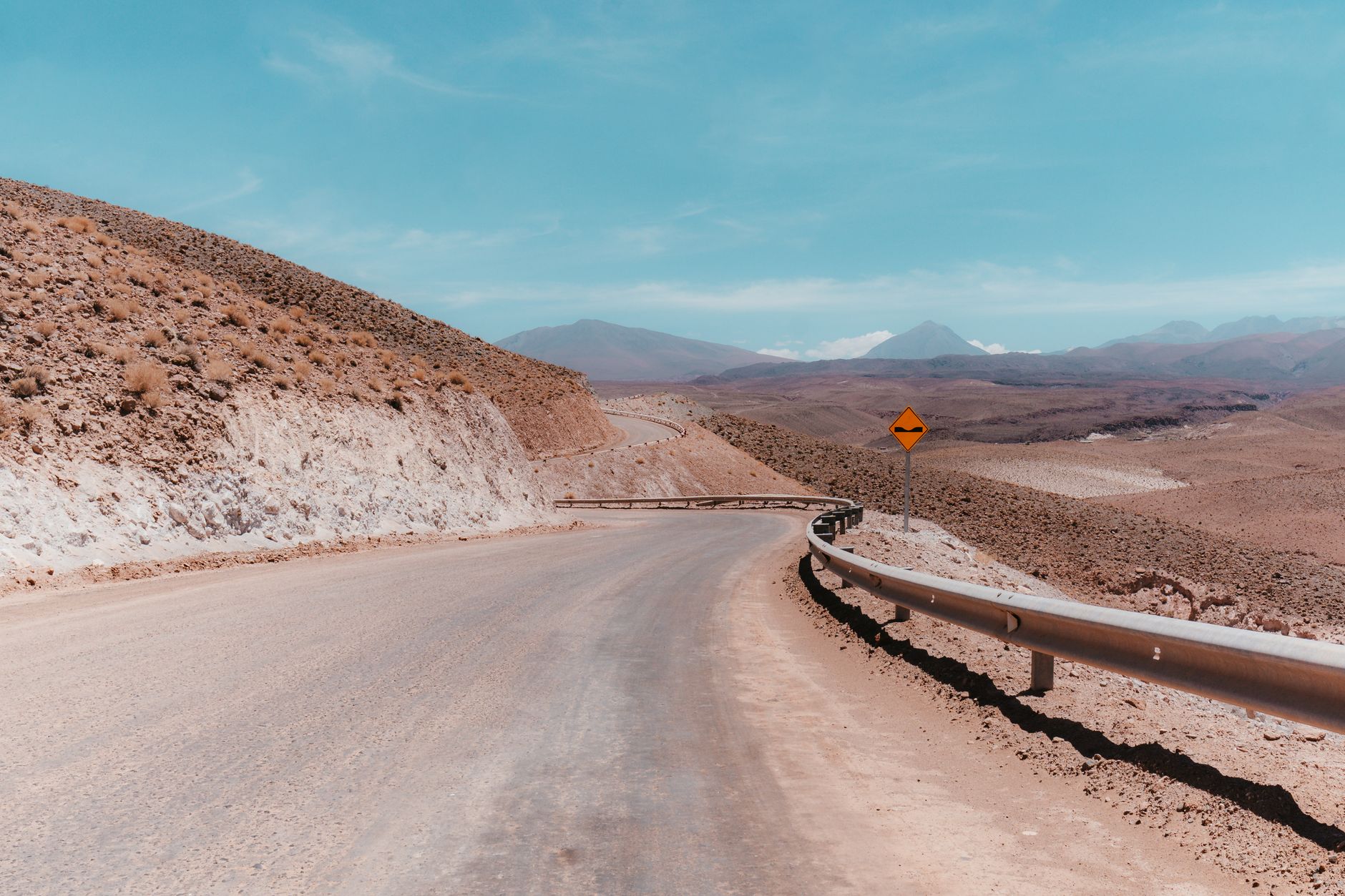
    This is one of the driest and most remote places on Earth. Infrastructure is limited, distances are large, and once you leave the main town, you are often completely off-grid.

    You will deal with:

    • Long desert roads with nothing around
    • Early morning tours (like geysers at sunrise)
    • Remote landscapes with zero infrastructure
    • Limited WiFi options outside hotels
    • Harsh conditions that affect connectivity

    If you search online, especially on forums, you will see the same concerns over and over:

    “Will I have signal in San Pedro de Atacama?”
    “Does eSIM work in the Atacama Desert?”
    “Should I buy a SIM card locally?”
    “Is there coverage during tours?”

    The honest answer is simple.

    You will not have signal everywhere. That is normal in the Atacama Desert.

    However, you do want reliable internet in key moments such as:

    • In San Pedro town
    • At your hotel or hostel
    • Booking tours or transport
    • Checking maps before heading out
    • Staying connected in case of emergencies

    This is exactly where Airalo performs well.

    Airalo: the best Atacama Desert eSIM right now

    Airalo connects to major local networks in Chile, which makes a big difference compared to smaller eSIM providers that rely on weaker partnerships.

    In real travel situations, this translates into stable and reliable coverage in the places where you actually need it.

    In San Pedro de Atacama, for example, the connection is generally strong enough for navigation, bookings, messaging, and even light browsing or social media.

    Once you head deep into the desert, such as Valle de la Luna or remote lagoons, the signal will fade or disappear. This is not a limitation of Airalo specifically. It is simply the reality of traveling in such a remote environment.

    There is no provider that offers full coverage across the Atacama Desert.

    Atacama Desert eSIM coverage

    Let’s set realistic expectations.

    San Pedro de Atacama

    This is your main base, and coverage here is generally solid. You can use maps, book tours, send messages, and manage your travel plans without issues.

    Valle de la Luna

    Limited signal. You may have some connectivity near the entrance, but once inside the valley, expect little to no service.

    El Tatio Geysers

    Very limited coverage. These are located at high altitude and far from infrastructure. Do not rely on mobile data here.

    Laguna Cejar & Altiplanic Lagoons

    Some weak signal in certain areas, but overall unreliable. Best to assume you will be offline during visits.

    Desert tours

    Most tours take you far away from town. During these trips, it is normal to lose signal completely for hours.

    Again, this is not an eSIM issue. It is simply how the Atacama Desert is.

    Atacama Desert eSIM internet speed

    In San Pedro and other connected areas, Airalo performs well.

    • Google Maps loads quickly
    • Booking platforms work smoothly
    • Messaging apps like WhatsApp are reliable
    • Social media works without problems

    In more remote areas, speed will drop before the signal disappears completely.

    This is expected due to the limited infrastructure in the desert.

    Do you need a Chile-only eSIM for Atacama?

    Most travelers visiting the Atacama Desert will stay within Chile, so a Chile-only eSIM is usually enough.

    However, if your trip includes other countries in South America, you might consider a regional eSIM instead.

    Airalo offers both options:

    • Chile-only plans
    • Regional South America plans

    If you are only visiting Atacama and Santiago, a local Chile plan is the simplest and most cost-effective choice.

    Atacama Desert eSIM prices (2026)

    Airalo plans are flexible and suitable for different types of travelers.

    You will find:

    • Smaller data packages for short stays
    • Larger bundles for longer trips or heavier use

    For most people visiting the Atacama Desert, I recommend:

    5GB to 10GB for a 1 to 2 week trip.

    Why this is enough:

    You will spend a lot of time offline during tours and excursions, so your actual data usage is lower than in city travel.

    As of now, prices typically range from around €4.50 for smaller packages up to about €42.50 for larger bundles.

    You can always top up if needed, which is what I did during my trip.

    For the latest pricing, check the Airalo website.

    New to Airalo? Get $3 off this week with code KJ2068. Download the Airalo App now.

    How to install your Atacama Desert eSIM

    The setup process is very straightforward.

    • Download the Airalo app
    • Choose a Chile or regional plan
    • Purchase your data package
    • Follow the installation steps
    • Activate it when you arrive

    I always install my eSIM before leaving home while connected to stable WiFi.

    When I landed in Chile, I simply turned on mobile data and was instantly connected.

    No stress, no searching for SIM cards at the airport.

    Should you buy a local SIM in Atacama instead?

    In most cases, it is not worth it.

    San Pedro de Atacama is a small town, and while SIM cards are available, the process can be inconvenient.

    You might deal with:

    • Limited shop opening hours
    • Language barriers
    • Waiting times
    • Passport registration requirements

    After traveling to a remote destination, the last thing you want is to deal with logistics just to get internet.

    With an eSIM, everything is already set up before you arrive.

    Is unlimited data necessary?

    In my opinion, no.

    Unlimited data sounds appealing, but in the Atacama Desert it does not add much value.

    You will spend large parts of your time exploring, doing tours, and being offline anyway.

    A solid data package is more than enough for:

    • Navigation
    • Communication
    • Booking activities

    When should you buy your Atacama eSIM?

    The best time to buy your eSIM is a few days before departure.

    Install it at home using WiFi so everything is ready.

    Then activate it once you land in Chile.

    This way, you arrive fully connected without any hassle.

    Is Airalo really the best Atacama Desert eSIM?

    Based on my experience, yes.

    It offers:

    • Reliable coverage in San Pedro
    • Stable speeds where infrastructure exists
    • Easy installation
    • Flexible data plans
    • Quick top-ups

    Will it give you signal in the middle of the desert? No.

    But no provider can.

    For actual travel use, it is the most reliable option available right now.

    Final verdict

    If you want:

    ✔ Easy setup
    ✔ Reliable coverage in San Pedro de Atacama
    ✔ No airport SIM hassle
    ✔ Flexible data plans
    ✔ Smooth travel experience

    Airalo is the best Atacama Desert eSIM in 2026.

    New to Airalo? Get $3 off this week with code KJ2068. Download the Airalo App now.

    You can set everything up in minutes, and once you arrive in Chile, you are connected instantly.

    Quick pick: For most travelers, Airalo is the easiest Chile eSIM to set up before you fly. Compare all providers in our full eSIM comparison, see cheapest Chile eSIM plans, or read region-specific guides for Atacama Desert eSIM guide.