Category: Chile Travel Safety Guides

Honest, practical Chile travel safety guides per city and region — Santiago, Valparaíso, scams, and solo female travel tips for 2026.

  • Is Puerto Varas Safe in 2026?

    Is Puerto Varas Safe in 2026?

    Is Puerto Varas safe for tourists? Lake District base for couples.

    Puerto Varas is one of the calmer Lake District bases for tourists. Use normal awareness at night and book a central lakeside stay.

    Jan & Valeria. We travel to Chile often and love sharing tips to help you experience this beautiful country.

    Affiliate disclosure: some links below (including Booking.com) may earn us a commission at no extra cost to you. We only recommend what we would use ourselves.

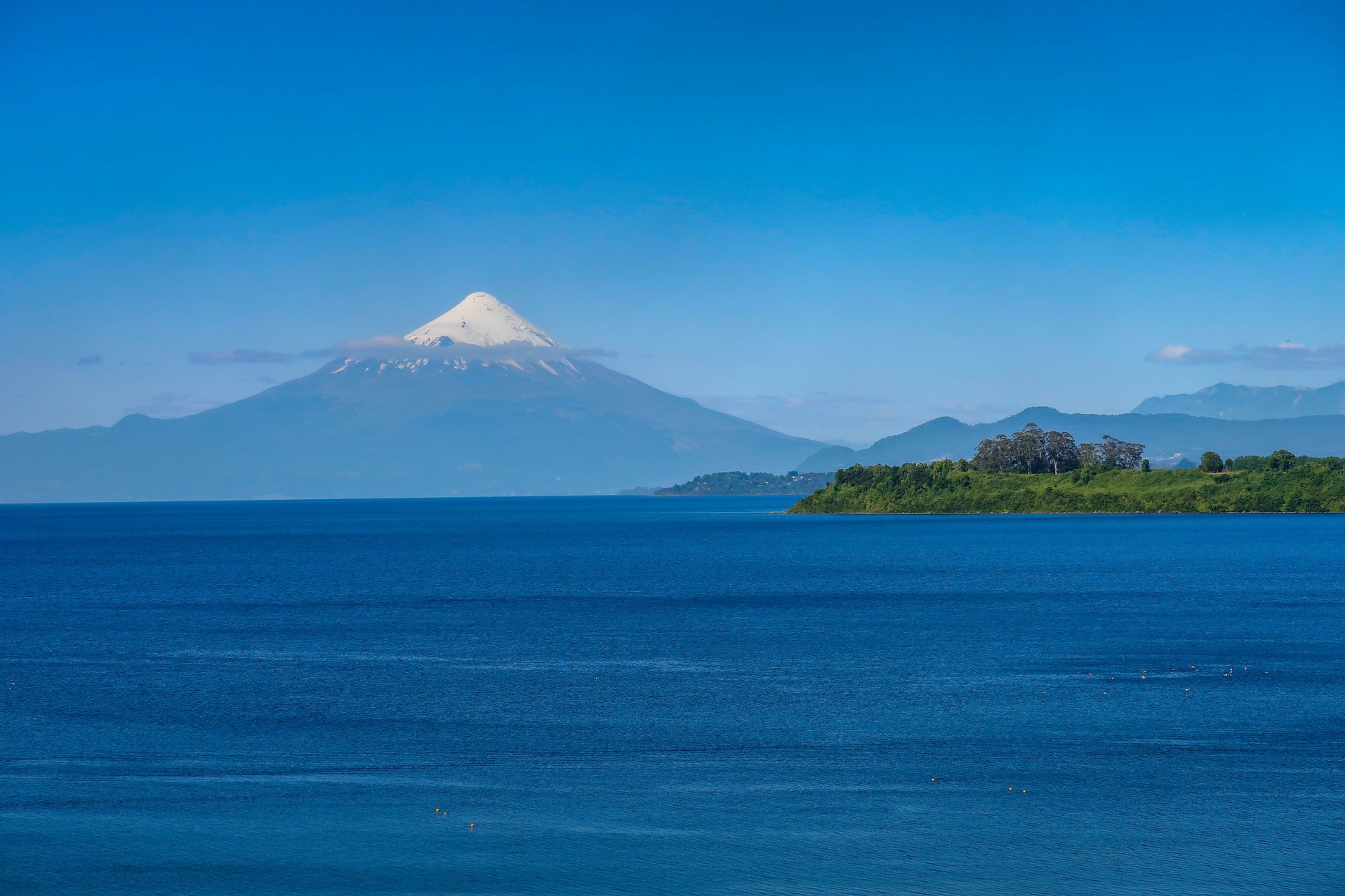
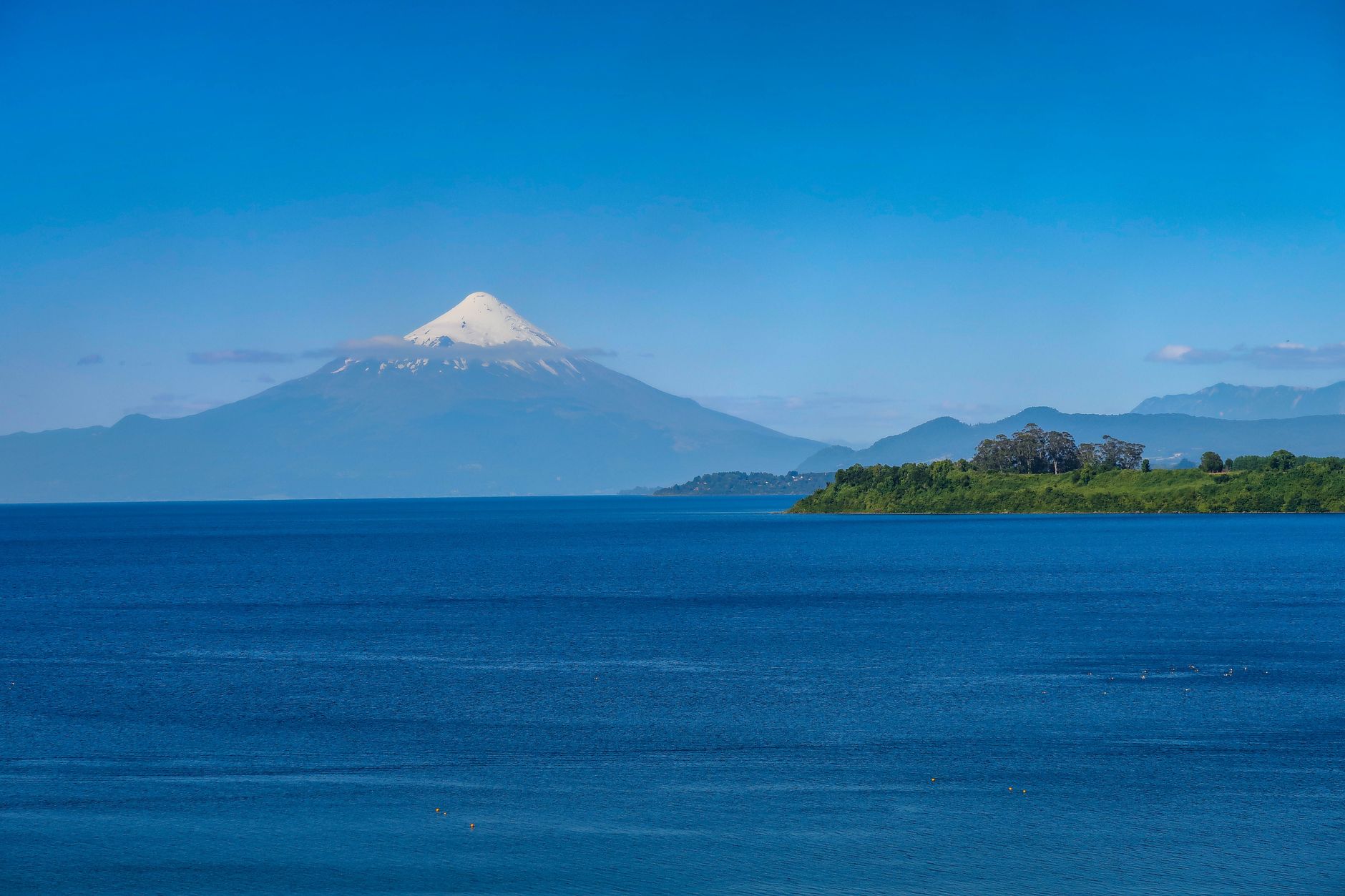
    Puerto Varas is where we exhale on the Lake District route. Lake Llanquihue in front of you, Osorno on the horizon, and a town scale that feels walkable after Santiago. The first evening here is usually lake air, a good meal, and an early walk back to the hotel because tomorrow is a volcano day.

    Is Puerto Varas safe for tourists? In our experience, yes for a calm couples base, with the same phone-and-bag awareness you would use in any popular Chilean town. We would happily spend several nights here as the anchor of a soft-adventure week, and we would not treat safety as the reason to skip it.

    The honest short answer
    Is Puerto Varas safe for tourists? Lake District base for couples

    Puerto Varas feels like a small lake town that knows tourists arrive every week. The waterfront and central blocks are lively by day and into early evening. Hotels cluster where walks to dinner make sense. Day trips to Osorno, Frutillar, or the Petrohué area start from a base that feels organized rather than chaotic.

    We have walked the lakefront with cameras, eaten late on a Friday, and used ride apps when we were tired. We have not felt we needed a different safety personality for Puerto Varas than we use in Providencia or Valparaíso’s gentler hills. Petty theft can happen anywhere tourists gather; calm confidence plus basic habits is the right posture.

    For country-wide framing, pair this post with our Chile safety overview. Puerto Varas is one of the easier bases to recommend when friends ask where to sleep in the Lake District without feeling edgy at night.

    What feels safe in practice

    Safety in Puerto Varas is less about avoiding whole neighborhoods and more about matching the town’s rhythm. Morning coffee on the waterfront, afternoon excursions, dinner near the center, then home. That pattern keeps you where lighting, foot traffic, and services concentrate.

    You may also like our guide to the safest cities in Chile.

    • The lakefront and central blocks are lively by day and early evening.
    • We use ride apps late if we are tired or carrying cameras.
    • Petty theft exists anywhere tourists gather. Leave passports in the hotel safe.
    • Weather changes fast near the lake. Dry sidewalks at lunch can be slick after rain; plan footwear, not just outfits.

    We do not walk remote lake paths alone at night looking for a perfect photo angle. We take the shot at sunset, then head to dinner. Soft adventure by day, comfort by night is the Puerto Varas promise, and safety fits that same split.

    Why Puerto Varas works as a couples base
    Is Puerto Varas safe for tourists? Lake District base for couples

    Couples ask about safety here because they want one beautiful base, not a nightly debate about where to sleep. Puerto Varas delivers that. The town is small enough that you learn the main streets in a day, yet it has enough restaurants and hotels that you can splurge one night and stay practical the next.

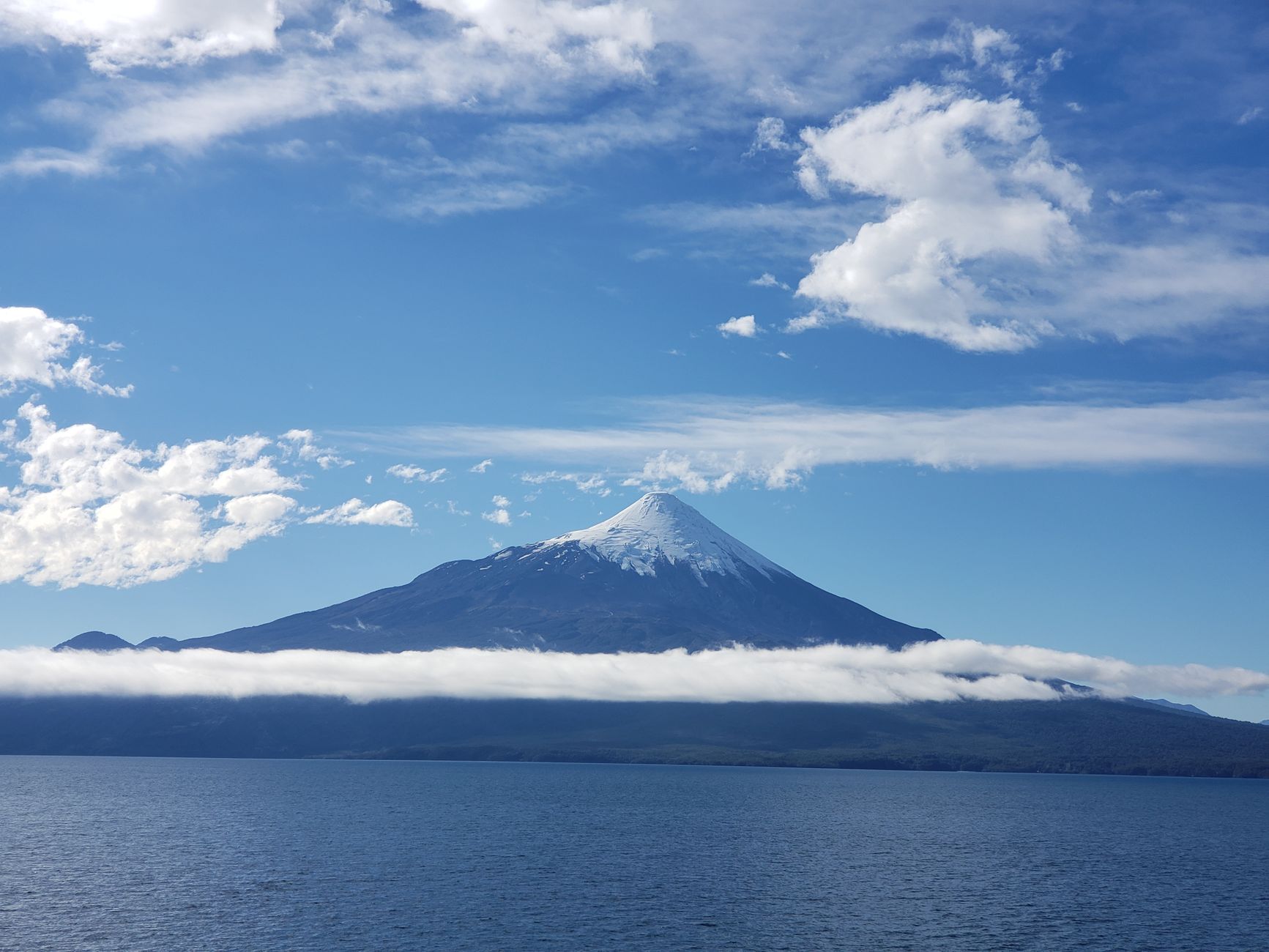
    We like anchoring here when the trip mixes lake calm with volcano drama. Osorno views from town are a daily reminder of why you flew south. When you want a structured day on the mountain, our Osorno Volcano guide covers the excursion side without turning this post into a climb log.

    Compared to Pucón, Puerto Varas feels quieter at night and less party-forward. Compared to Puerto Montt, it feels more intentionally tourist-friendly. For many couples, that middle position is exactly the safety sweet spot: visible tourism infrastructure without Santiago scale.

    Lakefront walks and evening rhythm

    The waterfront is where Puerto Varas shows its best face. Families and couples stroll, dogs run, cafes fill. In summer the light lasts long enough that “evening” still feels public. In winter, darkness arrives earlier and we shorten the walk radius the same way we would in any seasonal town.

    We keep valuables in front pockets or cross-body bags on busy segments. We do not leave a camera on a cafe table while we both visit the restroom. These are universal habits, but the lakefront’s relaxed vibe can lull people into forgetting them.

    Central streets and dinner zones

    Restaurant rows near the center concentrate people after dark. That density is your friend. We choose dinner within a comfortable walk or a short ride from the hotel, especially on the first night when we are still orienting.

    If a street feels empty and poorly lit, we do not treat Puerto Varas as an exception to the rule we use everywhere: turn back toward the busy block, order the ride, eat well, sleep well.

    Day trips vs staying in town

    Most safety questions about Puerto Varas are really questions about day trips. Osorno, Ensenada, Petrohué, Frutillar: the base town feels calm, then Google shows mountain roads and weather icons. Separate the two.

    In town, you are managing sidewalks and bags. On excursion days, you are managing weather, road conditions, and guide timing. We book reputable operators for glacier and volcano outings, start early, and do not push sunset drives on unfamiliar mountain routes.

    When we drive ourselves, we download offline maps, share live location with family, and keep fuel and snacks sensible. The town did not become unsafe because the volcano clouded over. The risk profile changed on the road, and we respect that shift.

    Puerto Varas vs nearby gateways

    Travelers often compare Puerto Varas with Puerto Montt and Pucón before they compare hotels. Safety fits into that comparison in a practical way, not a dramatic one.

    Puerto Montt as the port city

    Puerto Montt is where flights and ferries funnel people south. We sleep there when logistics demand it, then move to Puerto Varas when we want lake walks and restaurant evenings. The port city is workable, not cuddly. Many couples prefer Puerto Varas for multi-night stays because the tourist map is easier to read at night.

    Pucón as the adventure hub

    Pucón has more nightlife energy and a louder adventure billboard. We love it for volcano hikes and hot springs days, but Puerto Varas feels calmer after dinner. Neither town requires fear. They require matching your energy to the base you pick.

    Street smarts for lake towns

    Puerto Varas rewards the same low-drama habits we repeat across Chile.

    • Book hotels in walkable, well-lit areas so late returns are short.
    • Use Uber or hotel taxis when you are tired, loaded with shopping, or carrying camera gear.
    • Keep phones off display on crowded waterfront segments.
    • Store passports and spare cards in the room safe; carry one payment method and a copy.
    • Confirm excursion pickup points in daylight when possible so you are not guessing addresses at dawn.

    We also watch alcohol on excursion eve. Osorno days are not kind to dehydration and late whiskey. The town is safe; the volcano is unforgiving. We choose sleep when the itinerary is ambitious.

    Where to stay for calmer nights

    Safety gets easier when your hotel is in a walkable, well-lit base. Book a lakeside or walkable property and keep nights simple. Our full shortlist lives in hotels in Puerto Varas, where we compare neighborhoods and price tiers without repeating every property here.

    The three properties below are the ones we would book ourselves when friends ask for names, not categories. They represent splurge, special, and boutique-scale options that still respect the couples-trip rhythm we like.

    Where we would stay in Puerto Varas

    These are the stays we would book when we want Puerto Varas to feel like a reward, not a transit night.

    Solace Hotel Puerto Varas

    Puerto Varas Chile hotel Solace Hotel Puerto Varas

    Solace Hotel Puerto Varas is the comfortable lake-town base we recommend most often for couples who want a clear step up from airport hotels without going full splurge. Location and room quality make evening walks and early Osorno departures straightforward. We think of it as the “we are here for the week” choice.

    Check availability on Booking.com.

    Hotel AWA

    Hotel AWA hotel in Chile

    Hotel AWA is when we want a more special lakeside stay, usually one or two anchor nights in a longer Chile trip. The property leans experiential without forcing rough adventure. After a day on the lake or volcano, a hotel that feels intentional beats wandering town for a late snack.

    Check availability on Booking.com.

    Casa Molino Hotel Boutique & Restaurant Puerto Varas

    Puerto Varas Chile hotel Casa Molino Hotel Boutique & Restaurant Puerto Varas

    Casa Molino fits boutique-scale Puerto Varas nights when we want personality and a restaurant worth staying in for dinner. Smaller properties can feel safer simply because staff recognize you by the second morning. That familiarity matters on soft-adventure trips where every day is different.

    Check availability on Booking.com.

    Planning the week around a safe base

    We usually stack Puerto Varas in the middle of a Lake District arc: arrive from Santiago or Temuco, sleep several nights, day-trip outward, then continue south or fly home from Puerto Montt. Keeping one base reduces the nightly “is this neighborhood okay?” calculation to once, not every other day.

    Osorno fills one big day. Frutillar or a lake cruise fills another. A slower waterfront morning fills a third without driving at all. That mix keeps the trip feeling full while the hotel room stays your stable, familiar endpoint.

    If you are still anxious about Chile broadly, read is Chile safe? first. Then return here and book Puerto Varas as the calm center of the map, not the place you endure to see volcanoes.

    We hope this helps you plan a calmer Chile trip. Puerto Varas is one of the bases where safety and beauty point the same direction. Pick the hotel you will actually sleep well in, walk the lake at sunset, and let tomorrow’s volcano be the excitement.

    Frequently asked questions

    Is Puerto Varas Safe in 2026?

    Puerto Varas is one of the calmer Lake District bases for tourists. Use normal awareness at night and book a central lakeside stay.

    Practical next steps for your Chile trip

  • Is Temuco Safe in 2026? Stopover Tips

    Is Temuco Safe in 2026? Stopover Tips

    Is Temuco safe for tourists? Lake District stopover context.

    Temuco is fine as a one-night Lake District stopover if you stay near practical hotel areas and treat it as transit, not a nightlife base.

    Jan & Valeria. We travel to Chile often and love sharing tips to help you experience this beautiful country.

    Affiliate disclosure: some links below (including Airalo) may earn us a commission at no extra cost to you. We only recommend what we would use ourselves.

    The first time someone asked us whether Temuco was safe, they were really asking something else: “Can we land at ZCO, sleep one night, and leave for Pucón without drama?” That is the useful question, and for most Lake District trips the answer is yes.

    Temuco is a working gateway city for Chile’s Lake District, not a resort town. We treat the center as a practical overnight base, keep rural Araucanía news in a separate mental bucket from a plaza walk before dinner, and move on to the lakes when the plan allows. If you are comparing bases farther south, start with our broader is Chile safe for tourists? guide, then come back here for Temuco specifics.

    The honest short answer

    Is Temuco safe for tourists? Lake District stopover context

    For a typical tourist stopover, Temuco feels like a normal mid-size Chilean city with the same street awareness you would use in Santiago or Valparaíso. We have overnighted here after late flights, walked the central blocks in daylight, and left early for Pucón without feeling we took a risk for the sake of convenience.

    We would not treat Temuco as a week-long destination the way we treat Puerto Varas or Pucón. We would also not cancel a Lake District trip because Temuco appears on the map between the airport and Villarrica. The city is functional, the hotel strip near the center is familiar to travelers, and the real scenery starts once you are on the road toward the lakes.

    What Temuco is not: a place to wander with full luggage at midnight through empty industrial blocks, or a place to assume rural headlines describe every street downtown. Separate those two ideas and planning gets much calmer.

    City safety vs regional headlines

    Valeria’s family still talks about Temuco as a normal Chilean city for errands and airport nights. The anxiety online often mixes city streets with rural conflict reports farther out in Araucanía. For a tourist stopover, that distinction matters more than almost any single safety tip we could give you.

    What the headlines usually describe

    News about Araucanía often refers to rural land disputes, road blockades, or incidents far from the hotel blocks where travelers sleep. Those stories are real for people who live in the region, and they can affect driving routes on specific days. They are not the same thing as walking from your hotel to a central restaurant on a normal evening.

    When we plan a Lake District loop, we check road conditions before long drives, especially if we are heading into more remote parts of the region. We do not assume every headline about Araucanía applies to a one-night stay near Plaza Aníbal Pinto.

    What tourists actually do in Temuco

    Most visitors we meet land at Maquehue Airport (ZCO), pick up a rental or pre-book a transfer, sleep near the center or along Av. Alemania, and leave the next morning for Pucón, Villarrica, or Puerto Varas. Their Temuco experience is airport, hotel, maybe one meal, early departure. That rhythm is boring on paper and genuinely useful on a trip.

    If your itinerary already includes Pucón, read our Temuco to Pucón route notes so the safety conversation includes daylight driving and realistic timing, not just the city itself.

    Temuco as a Lake District gateway

    Is Temuco safe for tourists? Lake District stopover context

    We think of Temuco the way we think of a good connection airport: you want a clean bed, easy logistics, and a clear exit strategy. The city has universities, hospitals, and everyday commerce. Tourist infrastructure exists because travelers pass through, not because the plaza is packed with tour buses all week.

    That gateway role shapes how we use Temuco. We book a hotel we trust, keep the first night simple after a long flight, and save our energy for Villarrica volcano views and lake sunsets later in the trip. Trying to “see Temuco properly” on a tight Lake District schedule often creates stress without adding much magic.

    For hotel shortlists and neighborhood fit, our hotels in Temuco guide is the better place to compare properties. This post stays focused on whether the stopover itself feels safe, not on ranking every room in the city.

    Neighborhoods and where we would walk

    Temuco does not have one tourist bubble the way Puerto Varas wraps around the lakefront. Instead, travelers cluster near the center, along Av. Alemania, and in hotel zones that make an early departure easy. Those areas feel familiar: lit streets, restaurants, pharmacies, the small errands you need after landing.

    Central blocks and Plaza Aníbal Pinto

    In daylight, the central plaza area feels like many Chilean downtowns we know. Shops open, people on errands, buses moving. We are still mindful of phones and bags because crowded sidewalks anywhere can attract petty theft, but we do not feel we need a special Temuco-only rulebook for a daytime walk here.

    At night we shorten the radius. Dinner near the hotel, then back. If we are tired or carrying cameras, we use Uber rather than a long walk through quieter side streets we have not scouted.

    Av. Alemania and the hotel corridor

    Many travelers stay along or near Av. Alemania because it is practical for airport access and onward drives. The strip feels commercial and busy in a normal city way. We like it for stopovers because the logistics are obvious: check in, eat, sleep, leave.

    We still avoid empty blocks with poor lighting if we are walking at night. That is general travel sense, not a Temuco panic rule. The pattern repeats in cities worldwide: stay where people are, keep valuables out of sight, and do not look like you are searching for an address in the dark.

    Airport nights at ZCO

    Late arrivals are the main reason Temuco enters Lake District itineraries. Maquehue is small compared to Santiago’s SCL, which we appreciate after a long international leg. The tradeoff is that you still need a plan for the last miles to the hotel.

    We pre-book a transfer or use a ride app when we land tired. Standing outside a regional airport with full luggage, trying to negotiate on the spot, is where trips feel fragile even in safe cities. A confirmed ride removes that friction.

    If you are picking up a rental car at the airport, photograph the vehicle, confirm insurance details, and drive directly to the hotel without detours. Fatigue plus unfamiliar roads at night is a separate risk category from street crime, and it is one we can control with a simple schedule.

    Street smarts that actually help

    Temuco does not require exotic precautions. The habits that keep us calm in Santiago work here too.

    • Keep phones off sidewalk display in crowded areas. Petty theft is the most common tourist issue we hear about across Chile, not dramatic violence.
    • Use Uber or a hotel taxi after dark rather than long walks with luggage.
    • Leave passports in the hotel safe when you do not need them. Carry a card copy and a payment method.
    • Leave early for Temuco to Pucón so you arrive with daylight and calmer nerves.
    • Check road news before rural drives in Araucanía. Conditions can change faster than city streets suggest.

    We also watch alcohol timing on arrival night. One drink with dinner is fine. Trying to “make the most” of a stopover city after a transcontinental flight is how people misread neighborhoods and regret it the next morning.

    Stay connected from landing

    A working phone makes Temuco feel smaller and safer because maps, messages, and ride apps work the moment you land. We install a Chile eSIM before departure so ZCO is not a scramble for Wi-Fi passwords in the arrivals area.

    We use Airalo on most trips because setup is quick and we can compare plans in our Chile eSIM guide before we commit. Connectivity is not a luxury add-on for Lake District driving. It is how we confirm hotel check-in, share live location on road days, and call a driver if a meeting point shifts.

    If you are landing from the US, activate the eSIM while you still have home Wi-Fi, test data, and download offline map areas for Temuco and the Pucón corridor. That ten-minute prep pays off on the first night every time.

    When Temuco makes sense vs when to skip it

    We keep Temuco on the itinerary when the flight lands late, when an early Pucón start beats a Santiago backtrack, or when family logistics in the region make an overnight practical. We skip an extra Temuco night when we can land earlier and drive straight to the lakes with rested eyes.

    Skipping does not mean fear. It means matching the city to the trip shape. A couple on a soft-adventure Lake District week might tolerate one gateway night. Someone trying to squeeze Villarrica, Puerto Varas, and Chiloé into eight days might prefer fewer urban stops.

    Either way, country-level context helps. Our is Chile safe? overview explains how we think about neighborhoods, transport, and headlines across the country so Temuco is not a lone scary dot on the map.

    Where we would stay in Temuco

    For a one-night stopover, keep the hotel simple and central enough for an early departure to Pucón. These are the properties we would book before debating whether to walk another block for a cheaper room.

    Holiday Inn Express – Temuco by IHG

    Temuco Chile hotel Holiday Inn Express - Temuco by IHG

    Holiday Inn Express Temuco is our default when we want a predictable airport-night buffer. The brand familiarity matters when we land tired: we know the check-in rhythm, the breakfast timing, and that we can be on the road early without a slow start. It is not a romantic Lake District lodge, and that is exactly the point for night one.

    We like it for couples who prioritize sleep and logistics over neighborhood exploring. Park, check in, eat nearby, leave. Check availability on Booking.com.

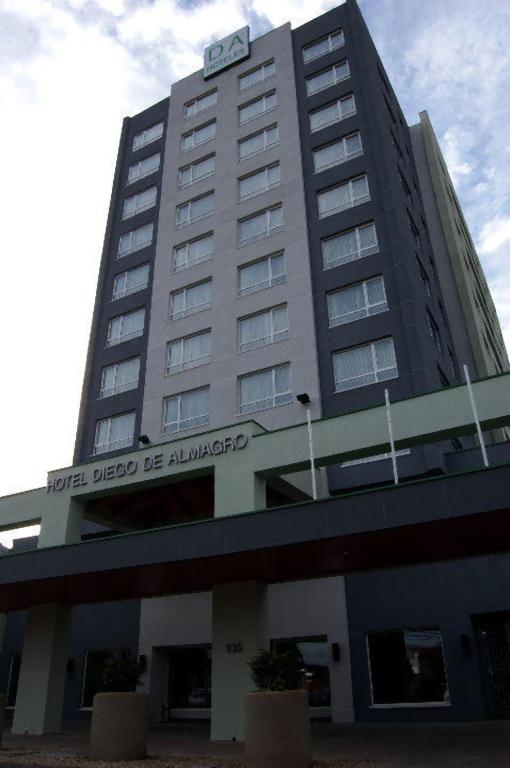
    Hotel Diego de Almagro Temuco

    Temuco Chile hotel Hotel Diego de Almagro Temuco

    Hotel Diego de Almagro Temuco is the practical city overnight we recommend when the Holiday Inn is full or priced for a conference week. Diego de Almagro properties across Chile follow a similar reliable template: comfortable enough, central enough, and easy for drivers to find.

    For a stopover, we treat it the same way: one night, early checkout, onward to the lakes. Check availability on Booking.com.

    Temuco will never be the photo that sells your Chile trip. It can still be the calm hinge between a long flight and the Lake District week you actually came for. We hope this helps you plan that hinge without unnecessary fear. If you are still choosing a base, start with safety and neighborhood fit, book the hotel you will sleep well in, and point the rental car toward Pucón when the sun is up.

    Frequently asked questions

    Is Temuco Safe in 2026? Stopover Tips?

    Temuco is fine as a one-night Lake District stopover if you stay near practical hotel areas and treat it as transit, not a nightlife base.

    Practical next steps for your Chile trip

  • Is Valparaíso Chile Safe? Day Trip Tips for Tourists (2026)

    Is Valparaíso Chile Safe? Day Trip Tips for Tourists (2026)

    I’ll be honest with you. Valparaíso is one of my favourite cities in Chile, and also one that requires the most honest conversation about safety. It’s chaotic, colourful, raw, and absolutely unlike anywhere else in the country. My wife grew up hearing stories about Valparaíso, and she has family friends who’ve lived there for decades. So when people ask me whether it’s safe, I don’t give a generic answer. I give them the real one.

    Official sources: Lonely Planet Valparaiso

    Valparaiso is generally safe for tourists in the main cerros by day. Stick to busy streets, use Uber at night, and keep valuables out of sight.

    Stay connected: Compare Chile eSIM providers (Airalo vs Holafly vs Nomad) before you fly — it takes five minutes and saves airport hassle.

    The short answer: yes, Valparaíso is safe for tourists, but it comes with more caveats than most cities in Chile, and you need to go in with your eyes open.

    What Makes Valparaíso Different From Other Chilean Cities

    Valparaíso isn’t Santiago. It doesn’t have the polished business districts or the bubble of Providencia and Las Condes. It’s a port city: gritty, artistic, proud, and economically struggling in a way that most of Chile simply isn’t. That contrast between the stunning street art on every wall and the genuine poverty in some of the surrounding areas is part of what makes it so fascinating. It’s also what shapes the safety reality on the ground.

    Valparaíso was declared a UNESCO World Heritage Site in 2003 for its historic quarter and urban architecture, which tells you something about its cultural significance. But heritage status doesn’t come with a safety guarantee, and the city has struggled economically for decades since the opening of the Panama Canal redirected much of the shipping traffic that once made it one of the most important ports on the Pacific coast.

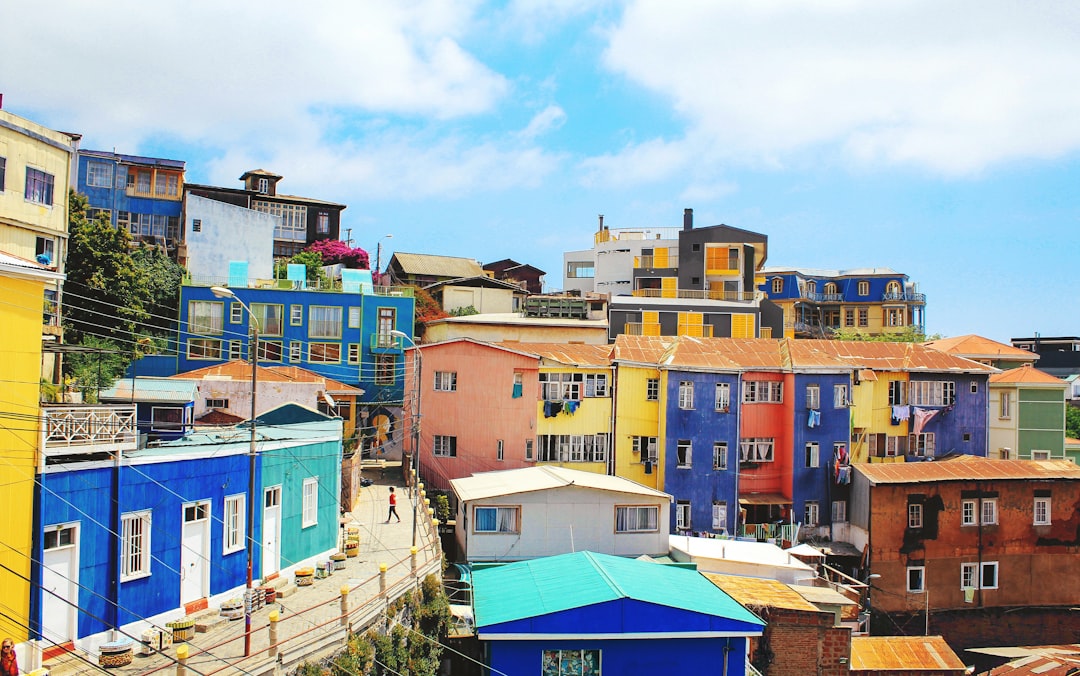
    The tourist areas, especially Cerro Alegre and Cerro Concepción, are genuinely beautiful and, during the day, feel relaxed and welcoming. Boutique hotels, excellent restaurants, sweeping views over the bay. You’ll love it. But step outside those zones, or stay out after dark without a plan, and the picture changes.

    Is Valparaíso Safe During the Day?

    During daylight hours, the main tourist areas of Valparaíso are safe and very enjoyable to explore. The cerros (hills), the funiculars (ascensores), the street art, the seafront. All of this is accessible and fun. I’ve walked around Cerro Alegre and Cerro Concepción many times and never felt in danger.

    Planning more? Read our guide to Valparaíso weather by month.

    For the next step, see our guide to getting from Santiago to Valparaíso.

    Planning more? Read our guide to things to do in Valparaíso.

    That said, petty theft is a genuine issue even during the day. Pickpocketing happens near the port, around Plaza Sotomayor, and at the funicular stations where crowds gather. Keep your phone in your pocket, not in your hand, and wear your bag across your chest. These are simple habits that make a real difference.

    One thing my wife always reminds me: don’t look like you’re lost. Walk with purpose, even if you’re consulting the map. Thieves are opportunistic, and a confused tourist standing still staring at their phone is an easy target.

    Is Valparaíso Safe at Night?

    This is where I have to be direct with you: Valparaíso at night requires genuine caution.

    The Canadian government travel advisory for Chile specifically warns travellers to avoid walking after dark around Cerro Alegre and the other cerros in Valparaíso. Armed assaults and robberies have increased in recent years, and tourists have been targeted even during daylight hours, which tells you something about the nighttime situation.

    This doesn’t mean you can’t go out in the evening. It means you should not be walking unfamiliar streets alone after dark. Use Uber or Cabify to move between places. Stick to the well-lit, busy restaurant areas. Travel with others if you can.

    The nightlife in Valparaíso has a reputation, and there are some genuinely great bars and restaurants worth visiting in the evening. Just get there and back with an app rather than on foot.

    Areas to Avoid in Valparaíso

    The tourist zones are relatively contained. As soon as you move away from the Cerro Alegre and Cerro Concepción area and head toward the lower parts of the city, the risk increases. The port area and surrounding streets, especially after dark, are not places to wander without purpose.

    Some of the outer cerros, away from the tourist circuit, have higher crime rates and are best avoided entirely, especially if you don’t know the city well. My wife’s honest advice, and I’ll pass it on to you: if a hill doesn’t appear on your tourist map, don’t just wander up it to see what’s there.

    In short, stay on the beaten path in Valparaíso. That’s not usually advice I give for travelling Chile, but here it applies.

    Common Scams in Valparaíso

    A few scams pop up regularly in Valparaíso that you should know about:

    Fake tour guides: strangers offering to show you around, often leading you to overpriced shops or, worse, unsafe areas. If you want a guided tour, book one through your accommodation or a reputable agency.

    Overpriced taxis: always agree on a price before getting in, or better yet, use Uber or Cabify where the price is fixed. Tourists are frequently overcharged by unofficial drivers, particularly around the port and bus terminal.

    Pickpocketing at the funiculars: the ascensores of Valparaíso are crowded, slow, and a classic spot for thieves. Keep your bag in front of you and your phone out of sight while waiting in the queue.

    The flat tyre scam: if you’re driving a rental car, be aware that thieves have been known to puncture tyres and then rob tourists while they deal with the damage. If you get a flat in a quiet area, drive slowly to somewhere busy before stopping. This scam is well-documented and happens in both Valparaíso and Santiago.

    The distraction trick: someone bumps into you, spills something on you, or creates a commotion nearby. While you’re distracted, an accomplice goes for your bag or pocket. My wife warned me about this before my first visit, and I’ve since heard it from other travellers too. The solution is simple: if anything unexpected happens physically near you, your first instinct should be to secure your belongings, not to look at what caused the distraction.

    Valparaíso vs Santiago: Which Is Safer?

    This is a question I get often, and the honest answer is that Santiago is generally safer for tourists, mainly because the tourist zones there. Las Condes, Providencia and Vitacura are well-resourced, well-policed, and geographically separated from the higher-risk areas.

    In Valparaíso, the tourist areas and the rougher parts of the city are much closer together, and the boundaries are less obvious. That proximity means you can walk from a beautiful viewpoint into a sketchy street within a couple of minutes without realising it.

    That said, Valparaíso is absolutely worth visiting. I wouldn’t trade my time there for anything. You just need to approach it with a little more awareness than you would Santiago’s upmarket neighbourhoods.

    Is Valparaíso Safe for Solo Travellers?

    Solo travel in Valparaíso is doable, but it demands more awareness than in most other Chilean cities. The backpacker scene is real. There are good hostels on the tourist cerros and plenty of other travellers around during the day. But the advice about not walking alone at night applies especially strongly if you’re on your own.

    If you’re a solo female traveller, I’d encourage you to read some firsthand accounts before you go. Lonely Planet’s Valparaíso guide and travel forums like TripAdvisor have recent reports from solo women that give a very honest picture of the experience. The consensus is pretty consistent: the tourist cerros during the day are fine, but nighttime solo walking is not advisable regardless of gender.

    The best approach for solo travellers is to base yourself on Cerro Alegre or Cerro Concepción, connect with people at your hostel, and explore as a group when possible. It’s not hard to find travel companions in Valparaíso. It’s that kind of city.

    What It Actually Feels Like to Walk Around Valparaíso

    I want to give you something the safety statistics can’t: the actual feeling of being there.

    Valparaíso has an energy that’s completely its own. The streets climb steeply, the buildings are layered on top of each other in every colour imaginable, and around every corner there’s another mural that stops you in your tracks. Street dogs wander freely (a Chilean constant), music drifts out of open doorways, and the smell of the ocean is always somewhere behind it all.

    In the tourist areas during the day, it feels bohemian and alive. You’ll see other travellers, local artists, café owners setting out chairs, and elderly residents making their way up the hills. There’s a warmth to the neighbourhood that’s genuine. My wife describes it as a city that wears its soul on its sleeve. Nothing is hidden, nothing is polished, and that rawness is exactly the point.

    Where the feeling shifts is when the light starts to go. The streets empty faster than you’d expect. The warmth pulls back indoors. That’s your cue to do the same, or at minimum to stop wandering and get an app-based ride to wherever you’re going next.

    It’s not a threatening feeling, exactly. It’s more like the city gently reminding you that it has another side, and you’d be smart not to push it.

    Safety Tips Specifically for Valparaíso

    During the day:

    • Stick to Cerro Alegre, Cerro Concepción, and the main tourist waterfront
    • Keep your phone in your pocket at funicular stations and in crowded areas
    • Don’t carry your passport. Leave it at the hotel and carry a photocopy
    • Book tours through reputable operators, not strangers on the street

    At night:

    • Use Uber or Cabify to get around. Don’t walk between locations in the dark
    • Stay in well-lit, busy restaurant and bar areas
    • Go with company rather than alone
    • Trust your gut. If something feels off, leave

    In general:

    • Don’t flash cameras, jewellery, or expensive phones
    • Keep bag zips facing forward and bags worn across the chest
    • Split your cash across different pockets so you’re never flashing a full wallet
    • Travel insurance is not optional – get it before you fly

    Is Valparaíso Worth Visiting Despite the Safety Concerns?

    Absolutely, yes. This is the part where I want to be clear: I am not telling you to skip Valparaíso. I’m telling you to visit it intelligently.

    The city is extraordinary. The street art alone is worth the trip. It’s not graffiti. It’s a genuinely world-class open-air gallery that covers entire hillsides. The food is excellent, the views over the Pacific are breathtaking, and there’s an energy to the place that you won’t find anywhere else in Chile. My wife lights up every time we talk about going back.

    Go during the day. Explore the cerros. Take the funiculars. Eat seafood by the water. Then get an Uber back to your hotel or head to nearby Viña del Mar for the evening if you want a more relaxed base. That combination gives you the best of Valparaíso without the unnecessary risks.

    Practical Information for Valparaíso

    Getting there from Santiago: The bus is easy, comfortable, and affordable. Companies like Turbus and Pullman Bus run regular services and the journey takes about an hour and a half from the Alameda terminal. It’s genuinely one of the easier intercity trips in Chile.

    Emergency numbers in Chile:

    • Police (Carabineros): 133
    • Ambulance: 131
    • Fire: 132

    The Carabineros de Chile are the national police force and are generally accessible and responsive in tourist areas. If you have an incident, report it, for insurance purposes if nothing else.

    Final Thoughts

    Valparaíso has a reputation, and some of it is deserved. Crime has risen over the past few years, and it’s not a city where you can switch off completely. But it’s also one of the most visually stunning and culturally rich places in South America, and I’d hate for safety concerns to stop people from experiencing it.

    Go informed. Go prepared. And go with the right mindset: aware but not anxious. That’s the sweet spot for Valparaíso, and if you hit it, you’ll leave absolutely in love with the place.

    Just like I did.

    Frequently asked questions

    Is Valparaíso Chile Safe? Day Trip Tips for Tourists?

    Valparaiso is generally safe for tourists in the main cerros by day. Stick to busy streets, use Uber at night, and keep valuables out of sight.

    Practical next steps for your Chile trip

  • Is Chile Safe to Visit in 2026? Yes, but Avoid These Areas

    Is Chile Safe to Visit in 2026? Yes, but Avoid These Areas

    Yes, Chile is safe to visit in 2026 for travelers who pick the right neighborhoods and use normal awareness. We travel here often. The country ranks among the safer options in South America. The realistic concerns are petty theft in big cities, occasional protests, earthquakes, and remote weather, not a blanket “do not go.”

    Travel advisories at a glance (2026)

    We travel to Chile often and treat official advisories as context, not as a reason to cancel a well-planned trip. Here is the practical read:

    Source Level / tone What it means for visitors
    US State Department Level 2: exercise increased caution Crime and occasional unrest. Stay aware in cities; avoid demonstrations.
    UK FCDO No blanket “do not travel” Flags petty crime in Santiago and Valparaíso, plus remote risks.
    Our take Calm confidence Pick the right neighborhoods, keep phones out of sight in crowds, and you can enjoy Chile.

    Official sources: US State Dept Chile advisory

    Yes. Chile is generally safe to visit in 2026 if you stay in the right neighborhoods and use normal big-city awareness. The realistic concerns are petty theft in Santiago and Valparaíso, plus earthquakes and remote weather, not countrywide danger.

    Stay connected: Compare Chile eSIM providers (Airalo vs Holafly vs Nomad) before you fly. it takes five minutes and saves airport hassle.

    Crime and safety overview

    Chile is widely considered one of the safest countries in South America, especially for tourists. Violent crime rates are relatively low compared to many neighboring countries, and most visits are trouble-free. That said, petty crime such as pickpocketing and bag snatching does occur, particularly in busy urban areas like Santiago, Valparaíso, and popular tourist hotspots.

    Planning more? Read our guide to how to check whether Chile is safe right now.

    Planning more? Read our guide to the safest cities in Chile.

    As a frequent traveler, the overall feeling in Chile is one of stability and order. Police presence is visible, infrastructure is reliable, and locals are generally helpful. However, like in any country, staying aware of your surroundings is key. Crimes tend to be opportunistic rather than targeted, meaning simple precautions like keeping valuables out of sight and avoiding quiet areas at night go a long way.

    In short, Chile is safe for tourists who travel smart. It’s not a risk-free destination, but compared to much of the region, it stands out as a secure and well-organized place to explore.

    Read the Security Report from OSAC for a professional opinion.

    Safest places to visit

    Chile has many destinations where travelers can feel especially safe, even by global standards. Areas like Santiago’s neighborhoods of Las Condes, Vitacura, and Providencia are known for being clean, well-policed, and tourist-friendly. These districts are where most hotels, restaurants, and business travelers are concentrated.

    Outside the capital, places like San Pedro de Atacama, Puerto Varas, and much of Patagonia are extremely safe. These regions rely heavily on tourism, and crime is very low. You’ll often find a relaxed atmosphere where walking around, even in the evening, feels comfortable.

    Read our blog about the safest places in Santiago here

    Smaller towns and rural areas across Chile are generally very safe as well. The biggest “risk” in these places is usually related to nature rather than crime. Overall, if you stick to well-known destinations and established neighborhoods, Chile offers a very secure travel experience.

    Areas to avoid

    Most of Chile is safe, but there are a few areas where extra caution is needed. In Santiago, neighborhoods like parts of Estación Central, La Pintana, and some outskirts of the city have higher crime rates and are not ideal for tourists. In Valparaíso, certain hills (cerros) can become unsafe after dark.

    A few quick rules:

    • Avoid quiet or poorly lit areas at night
    • Be cautious around bus terminals and crowded transport hubs

    Common scams and how they actually work

    • Metro or street phone snatch: Someone grabs a phone from your hand on a crowded platform or busy downtown street. Keep the phone in a front pocket or bag until you step aside.
    • Distraction “stain” approach: Someone points at a stain on your clothes while an accomplice reaches for your bag. Keep walking and clean up later.
    • Airport or street taxi overcharge: Unofficial drivers quote flat fares. Use the official desk, Centropuerto/Turbus, or Uber/Cabify/DiDi from the marked pickup zone.
    • Card terminal DCC: Always pay in Chilean pesos (CLP), not your home currency, when the terminal asks.

    Common scams to watch for

    Scams in Chile are not as widespread as in many countries, but they do happen. The most common ones target distracted tourists in busy areas.

    Watch out for:

    • Distraction techniques (someone spilling something on you while another steals your belongings)
    • Fake taxis or drivers overcharging at airports

    Transport safety tips

    Transport in Chile is generally safe and reliable. Buses are modern, flights are efficient, and ride apps work well in major cities.

    Stick to:

    • Uber, Cabify, or registered taxis
    • Reputable long-distance bus companies

    Avoid hailing random taxis late at night if possible.

    Night safety tips

    Chile is relatively safe at night in the right areas, but caution is still important.

    • Stay in well-lit, busy neighborhoods
    • Avoid walking alone in unfamiliar areas after dark

    In cities like Santiago, nightlife districts are lively but require basic awareness.

    Earthquakes and tsunamis: what to do

    Chile sits on a very active seismic zone. Small tremors are common. Buildings in major cities are engineered for this. The practical steps:

    1. If the ground shakes hard: drop, cover, and hold under a sturdy table. Protect your head and neck.
    2. After shaking stops on the coast: if it lasted about a minute or more, walk inland and uphill for tsunami risk. Do not wait for a siren.
    3. Ask your hotel where the assembly point is when you check in.

    Natural hazards and risks

    Chile’s biggest risks are often natural rather than crime-related. The country is prone to earthquakes, and certain regions have extreme climates.

    Be aware of:

    • Earthquakes (buildings are well-prepared, but it can be unsettling)
    • Harsh conditions in Patagonia and the Atacama Desert

    Political stability and protests

    Chile is politically stable overall, but protests do happen, especially in Santiago. These are usually peaceful but can occasionally turn disruptive.

    If you encounter a protest:

    • Avoid the area entirely
    • Follow local news or ask hotel staff for updates

    Emergency numbers and help

    Chile has a reliable emergency system, and help is generally accessible.

    • Police: 133
    • Ambulance: 131
    • Fire: 132

    Safety tips for first-time visitors

    For first-time travelers, Chile is one of the easiest countries in South America to navigate safely.

    • Don’t flash valuables like phones or jewelry
    • Keep copies of important documents

    A little awareness goes a long way here.

    Cultural norms and local behavior

    Chileans are generally polite, reserved, and helpful. Respectful behavior is appreciated and contributes to a safer experience.

    • Greet people with a simple “hola”
    • Avoid loud or confrontational behavior

    Blending in reduces unwanted attention.

    Is Chile safe compared to other countries

    Compared to most South American countries, Chile ranks as one of the safest. It generally has lower violent crime rates and better infrastructure.

    It’s often considered safer than countries like Brazil, Colombia, and Peru, especially for first-time travelers.

    vs Argentina and other South American countries

    Chile and Argentina are quite similar in safety, though Chile often feels slightly more stable and organized.

    Safer or comparable to:

    • Argentina
    • Uruguay

    Generally safer than:

    • Brazil
    • Colombia
    • Venezuela

    Murder rate and crime vs USA

    Chile’s homicide rate is significantly lower than that of the United States. While petty crime is more visible in tourist areas, violent crime is less common.

    Murder rate and crime vs Canada

    Chile’s crime levels are higher than Canada’s overall, especially for petty theft. However, violent crime remains relatively low and manageable.

    Murder rate and crime vs UK

    Compared to the UK, Chile has slightly higher petty crime rates but similar or lower levels of violent crime in many areas.

    Best time to visit for safety

    Chile is safe year-round, but some seasons are easier for travel.

    • Summer (December to February) offers better conditions and more activity
    • Winter travel is safe but can bring weather-related challenges

    Safety in Santiago vs other regions

    Santiago is safe in many areas but requires the most awareness due to its size. Petty crime is more common here than elsewhere.

    Other regions like Patagonia, the Atacama Desert, and southern Chile are generally safer and more relaxed.

    Is Chile safe for you?

    Chile is a great choice if you want a safe and structured introduction to South America. It offers a balance of adventure and comfort that suits a wide range of travelers.

    If you use common sense and stay aware, you’re unlikely to run into serious problems.

    Is Chile safe for…:

    Solo travelers

    Chile is one of the best countries in South America for solo travel. It’s easy to get around, and you’ll find plenty of other travelers.

    Solo female travelers

    Generally safe, especially in well-known areas. Standard precautions apply, particularly at night.

    Families

    Chile is family-friendly, with good infrastructure, healthcare, and safe destinations.

    Americans

    Americans are common visitors and generally face no specific risks beyond standard tourist precautions.

    Europeans

    European travelers will find Chile comfortable, familiar, and easy to navigate safely.

    LGBTQ+ travelers

    Chile is one of the more progressive countries in South America. Major cities are welcoming, though discretion is still advised in rural areas.

    Digital nomads

    Safe and well-connected, especially in Santiago. Reliable internet and modern amenities make it a strong option.

    Backpackers

    A popular and safe backpacking destination with good hostels and transport.

    Senior travelers

    Chile is safe and accessible, though some regions may require more planning due to terrain.

    Students and exchange travelers

    A safe environment with good public services and a welcoming atmosphere.

    Families with young children

    Safe, clean, and easy to manage, especially in urban and tourist-friendly areas.

    Luxury travelers

    High-end areas and services are very safe, particularly in Santiago and wine regions.

    Adventure travelers

    Safe overall, but risks come more from nature than crime.

    Road trippers

    Road conditions are excellent, and driving is generally safe across the country.

    Expats and long-term stays

    Chile is one of the safest and most stable countries in South America for long-term living.

    Frequently asked questions

    Is Chile safe to visit in 2026?

    Yes. Chile is among the safer South American countries for tourists. The US State Department lists Chile at Level 2 (exercise increased caution) mainly for crime and occasional unrest. Stay in recommended neighborhoods, keep phones out of sight in crowded spots, and you can travel with calm confidence.

    Is Chile safe for tourists?

    Yes for most itineraries. Violent crime against tourists is uncommon. Petty theft is the main issue in busy urban areas. Safety varies by city and neighborhood more than by the country as a whole.

    Is Santiago safe for tourists?

    Santiago is safe in eastern neighborhoods like Las Condes, Providencia, and Vitacura. Centro is fine by day. Use Uber or Cabify at night and book lodging on the east side.

    Is Chile safe for solo female travelers?

    Many solo female travelers visit Chile safely. Stick to well-lit areas, use ride apps at night, and choose accommodation in Providencia or Las Condes in Santiago.

    What should I do if there is an earthquake in Chile?

    Drop, cover, and hold under sturdy furniture. After shaking stops, if you are on the coast and shaking lasted about a minute or more, walk to high ground for tsunami risk. Modern Chilean buildings are built to strict seismic codes.

  • Is Santiago Chile Safe in 2026? Yes, in These 3 Neighborhoods

    Is Santiago Chile Safe in 2026? Yes, in These 3 Neighborhoods

    We spend a lot of time in Santiago, from quiet east-side streets to the historic center on day walks. The short version: Santiago is safe for tourists who stay in the right neighborhoods and treat downtown like any large capital.

    Official sources: US State Dept Chile advisory

    Yes. Santiago is safe for tourists who stay east in Las Condes, Providencia, or Vitacura. Centro works by day. Keep phones away on busy streets, use ride apps at night, and book those neighborhoods.

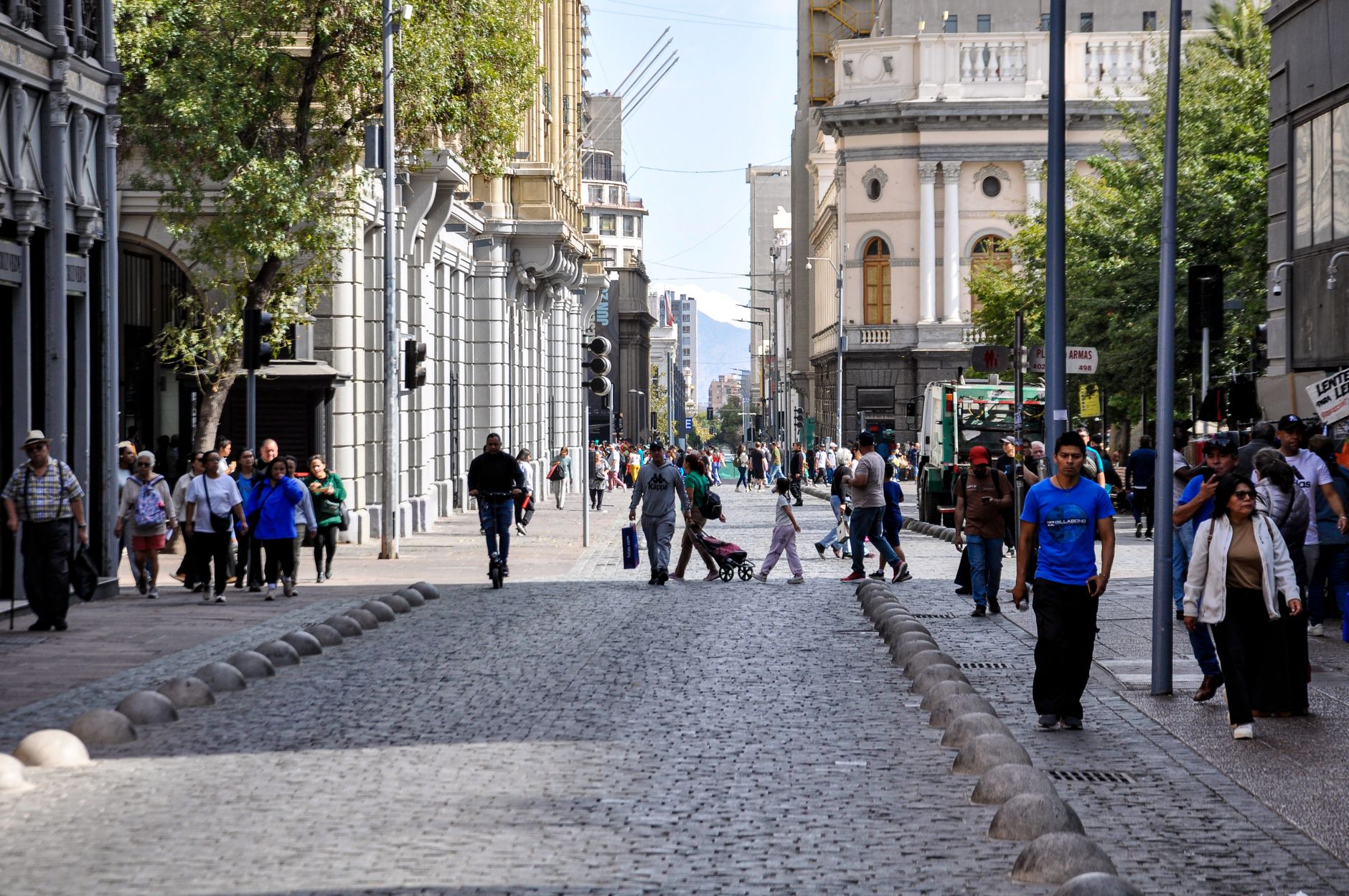
    Santiago is location-dependent. Eastern neighborhoods feel modern and calm. The historic center is fine for daytime sightseeing with normal awareness. That contrast is what first-timers need to understand, not a reason to skip the city.

    Base yourself on the northeast side (Providencia, Las Condes, Vitacura) or walkable Lastarria. The map below shows the zones we actually use.

    Planning to stay in Santiago? Check out our blog of the best hotels in Santiago.

    You do not need to be afraid of Santiago. You do need a simple plan: base yourself east in Providencia, Las Condes, or Vitacura, keep your phone away on crowded downtown streets, and use Uber or Cabify at night outside those areas. That is how we travel here, and it works.

    Next step when you are ready to book: where to stay in Santiago or our best hotels in Santiago shortlist.

    Need mobile internet for your upcoming trip to Chile? Check out our compare Chile eSIM providers blog.

    Is Santiago safe for tourists in 2026?

    Short answer: yes, but only if you stay in the right areas. Santiago isn’t a place where you can just explore freely without thinking about safety. It’s very location-dependent, and that’s what catches a lot of people off guard.

    In the safer parts of the city, you’ll feel totally fine. Cafés are busy, streets are clean, and it honestly feels like any modern city. But step outside those zones, and things can change quickly. That contrast is what makes Santiago tricky for first-time visitors.

    If you plan your stay properly and stay aware, you can absolutely have a great time here. Just don’t treat it like a carefree destination.

    Safe areas (map explained)

    The safest part of Santiago is clearly the northeast side of the city. This includes neighborhoods like Las Condes, Vitacura, and Providencia. This is where most expats, business travelers, and tourists stay.

    Planning more? Read our guide to areas to avoid in Santiago.

    If you are traveling from the United States, our guide to whether Chile is safe for American tourists adds practical detail.

    You’ll notice the difference immediately. Better infrastructure, more police presence, and an overall calmer atmosphere. It’s also where most hotels, restaurants, and shopping areas are located.

    Then there’s the area around the airport in the west. It’s not somewhere you’ll hang out, but it’s generally fine for short stays or transitions.

    • Northeast districts are your main base
    • Airport area is fine for arrival/departure
    • Stick to these zones as much as possible

    Areas to avoid

    This is where you really need to pay attention. Some southern and western comunas have higher crime and little tourist reason to visit. You do not need them on a first trip. Stick to the east-side bubble for lodging and evenings.

    Neighborhoods in the south and west of the city are known for higher crime rates. Even some central areas that look okay during the day can become risky, especially after dark.

    The biggest mistake people make is wandering too far out of the “safe bubble” without realizing it.

    • Avoid unfamiliar areas outside the northeast
    • Be cautious in the city center, especially at night
    • Don’t explore “just out of curiosity”

    My experience and warnings

    Personally, I felt completely fine when I stayed in the right areas. Walking around during the day, grabbing food, working from cafés, no issues at all. But I was always aware of where I was.

    The moment you start pushing beyond those areas, the atmosphere changes. Less people, fewer tourists, and just a different energy. It’s hard to explain until you see it yourself, but you feel it.

    And the stories I’ve heard from other travelers are not rare. Getting phones snatched, being followed, or worse. That’s why I’m very clear about this: don’t take unnecessary risks here.

    Quick safety tips

    If you follow a few simple rules, you’ll avoid most problems in Santiago. Nothing complicated, just basic awareness and discipline.

    A lot of issues happen because people get too comfortable too quickly. This is not the place for that.

    • Keep your phone out of sight in public
    • Use Uber or trusted transport, especially at night
    • Stay in the northeast areas only

    Current crime rates and statistics

    Santiago has seen an increase in crime in recent years, especially petty theft and robberies targeting tourists. This is something locals will also tell you if you ask.

    This website keeps track of the crime numbers in Chile.

    Most incidents involve things like phone snatching, pickpocketing, or opportunistic theft. Violent crime exists, but tourists are more commonly affected by smaller, quick crimes.

    The key thing to understand is that crime is very location-based. In safe areas, you might not notice anything. Outside of them, it’s a different story.

    Common scams to watch out for

    Like many big cities, Santiago has its share of scams, and tourists are an easy target if they’re not paying attention.

    The most common one is distraction-based theft. Someone asks you something, spills something on you, or creates a situation, while someone else takes your belongings.

    Another one is unofficial taxis or drivers trying to overcharge or take advantage.

    • Distraction scams in busy areas
    • Unofficial taxis charging extra
    • People offering “help” out of nowhere

    Public transport safety

    Public transport in Santiago is decent, but it’s also one of the main places where theft happens.

    The metro system is modern and widely used, but it gets crowded. And crowded places are exactly where pickpockets operate.

    If you use public transport, just be extra aware of your belongings at all times.

    • Keep bags zipped and in front of you
    • Avoid rush hours if possible
    • Stay alert when entering and exiting stations

    Safety at night

    At night, things change quickly in Santiago. Even areas that feel okay during the day can become much less comfortable after dark.

    In the safe neighborhoods, you can still go out for dinner or drinks, but you shouldn’t wander too far or walk long distances alone.

    Outside of those areas, it’s better to just not be there at all.

    • Use Uber instead of walking at night
    • Stay in well-lit, busy areas
    • Avoid empty streets completely

    How it compares to other cities in Chile

    Compared to other cities in Chile, Santiago is generally considered less safe, especially because it’s larger and more complex.

    Places like Valparaíso or smaller towns can feel more relaxed, although they also have their own risks. The difference is that Santiago has more contrast between safe and unsafe areas.

    That’s why it requires a bit more planning and awareness than other destinations in the country.

    Final verdict

    Santiago can be a great place to visit, but it’s not a destination where you can switch off completely.

    If you stay in the right areas, follow basic precautions, and don’t take unnecessary risks, you’ll likely have a smooth experience.

    But ignore those rules, and things can go wrong quickly. So keep it simple: stay in safe zones, stay alert, and don’t push your luck.

    Frequently asked questions

    Is Santiago Chile safe?

    Yes for visitors who base themselves in Las Condes, Providencia, Vitacura, or Lastarria. The city is large and uneven by neighborhood. Stay east, use normal awareness downtown, and you can enjoy Santiago calmly.

    Is Santiago safe at night?

    In Providencia, Las Condes, Vitacura, and busy Lastarria streets, evenings are fine with normal awareness. Prefer Uber or Cabify over long walks in Centro after dark.

    Where should tourists stay in Santiago for safety?

    Providencia is our default for first-timers. Las Condes and Vitacura are quieter and very safe. Lastarria works if you want a walkable cultural base.

    Is Providencia Santiago safe?

    Yes. Providencia is one of the most practical safe areas for tourists: Metro access, restaurants, and a calmer feel than Centro.

    Practical next steps for your Chile trip