
Chile has built a strong reputation as one of the safest and most stable countries in South America, but like anywhere, it comes with its own nuances. From modern cities like Santiago to remote regions like Patagonia, safety can vary depending on where you go and how you travel. In this guide, you’ll get a clear, experience-based answer to the question “is Chile safe,” along with practical tips to help you travel confidently.
Chile is widely considered one of the safest countries in South America, especially for tourists. Violent crime rates are relatively low compared to many neighboring countries, and most visits are trouble-free. That said, petty crime such as pickpocketing and bag snatching does occur, particularly in busy urban areas like Santiago, Valparaíso, and popular tourist hotspots.
As a frequent traveler, the overall feeling in Chile is one of stability and order. Police presence is visible, infrastructure is reliable, and locals are generally helpful. However, like in any country, staying aware of your surroundings is key. Crimes tend to be opportunistic rather than targeted, meaning simple precautions like keeping valuables out of sight and avoiding quiet areas at night go a long way.
In short, Chile is safe for tourists who travel smart. It’s not a risk-free destination, but compared to much of the region, it stands out as a secure and well-organized place to explore.
Read the Security Report from OSAC for a professional opinion.
Chile has many destinations where travelers can feel especially safe, even by global standards. Areas like Santiago’s neighborhoods of Las Condes, Vitacura, and Providencia are known for being clean, well-policed, and tourist-friendly. These districts are where most hotels, restaurants, and business travelers are concentrated.
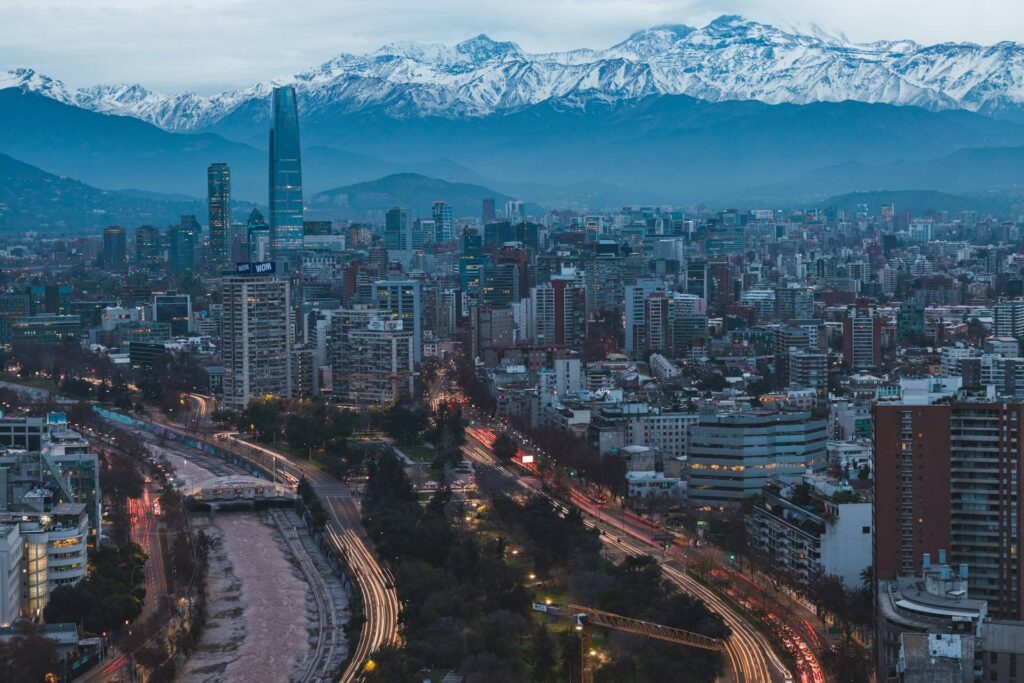
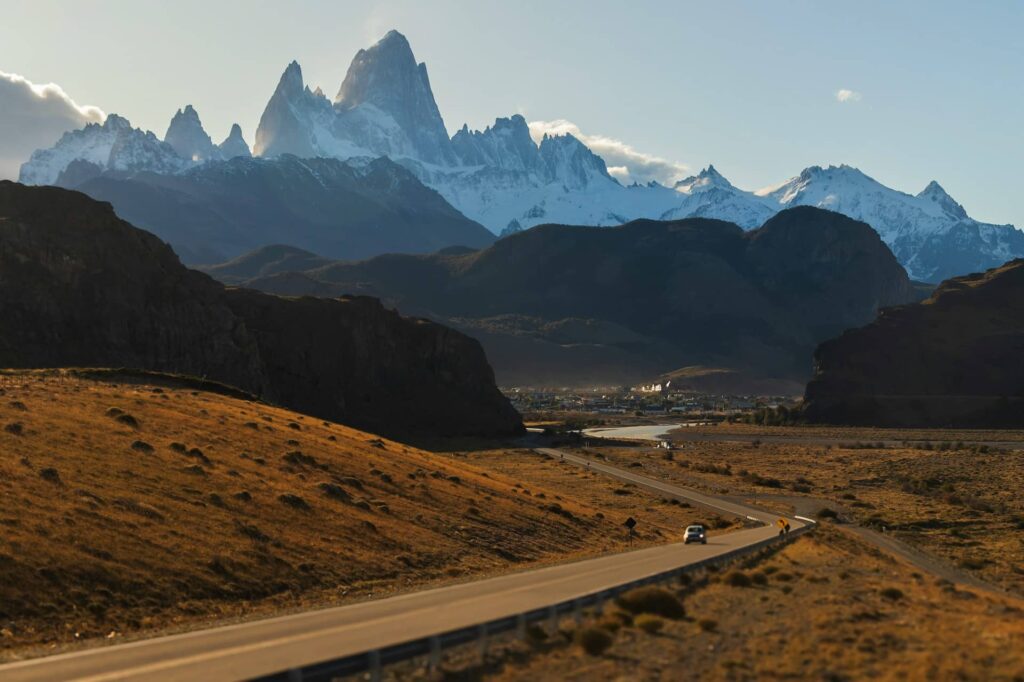
Outside the capital, places like San Pedro de Atacama, Puerto Varas, and much of Patagonia are extremely safe. These regions rely heavily on tourism, and crime is very low. You’ll often find a relaxed atmosphere where walking around, even in the evening, feels comfortable.
Read our blog about the safest places in Santiago here
Smaller towns and rural areas across Chile are generally very safe as well. The biggest “risk” in these places is usually related to nature rather than crime. Overall, if you stick to well-known destinations and established neighborhoods, Chile offers a very secure travel experience.
Most of Chile is safe, but there are a few areas where extra caution is needed. In Santiago, neighborhoods like parts of Estación Central, La Pintana, and some outskirts of the city have higher crime rates and are not ideal for tourists. In Valparaíso, certain hills (cerros) can become unsafe after dark.
A few quick rules:
Scams in Chile are not as widespread as in many countries, but they do happen. The most common ones target distracted tourists in busy areas.
Watch out for:
Transport in Chile is generally safe and reliable. Buses are modern, flights are efficient, and ride apps work well in major cities.
Stick to:
Avoid hailing random taxis late at night if possible.
Chile is relatively safe at night in the right areas, but caution is still important.
In cities like Santiago, nightlife districts are lively but require basic awareness.
Chile’s biggest risks are often natural rather than crime-related. The country is prone to earthquakes, and certain regions have extreme climates.
Be aware of:
Chile is politically stable overall, but protests do happen, especially in Santiago. These are usually peaceful but can occasionally turn disruptive.
If you encounter a protest:
Chile has a reliable emergency system, and help is generally accessible.
For first-time travelers, Chile is one of the easiest countries in South America to navigate safely.
A little awareness goes a long way here.
Chileans are generally polite, reserved, and helpful. Respectful behavior is appreciated and contributes to a safer experience.
Blending in reduces unwanted attention.
Compared to most South American countries, Chile ranks as one of the safest. It generally has lower violent crime rates and better infrastructure.
It’s often considered safer than countries like Brazil, Colombia, and Peru, especially for first-time travelers.
Chile and Argentina are quite similar in safety, though Chile often feels slightly more stable and organized.
Safer or comparable to:
Generally safer than:
Chile’s homicide rate is significantly lower than that of the United States. While petty crime is more visible in tourist areas, violent crime is less common.
Chile’s crime levels are higher than Canada’s overall, especially for petty theft. However, violent crime remains relatively low and manageable.
Compared to the UK, Chile has slightly higher petty crime rates but similar or lower levels of violent crime in many areas.
Chile is safe year-round, but some seasons are easier for travel.
Santiago is safe in many areas but requires the most awareness due to its size. Petty crime is more common here than elsewhere.
Other regions like Patagonia, the Atacama Desert, and southern Chile are generally safer and more relaxed.
Chile is a great choice if you want a safe and structured introduction to South America. It offers a balance of adventure and comfort that suits a wide range of travelers.
If you use common sense and stay aware, you’re unlikely to run into serious problems.
Is Chile safe for...:
Chile is one of the best countries in South America for solo travel. It’s easy to get around, and you’ll find plenty of other travelers.
Generally safe, especially in well-known areas. Standard precautions apply, particularly at night.
Chile is family-friendly, with good infrastructure, healthcare, and safe destinations.
Americans are common visitors and generally face no specific risks beyond standard tourist precautions.
European travelers will find Chile comfortable, familiar, and easy to navigate safely.
Chile is one of the more progressive countries in South America. Major cities are welcoming, though discretion is still advised in rural areas.
Safe and well-connected, especially in Santiago. Reliable internet and modern amenities make it a strong option.
A popular and safe backpacking destination with good hostels and transport.
Chile is safe and accessible, though some regions may require more planning due to terrain.
A safe environment with good public services and a welcoming atmosphere.
Safe, clean, and easy to manage, especially in urban and tourist-friendly areas.
High-end areas and services are very safe, particularly in Santiago and wine regions.
Safe overall, but risks come more from nature than crime.
Road conditions are excellent, and driving is generally safe across the country.
Chile is one of the safest and most stable countries in South America for long-term living.