Category: Valparaíso

  • Valparaíso Weather by Month: When to Go and What to Pack

    Valparaíso Weather by Month: When to Go and What to Pack

    Valparaíso has a trick that catches many visitors out: it can be cool and misty at breakfast and warm and bright by lunch. Knowing the pattern helps you pick the right month, and the right jacket.

    The short answer: Valparaíso has a mild Mediterranean-style climate with a cool ocean influence. Summer (December to February) is warm and dry, winter (June to August) is cool and wetter, and spring and fall are pleasant. The best months for most visitors are roughly November to March, and the shoulder months of October and April are also good.

    How the climate works

    Valparaíso Weather by Month: When to Go and What to Pack

    Chile is in the Southern Hemisphere, so the seasons are reversed. Valparaíso sits on the Pacific coast, and the cold Humboldt current keeps summers milder than inland Santiago. Coastal fog and cloud, often called camanchaca in northern Chile, can linger in the mornings, especially in late spring and early summer. We treat any temperatures as general guidance and recommend checking a forecast close to your trip.

    Month by month

    Summer: December to February

    The warmest, driest, and busiest time. Days are long and sunny, with a sea breeze in the afternoon. Beaches at nearby Viña del Mar are crowded, and weekends are busy. Mornings can still be cool, so bring a light layer. The famous New Year’s Eve fireworks are a highlight, and the city gets packed. February also hosts the Viña del Mar music festival, which fills hotels in the area.

    Fall: March to May

    Still warm in March, then gradually cooler. Crowds thin, prices ease, and the light is lovely. This is one of our favorite times for walking the hills. Pack layers, since evenings get cooler through May.

    Winter: June to August

    Cool and the wettest part of the year. Rain showers and wind are possible, and the hills can be slippery. The upside is quiet streets and a cozy feel. Bring a waterproof jacket and shoes with good grip. If a storm is forecast, plan indoor activities, like a museum or a long lunch.

    Spring: September to November

    Warming up, with blooming flowers and fewer visitors than summer. September brings Fiestas Patrias, the national holiday period, when many Chileans travel and the coast gets busy. October and November are a sweet spot: pleasant weather and calmer streets. See Chile in November for a wider look at that month.

    Best time for a day trip from Santiago

    Valparaíso Weather by Month: When to Go and What to Pack

    Valparaíso works as a day trip all year. The most comfortable months for walking the hills are spring and fall, when it is warm enough for a light jacket and not too hot. In summer, start early to beat the crowds and the heat. In winter, check the forecast before you go. For the logistics, see Santiago to Valparaíso and our Valparaíso day trip from Santiago plan.

    What to pack by season

    • Summer: Light clothes, sunscreen, a hat, and a thin jacket for the evening.
    • Fall and spring: Layers, a light rain shell, and comfortable shoes.
    • Winter: A waterproof coat, warm layers, and shoes with grip.
    • Year-round: Shoes for cobblestones and steep streets.

    Our Chile packing list has the full list.

    Weather and sightseeing

    Mist can hide the views from the viewpoints in the morning. If you are chasing photos of the colorful hills, aim for late morning to afternoon when the cloud lifts. Funiculars and some viewpoints may be affected by weather, so be flexible. Our things to do in Valparaíso guide has a plan that works in most conditions.

    Staying overnight

    In summer, book accommodation well ahead, particularly around New Year and the February festival. Our best hotels in Valparaíso guide and the hostel list help you choose. For the nearby resort city, see hotels in Viña del Mar.

    Safety and the weather

    Rain makes steep cobblestones slick, so slow down. In fog, visibility drops on winding streets, and quieter back streets feel even emptier. Stay on busier routes and use a ride after dark. Our is Valparaíso safe guide covers the rest.

    Combine with your wider trip

    If you are pairing Valparaíso with Santiago, see the best time to visit Santiago. For a whole-country view, check our month by month guide. And before you fly, set up data with an Airalo eSIM so your weather app and maps work on arrival.

    Common questions

    What is the best month to visit Valparaíso?

    For warm weather and long days, roughly November to March. For fewer crowds and mild temperatures, October and April are excellent.

    Does it rain a lot in Valparaíso?

    Most rain falls in the cooler months, roughly from late fall into winter. Summers are generally dry.

    Is Valparaíso colder than Santiago?

    In summer it is usually milder than inland Santiago, thanks to the ocean. In winter the coast can feel damp and breezy, even if temperatures are not extreme.

    Is it foggy in the morning?

    Often, particularly in late spring and early summer. The cloud commonly burns off by late morning, so plan photos and viewpoints for later in the day.

    Can I swim at the beaches?

    The Pacific is cold, even in summer. Viña del Mar’s beaches are popular for sunbathing and walking, and swimming conditions and safety flags vary, so follow local signs.

    How we use the forecast

    Check the forecast two or three days ahead, and again the evening before. If the forecast shows heavy rain, we swap the hills for indoor options and keep the walk for another day. If it shows clear skies, we start early to make the most of the light. Coastal weather can change quickly, so we carry a thin waterproof layer even on a bright morning.

    Photography and the light

    If you are chasing photographs of the colored houses, the best light is usually late morning to mid-afternoon, once the coastal cloud has lifted. Early morning can be soft and moody, and misty views can be beautiful in their own way. Sunset over the bay is worth a stop at a viewpoint, but plan your route back before dark, because the hills are quieter after sunset.

    Choosing between day trip and overnight, by season

    In summer, an overnight stay lets you avoid the midday crowds and see the hills at their best in the morning and evening. In fall and spring, a day trip is easy and comfortable. In winter, an overnight stay is more of a gamble, because rain and wind can limit what you can do, so we would choose a day trip with a flexible date and an indoor backup, such as a museum or a long lunch.

    Pick a month, pack a layer, and give the hills a full day. We would love to hear how the weather treated you.

  • Santiago to Valparaíso: Bus, Transfer and Day Trip Tips

    Santiago to Valparaíso: Bus, Transfer and Day Trip Tips

    Getting from Santiago to Valparaíso is one of the easiest journeys in Chile, and it is also the one where small choices (which bus terminal, which time of day) make the biggest difference. We have done it enough times that we no longer think about it, so here is the plan we follow.

    The short answer: the bus is the best option for most travelers. It is frequent, direct, and takes roughly an hour and a half, depending on traffic. A private transfer or rental car works too, but you rarely need either. Take an early bus, return in the early evening, and you have a full day.

    Option 1: the bus (our default)

    Santiago to Valparaíso: Bus, Transfer and Day Trip Tips

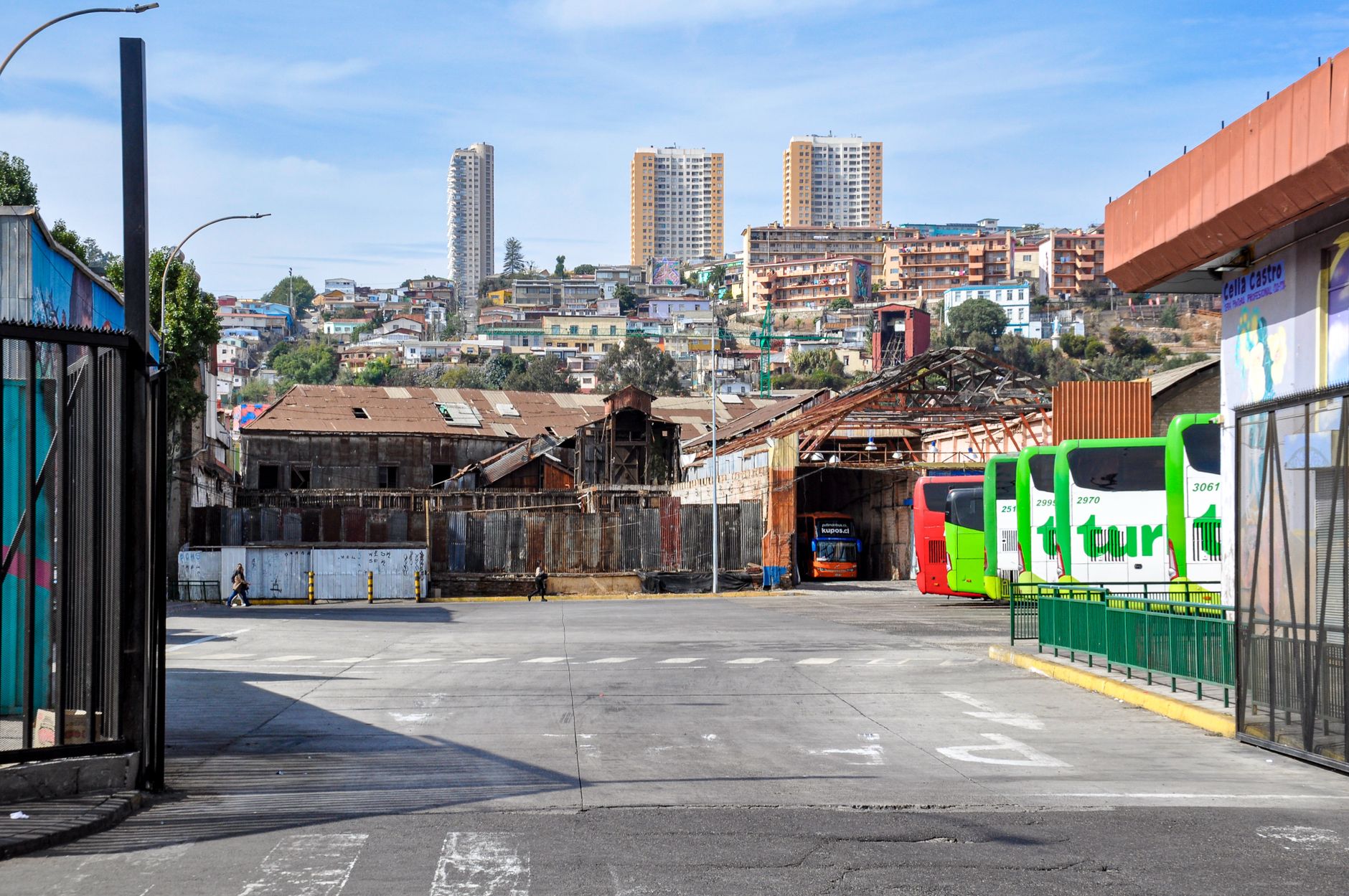
    Several bus companies run between Santiago and Valparaíso throughout the day. Buses leave from Santiago’s main bus terminals and arrive at the Valparaíso terminal near the flat part of town, not far from the waterfront. Some services continue to Viña del Mar.

    • Frequency: Departures are frequent, so you rarely need to book days ahead. On weekends and holidays, buy your ticket earlier.
    • Tickets: Buy at the terminal or online from the operator. Check schedules for your date.
    • Comfort: Seats are generally comfortable and the ride is simple. Bring a jacket, as air conditioning can run cold.
    • Which terminal: Santiago has more than one bus terminal. Confirm which one your company uses before you take a taxi.

    Getting to the Santiago terminal safely

    Bus terminals are busy, and busy places attract pickpockets. We take a rideshare or Metro straight to the terminal, keep our bags in front, and keep phones tucked away while waiting. In daylight, it is a smooth experience. We cover the habits in our post about areas to avoid in Santiago.

    Option 2: a private transfer

    Santiago to Valparaíso: Bus, Transfer and Day Trip Tips

    A private driver is comfortable and door to door, and it is useful if you have luggage, are traveling as a group, or arrive late. It costs more than a bus, so we use it for fixed situations, such as heading from the airport to a hotel in Valparaíso or Viña del Mar. Agree on the price and pickup point in advance with a reputable provider.

    Option 3: renting a car

    You do not need a car for Valparaíso. Streets on the hills are narrow and steep, and parking is awkward. A car makes more sense if you are continuing along the coast or heading to wine valleys. If that is your plan, our car rental in Santiago guide explains how to pick up and what to check, and you can compare Santiago car rental options before you book. Our driving in Chile as a tourist post covers the rules of the road.

    Option 4: an organized tour

    Day tours combine Valparaíso and Viña del Mar, often with a guide and a lunch stop. They are efficient if you want everything arranged. The downside is that you follow the group’s pace. We like going independently and hiring a local walking guide for the hills. For a full plan, see our Valparaíso day trip from Santiago guide.

    The best day plan

    1. Reach the Santiago terminal about 20 minutes before departure.
    2. Take a morning bus, arriving around 10 am.
    3. Walk the hills first (Cerro Alegre and Cerro Concepción) before the crowds peak.
    4. Lunch at a busy spot around 2 pm.
    5. Harbor stroll, then an early evening bus back so you are not on dark streets with luggage.

    Our things to do in Valparaíso guide fills in the hills, food, and viewpoints.

    When to go

    Weekdays are calmer than weekends. Summer weekends bring heavy traffic and crowded beaches. Mornings are often cool and misty on the coast, with sun later, so bring a layer. Check Valparaíso weather by month before you plan.

    Should you stay overnight?

    A day trip works, but one night gives you the quiet morning streets and an evening glow over the bay. If you do stay, our best hotels in Valparaíso guide lists places with strong guest scores, and the hostel list covers budget stays. Book ahead for weekends.

    Safety on the way

    The route itself is simple and well traveled. In Valparaíso, stay on the busier streets, keep valuables out of sight, and take a ride after dark. Our is Valparaíso safe guide gives the full picture.

    Be connected

    You will want maps, a ride app, and your tickets on your phone. We set up an Airalo eSIM before landing so the data works at the bus station. Our best Chile eSIM guide explains how to pick a plan.

    Common questions

    How long does the bus take?

    Roughly an hour and a half in normal traffic, though Friday afternoons, holiday weekends, and summer Sundays can add a lot. We avoid traveling at those times when we can.

    Can I do it as a day trip without a rush?

    Yes. An early bus and an evening return give you a full day. The main thing is to leave Santiago early enough that you have daylight on the hills and are not racing the last bus.

    Where do I buy tickets?

    At the terminal or online from the bus company. We check the schedule the day before, and buy early for holidays. Keep your ticket on your phone and a screenshot offline in case signal is weak.

    Is it easy to continue to Viña del Mar?

    Yes. Many buses continue to Viña del Mar, and there is also a local train line between Valparaíso and Viña. Check the current service before you plan around it. Our guide to whether Viña del Mar is safe covers what to expect there.

    Timing the journey

    Avoid the Friday evening and Sunday evening rush if you can. Traffic on the highway to the coast builds on weekends, particularly in summer and on holiday weekends, and a ninety-minute ride can stretch well beyond that. A weekday trip is calmer, cheaper in terms of crowds, and easier on the hills.

    If you must go on a weekend, leave early and plan your return before the late-afternoon crush, or stay overnight and travel back on Sunday morning. Check the bus operator’s timetable the day before, because schedules can change around holidays.

    Luggage and bus terminals

    If you are traveling with big bags, you can leave them at your Santiago hotel for a day trip. If you are moving on to Valparaíso for a longer stay, use a rideshare or taxi from the bus terminal to your hotel, since the hills are steep and cobblestones are rough on suitcase wheels.

    With a morning bus, a walking tour, and an early evening return, Valparaíso fits neatly into a Santiago trip. We hope you love it as much as we do.

  • Things to Do in Valparaíso: Hills, Food and Harbor

    Things to Do in Valparaíso: Hills, Food and Harbor

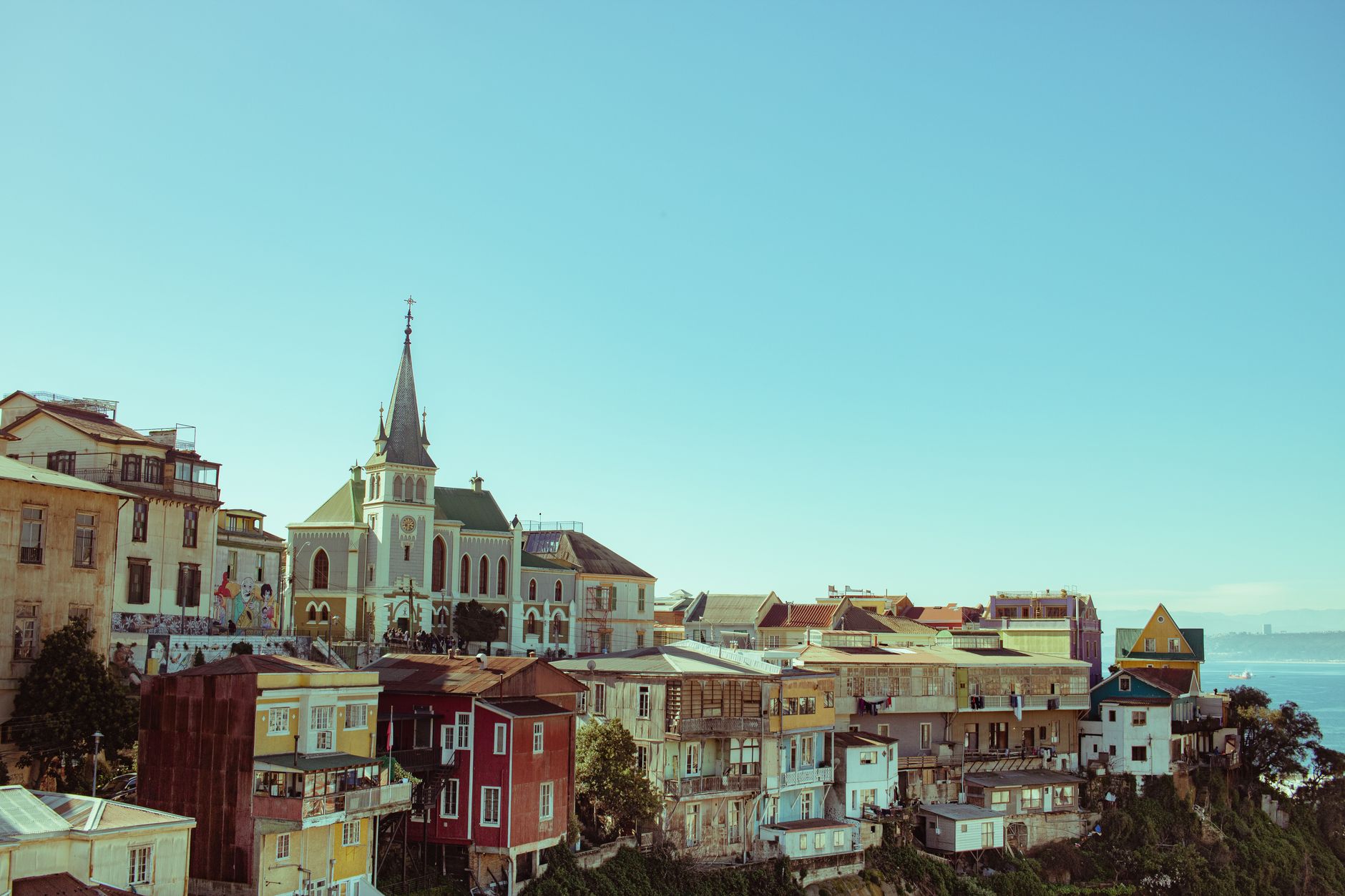
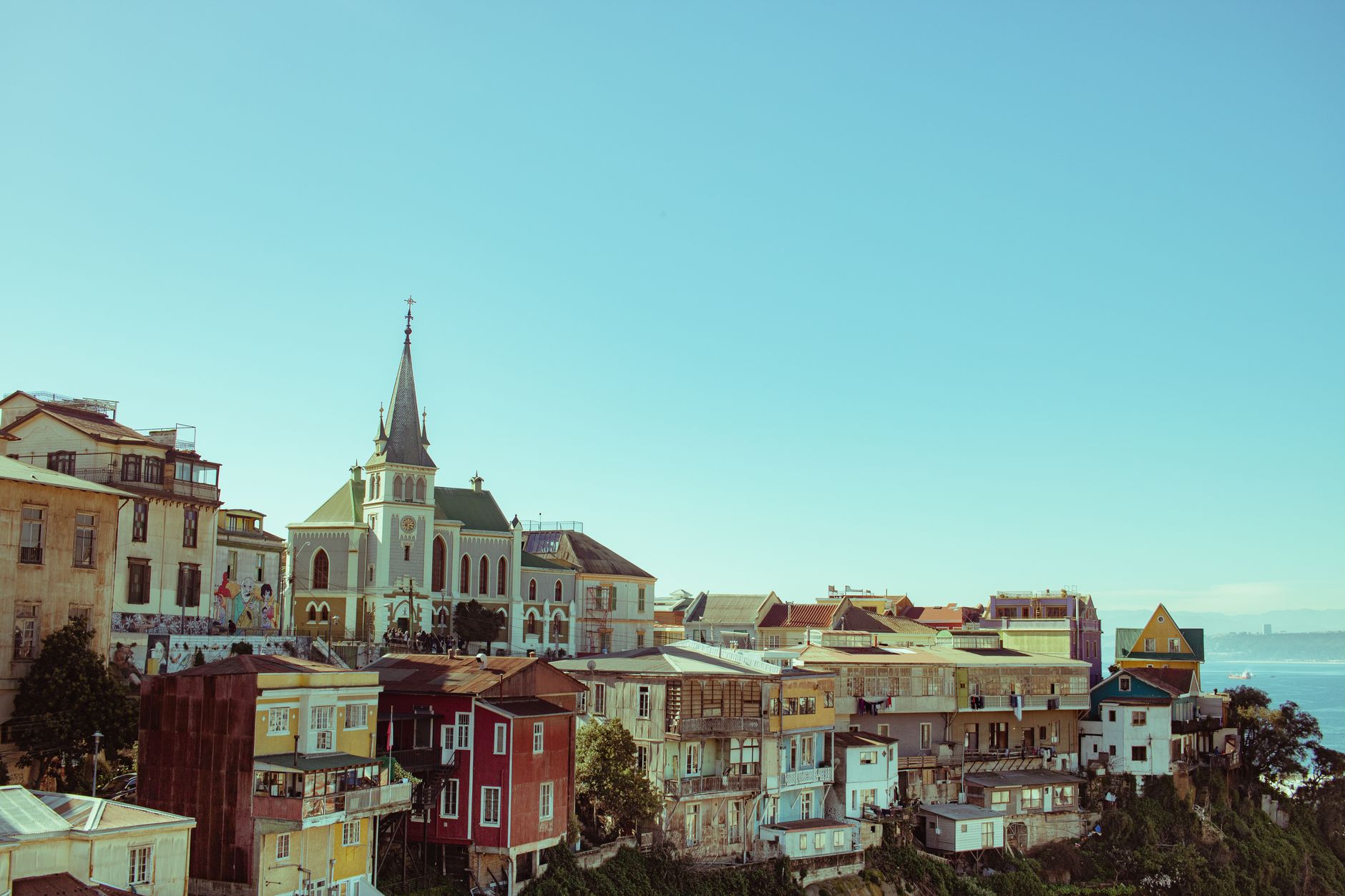
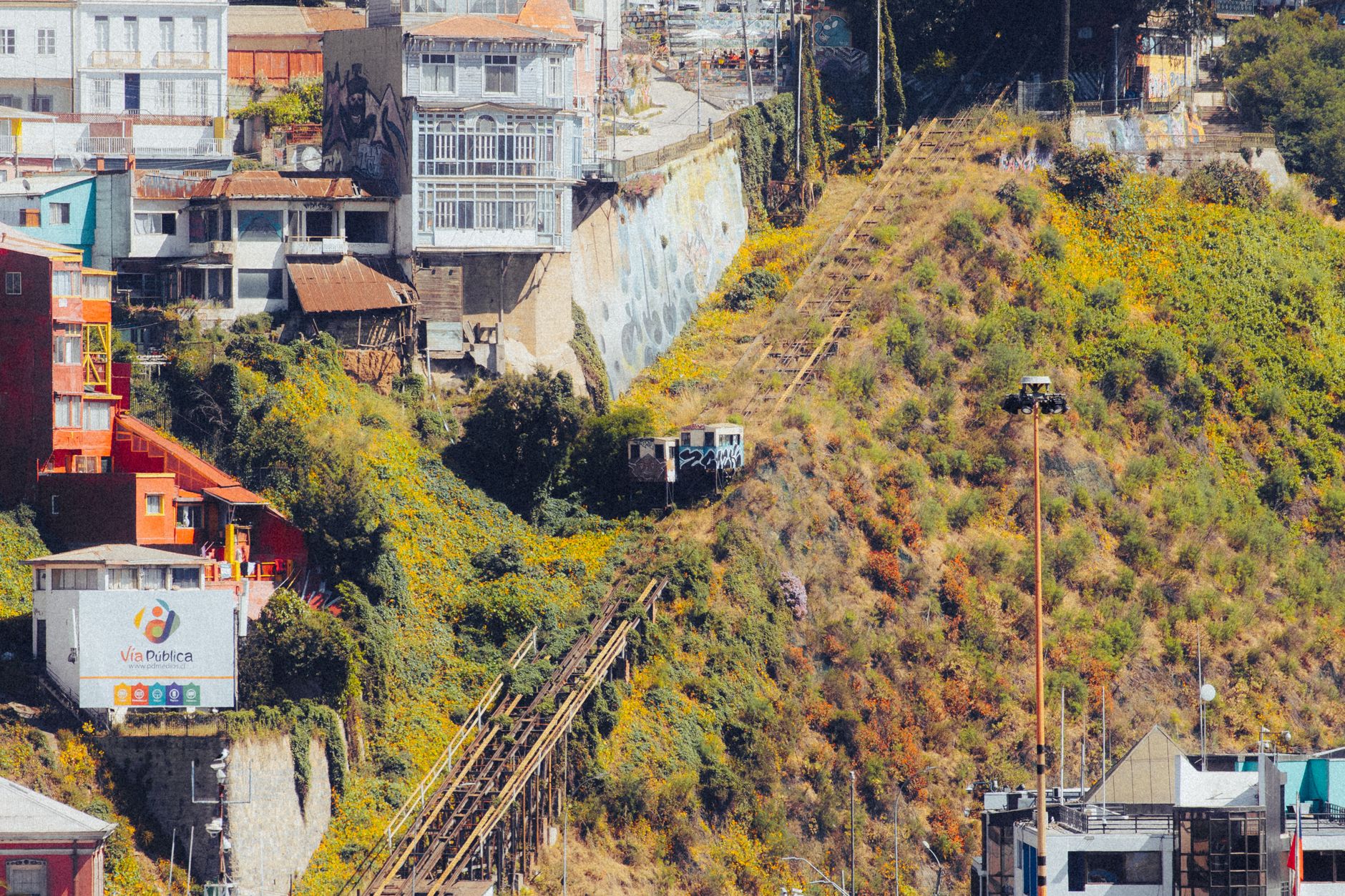
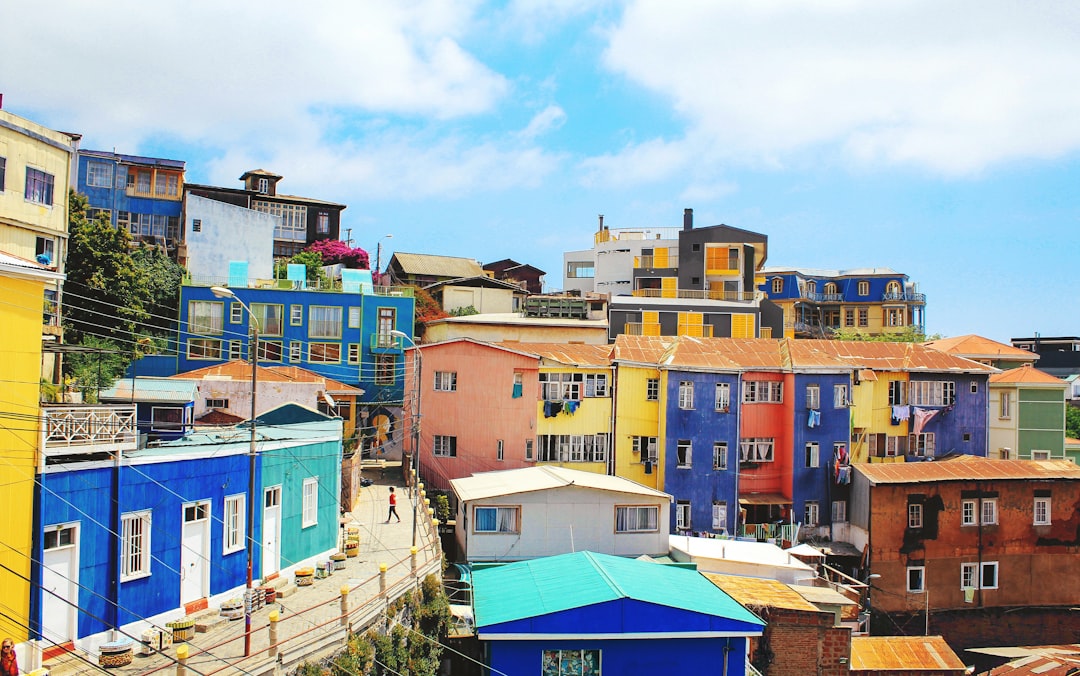
    The first time we stepped off the bus in Valparaíso, we did what everyone does: we looked up. Houses in every color were stacked up the hills, cables criss-crossed the sky, and a funicular crept up a slope as if it had always been there. It is the day that rearranges your idea of Chile.

    The short answer: the best things to do in Valparaíso are walking the hill neighborhoods (Cerro Alegre and Cerro Concepción), riding a funicular, following the street art, eating by the port, and spending a slow afternoon in nearby Viña del Mar if you have time. You can see the heart of it in a long day from Santiago, or in one or two nights if you want it slower.

    Start on the hills, not the waterfront

    Things to Do in Valparaíso: Hills, Food and Harbor

    Valparaíso is a port city built on dozens of steep hills called cerros. The traveler favorites are Cerro Alegre and Cerro Concepción. Their narrow streets are lined with colorful houses, small galleries, cafés, and viewpoints. The best plan is simple: ride up, then walk down.

    • Funiculars (ascensores): Old cable cars connect the flat part of town to the hills. They are part of the experience and cheap. Check which ones are running when you visit.
    • Paseo Gervasoni and Paseo Atkinson: Two viewpoint promenades on the hills with views over the bay.
    • Street art: Murals cover walls and staircases. You do not need a map to find them, but you do need to wander.

    Wear comfortable shoes. The cobblestones are uneven, and the hills are steeper than they look.

    Take a walking tour for the first morning

    A guided walk, often offered on a tip basis, is one of the best ways to get your bearings and hear the history of the port, the immigrant communities, and the poet Pablo Neruda’s ties to the city. A local guide also tells you which streets are best at which time of day. Book through your hotel or a well-reviewed provider, and bring small bills for the tip.

    See the port and the harbor

    Things to Do in Valparaíso: Hills, Food and Harbor

    Down in the flat part of town (the “plan”), the harbor area is where you will find Plaza Sotomayor, the naval monument, and the working port. Small boats offer short harbor tours. We go in the morning, when the light is soft and the boats are heading out. Keep your phone out of sight and your bag zipped here, as in any busy port area.

    Eat well without overthinking it

    Valparaíso is a good seafood town. You will find fresh fish and shellfish, empanadas, and the classic Chilean sandwiches at casual spots on the hills and by the port. We follow a simple rule: if the place is full of locals at a normal lunch hour (around 2 pm in Chile), it is a good sign. Dinner starts late, so do not show up at 6 pm and wonder why the room is empty.

    Add Viña del Mar if you have time

    Viña del Mar is the neighboring seaside city, with wide beaches, gardens, and a more orderly feel than Valparaíso. It is a short ride away by Metro line or bus along the coast. Many visitors split the day: Valparaíso for character, Viña for a calm walk by the sea. Our post on whether Viña del Mar is safe covers what to expect there.

    Day trip or overnight?

    The Valparaíso day is the one we run most often from a Santiago hotel. Take an early bus, spend the day on the hills and by the harbor, then return in the evening. If you can spare a night, you get the quiet morning streets before the crowds and the glow of the city after dark. For help with the journey, see our guide to getting from Santiago to Valparaíso and the longer Valparaíso day trip from Santiago plan.

    If you stay over, our best hotels in Valparaíso guide lists places with strong guest scores, and our hostel picks cover tighter budgets.

    Is it safe?

    Yes, with normal city precautions. The most popular hills are busy with visitors during the day. We avoid walking the quiet back streets alone at night and use a ride after dark. Keep valuables out of sight, and stay on the better-trafficked streets. Our full guide on whether Valparaíso is safe explains this in more detail.

    Practical tips

    • Weather: Mornings can be cool and misty, with sun in the afternoon. Bring a light layer. See our Valparaíso weather by month guide to plan your visit.
    • Cash and cards: Cards work in most places, but small shops and tips are easier in pesos.
    • Language: A few words of Spanish help. Chileans are reserved at first and warm once you greet them properly.
    • Connection: We carry an Airalo eSIM so maps and ride apps work from the bus station onward.

    A simple day plan

    1. Early bus from Santiago, arriving mid-morning.
    2. Walking tour of Cerro Alegre and Cerro Concepción.
    3. Lunch at a busy local spot, ideally around 2 pm.
    4. Funicular ride, viewpoints, and street art.
    5. Harbor stroll in late afternoon, then a ride to the bus station.

    Common questions

    How many hours do I need in Valparaíso?

    Five to seven hours is enough to see the main hills, ride a funicular, and have a proper lunch. If you also want a long walk by the sea in Viña del Mar, plan a full day or stay a night.

    Is it better to stay in Valparaíso or Viña del Mar?

    We stay in Valparaíso when we want atmosphere and old-world character, and in Viña del Mar when we want a calmer, more orderly base near the beach. Viña is easier with luggage and has more conventional hotels. Valparaíso is steeper, more atmospheric, and more tiring to walk with a suitcase.

    What should I wear?

    Comfortable shoes with grip, a light layer for the sea breeze, and sun protection. The hills are steep and the cobblestones are uneven, so leave the fashionable shoes at the hotel.

    Can I do it without speaking Spanish?

    Yes. Tourist areas are used to visitors, and a few words of Spanish go a long way. A greeting at the start of every interaction is the most important habit, since Chileans are reserved at first and warm once you have said hello properly.

    That is a full and satisfying day. Pair Valparaíso with Santiago and you have two very different sides of Chile in one trip. Our things to do in Santiago guide covers the other half. Tell us what you thought of the hills when you get back.

  • Is Valparaíso Chile Safe? Day Trip Tips for Tourists (2026)

    Is Valparaíso Chile Safe? Day Trip Tips for Tourists (2026)

    I’ll be honest with you. Valparaíso is one of my favourite cities in Chile, and also one that requires the most honest conversation about safety. It’s chaotic, colourful, raw, and absolutely unlike anywhere else in the country. My wife grew up hearing stories about Valparaíso, and she has family friends who’ve lived there for decades. So when people ask me whether it’s safe, I don’t give a generic answer. I give them the real one.

    Official sources: Lonely Planet Valparaiso

    Valparaiso is generally safe for tourists in the main cerros by day. Stick to busy streets, use Uber at night, and keep valuables out of sight.

    Stay connected: Compare Chile eSIM providers (Airalo vs Holafly vs Nomad) before you fly — it takes five minutes and saves airport hassle.

    The short answer: yes, Valparaíso is safe for tourists, but it comes with more caveats than most cities in Chile, and you need to go in with your eyes open.

    What Makes Valparaíso Different From Other Chilean Cities

    Valparaíso isn’t Santiago. It doesn’t have the polished business districts or the bubble of Providencia and Las Condes. It’s a port city: gritty, artistic, proud, and economically struggling in a way that most of Chile simply isn’t. That contrast between the stunning street art on every wall and the genuine poverty in some of the surrounding areas is part of what makes it so fascinating. It’s also what shapes the safety reality on the ground.

    Valparaíso was declared a UNESCO World Heritage Site in 2003 for its historic quarter and urban architecture, which tells you something about its cultural significance. But heritage status doesn’t come with a safety guarantee, and the city has struggled economically for decades since the opening of the Panama Canal redirected much of the shipping traffic that once made it one of the most important ports on the Pacific coast.

    The tourist areas, especially Cerro Alegre and Cerro Concepción, are genuinely beautiful and, during the day, feel relaxed and welcoming. Boutique hotels, excellent restaurants, sweeping views over the bay. You’ll love it. But step outside those zones, or stay out after dark without a plan, and the picture changes.

    Is Valparaíso Safe During the Day?

    During daylight hours, the main tourist areas of Valparaíso are safe and very enjoyable to explore. The cerros (hills), the funiculars (ascensores), the street art, the seafront. All of this is accessible and fun. I’ve walked around Cerro Alegre and Cerro Concepción many times and never felt in danger.

    Planning more? Read our guide to Valparaíso weather by month.

    For the next step, see our guide to getting from Santiago to Valparaíso.

    Planning more? Read our guide to things to do in Valparaíso.

    That said, petty theft is a genuine issue even during the day. Pickpocketing happens near the port, around Plaza Sotomayor, and at the funicular stations where crowds gather. Keep your phone in your pocket, not in your hand, and wear your bag across your chest. These are simple habits that make a real difference.

    One thing my wife always reminds me: don’t look like you’re lost. Walk with purpose, even if you’re consulting the map. Thieves are opportunistic, and a confused tourist standing still staring at their phone is an easy target.

    Is Valparaíso Safe at Night?

    This is where I have to be direct with you: Valparaíso at night requires genuine caution.

    The Canadian government travel advisory for Chile specifically warns travellers to avoid walking after dark around Cerro Alegre and the other cerros in Valparaíso. Armed assaults and robberies have increased in recent years, and tourists have been targeted even during daylight hours, which tells you something about the nighttime situation.

    This doesn’t mean you can’t go out in the evening. It means you should not be walking unfamiliar streets alone after dark. Use Uber or Cabify to move between places. Stick to the well-lit, busy restaurant areas. Travel with others if you can.

    The nightlife in Valparaíso has a reputation, and there are some genuinely great bars and restaurants worth visiting in the evening. Just get there and back with an app rather than on foot.

    Areas to Avoid in Valparaíso

    The tourist zones are relatively contained. As soon as you move away from the Cerro Alegre and Cerro Concepción area and head toward the lower parts of the city, the risk increases. The port area and surrounding streets, especially after dark, are not places to wander without purpose.

    Some of the outer cerros, away from the tourist circuit, have higher crime rates and are best avoided entirely, especially if you don’t know the city well. My wife’s honest advice, and I’ll pass it on to you: if a hill doesn’t appear on your tourist map, don’t just wander up it to see what’s there.

    In short, stay on the beaten path in Valparaíso. That’s not usually advice I give for travelling Chile, but here it applies.

    Common Scams in Valparaíso

    A few scams pop up regularly in Valparaíso that you should know about:

    Fake tour guides: strangers offering to show you around, often leading you to overpriced shops or, worse, unsafe areas. If you want a guided tour, book one through your accommodation or a reputable agency.

    Overpriced taxis: always agree on a price before getting in, or better yet, use Uber or Cabify where the price is fixed. Tourists are frequently overcharged by unofficial drivers, particularly around the port and bus terminal.

    Pickpocketing at the funiculars: the ascensores of Valparaíso are crowded, slow, and a classic spot for thieves. Keep your bag in front of you and your phone out of sight while waiting in the queue.

    The flat tyre scam: if you’re driving a rental car, be aware that thieves have been known to puncture tyres and then rob tourists while they deal with the damage. If you get a flat in a quiet area, drive slowly to somewhere busy before stopping. This scam is well-documented and happens in both Valparaíso and Santiago.

    The distraction trick: someone bumps into you, spills something on you, or creates a commotion nearby. While you’re distracted, an accomplice goes for your bag or pocket. My wife warned me about this before my first visit, and I’ve since heard it from other travellers too. The solution is simple: if anything unexpected happens physically near you, your first instinct should be to secure your belongings, not to look at what caused the distraction.

    Valparaíso vs Santiago: Which Is Safer?

    This is a question I get often, and the honest answer is that Santiago is generally safer for tourists, mainly because the tourist zones there. Las Condes, Providencia and Vitacura are well-resourced, well-policed, and geographically separated from the higher-risk areas.

    In Valparaíso, the tourist areas and the rougher parts of the city are much closer together, and the boundaries are less obvious. That proximity means you can walk from a beautiful viewpoint into a sketchy street within a couple of minutes without realising it.

    That said, Valparaíso is absolutely worth visiting. I wouldn’t trade my time there for anything. You just need to approach it with a little more awareness than you would Santiago’s upmarket neighbourhoods.

    Is Valparaíso Safe for Solo Travellers?

    Solo travel in Valparaíso is doable, but it demands more awareness than in most other Chilean cities. The backpacker scene is real. There are good hostels on the tourist cerros and plenty of other travellers around during the day. But the advice about not walking alone at night applies especially strongly if you’re on your own.

    If you’re a solo female traveller, I’d encourage you to read some firsthand accounts before you go. Lonely Planet’s Valparaíso guide and travel forums like TripAdvisor have recent reports from solo women that give a very honest picture of the experience. The consensus is pretty consistent: the tourist cerros during the day are fine, but nighttime solo walking is not advisable regardless of gender.

    The best approach for solo travellers is to base yourself on Cerro Alegre or Cerro Concepción, connect with people at your hostel, and explore as a group when possible. It’s not hard to find travel companions in Valparaíso. It’s that kind of city.

    What It Actually Feels Like to Walk Around Valparaíso

    I want to give you something the safety statistics can’t: the actual feeling of being there.

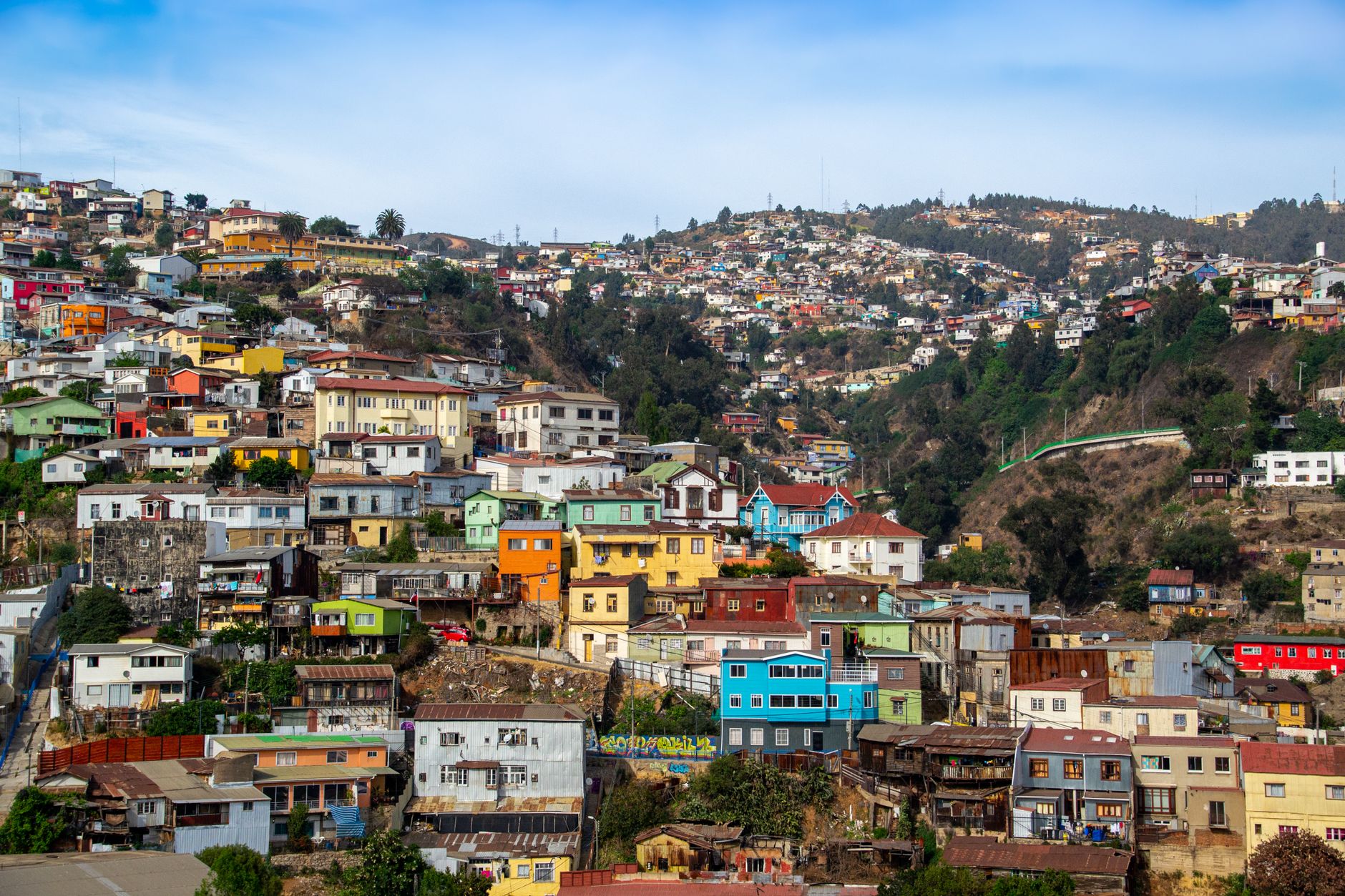
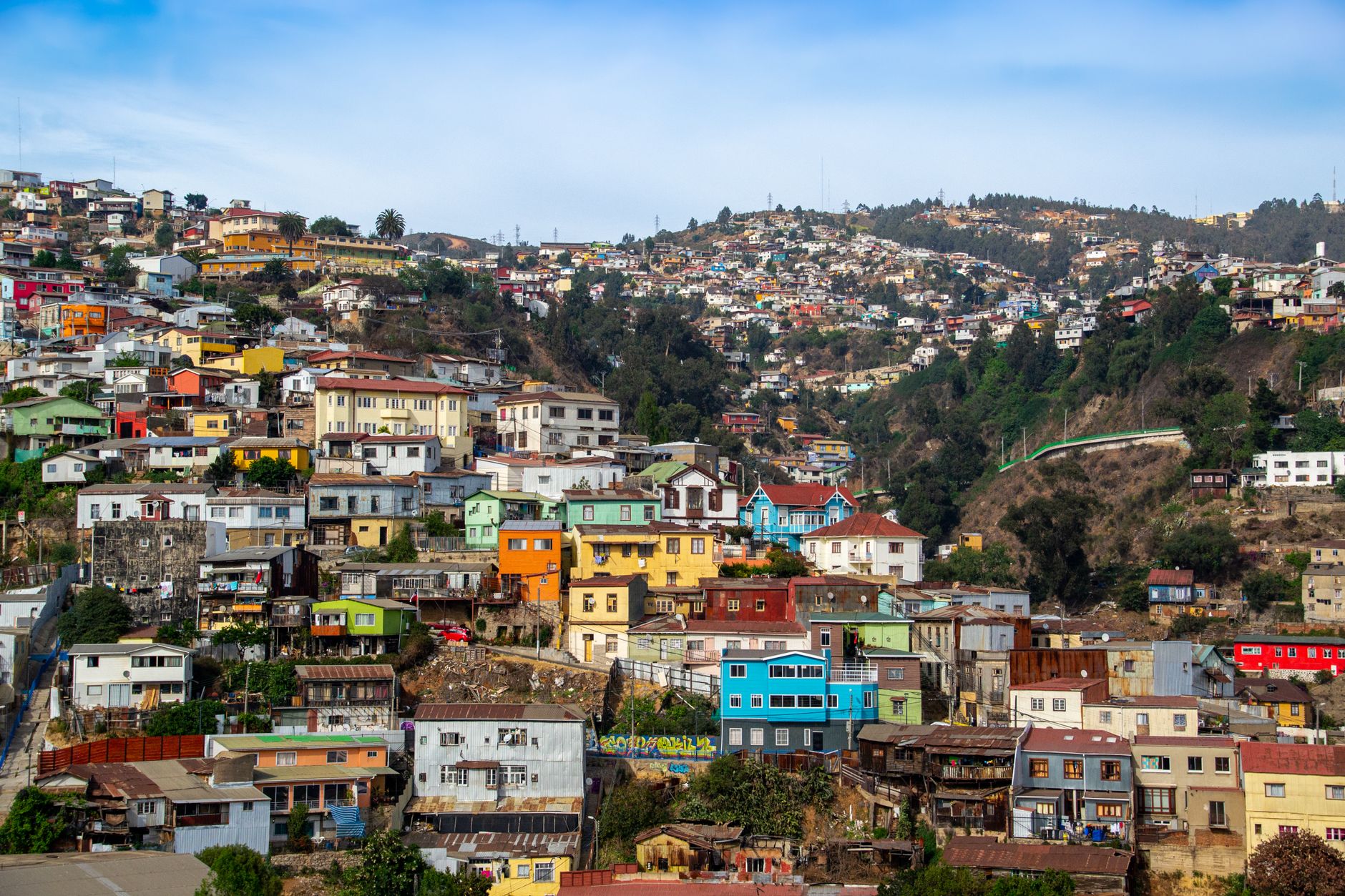
    Valparaíso has an energy that’s completely its own. The streets climb steeply, the buildings are layered on top of each other in every colour imaginable, and around every corner there’s another mural that stops you in your tracks. Street dogs wander freely (a Chilean constant), music drifts out of open doorways, and the smell of the ocean is always somewhere behind it all.

    In the tourist areas during the day, it feels bohemian and alive. You’ll see other travellers, local artists, café owners setting out chairs, and elderly residents making their way up the hills. There’s a warmth to the neighbourhood that’s genuine. My wife describes it as a city that wears its soul on its sleeve. Nothing is hidden, nothing is polished, and that rawness is exactly the point.

    Where the feeling shifts is when the light starts to go. The streets empty faster than you’d expect. The warmth pulls back indoors. That’s your cue to do the same, or at minimum to stop wandering and get an app-based ride to wherever you’re going next.

    It’s not a threatening feeling, exactly. It’s more like the city gently reminding you that it has another side, and you’d be smart not to push it.

    Safety Tips Specifically for Valparaíso

    During the day:

    • Stick to Cerro Alegre, Cerro Concepción, and the main tourist waterfront
    • Keep your phone in your pocket at funicular stations and in crowded areas
    • Don’t carry your passport. Leave it at the hotel and carry a photocopy
    • Book tours through reputable operators, not strangers on the street

    At night:

    • Use Uber or Cabify to get around. Don’t walk between locations in the dark
    • Stay in well-lit, busy restaurant and bar areas
    • Go with company rather than alone
    • Trust your gut. If something feels off, leave

    In general:

    • Don’t flash cameras, jewellery, or expensive phones
    • Keep bag zips facing forward and bags worn across the chest
    • Split your cash across different pockets so you’re never flashing a full wallet
    • Travel insurance is not optional – get it before you fly

    Is Valparaíso Worth Visiting Despite the Safety Concerns?

    Absolutely, yes. This is the part where I want to be clear: I am not telling you to skip Valparaíso. I’m telling you to visit it intelligently.

    The city is extraordinary. The street art alone is worth the trip. It’s not graffiti. It’s a genuinely world-class open-air gallery that covers entire hillsides. The food is excellent, the views over the Pacific are breathtaking, and there’s an energy to the place that you won’t find anywhere else in Chile. My wife lights up every time we talk about going back.

    Go during the day. Explore the cerros. Take the funiculars. Eat seafood by the water. Then get an Uber back to your hotel or head to nearby Viña del Mar for the evening if you want a more relaxed base. That combination gives you the best of Valparaíso without the unnecessary risks.

    Practical Information for Valparaíso

    Getting there from Santiago: The bus is easy, comfortable, and affordable. Companies like Turbus and Pullman Bus run regular services and the journey takes about an hour and a half from the Alameda terminal. It’s genuinely one of the easier intercity trips in Chile.

    Emergency numbers in Chile:

    • Police (Carabineros): 133
    • Ambulance: 131
    • Fire: 132

    The Carabineros de Chile are the national police force and are generally accessible and responsive in tourist areas. If you have an incident, report it, for insurance purposes if nothing else.

    Final Thoughts

    Valparaíso has a reputation, and some of it is deserved. Crime has risen over the past few years, and it’s not a city where you can switch off completely. But it’s also one of the most visually stunning and culturally rich places in South America, and I’d hate for safety concerns to stop people from experiencing it.

    Go informed. Go prepared. And go with the right mindset: aware but not anxious. That’s the sweet spot for Valparaíso, and if you hit it, you’ll leave absolutely in love with the place.

    Just like I did.

    Frequently asked questions

    Is Valparaíso Chile Safe? Day Trip Tips for Tourists?

    Valparaiso is generally safe for tourists in the main cerros by day. Stick to busy streets, use Uber at night, and keep valuables out of sight.

    Practical next steps for your Chile trip