
How many days do you need in Santiago? It's one of the most common questions I get, and the honest answer is: it depends on what kind of traveler you are. But I also have an opinion, and I'm going to give it to you straight rather than hiding behind a list of options.
I've spent a lot of time in Santiago across multiple visits. The first time I landed there, I had three days and thought that was probably too long for a capital city in South America. I was wrong about that. By the end of day two I was already recalculating whether I could extend. These days, whenever someone asks me how long to spend in Santiago, my answer is always the same: more than you think.
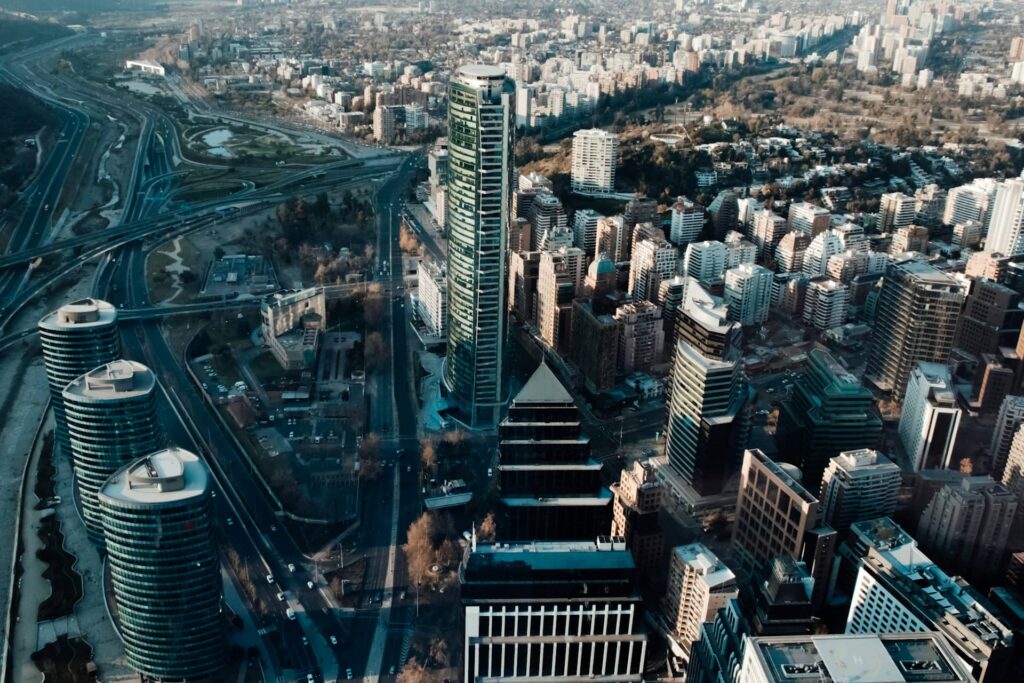
Here's how I break it down.
Two days is the bare minimum, and I want to be clear that bare minimum doesn't mean bad. You can have a genuinely good time in Santiago in 48 hours if you plan well and move efficiently.
In two days you can cover the historic center around La Moneda and Plaza de Armas, spend an afternoon in Bellavista, get up to Cerro San Cristóbal for the views, wander through Barrio Italia or Lastarria, eat well, and drink a pisco sour or two. That's a solid trip by any measure.
The problem with two days is that Santiago doesn't reward rushing. The city's best moments tend to happen when you slow down: a long lunch that stretches into the afternoon, getting genuinely lost in a neighborhood, sitting in a park and watching how people here actually live. Two days doesn't leave much room for that, and you'll spend a fair amount of your time moving between spots rather than actually being in them.
So if two days is all you have, go. It's worth it. But if you can push it to three, do that instead.
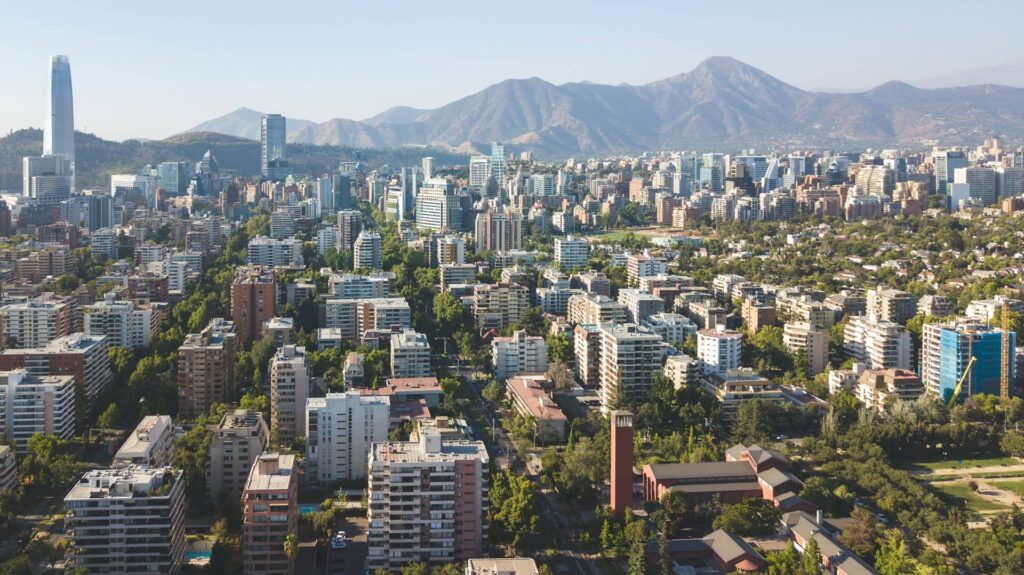
Three days is where Santiago really starts to make sense. This is the duration I'd recommend to almost anyone visiting for the first time, and it's what I'd choose if I had to pick a single answer to the question.
With three days you get everything from the two-day version, but you also have breathing room. You can spend a proper morning at Mercado Central and La Vega without feeling like you're watching the clock. You can actually sit down in Barrio Italia and have a slow coffee rather than a grab-and-go. You can get up Cerro San Cristóbal and spend time at the top instead of rushing back down. You can try a restaurant for dinner that requires a reservation rather than just whatever is open and nearby.
Three days also lets you dip into a few of Santiago's excellent museums. The Museo Chileno de Arte Precolombino, near Plaza de Armas, is one of the best pre-Columbian collections in South America and absolutely worth a couple of hours. The Museo de la Memoria y los Derechos Humanos in Barrio Yungay is harder to visit emotionally but essential for understanding modern Chile. It documents the human rights abuses of the Pinochet dictatorship with unflinching honesty, and it's architecturally stunning on top of that. You won't find this kind of depth in a two-day visit.
Three days is also when the food starts to click. You'll have had enough meals by then to understand the rhythm of how Chileans eat: long lunches, late dinners, wine taken seriously, and flavors that are quieter and more refined than other South American cuisines but deeply satisfying once you tune into them.
Four to five days in Santiago opens up the surrounding region, and the surrounding region is genuinely excellent.
Valparaíso is the first thing most people add, and for good reason. It's about 90 minutes from Santiago by bus or taxi and feels like a completely different world: steep hillsides covered in colourful houses, street art everywhere, a slower pace, and the Pacific Ocean in the background. You could spend a whole day there easily and still want more. Some people prefer Valparaíso to Santiago. I understand why, even if I don't fully agree. For a good sense of what to expect, the team at Maps and Merlot have written well about fitting Valparaíso into a four-day Santiago trip.
The Maipo Valley is the other obvious add, and this one is directly up my alley. The valley sits right on the edge of Santiago, less than an hour from the center, and it produces some of Chile's best Cabernet Sauvignon. Spending a day visiting wineries in Maipo is one of those experiences that feels almost absurdly good: you're surrounded by the Andes, drinking serious wine, eating well, and it costs a fraction of what the same experience would in France or Napa. My wife grew up hearing about Maipo the way Europeans hear about Bordeaux, and spending a day out there with her local perspective on the wineries made it something I wouldn't trade.
Cajón del Maipo is the third option worth knowing. This narrow Andean canyon southeast of the city is spectacular, especially if you want mountains, rivers, and altitude rather than wine. It's increasingly popular as a day trip from Santiago and deserves its reputation.
With four or five days, pick one or two of these and build them in. You won't regret it.
A full week based in Santiago is genuinely viable, especially if you use the city as a hub and take day trips rather than trying to fill every hour with city sightseeing. Santiago rewards repeat visits to the same neighborhoods more than most cities. You'll find a café you like in Lastarria and want to go back. You'll discover a corner of Barrio Italia you missed the first time. You'll figure out which restaurants are worth returning to and which were just convenient on the night.
That said, if you have a week in Chile and you're only planning to be in Santiago, I'd gently push back. Chile is a remarkable country, and Santiago is one part of it. A week gives you enough time to see the city properly and still spend a few days in Valparaíso or the wine regions or even push north toward the Atacama or south toward the Lake District. Using a full week only in Santiago is a bit like spending a week in Amsterdam and skipping the rest of the Netherlands entirely. Fine, but perhaps not the most adventurous choice.
If I strip away all the caveats and qualifications, here's what I actually think:
Three days is the right amount for most first-time visitors. It gives you enough time to see the highlights without rushing, eat properly, and get a genuine feel for the city rather than just a snapshot of it. If you can only do two, do two. If you can do four and add Valparaíso or the Maipo Valley, do four.
What I'd push back on is the idea that Santiago is just a stopover. I've heard that take more times than I can count, usually from people who gave it one day between a flight and a bus to Patagonia. That's not a fair test of any city, let alone one with this much going on.
Santiago has world-class museums, neighborhoods that reward wandering, a food scene that has genuinely evolved over the past decade, dramatic views of the Andes on clear days, and a character that takes a little time to reveal itself but is absolutely worth the patience. The local travel writer behind Go Ask a Local puts it well when she notes that over a third of all Chileans live in Greater Santiago, and the city reflects that density of culture, commerce, and daily life in ways that take time to absorb.
Give it that time. You'll leave with a completely different opinion of the place than you arrived with.
For first-time visitors with limited time, three days is the minimum I'd recommend for a satisfying visit. For those combining Santiago with Valparaíso or the wine valleys, four to five days hits the right balance. If you're using Santiago as a base to explore the surrounding region, five to seven days works well depending on your pace. And for anyone who just has a transit stop or a very tight schedule, two days is still worth doing properly rather than skipping the city altogether.
One thing that affects how much you can pack in: the season. Santiago in summer (December to February) is hot, sometimes very smoggy, and the mountain views that make the city so visually dramatic can disappear entirely behind a haze. Spring and autumn, on the other hand, regularly deliver clear blue skies and the full Andes backdrop. If you have any flexibility on when to visit, September through November and March through May are the windows I'd aim for. Winter (June to August) is cold but often gives the sharpest, clearest mountain views of all, and the city is much less crowded.
Whatever time of year you go, build in at least one more day than you think you need. Santiago has a habit of making you want to stay longer, and it's much nicer to have a slow final morning than to be running for a bus with half the city still unexplored.
Want a day-by-day plan? Check out my 2-day Santiago itinerary for a detailed breakdown of exactly where to go, eat, and spend your time in the city.