
I’ve been to a lot of places in Santiago, from the polished neighborhoods in the northeast to areas where the vibe changes instantly the moment you turn the wrong corner. And if there’s one thing I can tell you, it’s this: you really need to know where you are going here.
This isn’t one of those cities where you can just wander around freely and expect everything to be fine. Some parts feel modern, calm, and completely safe… while others are the exact opposite, sometimes just a few blocks away.
To keep it simple, there are two zones you can feel relatively comfortable in. The area around the airport in the west, and especially the northeast side of the city. That’s where most travelers stay, and for good reason. I’ll show you exactly what I mean on the map below.
Planning to stay in Santiago? Check out our blog of the best hotels in Santiago.
Outside of those areas, I would honestly not recommend exploring. I’ve heard way too many stories from other travelers about people getting robbed, threatened, or worse. And not just once or twice, it comes up again and again.
When you travel to Chile, safety should always come first. And in this city, knowing where not to go is just as important as knowing where you should stay.
Need mobile internet for your upcoming trip to Chile? Check out our best Chile eSim comparison blog.
Short answer: yes, but only if you stay in the right areas. Santiago isn’t a place where you can just explore freely without thinking about safety. It’s very location-dependent, and that’s what catches a lot of people off guard.
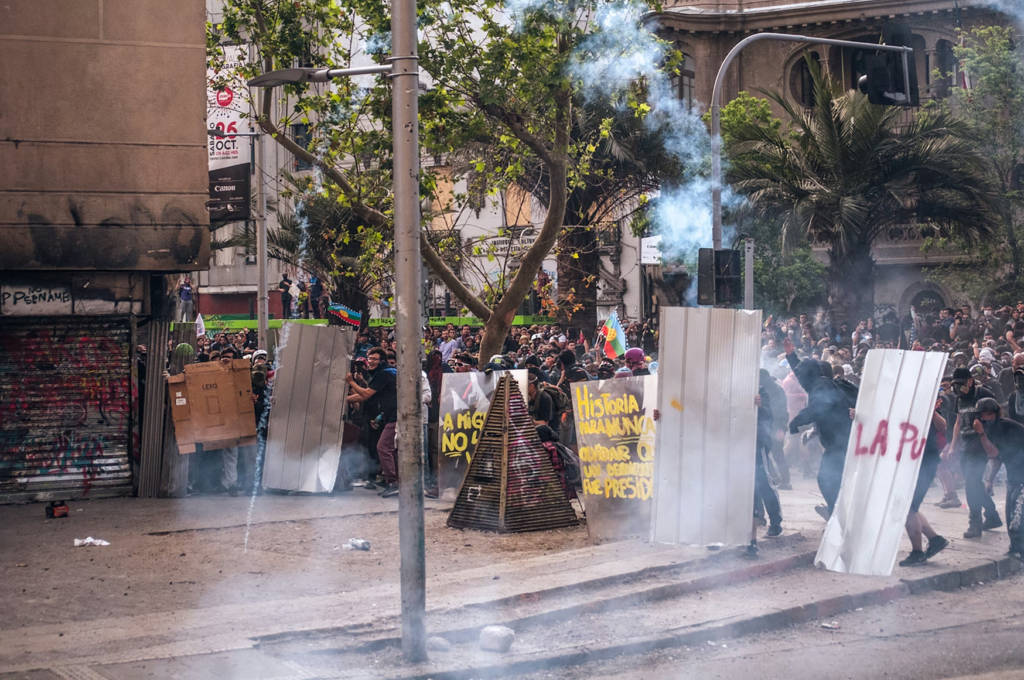
In the safer parts of the city, you’ll feel totally fine. Cafés are busy, streets are clean, and it honestly feels like any modern city. But step outside those zones, and things can change quickly. That contrast is what makes Santiago tricky for first-time visitors.
If you plan your stay properly and stay aware, you can absolutely have a great time here. Just don’t treat it like a carefree destination.
The safest part of Santiago is clearly the northeast side of the city. This includes neighborhoods like Las Condes, Vitacura, and Providencia. This is where most expats, business travelers, and tourists stay.
You’ll notice the difference immediately. Better infrastructure, more police presence, and an overall calmer atmosphere. It’s also where most hotels, restaurants, and shopping areas are located.
Then there’s the area around the airport in the west. It’s not somewhere you’ll hang out, but it’s generally fine for short stays or transitions.
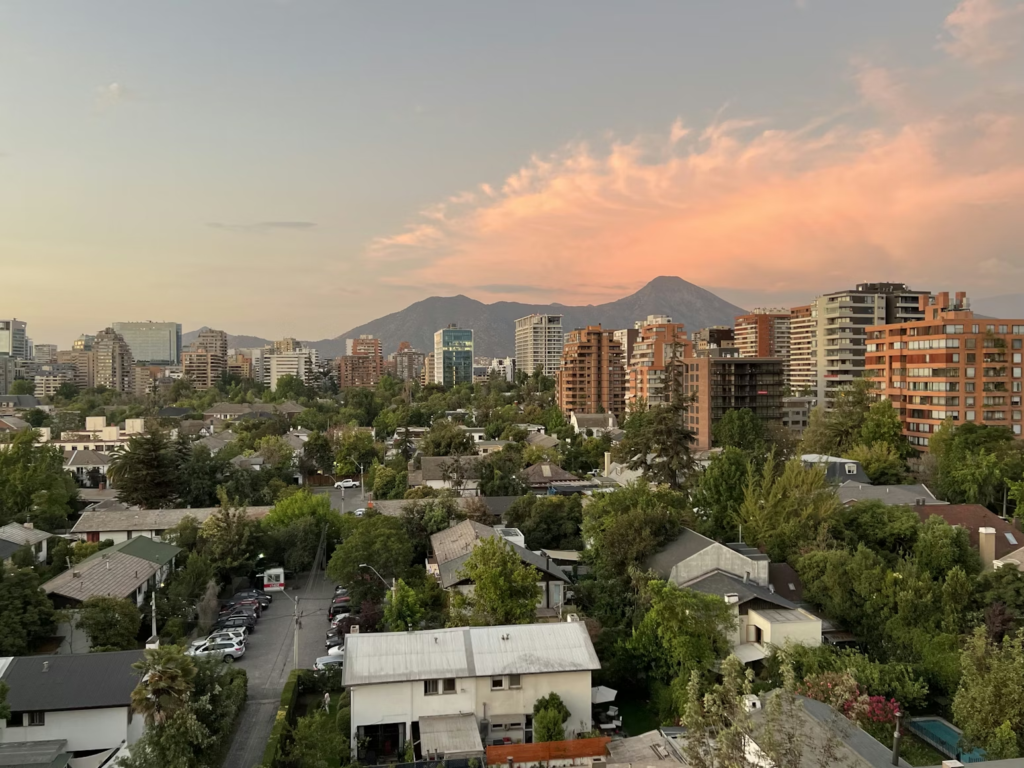
This is where you really need to pay attention. Large parts of Santiago are simply not safe for tourists, especially if you don’t know exactly where you’re going.
Neighborhoods in the south and west of the city are known for higher crime rates. Even some central areas that look okay during the day can become risky, especially after dark.
The biggest mistake people make is wandering too far out of the “safe bubble” without realizing it.
Personally, I felt completely fine when I stayed in the right areas. Walking around during the day, grabbing food, working from cafés, no issues at all. But I was always aware of where I was.
The moment you start pushing beyond those areas, the atmosphere changes. Less people, fewer tourists, and just a different energy. It’s hard to explain until you see it yourself, but you feel it.
And the stories I’ve heard from other travelers are not rare. Getting phones snatched, being followed, or worse. That’s why I’m very clear about this: don’t take unnecessary risks here.
If you follow a few simple rules, you’ll avoid most problems in Santiago. Nothing complicated, just basic awareness and discipline.
A lot of issues happen because people get too comfortable too quickly. This is not the place for that.
Santiago has seen an increase in crime in recent years, especially petty theft and robberies targeting tourists. This is something locals will also tell you if you ask.
This website keeps track of the crime numbers in Chile.
Most incidents involve things like phone snatching, pickpocketing, or opportunistic theft. Violent crime exists, but tourists are more commonly affected by smaller, quick crimes.
The key thing to understand is that crime is very location-based. In safe areas, you might not notice anything. Outside of them, it’s a different story.
Like many big cities, Santiago has its share of scams, and tourists are an easy target if they’re not paying attention.
The most common one is distraction-based theft. Someone asks you something, spills something on you, or creates a situation, while someone else takes your belongings.
Another one is unofficial taxis or drivers trying to overcharge or take advantage.
Public transport in Santiago is decent, but it’s also one of the main places where theft happens.
The metro system is modern and widely used, but it gets crowded. And crowded places are exactly where pickpockets operate.
If you use public transport, just be extra aware of your belongings at all times.
At night, things change quickly in Santiago. Even areas that feel okay during the day can become much less comfortable after dark.
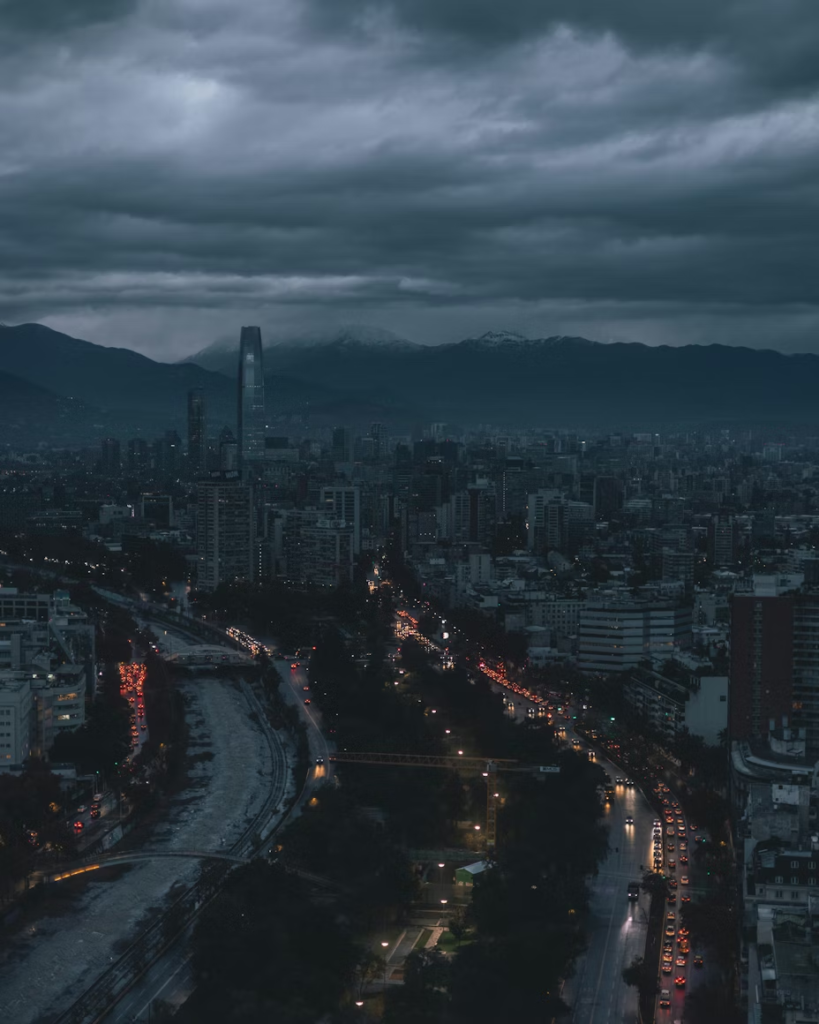
In the safe neighborhoods, you can still go out for dinner or drinks, but you shouldn’t wander too far or walk long distances alone.
Outside of those areas, it’s better to just not be there at all.
Compared to other cities in Chile, Santiago is generally considered less safe, especially because it’s larger and more complex.
Places like Valparaíso or smaller towns can feel more relaxed, although they also have their own risks. The difference is that Santiago has more contrast between safe and unsafe areas.
That’s why it requires a bit more planning and awareness than other destinations in the country.
Santiago can be a great place to visit, but it’s not a destination where you can switch off completely.
If you stay in the right areas, follow basic precautions, and don’t take unnecessary risks, you’ll likely have a smooth experience.
But ignore those rules, and things can go wrong quickly. So keep it simple: stay in safe zones, stay alert, and don’t push your luck.