
I thought driving in Santiago would just be “big city traffic”. I had driven in Paris, Munich, even Amsterdam at rush hour. I assumed I knew what I was getting into. I did not.
Driving in Santiago feels like controlled chaos. Not reckless chaos. Not complete madness. But a constant, fast moving, highly alert kind of chaos where you have to participate or you will get swallowed.
And this is important.
Santiago is not the rest of Chile. Driving here feels nothing like driving in the Lake District. Nothing like Patagonia. Nothing like the desert roads in the north. This is dense, fast, urban traffic with toll highways cutting straight through the city.
The first time I drove here, I gripped the steering wheel tighter than anywhere else in Chile. By the third day, I understood the rhythm. And once you understand the rhythm, it becomes manageable.
This is not a rulebook. It is real experience, from behind the wheel in Chile’s capital.
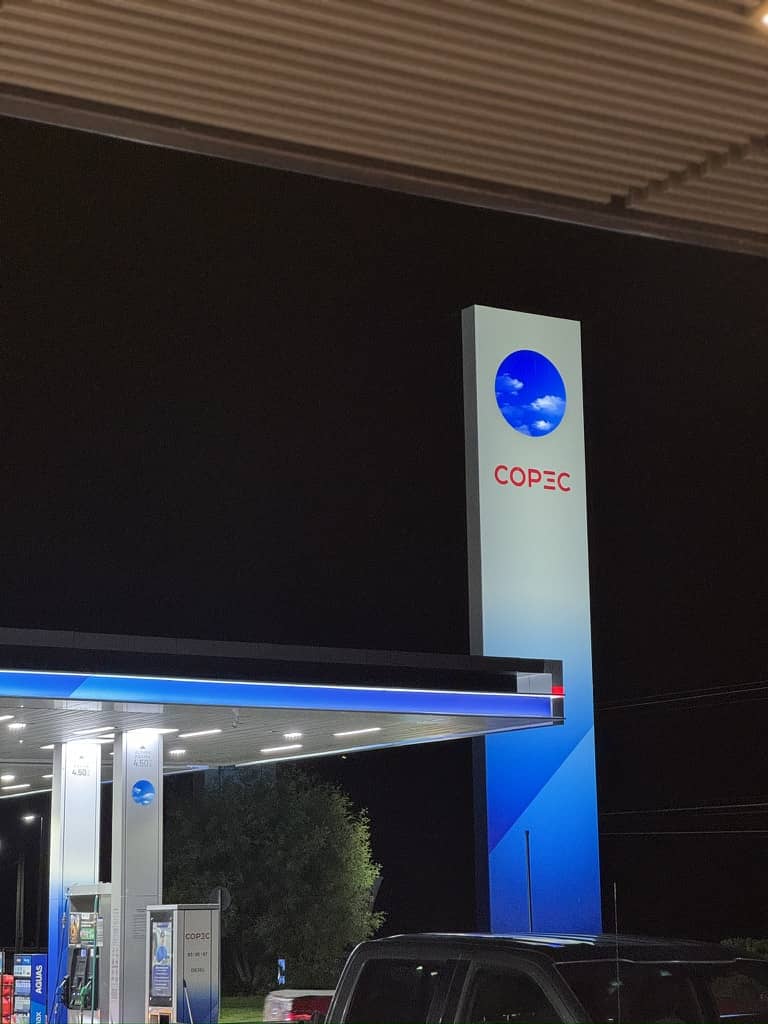
If you have decided that driving in Santiago makes sense for your trip, renting a car is straightforward. The airport has the widest selection, but you can also pick up vehicles in neighborhoods like Las Condes or Providencia.
Before booking, always check how toll roads are handled. Santiago’s highways are electronic, so make sure the car includes a TAG device and that you understand how toll charges are billed.
DiscoverCars is an easy way to compare rental companies in Santiago. You can filter by transmission type, insurance coverage, pickup location, and read real traveler reviews before committing.
In a city this busy, clarity before pickup saves you a lot of stress later.
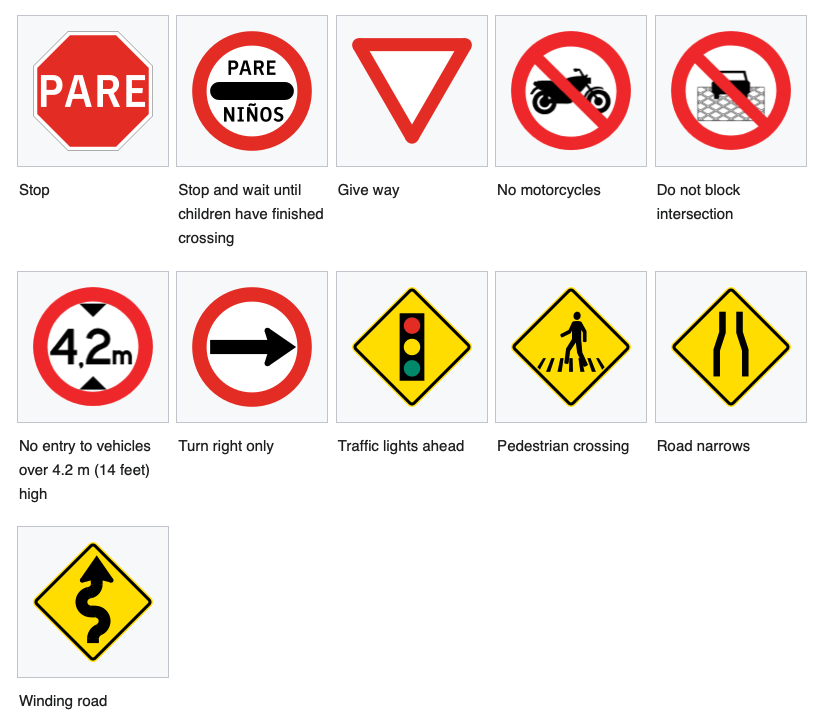
All the speed limits are in km/h, NOT in miles/h.
Parking in Santiago depends entirely on the area.
Malls are easy. Plenty of space, clear systems, structured parking garages. It feels organized.
Street parking is different. In some neighborhoods it is paid and regulated. In others, informal attendants will guide you into a space and expect a tip. This is normal.
In business districts like Las Condes or Providencia, parking garages are common but can be expensive. In older central areas, parking can feel chaotic and limited.
Always double check signs. Fines are real, and towing happens.
Driving in Santiago requires confidence.
People merge without hesitation. Lanes compress quickly. If you wait politely for someone to let you in, you may wait forever. You need to indicate clearly, move decisively, and commit.
It feels intense at first. Constant mirror checks. Constant anticipation.
But strangely, it works. Drivers expect assertiveness. Once you match the rhythm, traffic flows.
Red lights turning yellow are often treated as “last chance to go”. Stay alert, especially at intersections late in the day.
This is where many tourists get confused.
Santiago has urban highways running directly through the city. They are fast, modern, and fully electronic. There are no traditional toll booths.
Instead, vehicles use a TAG device. Cameras detect the plate and charge electronically. If your rental car has a TAG, the tolls are recorded and billed later.
If it does not, you can receive fines.
These highways are convenient. They save huge amounts of time. But they add cost quickly if you use them daily.
Always ask your rental company exactly how tolls are handled.
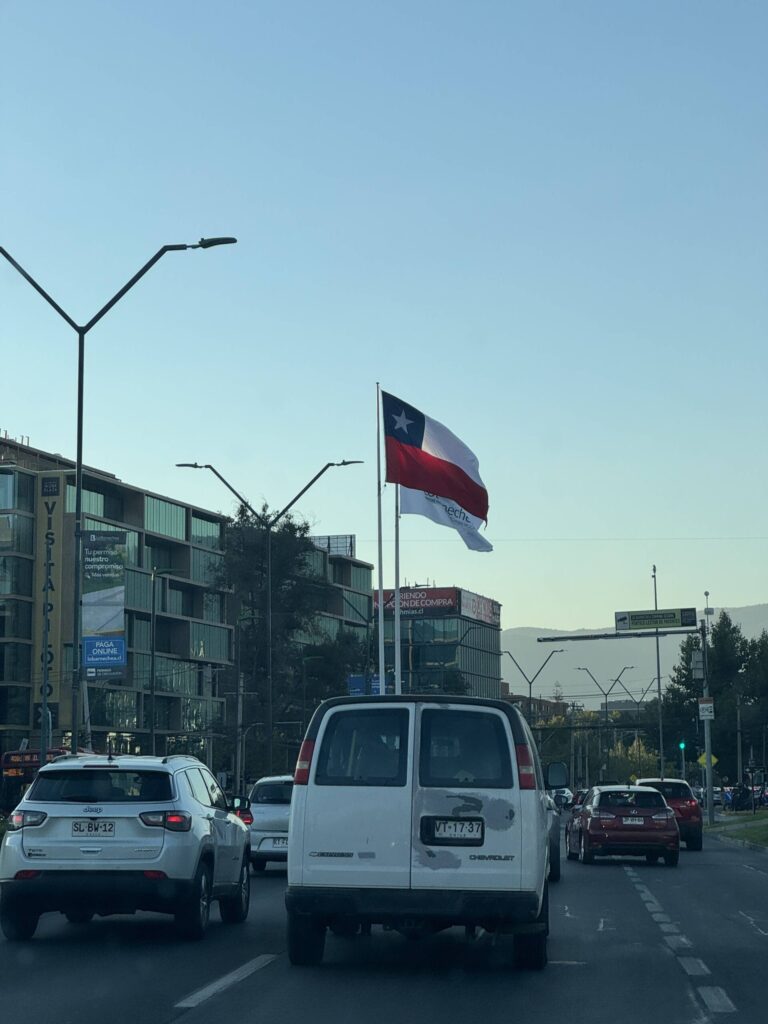
Driving inside Santiago feels compressed and fast.
Driving just outside the city feels completely different.
Once you leave the dense urban core and head toward the Andes or wine regions, traffic thins out quickly. Highways become calmer. Landscapes open up. It starts to feel like the rest of Chile again.
The adjustment between these two environments happens within minutes. One moment you are navigating six lanes of traffic. Ten minutes later, you are cruising toward the mountains.
That contrast is what makes driving in Santiago unique.
Driving at night in Santiago is easier than rural night driving in Chile, but it comes with its own stress.
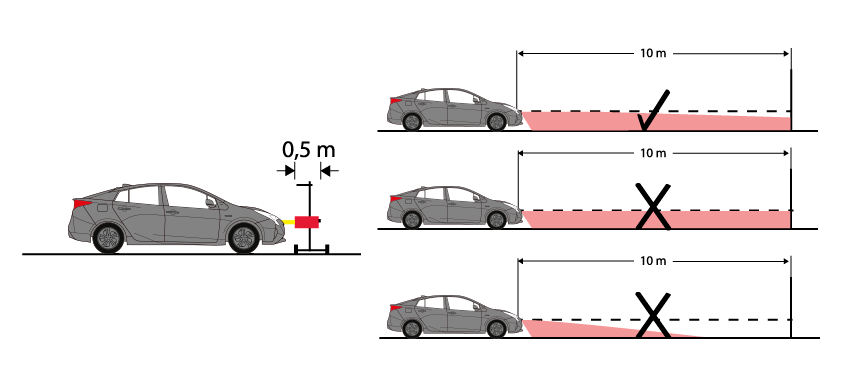
Traffic lights, reflections, and fast merging lanes demand focus. Some drivers become even more aggressive when roads are less crowded.
In winter, smog can reduce visibility slightly. In some areas, lighting is excellent. In others, it is darker than you would expect for a capital city.
If you are not comfortable with dense urban traffic, avoid late evening drives in unfamiliar areas. During the day, navigation is much easier.