
I love driving. I thought getting an international driver’s license meant I was ready to go. Wrong.
Driving in Chile was completely different from anything I was used to in Europe. And I do not just mean a little different, it felt like learning how to drive in another world.
First of all, Chile is huge. This is not one single driving experience. Santiago alone deserves its own category. Driving there feels nothing like driving in Pucón. And Pucón is a world away from the unpaved road leading to Termas Geométricas.
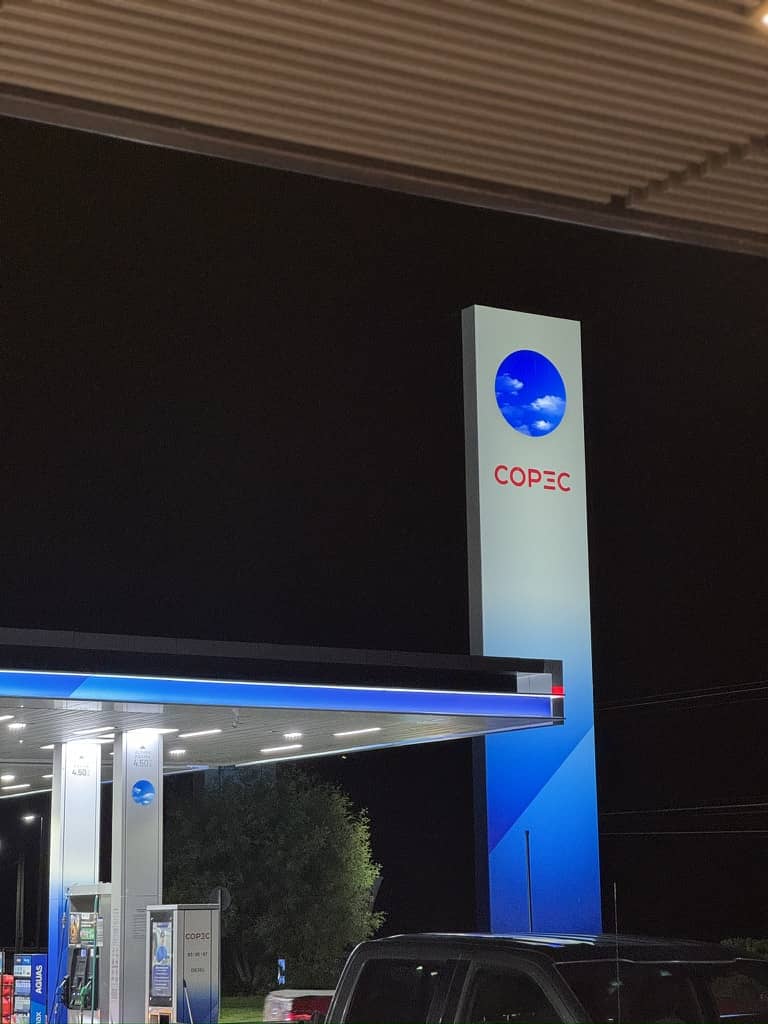
Driving in Santiago was crazier than Paris, Munich, and Amsterdam combined. Outside the cities, things calm down fast. Long, straight roads, toll stations, endless landscapes, and the occasional Copec gas station. That part is easy, until you hit potholes, gravel, or a road that suddenly stops being paved.
In this guide, I share everything I learned from driving in Chile. Day and night, busy cities and quiet countryside, highways and dirt roads. The things that surprised me, the mistakes I made, and what I would absolutely do differently next time.
This is not a rulebook. It is real experience, from behind the wheel.
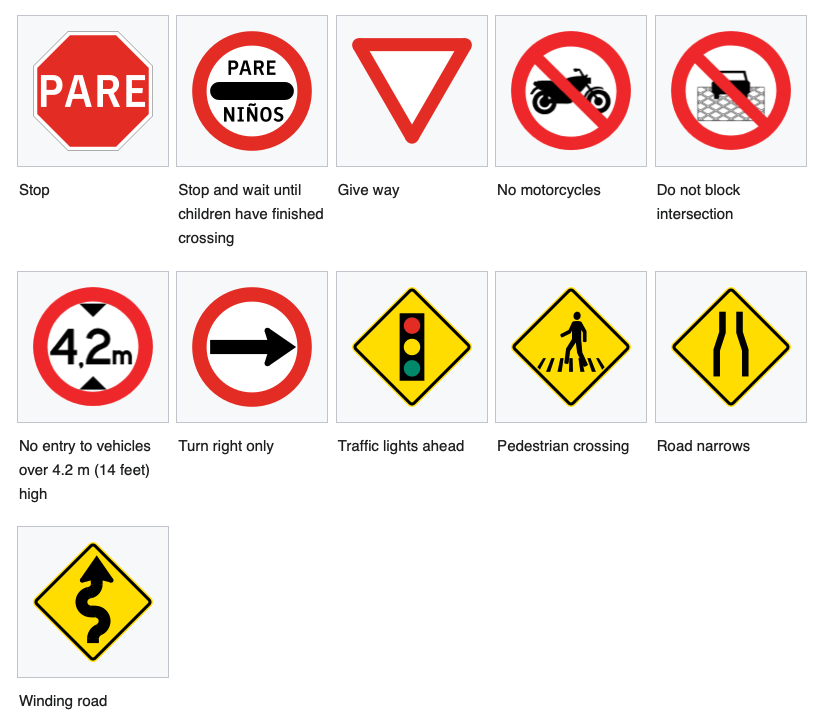
All the speed limits are in km/h, NOT in miles/h.
For me, being from the Netherlands, it was really easy. I could order it through the ANWB website and had it sorted quickly.
If you are coming from one of the countries below, the process is generally straightforward as well, but always double check before you travel:
- USA
- Canada
- United Kingdom
Check for your own country on Google. All it usually requires is a current driver’s license, a recent portrait picture, and a small fee for the permit.
Even if the rental company does not ask for it, I strongly recommend getting an International Drivers License anyway. If you get stopped by the police, it can save you a lot of explanation and stress.
The type of car you choose in Chile really matters depending on where you are driving. In the countryside, especially on unpaved and rough roads, a pickup truck makes a lot of sense. It handles potholes and gravel better and feels more forgiving on unhardened roads. In cities, a normal family car is far more practical. Parking is tighter, traffic is heavier, and you simply do not need a larger vehicle.
In theory, both options work in both situations. A small car can handle dirt roads, and a pickup can be driven in the city. It ultimately comes down to what you are comfortable with and your own driving experience. One important thing to know is that most rental cars in Chile are manual. Automatics exist, but they are more expensive and not always available, so always double check what you are booking.
If you want to rent a car in Chile, the most important advice is to get everything in writing before pickup. Make sure you clearly have:
Also check reviews from other travelers who booked with the same company. Price alone does not tell the full story. Discover Cars is a great place to compare not just prices, but also service quality and real customer experiences.
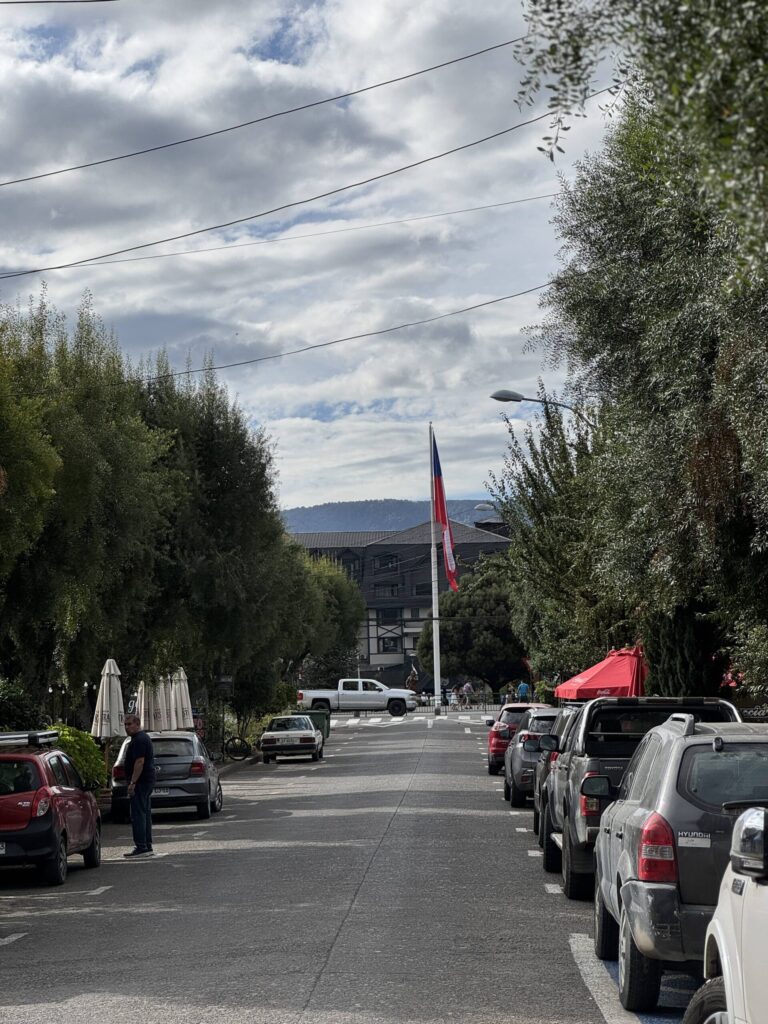
Parking in Chile depends a lot on where you are. In cities, it can be tough and sometimes chaotic. You will often see people guiding you into parking spots, watching your car while you are away, and expecting a small tip for it. This might feel strange at first, but it is very common. Malls are the exception, they usually have plenty of space and feel organized and stress free.
Outside the cities, parking becomes much simpler. In rural areas, it is normal to see cars parked directly next to the road. In mountain areas and near volcanoes, parking is often just a big open space without marked lines. You simply find a spot and park. One very important thing to remember in these places is to always use the handbrake. Slopes can be steeper than they look, and the last thing you want is your car slowly rolling away.
Driving in Chile as a tourist means accepting that many things will feel new. Not just in one place, but everywhere. The rules of the road might look familiar, yet the way people actually drive in big cities is completely different from what you experience on country roads.
In cities, you adjust to aggressive traffic and constant movement. Outside the cities, you adjust again to long distances, changing road conditions, animals, and unexpected situations. My best advice is simple: accept it, deal with it, and adjust wherever you can. The more you fight it, the more stressful it becomes. Once you adapt to the rhythm of Chilean driving, things start to make sense, and the experience becomes far more enjoyable.
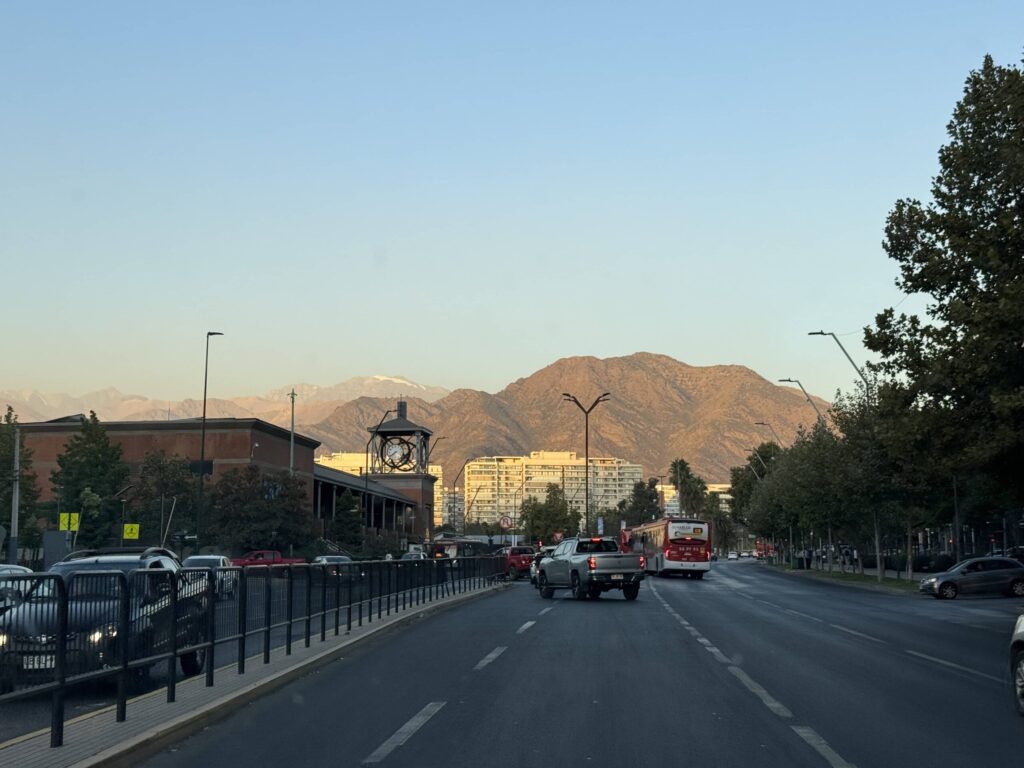
Driving in Santiago feels like controlled chaos. People cut you off constantly, lane changes happen without warning, and you cannot rely on others to make space for you. If you drive too politely, you simply will not get anywhere. You have to be a bit aggressive, or at least assertive, to survive in traffic.
Parking is another story. Malls are easy, there is plenty of space and it feels organized. Outside of that, parking in the city can be frustrating and unpredictable. On top of that, I saw multiple cars drive straight through red lights, especially late in the day. It keeps you alert at all times, and it definitely makes Santiago the most intense place to drive in Chile.
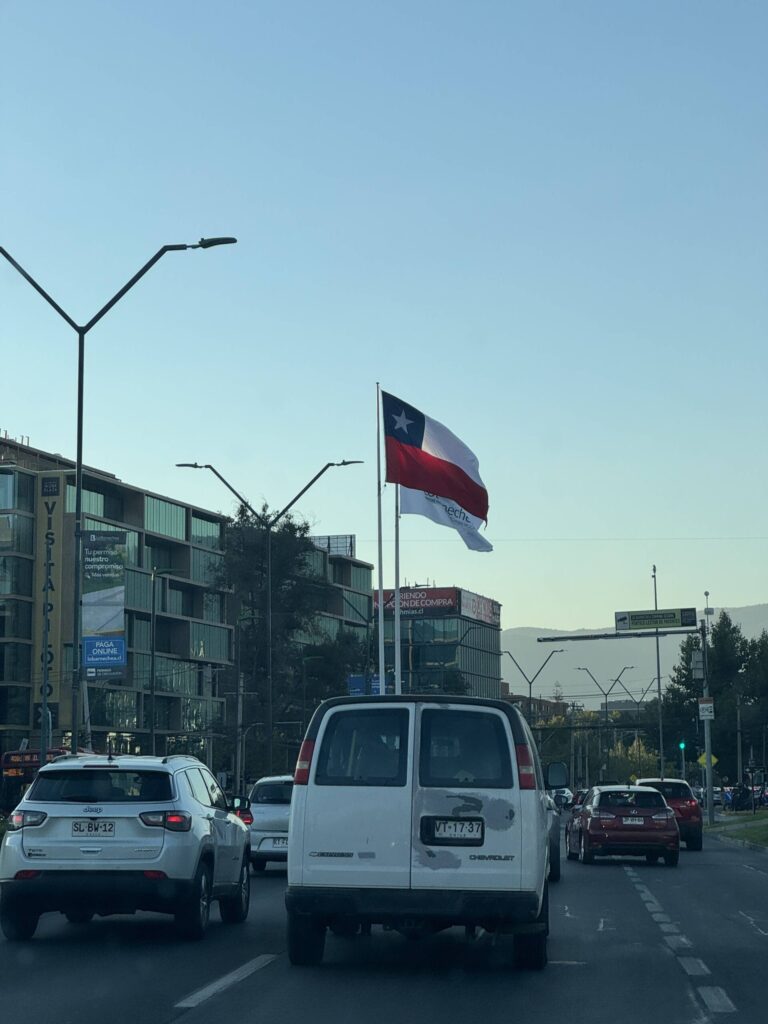
The first time I saw someone walking next to the highway, I literally yelled, "THERE ARE PEOPLE WALKING HERE". The Chileans in the car did not even react. For them, it was completely normal.
In my country this would be unthinkable. It is illegal, dangerous, and people would call the police. In Chile, it is simply part of daily life in many areas. People usually walk on the side of the highway, not in the lanes where cars drive, but do not be surprised to see pedestrians incredibly close to fast moving traffic, sometimes even at night.
Once you notice this, the crosses along the roadside start to make sense. It is one of the most confronting things about driving in Chile, and something you always have to stay alert for, especially outside cities.
City driving and countryside driving in Chile feel like two completely different worlds. In cities, especially Santiago, traffic is dense, drivers are impatient, and everything happens fast. You are constantly watching mirrors, anticipating sudden lane changes, and reacting rather than relaxing.
Once you leave the city, things usually slow down, but not instantly. Right outside urban areas, especially near toll stations, traffic can still feel hectic and chaotic. Cars merge aggressively, lanes compress, and everyone seems to be in a rush to get through. After that, the roads finally open up.
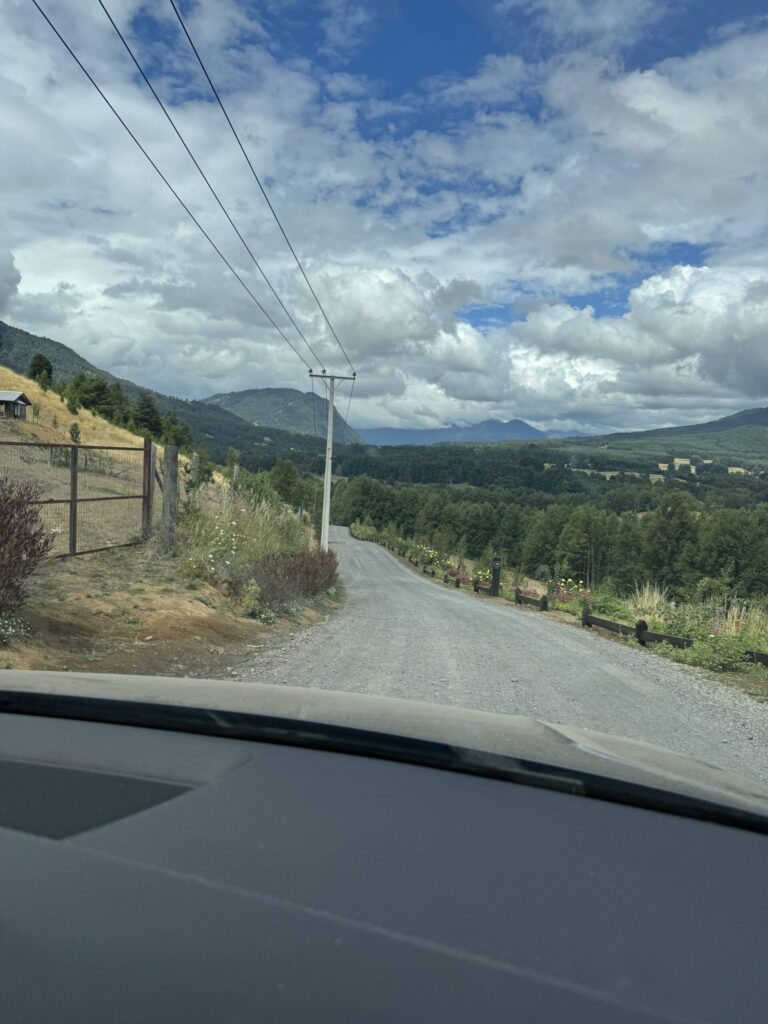
Then driving becomes calmer and almost meditative. You settle into long stretches of highway, pass endless landscapes, and only slow down for toll booths, trucks, or the occasional small town. It feels easy, until conditions suddenly change. A paved road can turn into gravel without warning, potholes appear out of nowhere, or animals wander onto the road. City driving demands focus and confidence, countryside driving demands awareness and patience. Switching between the two is one of the biggest adjustments when driving in Chile.
Driving at night in Chile requires a completely different level of focus. On rural roads around Temuco, I got blinded multiple times by oncoming cars with headlights pointed far too high. Blinking or flashing your lights does not help, nothing changes. At that point, the only thing you can really do is lock your focus onto the lines on the road and trust them to keep you in your lane.
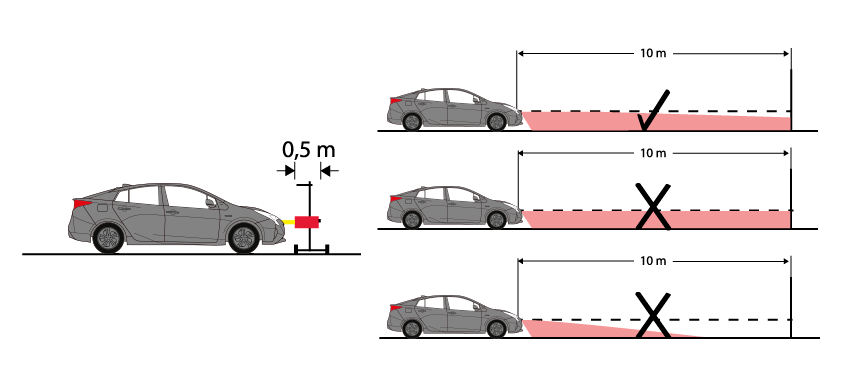
It is tiring and uncomfortable, especially on dark country roads with little to no street lighting. Add pedestrians, animals, or uneven road surfaces into the mix, and night driving quickly becomes stressful. After a few of these moments, I started avoiding night drives whenever possible, especially outside cities.