
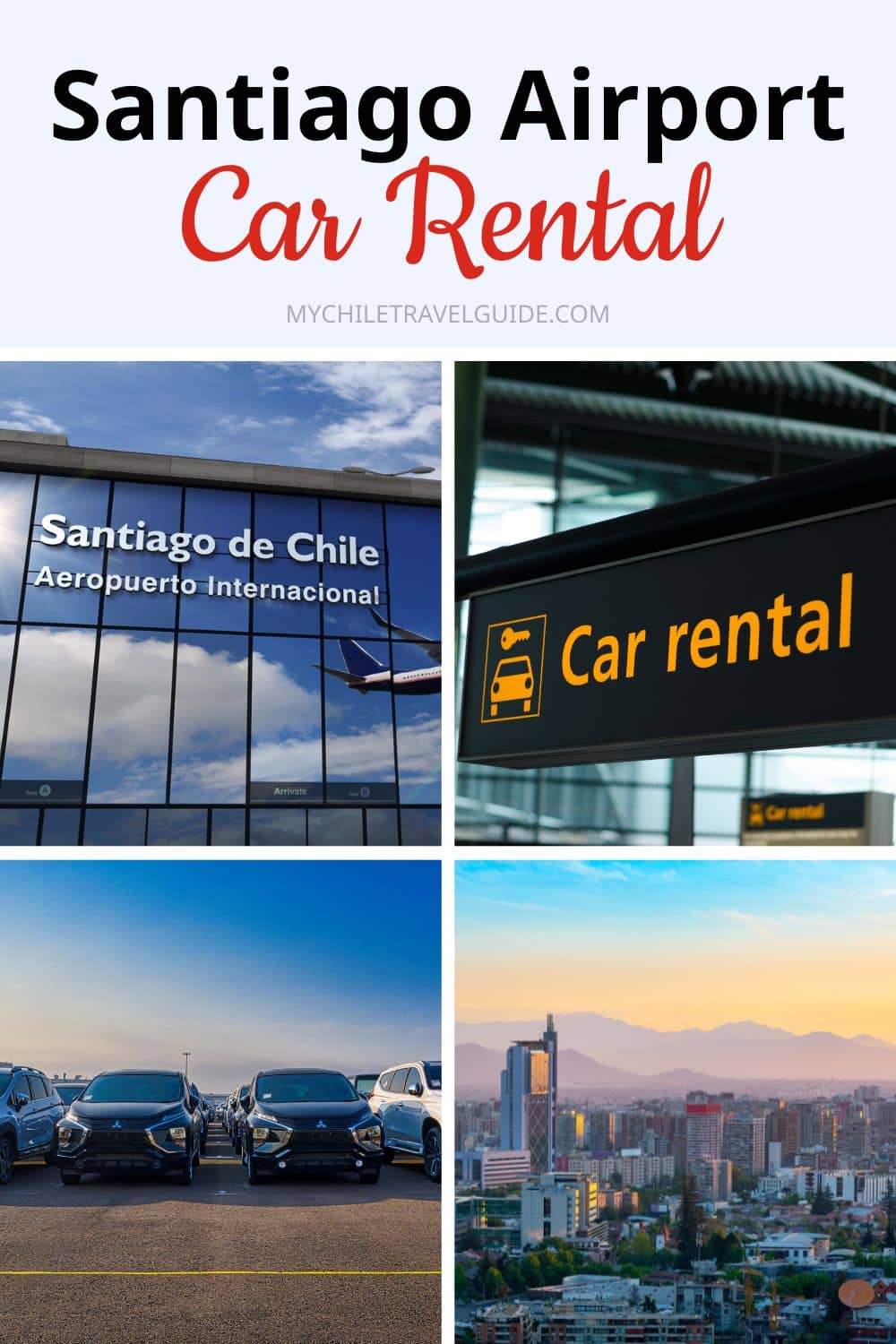
Landing at Santiago and wondering if renting a car is really worth it? If you are looking for car rental Santiago Airport, you are already asking the right question.
Santiago is one of those cities where everything looks close on a map, but feels very different once you arrive. The Andes rise right behind the city, the Pacific coast sits to the west, and some of the best day trips in central Chile are just outside public transport range. That is exactly where renting a car at Santiago Airport SCL can change your entire trip.
In this full 2026 guide, you will learn when renting a car makes sense, what it actually costs, which mistakes to avoid, and how to choose the right car for your plans. No theory, no fluff, just practical advice so you can decide fast and hit the road with confidence.
Public transport in Santiago is solid. The metro is modern, cheap, and covers a large part of the city. But the moment you want to go beyond the city limits, a rental car quickly becomes the better option.
With a car, Santiago turns into a perfect base for day trips. Drive east and you are in the Andes within 30 to 60 minutes. Think mountain viewpoints, quiet roads, and if you are lucky, spotting condors circling above the valleys. Head west and you can easily reach Viña del Mar or Valparaíso for a coastal day trip, without worrying about bus schedules or crowded trains.
Renting a car also saves time. Instead of switching between metro lines, buses, and taxis, you travel door to door. This is especially useful if you are traveling with luggage, planning multiple stops in one day, or starting a longer road trip through Chile.
If your plan is more than just staying inside Santiago, renting a car gives you freedom, flexibility, and control over your schedule. That is why many travelers choose car rental at Santiago Airport as soon as they land.
Renting a car directly at the airport is without doubt the most convenient option. You land, walk into the terminal, pick up your keys, and you are on the road within minutes. No taxis, no transfers into the city, no waiting around after a long flight.
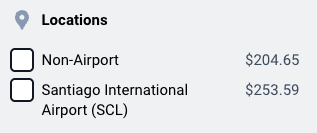
That convenience does come at a price. Car rental at the airport is usually more expensive than picking up a car in the city. Airport locations include extra fees, higher operating costs, and sometimes mandatory airport surcharges. Over a longer rental period, those differences add up quickly.
To give you an idea, renting a compact car for 7 days at the airport can easily cost noticeably more (see below) than the same car picked up downtown. Simply put, you pay for convenience and speed.
That said, renting at Santiago Airport can still be the smartest choice in certain situations. If you arrive late at night, travel with a lot of luggage, or plan to leave Santiago immediately for a road trip, the higher price can be worth it. You avoid extra logistics and start your journey stress free.
The key is weighing price versus comfort. For some travelers, saving time and hassle is more valuable than saving a bit of money.

Booking your rental car in advance is almost always the smarter move. It gives you time and peace of mind to compare different companies, car types, prices, and reviews before you even leave home. You know exactly what you are paying for, what insurance is included, and what to expect when you land.
When you book ahead, you can choose the right car for your route and travel style instead of taking whatever is still available at the counter. This is especially important during high season, holidays, or weekends, when popular car types sell out quickly.
Booking on arrival is a gamble. After a long flight, you are tired, possibly jet lagged, and standing at a counter with limited options. Prices are often higher, availability is uncertain, and you have little time to check reviews or compare conditions. In short, you are making a rushed decision with almost no information.
If you want control, clarity, and better prices, booking in advance is the way to go. Arriving without a reservation might work in low season, but most travelers will benefit from locking in their car rental at Santiago Airport ahead of time.
A small car? A family car or a big pickup? Well, it depends...
Choosing the right rental car in Santiago depends entirely on your travel plans. Bigger is not automatically better.
If you are mainly staying in the city and doing short day trips, a compact or economy car is usually the best option. It is easier to drive, easier to park, and cheaper on fuel. For city traffic and highways, this is more than enough.
Traveling with more people or luggage? A mid size or full size car offers extra comfort and space, especially on longer drives.
If your plans include mountain roads, national parks, or more remote areas, a 4x4 or pickup becomes a smarter choice. Steeper roads, gravel tracks, and changing weather conditions are common outside the main routes, and a stronger vehicle gives you more control and confidence.
Match the car to the route, not the other way around.

Car rental prices in Santiago are generally affordable compared to many other major cities, especially if you book ahead. At Santiago Airport (SCL), the cheapest compact cars usually start at around 25 to 35 USD per day, depending on season and availability. Larger vehicles like pickups or 4x4s are more expensive, often starting around 55 to 70 USD per day.
Prices fluctuate a lot. High season, weekends, and last minute bookings can push rates up quickly. Insurance options, automatic transmission, and newer models also affect the final price.
The easiest way to get a clear overview is to compare prices online. Platforms like DiscoverCars let you compare multiple rental brands, car types, and conditions in one place. You can filter by price, vehicle size, transmission type, and customer reviews, which makes it much easier to find a deal that actually fits your trip.
Booking in advance usually means lower prices, better availability, and fewer surprises at the counter.
This is where many travelers get caught off guard. The price you see online can look cheap, but the final amount at the counter is often higher. These are the most common things to watch for when renting a car in Santiago.
Deposit and credit card holds
A security deposit is almost always required. The amount can be higher than expected and is blocked on your credit card, not debited.
Insurance upgrades
Basic insurance is often included, but with a high deductible. At the counter you may be pushed to upgrade to full coverage. Know in advance what is included and what is optional.
Airport surcharges
Renting at the airport usually comes with extra fees. These are sometimes hidden in the fine print and only become clear at pickup.
Additional driver fees
Adding a second driver can cost extra per day. This is easy to miss when booking online.
Toll road TAG fees
Chile uses an electronic toll system called TAG. Most rental companies charge a daily fee for this, plus the actual toll usage. This can add up quickly if you drive a lot around Santiago.
Fuel policy
Full to full is the easiest and most transparent option. Some companies charge you for a full tank upfront, even if you return the car with fuel left.
Before picking up your car, make sure everything is clearly stated in writing:
One last tip: take clear photos or a short video of the car at pickup and drop off. It can save you a lot of discussion later.
Driving in Chile as a tourist means accepting that many things will feel new. Not just in one place, but everywhere. The traffic rules may look familiar on paper, but the way people actually drive can change dramatically depending on where you are.
In Santiago, traffic is busy, fast paced, and sometimes aggressive. Lanes are used efficiently, drivers are assertive, and everything moves constantly. It can feel overwhelming at first, especially during rush hour, but there is a certain flow to it once you get used to the rhythm.
Outside the cities, the experience shifts completely. Roads become quieter, distances grow longer, and conditions can change without warning. You may encounter gravel roads, sharp mountain curves, slow moving trucks, or even animals crossing the road. Weather can also play a role, especially in mountain areas.
The best advice is simple: accept it and adapt. Do not try to force your own driving style onto the situation. Adjust your speed, stay alert, and go with the flow. The more you resist it, the more stressful it becomes. Once you adapt to how driving works in Chile, it starts to make sense and becomes an enjoyable part of the journey.
If you want a realistic impression of what driving in Chile is like, the video below gives a clear picture of what to expect. Santiago driving:
Fuel prices in Chile sit somewhere in the middle. They are not extremely cheap, but also not shockingly expensive compared to Europe or North America. For most road trips, fuel costs stay reasonable as long as you plan your distances.
Gas stations in Chile are also a good place to take a break. Many locations are clean, well maintained, and feel more like a rest stop than just a place to refuel. Toilets are usually decent, and you will often find small shops or cafes attached.
One chain that really stands out is Copec. Their stations are spread all over the country and are reliable for fuel, snacks, coffee, and quick food. On long drives, they are genuinely nice places to stop, stretch your legs, and reset before continuing.
Outside big cities, distances between gas stations can increase, especially in rural or mountainous areas. A simple rule that works well in Chile: do not let your tank drop too low, and refuel when you have the chance.
If you prefer not to drive, there are solid alternatives. Santiago has a modern public transport system with metro lines and buses that cover most of the city. For short distances, taxis and ride hailing apps are easy to use.
For trips outside the city, long distance buses are comfortable and affordable, connecting Santiago with coastal cities and other regions. Group tours are another option, especially for popular day trips where transport and logistics are handled for you.
These options work well if you plan to stay mainly in the city or visit well connected destinations.