
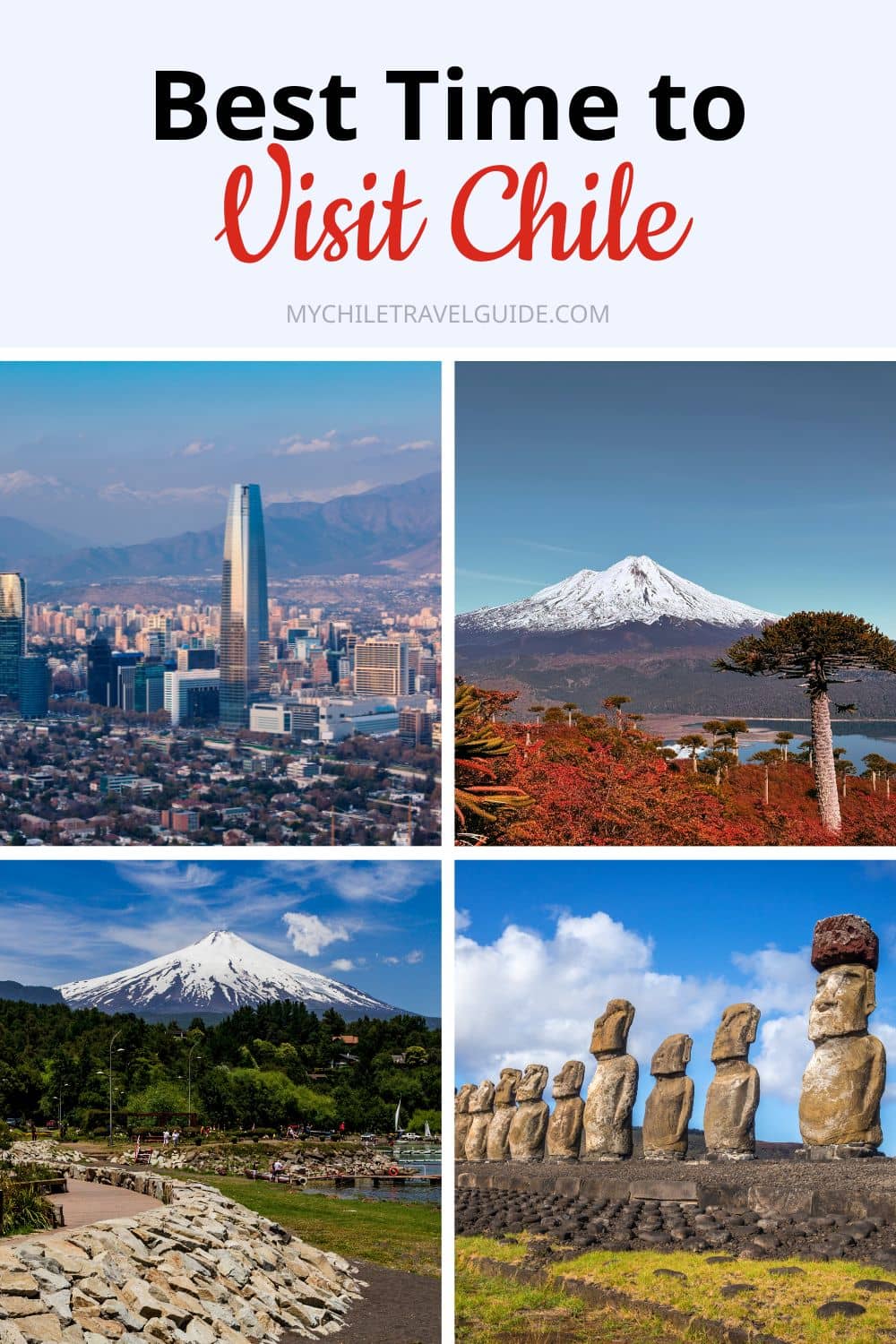
So, you’re trying to figure out the best time to visit Chile - wohoo! Traveling is exciting. But now comes the tricky question: when should you go? Chile is basically one giant geography flex - deserts, mountains, wine valleys, beaches, glaciers… and every season brings a totally different adventure.
Do you want long sunny days in Patagonia? Or skiing in the Andes while your friends back home are sweating through summer? Maybe you just want to sip wine in the Central Valley without melting or freezing.
The truth is, there’s no single “perfect” time - it depends on what you want to see and do. That’s why I’ve broken it down month by month, so you know exactly what to expect in 2025.
If you’re visiting Chile between December and February, get ready for peak summer vibes. While Europe and North America are wrapped in scarves and drinking hot chocolate, Chile is all about beaches, barbecues, and long sunny days. Christmas is big here too, but forget the snow-it’s more about fireworks, family gatherings, and eating outside in the warm evening air.
This is also the main holiday season for Chileans, so expect busy beaches, higher prices, and packed buses. Patagonia is at its absolute best (and most crowded), the Atacama is reliably sunny, and wine country is perfect for a glass (or two). If you want the full Chilean summer experience, this is it.
When March rolls around, Chilean kids head back to school and adults back to work - which means fewer crowds and better deals for you. Tourist hotspots like Patagonia and the Lake District suddenly feel calmer, and you can actually find a seat on that bus without elbowing someone.
Weather-wise, it’s a sweet spot. In the north (Atacama), it’s still warm and dry. Central Chile (Santiago, Valparaíso, wine valleys) enjoys sunny days and cooler nights, perfect for strolling, sipping, and not melting. Down south, autumn paints Patagonia and the Lake District in fiery reds and golds - it’s seriously underrated if you like hiking without the summer madness.
Bonus: March and April are wine harvest season. Expect grape-picking festivals, local celebrations, and plenty of excuses to drink straight from the source. Check out the best wine tasting day trips here.
Winter in Chile doesn’t mean the whole country freezes - it really depends on where you are.
In the north, the Atacama Desert keeps doing its thing: dry, sunny, and otherworldly. You’ll barely notice it’s “winter” here, except maybe for some cooler nights. Central Chile, around Santiago and the wine valleys, cools down and the Andes become the main attraction. Yes - Chileans actually go skiing! Resorts like Valle Nevado, La Parva, and Portillo fill up with locals escaping the city for a weekend on the slopes. July is also the main winter holiday month for schools, so expect busy ski resorts then. Down south, Patagonia and Torres del Paine are cold, windy, and much of the park infrastructure shuts down. Only hardcore adventurers go this time of year, while the Lake District stays cozy with wood-burning stoves, hot springs, and cabins tucked away in the rain.
Winter is not high season for international travelers, which means cheaper flights and hotel deals if you don’t mind layering up.
Spring in Chile feels like the country stretching after a long nap - flowers, festivals, and the first real taste of summer.
In the north, the Atacama Desert sometimes surprises with carpets of wildflowers in special “super bloom” years, though even without it you’ll get clear skies and perfect stargazing conditions. Central Chile, from Santiago to Valparaíso and the wine valleys, shakes off the winter chill. Temperatures rise, vineyards turn lush again, and September means Fiestas Patrias - Chile’s massive independence celebrations with barbecues, empanadas, and plenty of cueca dancing. Down south, Patagonia and the Lake District slowly reopen. Trails turn green, waterfalls are roaring, and by November many of the big hikes are back on the menu without the full summer crowds.
Spring is the sweet spot: mild weather, colorful landscapes, lower prices, and the country waking up - a perfect balance before the high season rush.
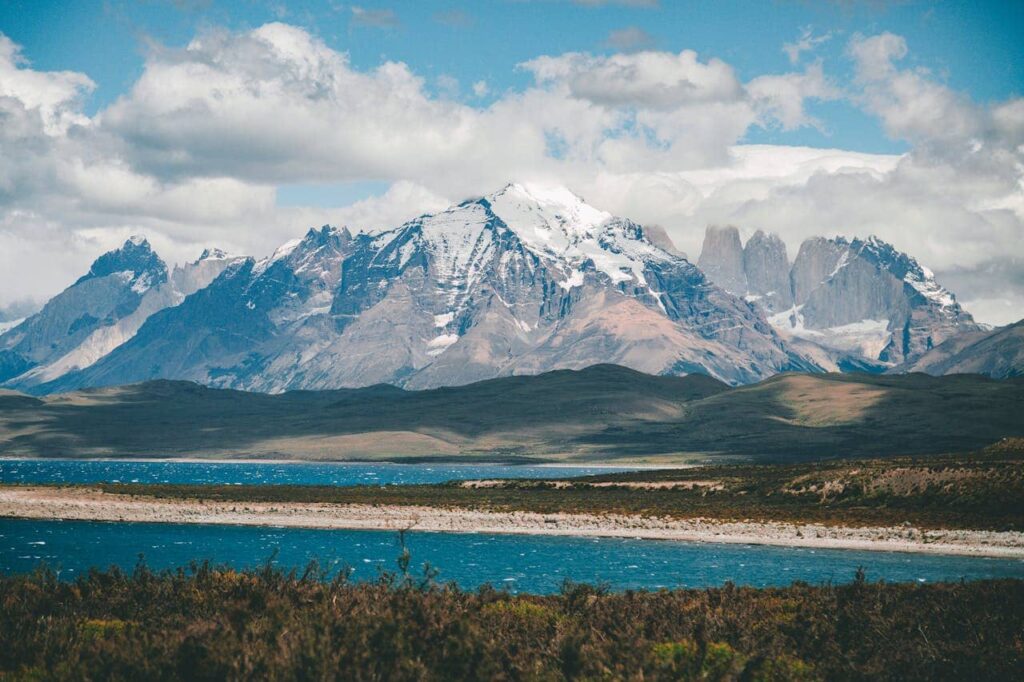
The main season in Patagonia is October to April. Trails are open, buses are frequent, and the weather is (somewhat) stable. January and February bring the longest days and best chances for clear skies, but also the biggest crowds and highest prices. November and March are ideal shoulder months with fewer people and still good weather, while April adds stunning autumn colors.
From May to September, much of Torres del Paine and the southern routes shut down due to snow, wind, and limited services. Only experienced adventurers tend to visit in winter.
For most travelers, the sweet spot is November or March - fewer crowds, manageable prices, and conditions that make the landscapes just as jaw-dropping.
The Atacama Desert is a year-round destination thanks to its dry climate and reliable sunshine. Days are usually warm, nights can be cold, and rain is almost nonexistent.
The busiest months are December to February, when both international visitors and Chileans on summer vacation fill San Pedro de Atacama. If you want quieter streets and lower prices, aim for the shoulder months (March-May or September-November). These still bring clear skies for stargazing and comfortable temperatures for visiting the salt flats, geysers, and valleys.
Winter (June-August) is also a good option: expect cooler days, very cold nights, and far fewer crowds.
In short: you can go any time, but spring and autumn are the best balance of weather, crowds, and cost.

Easter Island is also a year-round destination, but your experience changes with the seasons.
The warmest and busiest period is January and February, when Chileans flock here during summer holidays. This is also when the Tapati Festival takes place (usually early February), a cultural highlight with music, dance, and traditional competitions. Expect higher prices and more competition for flights and hotels.
The shoulder months (March-May and September-November) are often the best choice: pleasant temperatures, fewer crowds, and good conditions for hiking, biking, and exploring the moai sites.
June-August is the quietest period, with cooler temperatures, more rain, and shorter days - but you’ll practically have the island to yourself.
For most travelers, the sweet spot is spring or autumn for a balanced mix of weather, culture, and space to explore.
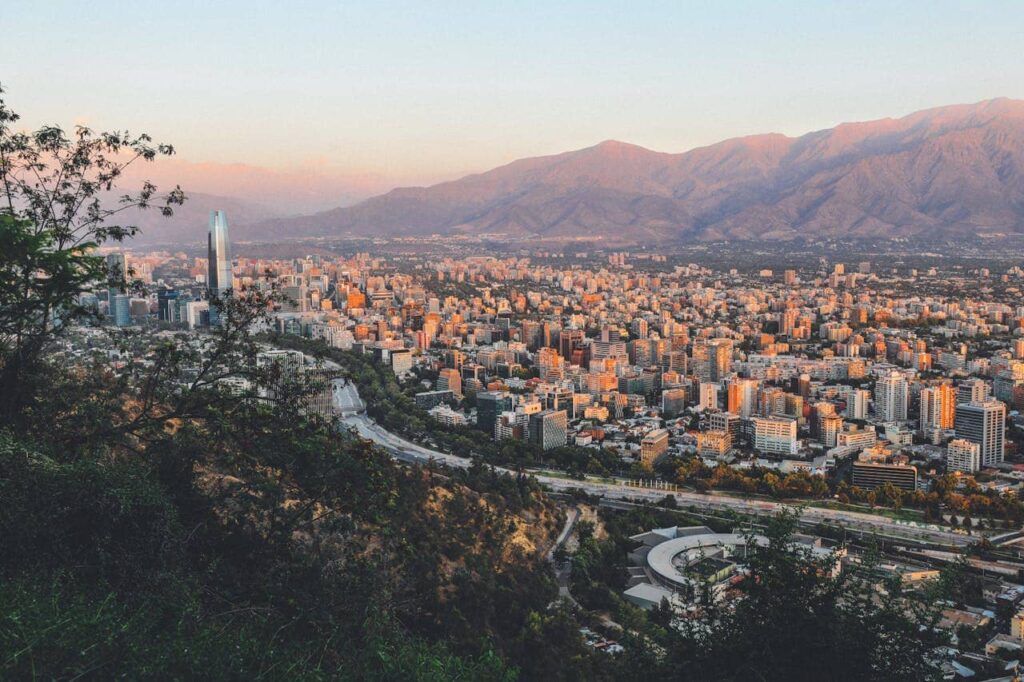
Santiago and the Central Valley are best enjoyed in spring (September-November) and autumn (March-May). Temperatures are mild, skies are usually clear, and you can explore the city or wine valleys without extreme heat.
Summer (December-February) can be very hot, with Santiago often above 30°C (86°F). The city also empties out in February when many locals go on holiday, so while it’s quieter, some restaurants and shops close.
Winter (June-August) brings cooler weather, occasional smog in Santiago, and rain in the valleys. But it’s also ski season, with the Andes resorts just an hour or two away.
If your trip includes both city life and wine country, aim for March-April (harvest season) or October-November for the best mix of weather, festivals, and vineyard visits.
The best months to visit Chile’s wine valleys are March and April, during the harvest season (vendimia). Vineyards buzz with grape-picking festivals, wine tastings, and local celebrations - it’s the most atmospheric time to be here.
Spring (September-November) is another excellent option, with green vines, mild weather, and fewer tourists. It’s perfect for wine tours combined with city visits to Santiago or Valparaíso.
Summer (December-February) brings hot days, especially in the Maipo Valley, though evenings cool down nicely. Expect more visitors since it overlaps with Chilean holidays.
Winter (June-August) is the quietest season. Some vineyards reduce their tour schedules, but you’ll still find tastings, and prices tend to be lower.
For the full experience, harvest season in March-April is hard to beat.
The Lake District is best from December to March, when long summer days make hiking, kayaking, and volcano-climbing possible. Lakes are warmer, trails are open, and small towns like Pucón and Puerto Varas are full of life and the Termas Geometricas are wonderful during this time. March-April is also beautiful, with autumn colors and fewer crowds. Winter brings more rain, but cozy cabins and hot springs keep it appealing if you don’t mind the weather.
Valparaíso, just 1.5 hours from Santiago, is a year-round city, but it shines in summer (December-February) with street festivals and sunny days for exploring its hills and murals. Spring and autumn are also great for wandering without the summer crowds. Winter is cooler and wetter, but the city’s café and nightlife culture carries on regardless.
If you want a balance of good weather and fewer tourists, aim for spring (October-November) or early autumn (March-April) in both regions.
Top pick: Patagonia is in full swing - long days, open trails, and perfect weather for the W Trek.
Watch out for: Peak holiday season. Expect higher prices and fully booked buses, flights, and hotels.
North: Atacama is hot but dry, ideal for stargazing and desert tours.
Central: Santiago can be scorching; many locals leave for vacation. Wine valleys are sunny and lively.
South: Patagonia has the best conditions of the year, while the Lake District is buzzing with summer travelers.
Top pick: Easter Island during the Tapati Festival - a unique mix of traditional dance, music, and competitions.
Watch out for: Still peak holiday season in Chile. Beaches, Patagonia, and Easter Island are crowded and more expensive.
North: Atacama stays hot and sunny, though tours and hotels book up fast.
Central: Santiago empties out as locals head to the coast; Valparaíso and Viña del Mar are packed with summer crowds.
South: Patagonia is still excellent for trekking, while the Lake District is at its busiest with Chilean vacationers.
Top pick: Wine harvest season kicks off - perfect time for vineyard tours and vendimia festivals.
Watch out for: Summer crowds fade, but prices can still be higher early in the month.
North: Atacama cools slightly but stays dry and sunny.
Central: Santiago and Valparaíso settle into comfortable weather; vineyards are alive with harvest activities.
South: Patagonia enters shoulder season - fewer people, slightly cooler, but still great for trekking. The Lake District shows the first hints of autumn colors.
Top pick: Autumn colors in Patagonia and the Lake District - fiery reds and golds everywhere.
Watch out for: Shorter days and cooler evenings, especially down south.
North: Atacama remains dry and sunny, with cooler nights.
Central: Santiago and the wine valleys enjoy crisp, clear days - harvest festivals are still happening.
South: Patagonia is quieter but still open; autumn scenery is stunning. The Lake District is calm, with great hiking and fewer crowds.
Top pick: Bargain season - cheaper flights and hotels almost everywhere.
Watch out for: Cooler weather sets in, especially in the south, and some Patagonia services begin closing for winter.
North: Atacama is still sunny and dry, great for year-round travel.
Central: Santiago has mild days and chilly nights; vineyards are quieter after harvest.
South: Patagonia winds down with limited access, but the Lake District shines with autumn colors before the rains arrive.
Top pick: Ski season kicks off in the Andes near Santiago.
Watch out for: Short days and chilly weather - especially in the south where many services close.
North: Atacama stays sunny with cold nights, great for stargazing.
Central: Santiago cools down; ski resorts like Valle Nevado and Portillo open for the season.
South: Patagonia is mostly shut down, while the Lake District turns rainy but cozy with cabins and hot springs.
Top pick: Skiing in the Andes - the slopes are at their best this month.
Watch out for: Chilean school holidays make ski resorts busy and prices higher.
North: Atacama is crisp and clear with very cold nights, but crowds are minimal.
Central: Santiago is chilly and sometimes smoggy; ski resorts are packed with local families.
South: Patagonia remains closed for most travelers. The Lake District is rainy but charming with firesides and hot springs.
Top pick: Quiet ski slopes in the Andes as the season winds down.
Watch out for: Still cold and rainy in much of the country, especially in the south.
North: Atacama stays sunny and dry with chilly nights - great time for photography and stargazing.
Central: Santiago is cool; ski resorts are less crowded after the school holidays.
South: Patagonia remains closed, while the Lake District is damp but atmospheric with hot springs and fireplaces.
Top pick: Fiestas Patrias (Chile’s Independence celebrations) - cue barbecues, dancing, and lots of wine.
Watch out for: Prices and demand spike around the holiday week (Sept 18–19), so book early.
North: Atacama is dry and sunny, with slightly warmer nights.
Central: Santiago and Valparaíso warm up; vineyards turn green again, and festivals take over the cities.
South: Patagonia starts reopening with early-season treks possible by late September; the Lake District blooms with spring colors.
Top pick: Patagonia’s trekking season officially begins - trails reopen and crowds are still light.
Watch out for: Weather can be unpredictable in the south, so pack layers.
North: Atacama has warm, dry days and clear nights, perfect for stargazing.
Central: Santiago and the wine valleys enjoy spring sunshine; vineyards look lush and inviting.
South: Patagonia reopens with longer days and fewer tourists, while the Lake District bursts with spring flowers.
Top pick: Patagonia’s shoulder season - long days, good trekking weather, and smaller crowds than summer.
Watch out for: Prices start to climb as high season approaches, so book early if you can.
North: Atacama stays sunny and dry, with comfortable temperatures for full-day tours.
Central: Santiago and Valparaíso are warm but not yet scorching; wine valleys are ideal for tours.
South: Patagonia is in great shape for hiking; the Lake District is green, mild, and lively.
Top pick: Patagonia is fully open with long summer days - ideal for big treks like the W or O Circuit.
Watch out for: Prices and demand rise fast over Christmas and New Year, so plan ahead.
North: Atacama is hot and dry, with clear skies for stargazing.
Central: Santiago heats up; vineyards are sunny and festive. Valparaíso prepares for its legendary New Year’s Eve fireworks.
South: Patagonia is in prime season, while the Lake District enjoys warm weather and busy lakeside towns.
There’s no single “perfect” month - it depends on your plan and budget. Go October-April for Patagonia, March-April or October-November for wine and cities, February for Easter Island’s Tapati Festival, or July if skiing is your goal. The Atacama works almost anytime.
In short: choose the region first, then the season - and Chile will deliver.