
I thought I was prepared.
After driving thousands of miles in Chile, I assumed driving in Patagonia would just be “more of the same”. Long roads. Beautiful landscapes. A few potholes. Nothing dramatic.
I was wrong.
Driving in Patagonia is not just driving. It is isolation. It is wind that moves your car sideways. It is gravel roads that stretch for hours. It is gas stations that simply do not exist when you expect them.
And that is exactly why it is unforgettable.
This is not city driving. Not even close. There are days when you barely see another car. There are stretches where the only thing around you is sky, mountains, and endless emptiness.
In this guide, I share everything I learned about driving in Patagonia. The surprises, the mistakes, the things that look easy on a map but are not, and what I would absolutely do differently next time.
This is not a rulebook. It is real experience, from behind the wheel at the end of the world.
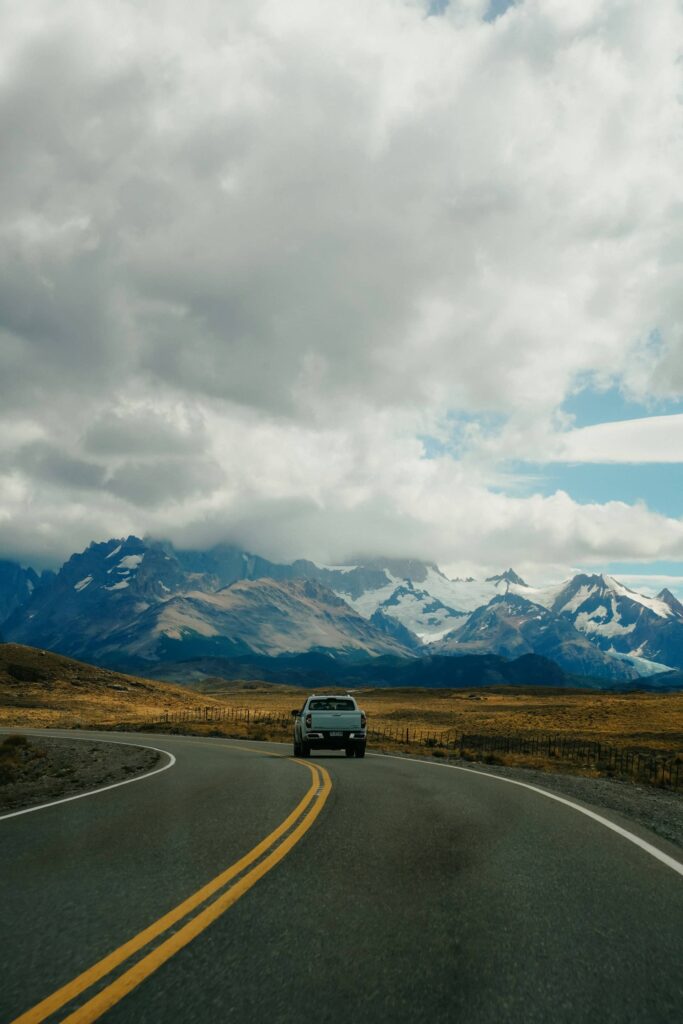
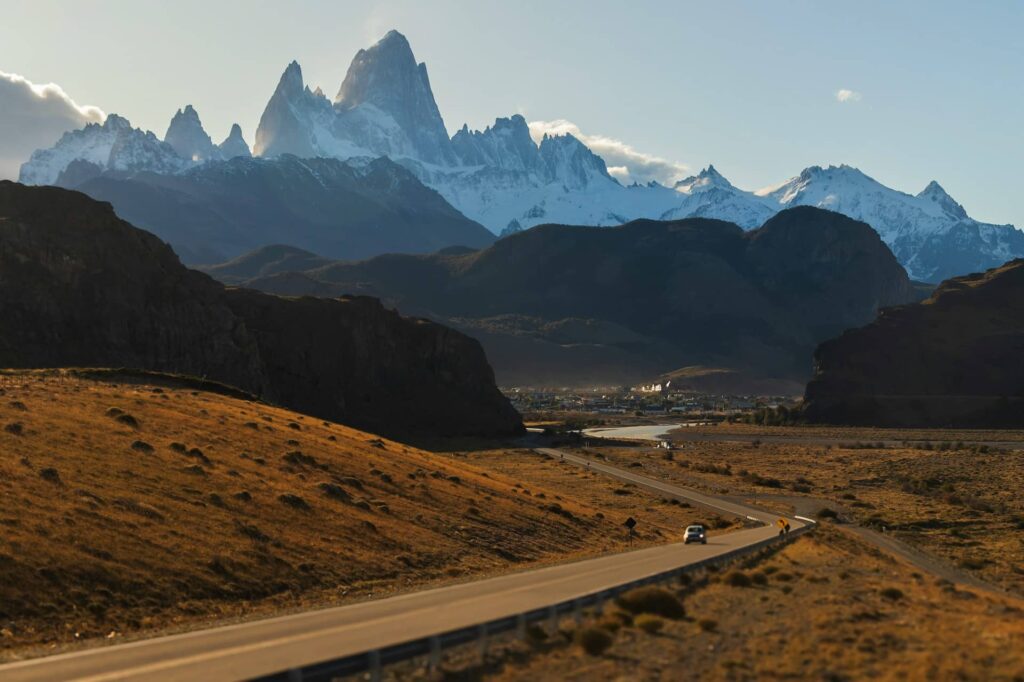
If you are flying into southern Patagonia, Puerto Natales is one of the easiest places to pick up a rental car. It is the main gateway to Torres del Paine and the surrounding region, and most major routes start from here.
Renting in Puerto Natales gives you immediate freedom. You can drive straight to Torres del Paine, explore lesser known viewpoints, or plan multi day routes without depending on bus schedules or tours.
One important thing to check before booking:
RENT A CAR HERE:
In Patagonia, the car matters more than in cities. Higher ground clearance is often more useful than a flashy vehicle. Reliability beats comfort.
DiscoverCars is a practical place to compare rental companies in Puerto Natales. You can see real reviews, filter by insurance coverage, and check which vehicles are actually available for your dates.
If you want flexibility and the ability to stop whenever the landscape pulls you over, renting a car in Puerto Natales is the best way to experience Patagonia on your own terms.
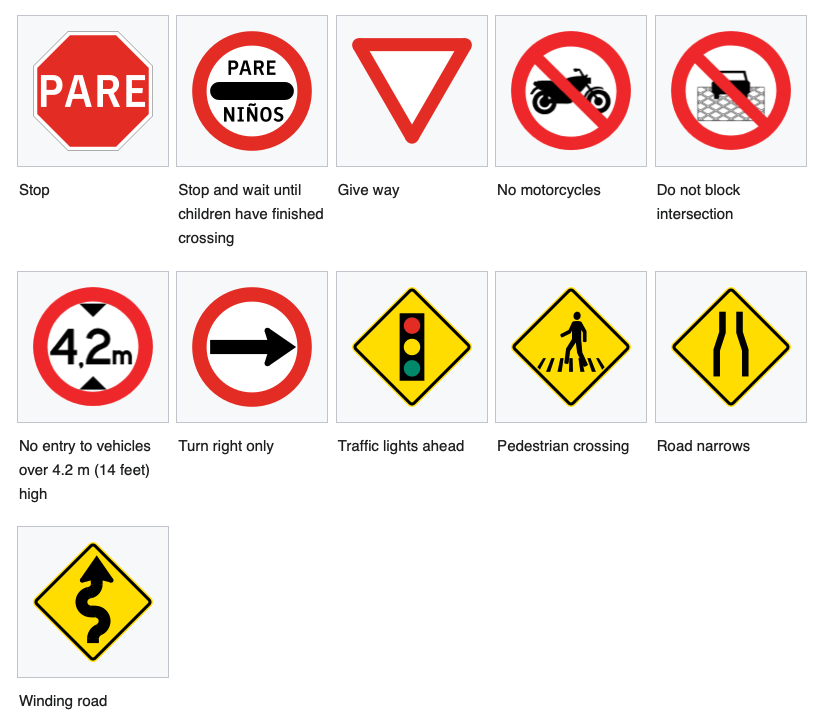
All the speed limits are in km/h, NOT in miles/h.
This is where many travelers make mistakes.
Never assume there will be a gas station in the next town.
In some parts of Patagonia, especially southern Chile and remote Argentina border areas, stations are sparse. Always refill when you reach half a tank if you are heading into remote territory.
Do not wait until the fuel light turns on.
Some smaller towns may close early or temporarily run out of fuel. Plan conservatively.
Parking in Patagonia is simple compared to cities.
In small towns, you park directly along the street. In national parks, parking is often an open gravel area. No marked lines. No attendants. No meters.
In windy areas, always use the handbrake and park facing into the wind if possible.
In hiking areas, do not leave valuables visible. While Patagonia feels remote and safe, car break ins can still happen near popular trailheads.
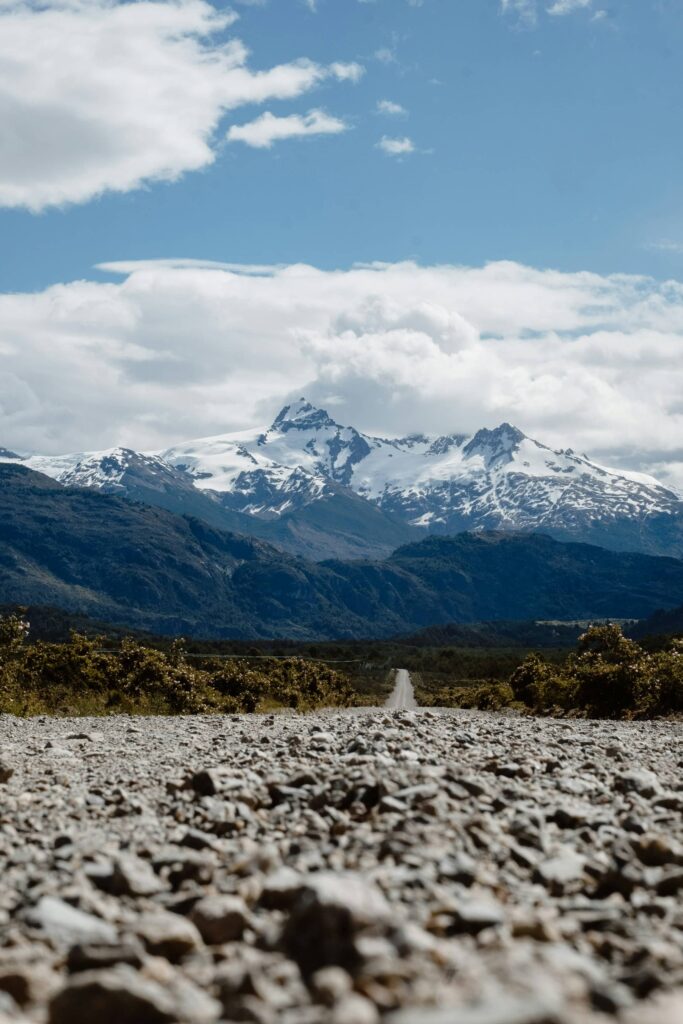
Driving in Patagonia means constant change.
One hour you are on smooth asphalt. The next hour you are on ripio, loose gravel that demands slower speeds and steady control.
Gravel driving requires:
After heavy rain, potholes become deeper and harder to see. In winter, snow and ice make mountain passes far more challenging.
If possible, avoid night driving in Patagonia.
Street lighting outside towns is almost nonexistent. Animals, especially guanacos and sheep, can suddenly appear on the road.
Add strong wind and reduced visibility, and night driving becomes stressful very quickly.
After experiencing crosswinds in daylight, I would never choose to face them in the dark unless absolutely necessary.