
Traveling solo as a woman can feel both exciting and a little uncertain, especially when heading somewhere new. Chile is often described as one of the safest countries in South America, but what does that actually look like when you’re on your own?
My wife grew up in Chile, so beyond my own experience traveling here, this guide is also shaped by local, insider knowledge. That means not just the typical safety advice you’ll find online, but the small details locals actually pay attention to day to day.
From walking through the streets of Santiago to exploring remote regions like Patagonia, here’s a clear and practical look at what solo female travel in Chile is really like in 2026, and how to do it confidently.
Important links:
Chile is widely considered one of the safest countries in South America, and that reputation generally holds true for solo female travelers as well. Whether you’re exploring cities like Santiago or heading into remote regions, most trips are smooth and trouble-free with the right level of awareness.
That said, traveling alone as a woman comes with a slightly different set of considerations. In this guide, you’ll get a clear, realistic view of what it’s like to travel solo in Chile in 2026, along with practical tips to help you feel confident and prepared.
Traveling alone in Chile generally feels comfortable and manageable. The country is organized, infrastructure works well, and day-to-day interactions tend to be calm and respectful. In cities, you’ll see other solo travelers, and in tourist areas, it’s common to meet people doing the same route.
There’s a noticeable sense of order compared to many other countries in the region, which makes navigating on your own much easier.
I highly recommend reading this blog too from the Solo Female Travel Club.
Chile stands out as one of the more stable and predictable destinations in South America. It tends to feel safer and more structured than places like Brazil or Colombia, especially for first-time solo travelers.
While it’s not completely risk-free, the overall environment is more relaxed, and issues tend to be minor rather than serious.
The main risks are the same as for most travelers: petty theft and occasional scams. Violent crime affecting tourists is rare.
As a solo female traveler, you may also encounter occasional street comments, particularly in busy city areas, but this is usually more uncomfortable than dangerous. Staying aware and confident goes a long way.
Chile and Argentina are very similar in terms of safety. Both are good options for solo female travelers, though Chile often feels slightly more organized and predictable, especially in cities.
Chile is generally considered safer than Brazil and Colombia, particularly when it comes to street crime and overall stability. For solo travelers, this difference is noticeable in day-to-day comfort.
Compared to countries like the USA, UK, and Canada, Chile has higher levels of petty theft but similar or lower levels of violent crime in many areas. The biggest adjustment is simply being more mindful of your belongings.
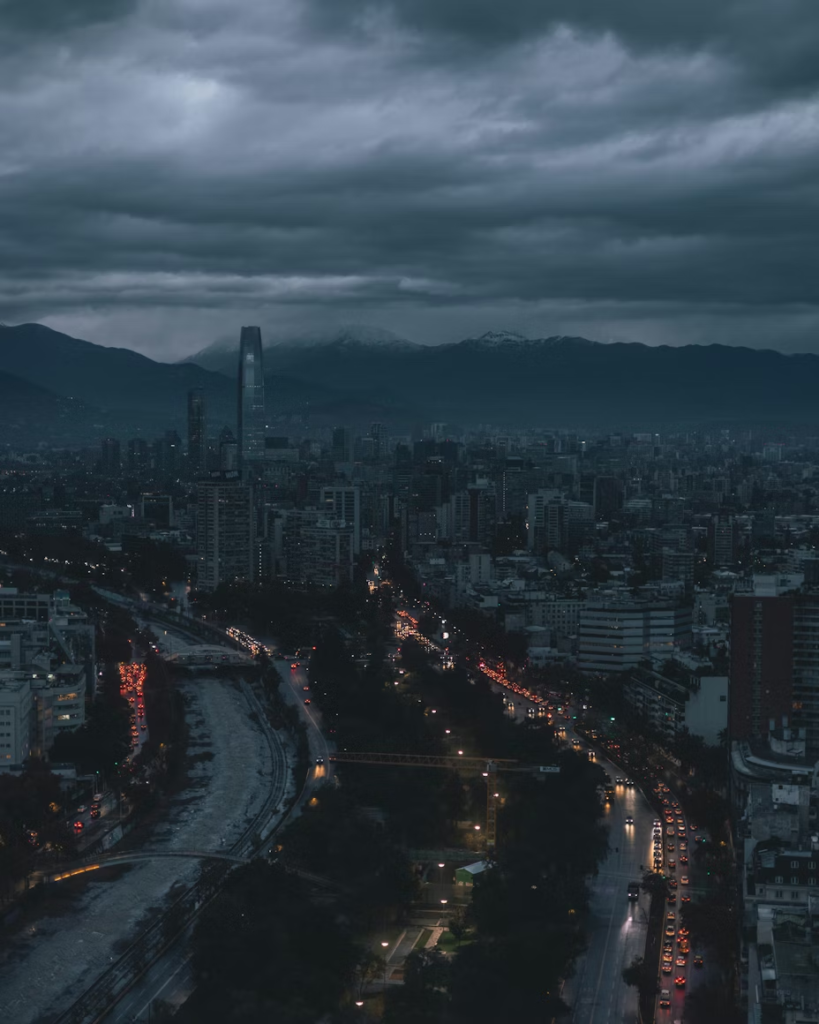
In Santiago, neighborhoods like Las Condes, Providencia, and Vitacura are among the safest and most comfortable for solo female travelers. These areas are clean, well-lit, and full of hotels, cafes, and restaurants.
They’re also easy to navigate, which makes them ideal if it’s your first time in Chile.
Outside the capital, places like San Pedro de Atacama, Puerto Varas, and much of southern Chile are very safe. These destinations are used to tourism and have a relaxed, welcoming atmosphere.
You’ll often find it easy to walk around alone during the day and even in the evening in busier areas.
If you’re new to solo travel, Chile is a great starting point. Areas with strong tourism infrastructure tend to feel the easiest, with clear transport options and helpful locals.
While much of Santiago is safe, certain areas like parts of Estación Central, La Pintana, and more remote outskirts are not ideal for tourists, especially at night.
Quiet streets, poorly lit areas, and unfamiliar neighborhoods are best avoided after dark. This applies in Santiago and other cities.
Be more alert in crowded places like markets, public transport, and bus terminals. These are the most common spots for petty theft.
Street harassment exists but is generally limited to comments rather than physical behavior. Most interactions are harmless, though they can feel uncomfortable.
Ignoring and continuing confidently is usually the best approach.
This is the most common issue travelers face. It tends to happen in busy areas where people are distracted.
Keeping your belongings secure and out of sight reduces the risk significantly.
Occasionally, unregistered taxis may overcharge or take longer routes. Using apps or official services helps avoid this.
Ride apps like Uber and Cabify are widely used in Chile and are generally safe. They’re often the best option, especially at night.
Public transport is reliable and widely used, but like in any major city, it’s best to stay aware of your surroundings and keep an eye on your belongings.
Arrange transport in advance when arriving late at night. Using official taxis or ride apps is the safest choice.
Nightlife areas are lively and popular, particularly in Santiago. Stick to well-known districts and avoid wandering too far off.
Stay in well-lit, busy areas and avoid distractions like using your phone while walking. Confidence and awareness make a big difference.
Areas like Providencia and parts of Bellavista are popular for nightlife, though extra awareness is recommended in busier zones.
Chileans are generally respectful and polite. Solo female travelers are common, and most people won’t give it much attention.
There’s no strict dress code, but locals tend to dress relatively modestly and neatly. Blending in can help avoid unwanted attention.
Simple politeness goes a long way. Greeting people and being respectful helps create positive interactions.
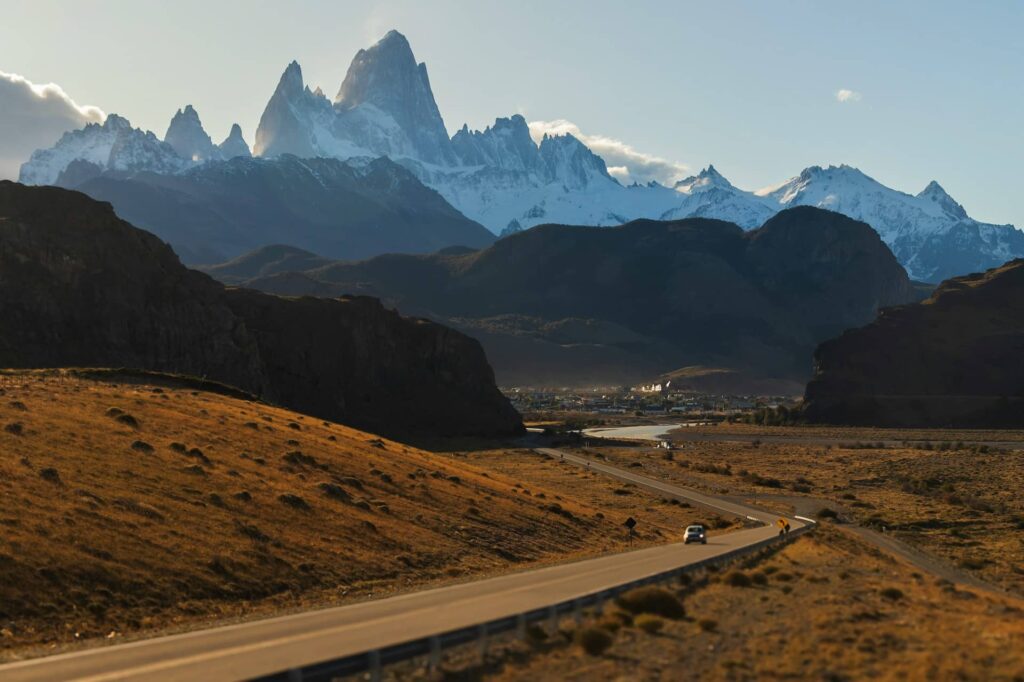
Remote regions are very safe in terms of crime, but they come with environmental risks. Weather conditions can change quickly, and distances are large.
The Atacama is extremely safe but also very remote. Staying hydrated and planning tours properly is important.
Chile is prone to earthquakes, though buildings are well-prepared. In remote areas, being prepared and informed is key.
Keep valuables out of sight, stay aware of your surroundings, and trust your instincts. Small habits make a big difference.
If something feels off, leave the situation and head to a busy, public area. Asking for help from staff or locals is usually easy.
Start with safer areas, plan your routes, and take things step by step. Confidence grows quickly once you settle in.
Chile remains one of the safest countries in the region. Most visits are trouble-free, and tourism continues to be strong.
Protests can happen, especially in Santiago. They are usually peaceful but should be avoided if encountered.
There are no major new risks affecting solo female travelers specifically. General awareness is still the most important factor.
Chile is a strong choice if you’re looking for a safe and manageable solo travel experience in South America. It offers a balance of comfort, structure, and adventure that suits a wide range of travelers.
With basic precautions and awareness, it’s a destination where you can feel confident exploring on your own.
Yes, in the right areas. Stick to well-lit, busy neighborhoods and avoid unfamiliar places after dark.
Santiago is safe in many areas, especially neighborhoods like Providencia and Las Condes, though extra awareness is needed compared to smaller towns.
Yes, it’s one of the best countries in South America to start with due to its stability and infrastructure.
Avoid displaying valuables, walking alone in quiet areas at night, and using unregistered taxis. Staying aware is the key to a safe trip.