
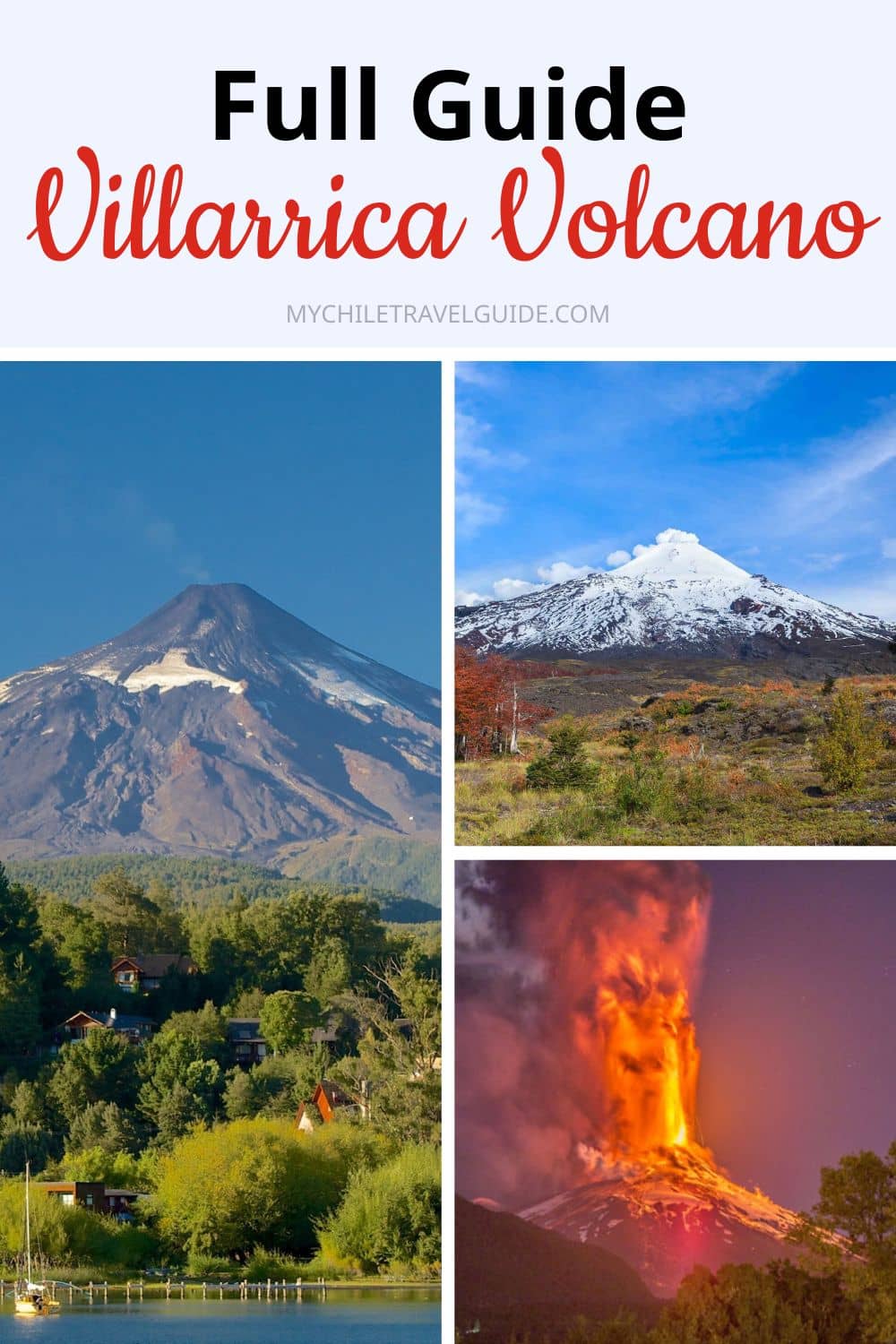
You leave Pucón, drive past wooden cabins and forested roads, and then it appears. A perfect white cone rising straight above the town, often with a thin line of smoke drifting from the top.
That is Villarrica Volcano 🌋
Unlike many volcanoes you only admire from a distance, this one is alive. It is one of the most active volcanoes in South America. And yes, you can actually climb it.
This is my take on visiting Villarrica Volcano, what to expect, when to go, and whether the hike is really worth it.
Villarrica Volcano is one of the most iconic landmarks in Chile’s Lake District and the main reason many travelers visit Pucon.
It stands at 2,847 meters and is known for its near perfect cone shape and snow covered summit. What makes it special is that it is still active. On clear days, you can sometimes see smoke rising from the crater.
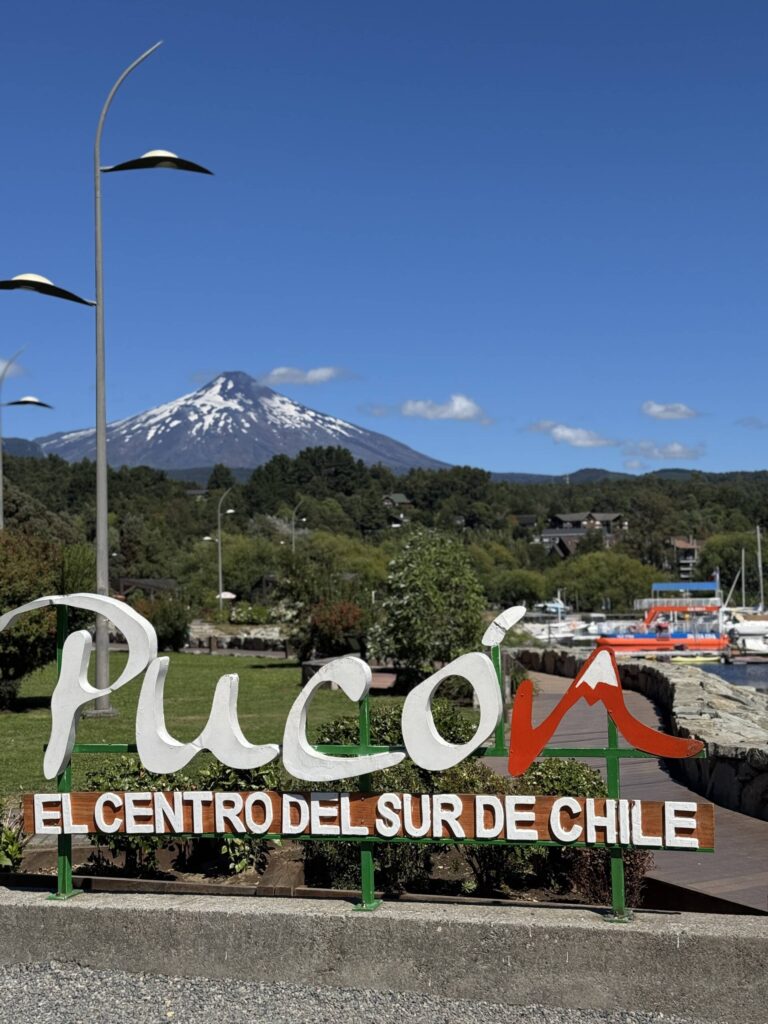
From Pucon’s lakeshore you already get incredible views. The volcano dominates the skyline. Whether you are kayaking on Lake Villarrica or walking through town, it is always there.
Unlike Osorno, Villarrica feels more raw and adventurous. It is less about scenic driving and more about action.
Villarrica Volcano location is in southern Chile, inside Villarrica National Park, between the towns of Pucon and Villarrica.
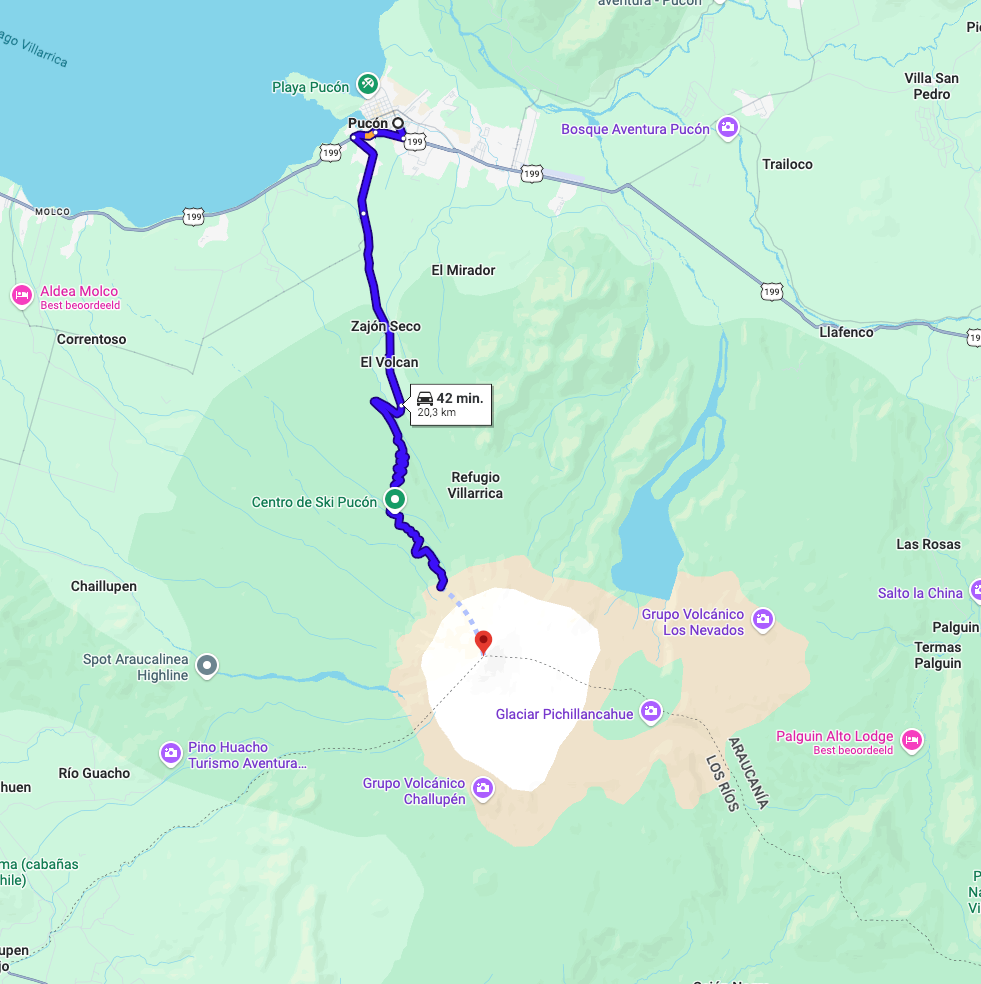
Pucon is the main base for visitors and sits right on Lake Villarrica. From town, it takes about 20 to 25 minutes by car to reach the ski center area on the volcano.
Because of its location, it is easy to combine with:
The volcano rises directly behind Pucon, which makes it impossible to miss.
Driving to Villarrica Volcano from Pucón is easy and scenic, and it gives you full control over your timing. The distance is short, around 12 km, and normally takes about 20 to 30 minutes depending on traffic and road conditions.
The road climbs steadily toward the volcano, and as you leave town, the forest starts to thicken around you. On clear days, the snow covered summit appears dramatically above the trees, and you can already see steam rising from the crater if the volcano is active.
Before driving up, it is practical to stop in Pucón town to grab snacks, water, or sunscreen. There are several supermarkets and small shops along Avenida O’Higgins. Once you start ascending toward the national park entrance, there are no major stores.
Driving is the most flexible way to visit Villarrica Volcano. You can:
The road is paved most of the way. The final section inside the national park can feel steeper and occasionally rough, especially after winter. In summer, a standard car is usually enough. In winter, snow and ice are common, and authorities may require snow chains.
Always check volcanic activity status before going. If activity levels rise, access to higher areas may be restricted.
If you prefer not to drive, many guided tours depart directly from Pucón. Most volcano hikes include:
For the summit hike, going with a licensed guide is mandatory. Conditions on the volcano change quickly, and professional supervision is required.
Villarrica Volcano height is 2,847 meters.
That makes it one of the taller volcanoes in the region, but still accessible for fit travelers through guided climbs.
The elevation gain during the Villarrica Volcano hike is significant, which is why the ascent feels demanding even for experienced hikers.
Yes, Villarrica Volcano is active.
It has a long history of eruptions and is constantly monitored by Chilean authorities. Activity levels can change, and sometimes access to the summit is restricted depending on volcanic behavior.
Its activity is also what makes it famous for having a lava lake inside the crater during certain periods.
The Villarrica Volcano last eruption occurred in 2015, when lava fountains and ash columns forced evacuations around Pucon.
Since then, there have been smaller activity phases, but nothing on the same scale.
Because of this history, safety checks are taken seriously. If activity increases, climbs are suspended.
Always check current status before planning your visit.
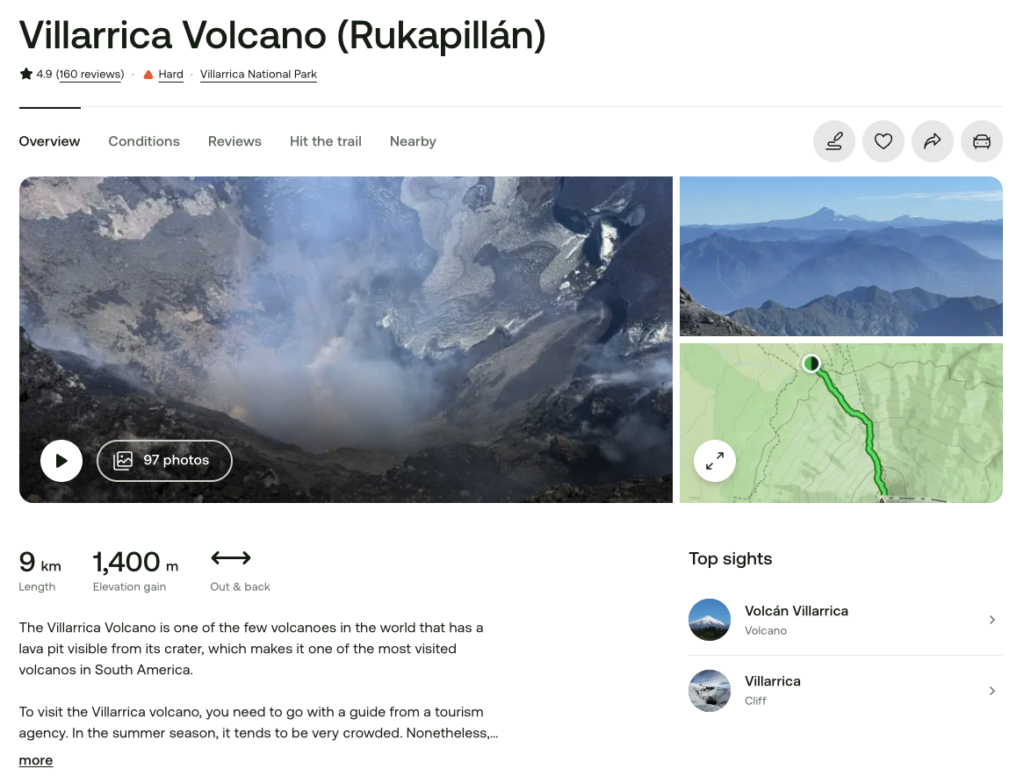
Yes, hiking Villarrica Volcano is possible, but it is very different from a normal mountain hike.
This is not just a scenic walk. It is a high altitude volcanic ascent on one of Chile’s most active volcanoes, and conditions can change quickly.
The standard summit route is approximately:
Climbing Villarrica Volcano means:
Higher up, the terrain becomes snow covered even in summer. Near the crater, you may see steam rising from the active vent, and on clear days you can sometimes glimpse the lava lake deep inside.
No.
This is not a casual viewpoint walk. While many visitors explore short trails near the ski center inside Villarrica National Park, the full summit hike requires:
Even in summer, guides typically provide crampons and an ice axe for the upper section.
For the summit, going with a certified guide is mandatory.
Due to volcanic activity, snow conditions, and safety regulations, independent summit hikes are not allowed. Local agencies in Pucón provide:
Crevasses, unstable snow, and sudden gas emissions are real risks. Conditions are monitored constantly, and access may be restricted if activity increases.
Hiking Villarrica Volcano is possible, but it is physically demanding and conditions dependent. If you are looking for a serious adventure with the chance to peer into an active crater, this is one of the most unique climbs in South America.
If you simply want impressive views, the lower access areas and surrounding trails already offer incredible scenery without committing to the full ascent.
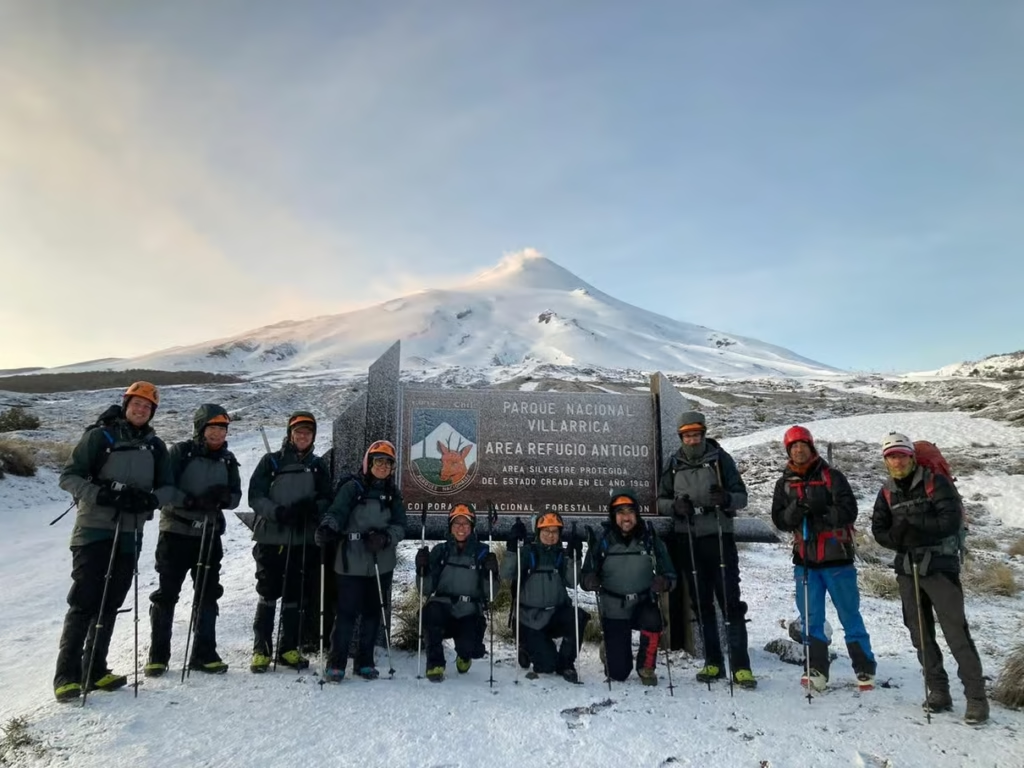
Climb the imposing Villarrica Volcano, the most active in South America. Be amazed at the summit and see the geological formation of the crater with its constant activity.
CHECK AVAILABILITY HERE:
One of the most fascinating features is the Villarrica Volcano lava lake.
During periods of higher activity, you can sometimes see glowing lava inside the crater. It is not guaranteed, and visibility depends on both volcanic activity and weather conditions.
Seeing the lava lake is rare but possible. Even without visible lava, standing at the crater rim is a powerful experience.
Booking a Villarrica Volcano tour is the standard way to summit.
Tours typically include:
Prices usually range between 80 and 120 USD depending on season.
If you do not want to summit, you can also visit the lower ski area independently for panoramic views without the full hike.
On a Villarrica Volcano map, you will see it located directly east of Pucon within Villarrica National Park.
The ski center marks the main access point. From there, summit routes head straight up the cone.
It is helpful to check a map before going, especially if you plan to drive yourself to the starting point.
Best weather conditions
More stable access
Higher chance of summit attempts
Shoulder season (October to November, April)
Fewer visitors
More unpredictable weather
Heavy snow
Very scenic
Access depends on conditions
Weather changes fast in the Lake District. Always aim for clear mornings if possible.
Villarrica Volcano is one of the most dramatic experiences in Chile’s Lake District.
It is active. It has erupted in recent history. It sometimes holds a lava lake. And you can stand on top of it.
Whether you choose a full Villarrica Volcano hike or simply admire it from Pucon, it adds energy and raw power to the entire region.
If you are staying in Pucon, visiting Villarrica Volcano should be high on your list.